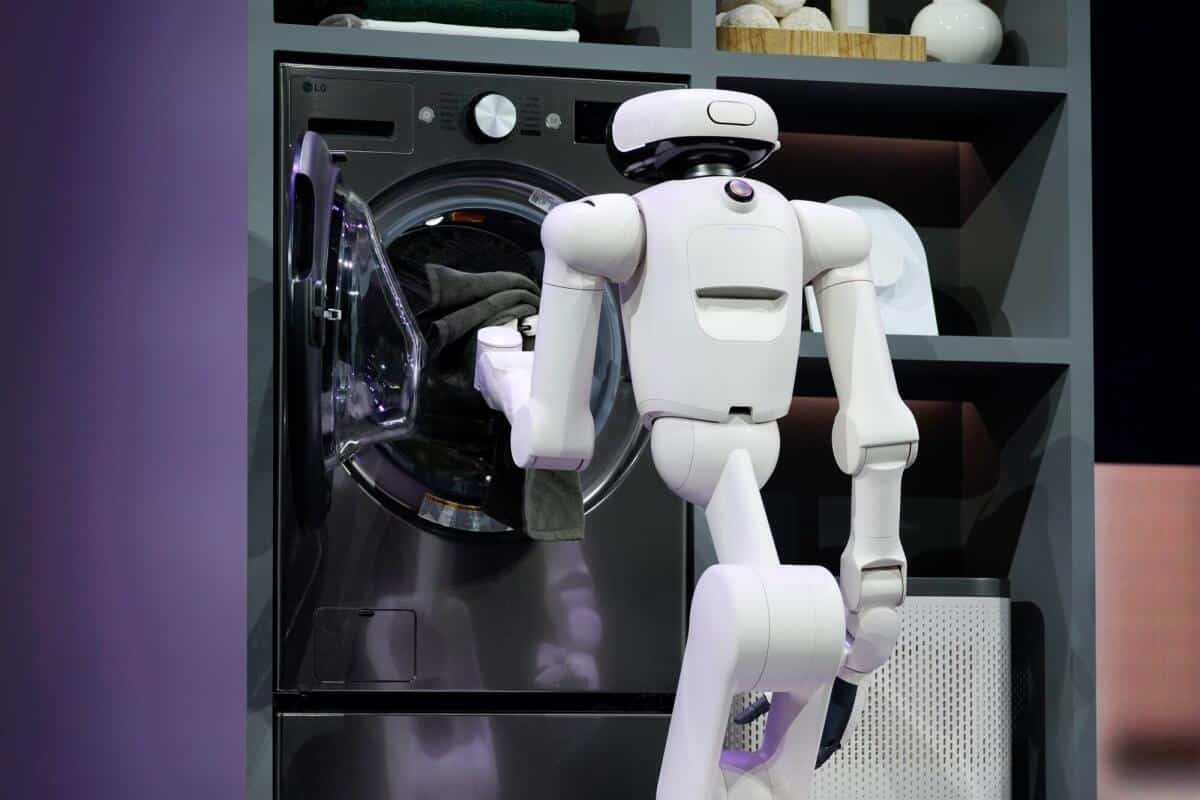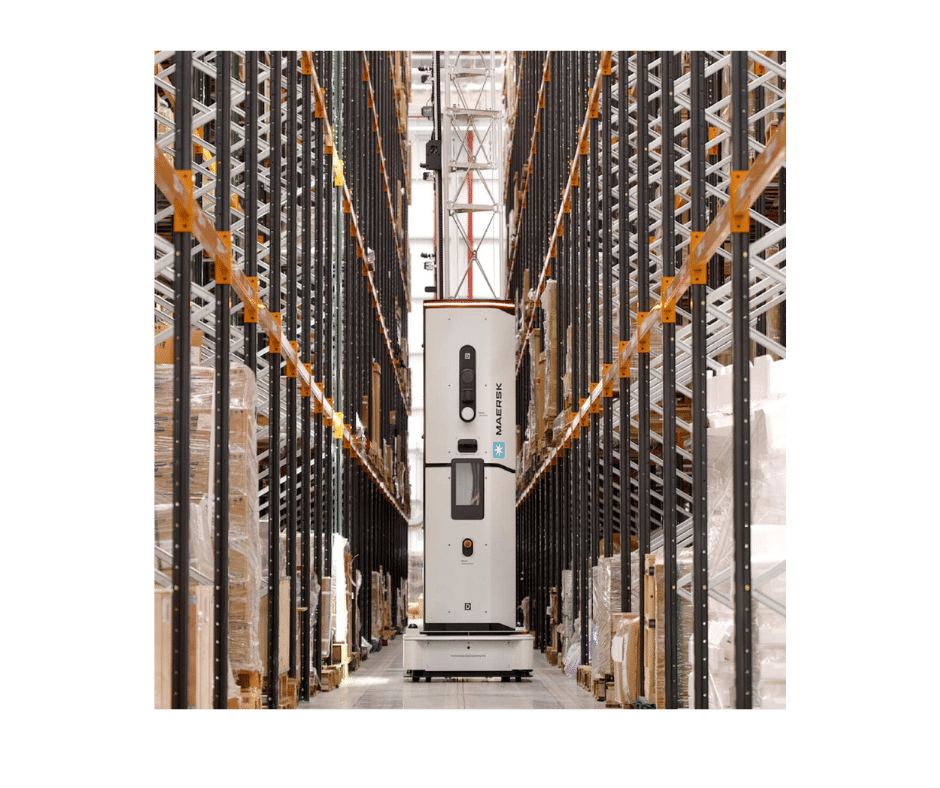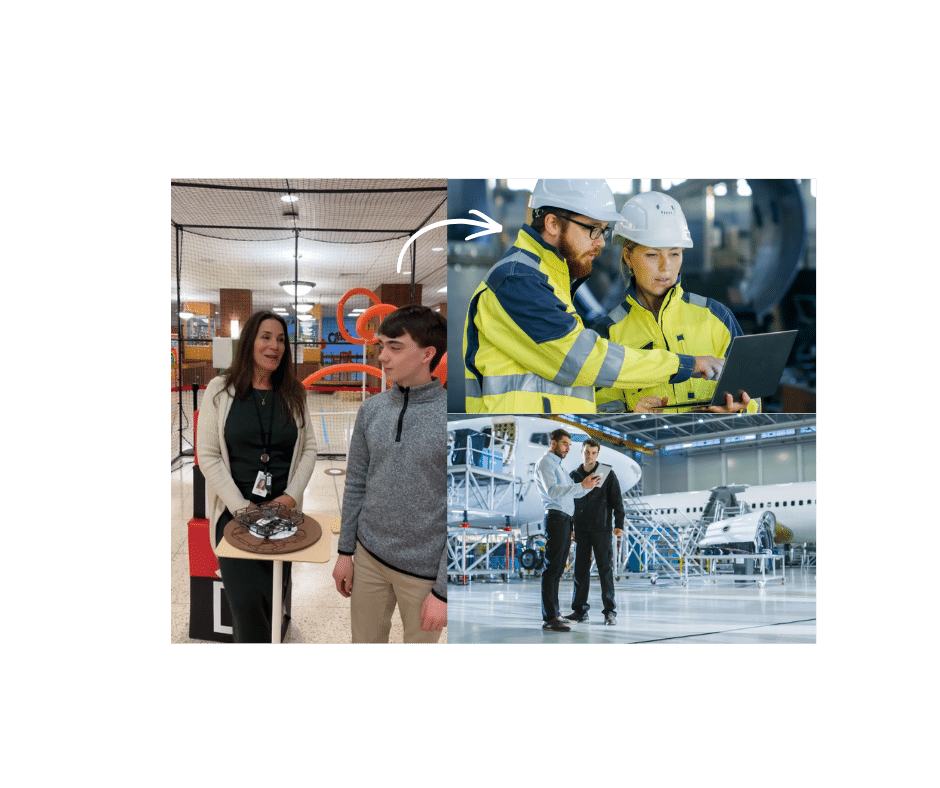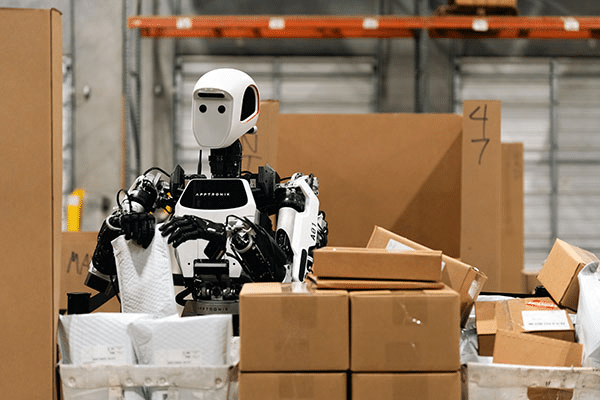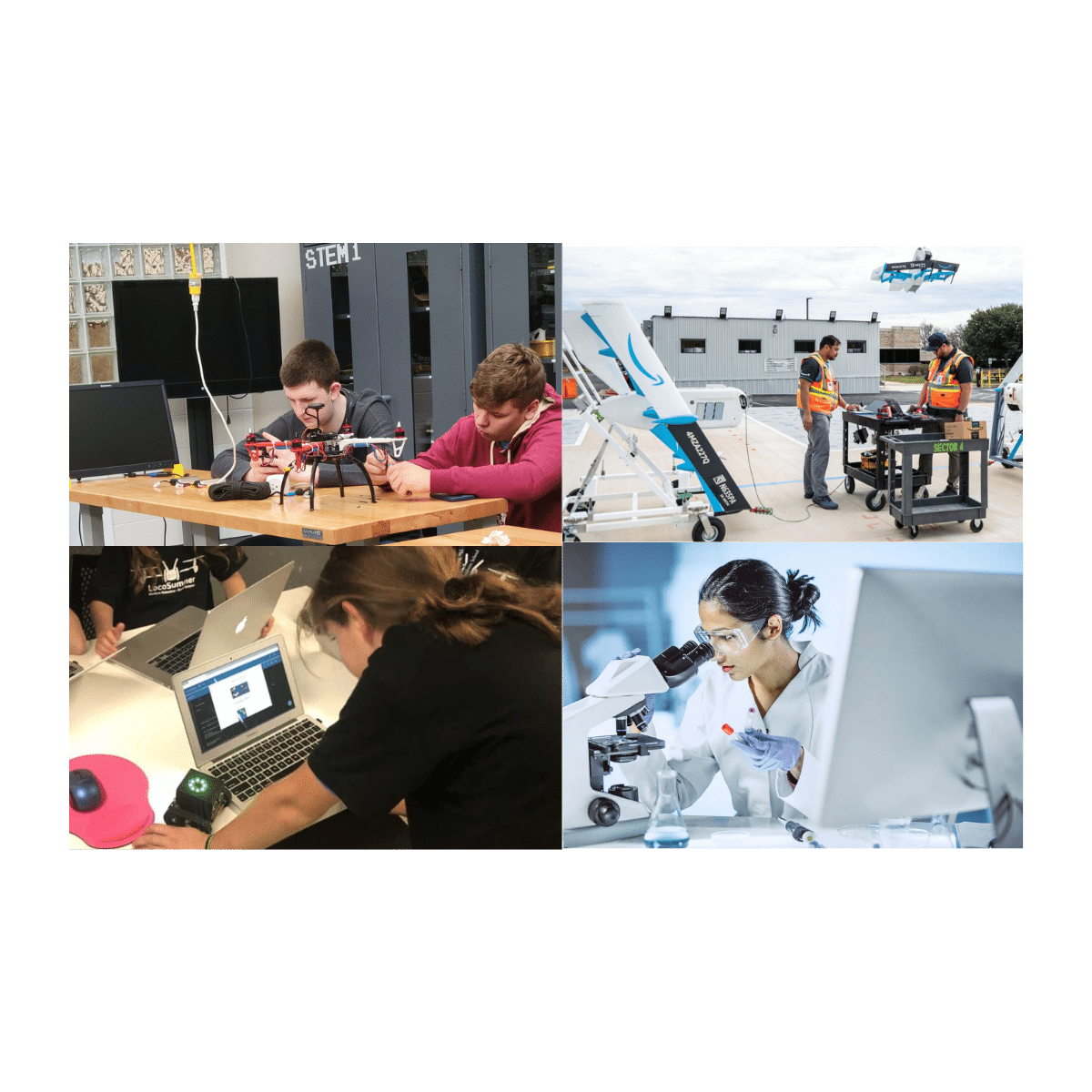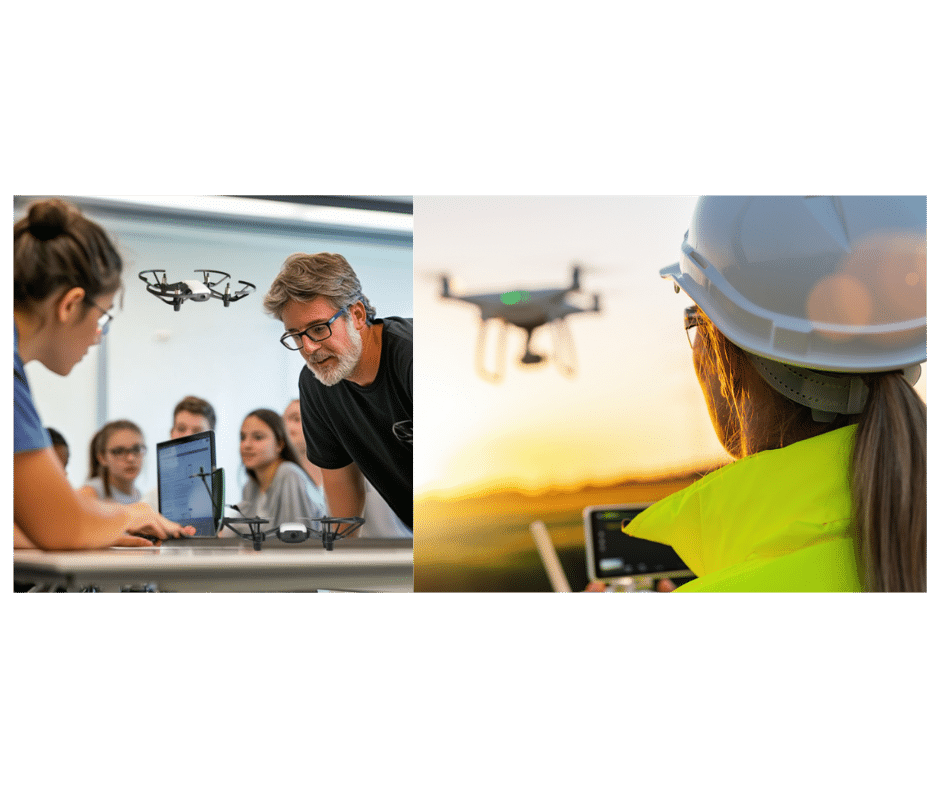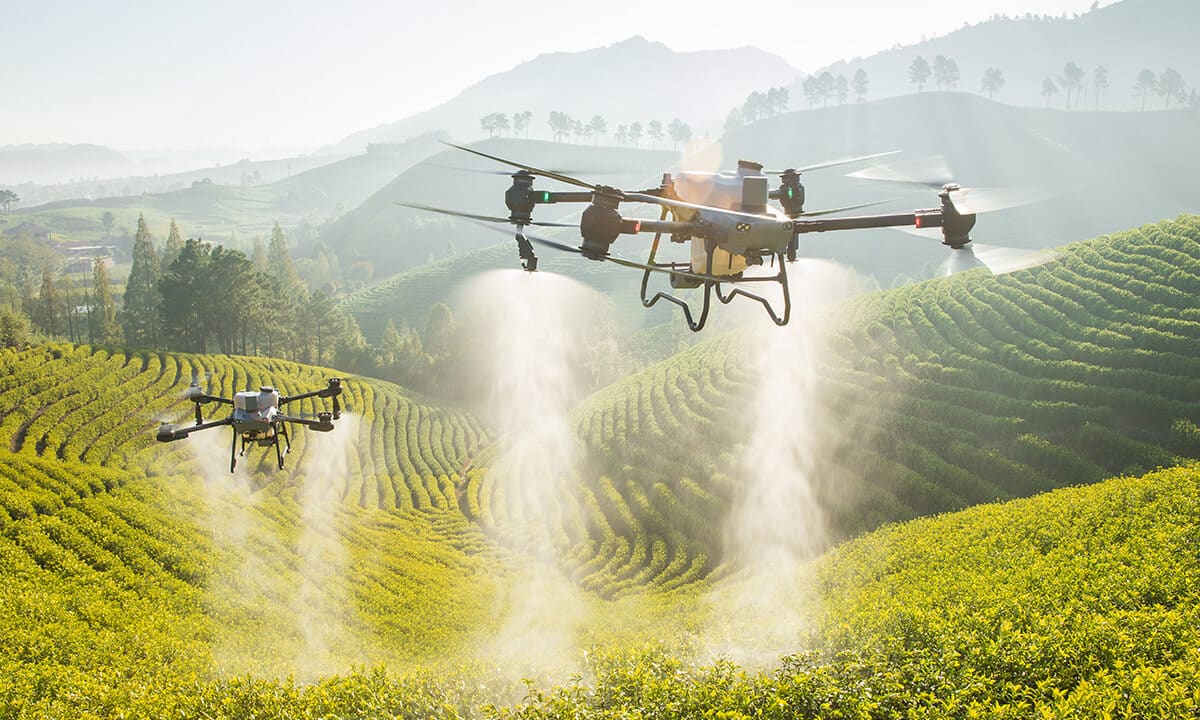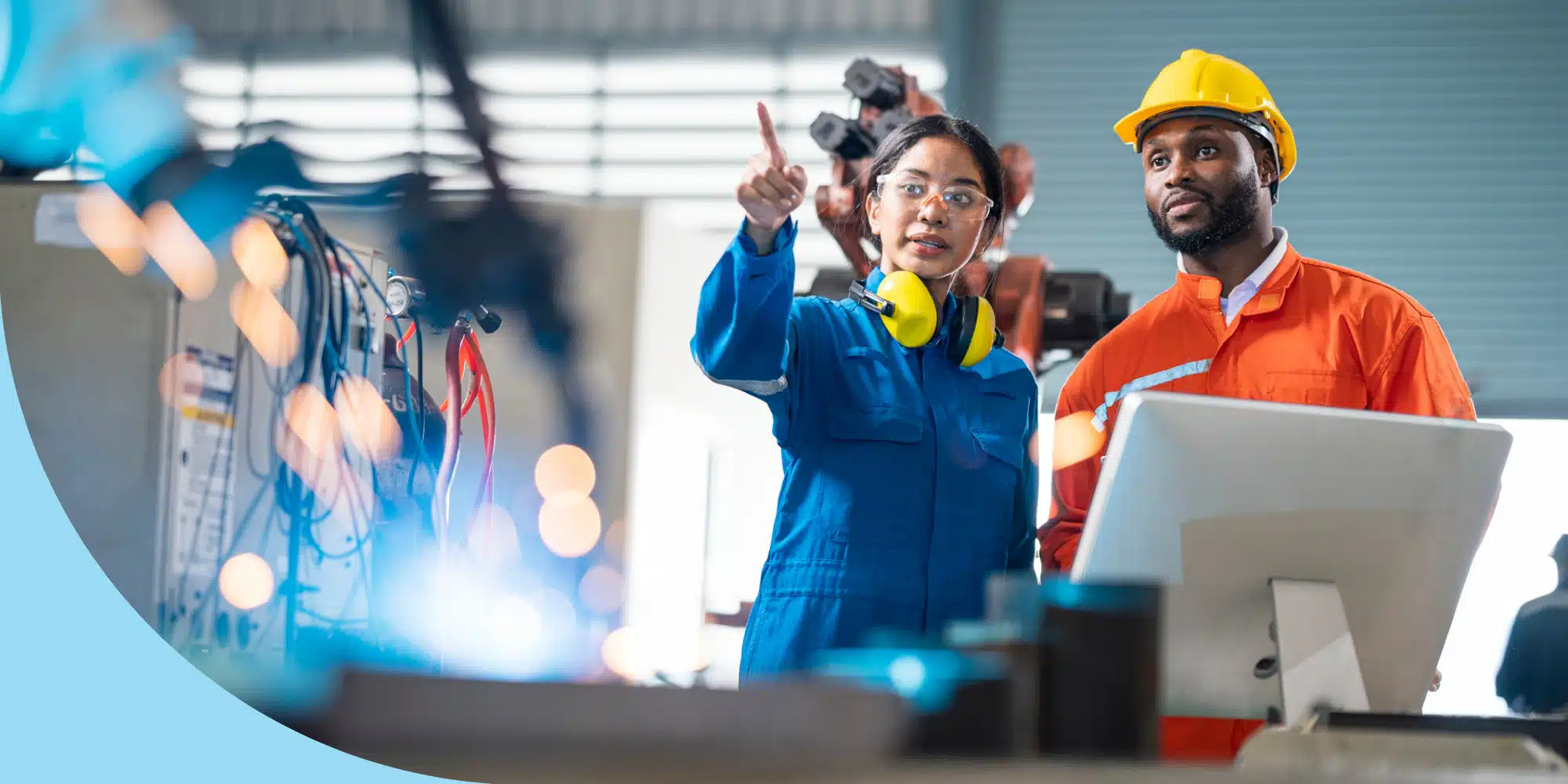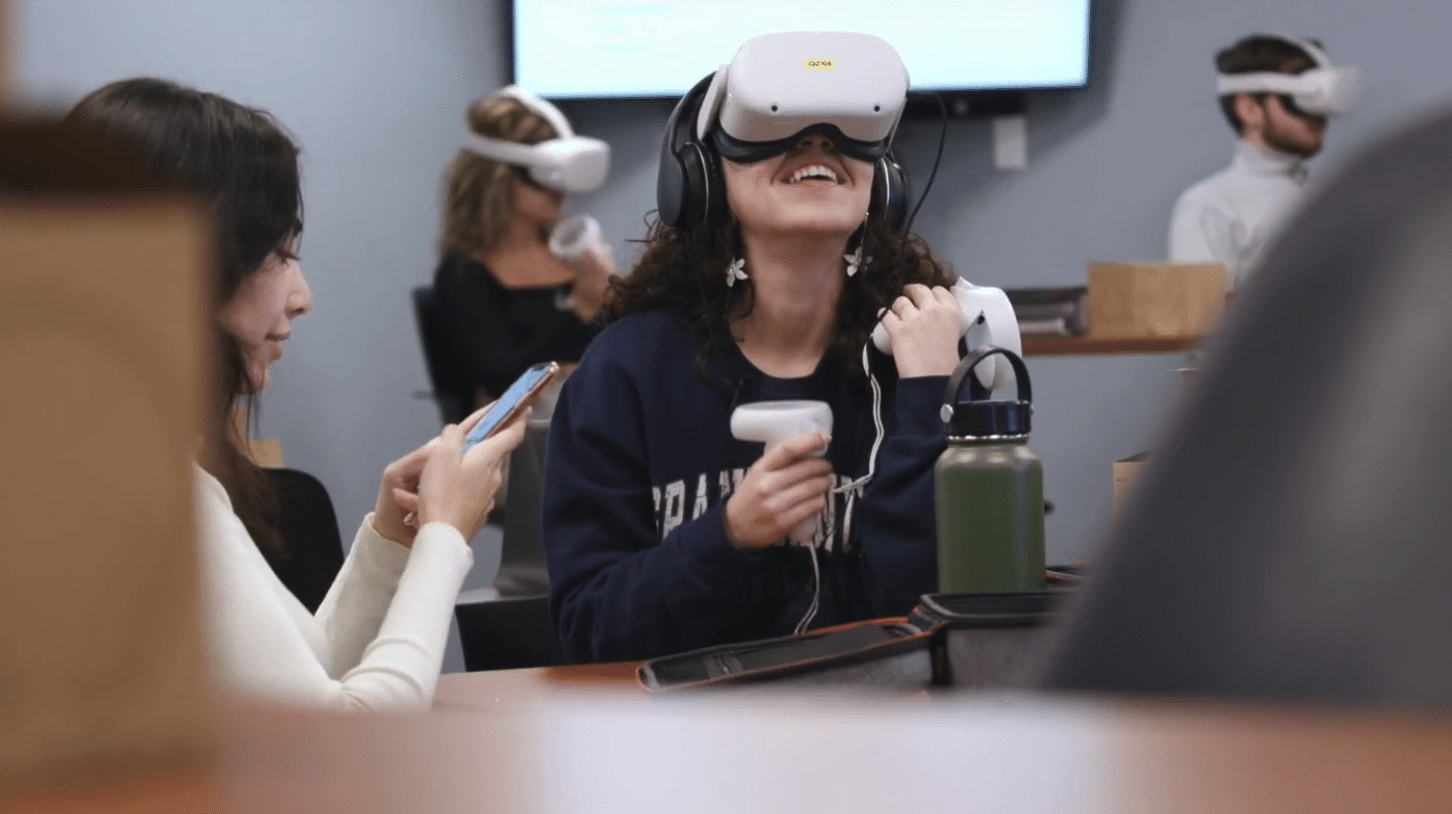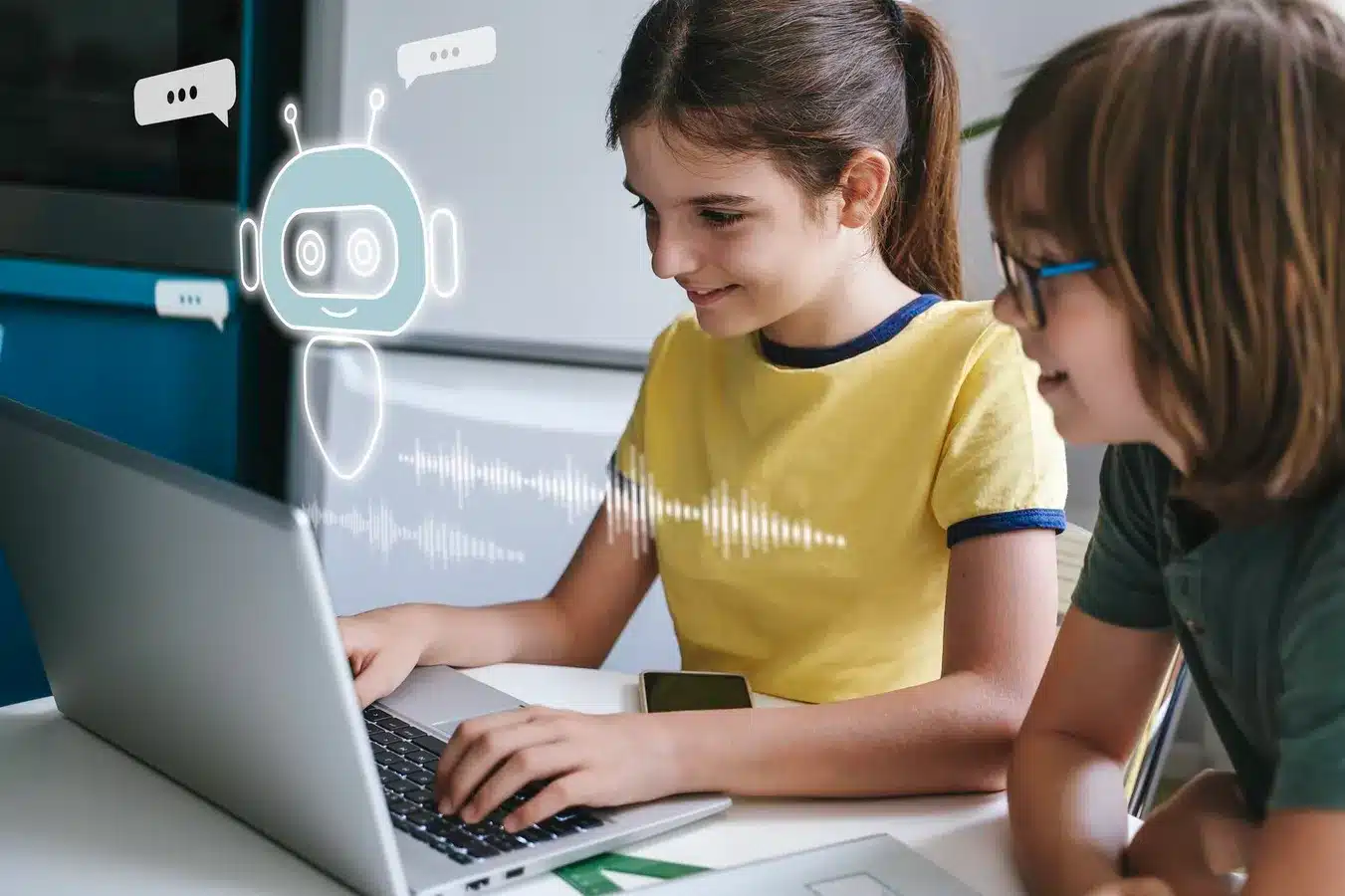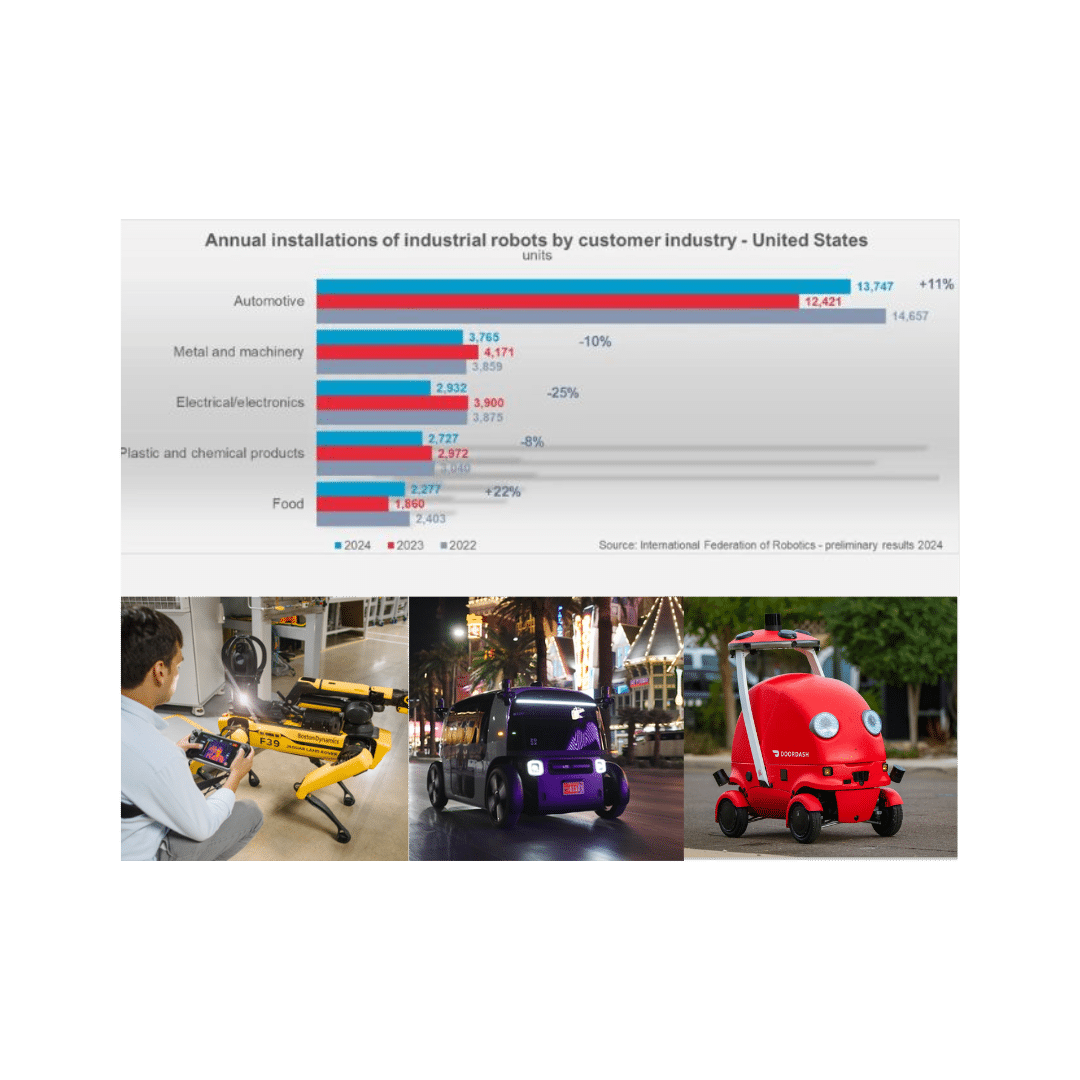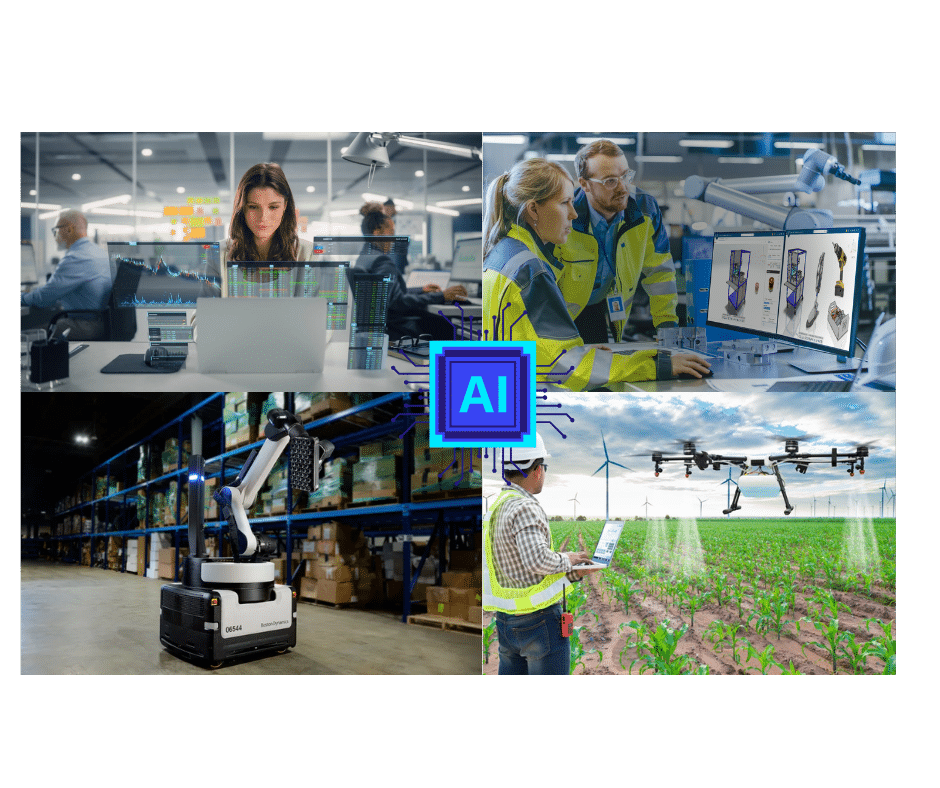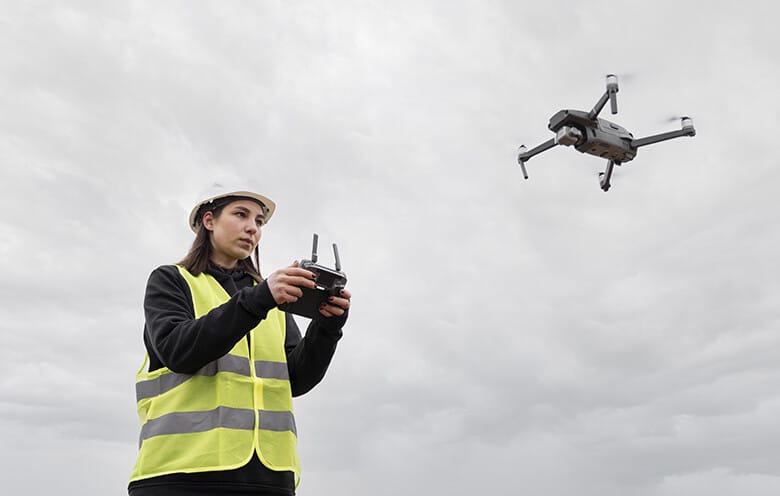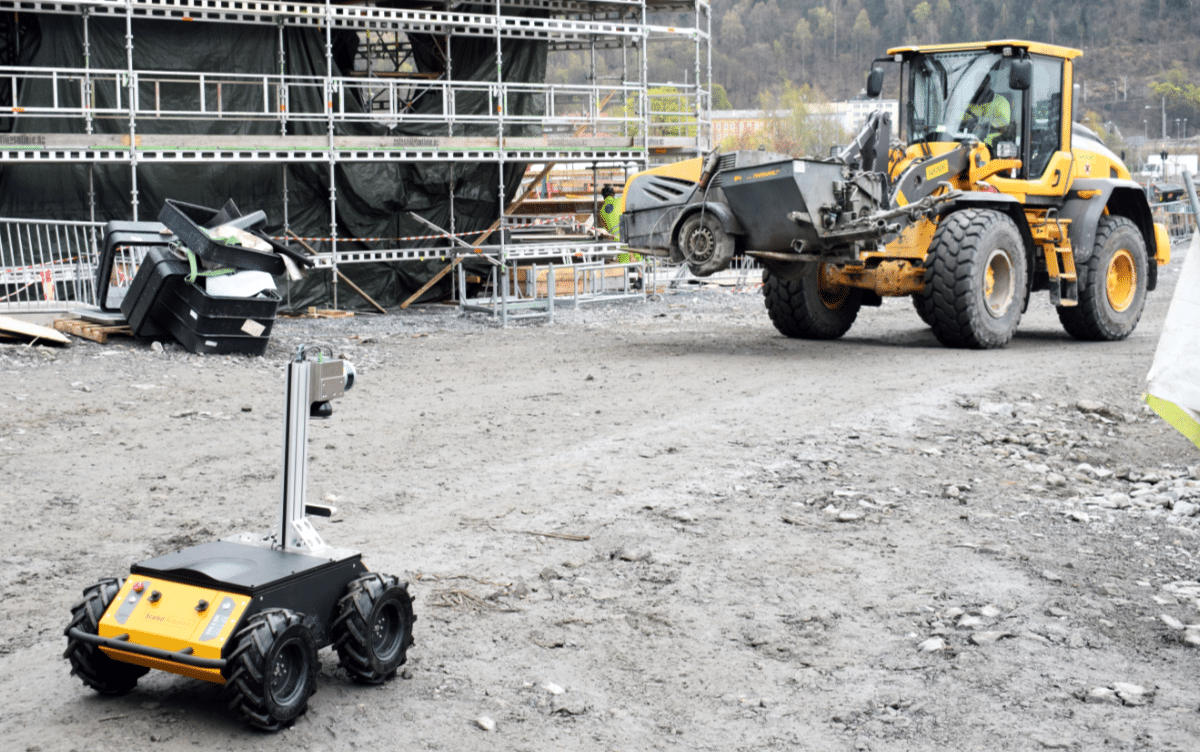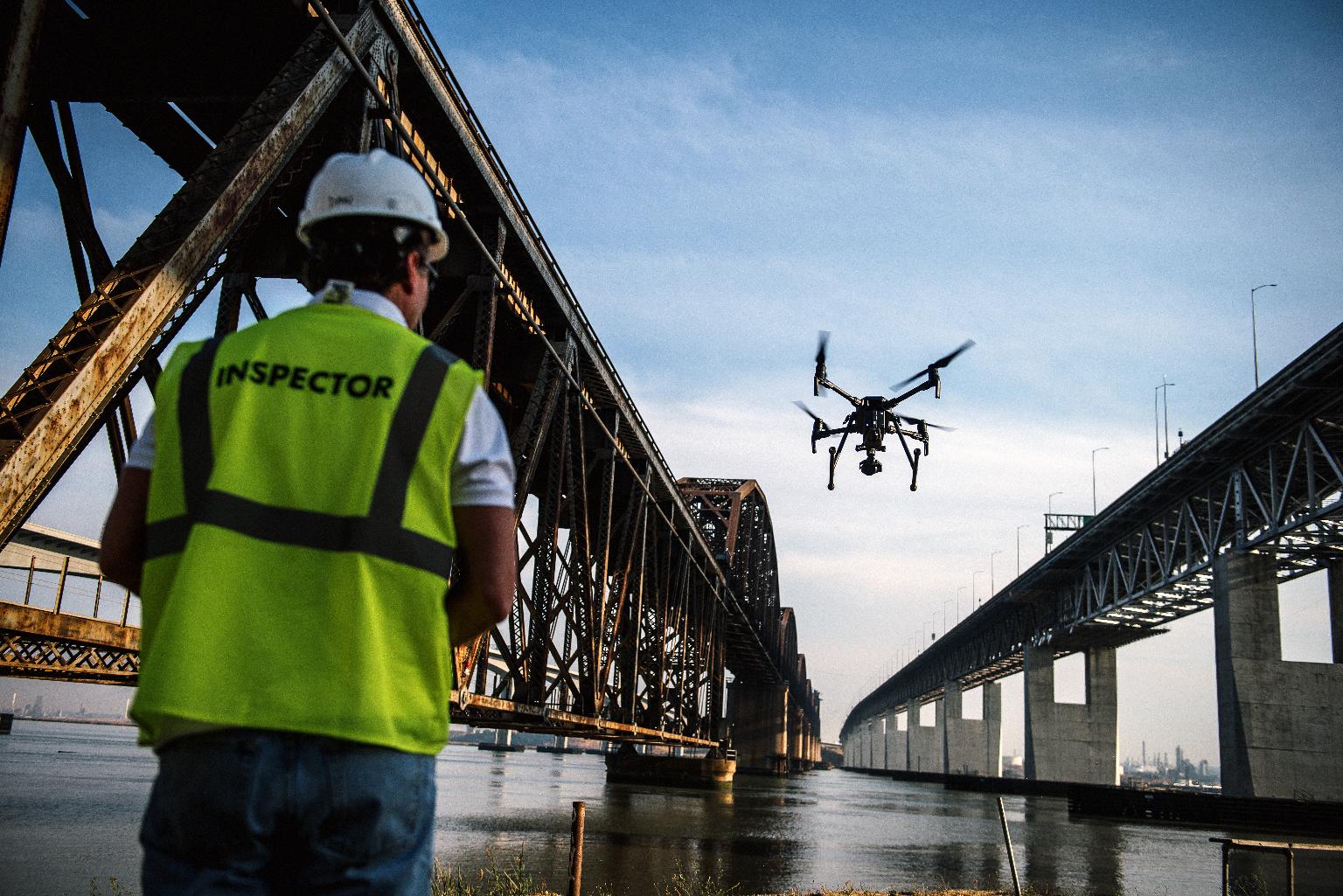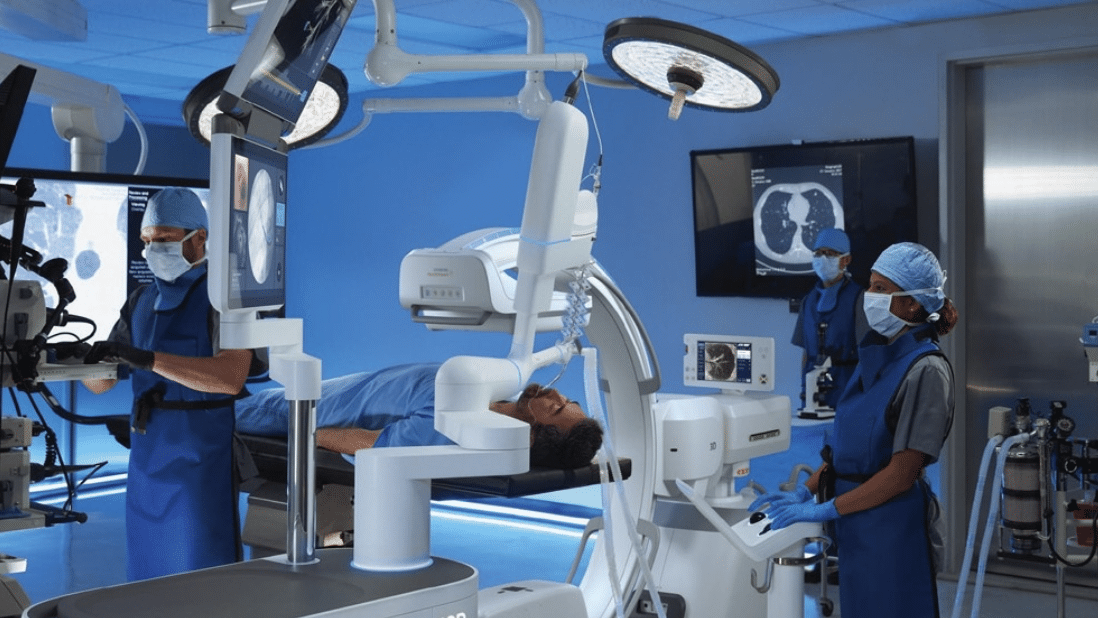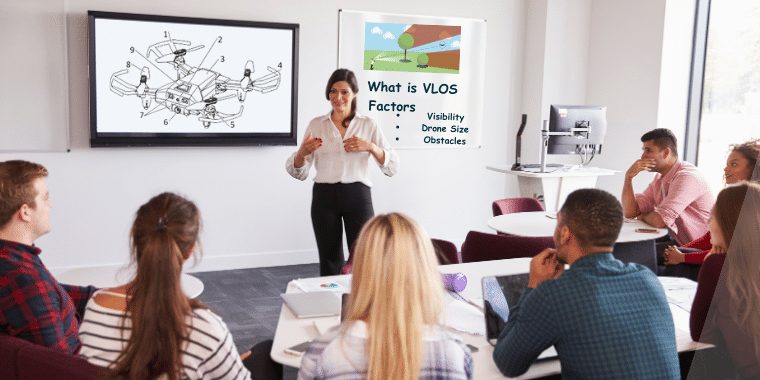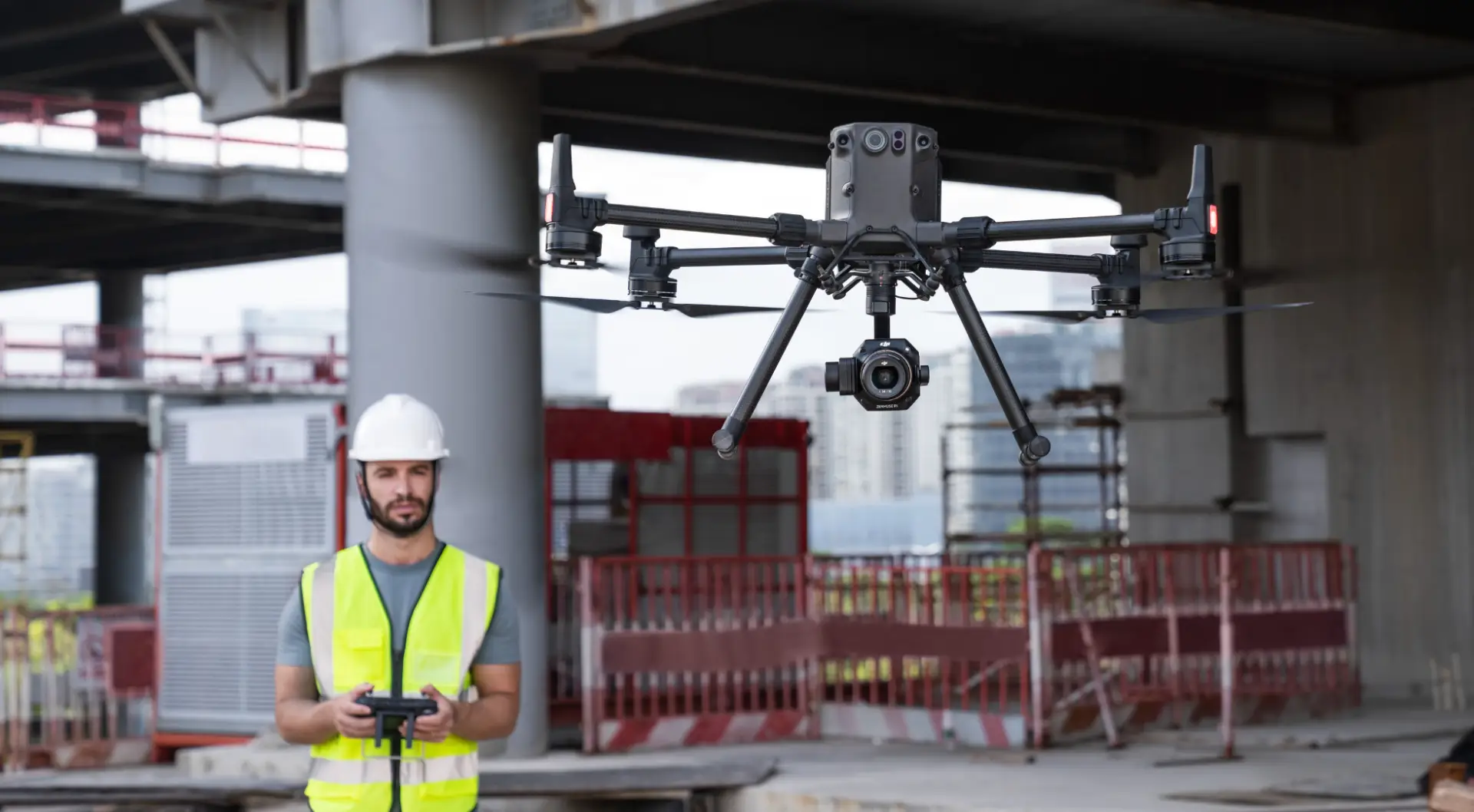



At CES 2026 in Las Vegas, humanoid robots drew attention. The most meaningful progress was in the purpose-built, task-specific machines quietly transforming blue-collar industries. From factory floors to airport tarmacs to construction sites, autonomous robots are delivering measurable, real-world results today.
Here is a look at the key technologies driving this shift, and what they mean for the future of robotics.
From General Intelligence to Constrained Excellence
Atlas from Boston Dynamics exemplified how even advanced systems are being validated through tightly defined workflows.
The broader industry shift is clear:
- Design for one environment
- Optimize for one workflow
- Validate against one measurable outcome
Repetitive precision.Heavy-load handling. Hazardous inspection. Structured automation.
The engineering philosophy is evolving from “What can a robot potentially do?” to “What must this robot reliably do every single time?”
That constraint is accelerating adoption.
Perception Is the Real Breakthrough
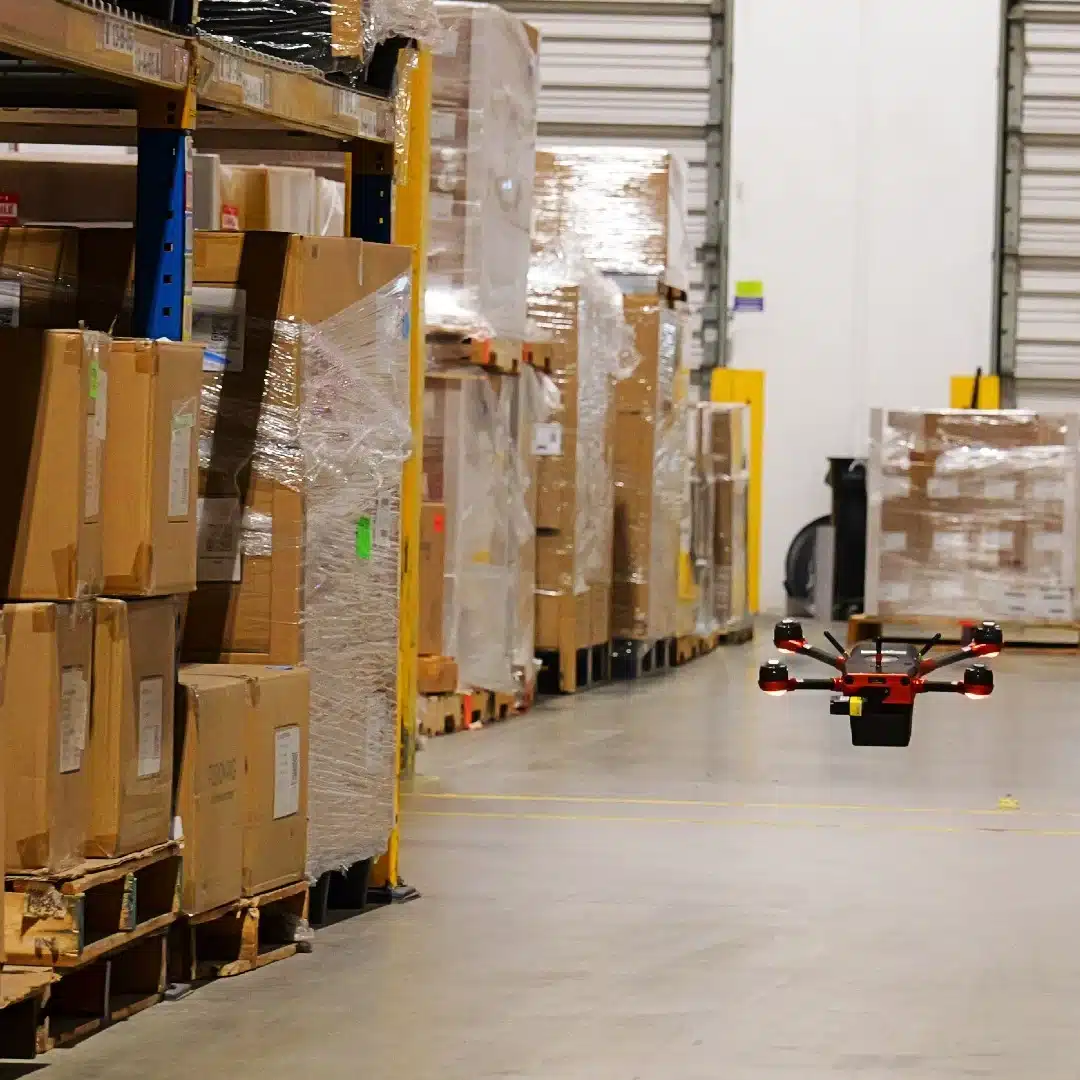
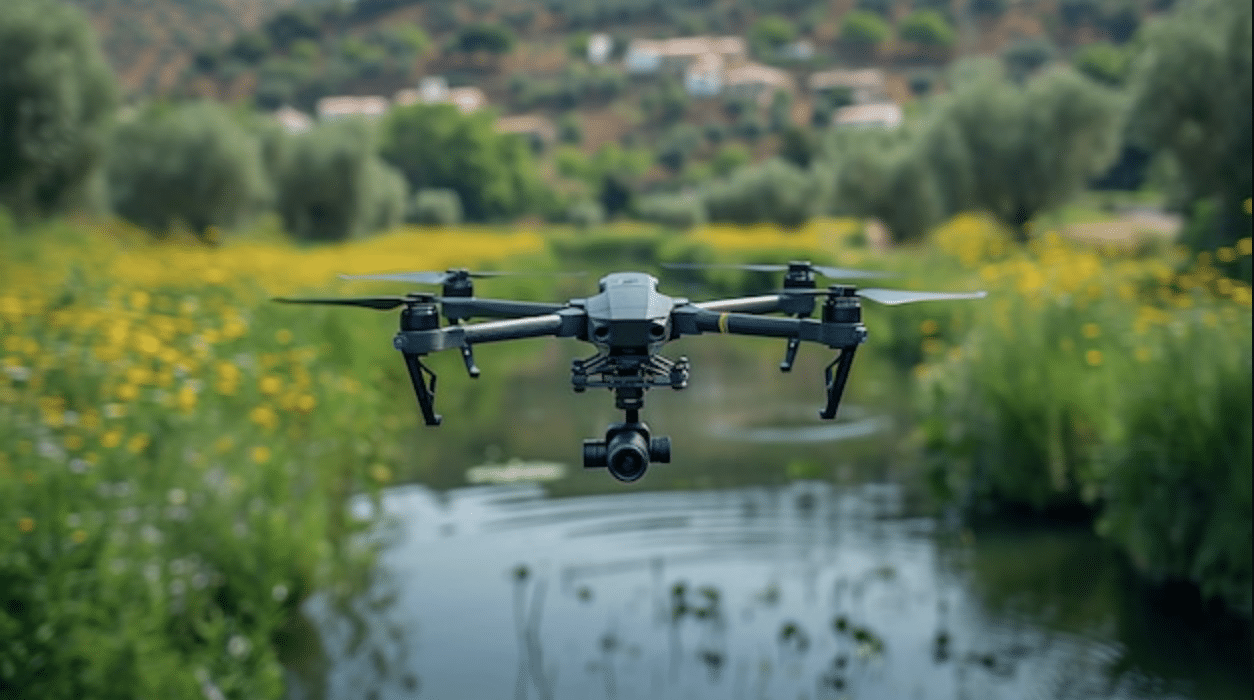
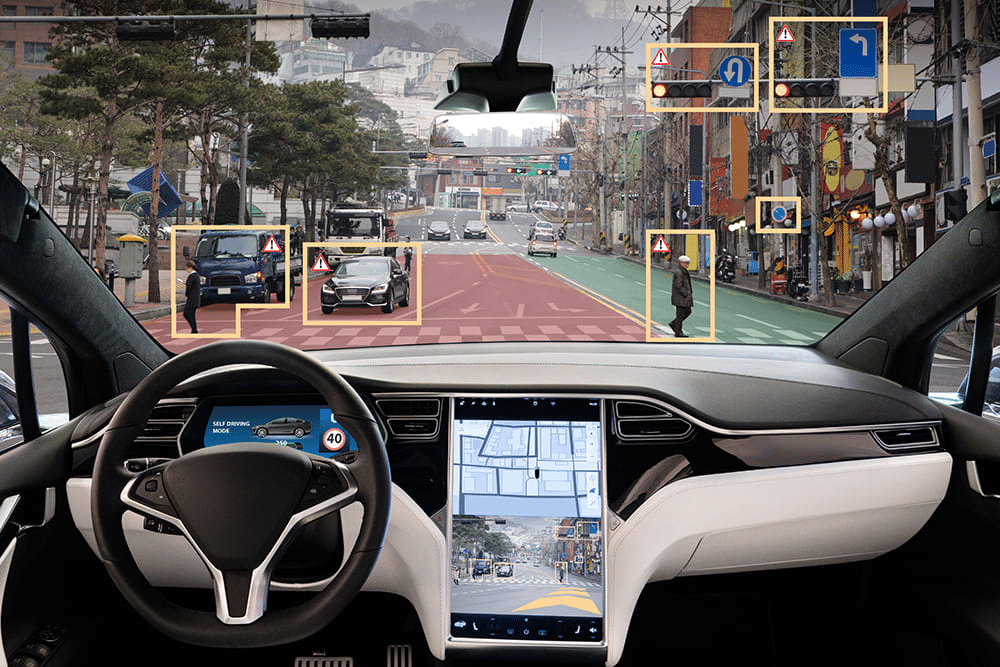
The focus has shifted from movement to perception. Across warehouses, construction sites, and logistics hubs, autonomous systems now combine:
- LiDAR for spatial mapping
- Stereo and depth cameras for scene understanding
- IMU-based motion awareness
- Thermal sensing for anomaly detection
- Edge AI processing for real-time decisions
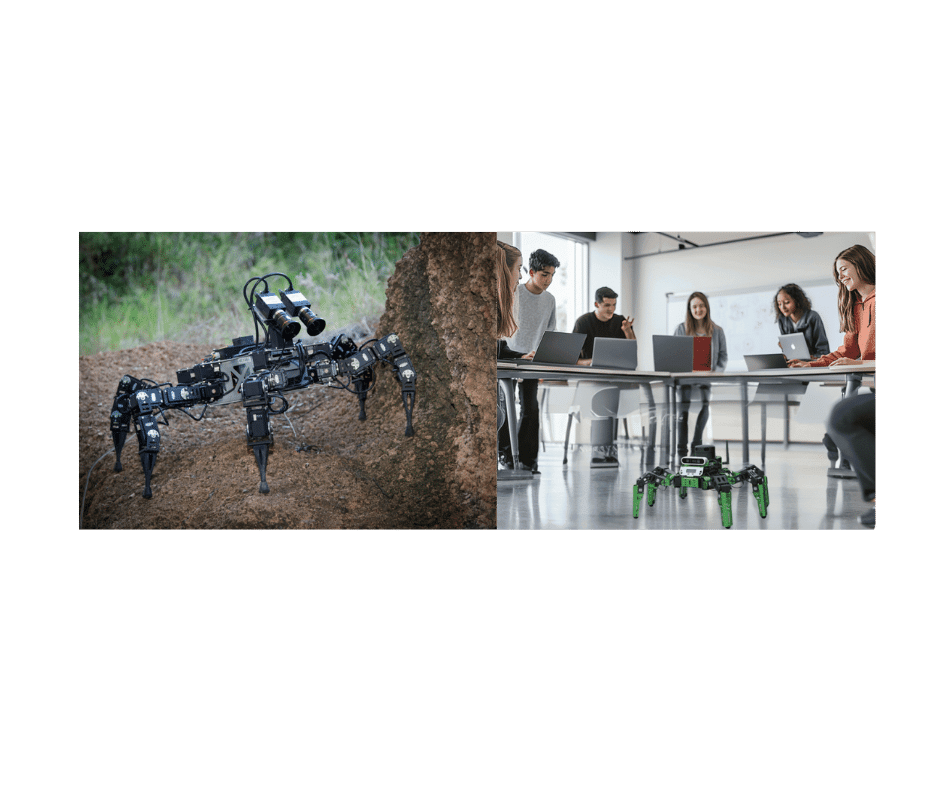
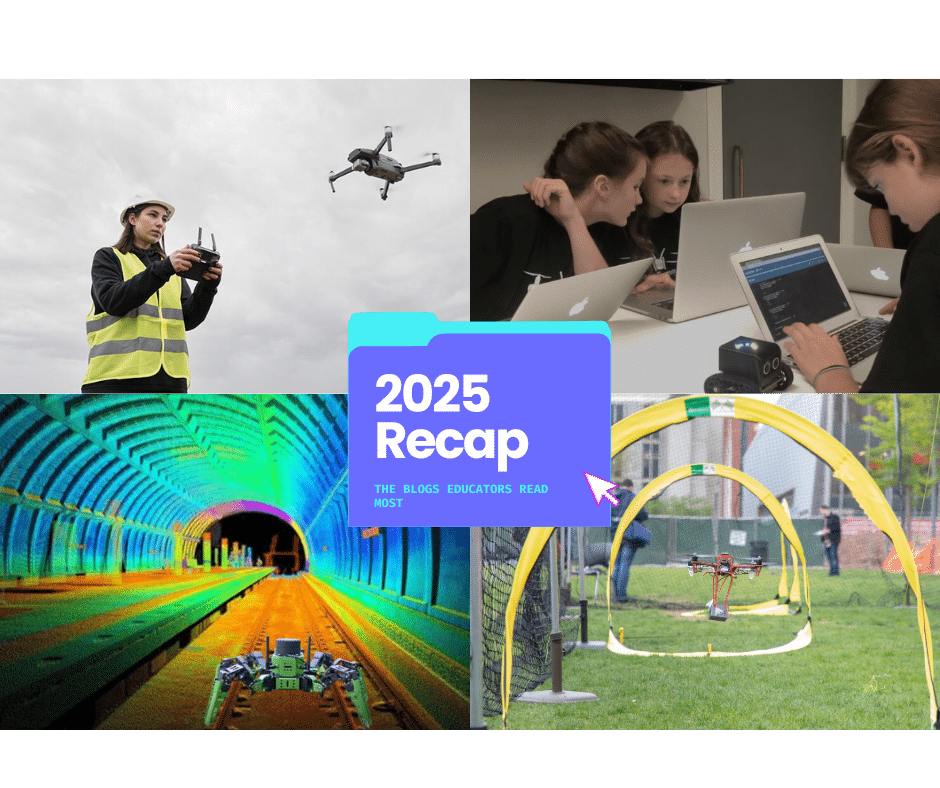
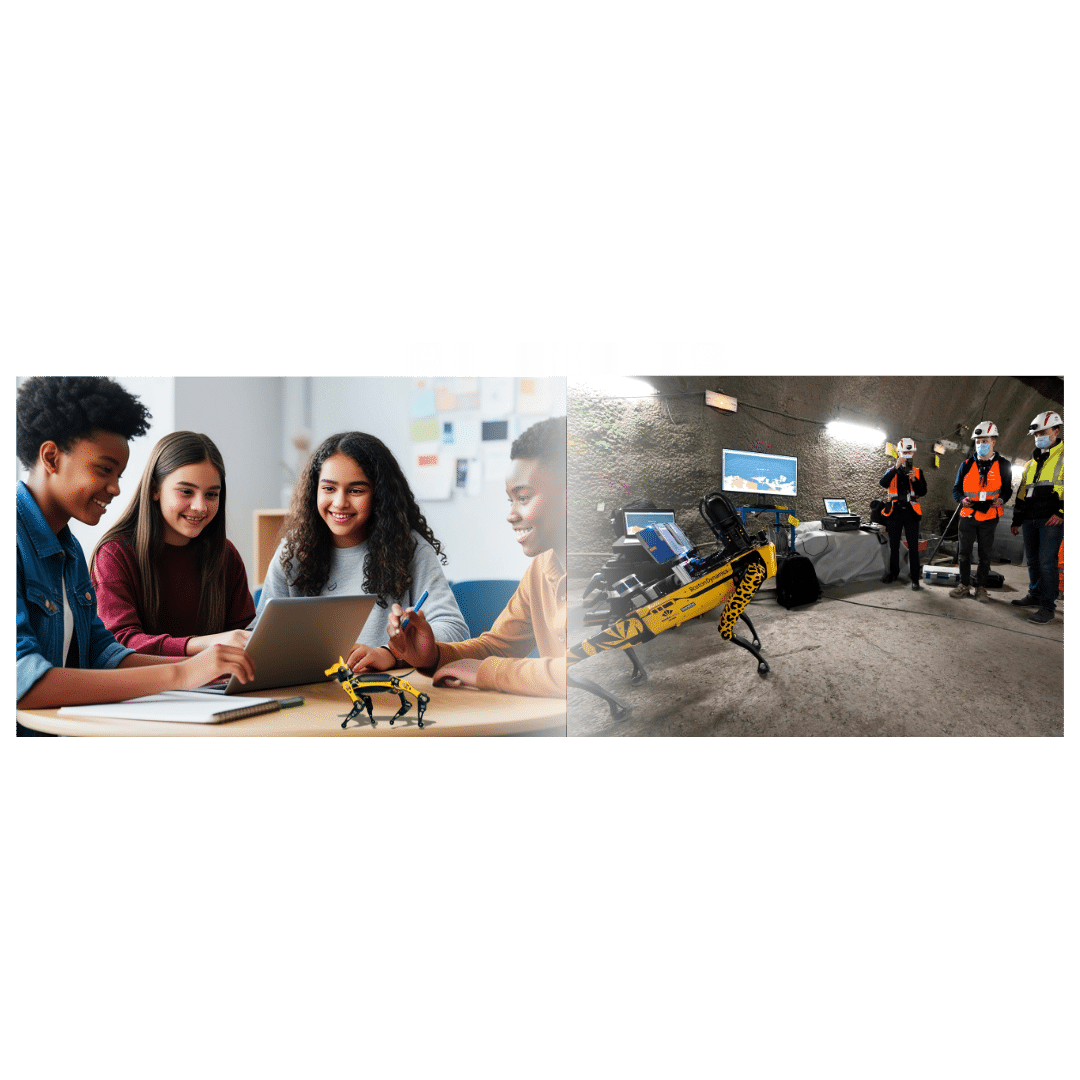
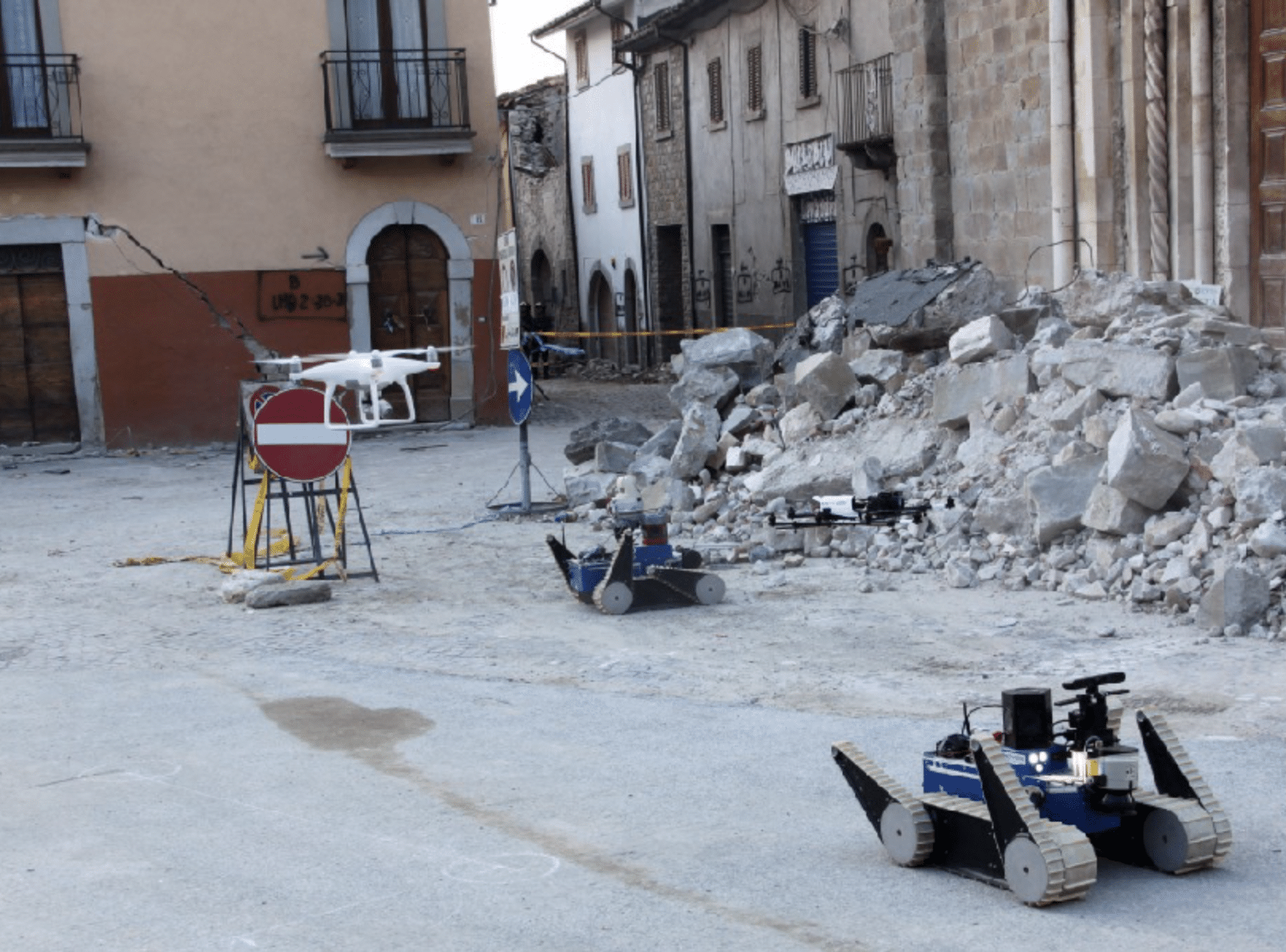
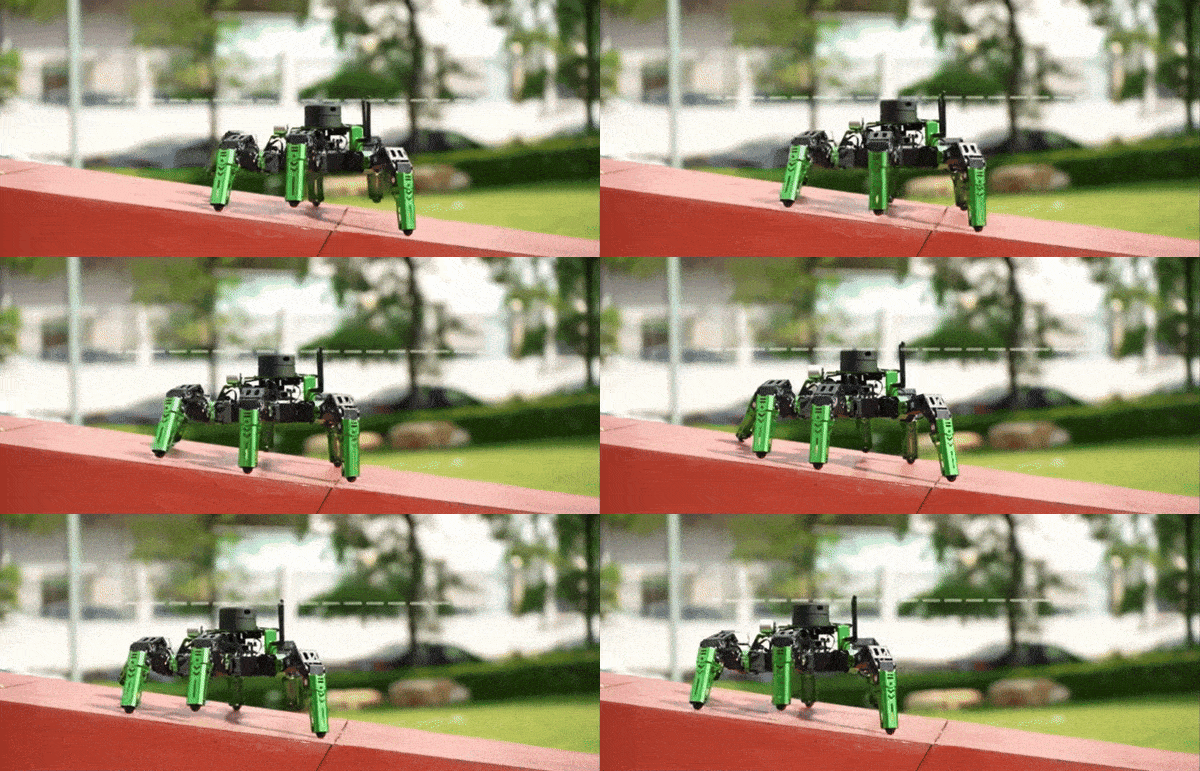
Quadruped inspection platforms are evolving beyond locomotion into mobile sensing platforms.
Many industrial quadruped prototypes share similar hardware foundations, but the real innovation lies in how they integrate sensor fusion and edge intelligence to interpret and respond to their environment in real time.
The emerging architecture looks like this:
Sensors → Edge Compute → AI Perception → Path Planning → Decision Layer → Human Oversight
This layered stack reflects how autonomy actually operates in production environments today.
Autonomy as a Reusable Engineering Framework
Another major theme at CES 2026 was transferability.
Autonomous navigation, obstacle detection, and fleet coordination systems are being repurposed across:
- Airport ground operations
- Perimeter security
- Waste collection
- Baggage handling
- Warehouse logistics
Instead of building entirely new systems from scratch, companies are modularizing autonomy.
Mapping engines. Localization modules. Dispatch systems. Fleet analytics.
These core building blocks are becoming standardized layers that can scale across machines and industries.
Indoor Navigation Without GPS
Indoor navigation systems are advancing beyond GPS dependence, enabling robots to operate accurately in environments where satellite signals are unreliable or unavailable.
By combining:
- Geomagnetic mapping
- Hall-effect magnetometers
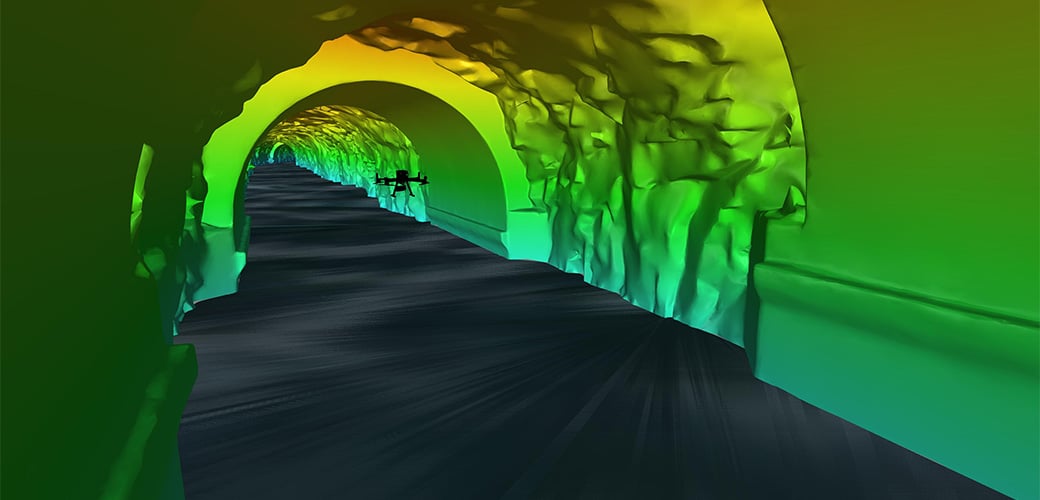
- LiDAR-based SLAM
- Embedded GPU compute
- Stereo vision
Robots can build 3D reference models of indoor spaces and navigate with floor-level precision.
This matters because most industrial autonomy happens indoors, where GPS fails.
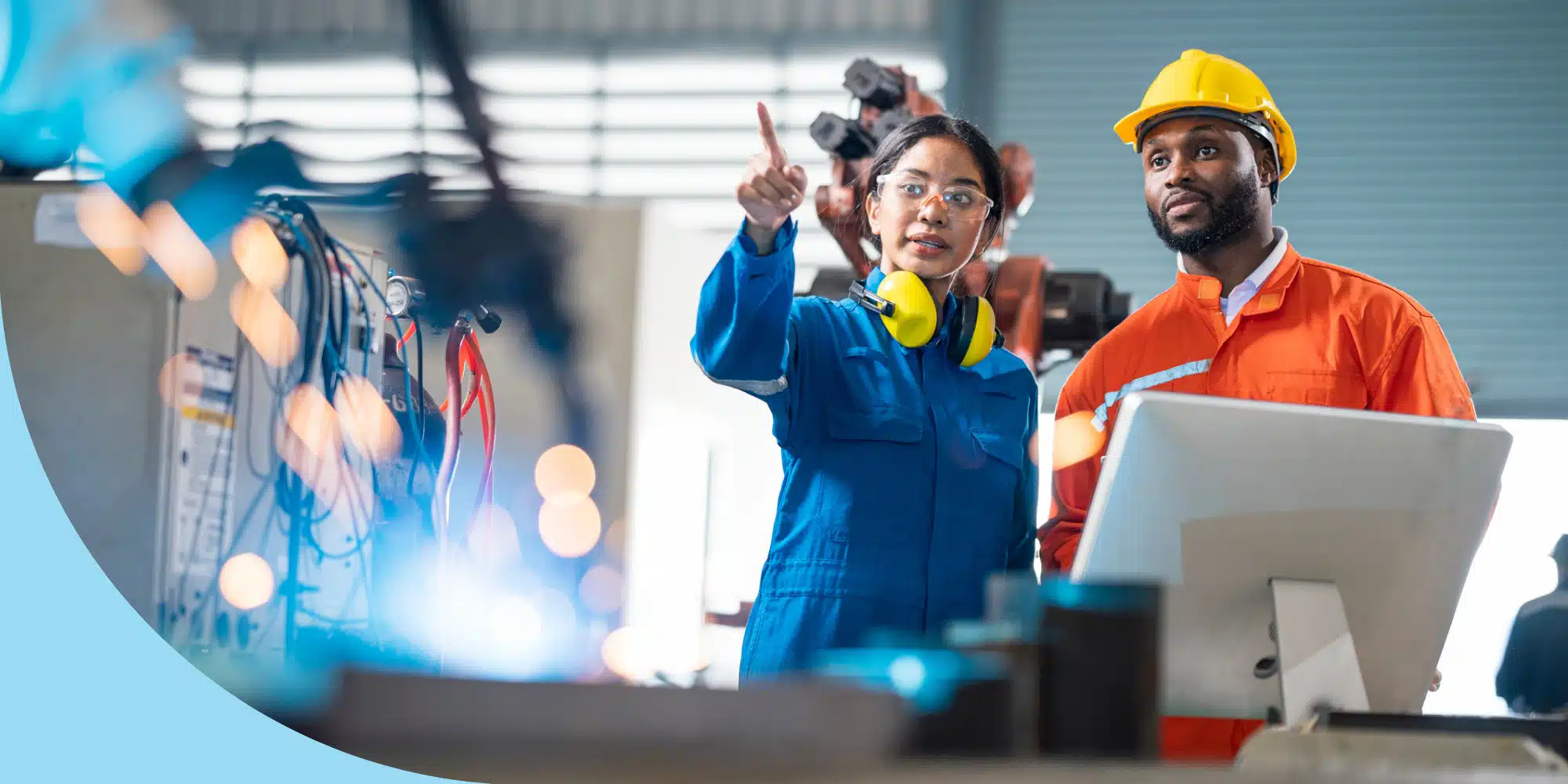
Cobots and Human-Robot Collaboration
Collaborative robots, or cobots, reflect another evolution in autonomy philosophy.
Rather than replacing workers, these systems augment them.
Key hardware innovations include:
- Force-sensing joints
- Embedded torque detection
- Motion interruption logic
- Collision response algorithms
Safety is engineered directly into the system architecture, allowing robots to operate alongside humans without cages.
This signals a future where autonomy is embedded into workflows, not isolated from them.
The Takeaway for Robotics Education
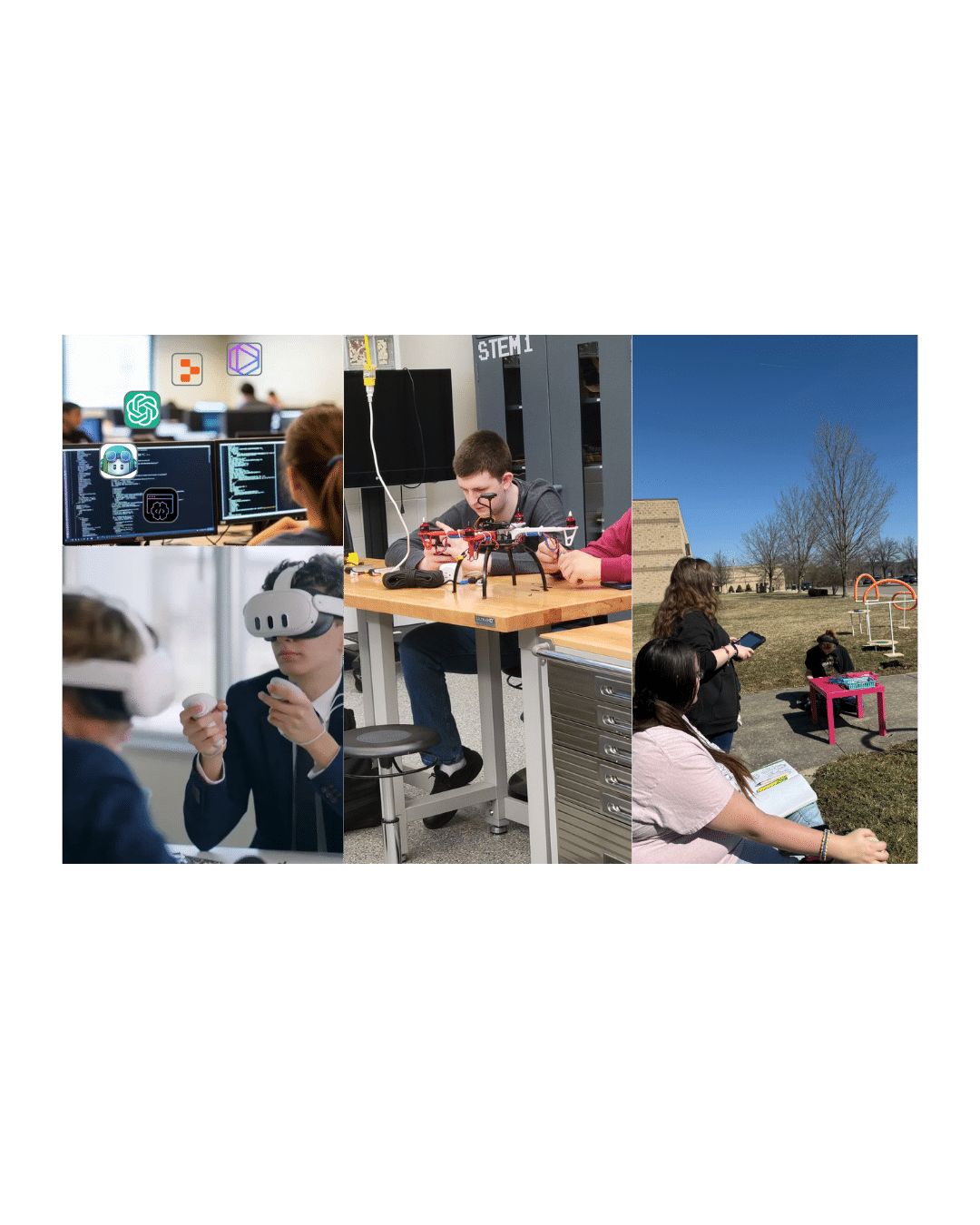
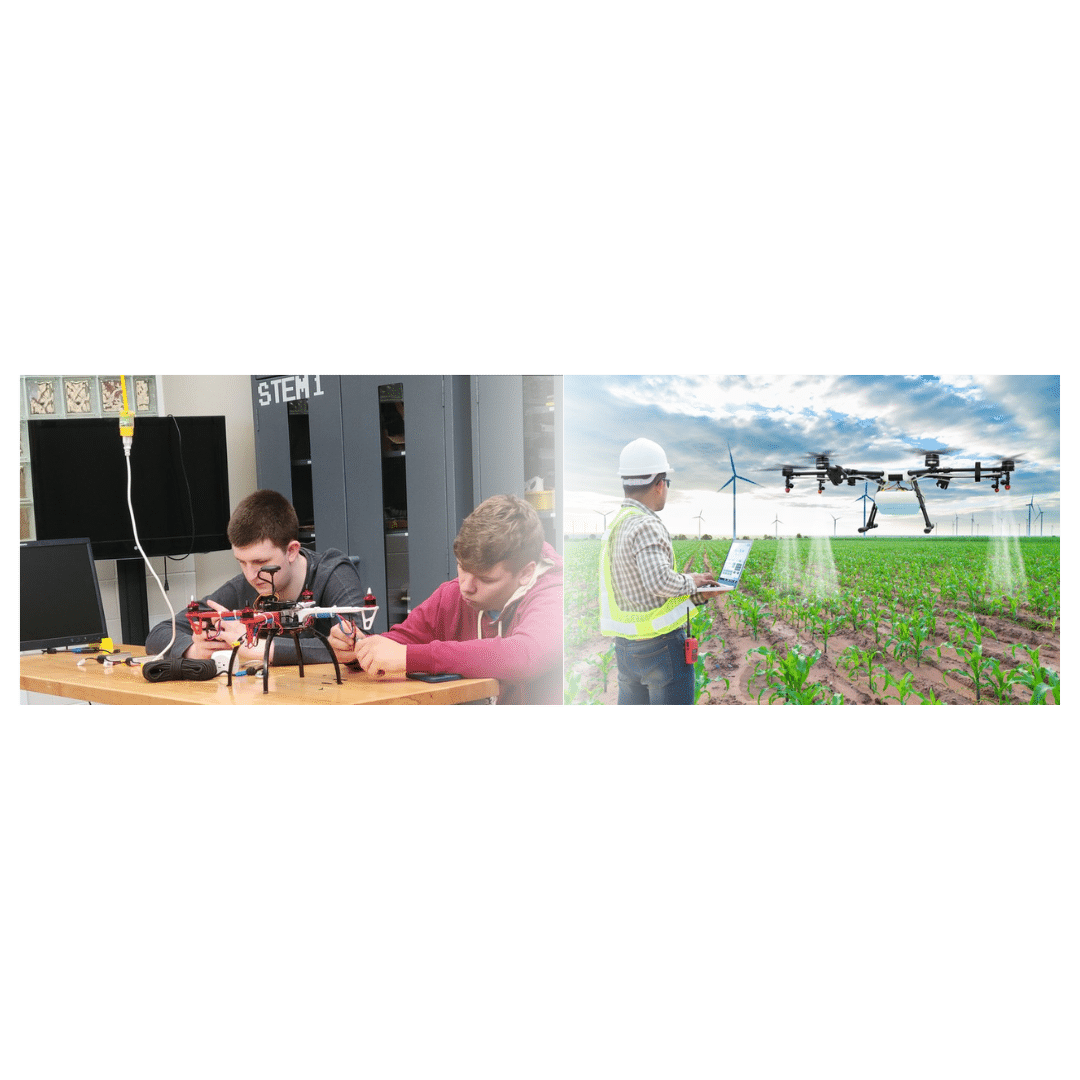
What CES 2026 demonstrates is that autonomy has moved from experimentation to large-scale industrial deployment. The technologies at work in today’s most advanced deployments, autonomous navigation, sensor fusion, computer vision, edge AI, and human-robot collaboration are the same concepts that students need to understand to be competitive in tomorrow’s workforce.
The workers and engineers who will design, deploy, and maintain these systems are in classrooms right now. Giving them hands-on learning experience with the underlying principles is workforce development for the industries that will define the next decade.
Prepare the Next Generation with LocoRobo
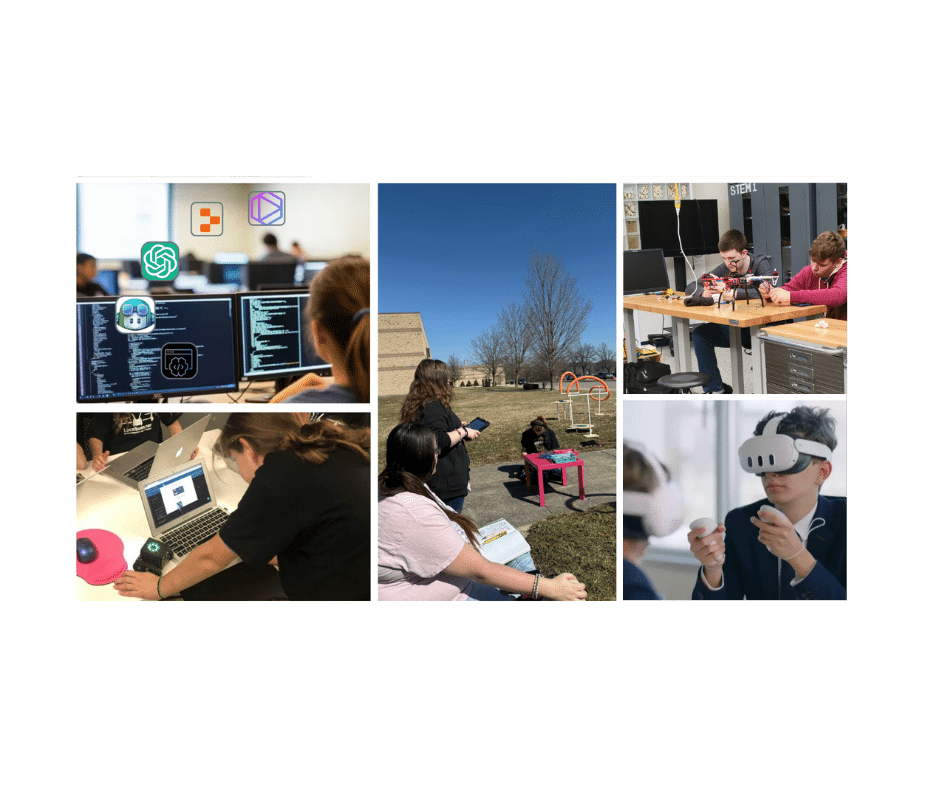
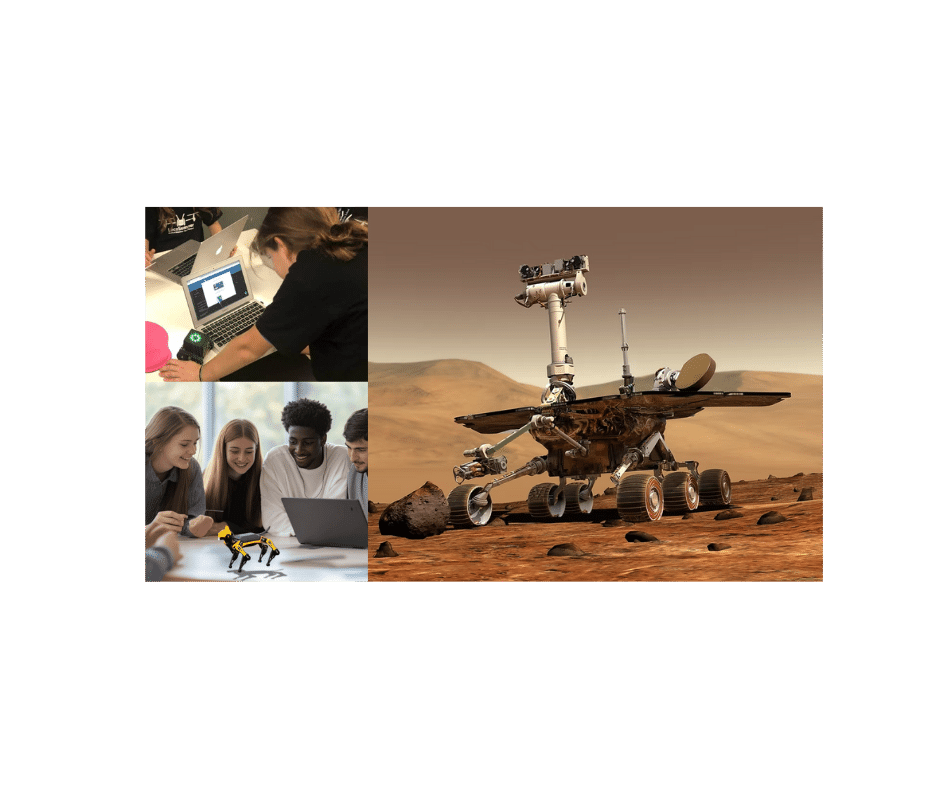
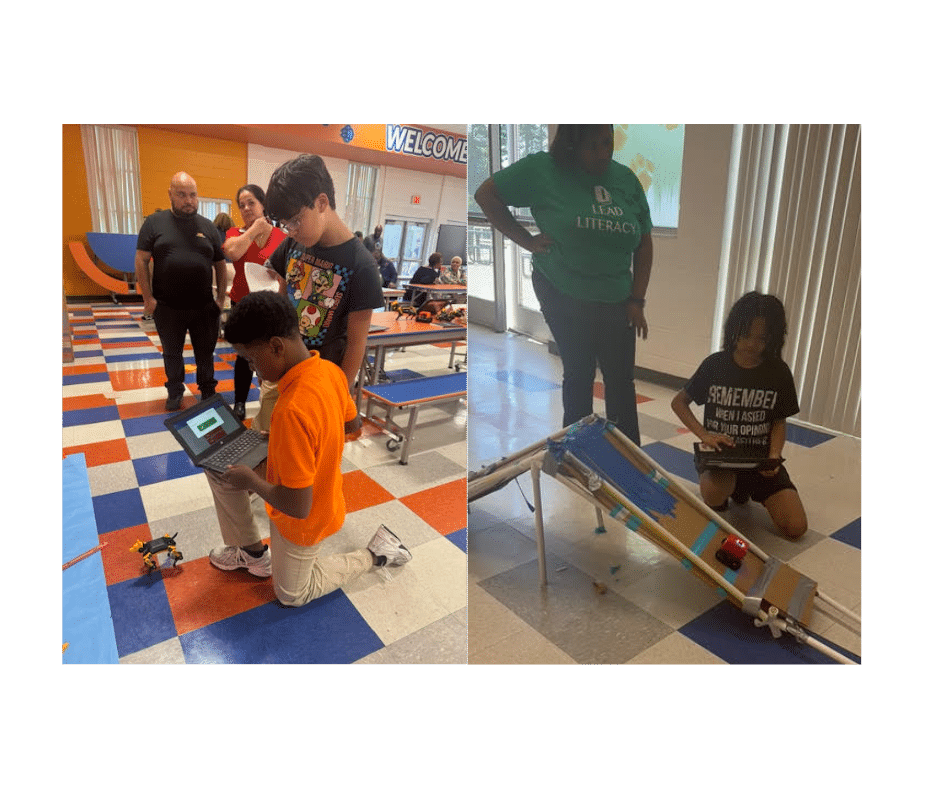
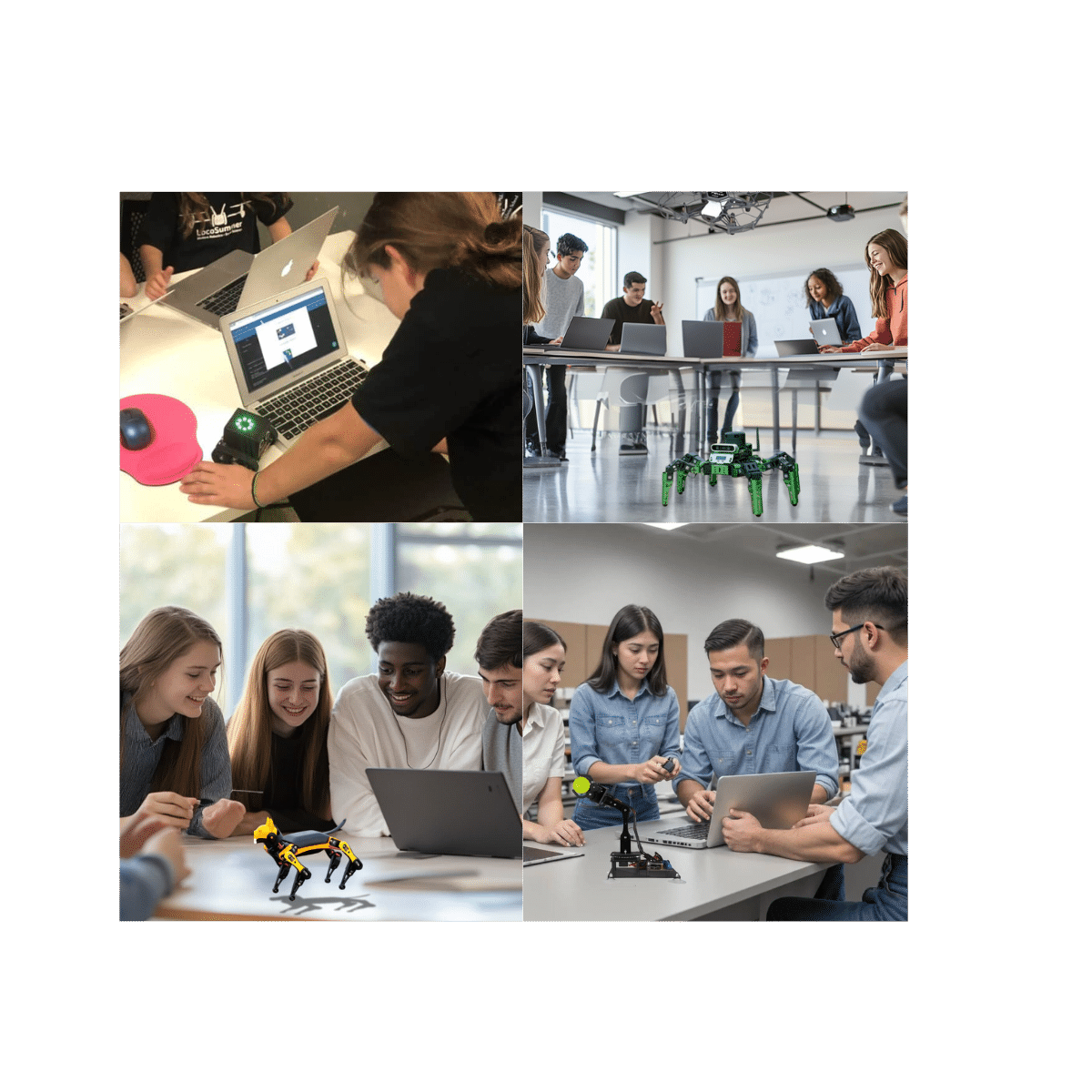
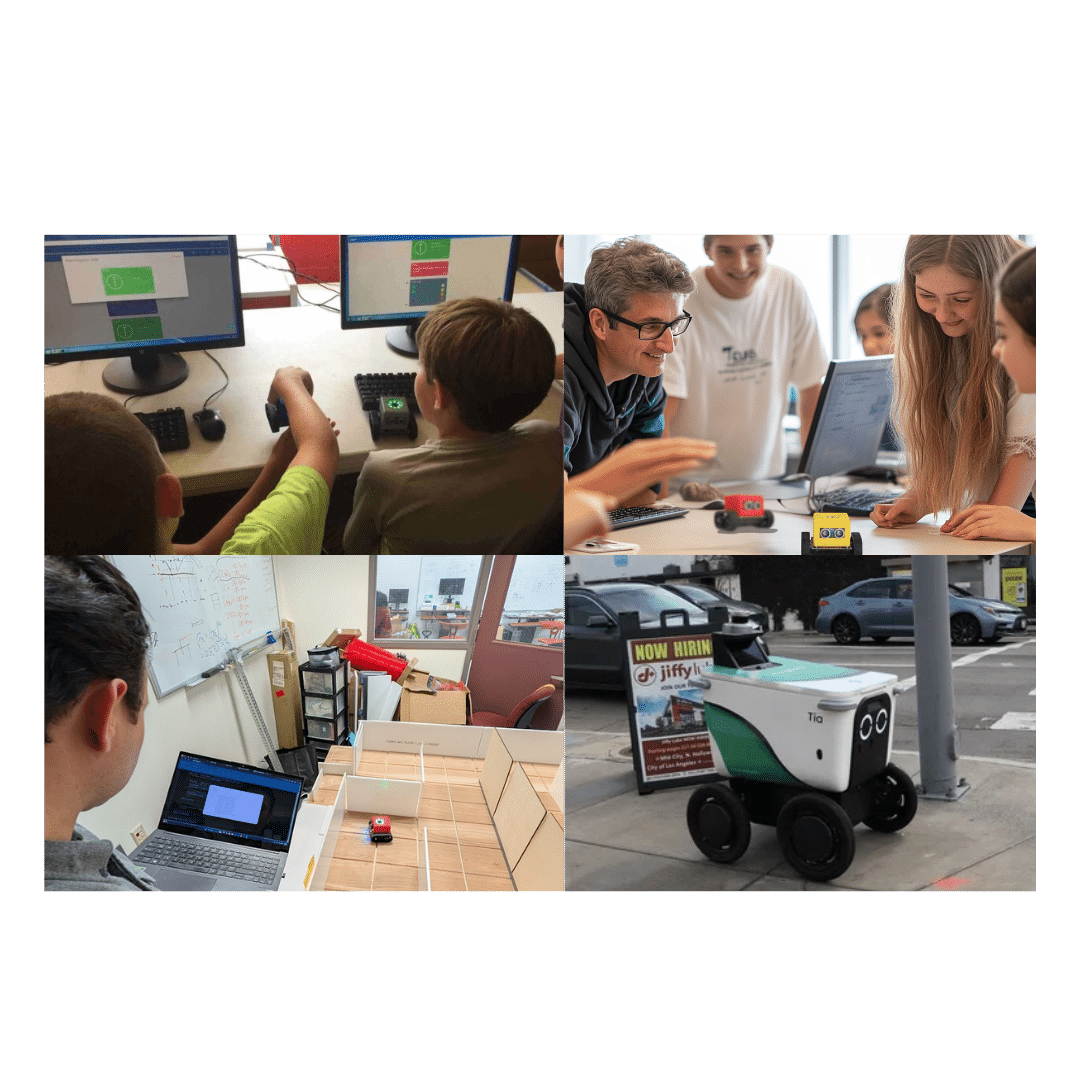
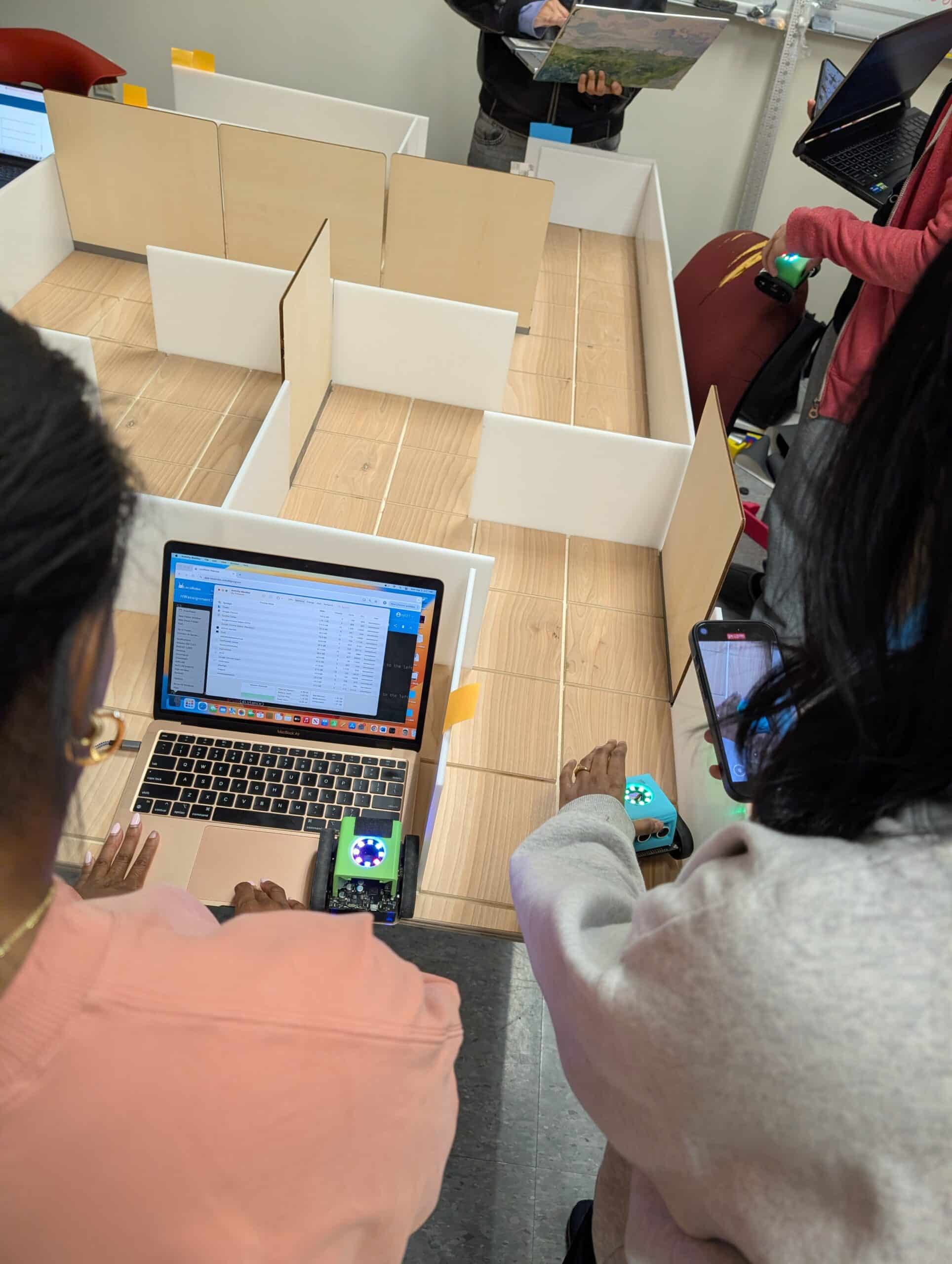
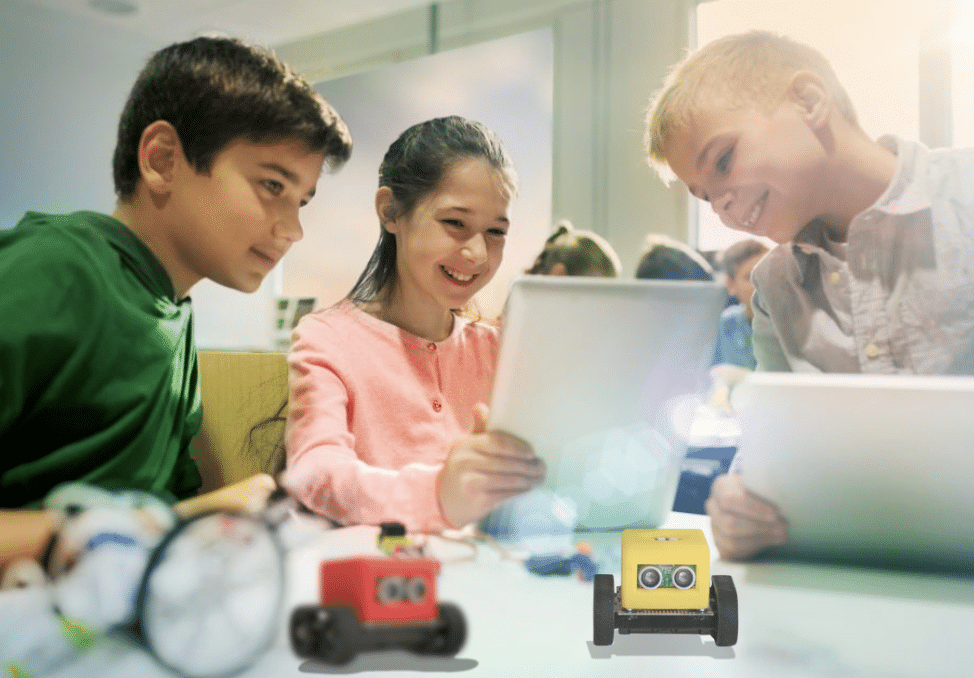
At LocoRobo, we believe that the best way to prepare students for a world shaped by robotics and AI is to put the same robotics in the classroom. Our K12 robotics solutions are designed to give students direct, project-based experience with the same core technologies driving the robots featured at CES 2026, autonomous navigation, computer vision, sensor integration, AI decision-making, and robotic manipulation.
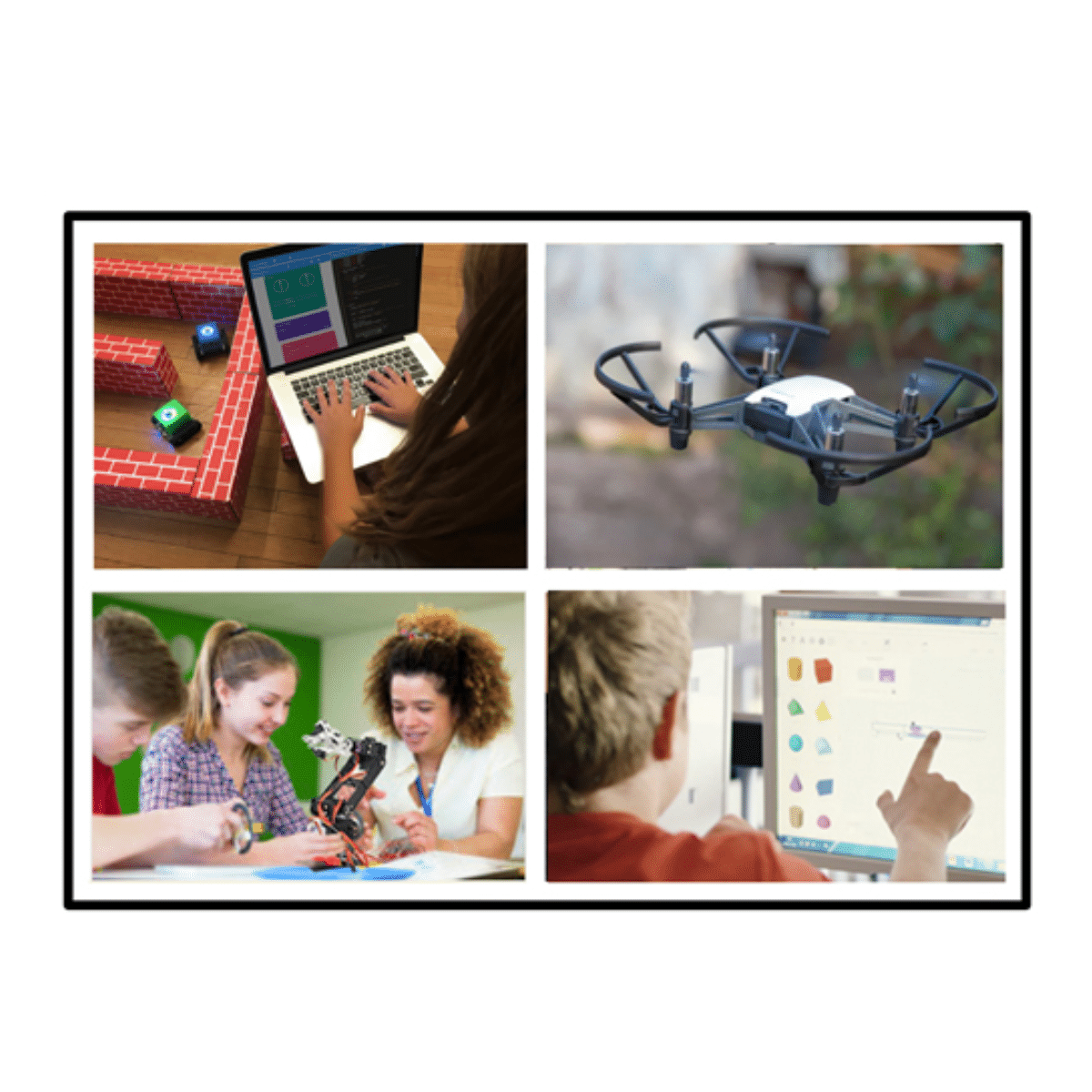
Our STEM robotics curriculum is built around real-world problem solving, not abstract concepts. Students program robots to navigate autonomously, complete pick-and-place tasks, map terrain, and respond to their environment, the same fundamental challenges that engineers are solving in construction sites, factories, and airports around the world.
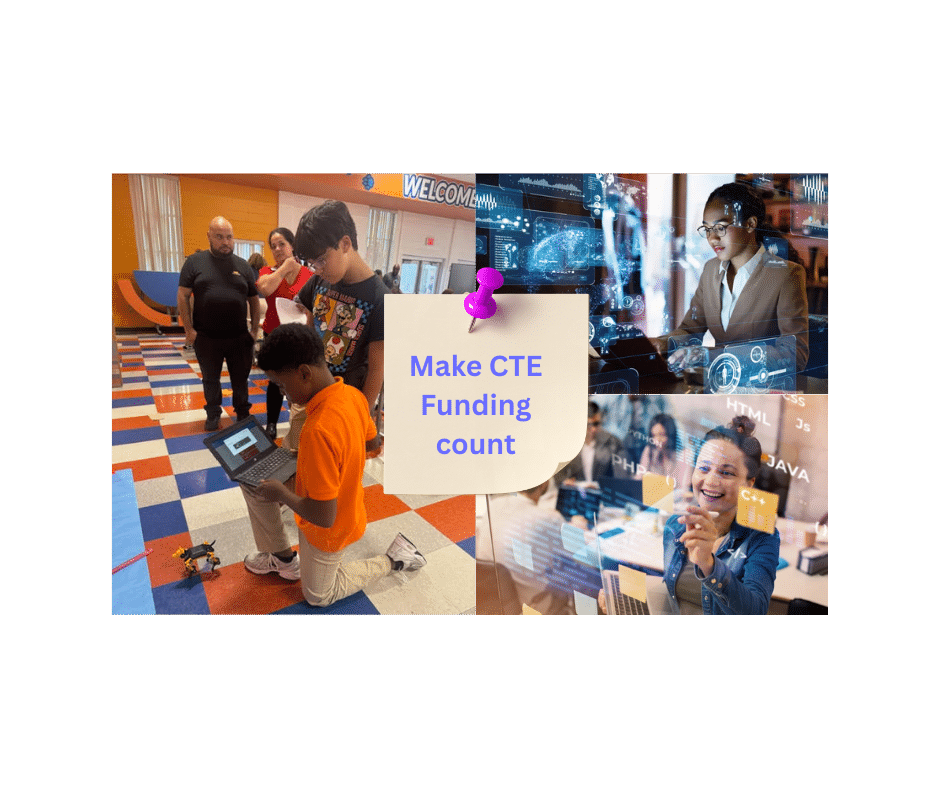
Whether your program is focused on STEM, Computer Science, or CTE pathways, LocoRobo’s standards-aligned curriculum and school-friendly software make it easy for educators to deliver engaging, career-relevant learning experiences with minimal prep time.
Because robotics education should not stop at making something move, it should help students understand how intelligent systems operate in the real world. Request a Demo and let’s get them ready.