

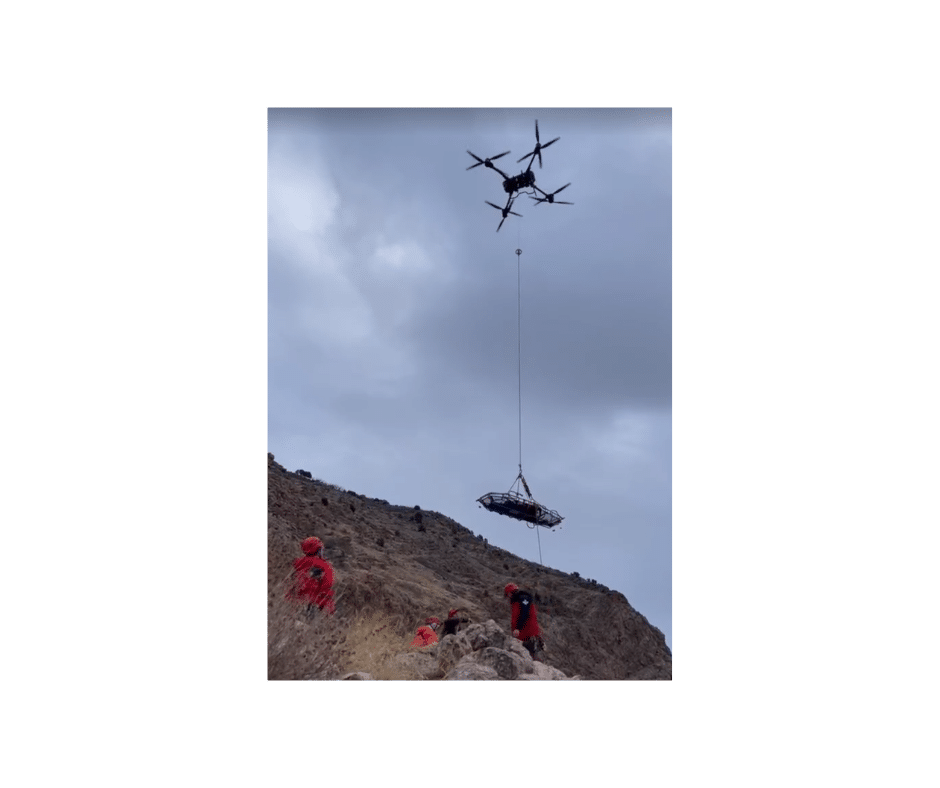
When a natural disaster strikes or a hiker goes missing, time becomes the most critical variable. Search and rescue teams rely on tools that can gather accurate data, cover large areas quickly, and operate in unpredictable conditions. Drones have become central to that effort.
Behind every successful rescue mission is a careful blend of engineering: aerodynamics, software, sensors, power systems, and communication networks all working together.
Flight Stability in Harsh Conditions
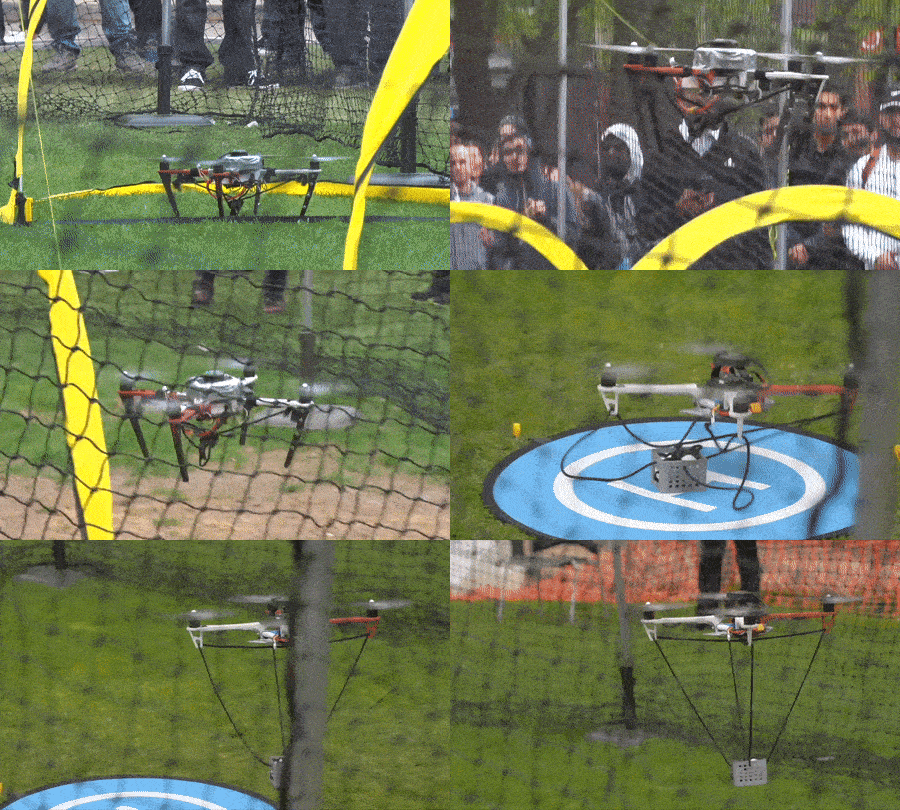
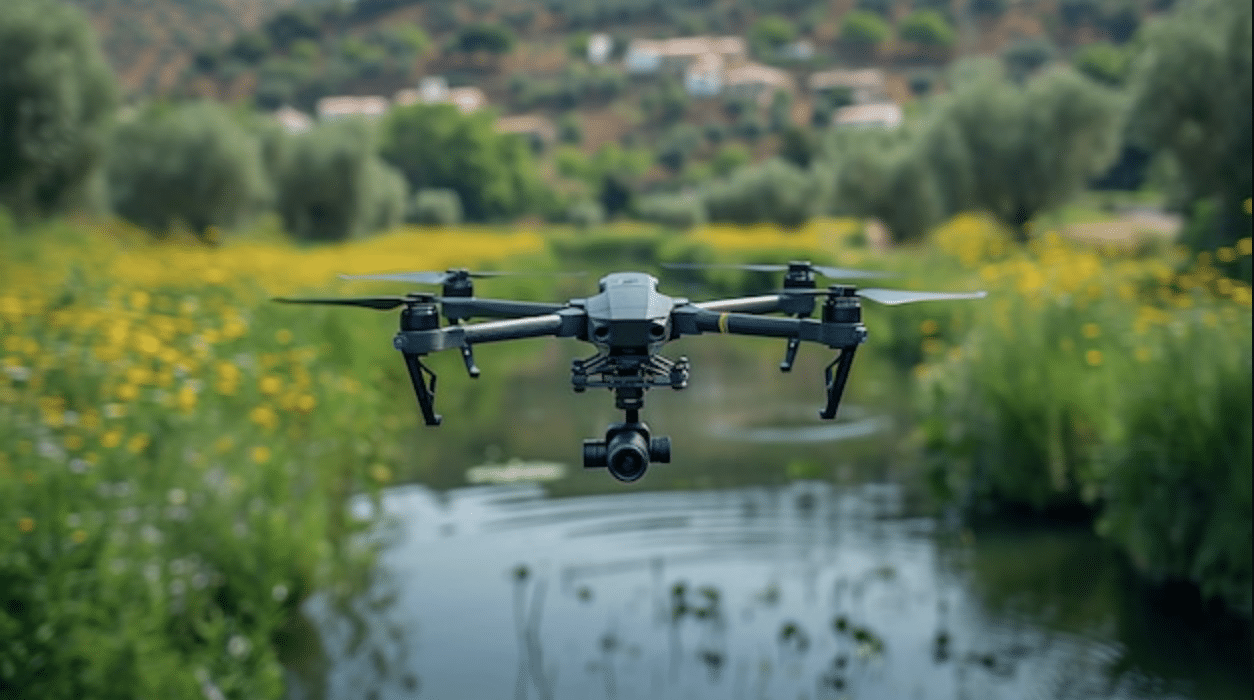
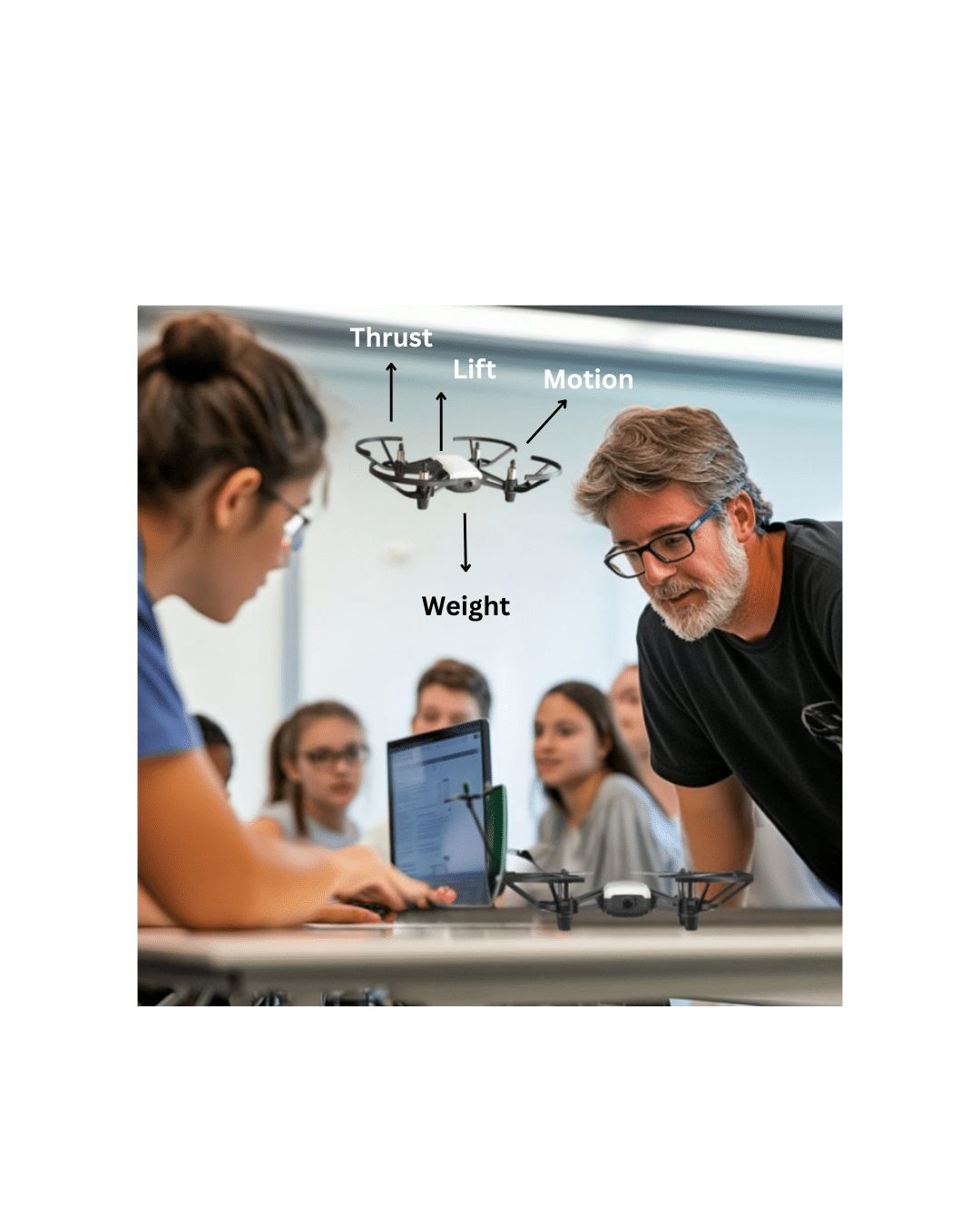
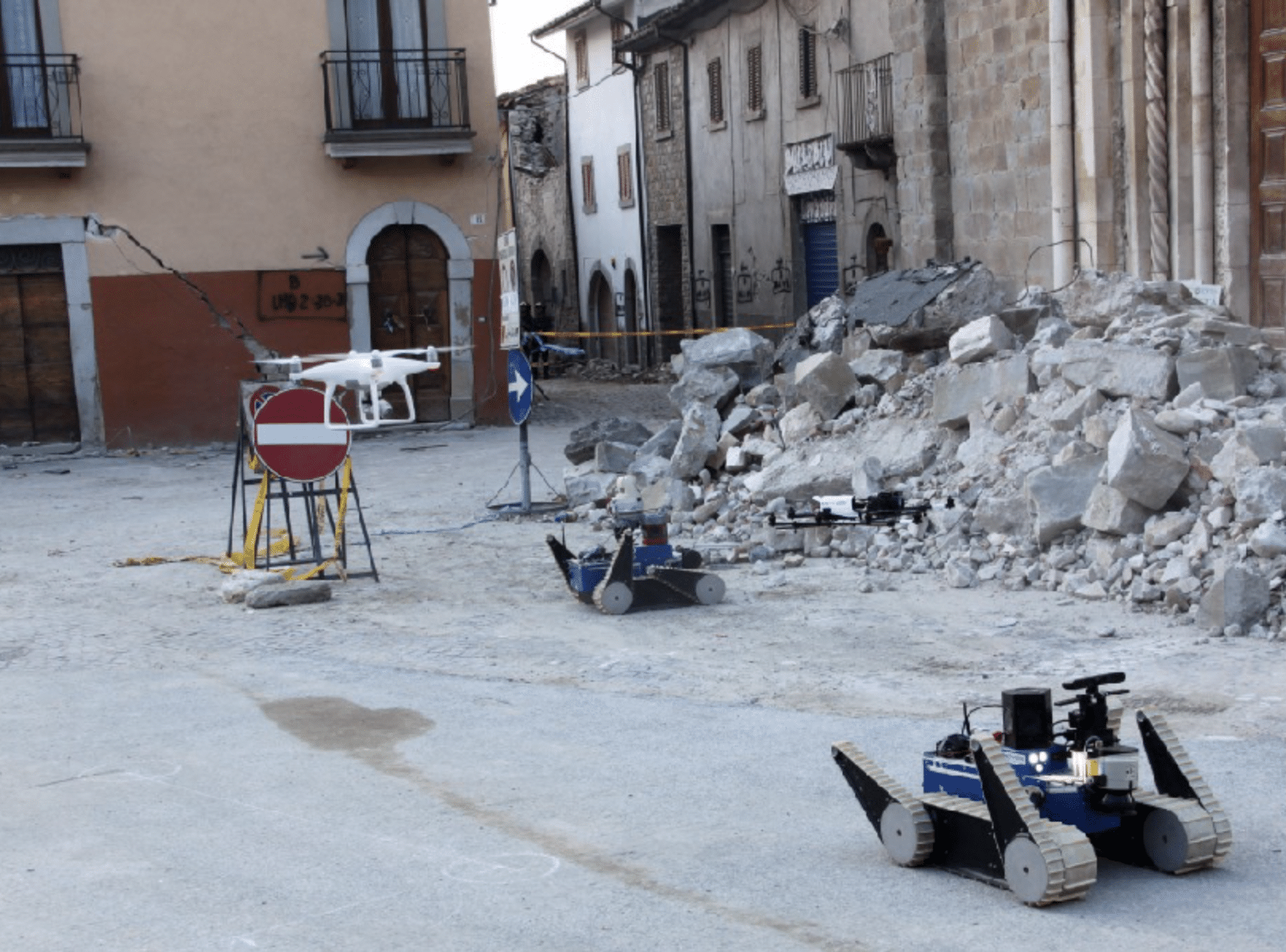
Search and rescue drones must maintain stable flight in wind, uneven terrain, and turbulent air currents near collapsed structures. Engineers design these systems around:
- Multi-rotor configurations for lift and maneuverability
- Flight controllers that adjust motor speed hundreds of times per second
- GPS and RTK positioning for precise navigation
- Inertial Measurement Units (IMUs) combining gyroscopes and accelerometers
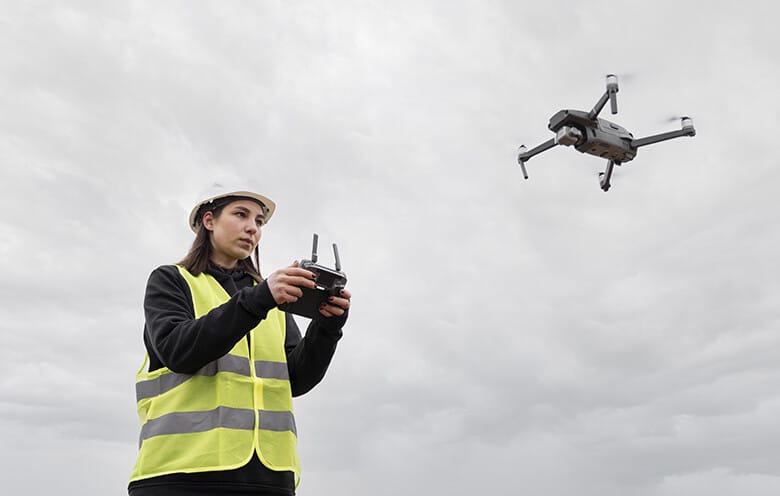
The goal is predictable movement. A stable drone captures clearer images, maps terrain accurately, and reduces pilot workload during critical operations.
Thermal Imaging and Sensor Integration
In low-visibility environments, traditional cameras are not enough. That is where sensor engineering becomes essential.
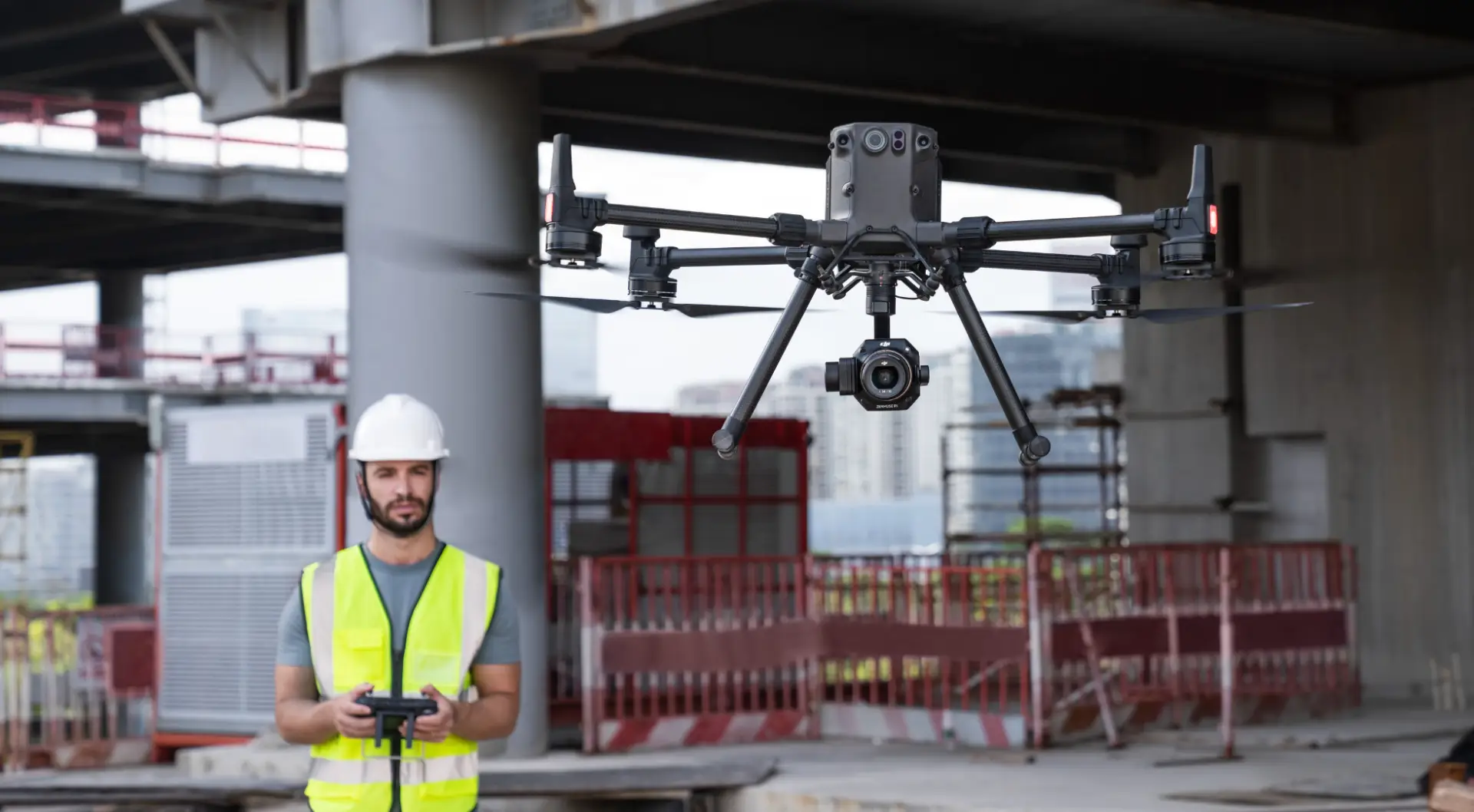
Thermal cameras detect heat signatures, helping teams locate individuals through dense foliage or at night. Optical zoom cameras allow responders to inspect debris from a safe distance. Some systems integrate:
- Infrared sensors
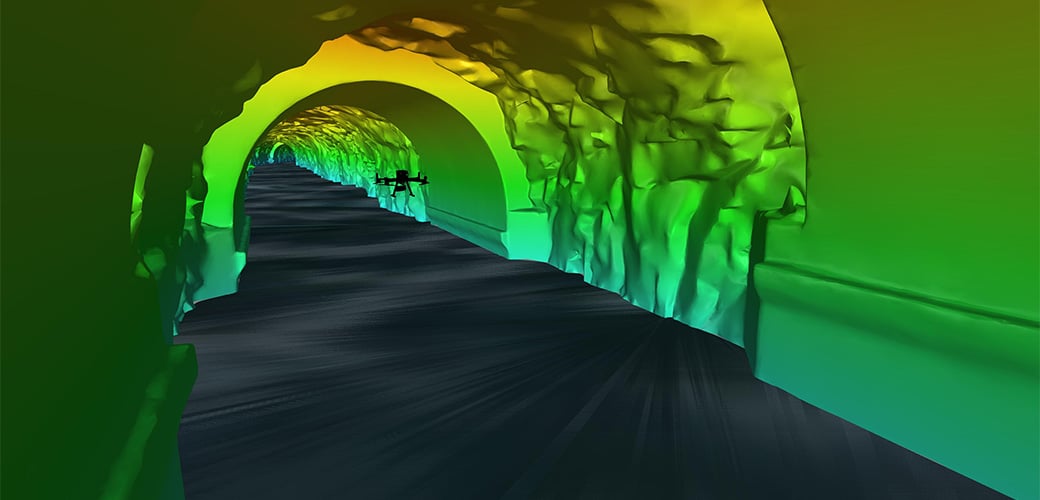
- LiDAR for terrain mapping
- Environmental monitoring systems
- Gas detection sensors
Each sensor adds weight and power demands. Engineers must balance payload capacity, battery life, and flight duration. Every additional gram affects endurance.
Power Systems and Flight Time
Battery engineering directly impacts mission success. Most search and rescue drones use high-density lithium polymer batteries. Engineers optimize:
- Energy-to-weight ratio
- Thermal management during extended flights
- Discharge rates under load
Longer flight times mean fewer battery swaps and broader search coverage. In remote areas, endurance can determine whether a team completes a sweep before weather conditions shift.
Some advanced systems incorporate swappable battery modules or hybrid power approaches to extend operational windows.
Autonomous Navigation and Software
Modern search and rescue operations increasingly rely on autonomy.
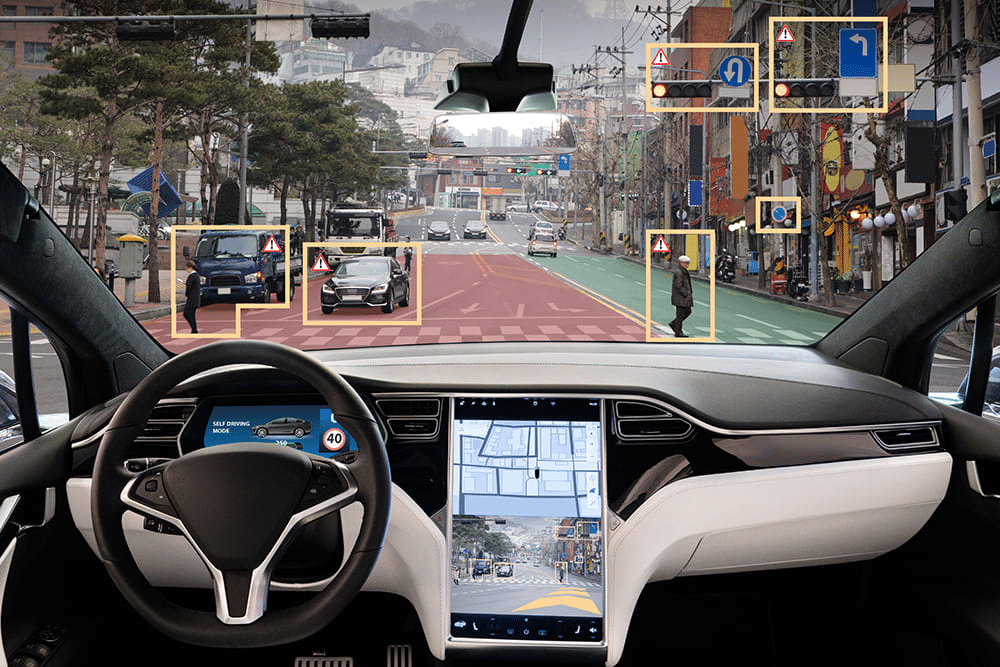
Autonomous flight planning allows drones to follow grid search patterns with consistent overlap. Onboard processors analyze images in real time, sometimes using AI-based object detection to flag potential human shapes or anomalies.
Engineers develop algorithms for:
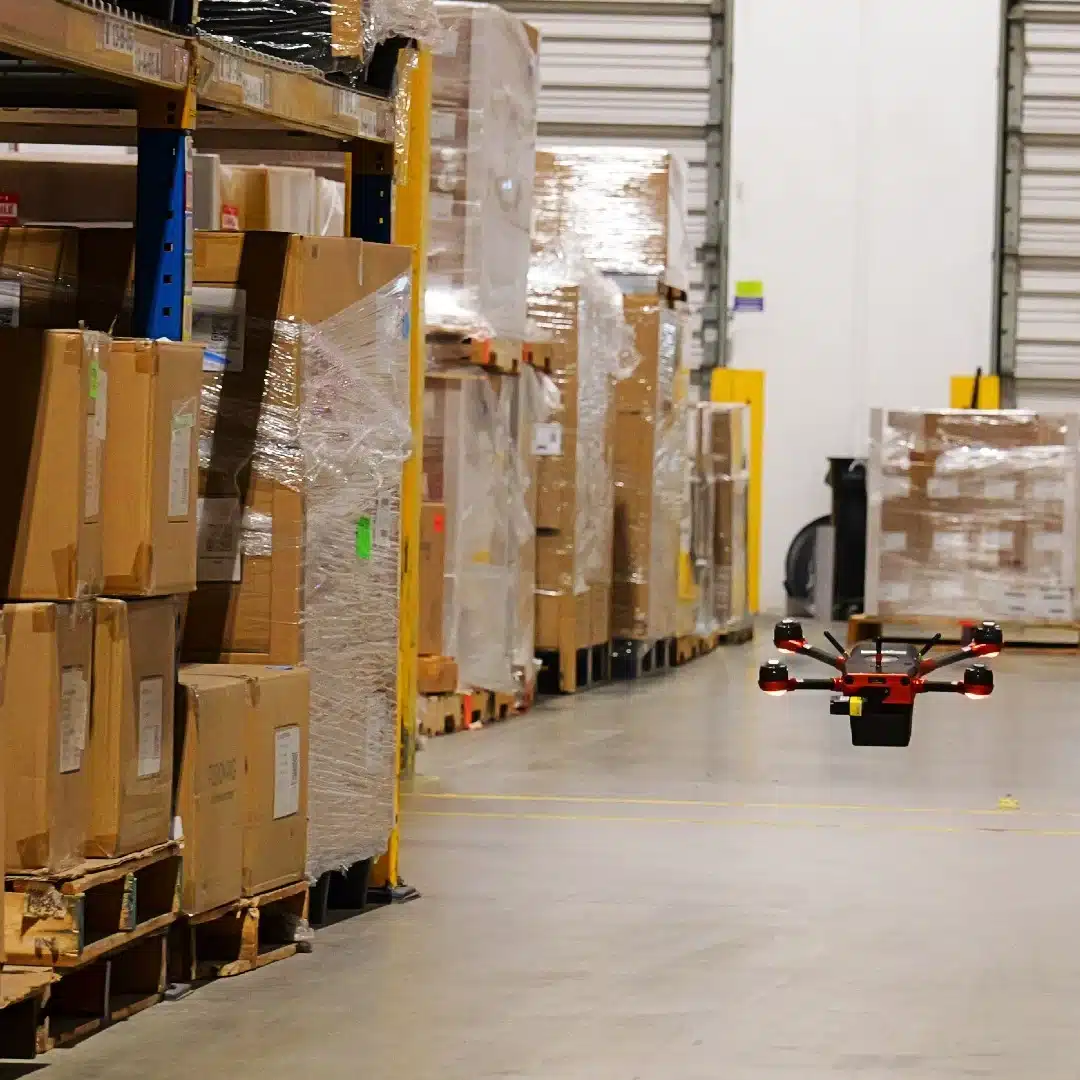
- Obstacle avoidance
- Waypoint navigation
- Terrain following
- Real-time data transmission
Reliable software reduces cognitive load on pilots and allows teams to focus on decision-making rather than manual control.
Communication Systems and Data Transmission
Search areas often lack strong cellular coverage. Drones must transmit data reliably back to command centers.
Engineering solutions include:
- Long-range radio links
- Satellite uplinks in remote regions
- Mesh network communication
Low latency and stable data streams allow responders to act immediately on live video feeds. Secure encryption protocols also protect sensitive mission data.
Systems Engineering: Bringing It All Together
Search and rescue drones are the result of systems engineering. Aerodynamics, electrical design, embedded computing, and communication technologies must function as one coordinated system.
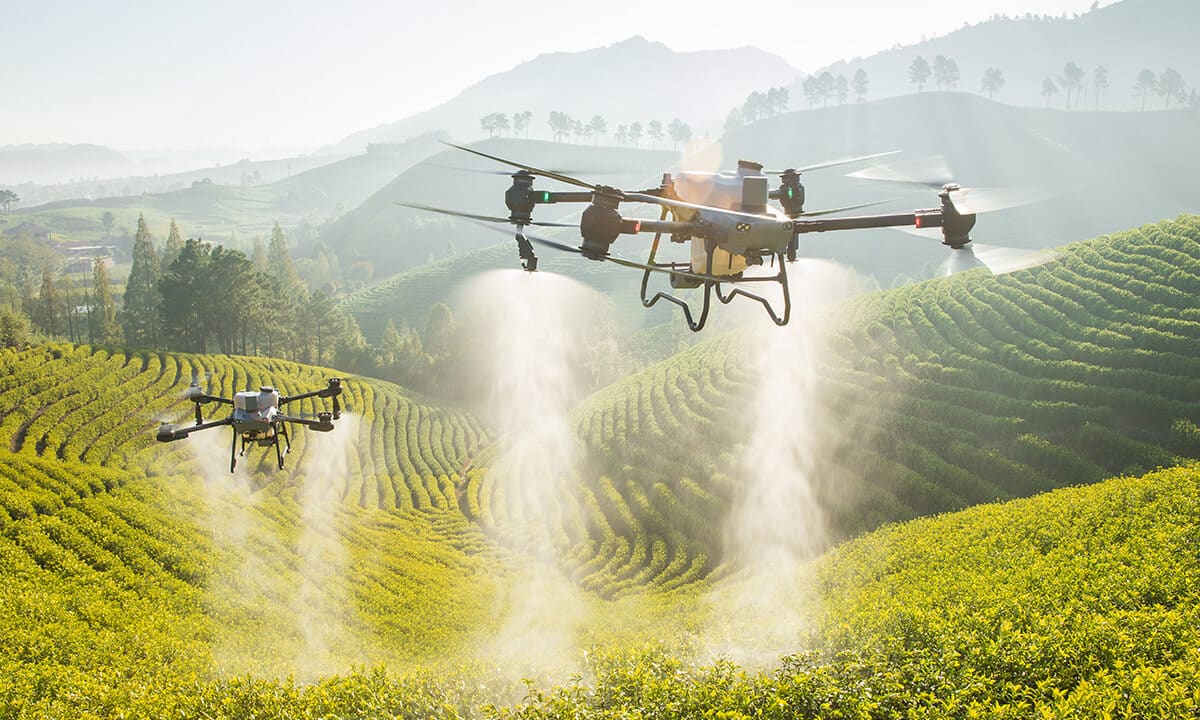
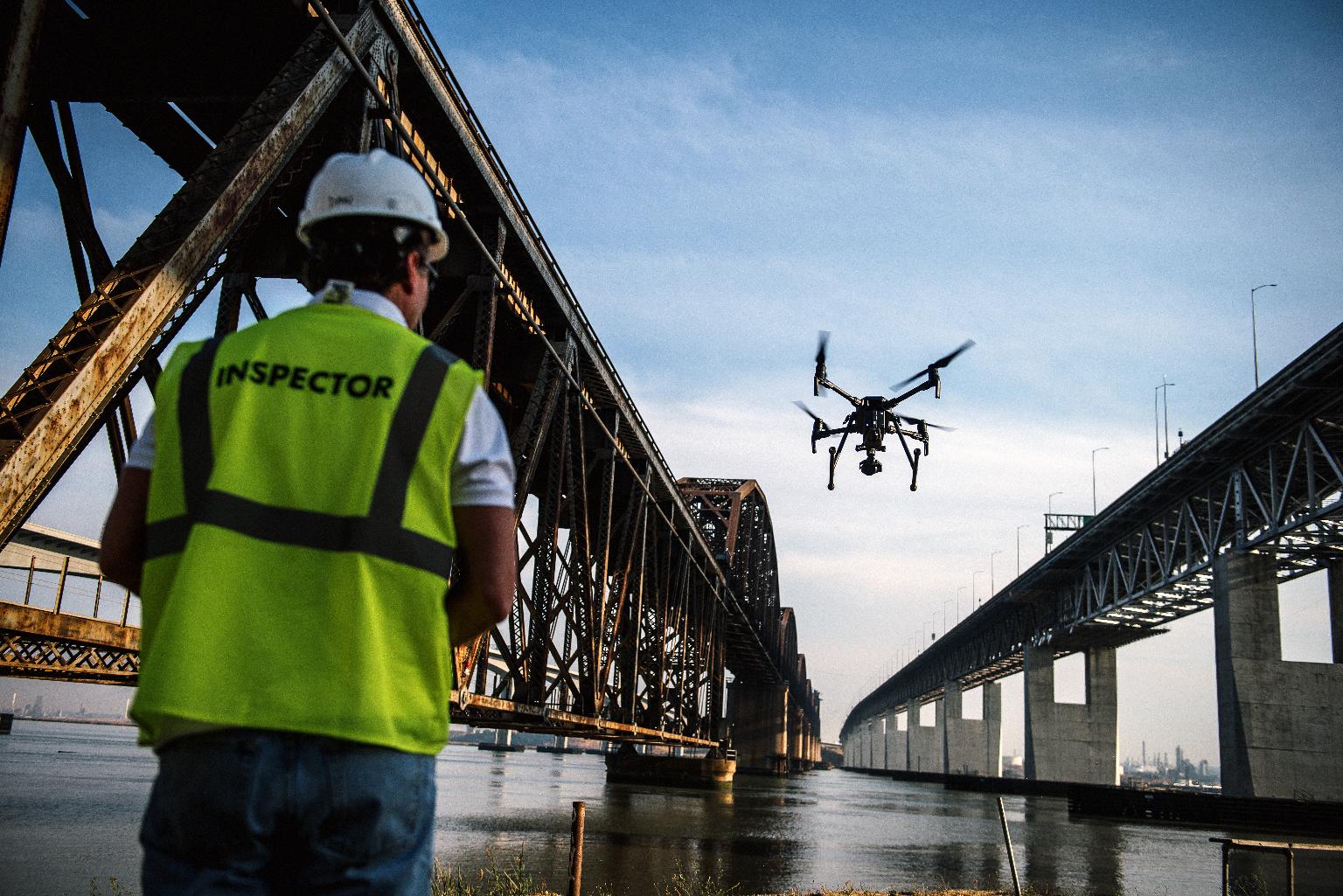
The same engineering principles that support emergency response also apply across industries including environmental monitoring, infrastructure inspection, and mapping.
Preparing Students to Understand Drone Engineering
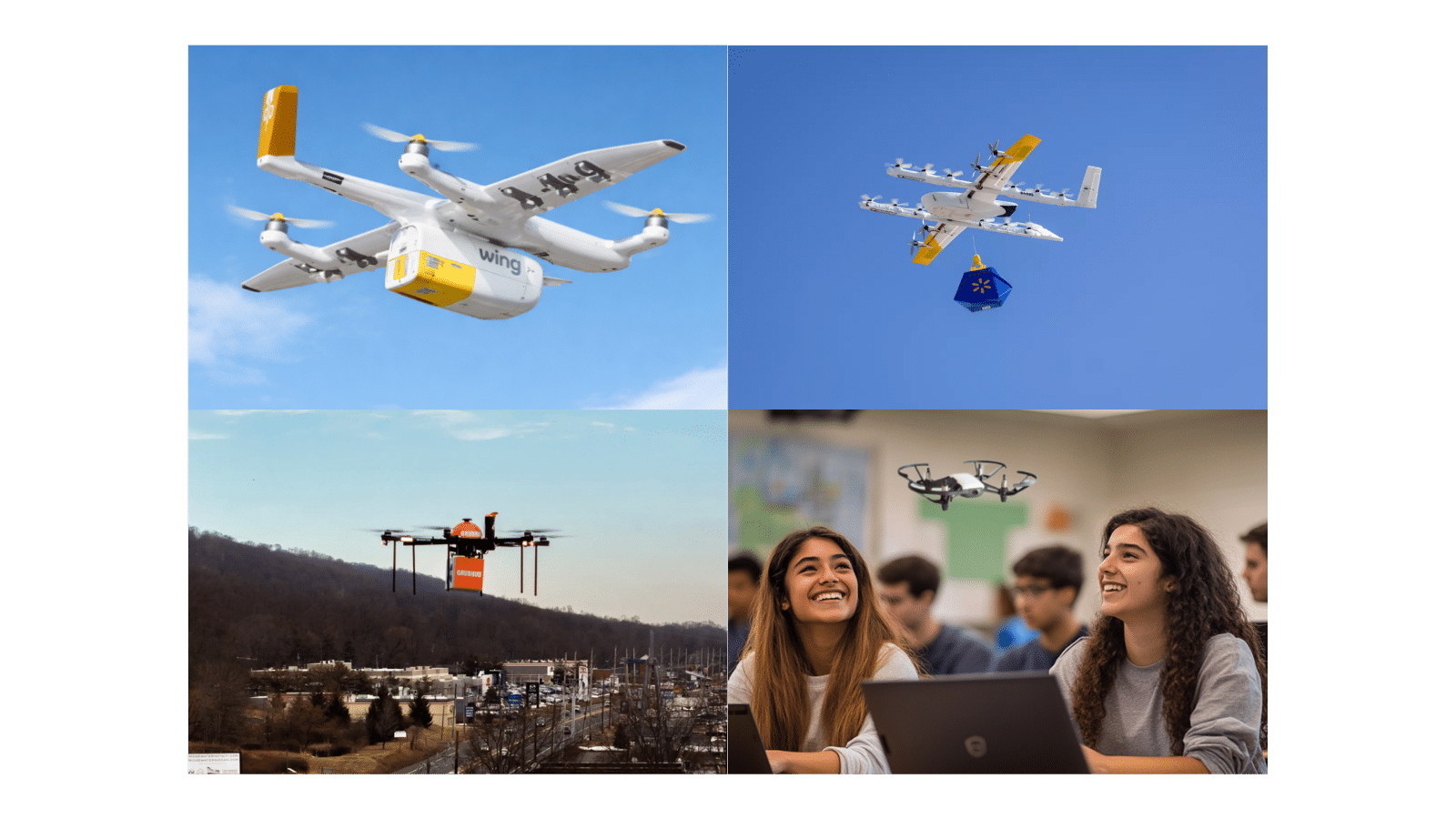
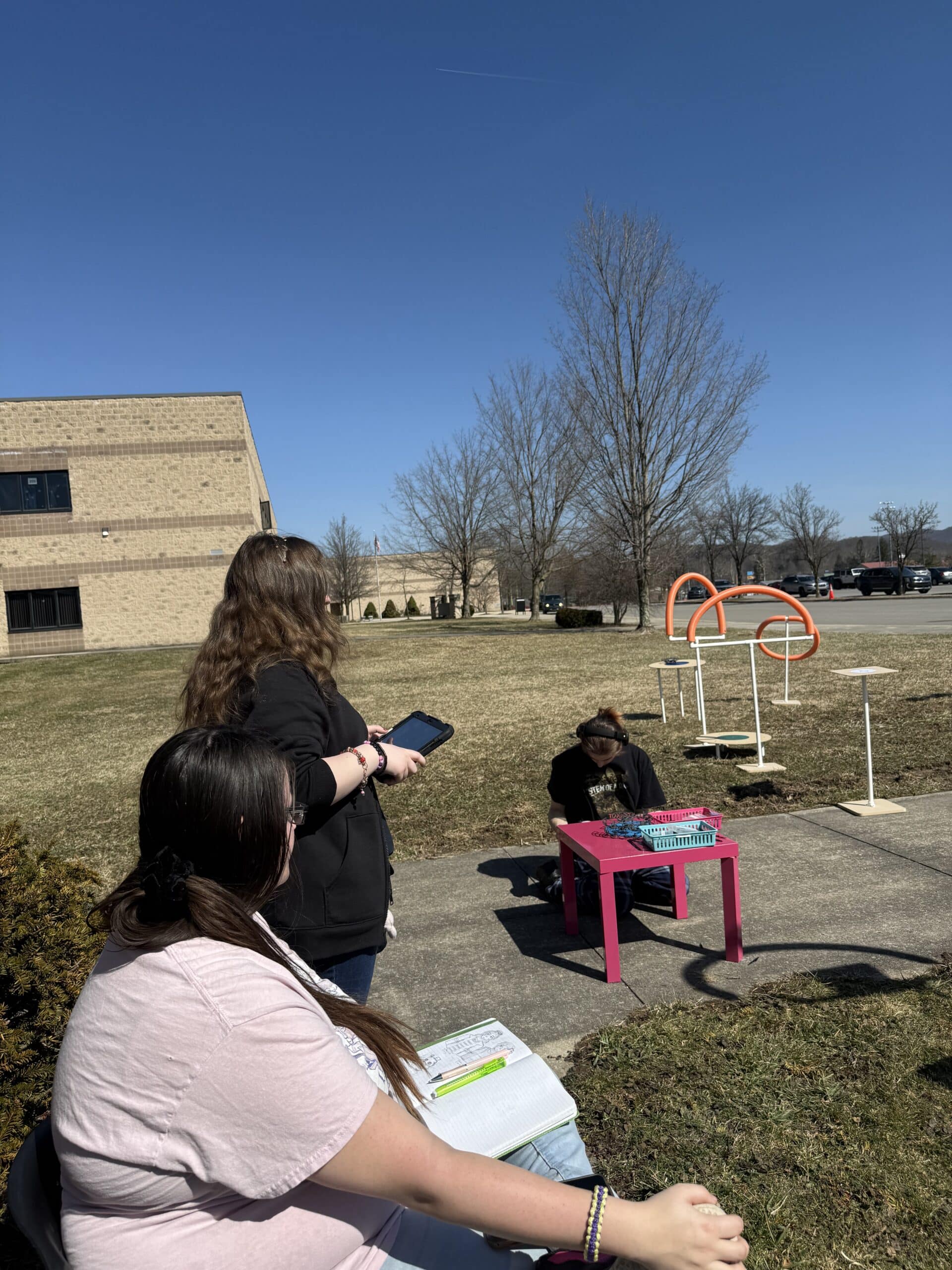
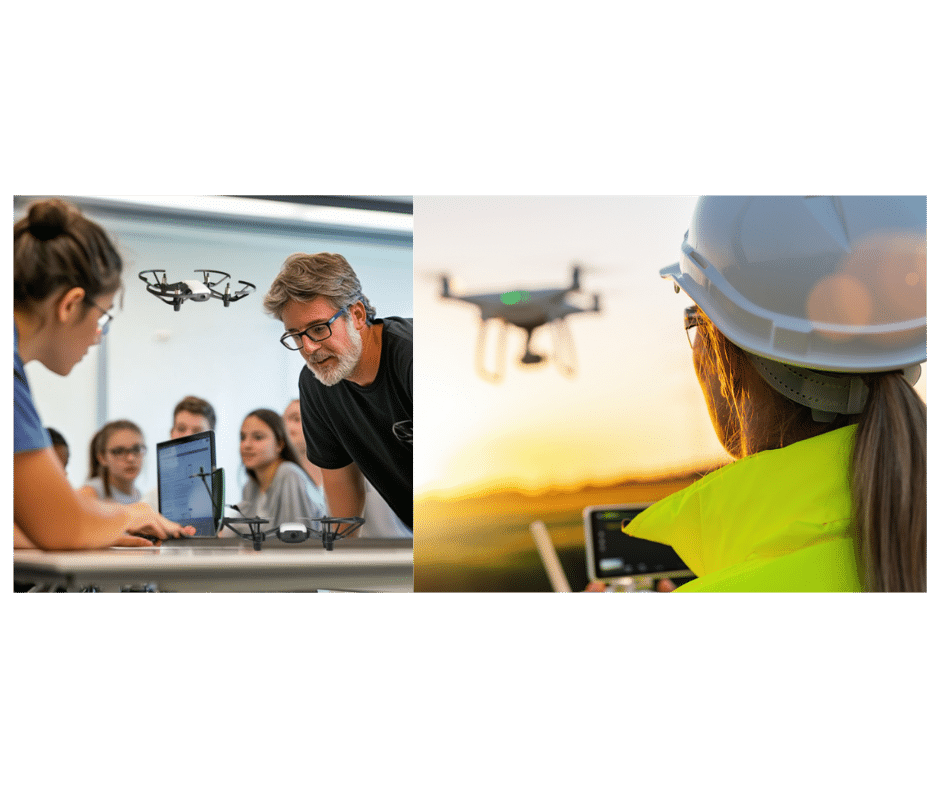
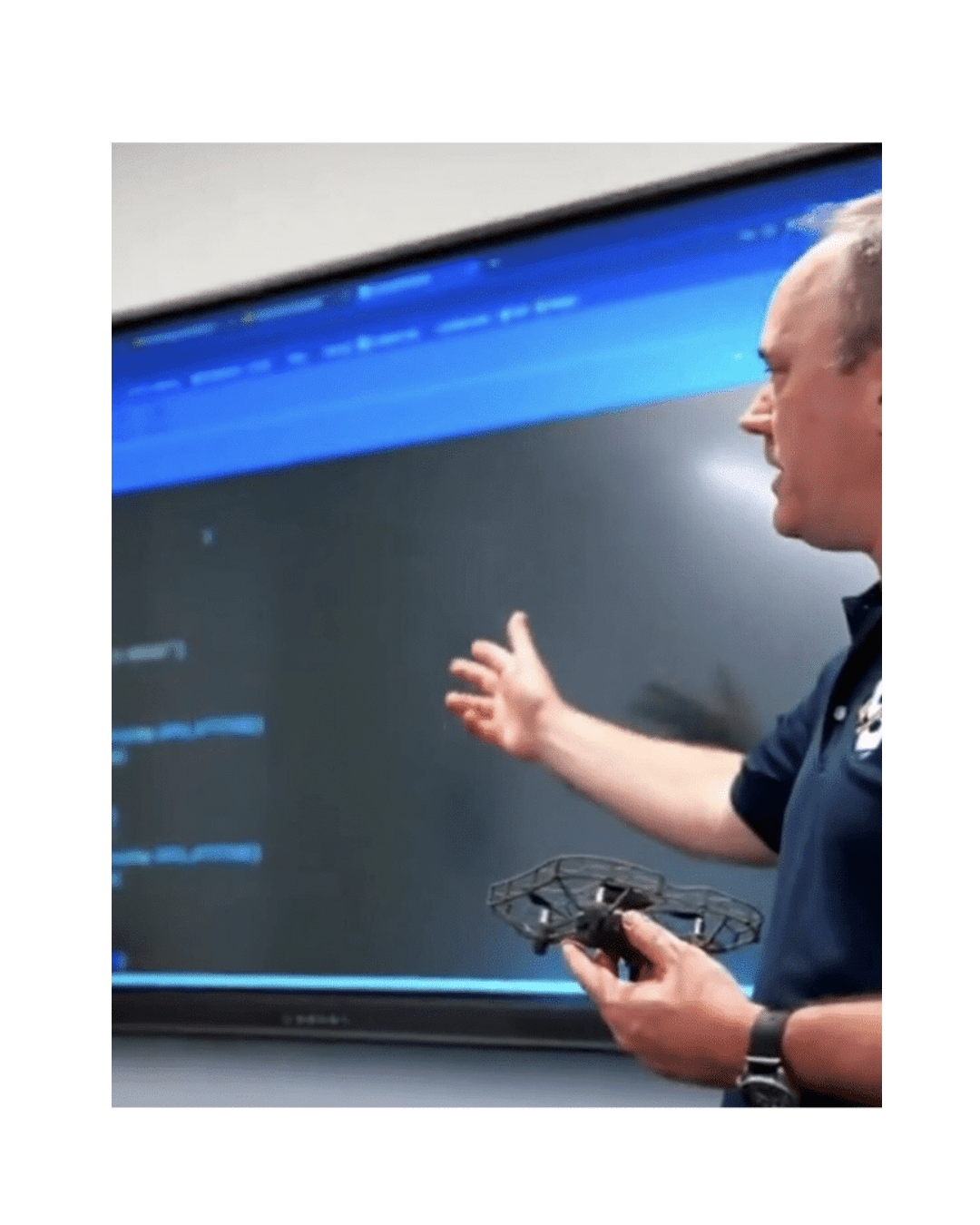
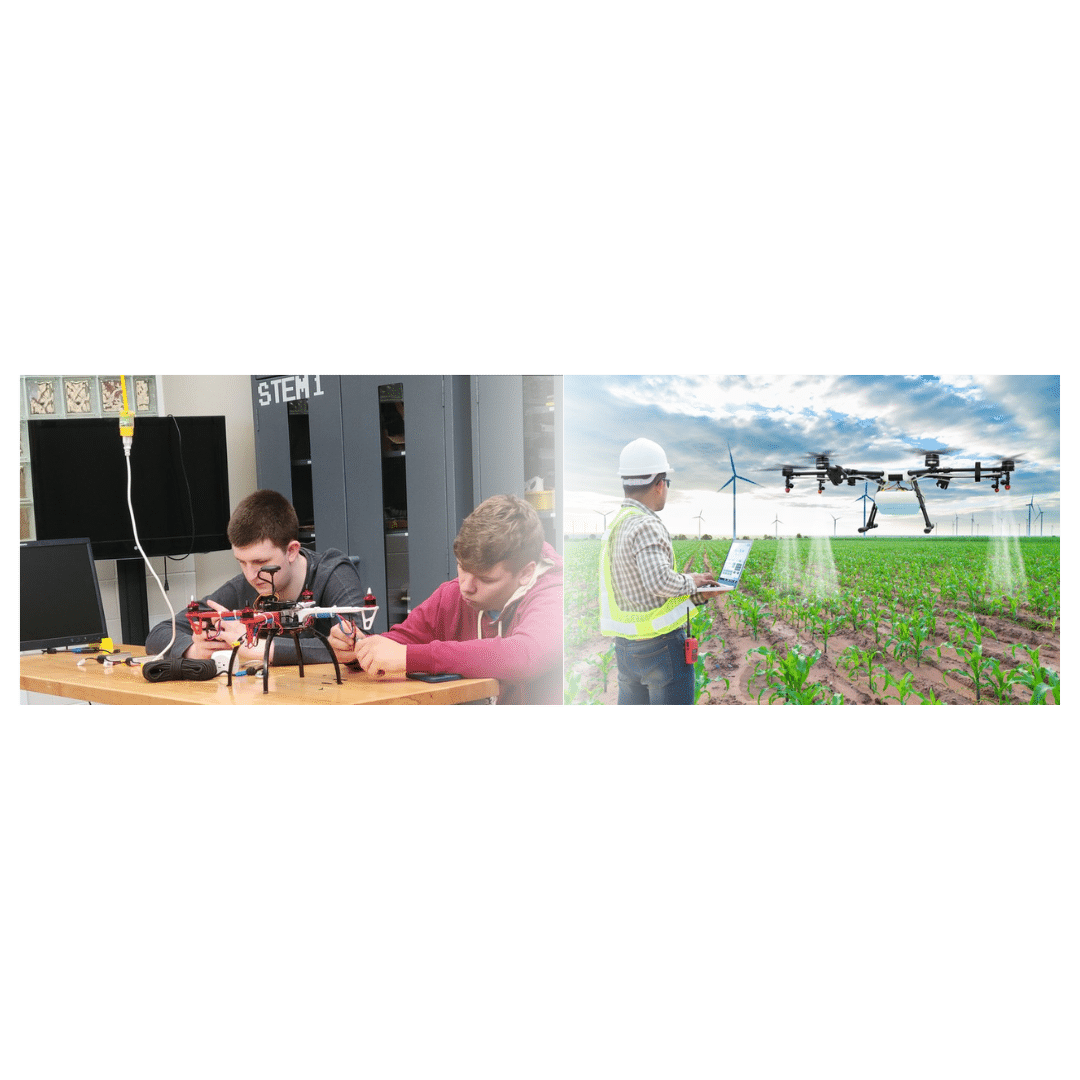
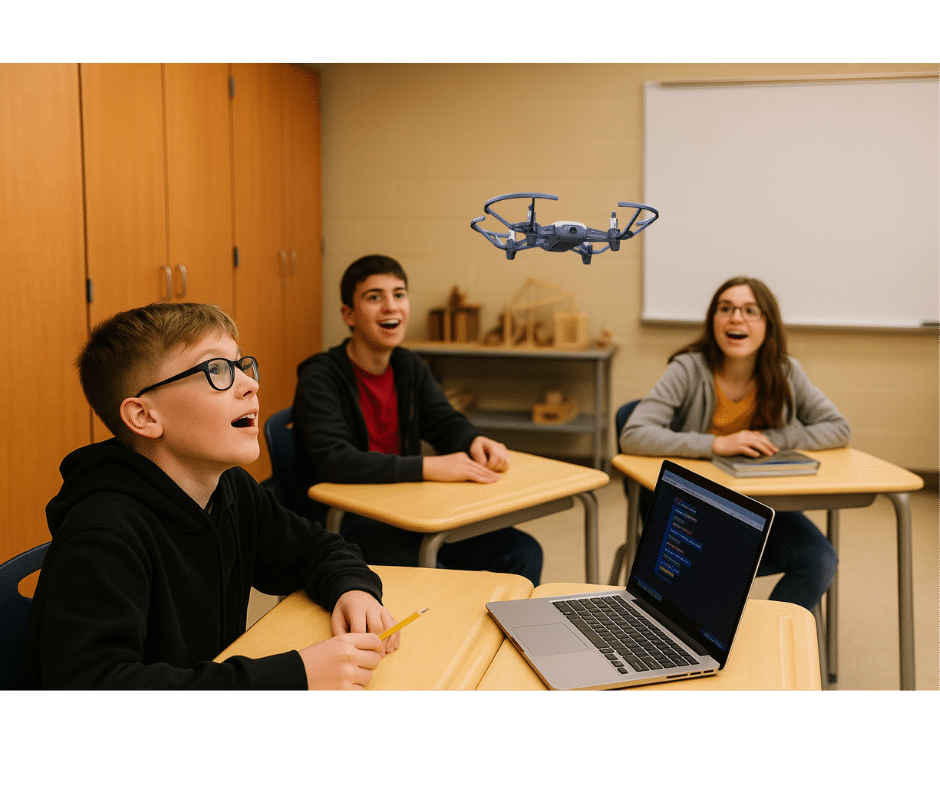
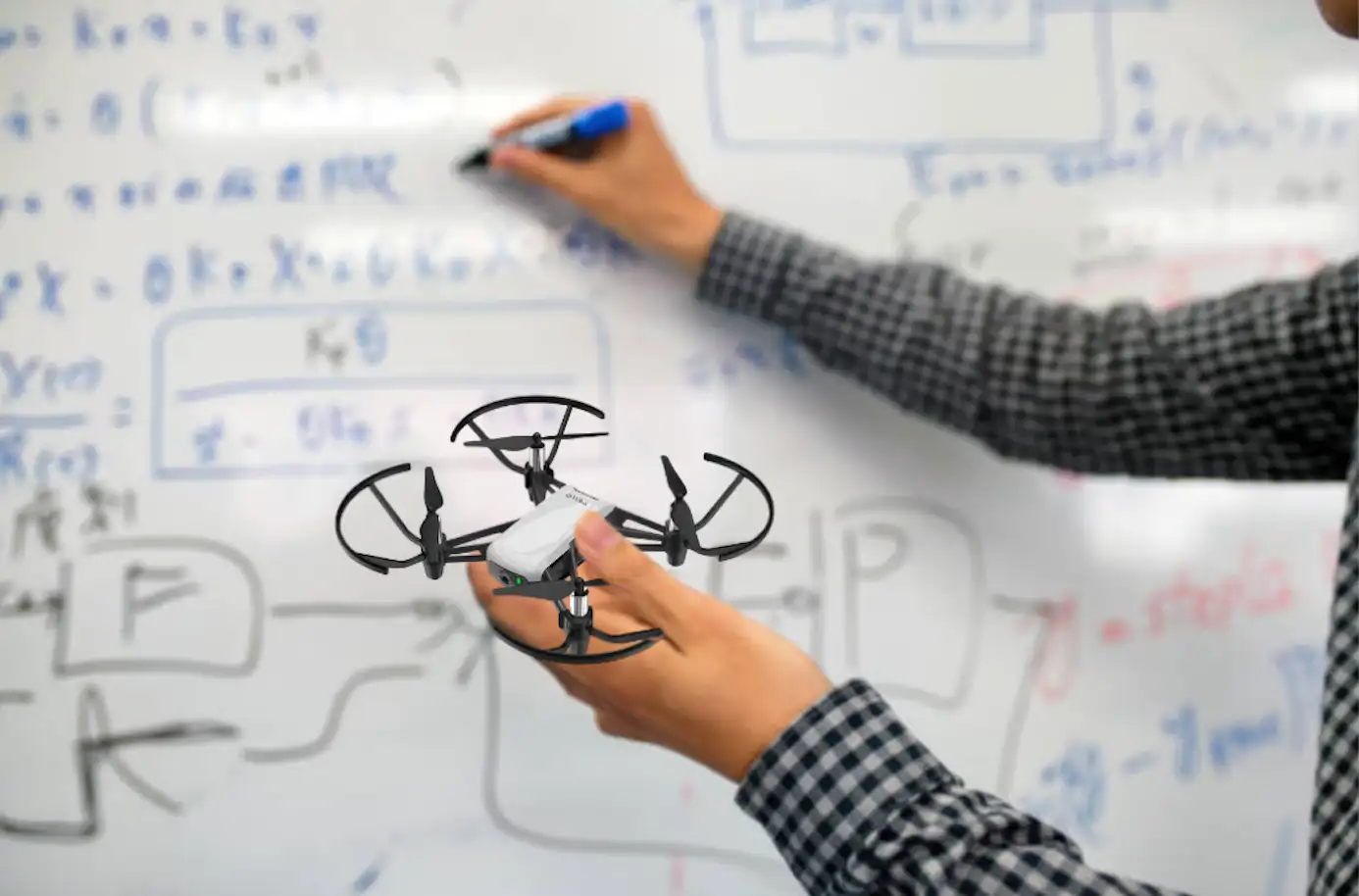
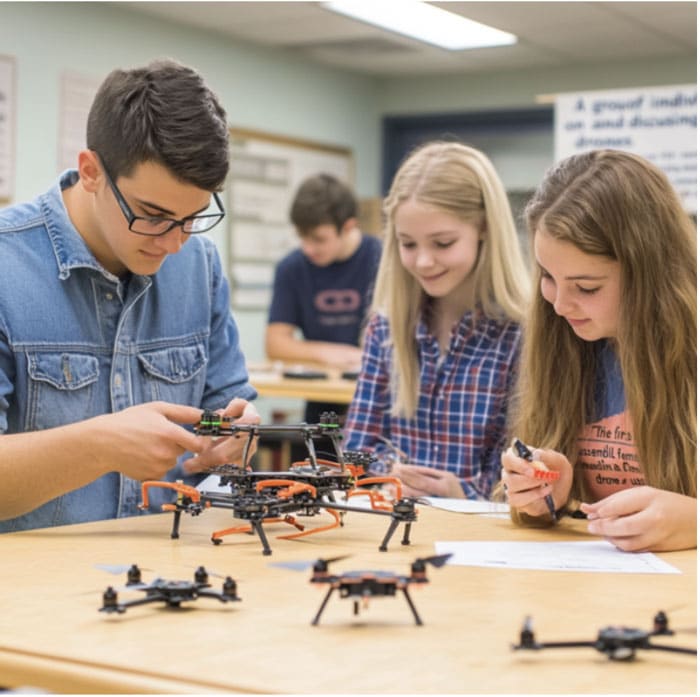
The technology behind search and rescue drones reflects real-world engineering challenges. Students who explore flight physics,autonomous coding, sensor integration, and data analysis are building the same foundational skills used in professional drone applications.
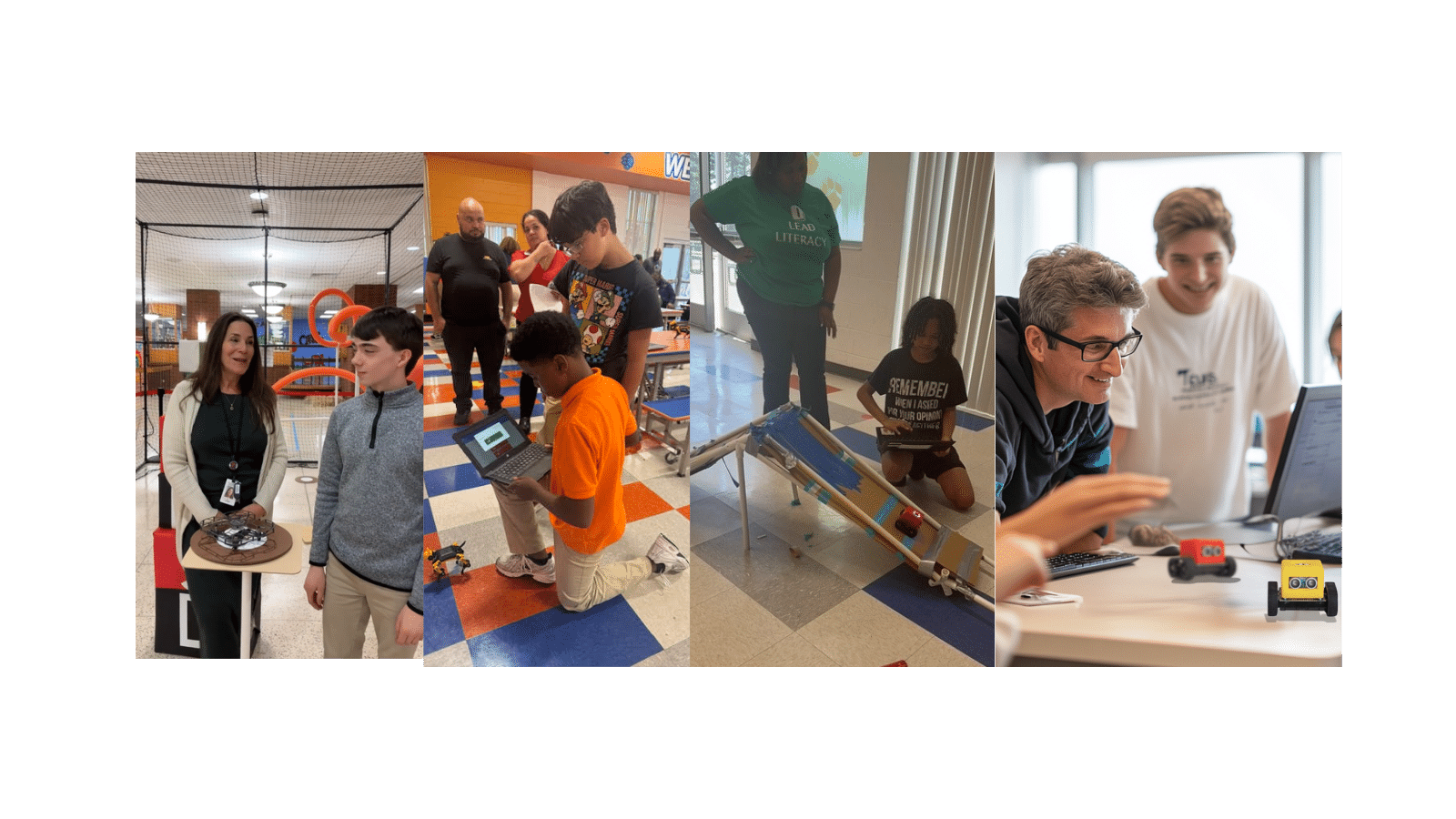
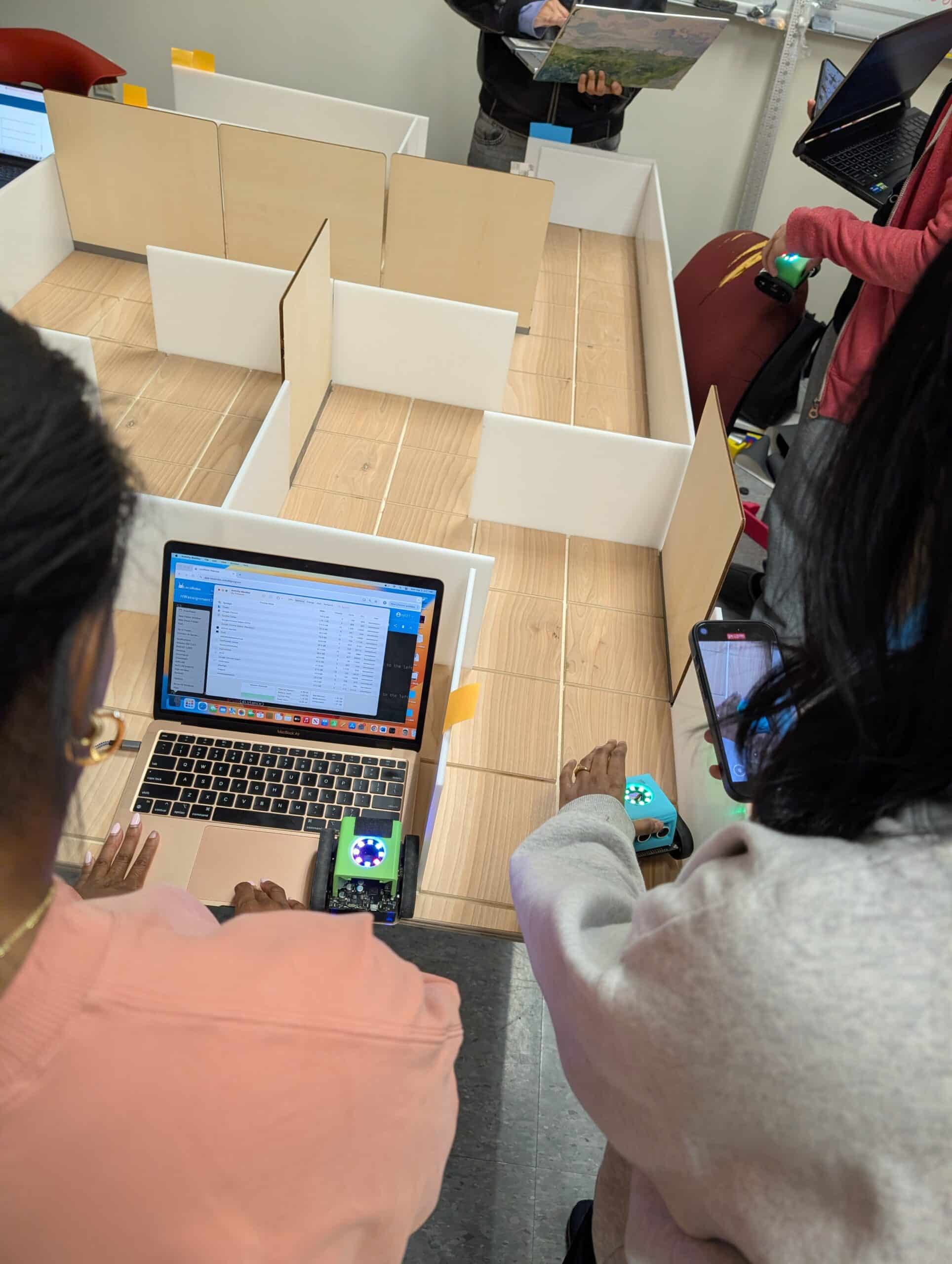
At LocoRobo, our drone education solutions are designed to introduce these concepts in structured, classroom-ready ways. Through hands-on drone coding, flight missions, and sensor-based challenges, students learn how hardware and software work together in complex systems.
Whether schools are building introductory drone curriculum or developing advanced pathways into engineering and computer science, LocoRobo provides the curriculum, platforms, and implementation support to help educators bring drone engineering into their STEM programs.
Explore how LocoRobo’s educational drone solutions support structured STEM pathways from foundational flight mechanics to autonomous programming.