


When schools plan or expand a CTE program, one of the first instructional decisions they face is how students will code.
Block-based coding and Python are often framed as an either-or choice, but in strong CTE programs, the question is about which is right for your students, your goals, and your timeline.
This guide breaks down when block coding makes sense, when Python is the better fit, and how schools can intentionally move between the two without losing momentum.
What Block Coding Does Well in CTE Settings
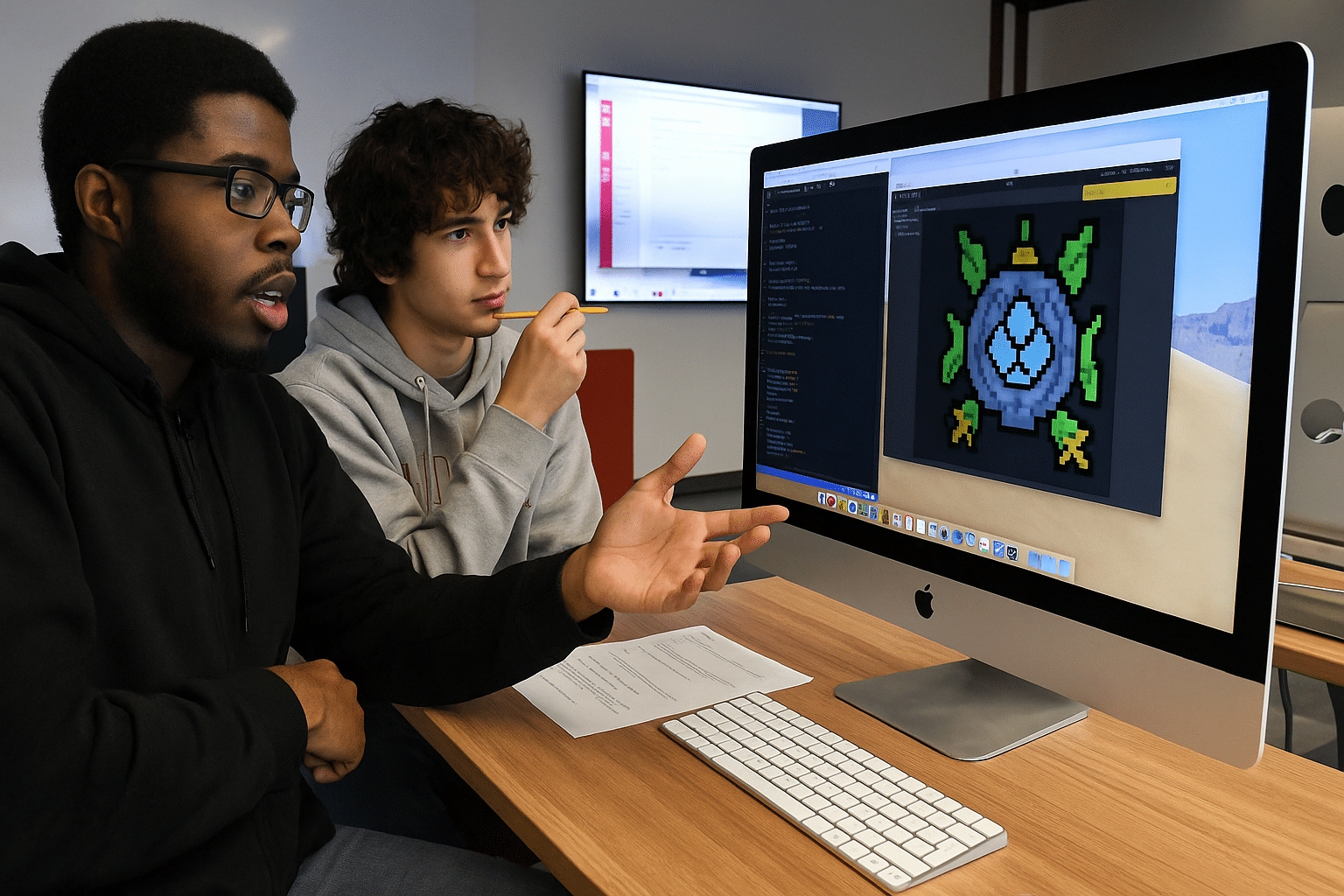
Block coding lowers the barrier to entry. For students who are new to programming, it removes syntax as an obstacle and allows them to focus on logic, sequencing, and problem-solving.
In CTE classrooms, block coding is especially effective when:
- Students are encountering programming for the first time
- Instructional time is limited
- The program includes mixed skill levels
- The focus is on understanding systems rather than writing text-based code
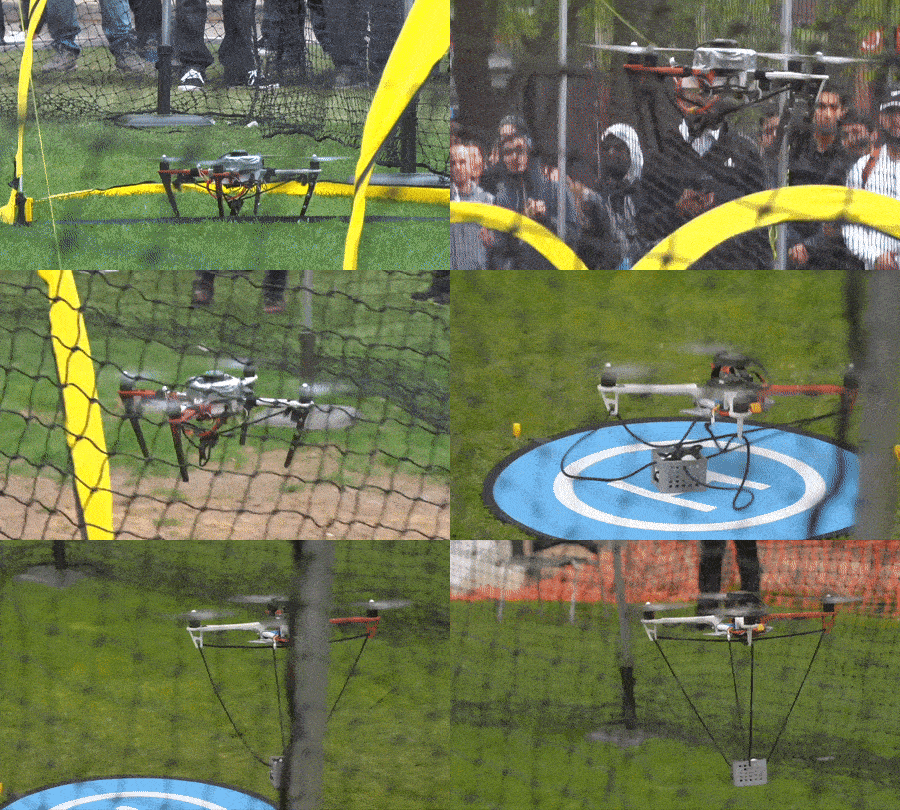
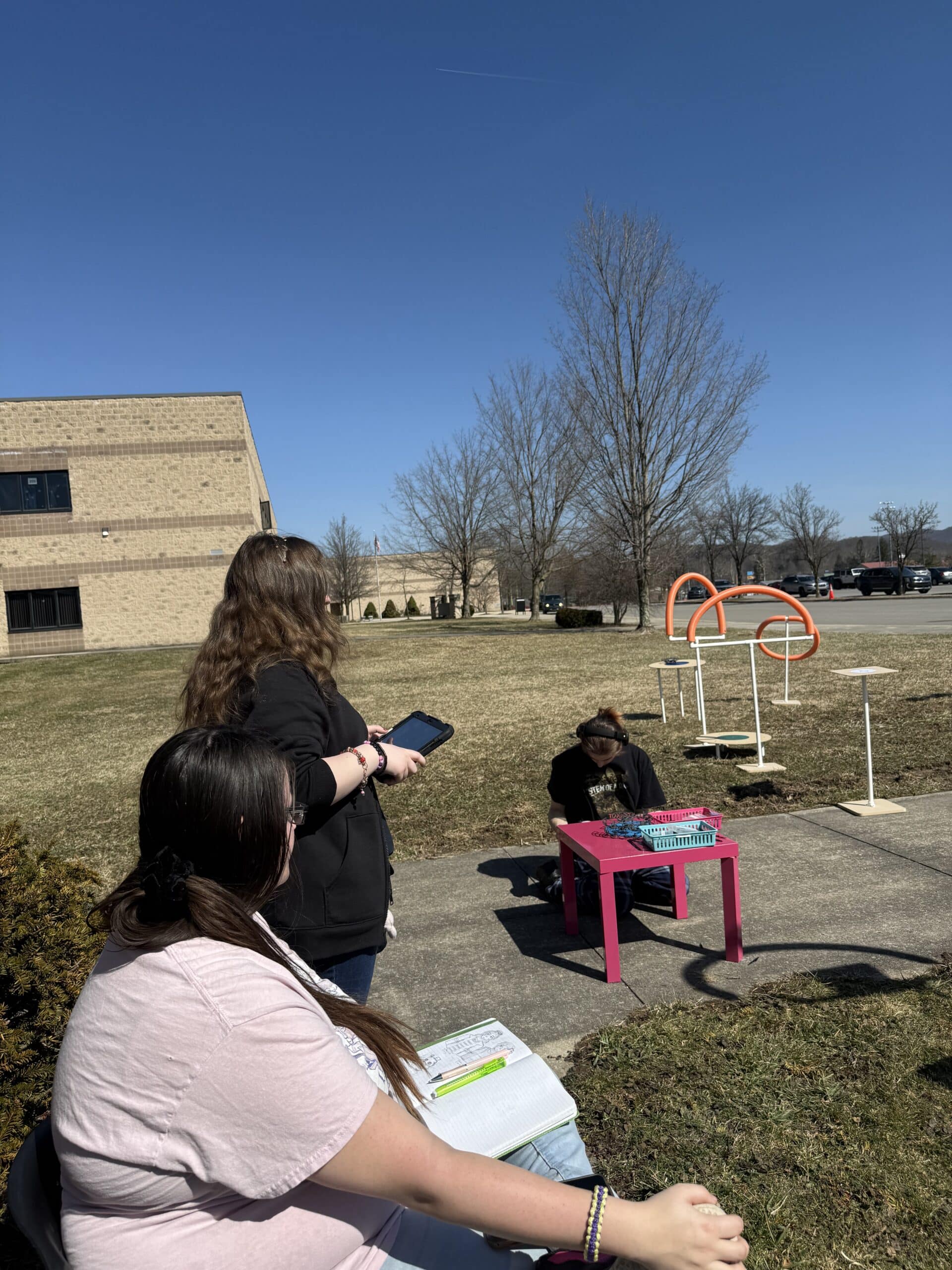
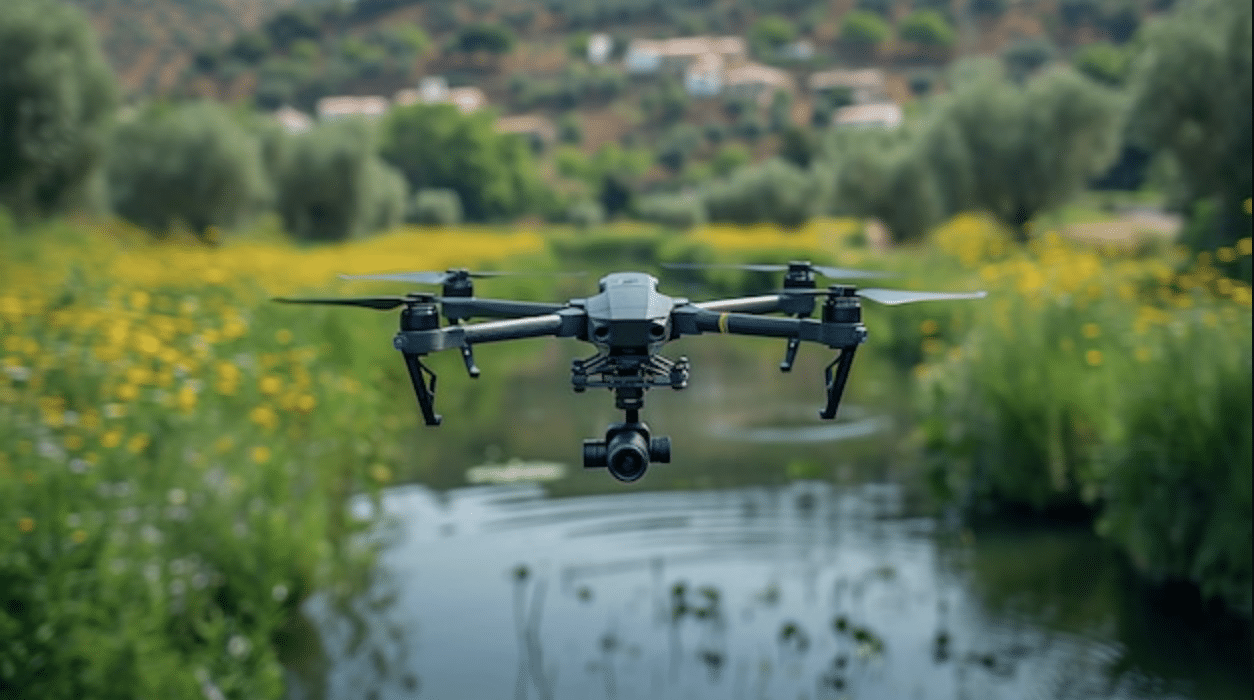
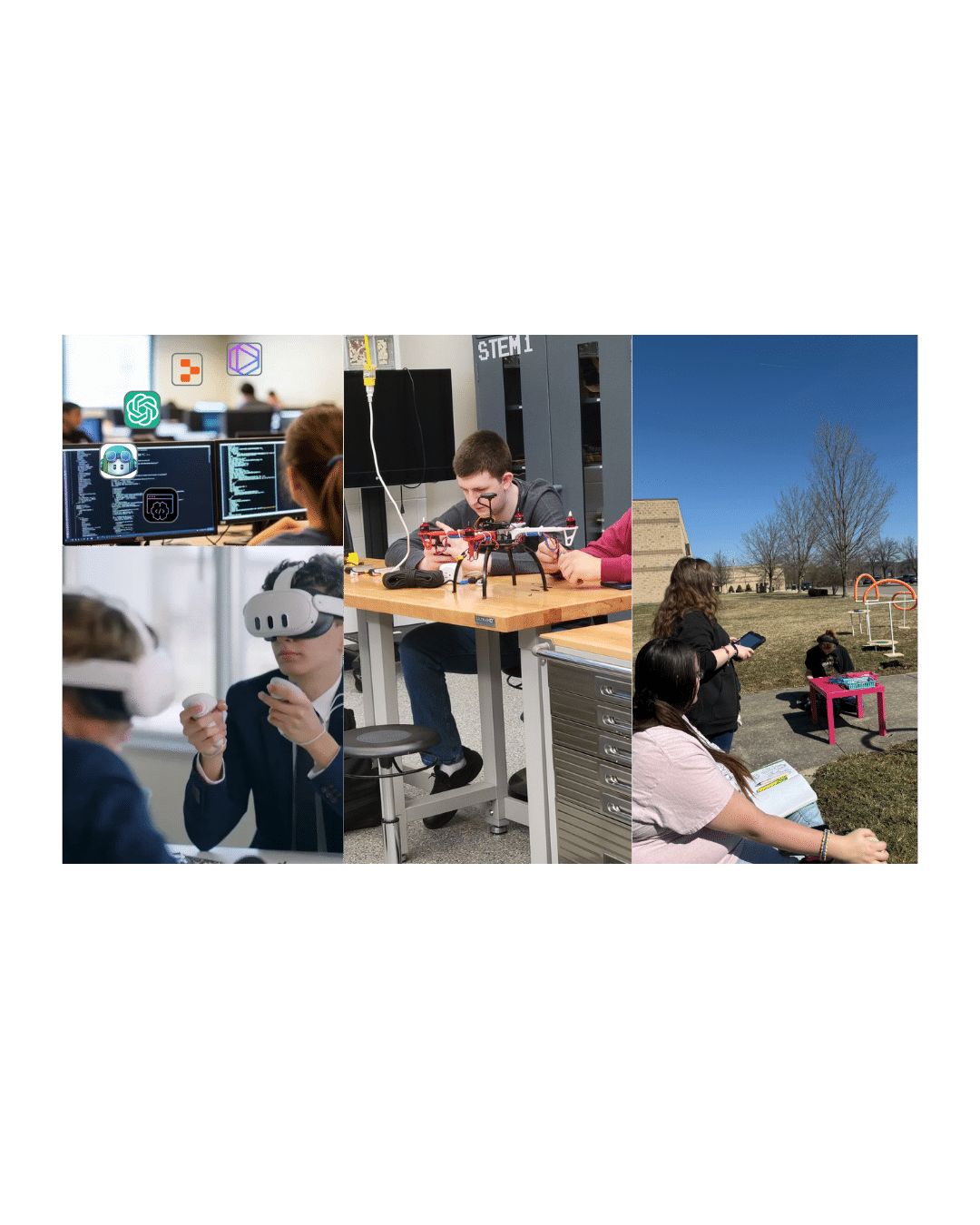
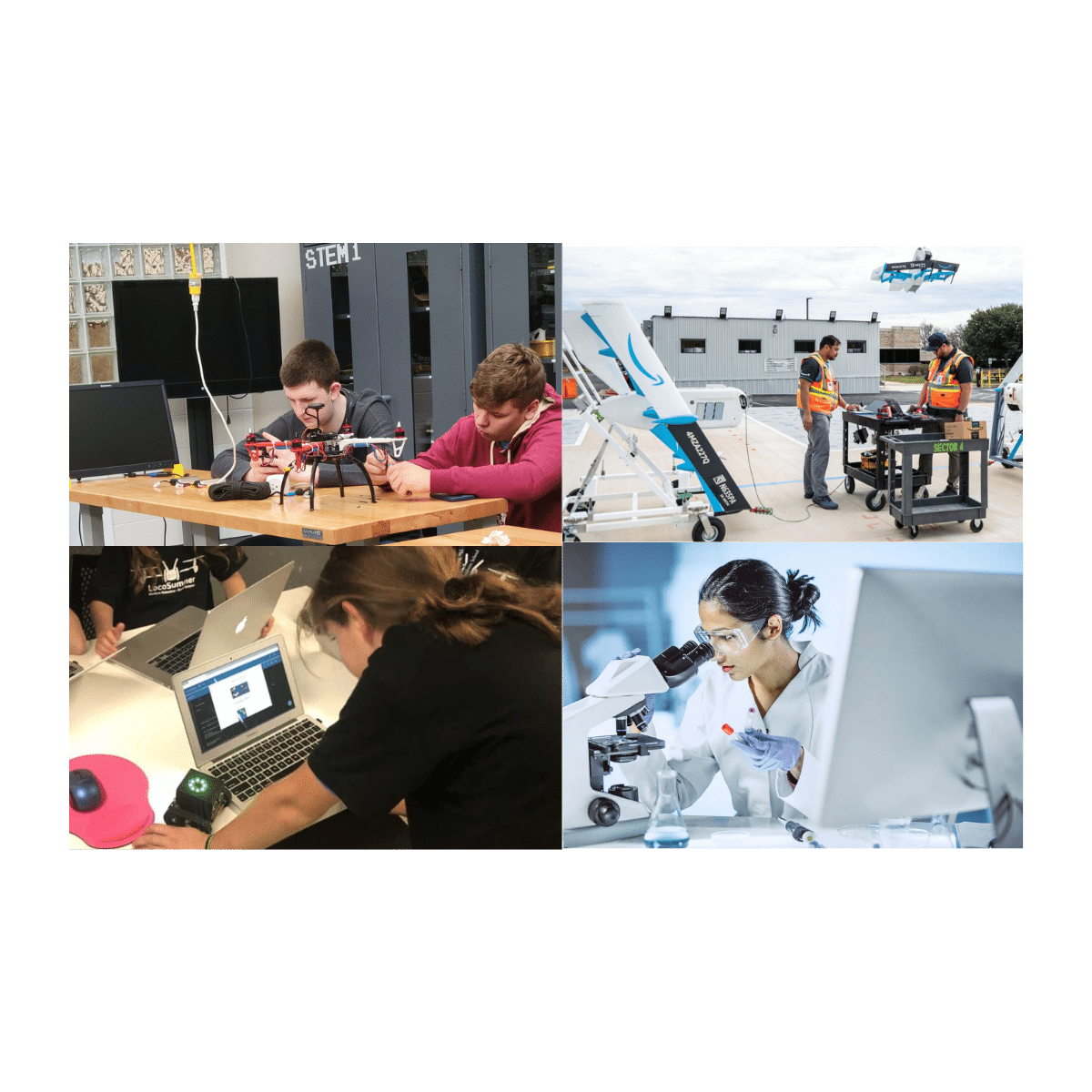
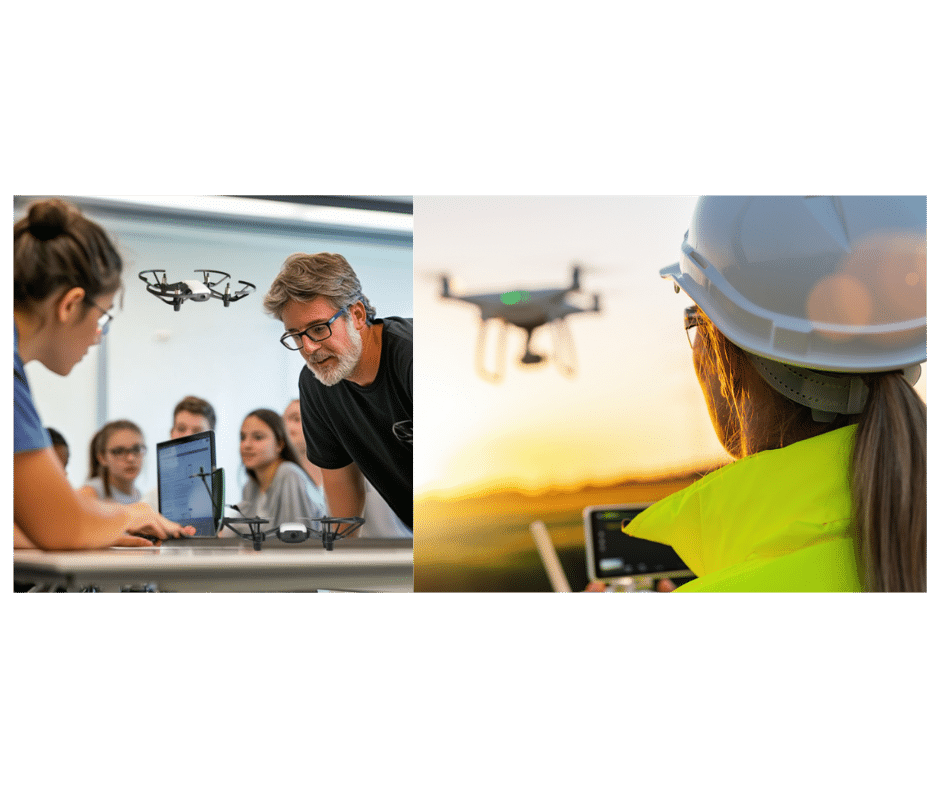
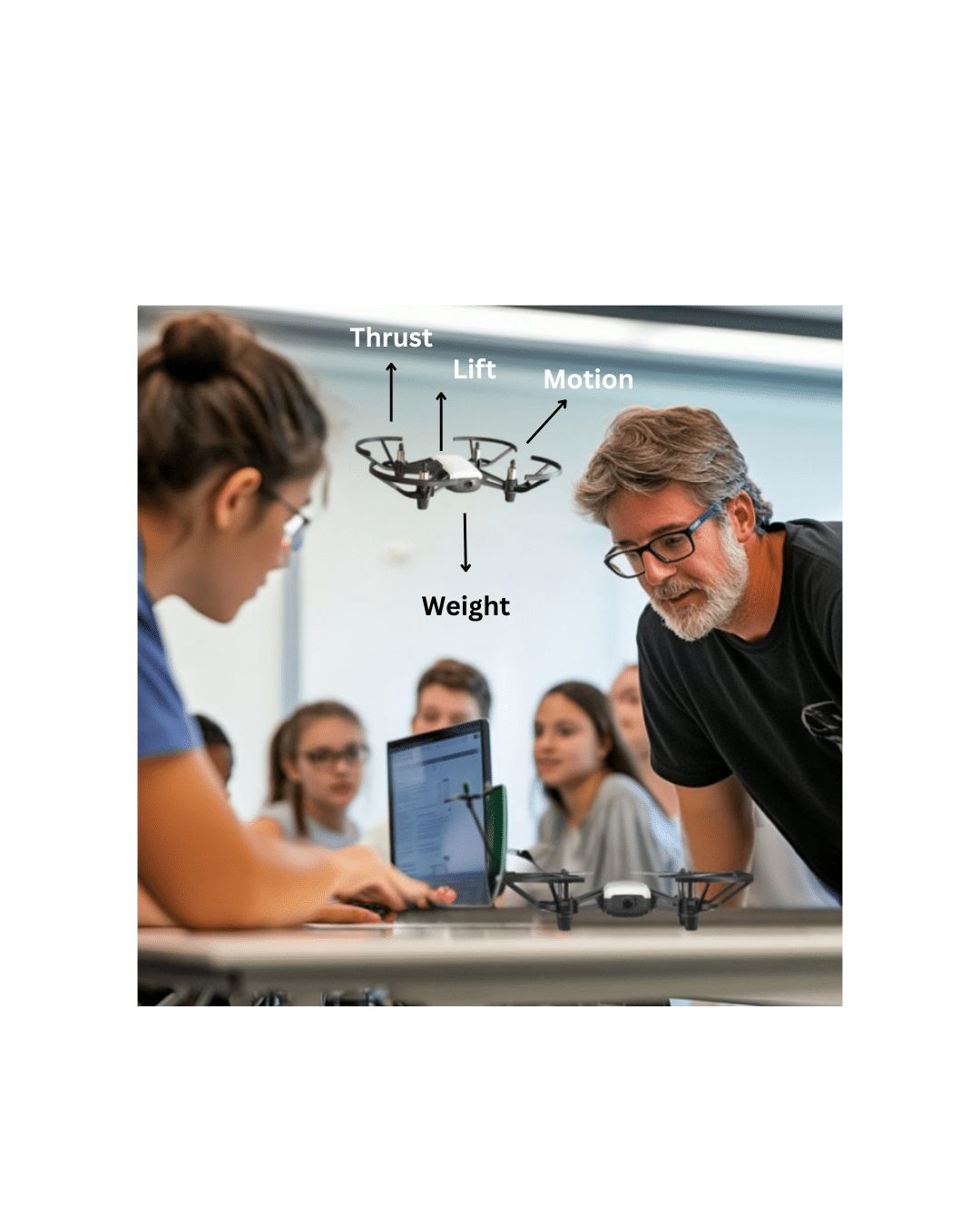
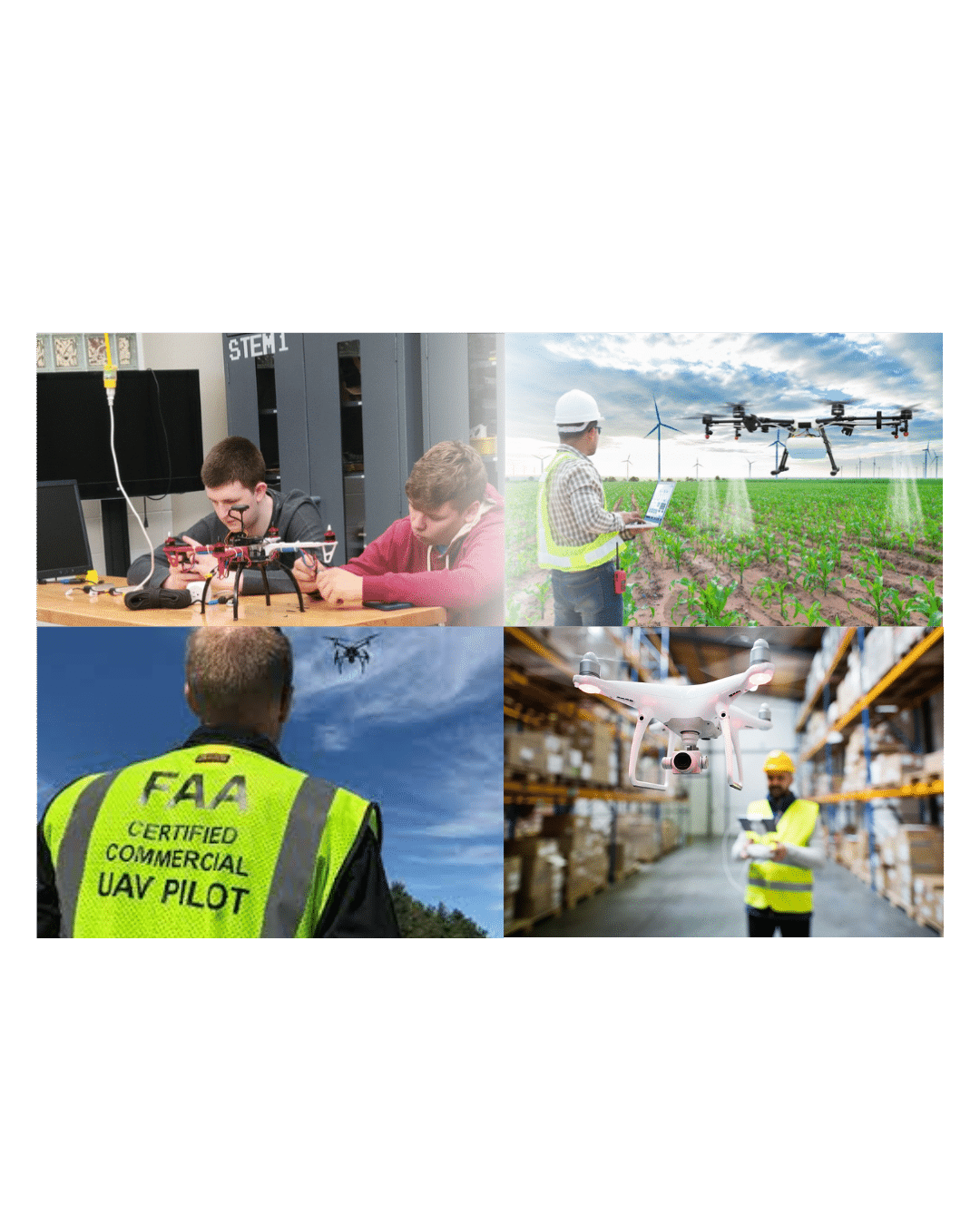
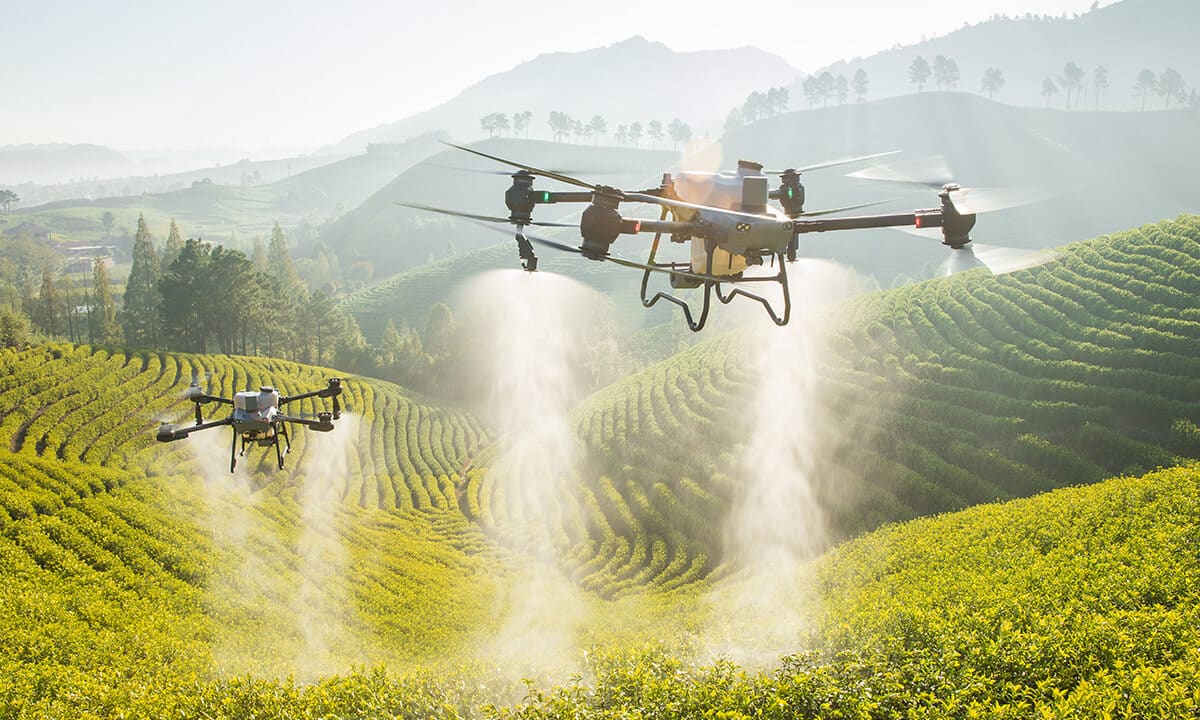
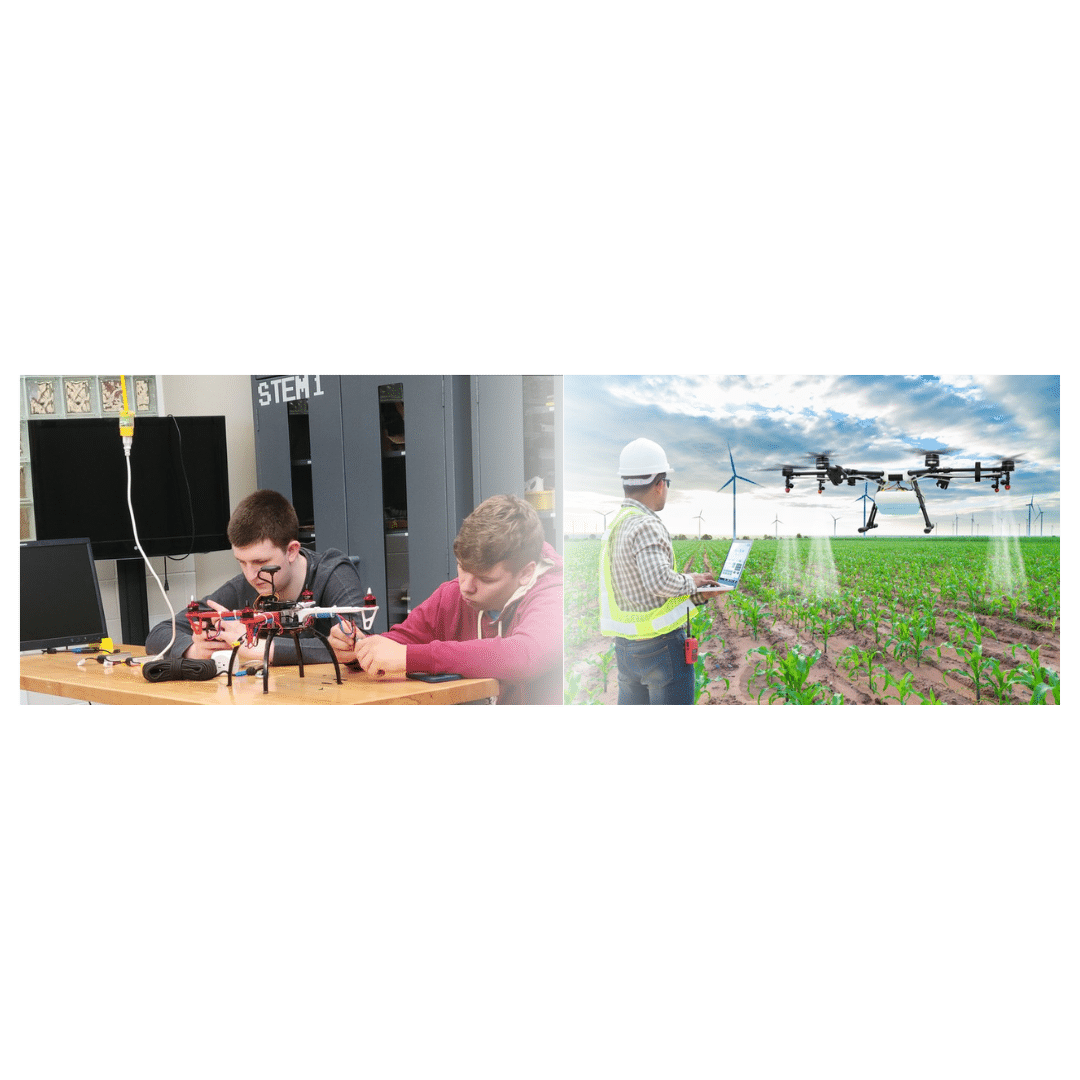
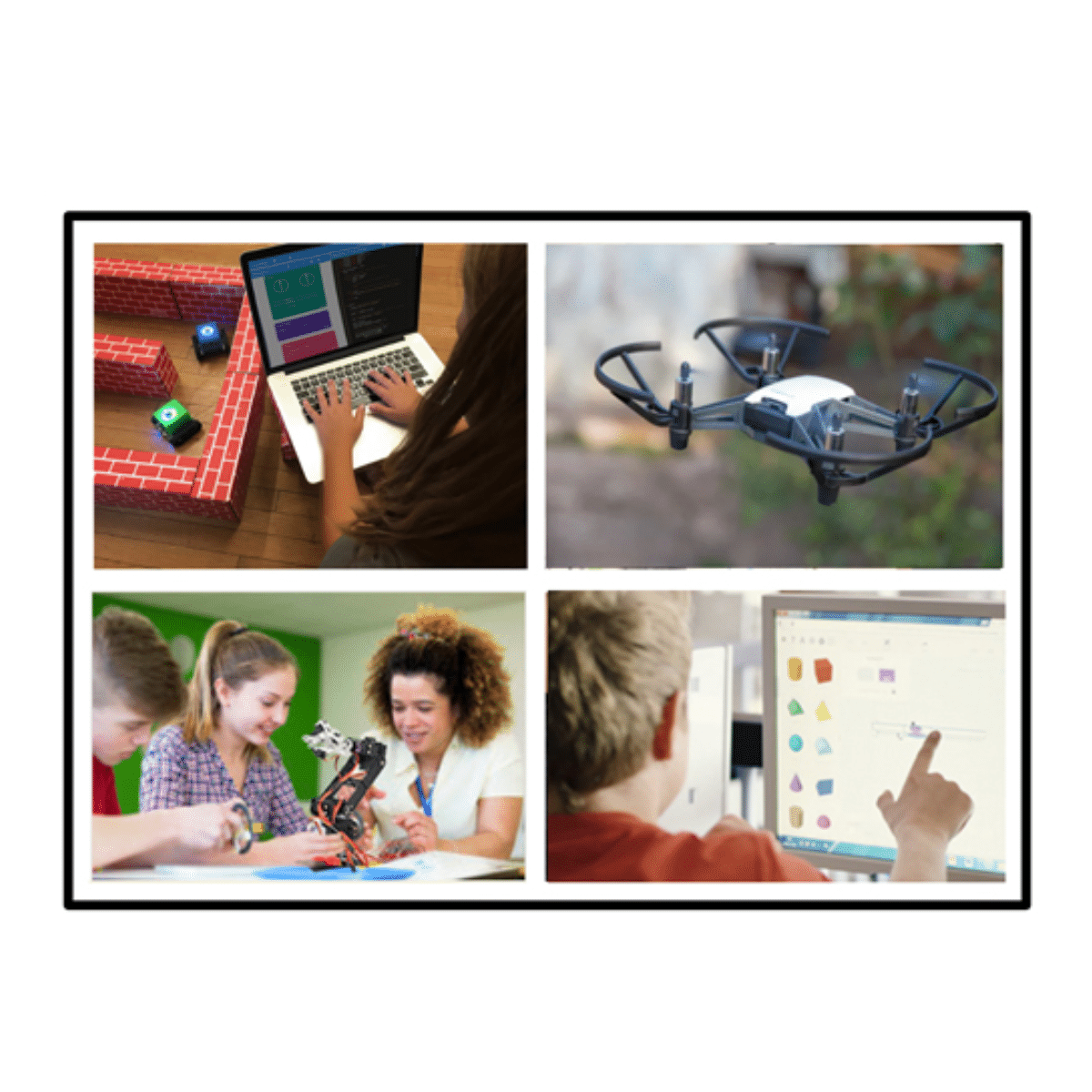
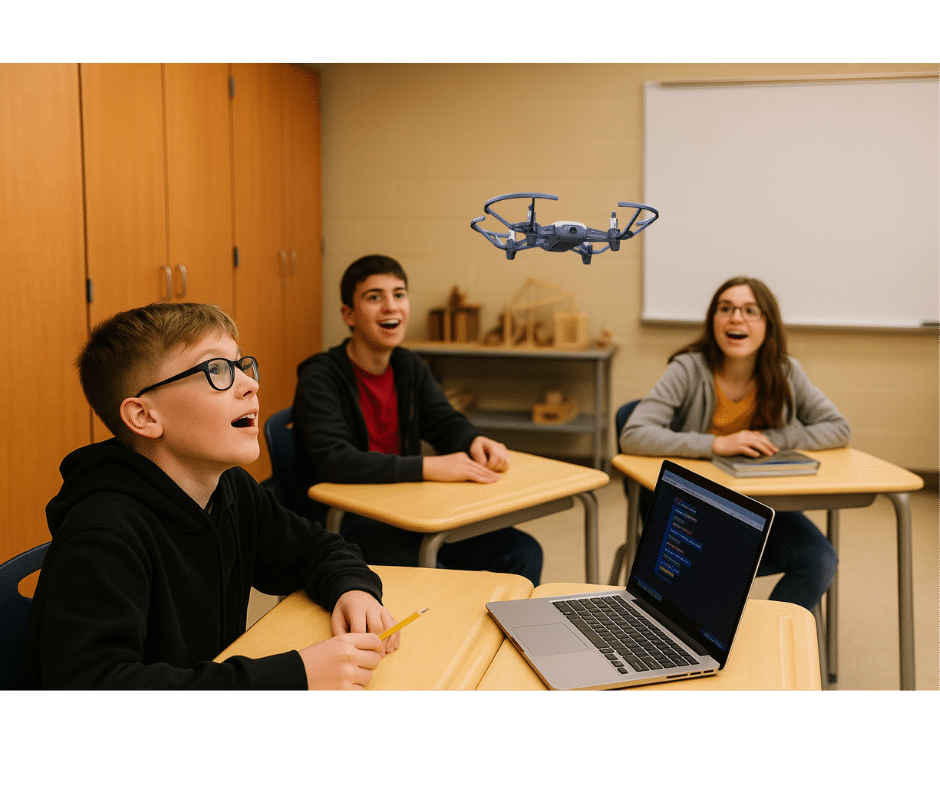
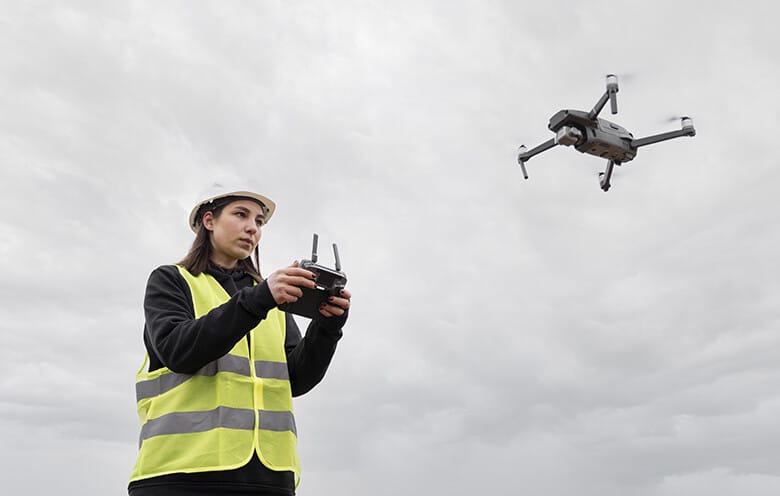
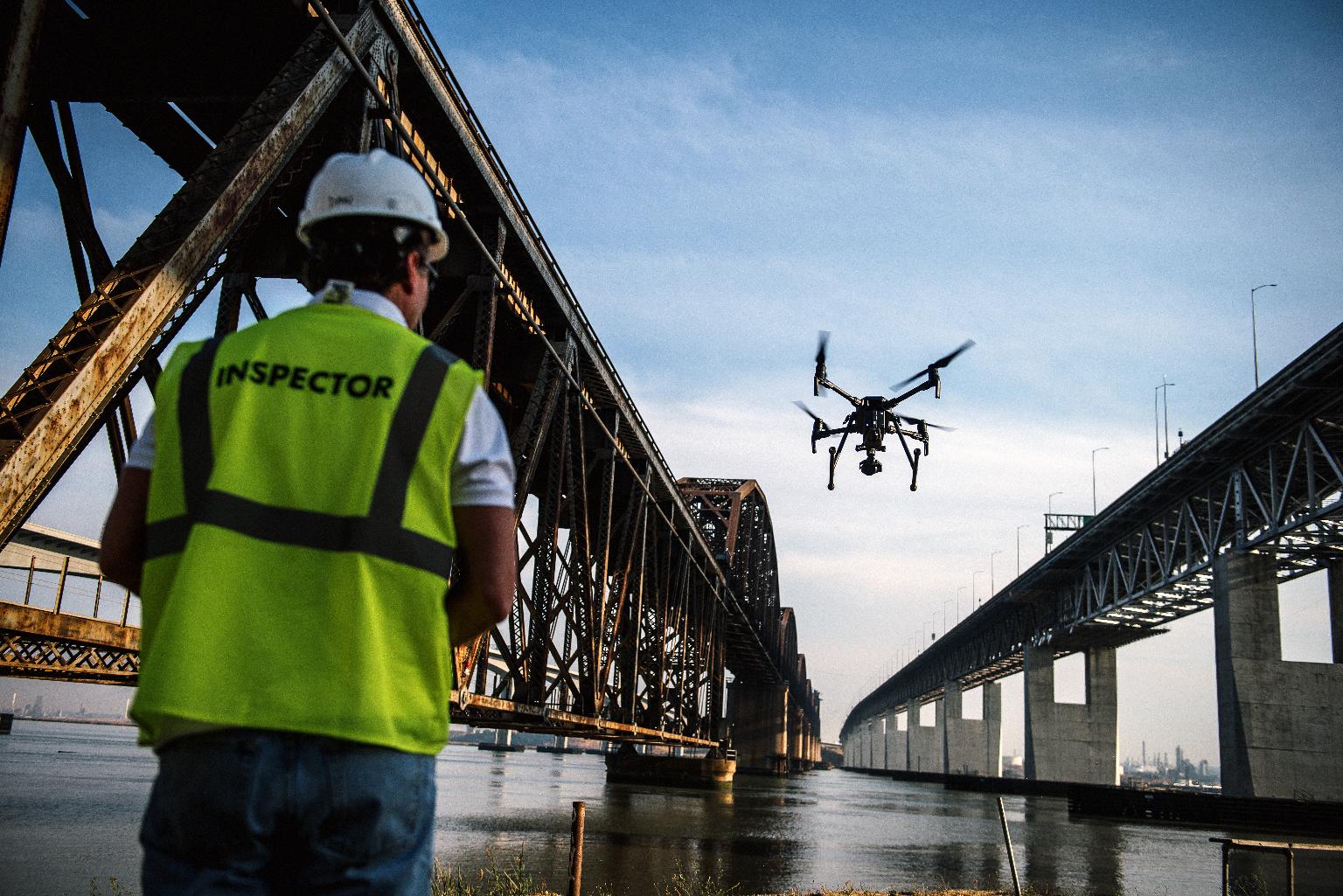
With drones, block coding allows students to quickly test ideas, see cause-and-effect relationships in flight, and build confidence early. This matters in CTE, where student engagement often determines whether a pathway grows or stalls.
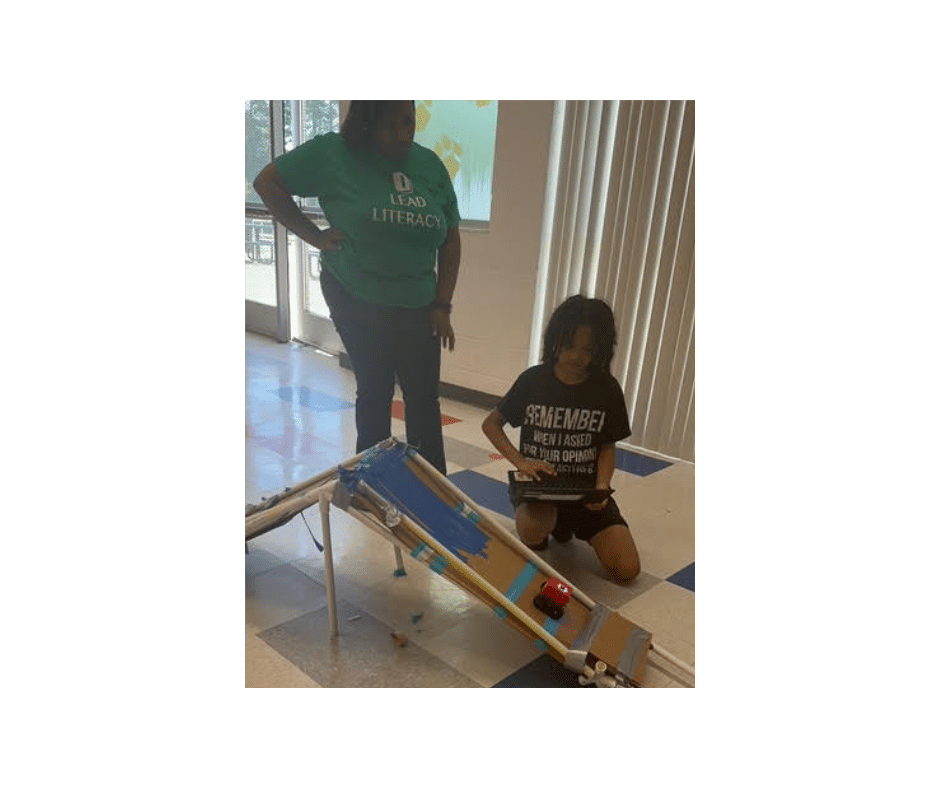
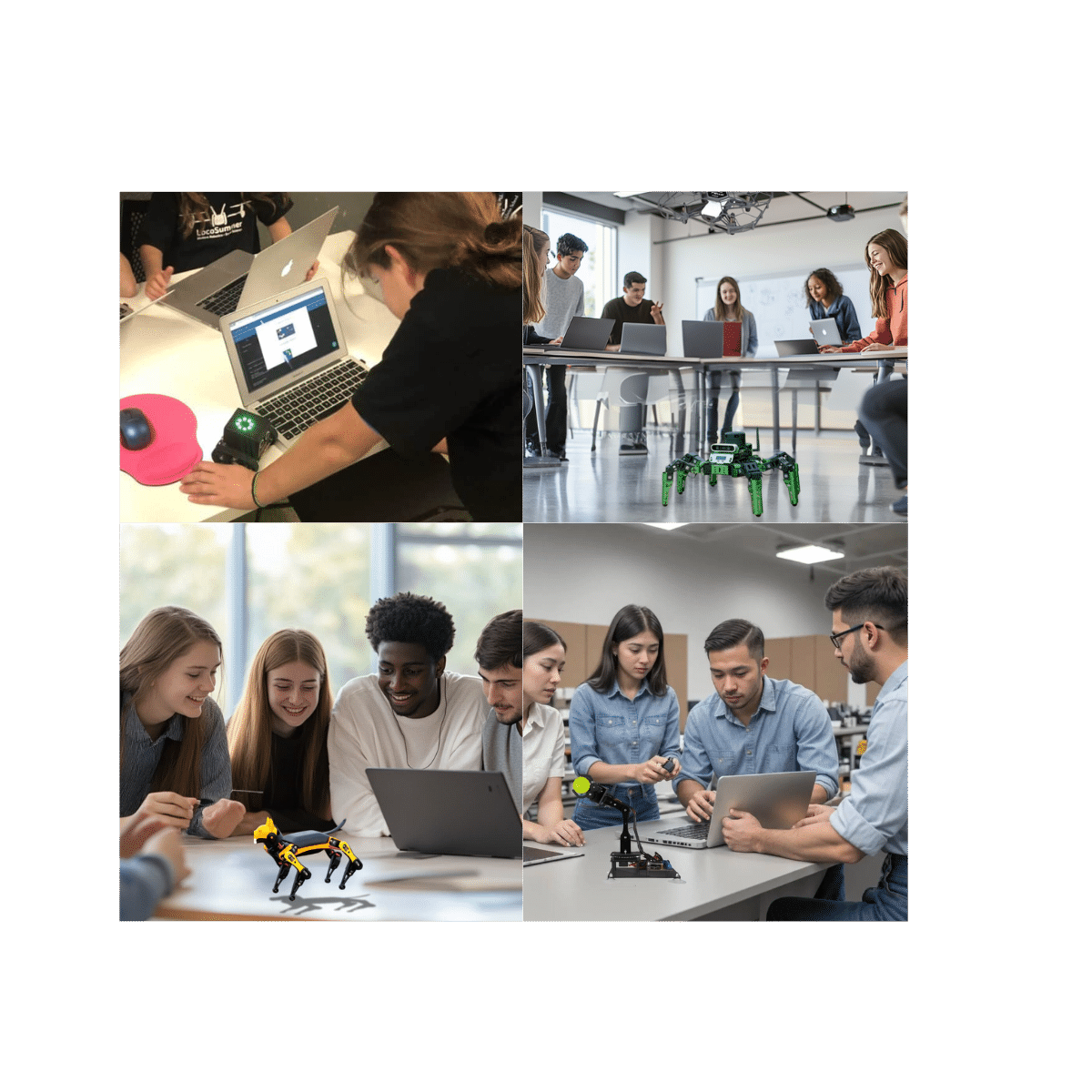
Block coding also supports collaboration. Students can more easily read, explain, and debug each other’s work, which aligns well with project-based learning and team-based challenges.
An Important Role in Middle School Career Awareness Programs
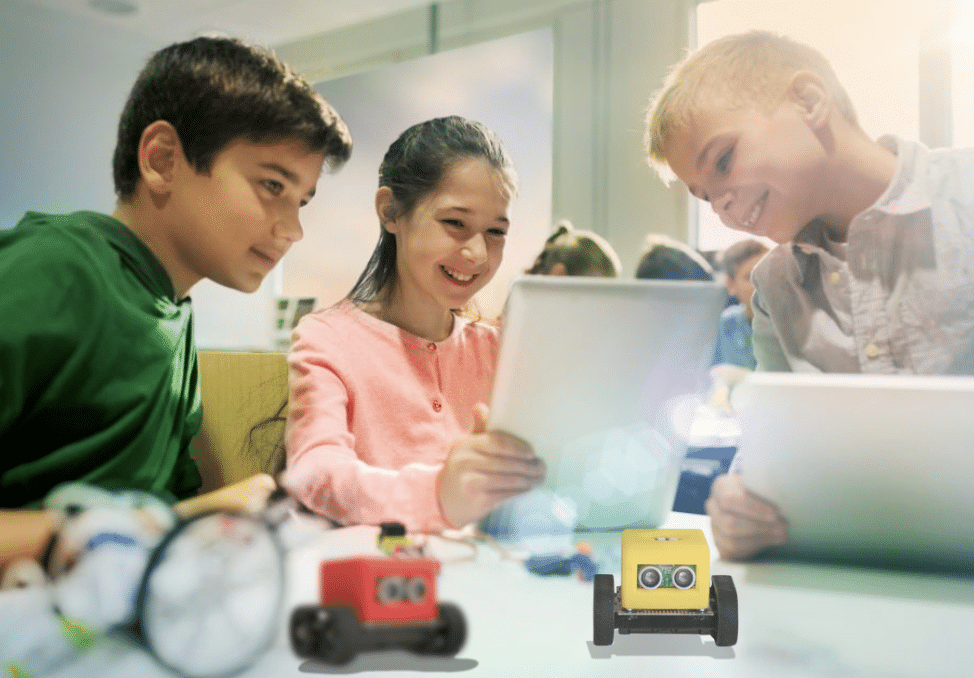
Block coding plays a particularly valuable role in middle school Career Awareness programs, where the goal is exposure and confidence.
At this stage, students are beginning to explore how technology connects to real careers. Introducing block-based coding through drones, robotics, or systems thinking helps students:
- Understand what “coding” actually looks like in practice
- Build early confidence without fear of getting syntax wrong
- Recognize patterns that will appear again in high school CTE courses
Middle school is also an ideal time to begin the transition from blocks to Python. When students see both side by side, they start to understand that block coding is a visual representation of real programming logic. This early exposure gives students a meaningful head start as they enter high school CTE programs, where expectations and technical depth increase quickly.
Where Block Coding Reaches Its Limits
While block coding is powerful for early learning, it does have ceilings.
As projects become more complex, students may struggle to:
- Manage larger programs
- Read or write code that resembles industry workflows
- Work with advanced data structures
- Transition skills beyond the platform itself
In CTE programs designed to support STEM career exploration or technical depth, these limits often appear sooner than expected. At that point, students are ready for more control. That is where Python becomes valuable.
What Python Adds to CTE Programs
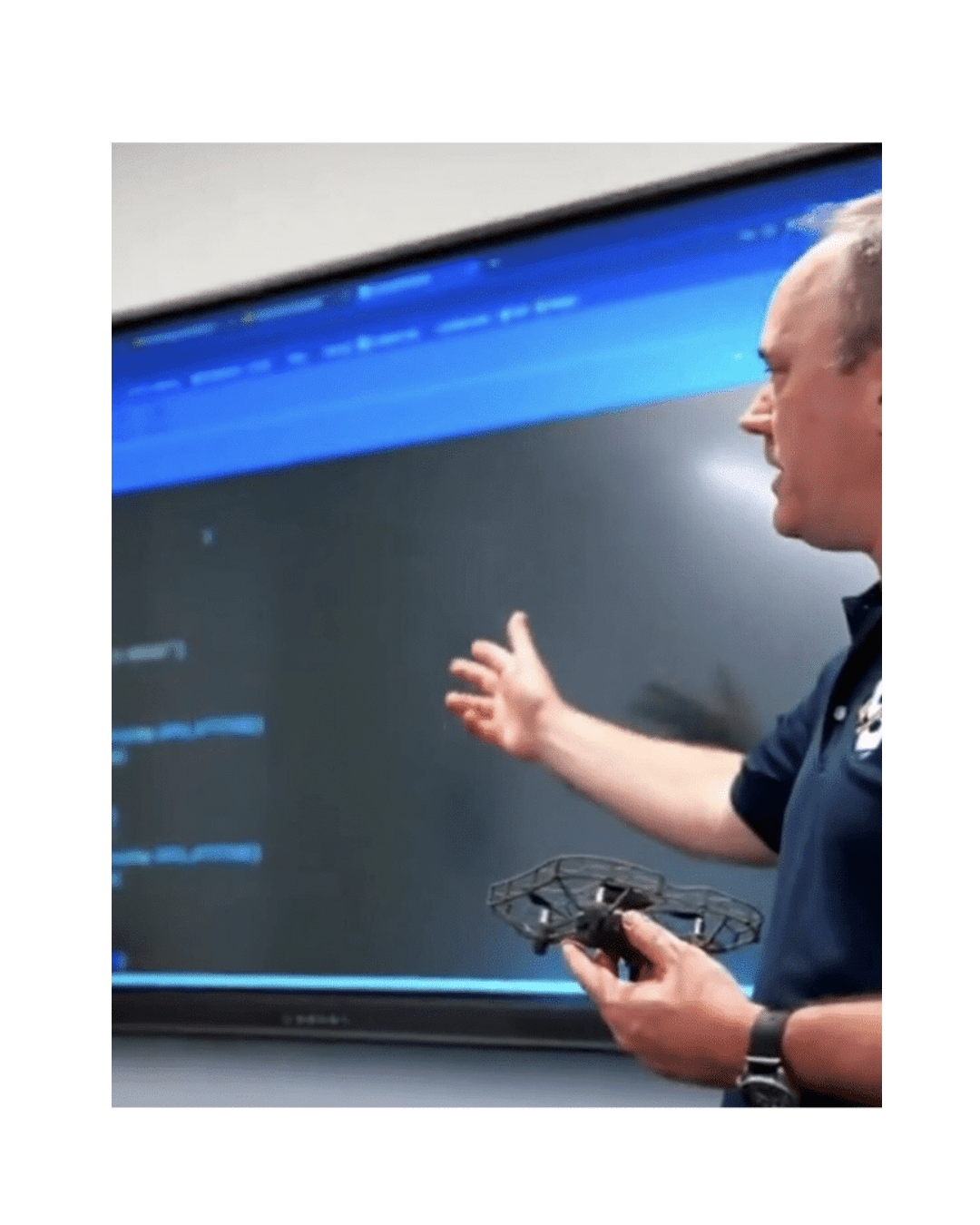
Python introduces students to professional coding practices in a readable, approachable way. It mirrors what students will encounter in certifications, advanced coursework, and technical careers.
Python works best in CTE programs when:
- Students already understand basic logic and sequencing
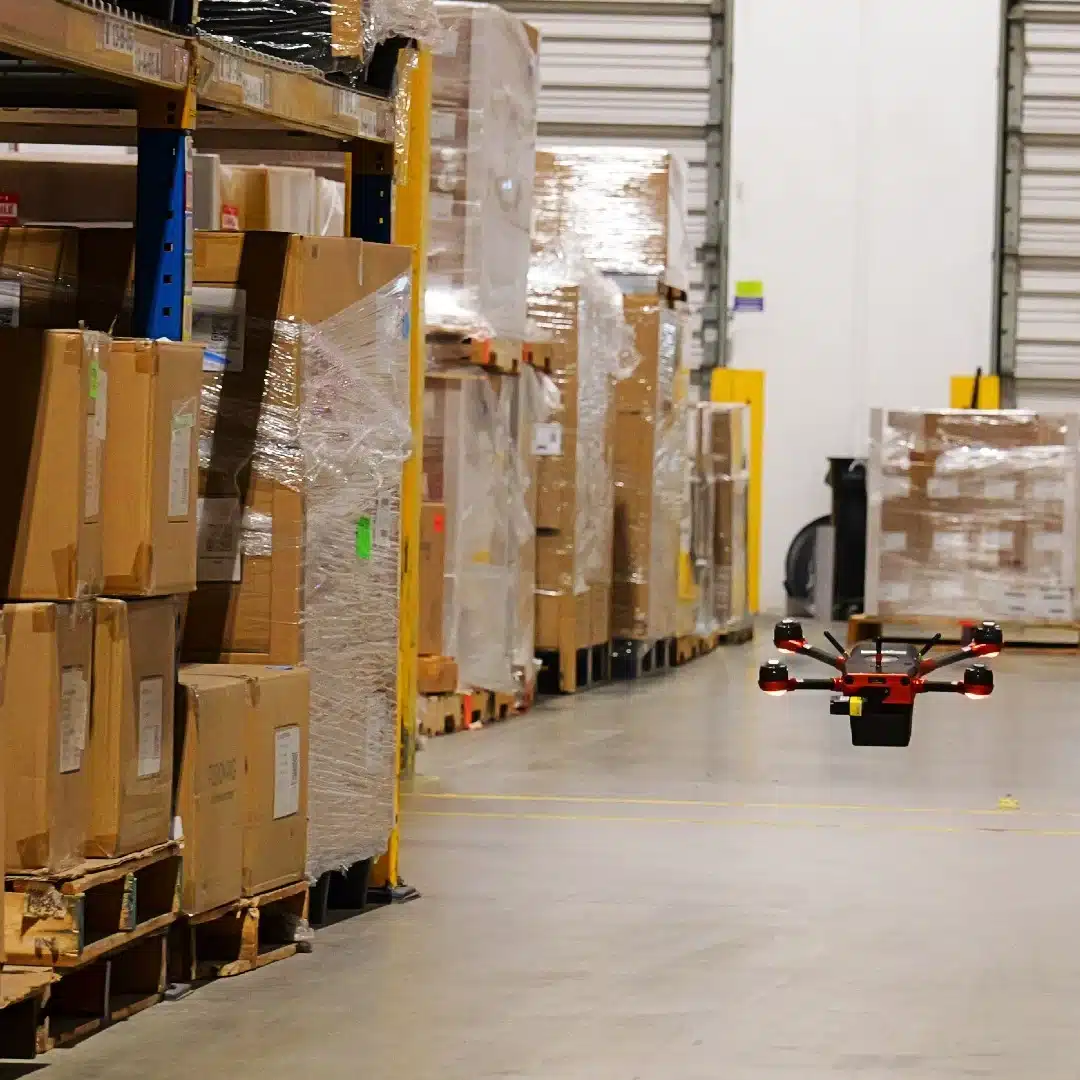
- Projects involve data, automation, or system control
- The program spans multiple semesters or grade levels
- Career alignment is a core goal
Python also connects directly to industry-recognized certifications, a core goal of many CTE pathways. Students are building toward credentials that validate their skills beyond the classroom.
Many programs align Python instruction with certification pathways from Certiport and CompTIA, supporting preparation for:
- Python programming certifications
- Computational thinking credentials
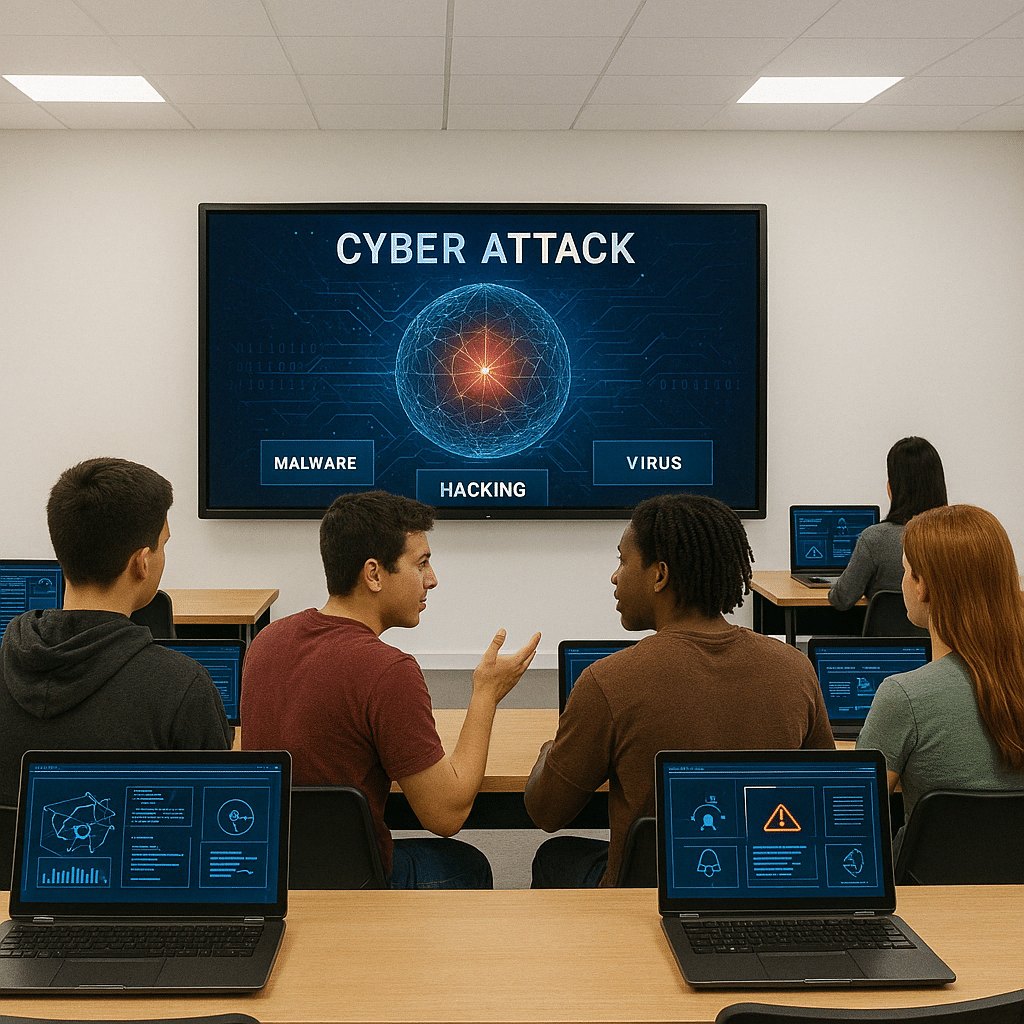
- Cybersecurity, networking, and AI foundations
This alignment helps students see a clear link between what they code, how they are assessed, and how those skills apply to real technical roles.
Python works best when students already understand basic logic, projects involve data or automation, programs span multiple terms, and career readiness is a priority. Most importantly, Python builds transferable skills students can carry across industries, technologies, and career pathways.
A Better Question to Ask
Instead of asking, “Should we teach block coding or Python?”
A more useful question is:
“How do we sequence block coding and Python so students are ready for both?”
Strong programs plan for progression.
For example:
- Early courses use block coding to introduce logic and systems
- Intermediate courses blend blocks and Python side by side
- Advanced courses rely primarily on Python for complex projects
This approach keeps students moving forward without unnecessary friction.
Choosing a Platform That Supports Progression
When evaluating tools for a CTE or STEM program, the platform matters as much as the language itself. Strong solutions support both block coding and Python within the same environment, allow students to see how visual logic translates into text-based code, and maintain consistent workflows as projects become more complex. Just as important, they give teachers clear oversight and the ability to save, review, and share student work. This continuity makes the transition from block coding to Python feel like growth rather than replacement. When students recognize familiar logic patterns in Python, they approach more advanced coding with confidence, reinforcing the idea that skills build over time and progress is visible, which is often what convinces students, families, and administrators that a CTE pathway is working.
Where LocoRobo Fits In
LocoRobo is designed to support this progression intentionally.
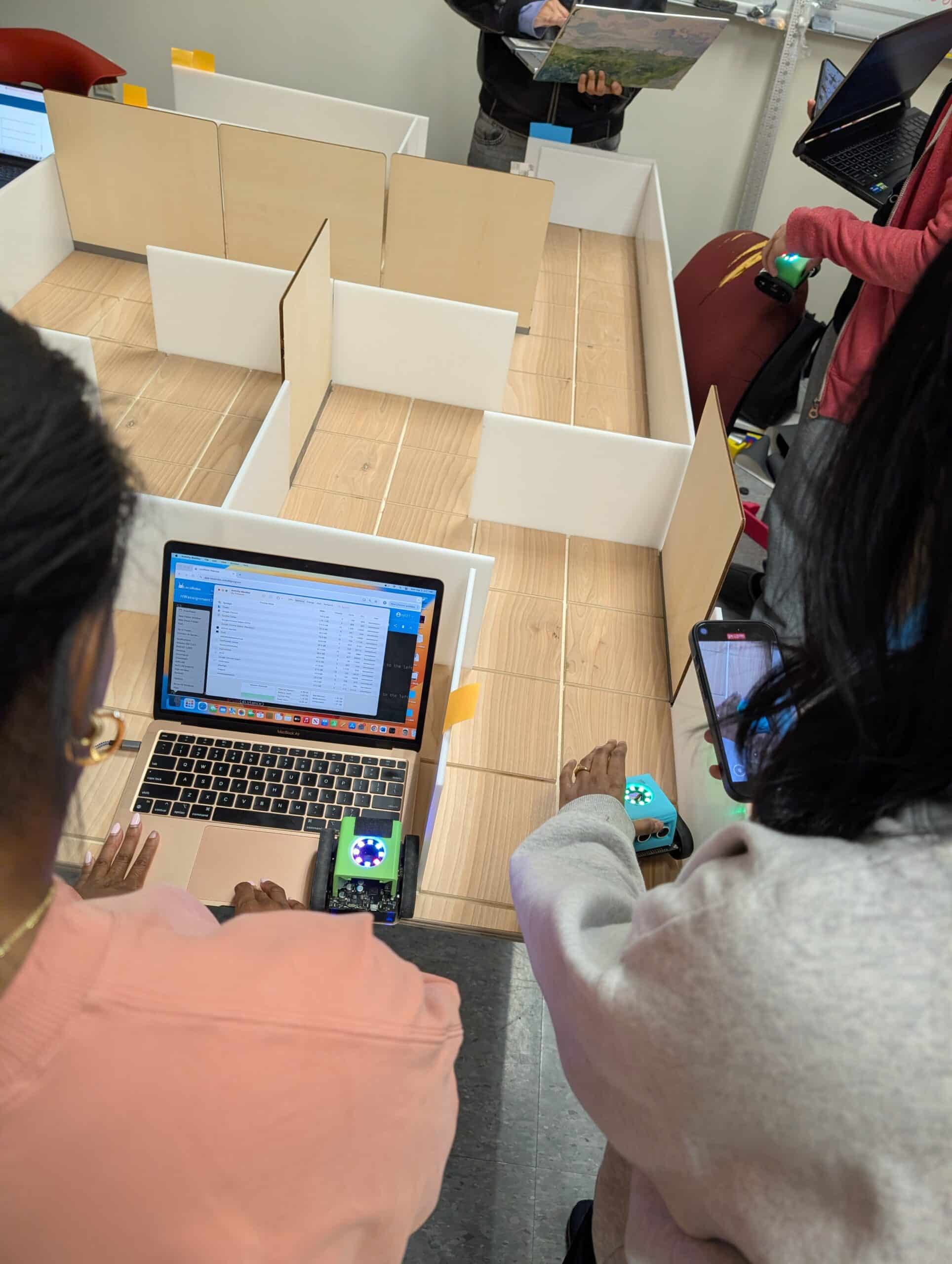
Across drones, robotics, and AI pathways, LocoRobo platforms enable students to begin with block coding and progress to Python within the same learning ecosystem. Educators can start where students are and build toward more advanced skills over time.
With structured STEM curriculum, teacher training, and flexible pathways across grade levels, LocoRobo helps schools design CTE programs that grow with their students.
If you are planning a new pathway or refining an existing one, LocoRobo can help you map a coding progression that supports learning today and prepares students for what comes next.