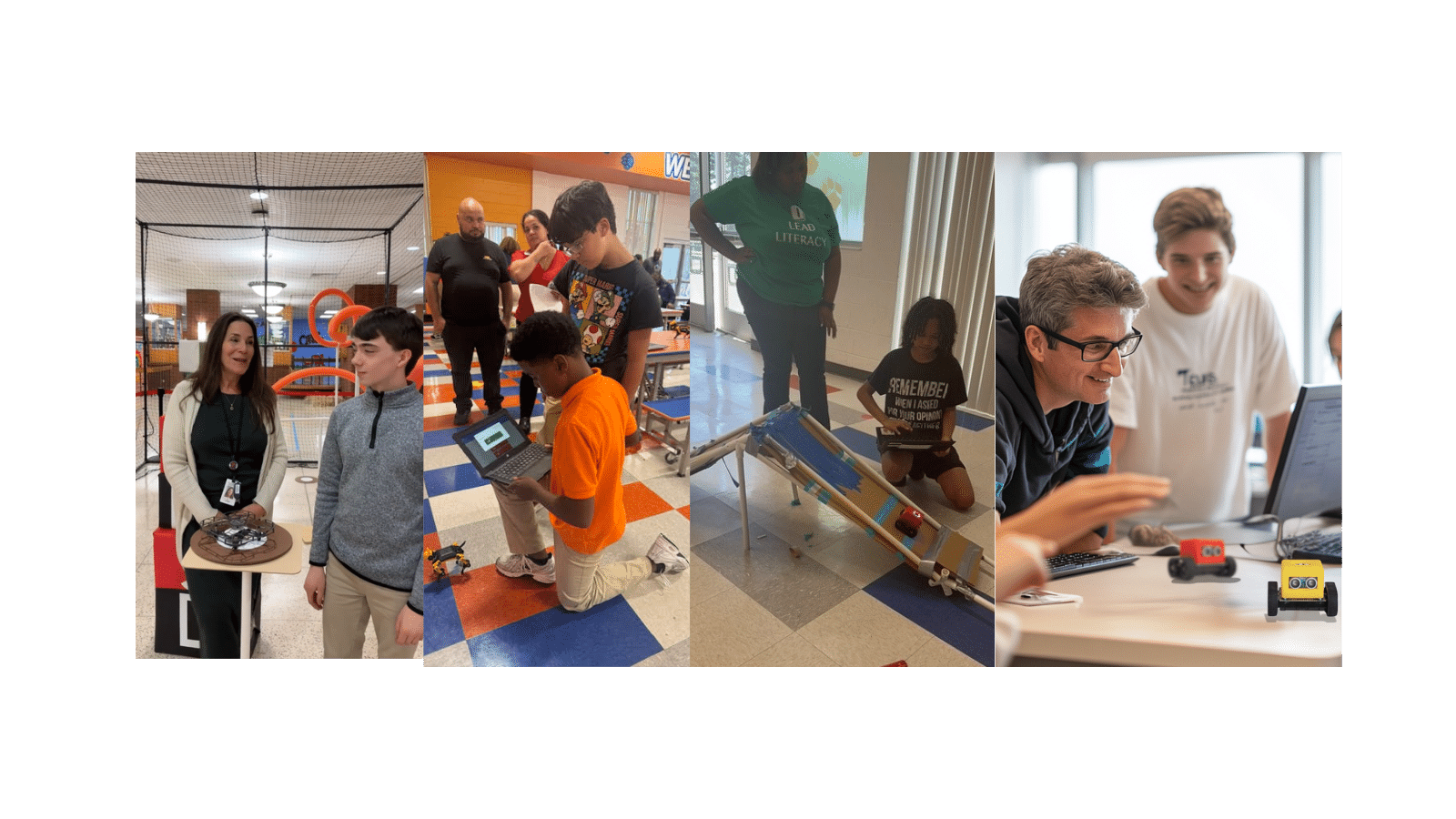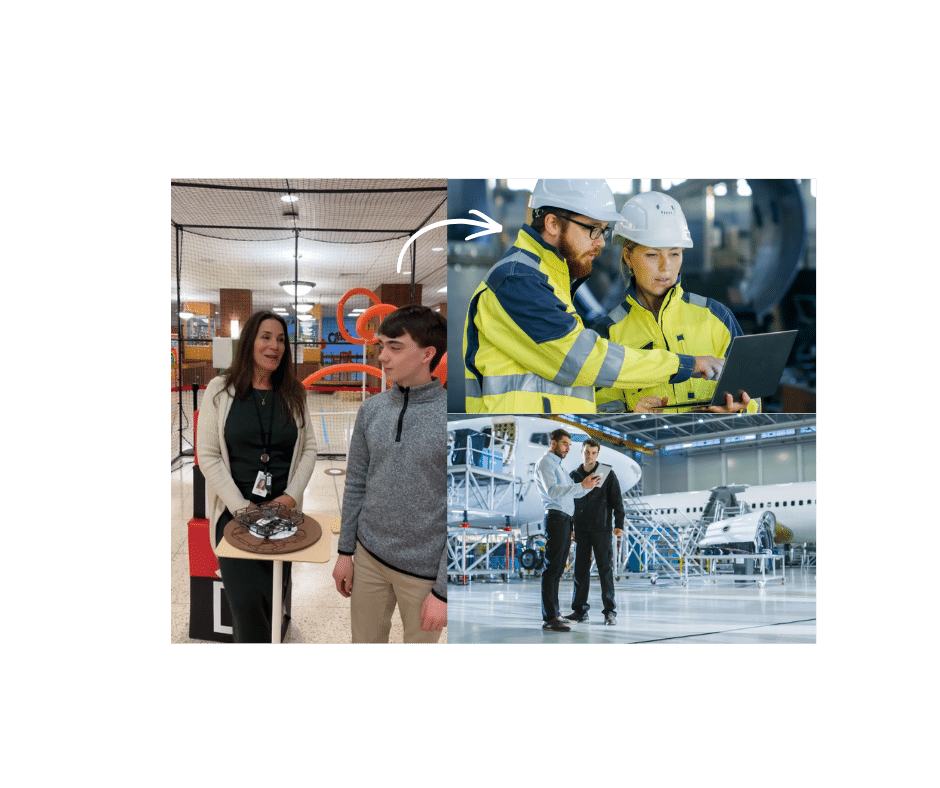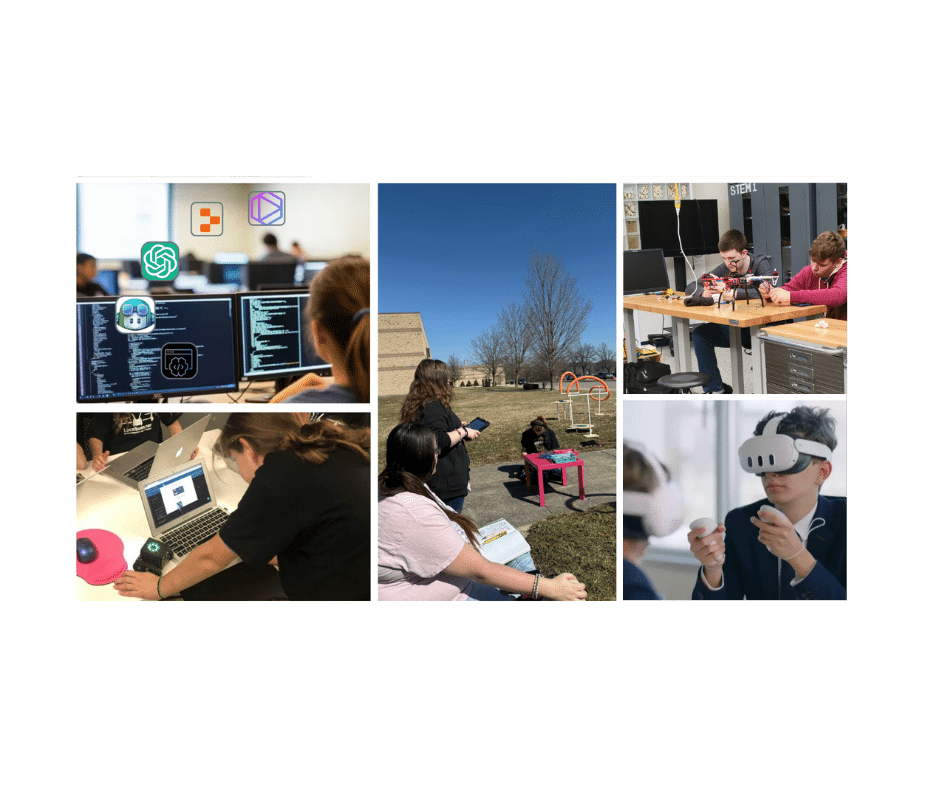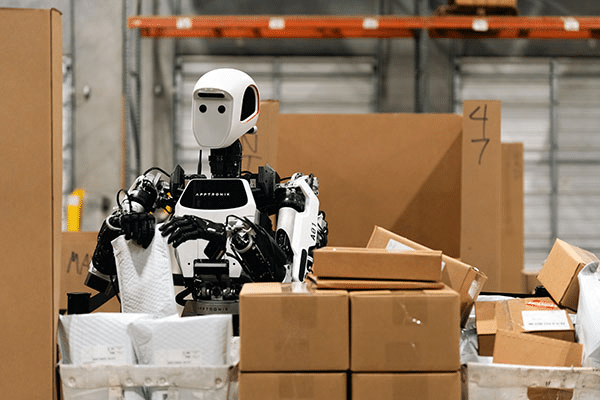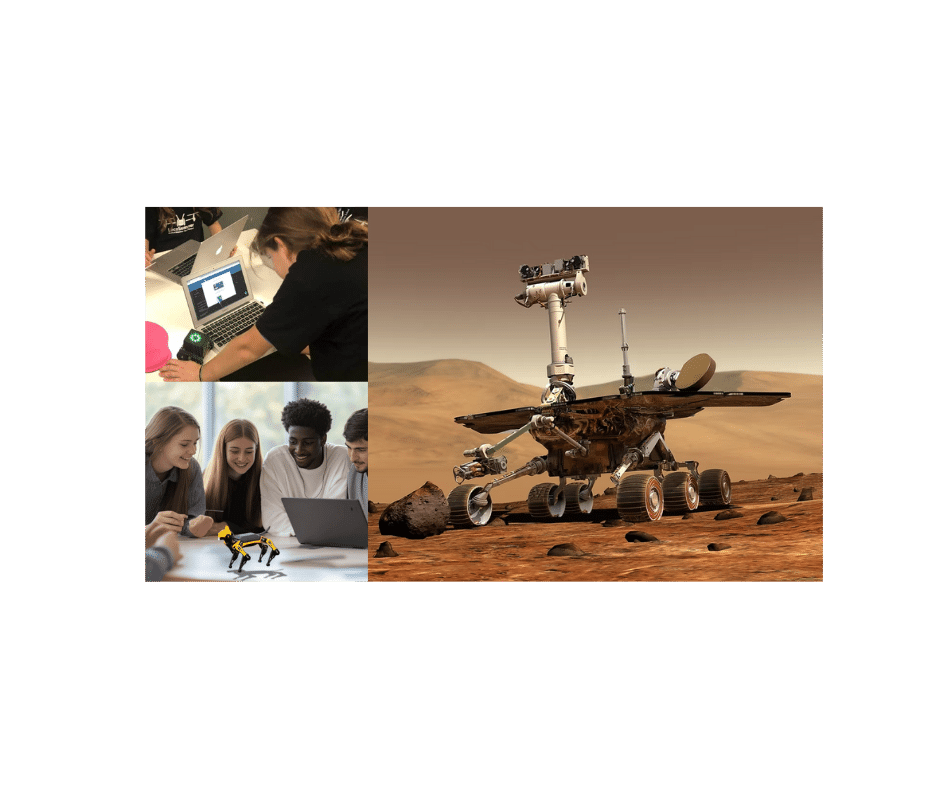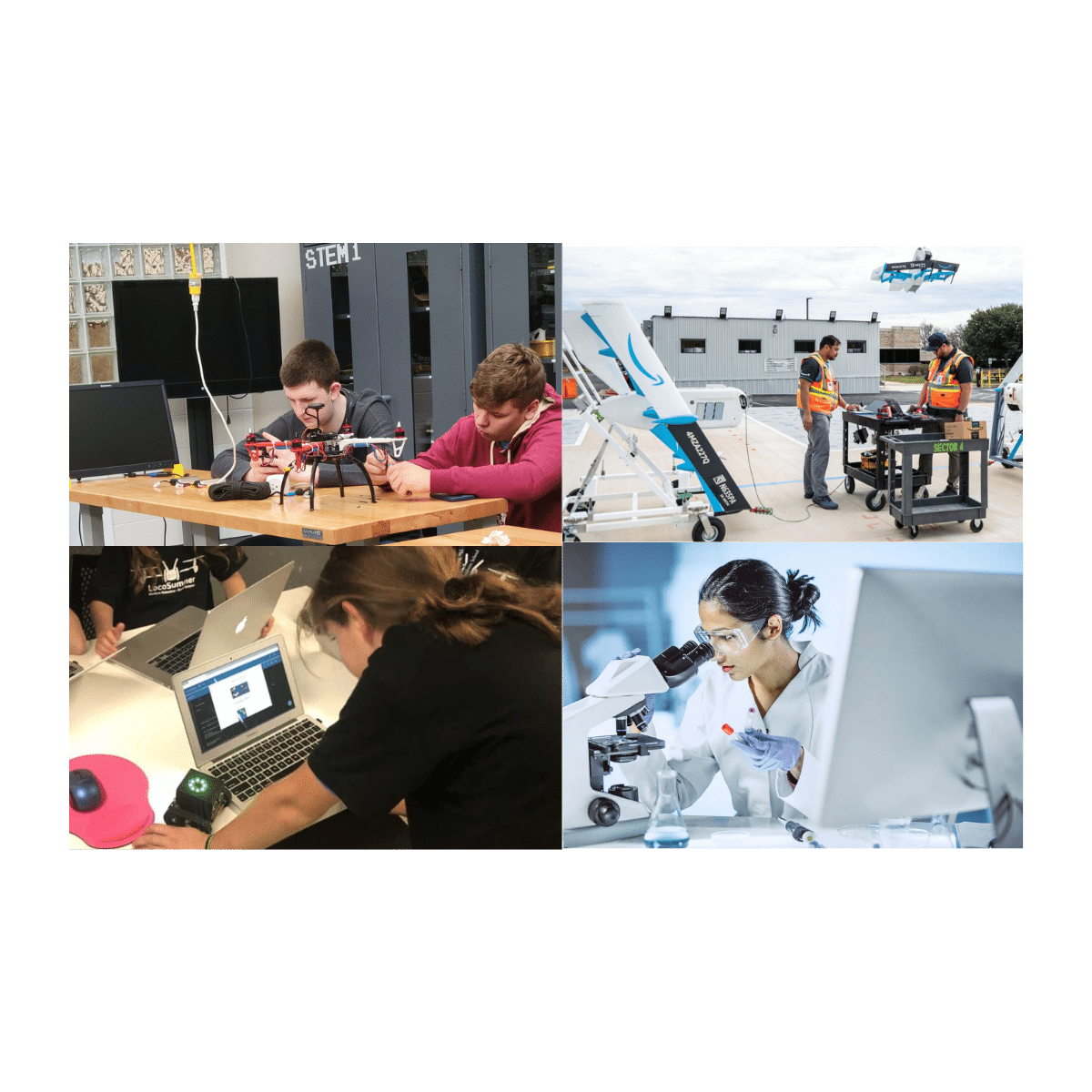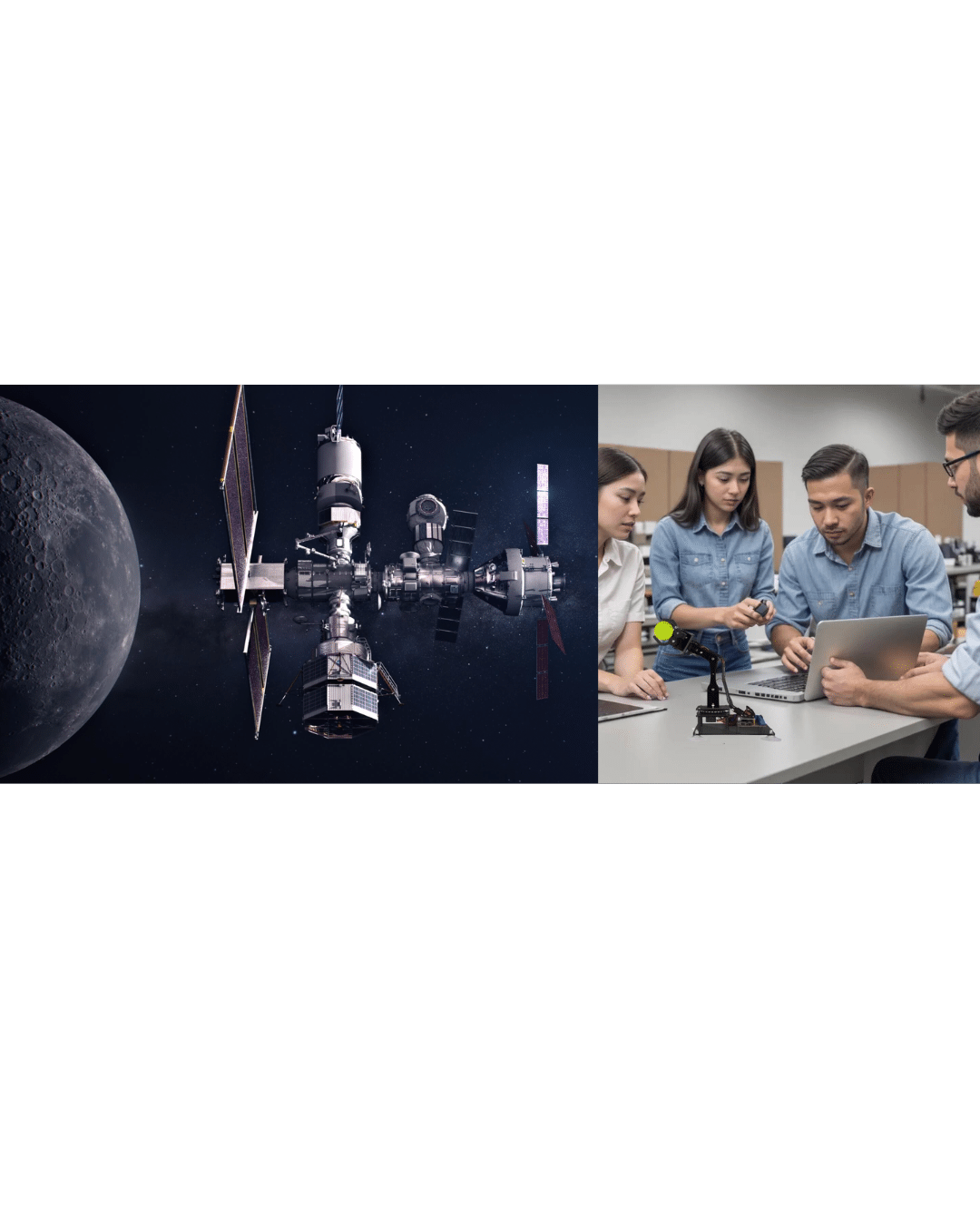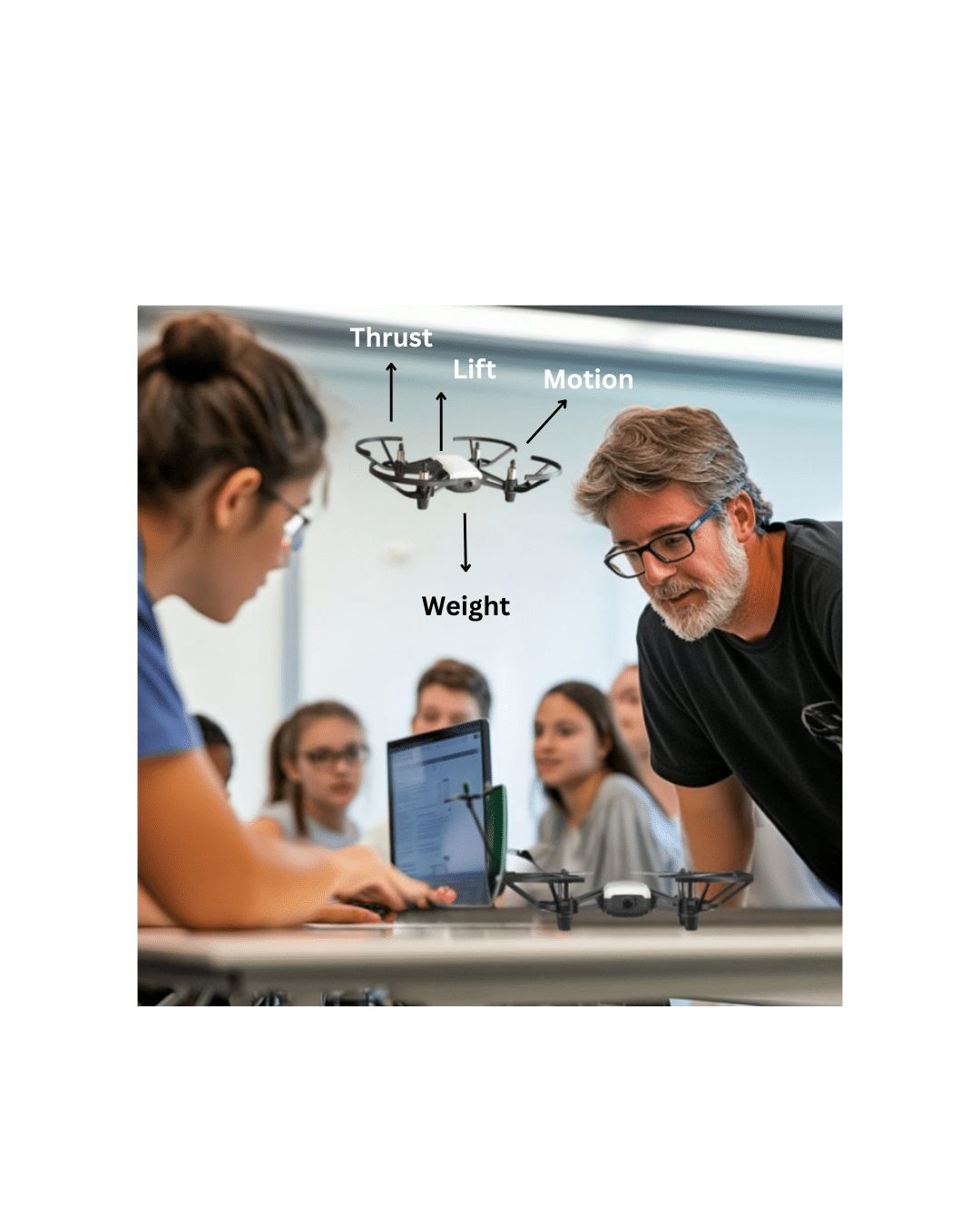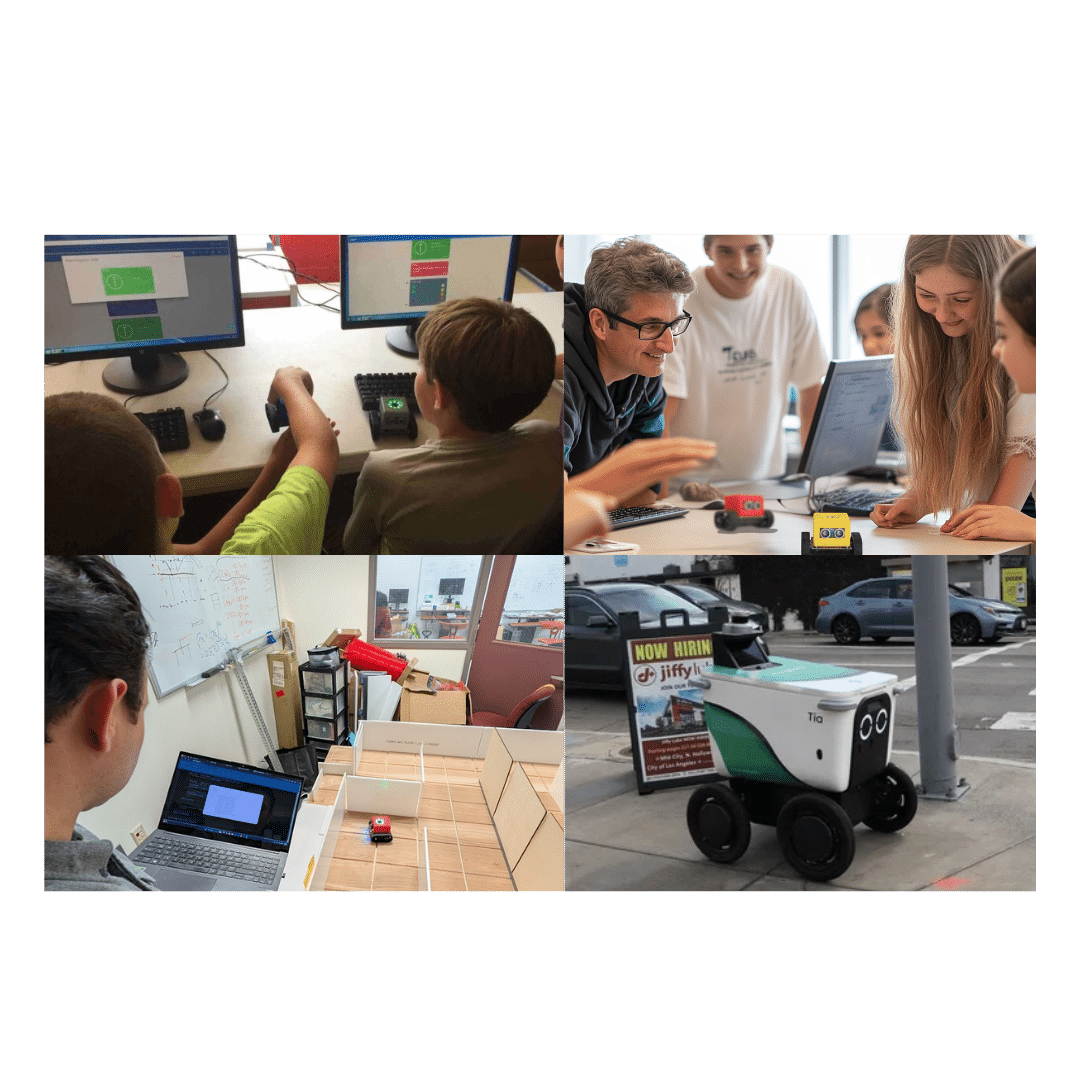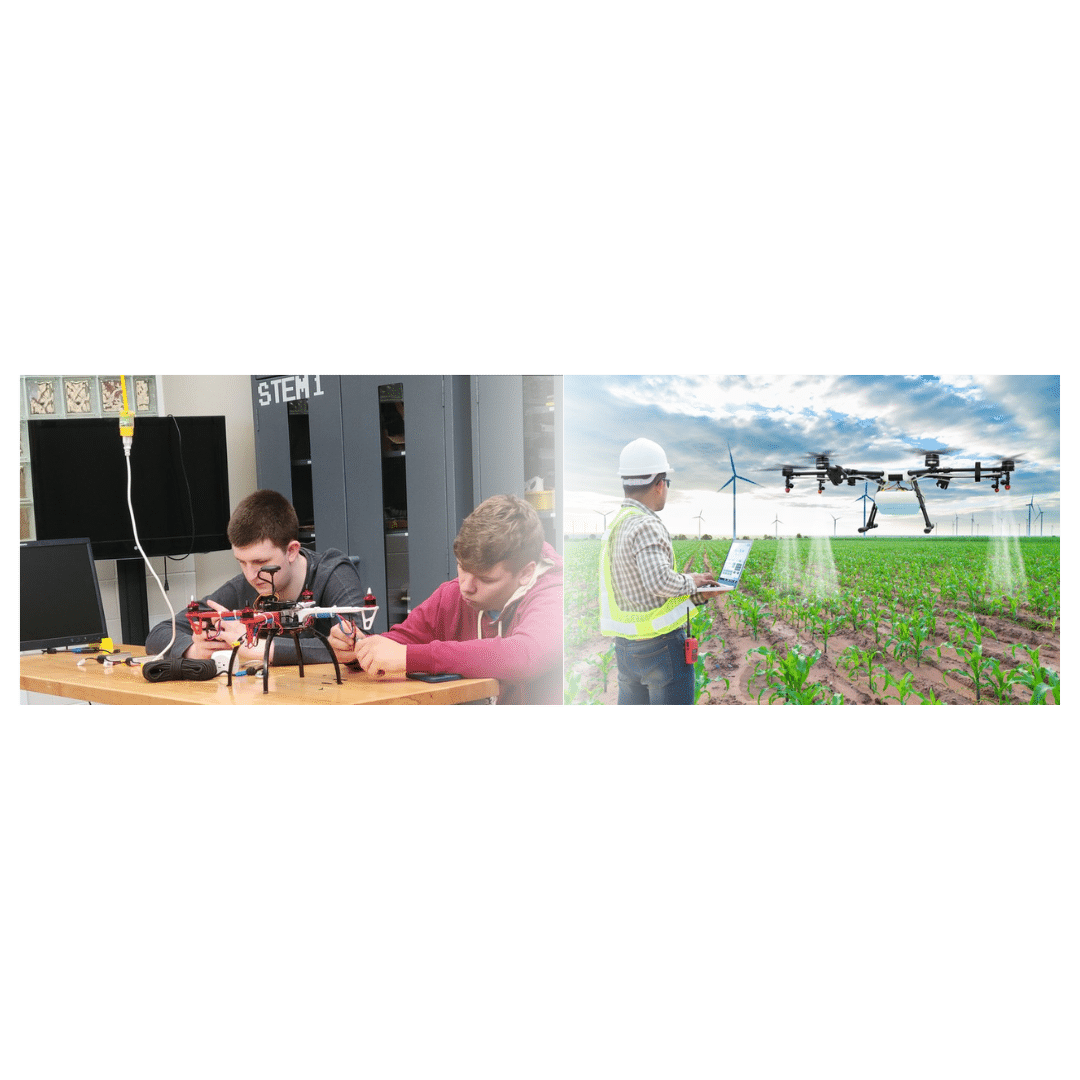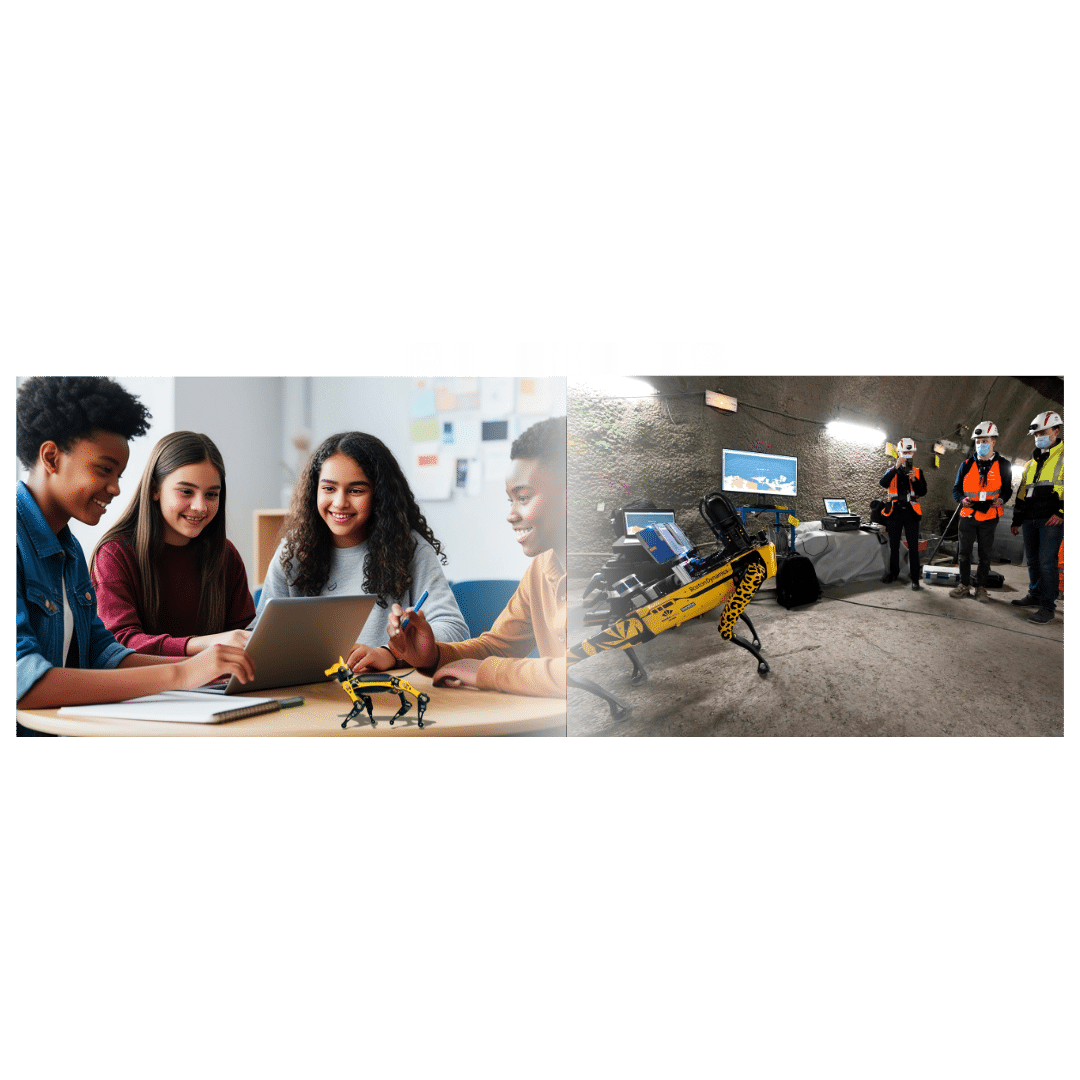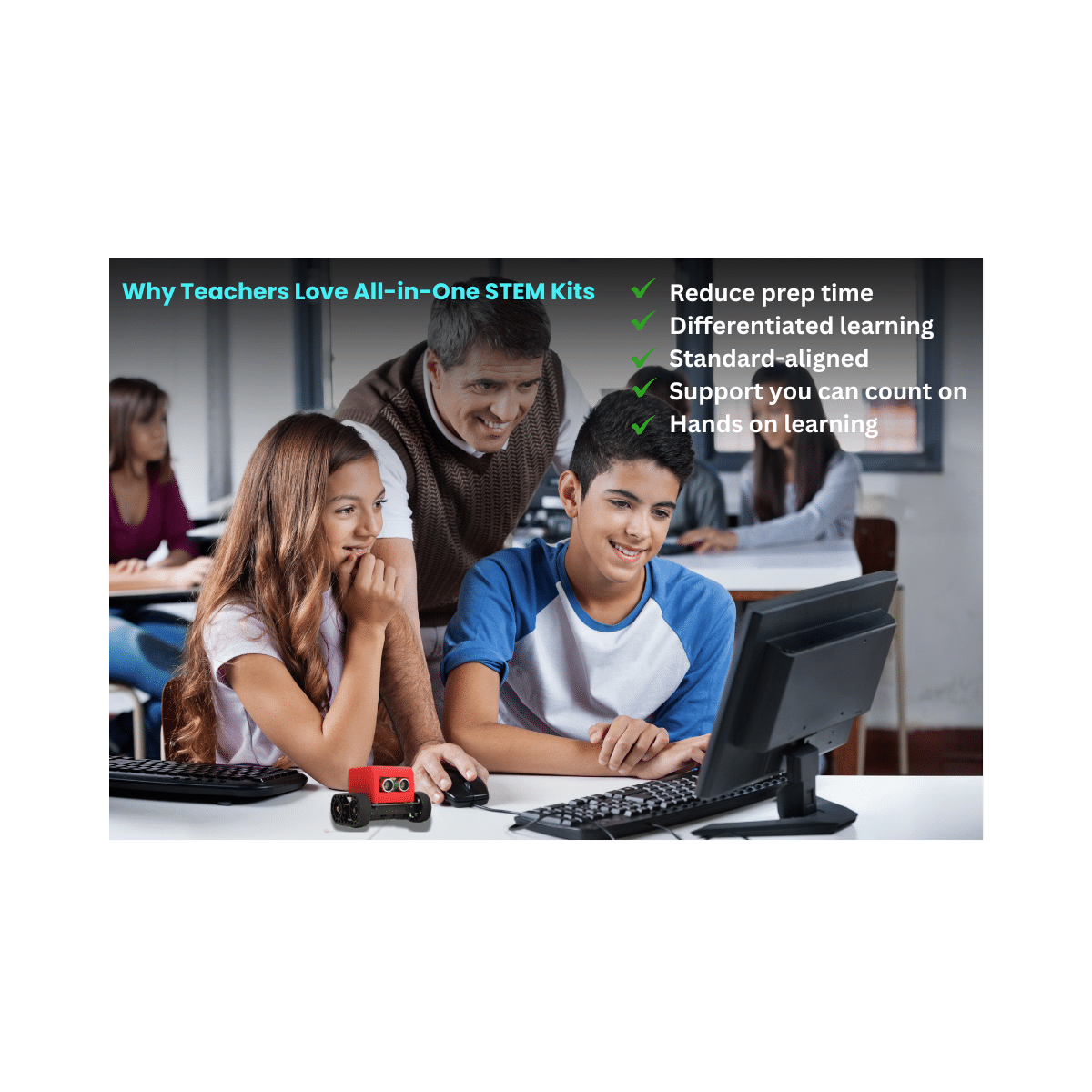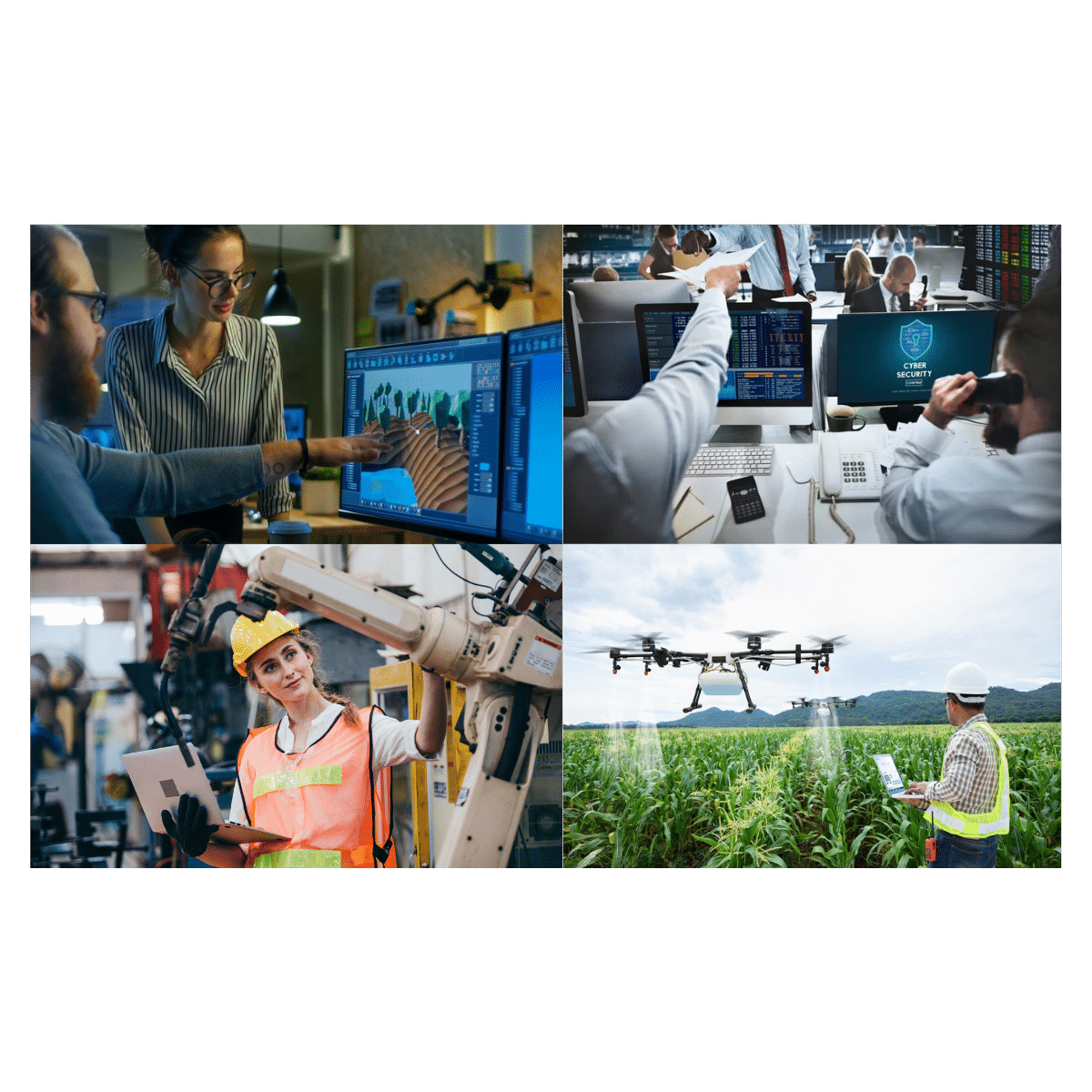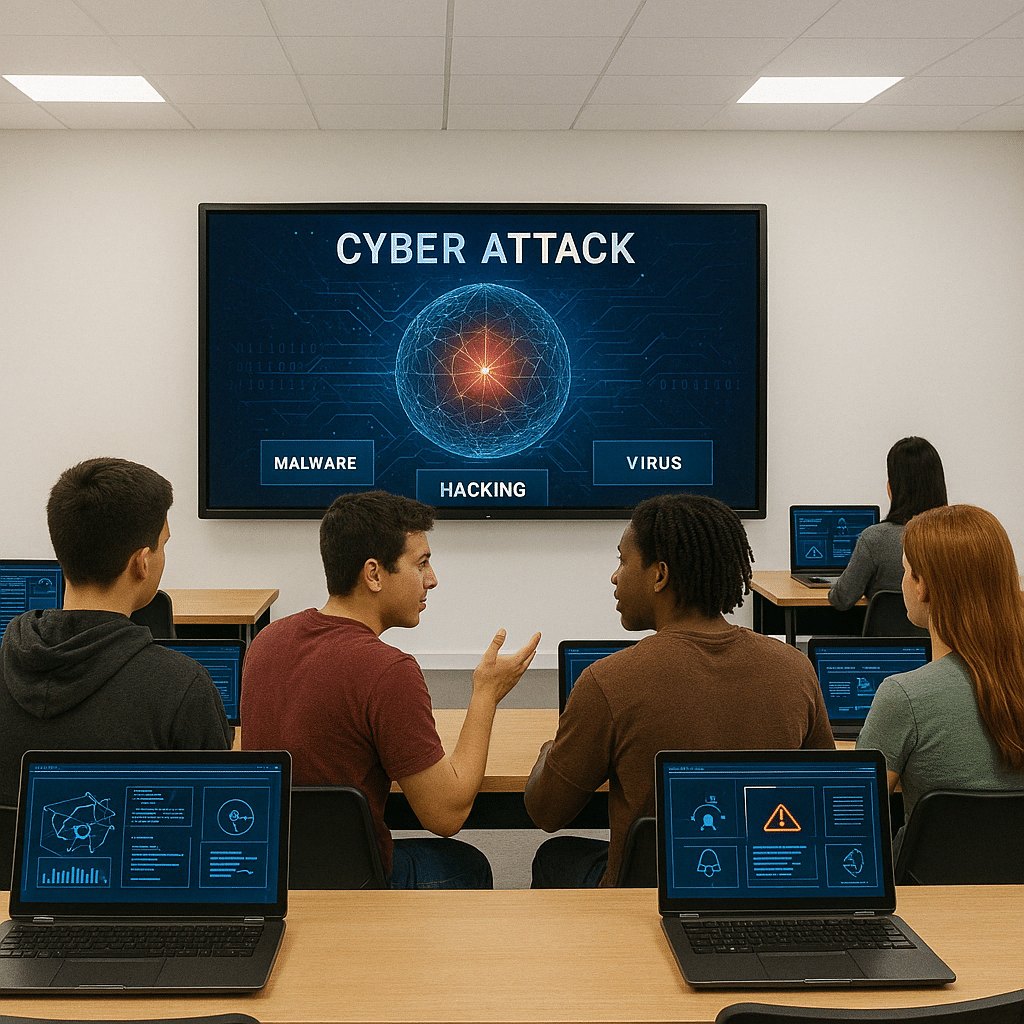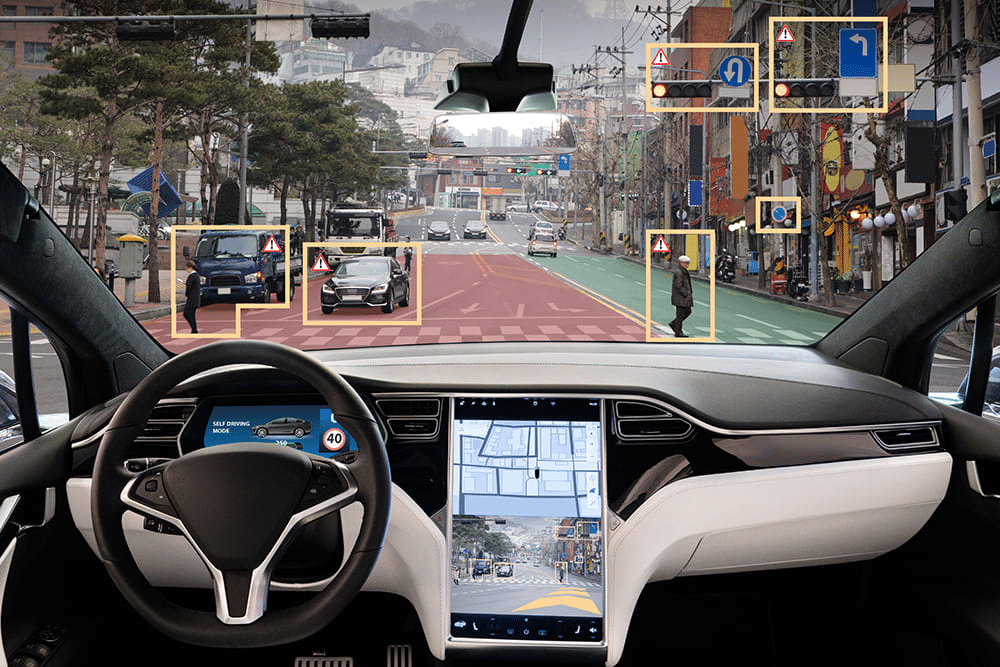


Hands-on STEM programs are becoming a central part of modern classrooms. Schools are expanding offerings in areas like drones, robotics, artificial intelligence, cybersecurity, and computer science to help students develop practical skills that connect learning to real-world applications.
One of the most common ways schools fund these programs is through Perkins V, the federal legislation that supports CTE programs across the United States.
For many educators and administrators, however, Perkins funding can feel complex at first. Understanding what it supports and how other schools use it can make the process far more approachable.
What Perkins V Is Designed to Support
The Strengthening Career and Technical Education for the 21st Century Act, commonly known as Perkins V, provides funding to help schools expand CTE opportunities and prepare students for career pathways.
The goal is not simply to purchase equipment. Instead, Perkins V supports programs that help students develop technical knowledge, problem-solving skills, and career awareness through structured learning experiences.
Schools commonly use Perkins V funds to support:
- STEM and CTE equipment used in technical programs
- Curriculum aligned with career pathways
- Technology tools used in workforce preparation
- Teacher professional development and training
- Programs that introduce students to emerging industries
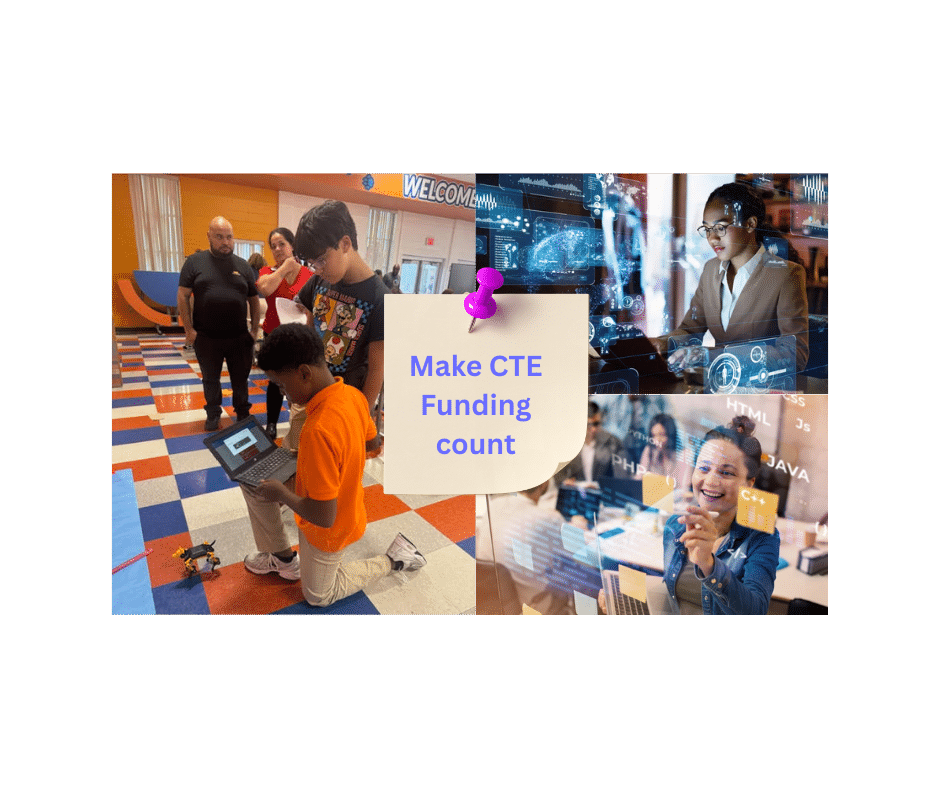
Because of this focus, Perkins funding is often used to support hands-on STEM programs where students learn by building, coding, experimenting, and solving problems.
Why Hands-On STEM Programs Fit Perkins Goals
Career readiness rarely develops through lectures alone. Students build stronger skills when they can apply concepts in real scenarios.
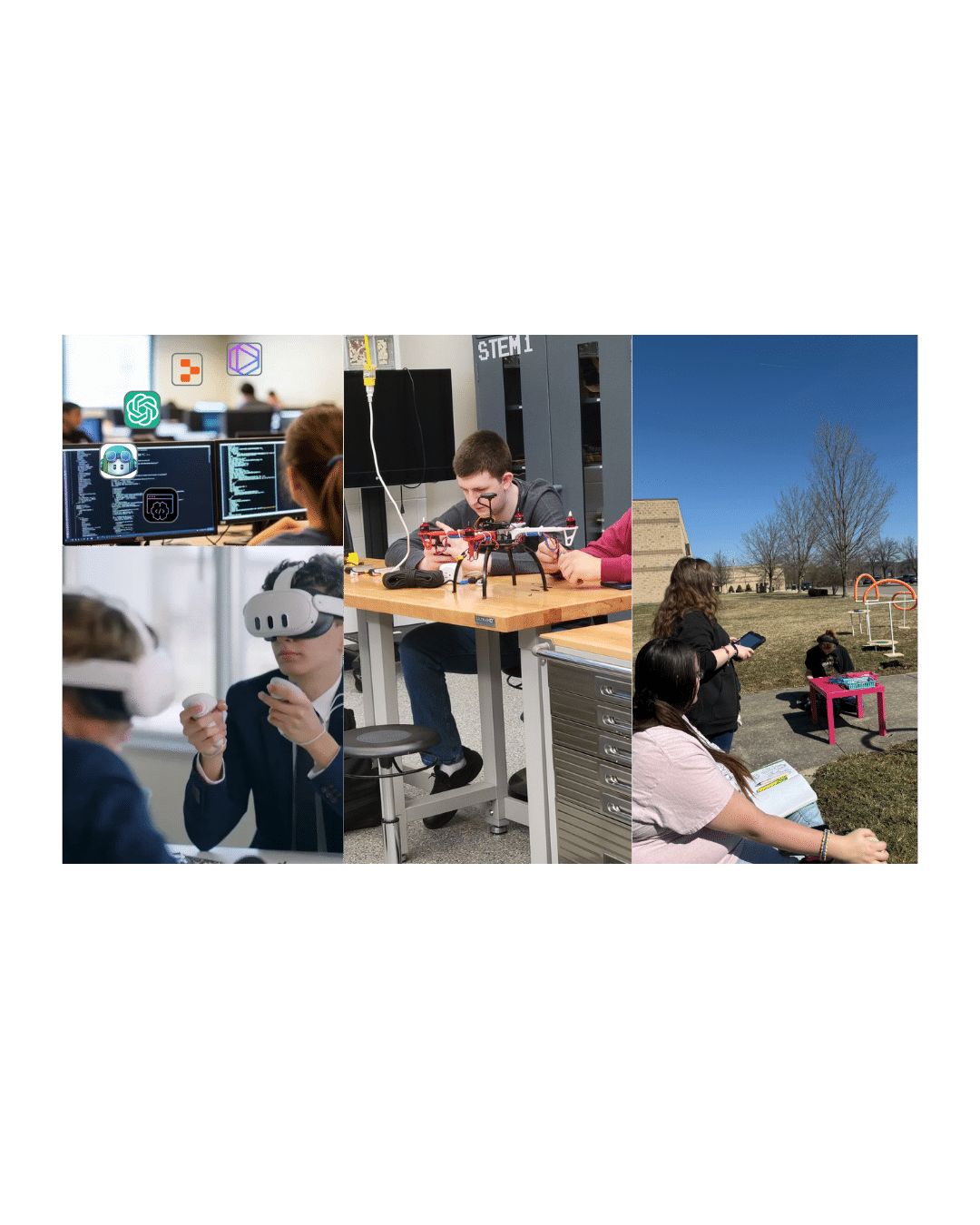
Hands-on STEM learning allows students to explore technical concepts in ways that mirror how professionals work in engineering, robotics, and technology fields.
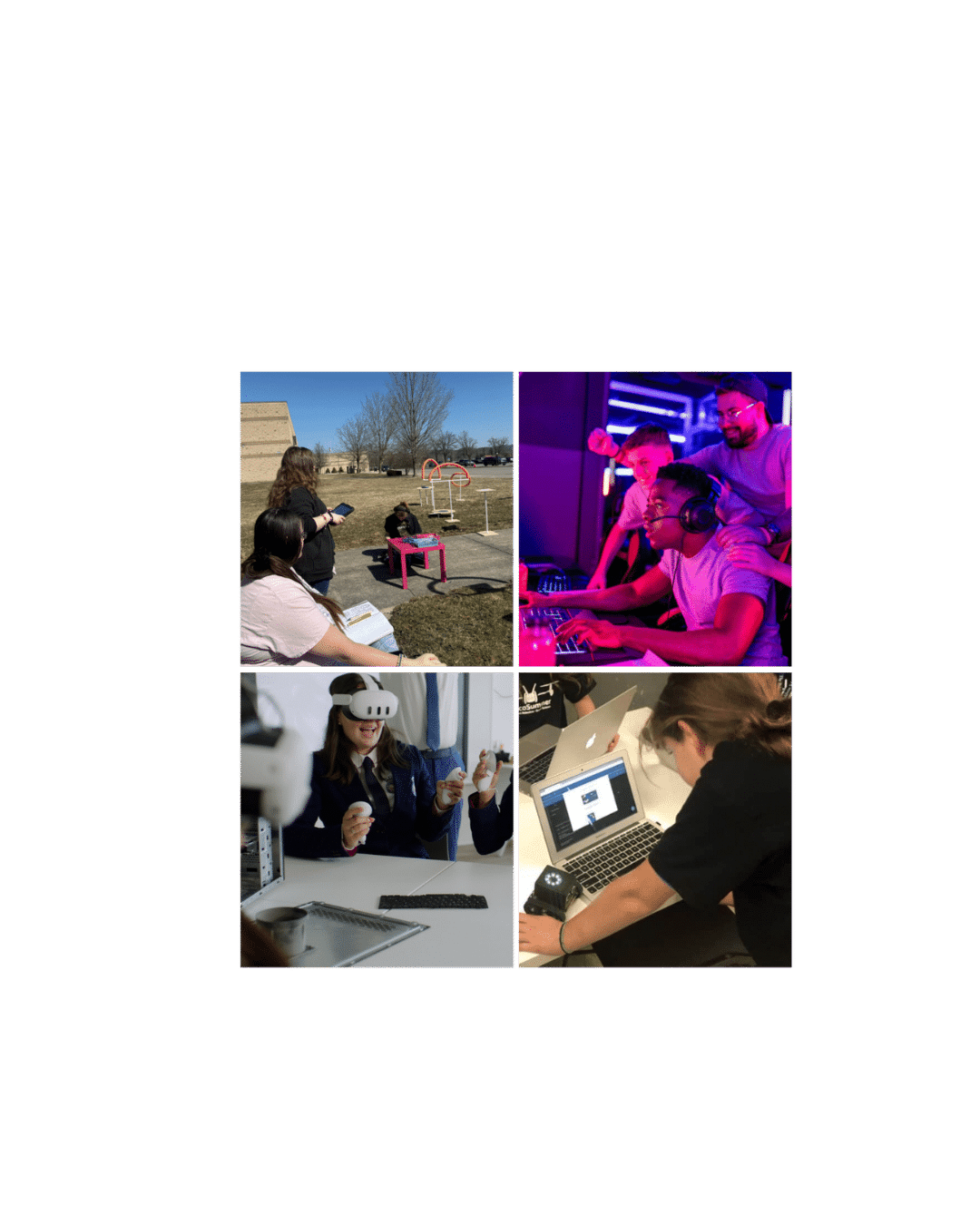
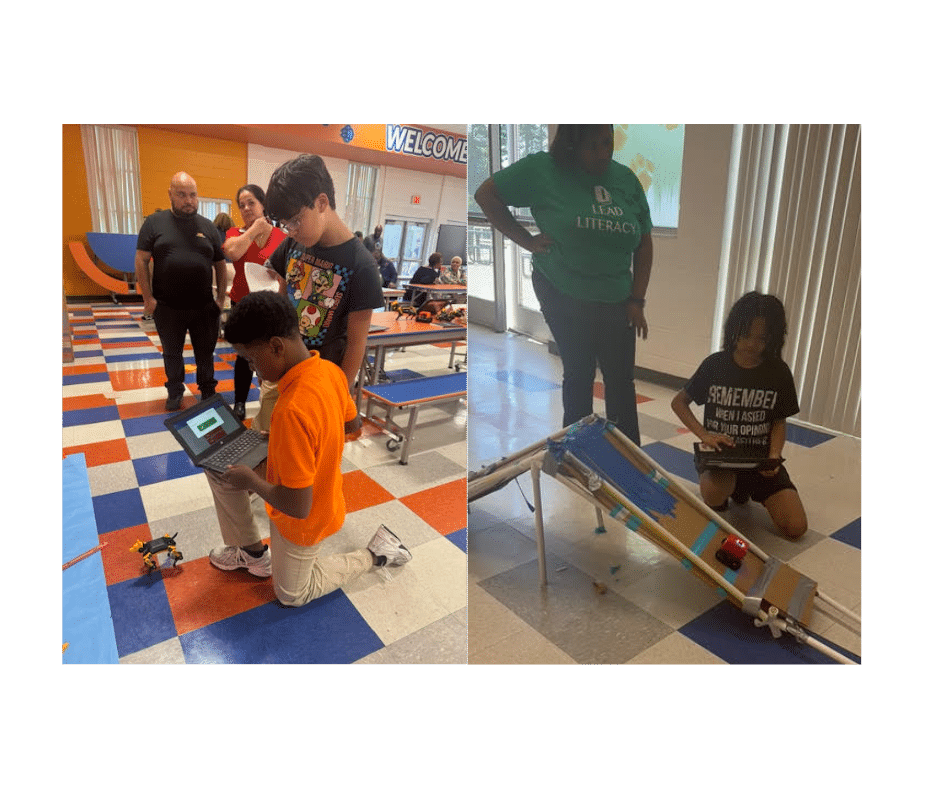
For example, students might:
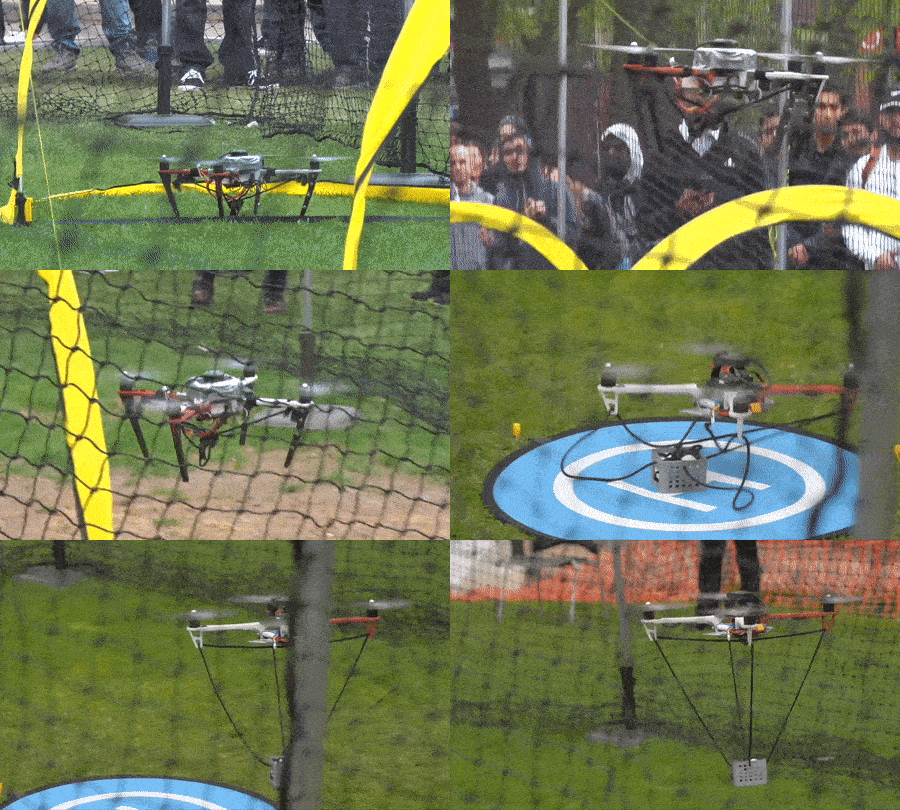
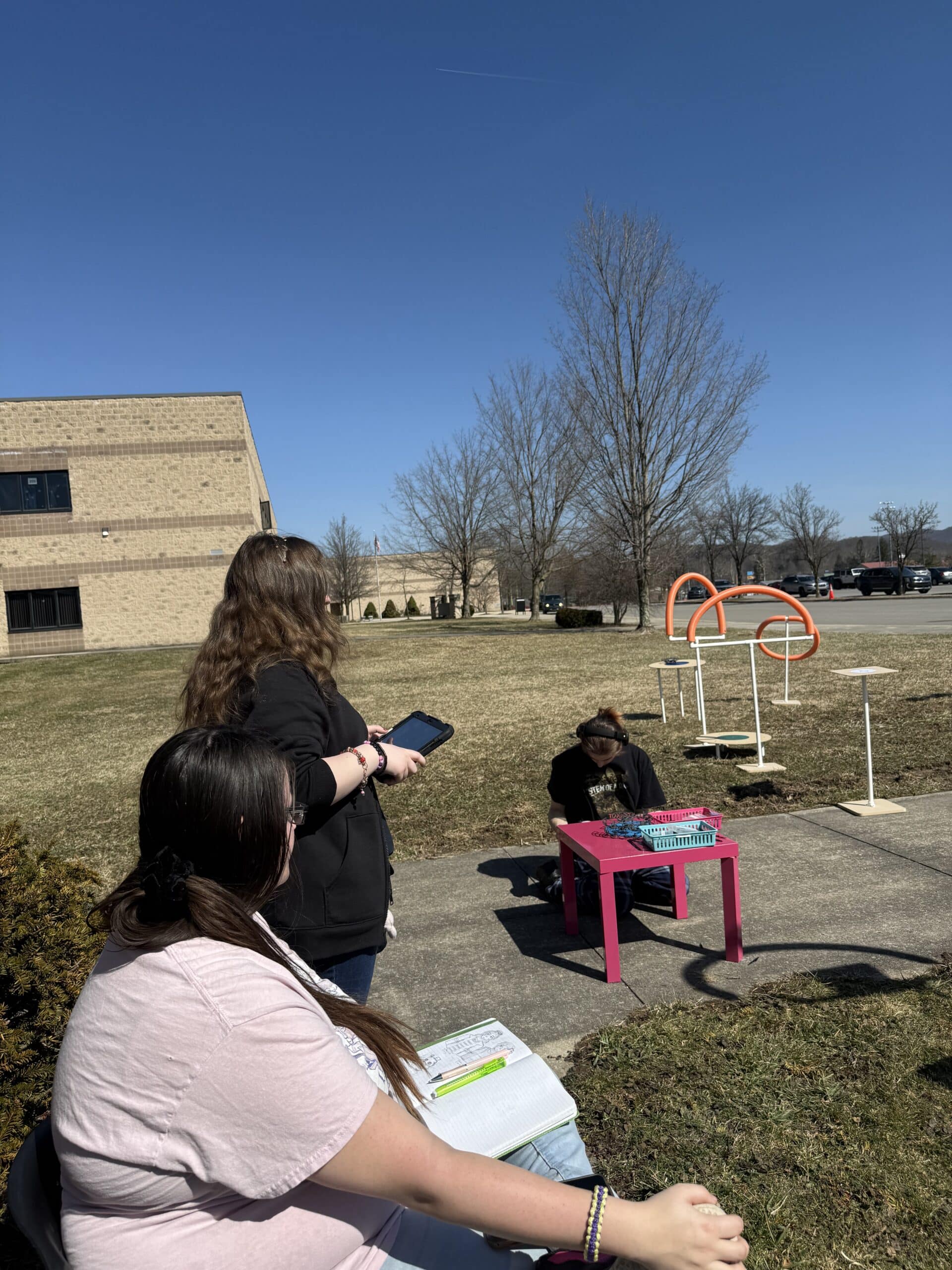
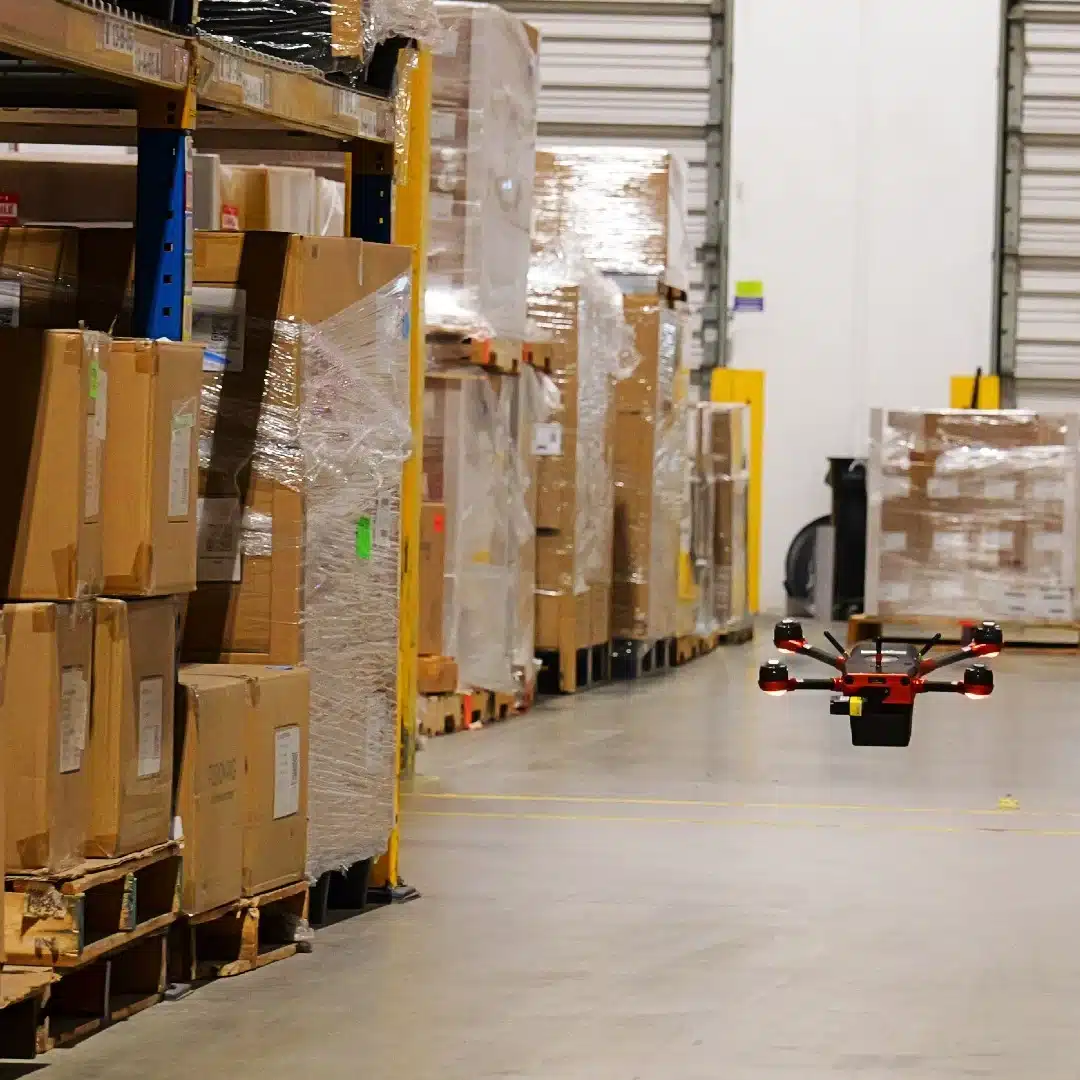
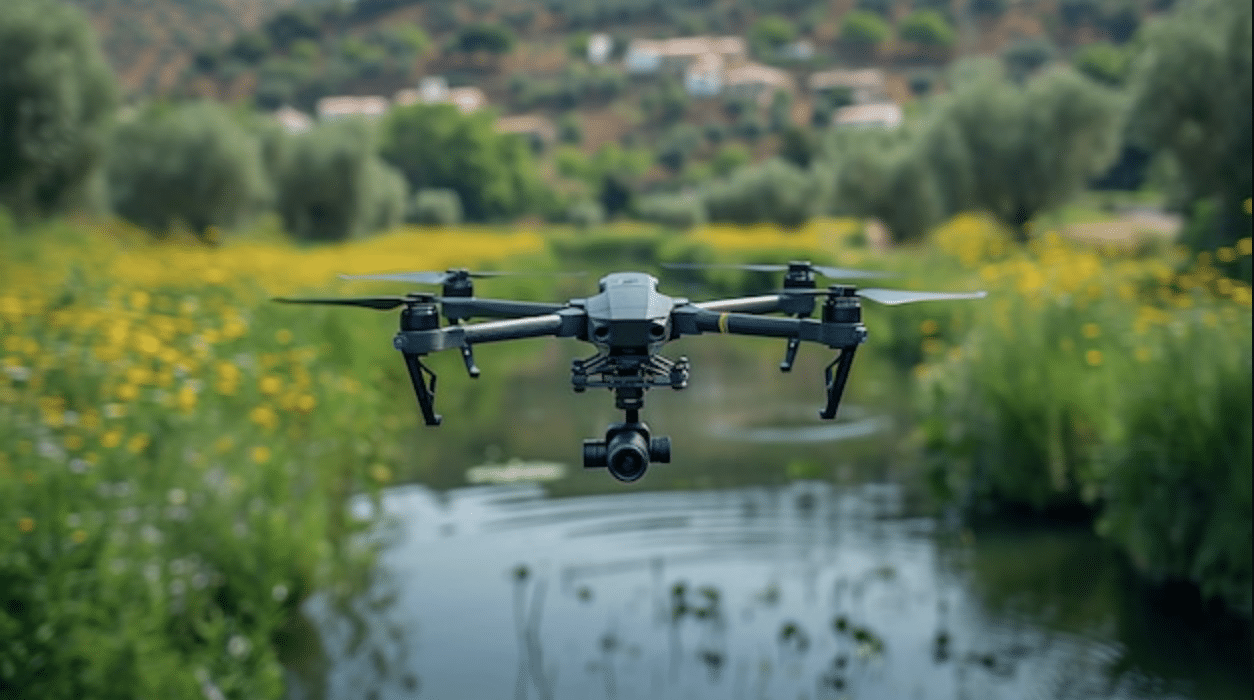
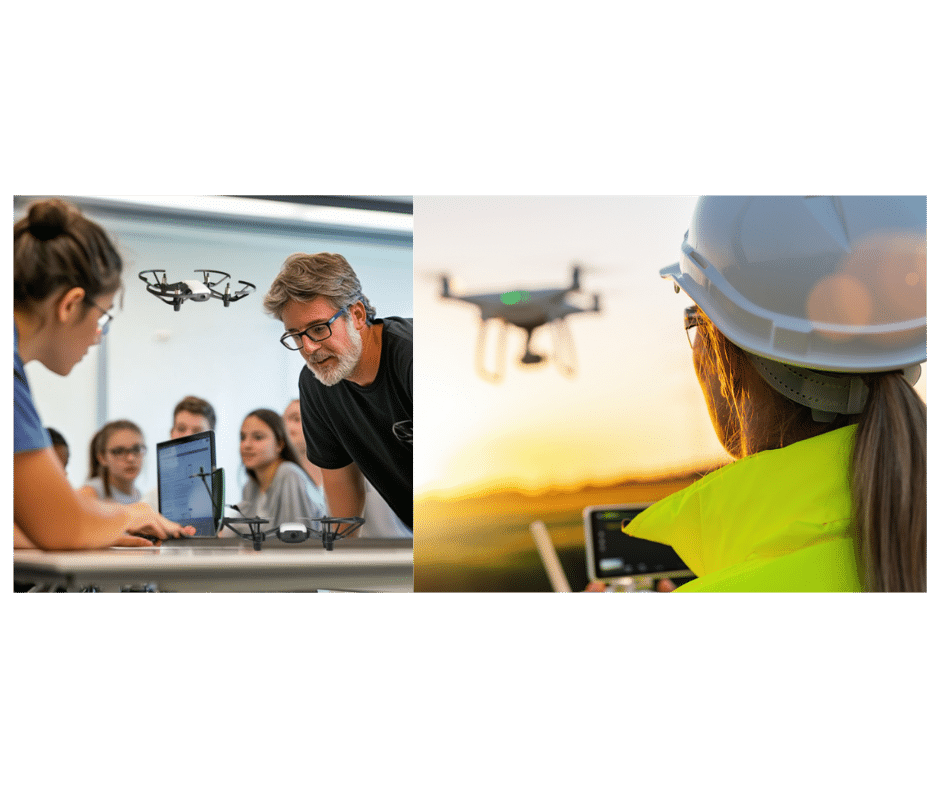
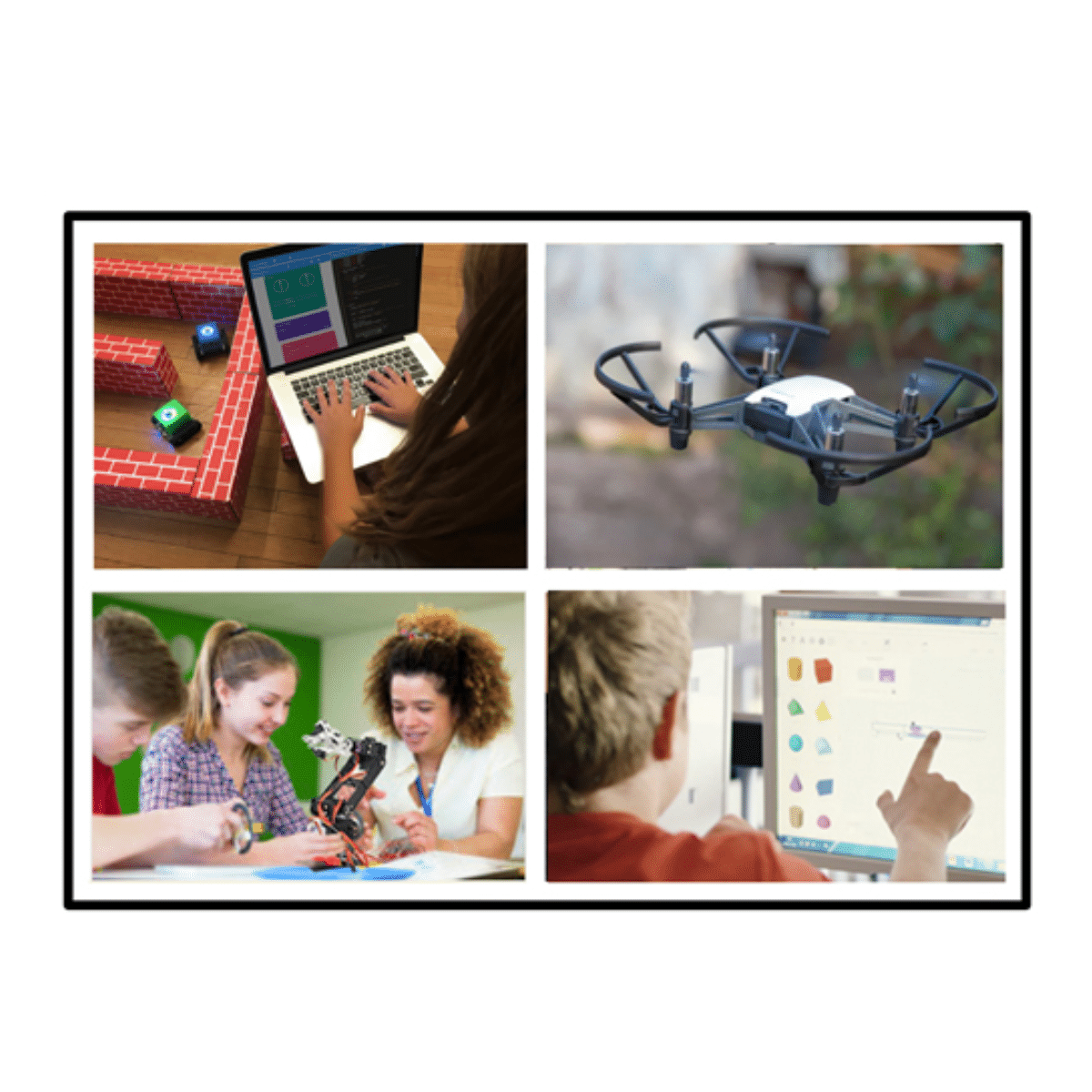
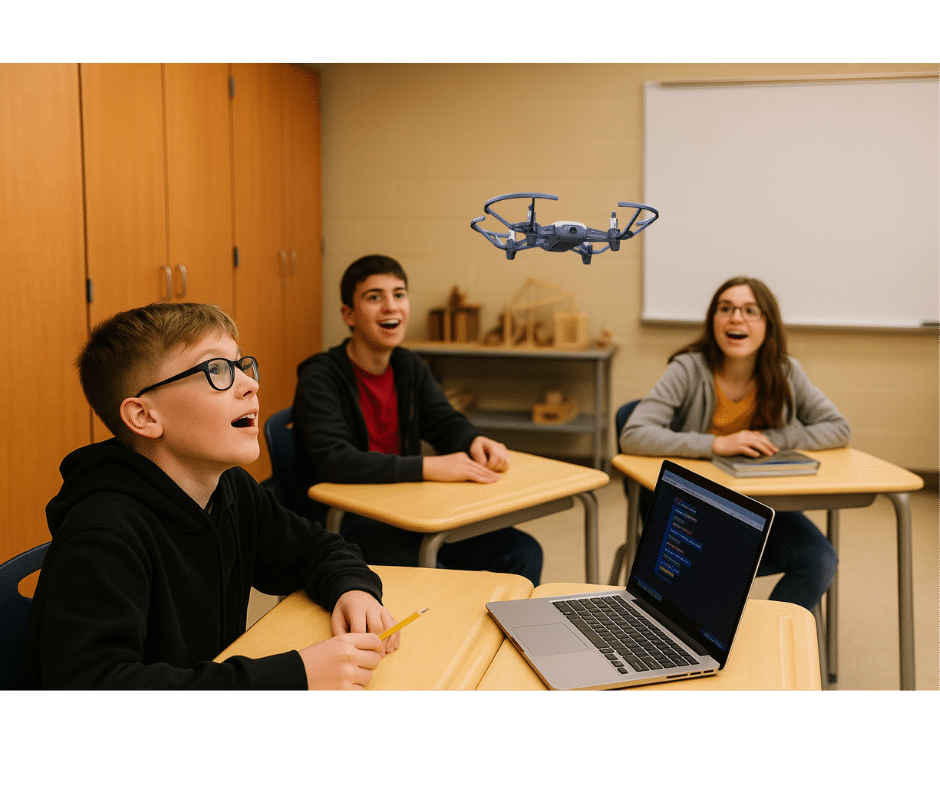
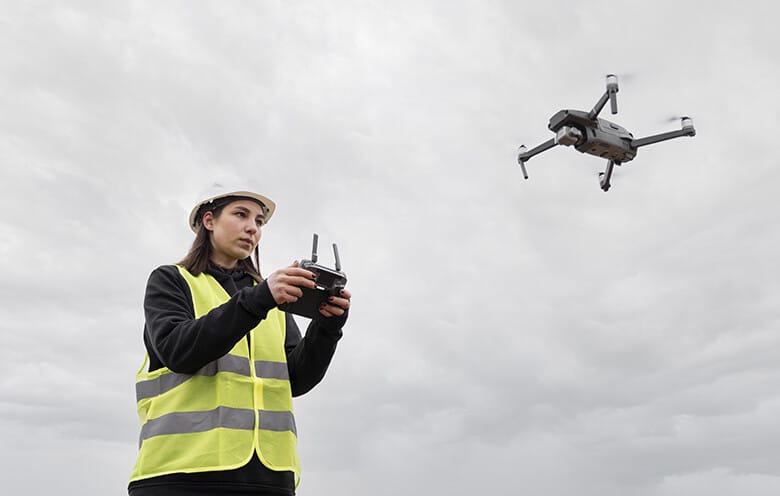
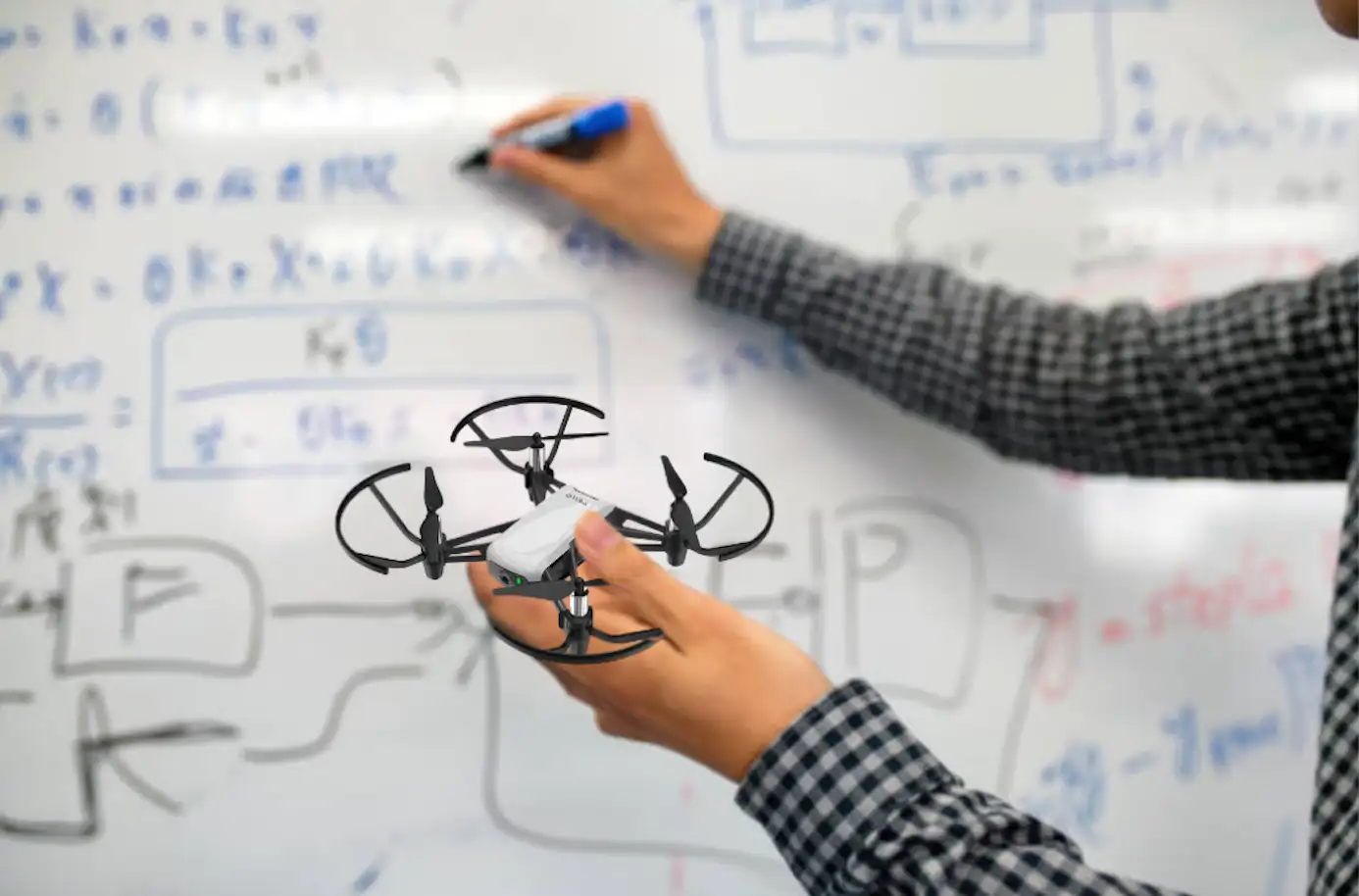
- Program drones to follow autonomous flight paths
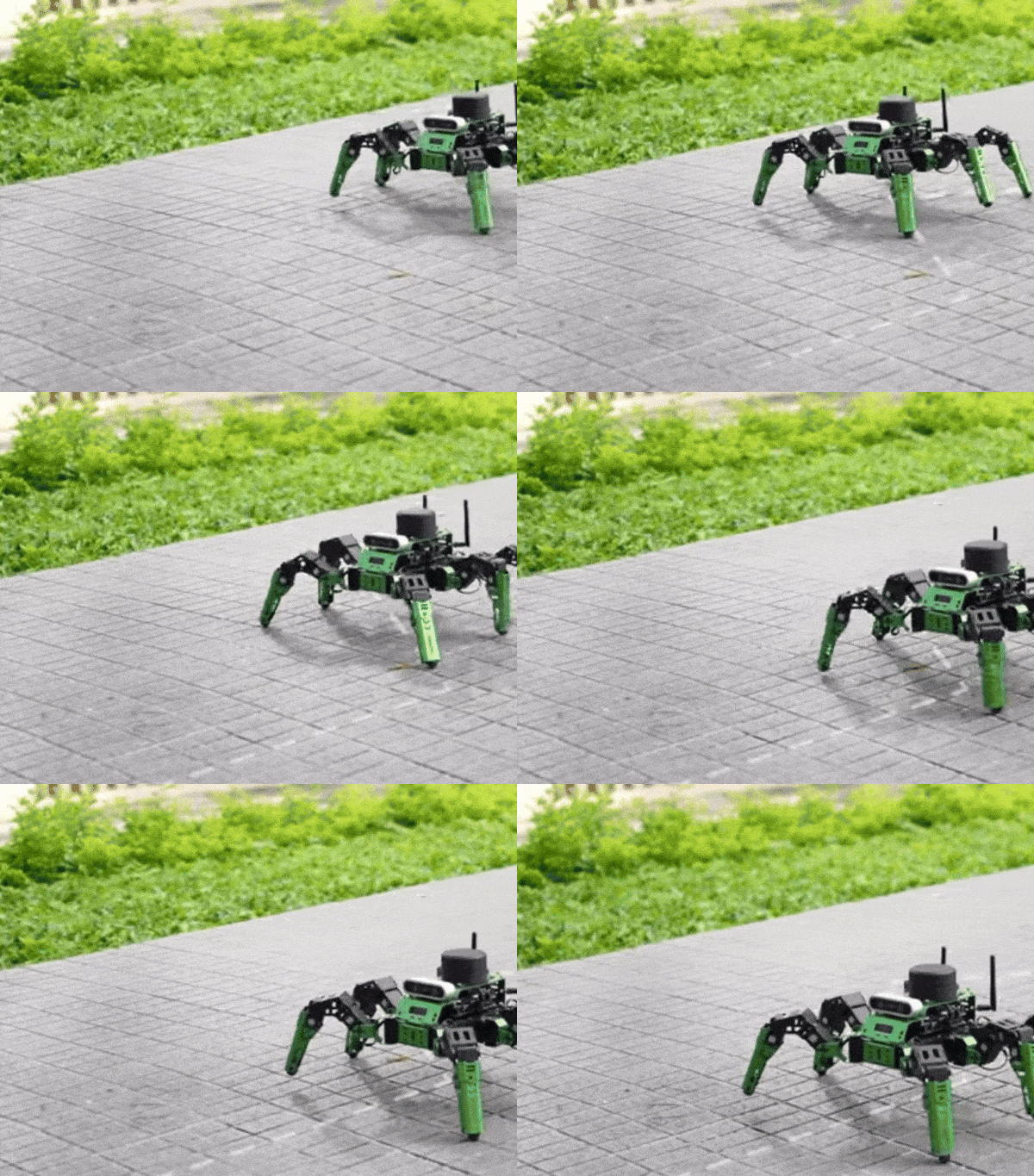
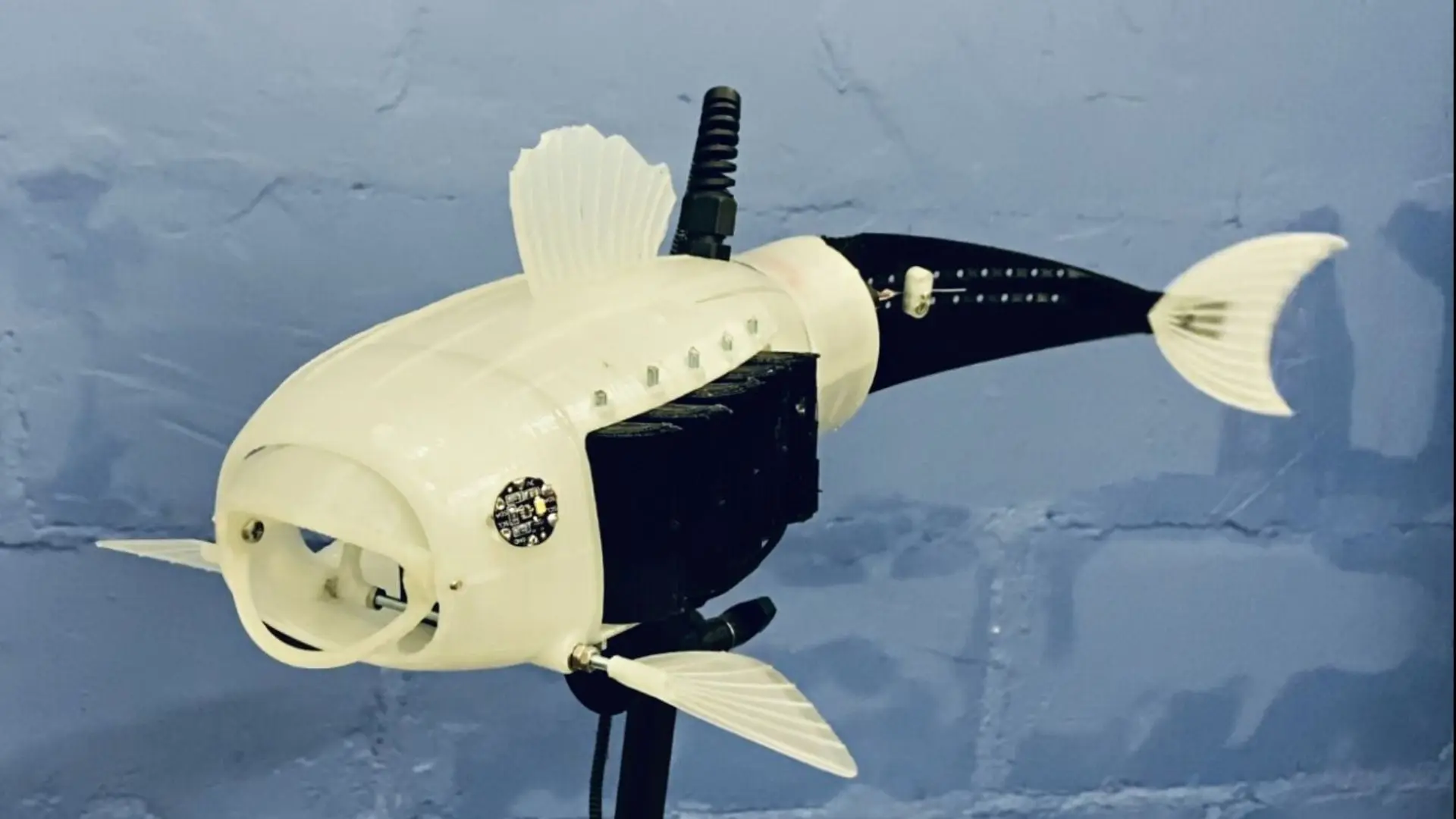
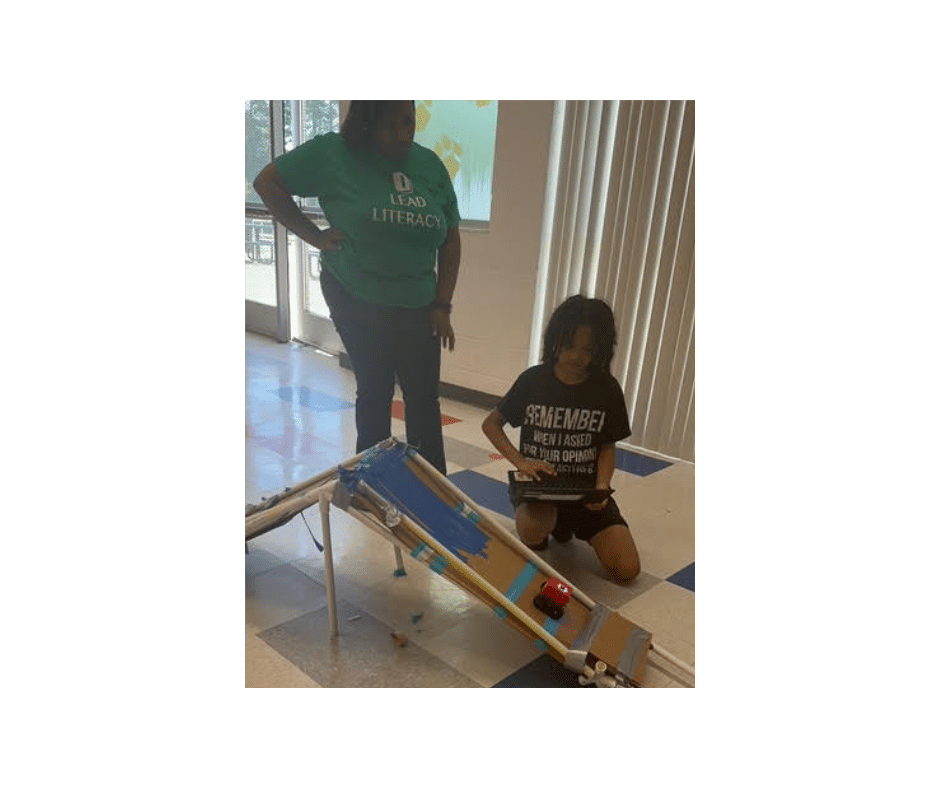
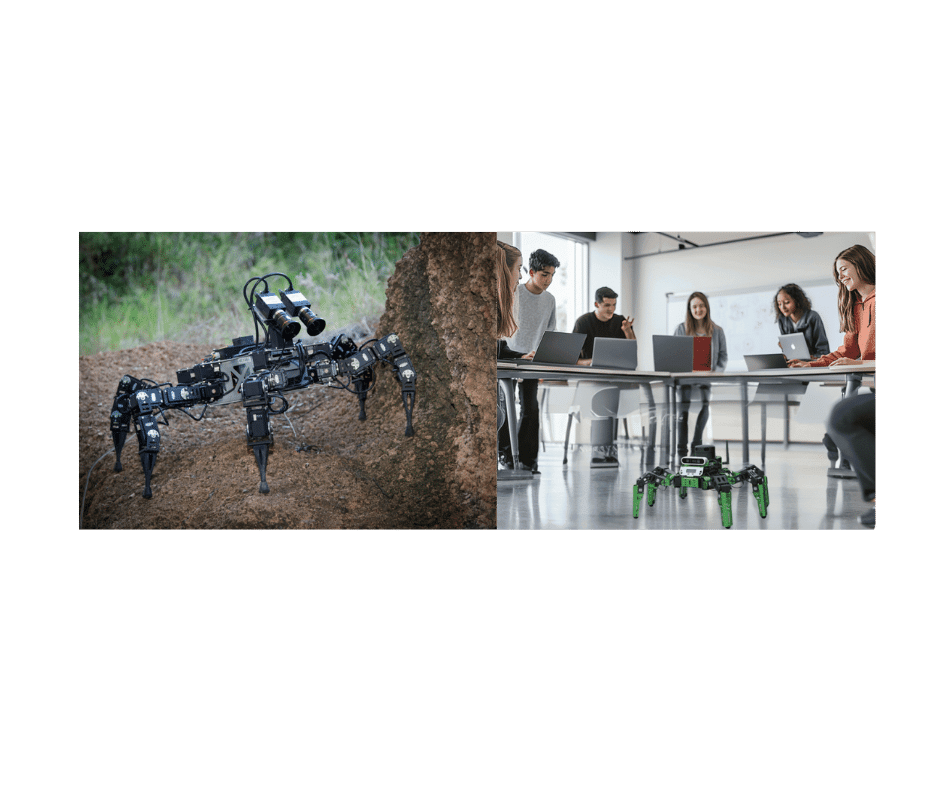
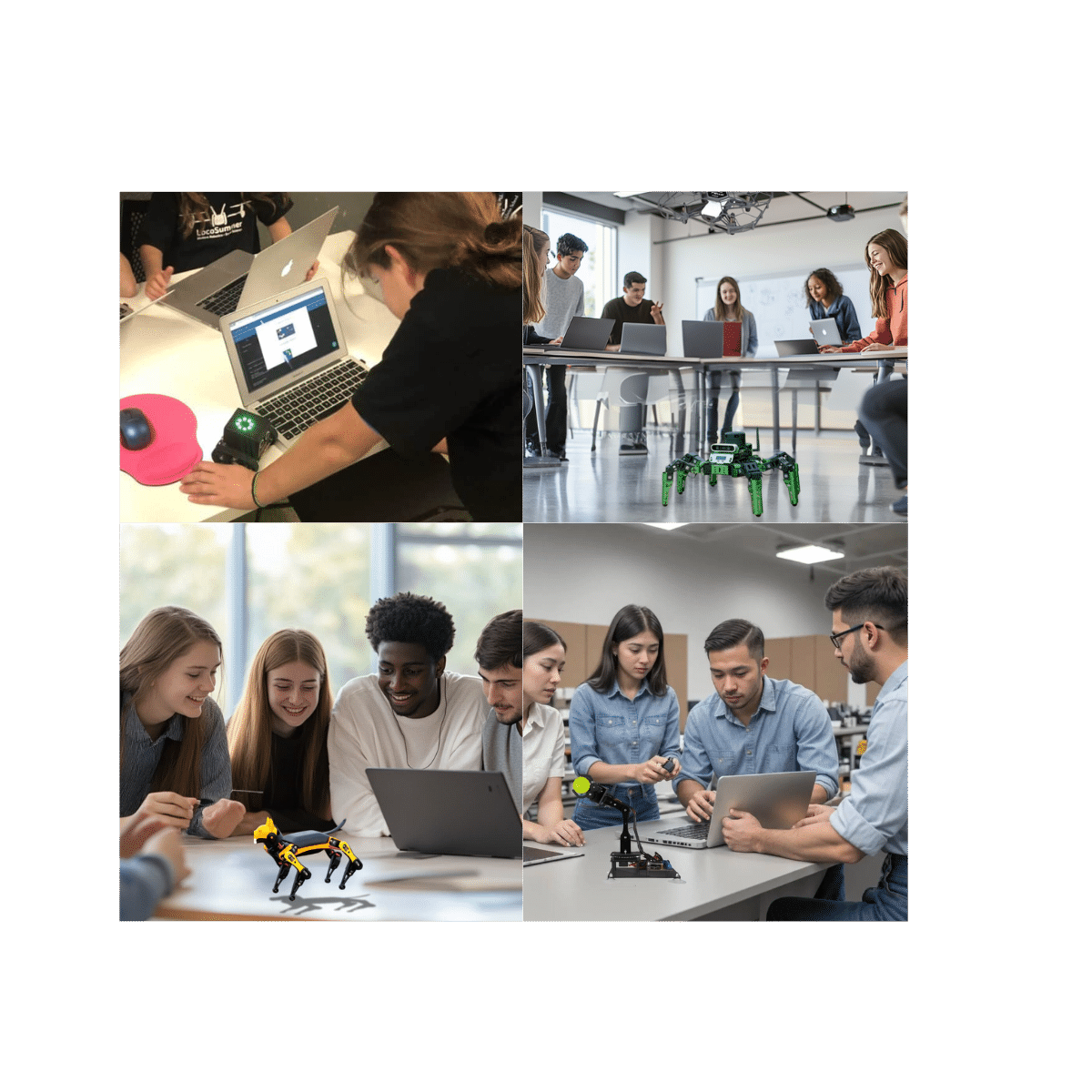
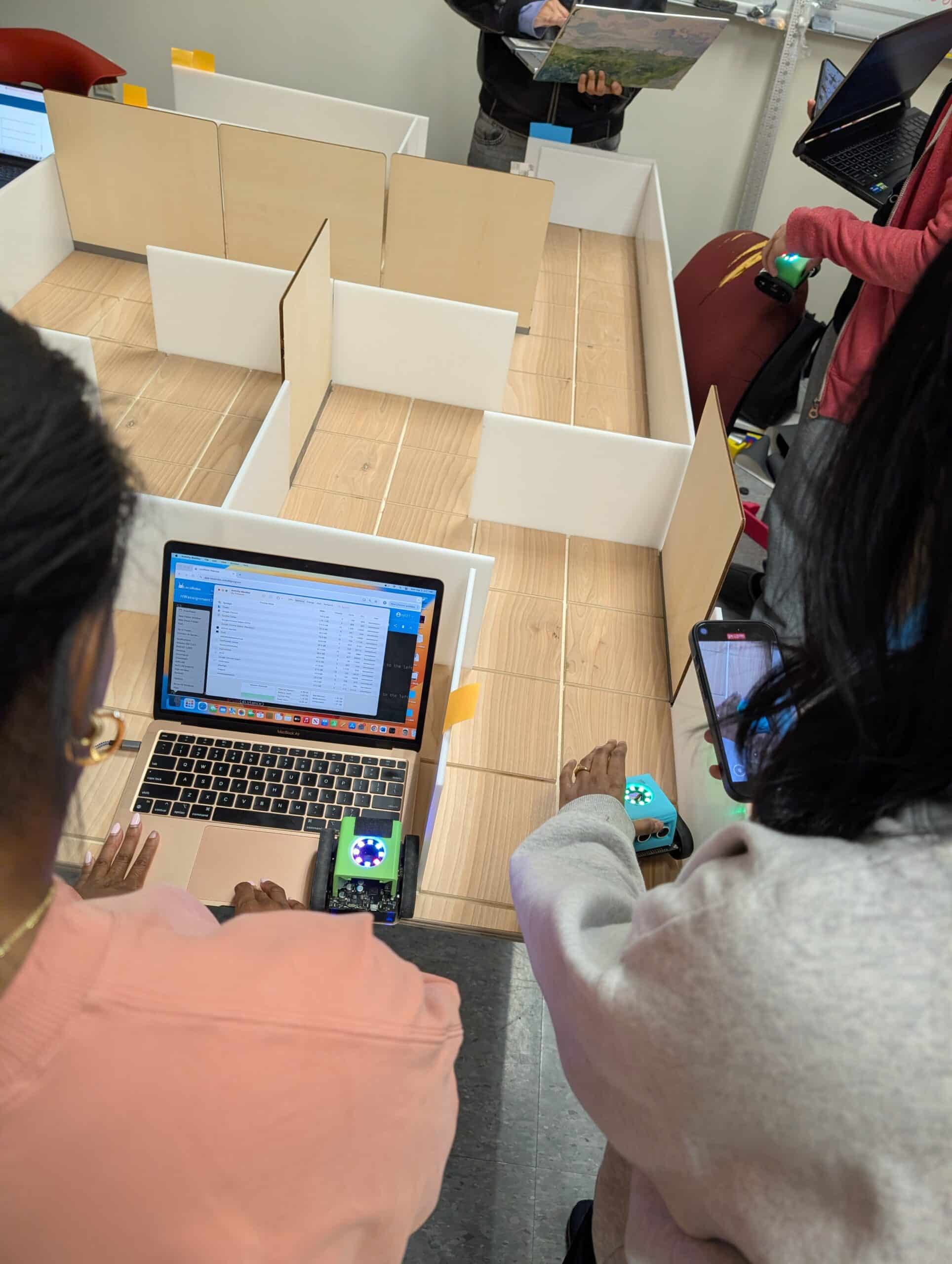
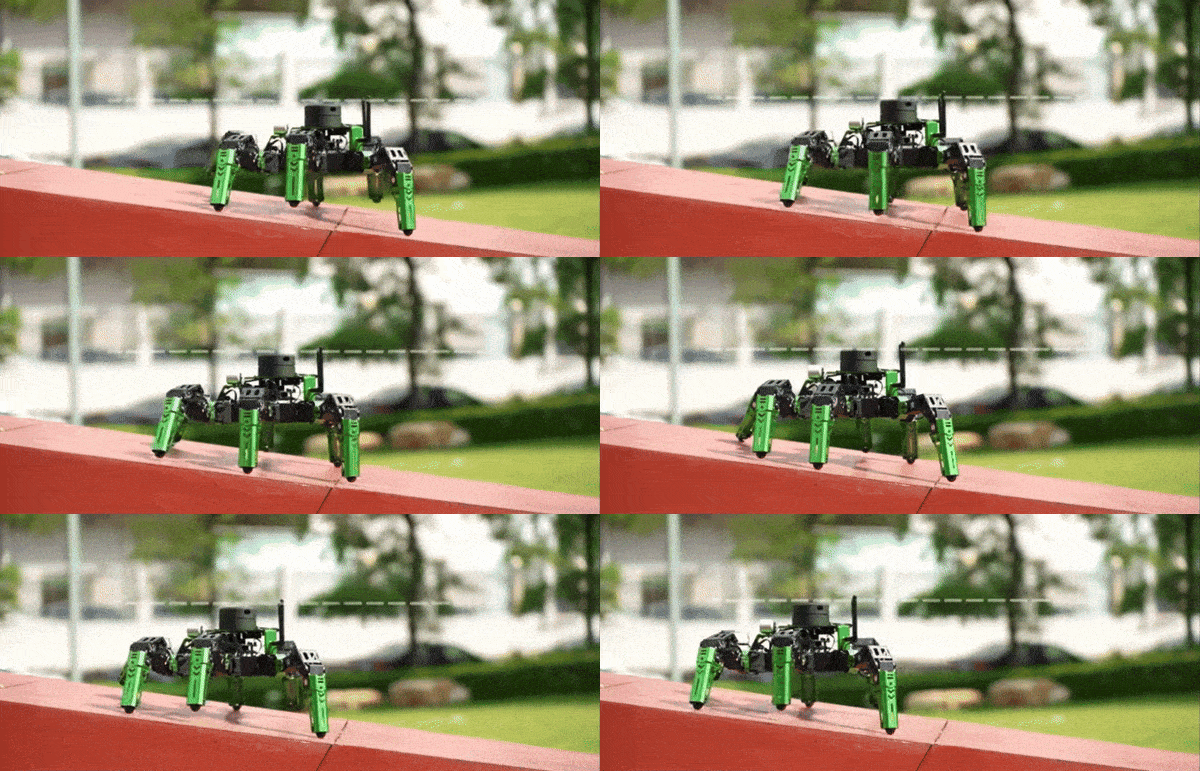
- Use robotics platforms to explore sensors and motion control
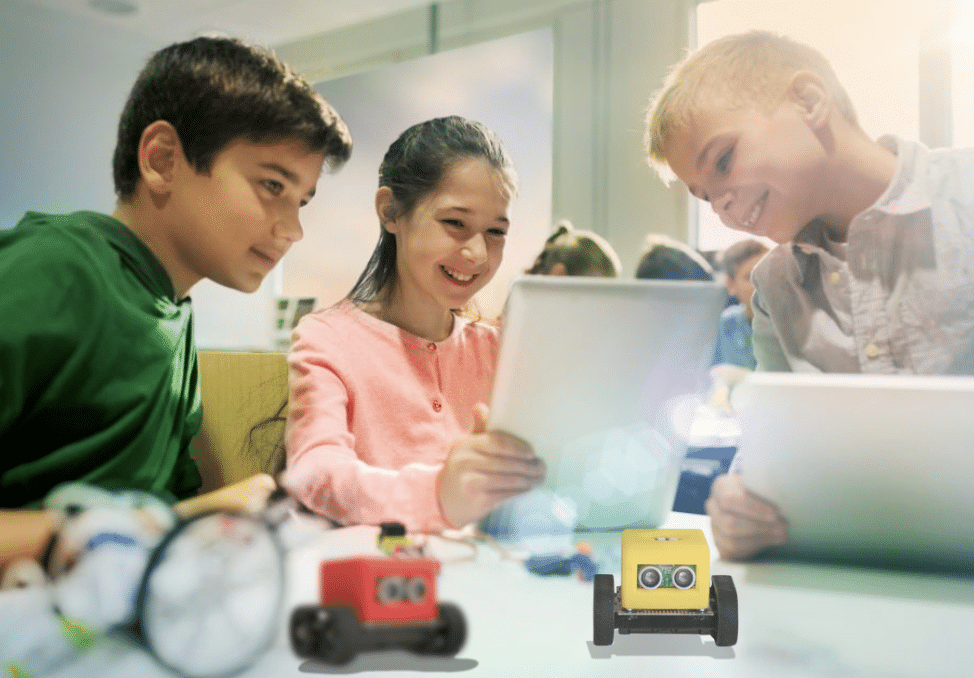
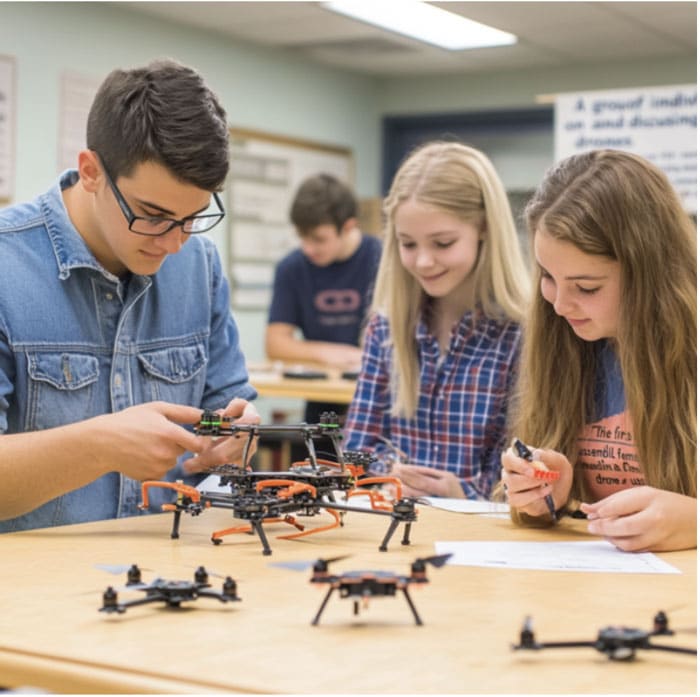
- Collaborate in teams to design solutions to technical challenges
- Analyze data collected from drone flights or robotic systems
These types of activities connect academic subjects such as physics, programming, and engineering with practical applications.
Because of this connection between technical learning and workforce preparation, many districts find that STEM technology programs align naturally with Perkins V goals.
What Schools Typically Fund Through Perkins V
While each state administers Perkins funding differently, schools often use it to support the core components required to run a successful STEM or CTE program.
These components typically include:
Technology and Equipment
Schools may purchase robotics platforms, drones, sensors, or other technical tools that allow students to apply engineering and coding concepts through hands-on projects.
Teacher Training
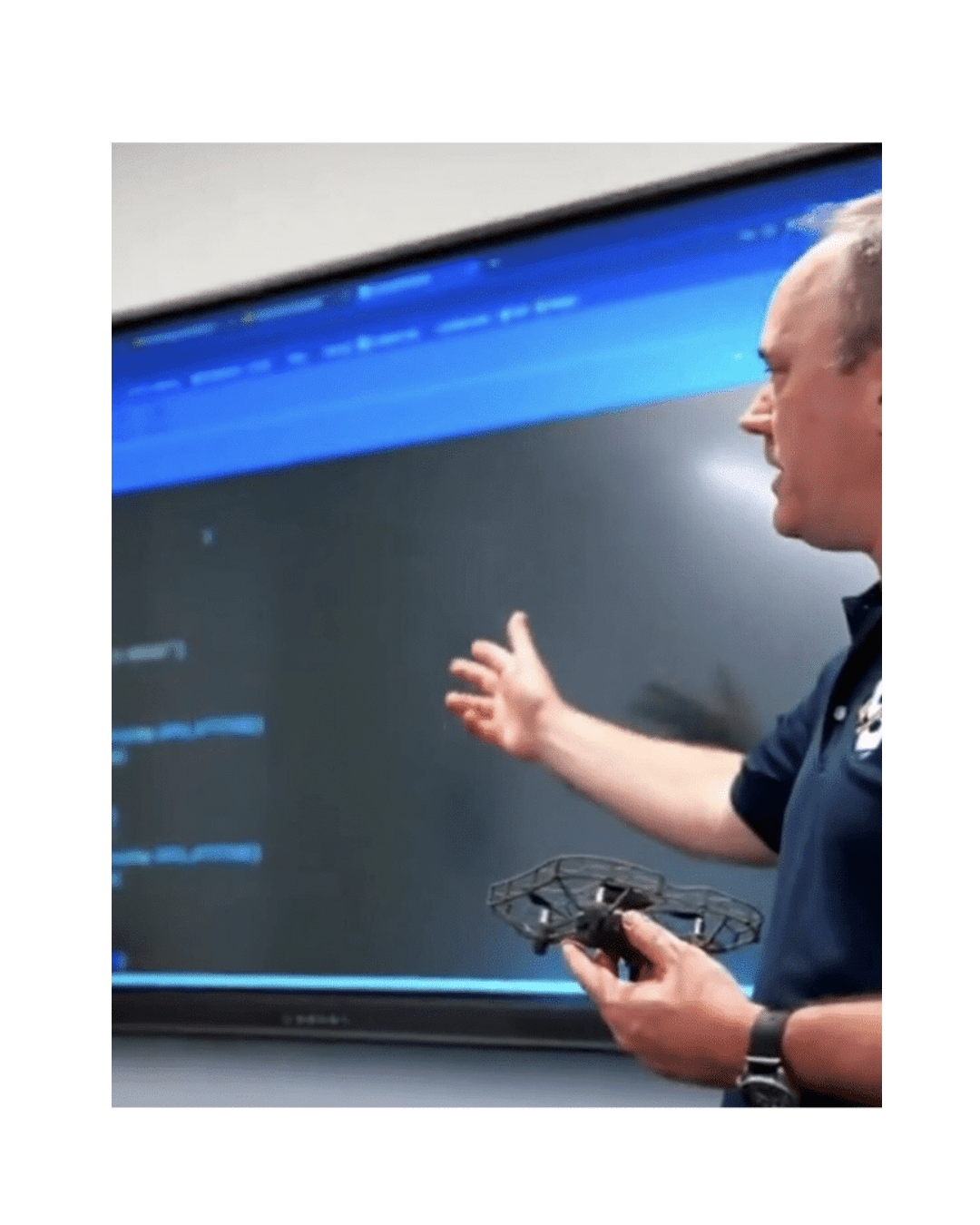
Professional development helps educators feel confident introducing new technologies and guiding students through more advanced concepts.
Curriculum and Instructional Materials
Structured curriculum helps ensure that hands-on activities connect to learning objectives, standards, and career pathways rather than becoming isolated projects.
Program Expansion
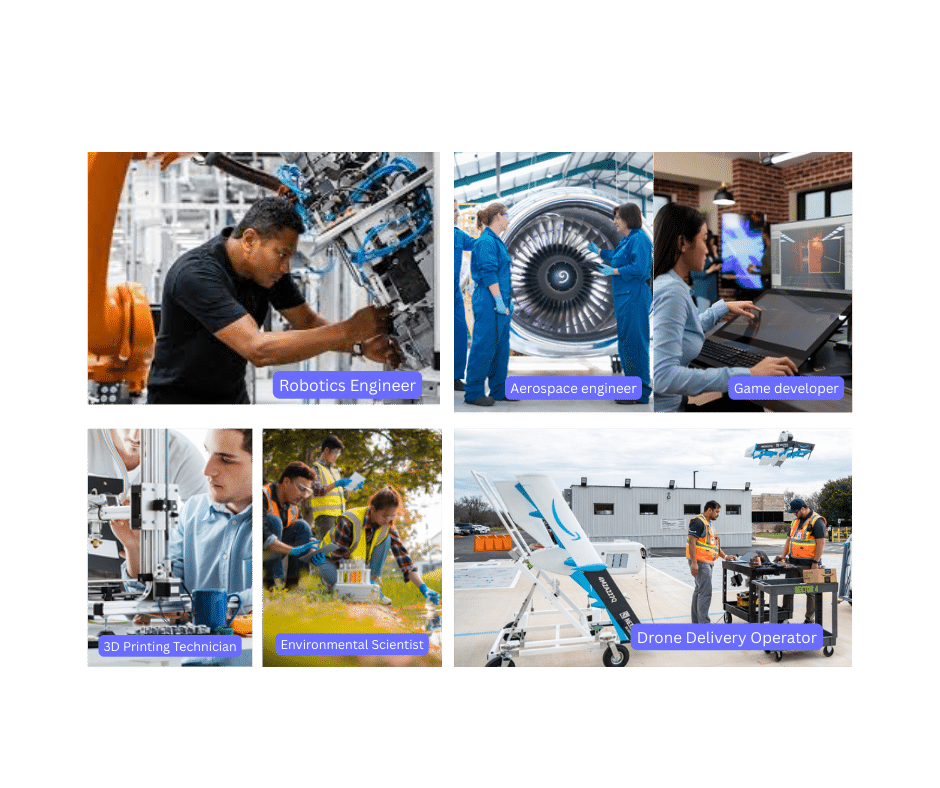
Some schools use Perkins funding to expand existing STEM programs into new grade levels or introduce new pathways such as robotics engineering, drone technology, or AI-focused coursework.
How Teachers Turn Funded Tools Into Learning Outcomes
Funding provides access to tools, but meaningful outcomes depend on how those tools are used in the classroom.
Successful programs typically focus on three elements.
Structured Learning Pathways
Students progress through lessons that build from foundational concepts to more advanced challenges. This progression helps them develop both technical skills and problem-solving abilities.
Real-World Applications
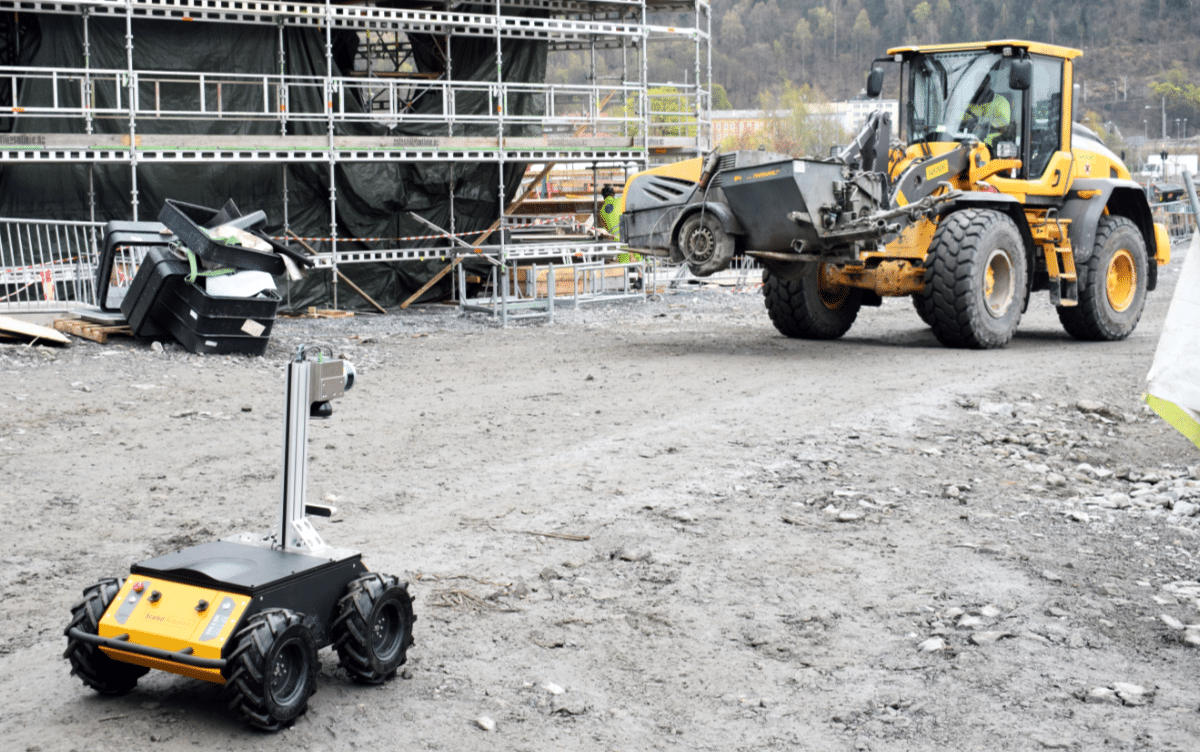
Connecting classroom projects to real-world technologies helps students understand how technical concepts apply outside of school.
Collaborative Projects
Many STEM programs encourage students to work in teams. Collaboration mirrors real engineering environments where projects require multiple skills and perspectives.
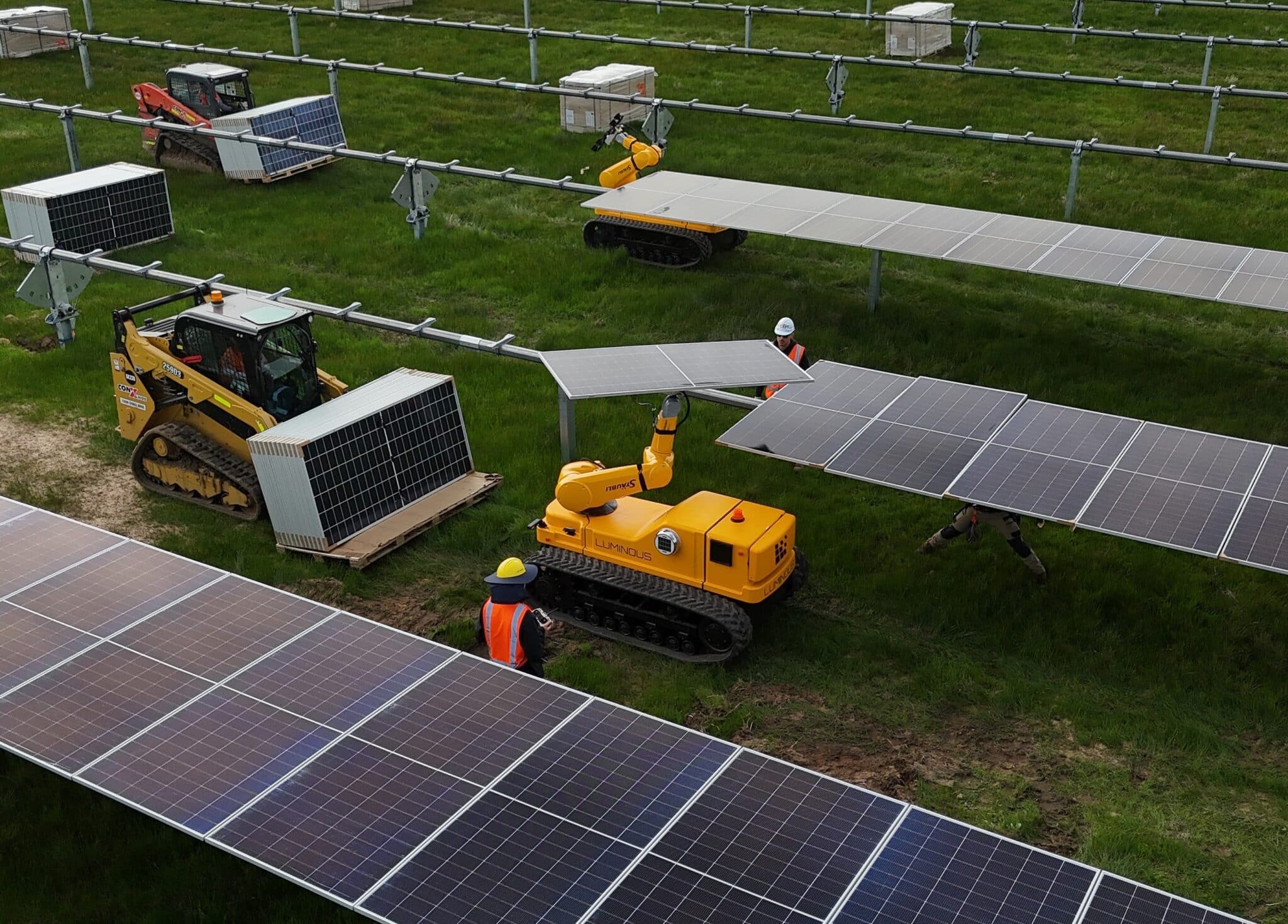
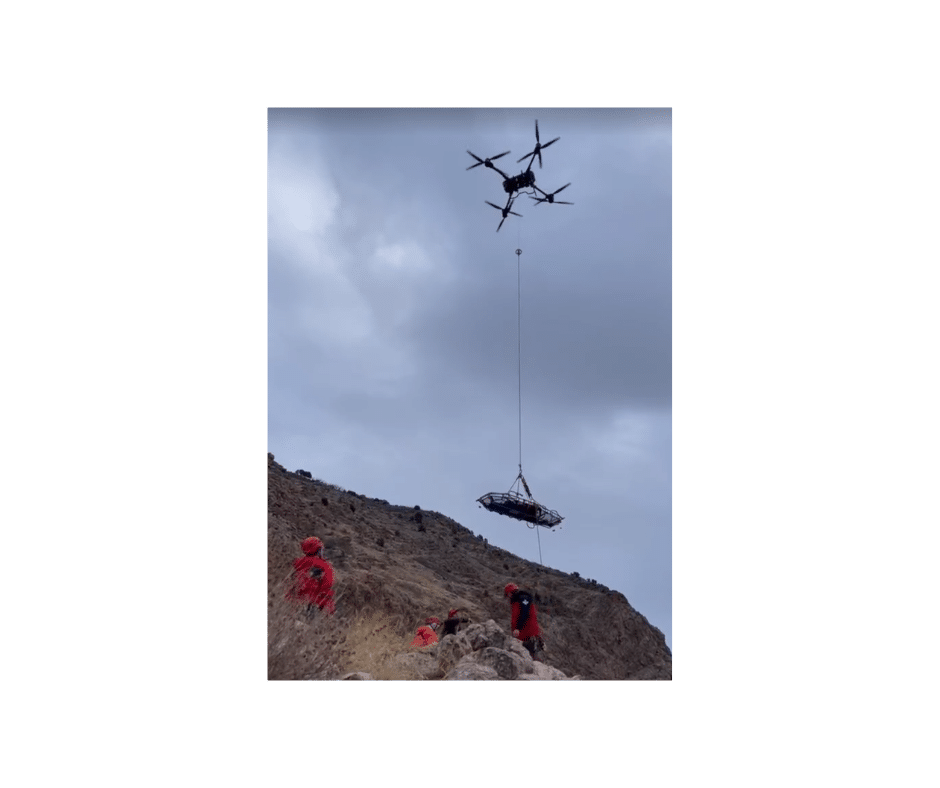
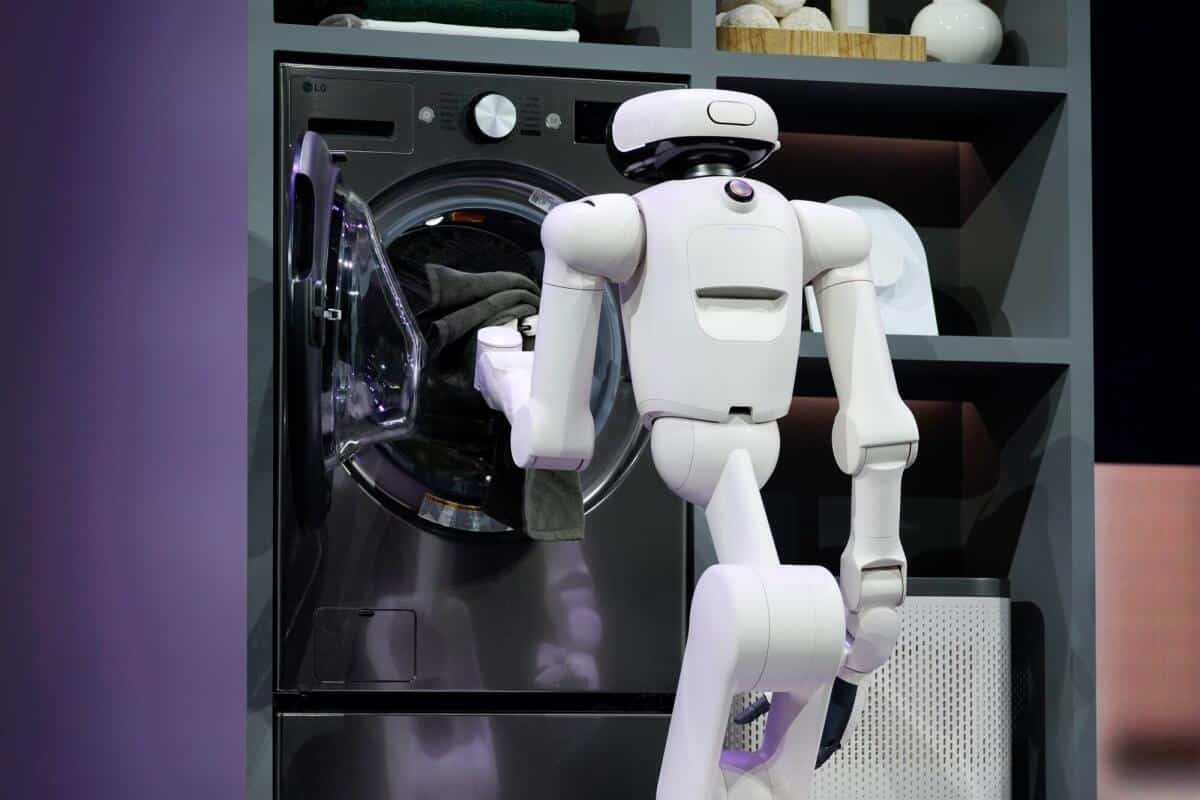
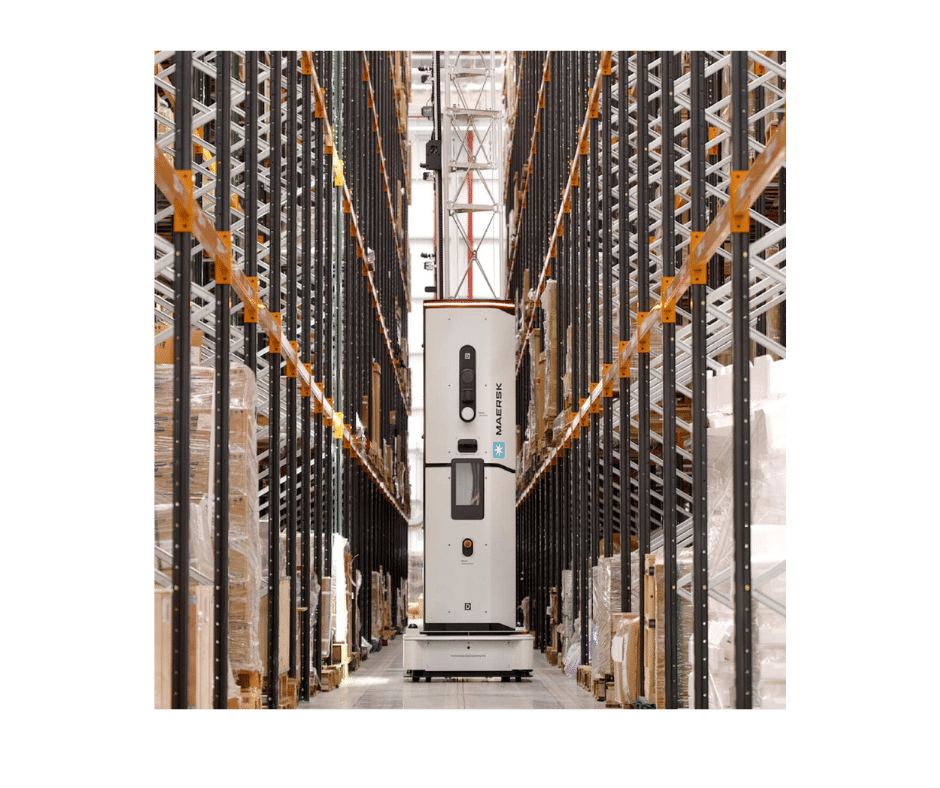
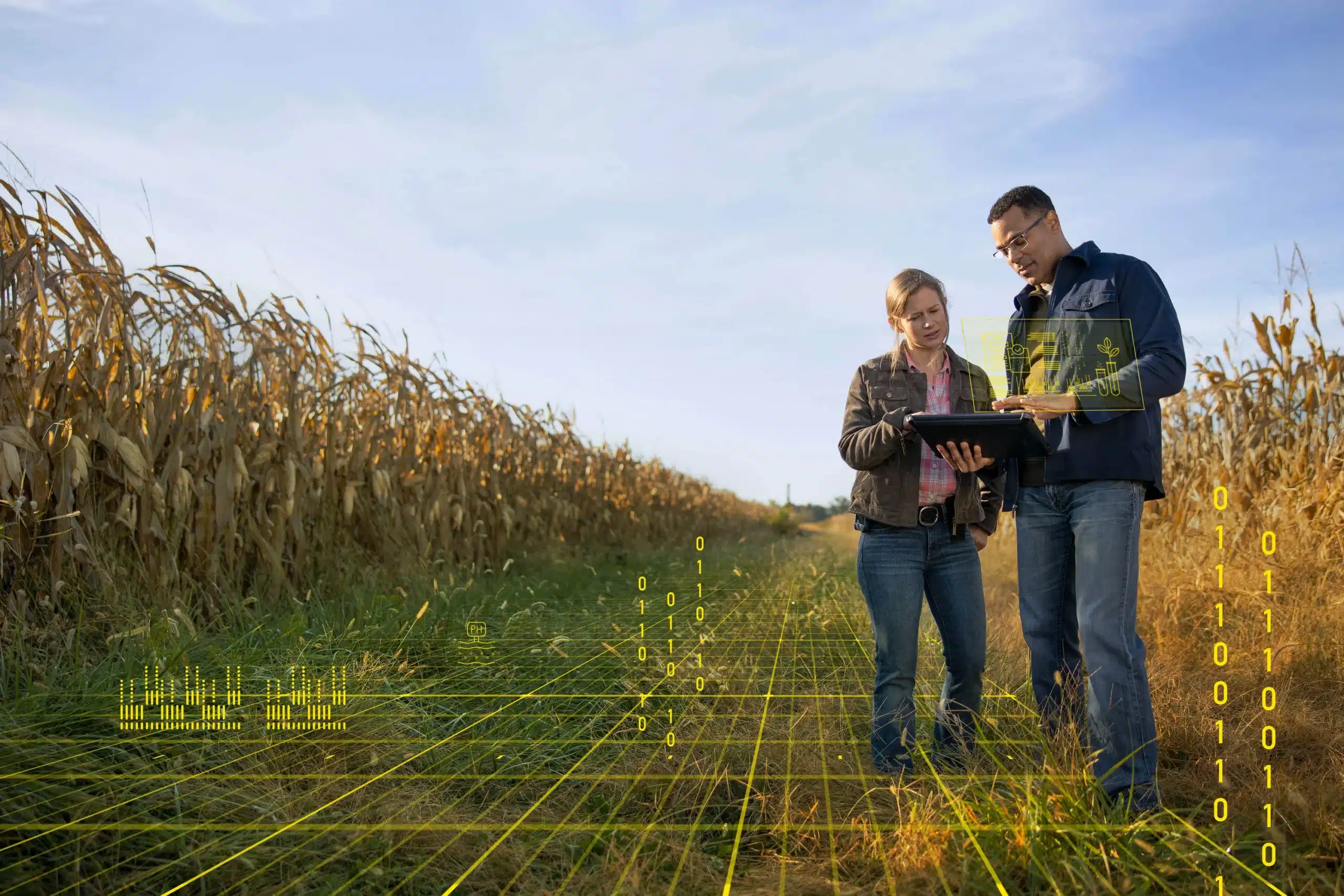
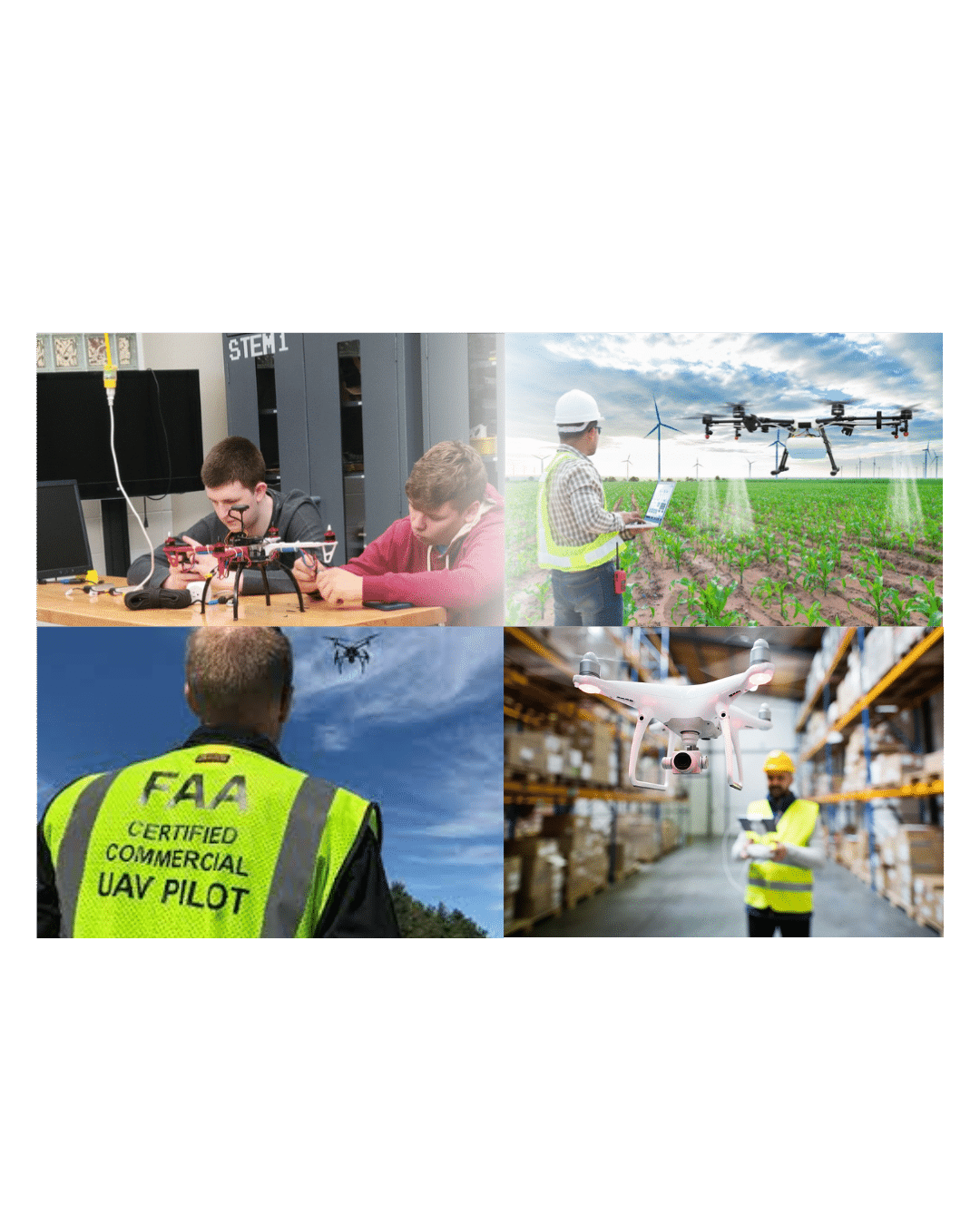
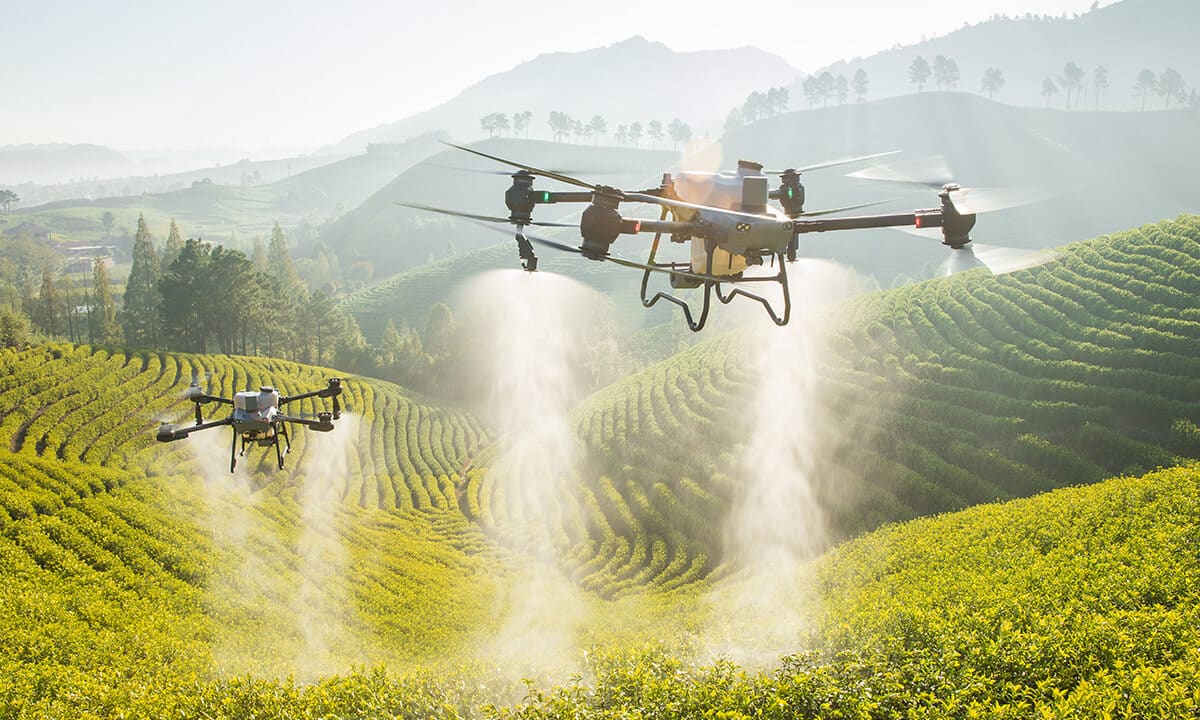
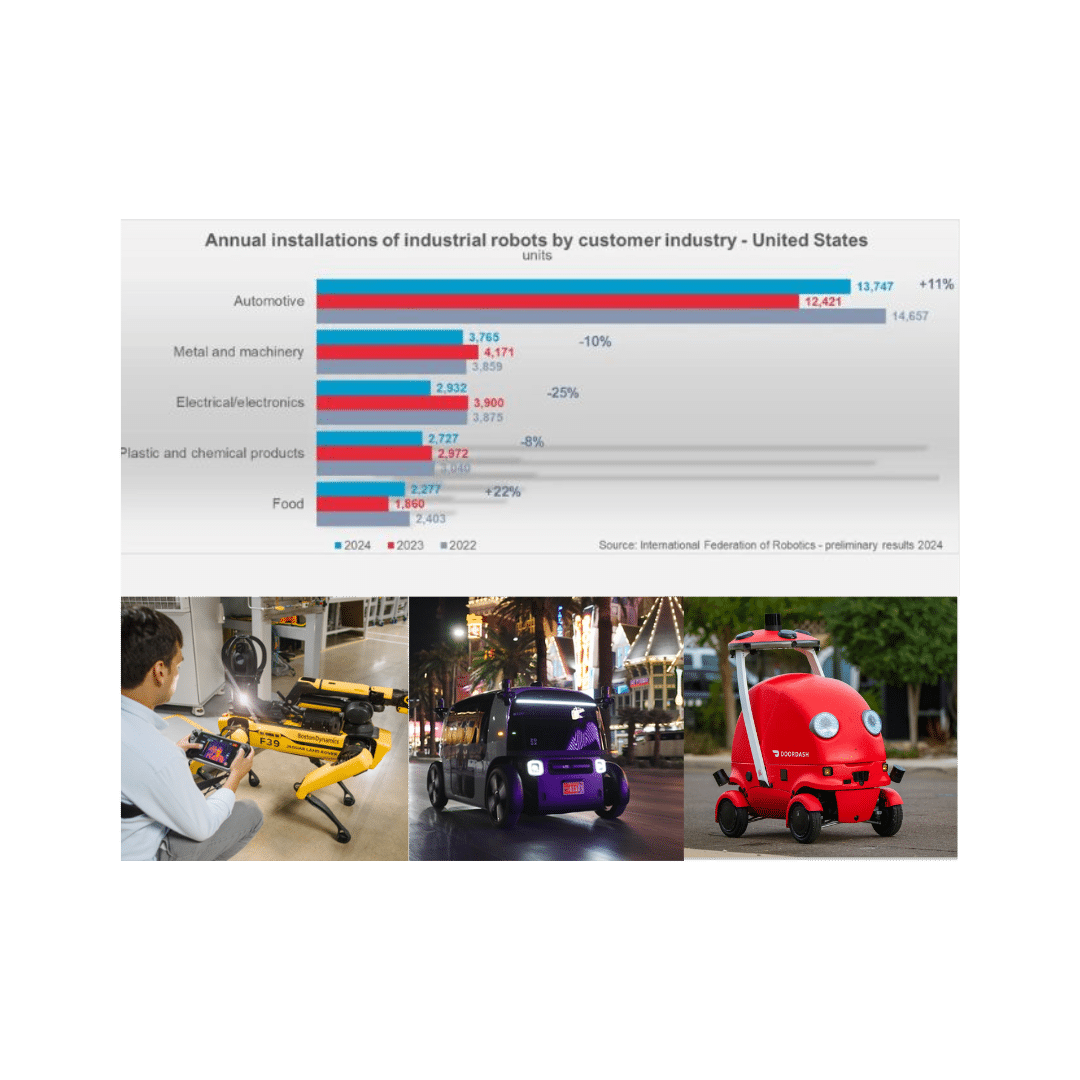
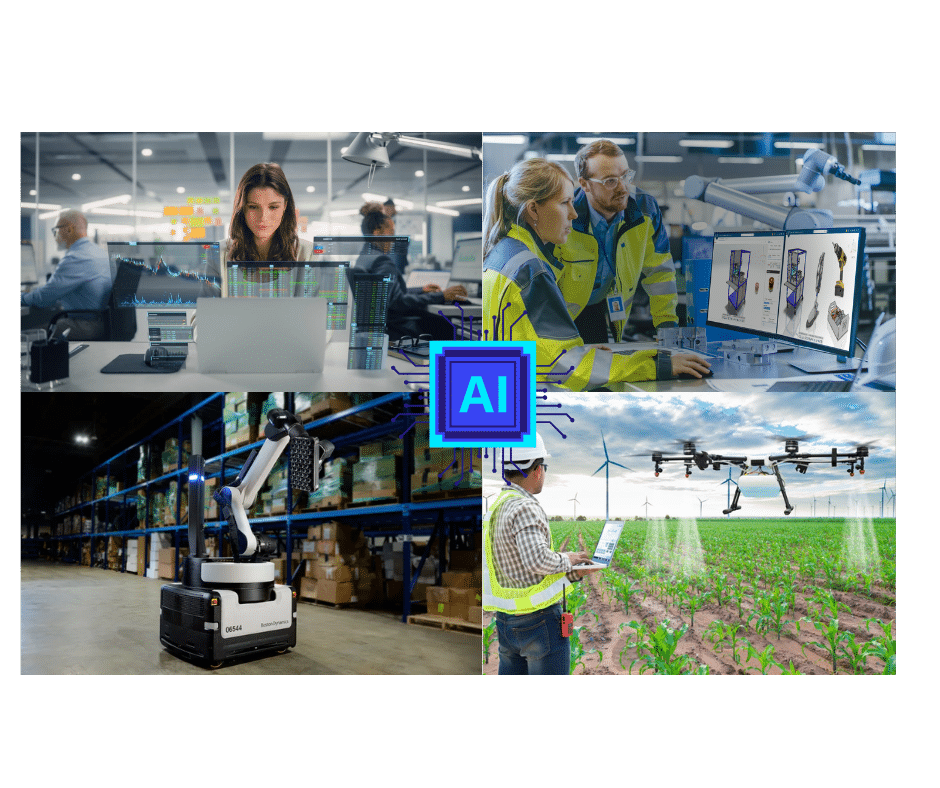
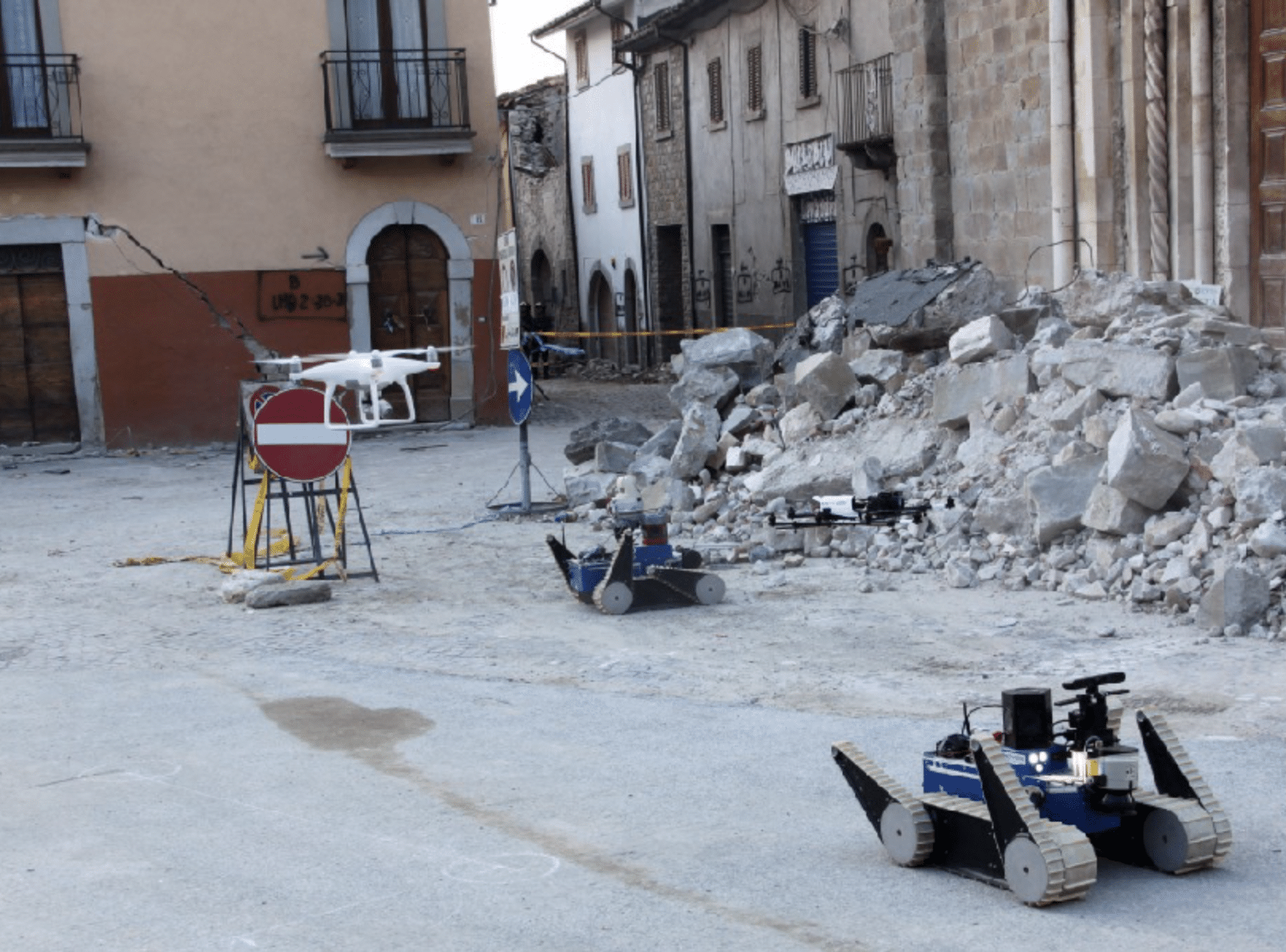
For example, students might explore how drones are used in agriculture, mapping, and infrastructure inspection, or how robotics systems assist in logistics, manufacturing, and exploration.
These connections help students in STEM career exploration and emerging industries.
Building Sustainable STEM Programs
One of the long-term goals of Perkins V is to help schools build sustainable career pathways rather than one-time technology purchases.
Schools that see the most success often combine several elements:
- Classroom-ready curriculum
- Technology platforms designed for education
- Teacher training and ongoing support
- Clear pathways that allow programs to expand over time
When these pieces work together, funding becomes the starting point for a broader program that grows year after year.
Helping Schools Navigate STEM Funding
Many schools already have access to Perkins V funding but may not be sure how to apply it to STEM programs.
To make this process easier, we created a Funding Guide that explains:
- What Perkins V and Title IV are designed to fund
- Common eligible uses for STEM, CTE, and CS programs
- How districts align robotics, drones, AI, cybersecurity, and esports to federal priorities
- Planning considerations administrators often need before approving purchases
If you are exploring ways to expand STEM learning in your school or district, the guide provides a clear starting point.
Request the LocoRobo Funding Guide