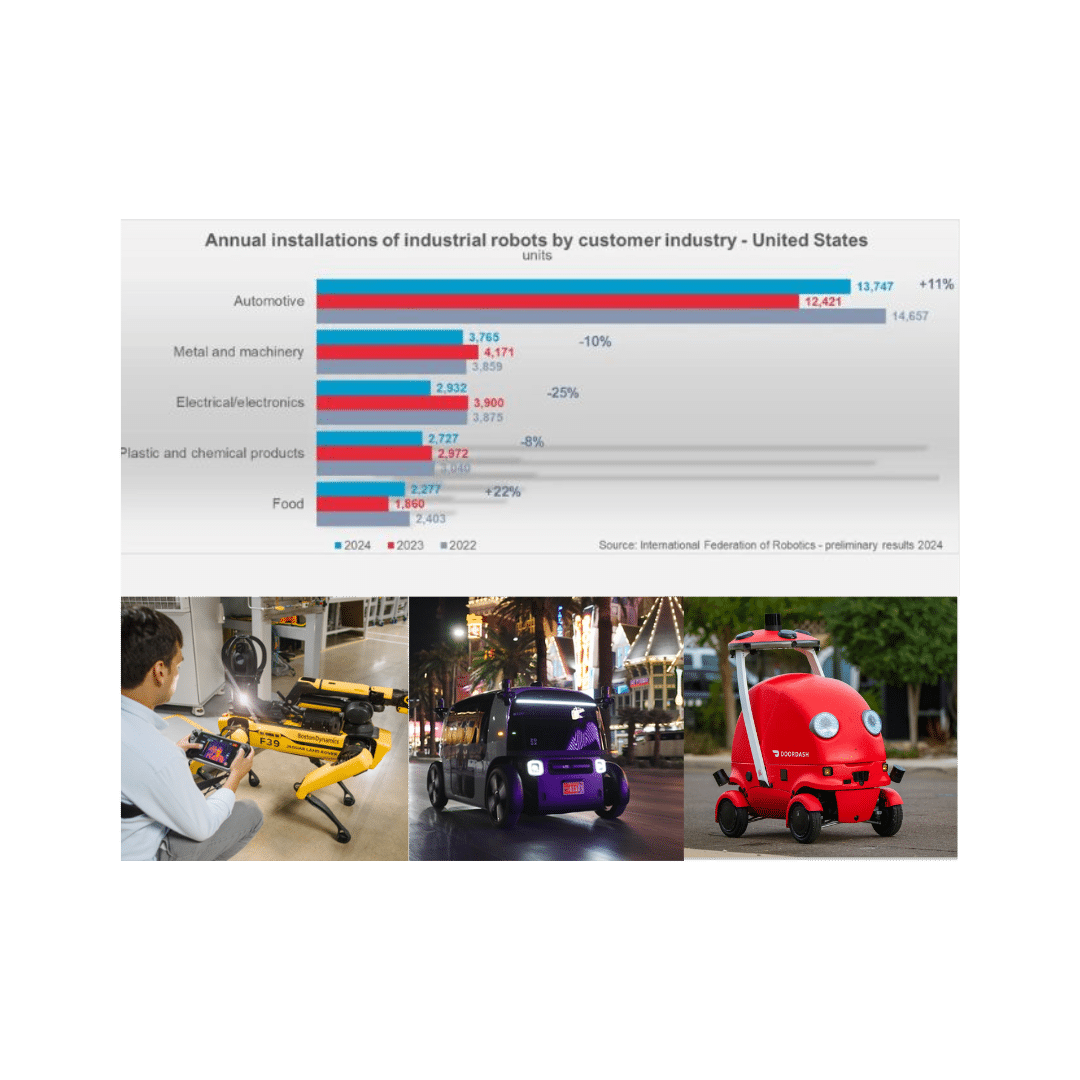


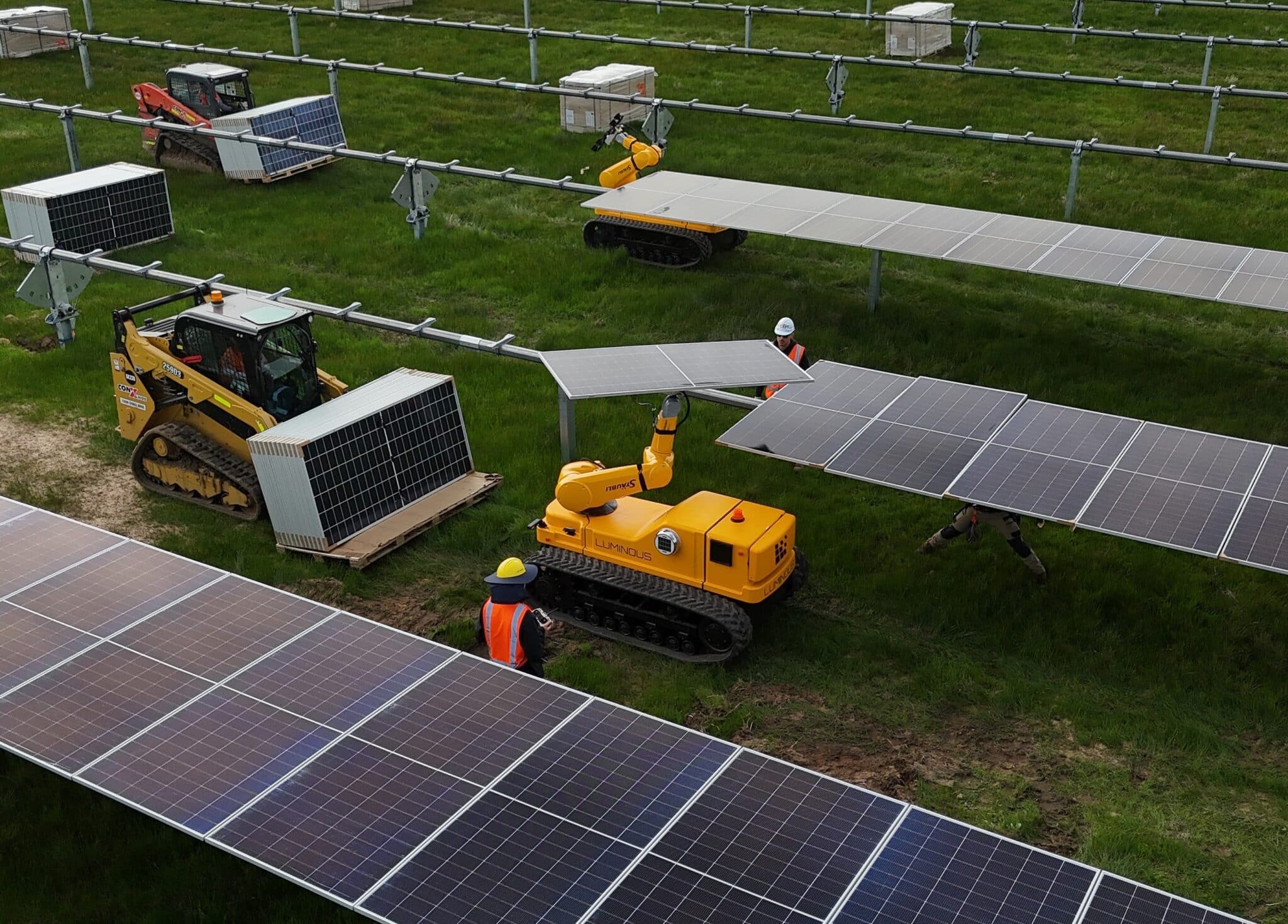
The demand for renewable energy is accelerating, and so is the need to build infrastructure safer, faster, and at scale. One recent project highlights how robotics is starting to reshape that process.
A collaboration between ENGIE and U.S.-based Luminous Robotics Inc. demonstrated how autonomous systems can take on one of the most labor-intensive parts of solar farm construction: installing panels.
The Challenge: Scaling Solar Construction
Large solar farms require hundreds of thousands of panels to be installed with precision. Traditionally, this involves repetitive manual labor, heavy lifting, and long project timelines.
At utility scale, even small inefficiencies can lead to:
- Delays in project completion
- Increased labor costs
- Slower expansion of renewable energy infrastructure
- Higher safety risks for workers
This is where robotics is beginning to play a meaningful role.
The Technology: Autonomous Panel Installation
Luminous Robotics introduced its LUMI S4 autonomous robot fleet, designed to handle the placement of solar panels.
Instead of workers manually lifting and positioning each panel, the robot:
- Picks up solar modules
- Precisely places them onto mounting structures
- Works alongside human crews who complete the final securing
This hybrid approach allows teams to maintain quality while significantly increasing speed.
What Changed on the Ground
In a recent large-scale solar project, nearly 500,000 panels were installed with the help of these robots. The result was a faster construction timeline and improved workflow efficiency.
More importantly, the deployment showed that:
- Robots can consistently handle repetitive, physically demanding tasks
- Human workers can shift toward supervision and technical roles
- Construction timelines can be reduced without sacrificing quality
This is not about replacing people. It is about reallocating effort where it matters most.
A Data-Driven Future for Construction
One of the most significant outcomes from this project is the data generated. Luminous Robotics plans to release a large dataset from these deployments, capturing:
- Performance metrics
- System reliability
- Installation efficiency
This kind of data can accelerate innovation across the industry, allowing engineers and developers to refine automation systems more quickly.
What This Means for Students Learning Robotics Today
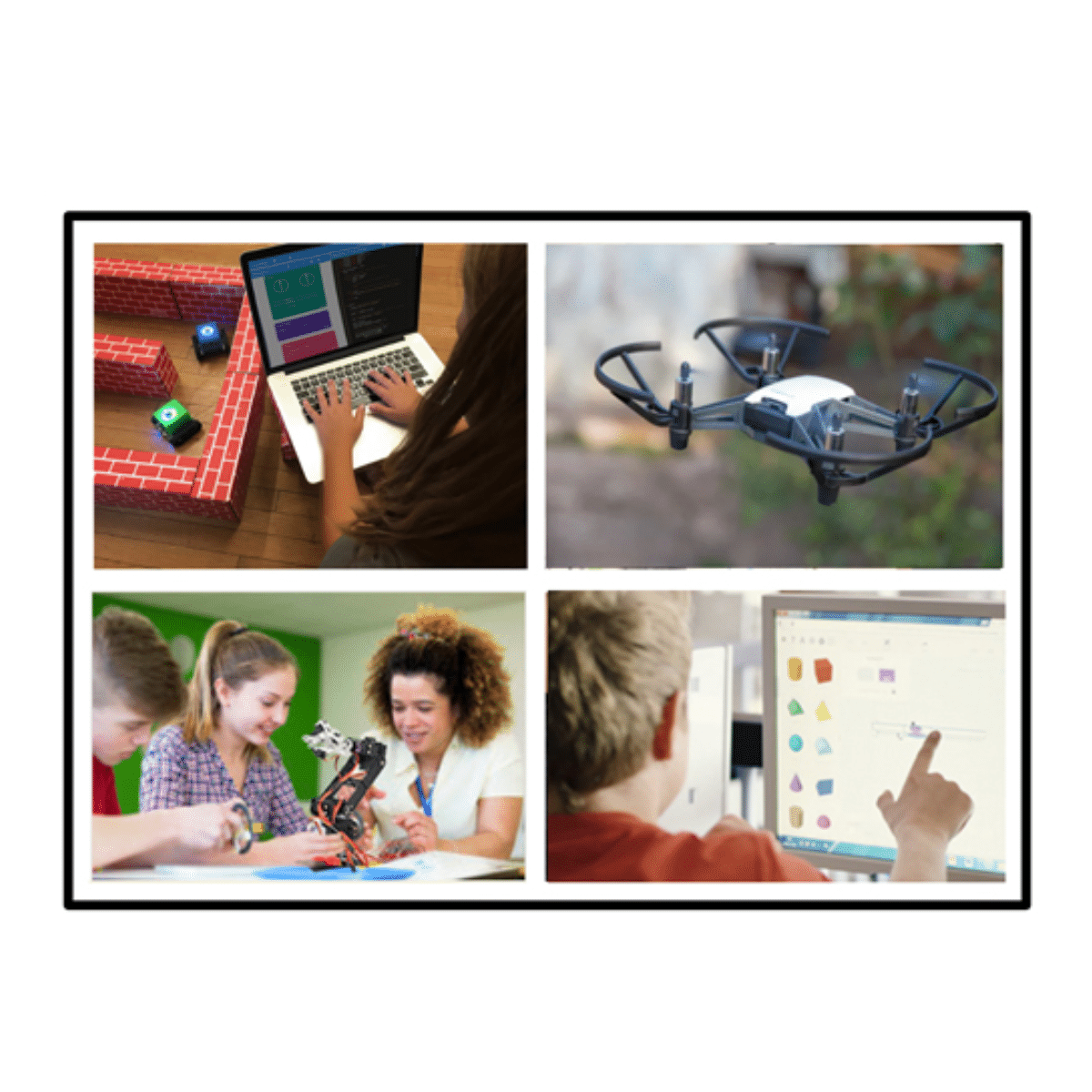
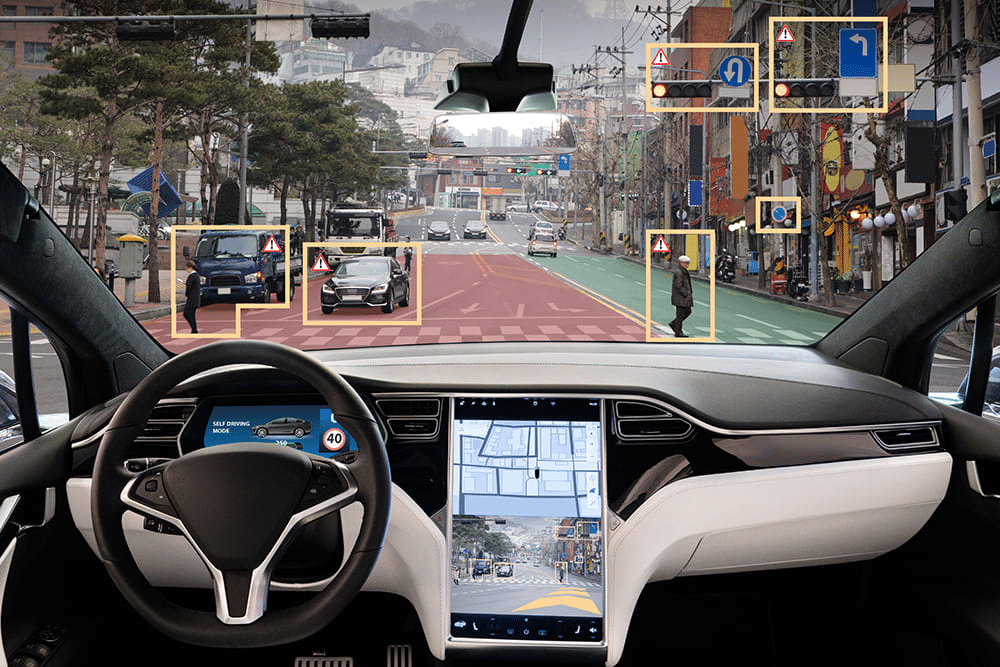
The systems used in solar construction are built on the same foundational concepts students learn in K12 robotics STEM education:
- Autonomous navigation
- Motion control
- Sensor integration
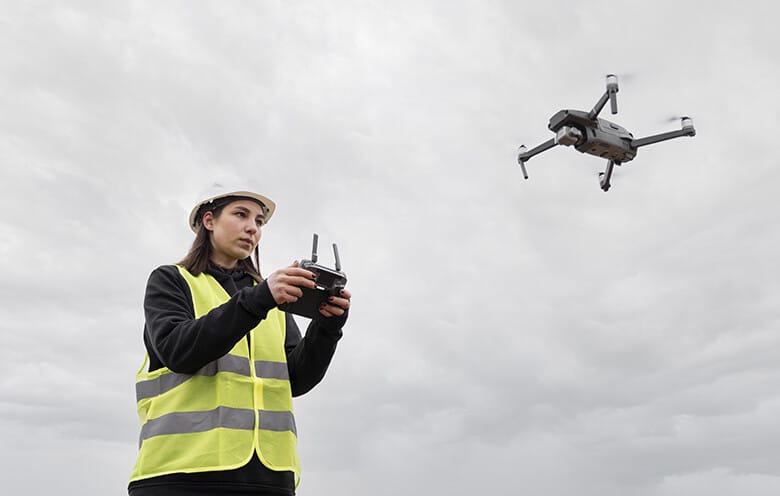
- Human-robot collaboration
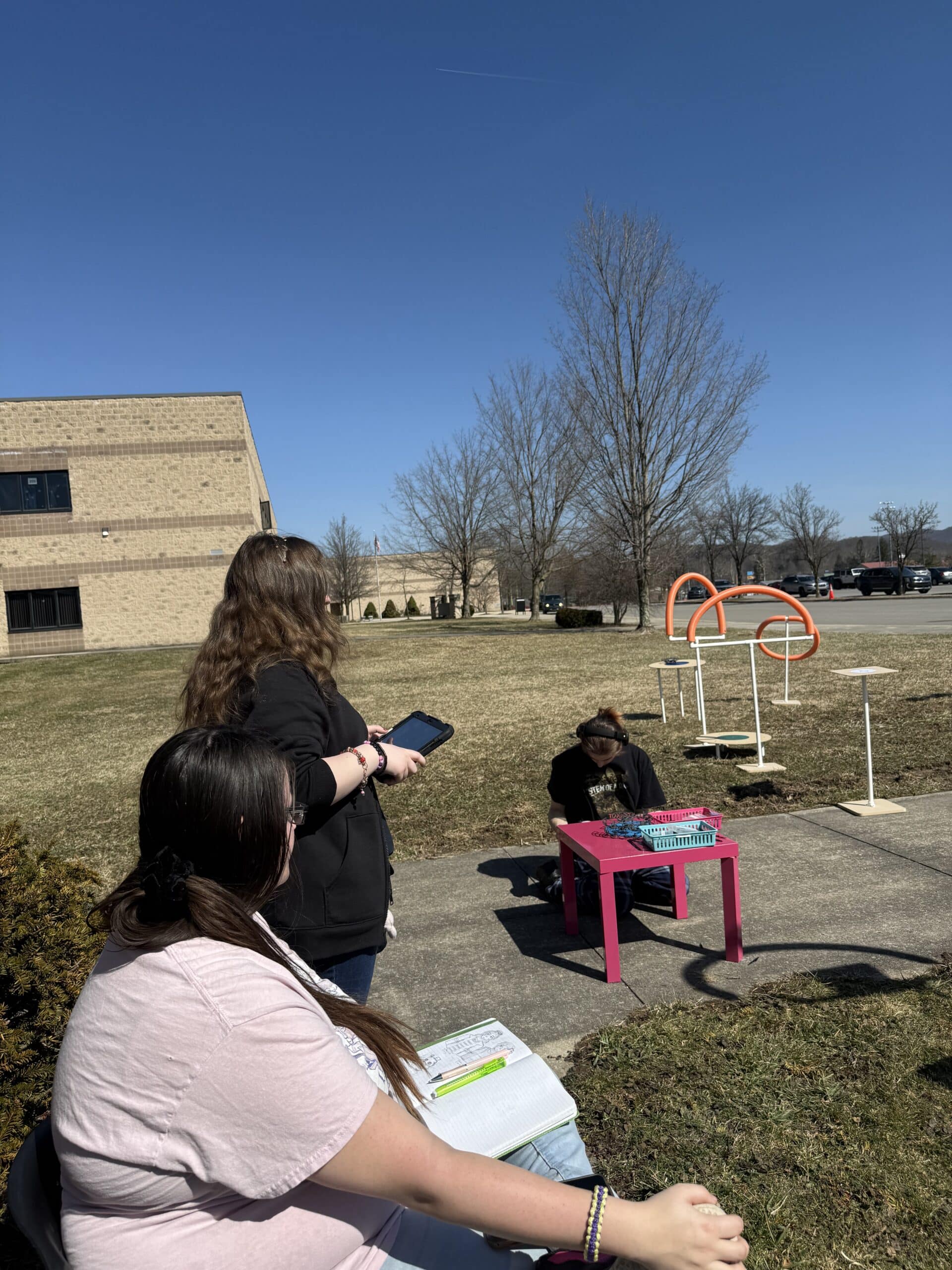
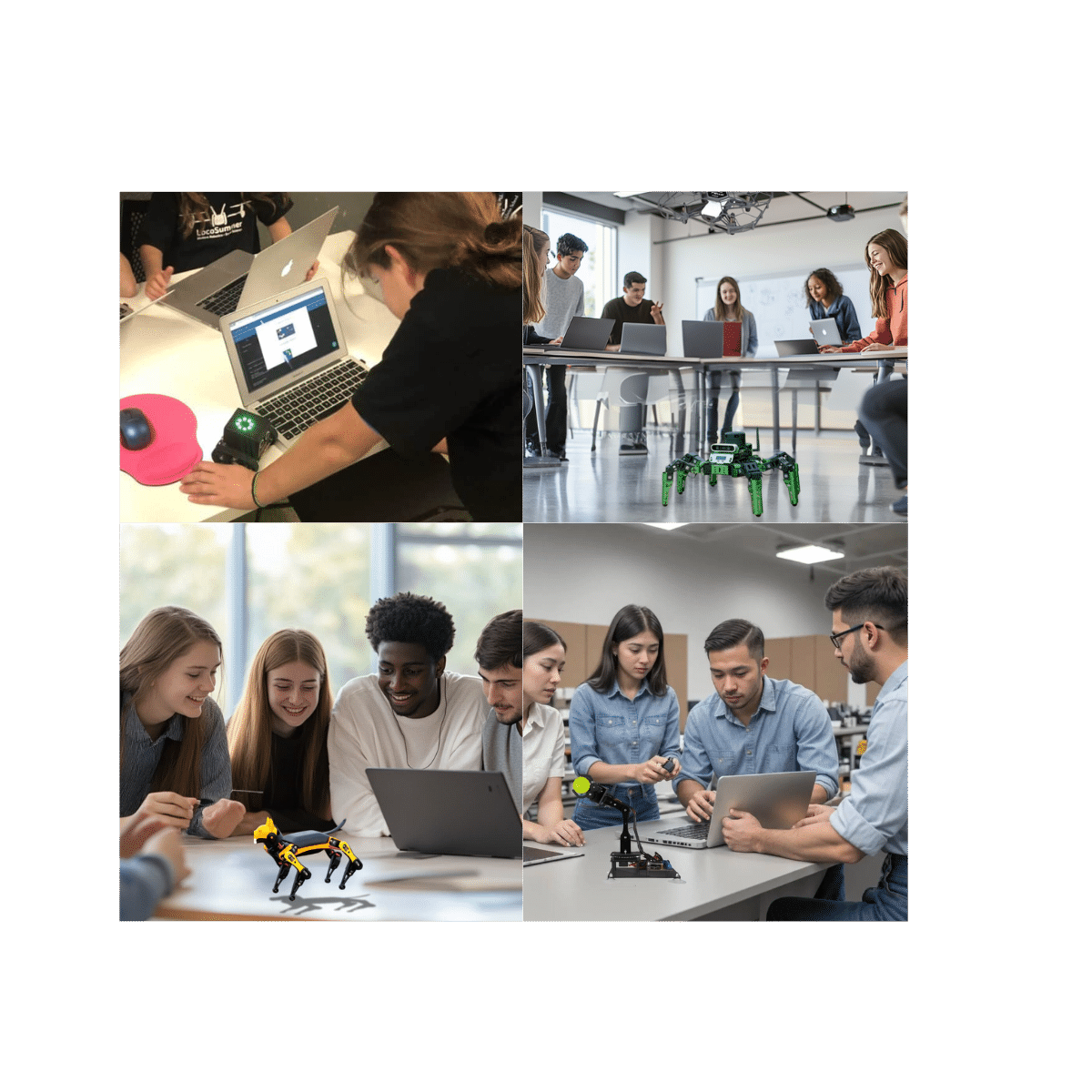
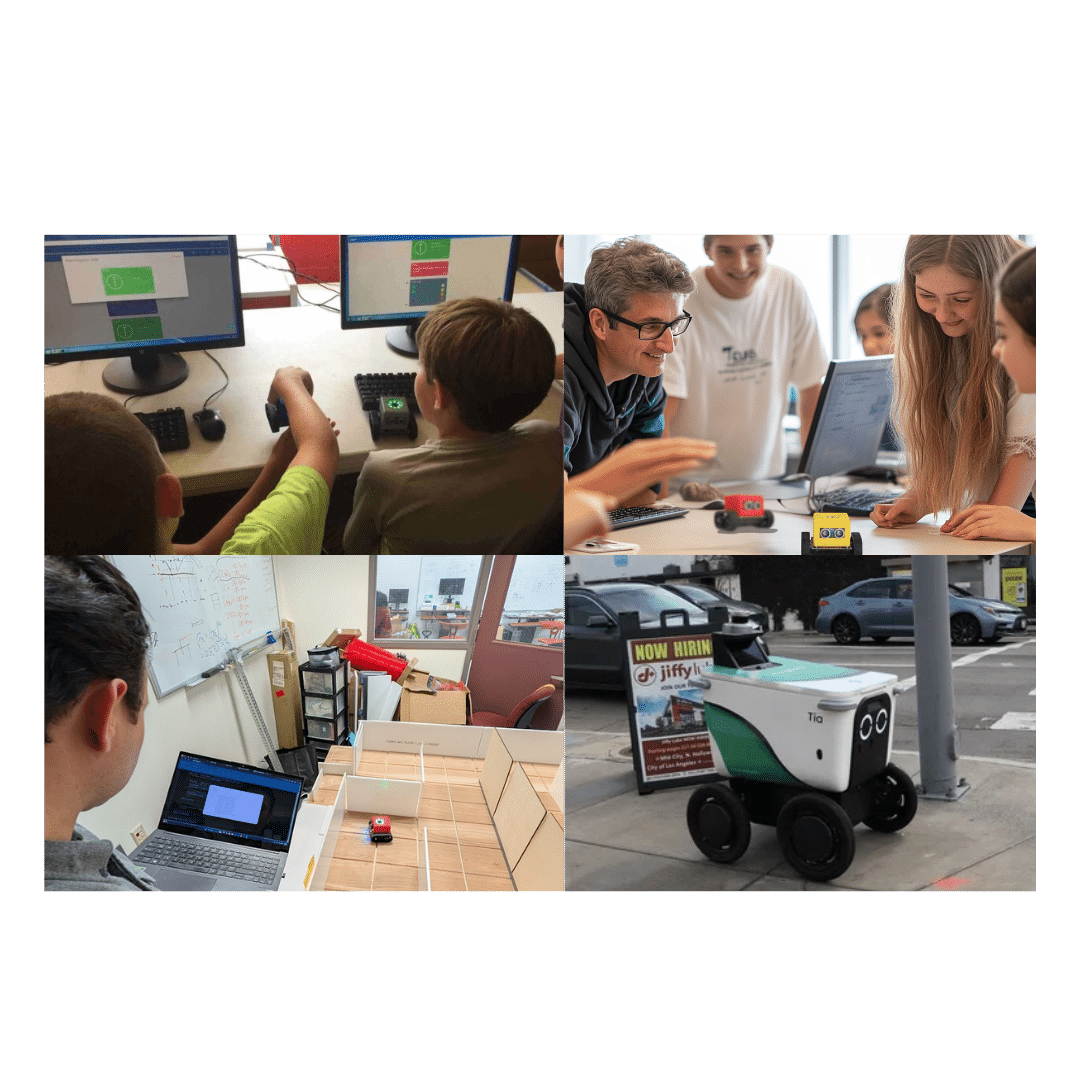
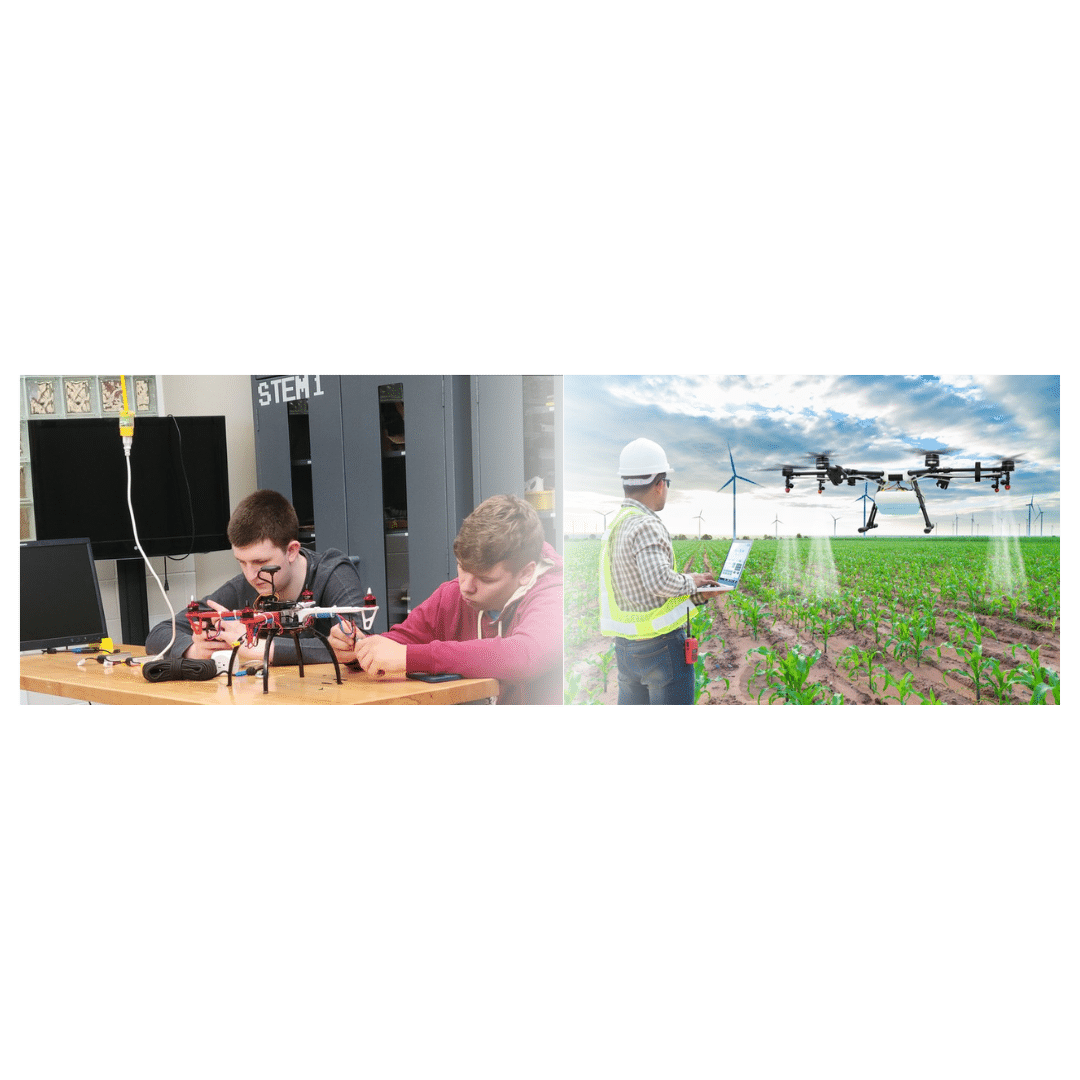
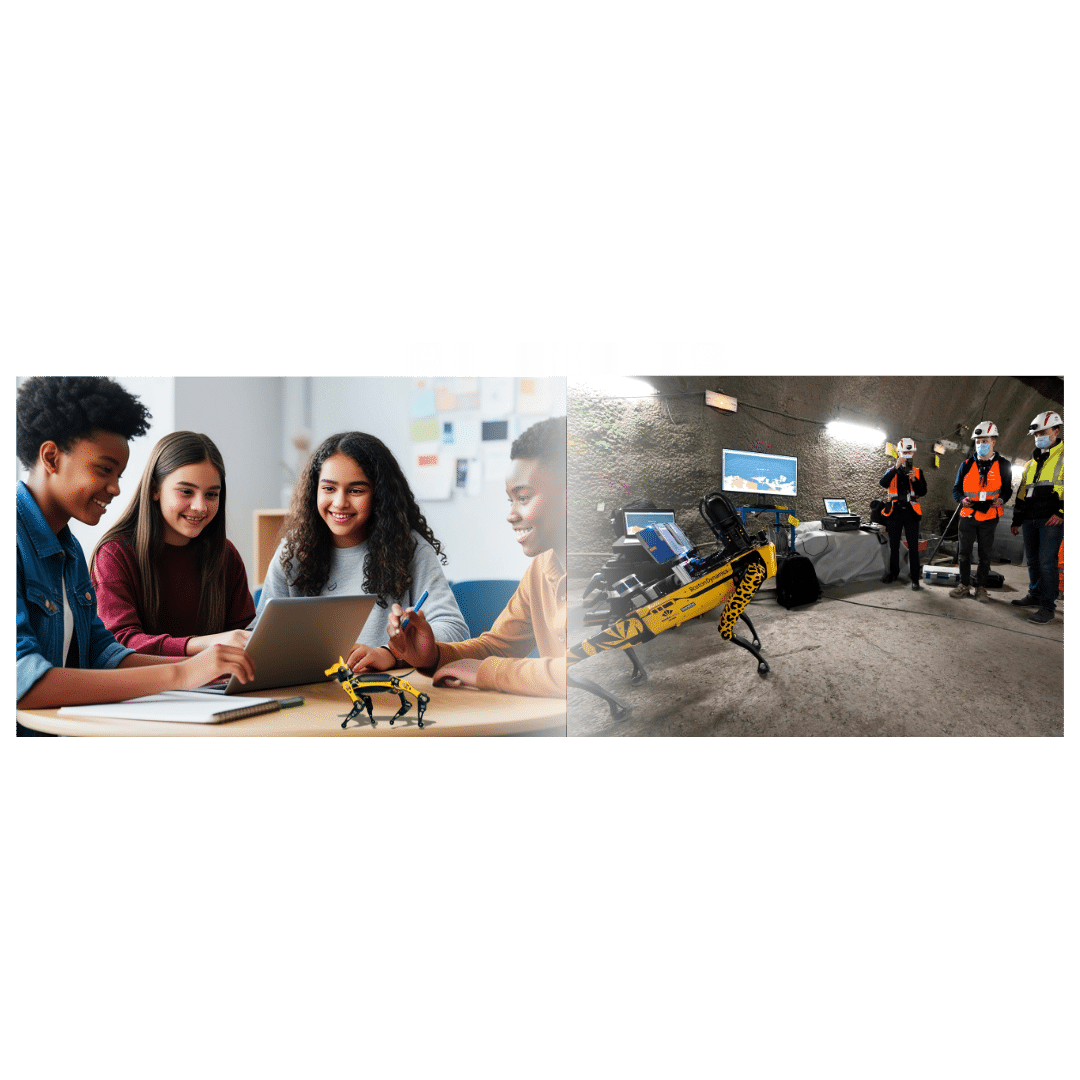
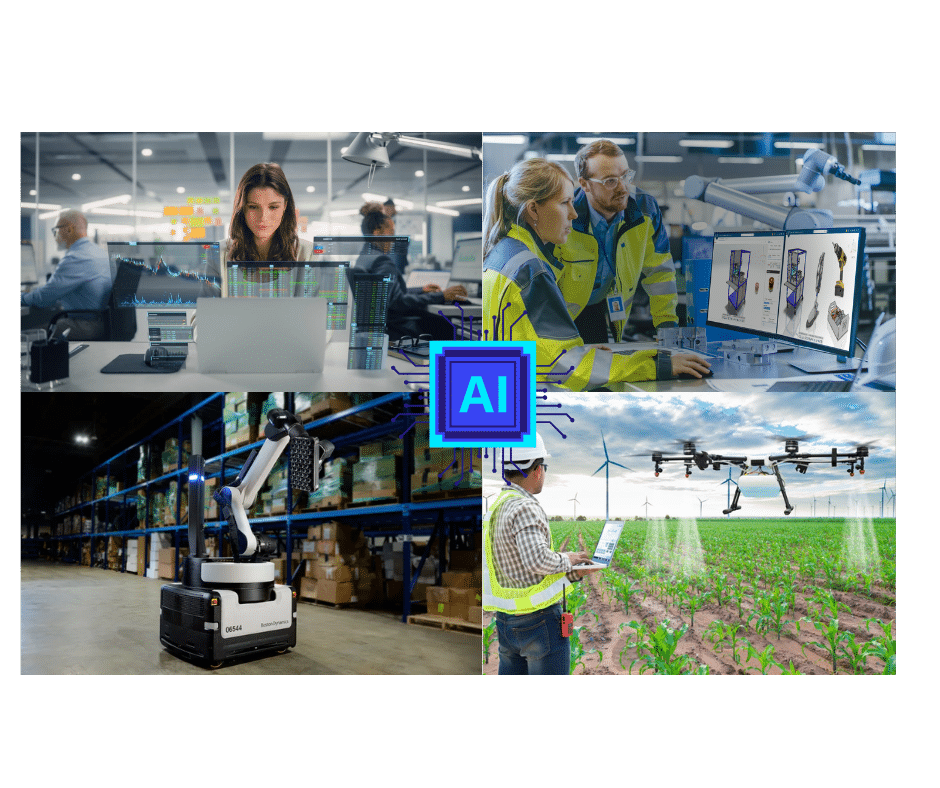
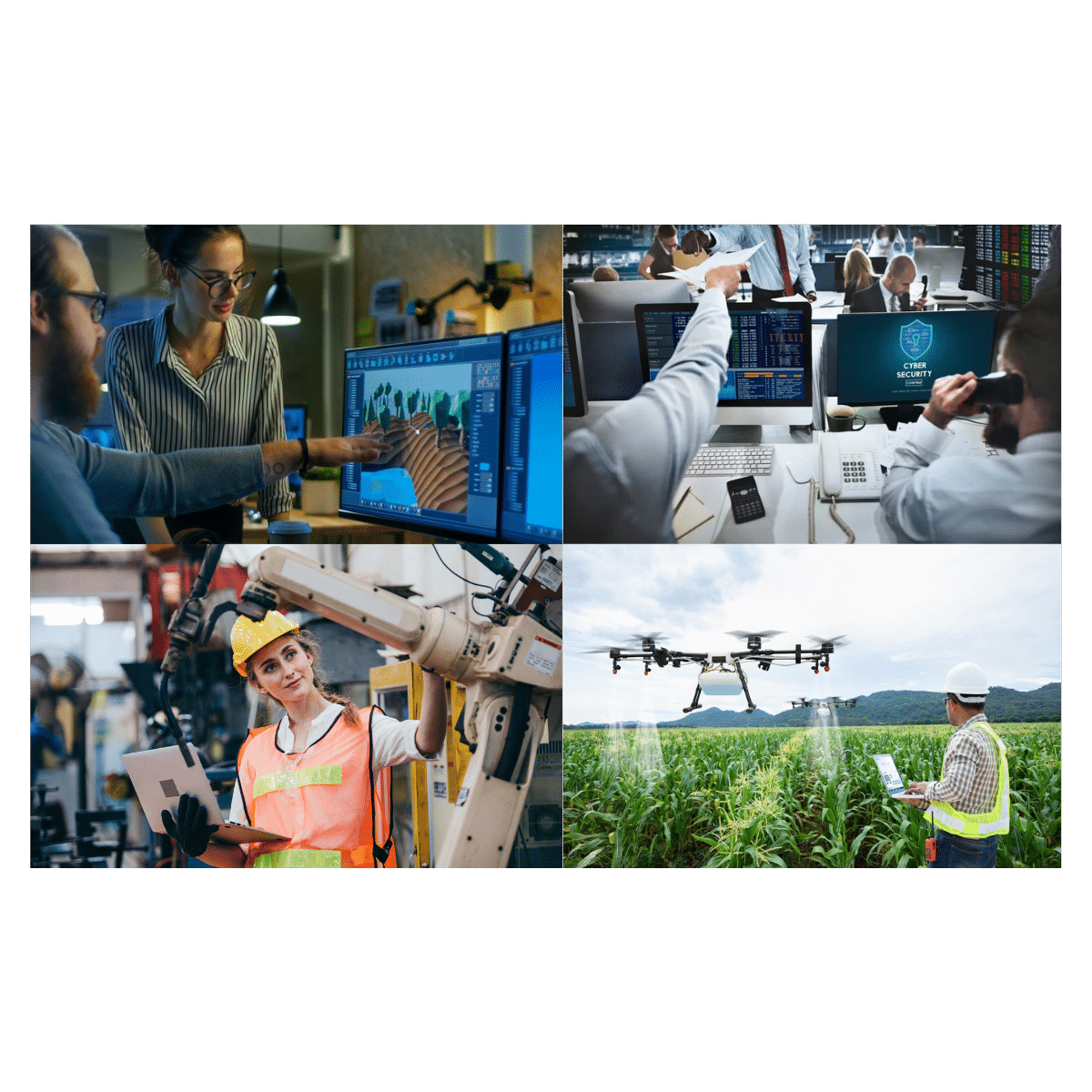
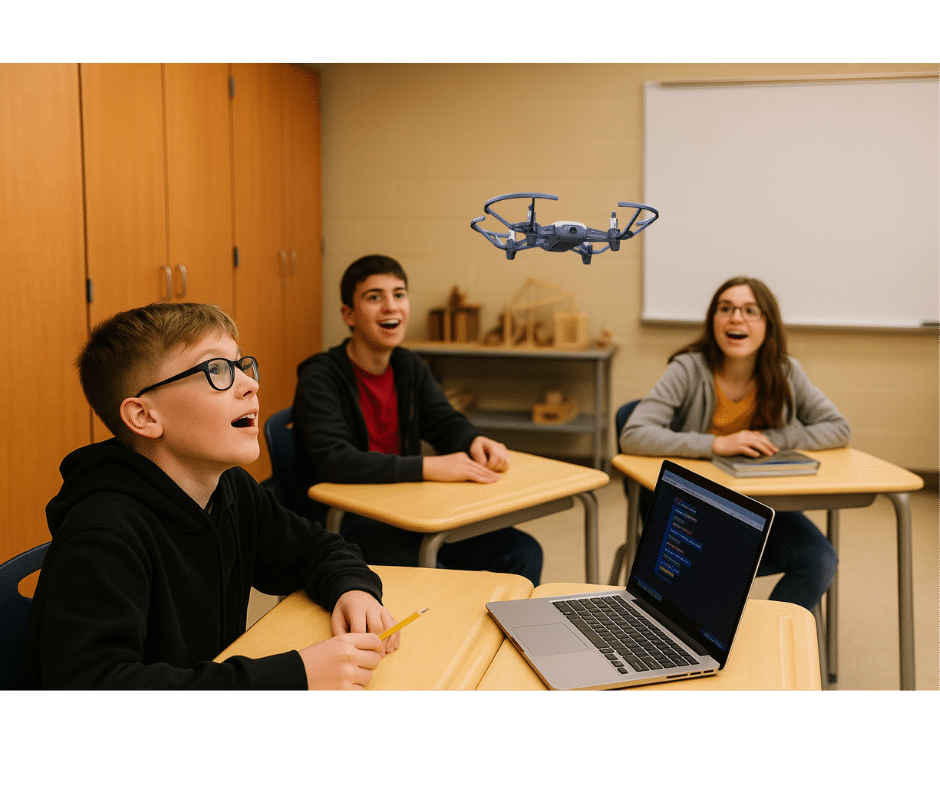
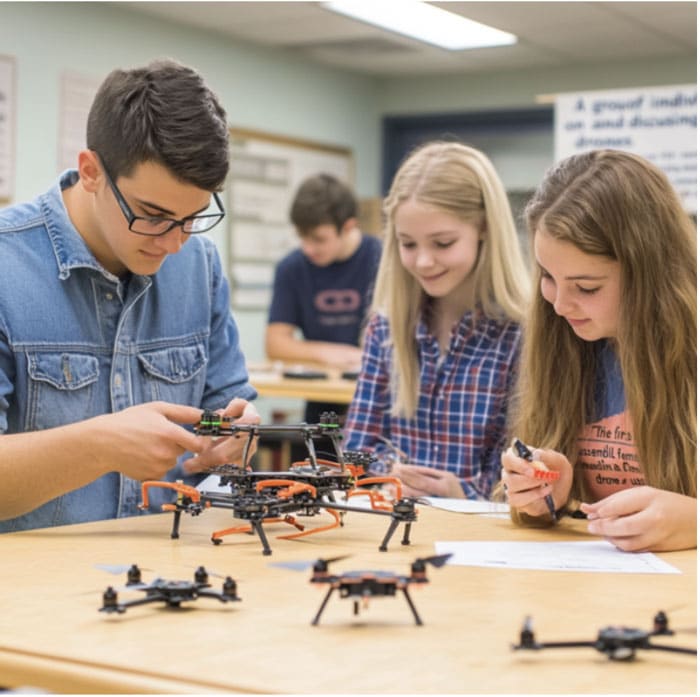
What starts as a classroom project in teaching with robots can connect directly to real-world applications like energy infrastructure, logistics, and construction automation.
Bringing These Concepts into the Classroom
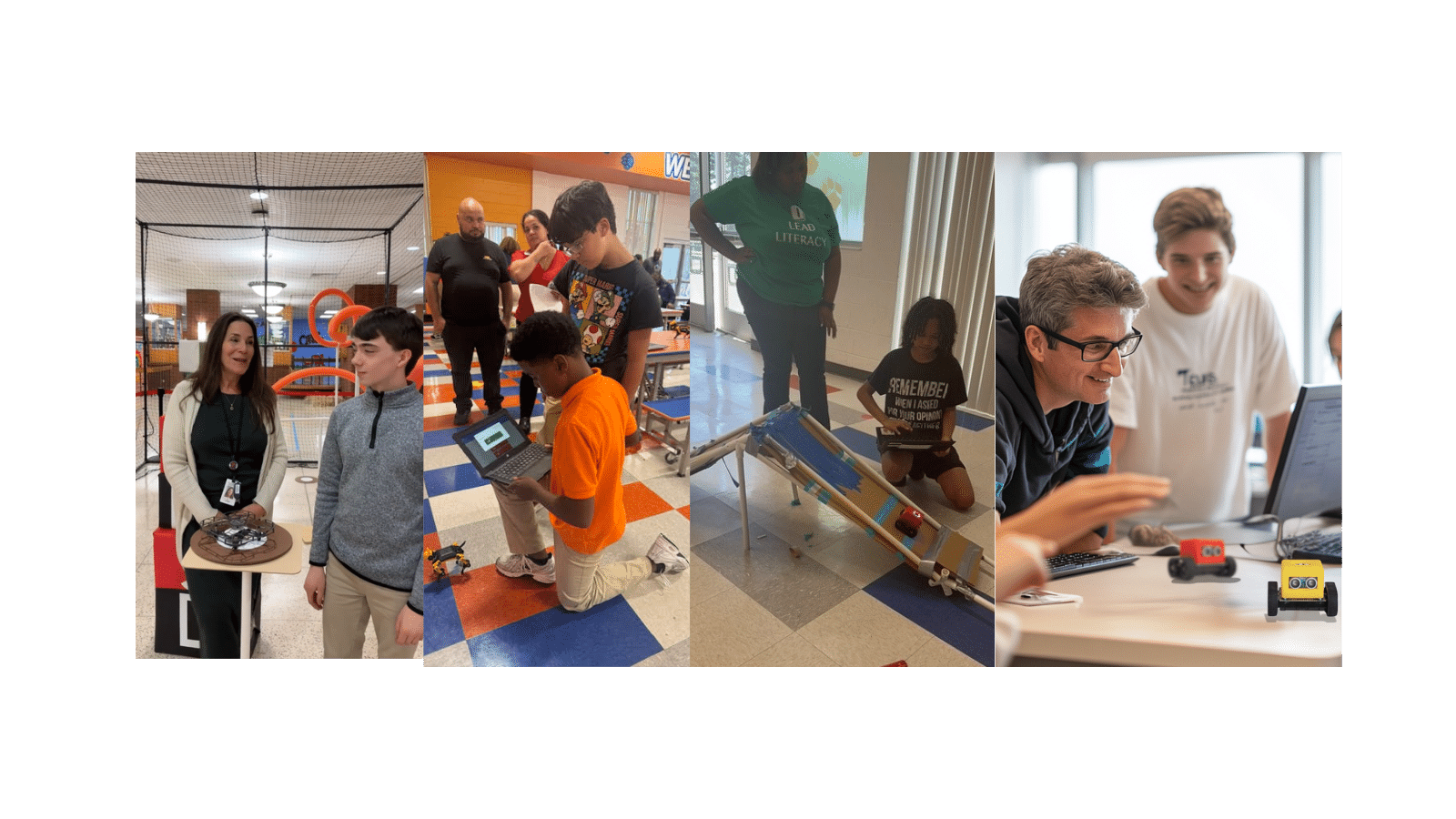
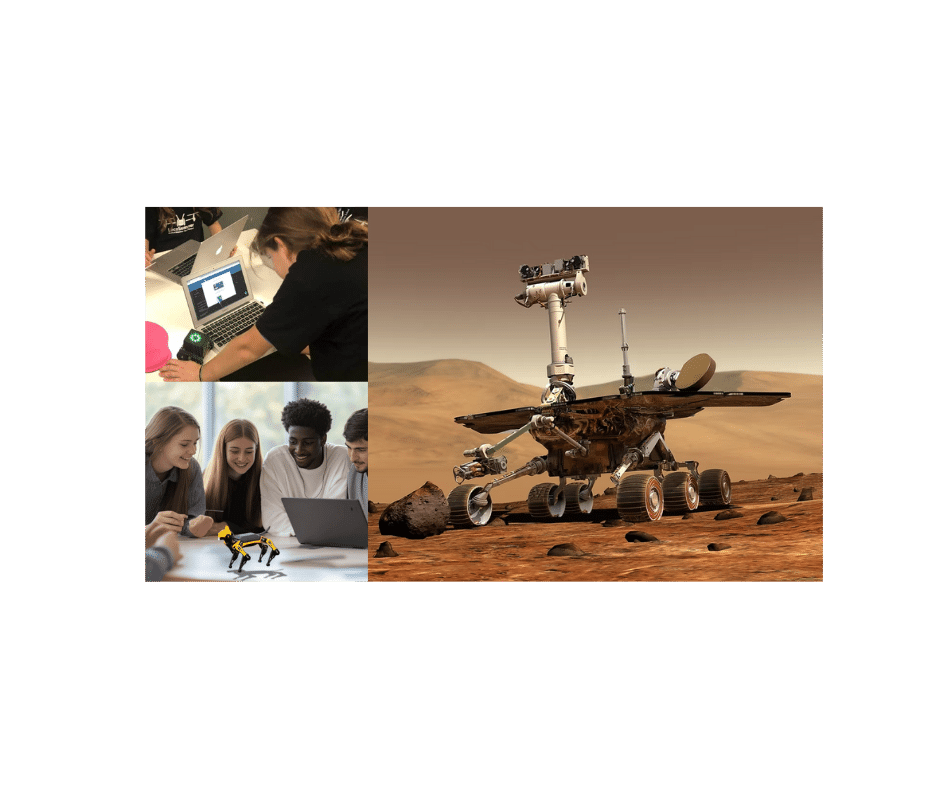
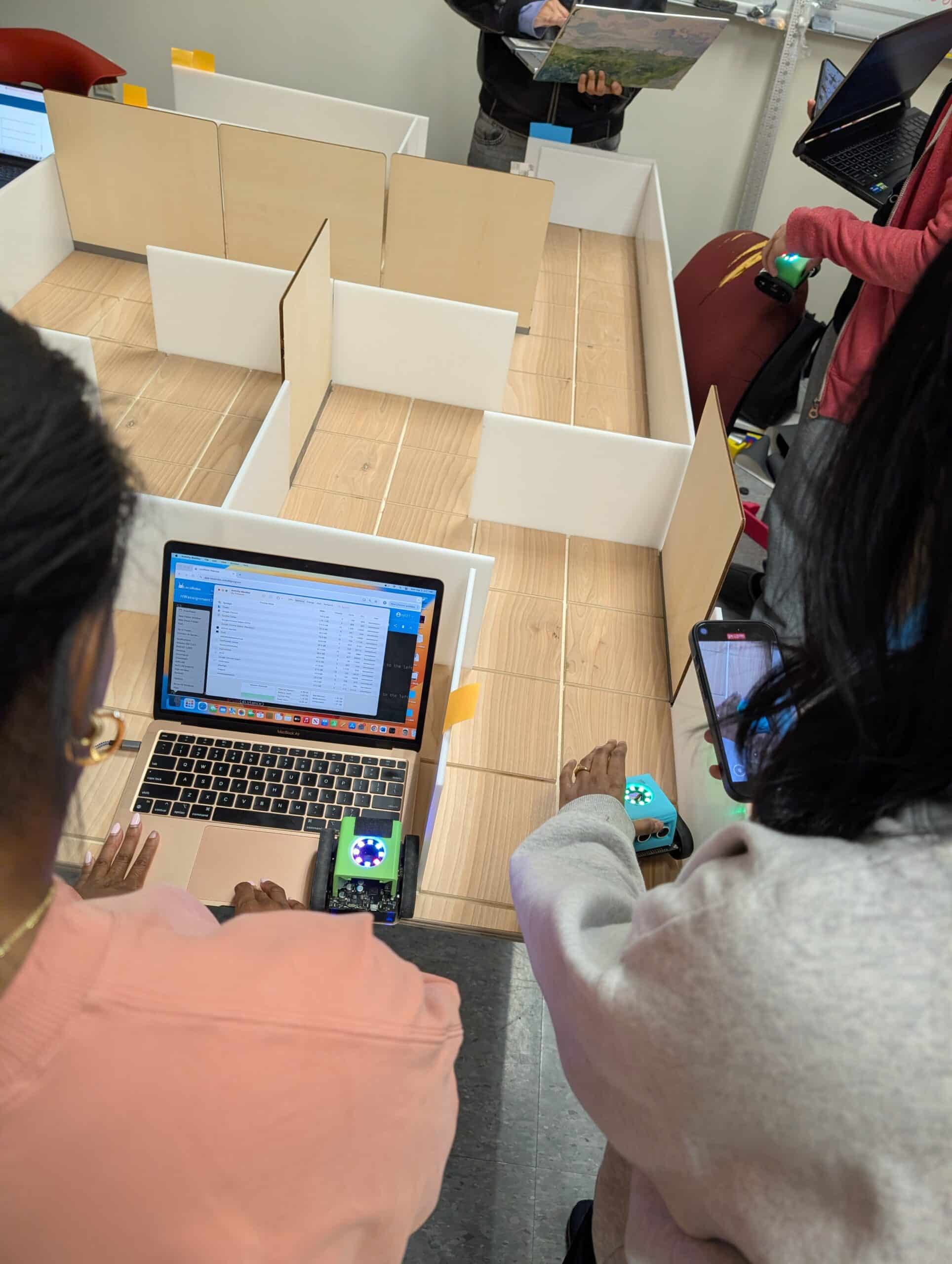
At LocoRobo, our STEM robotics kits are connected to real-world systems that shape industries today.
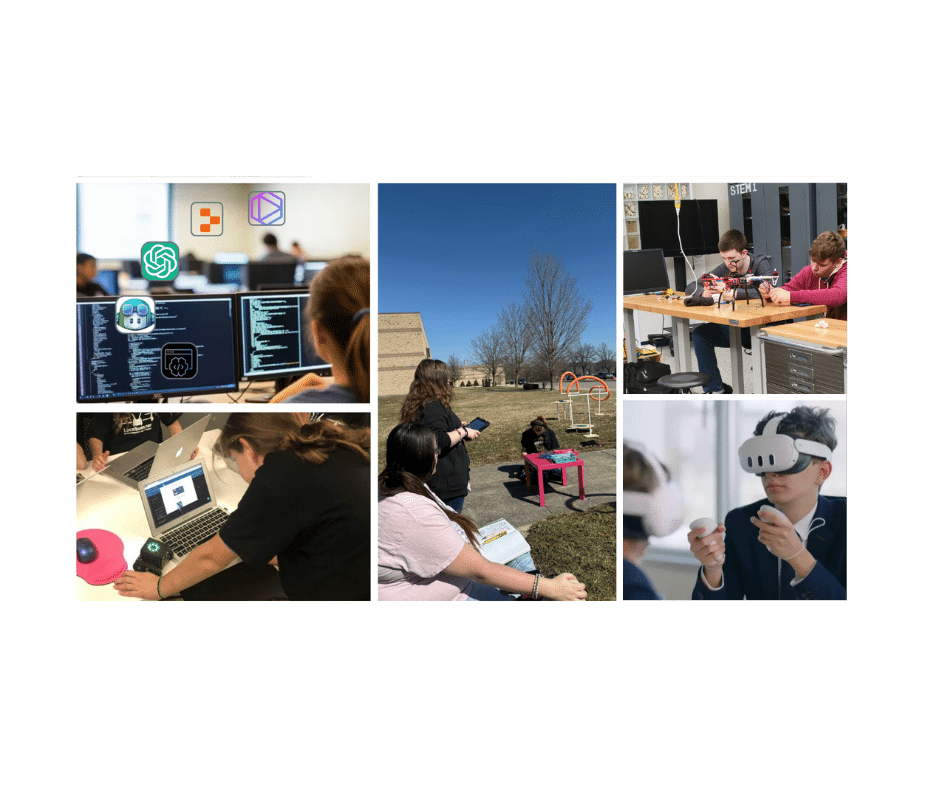
Students can:
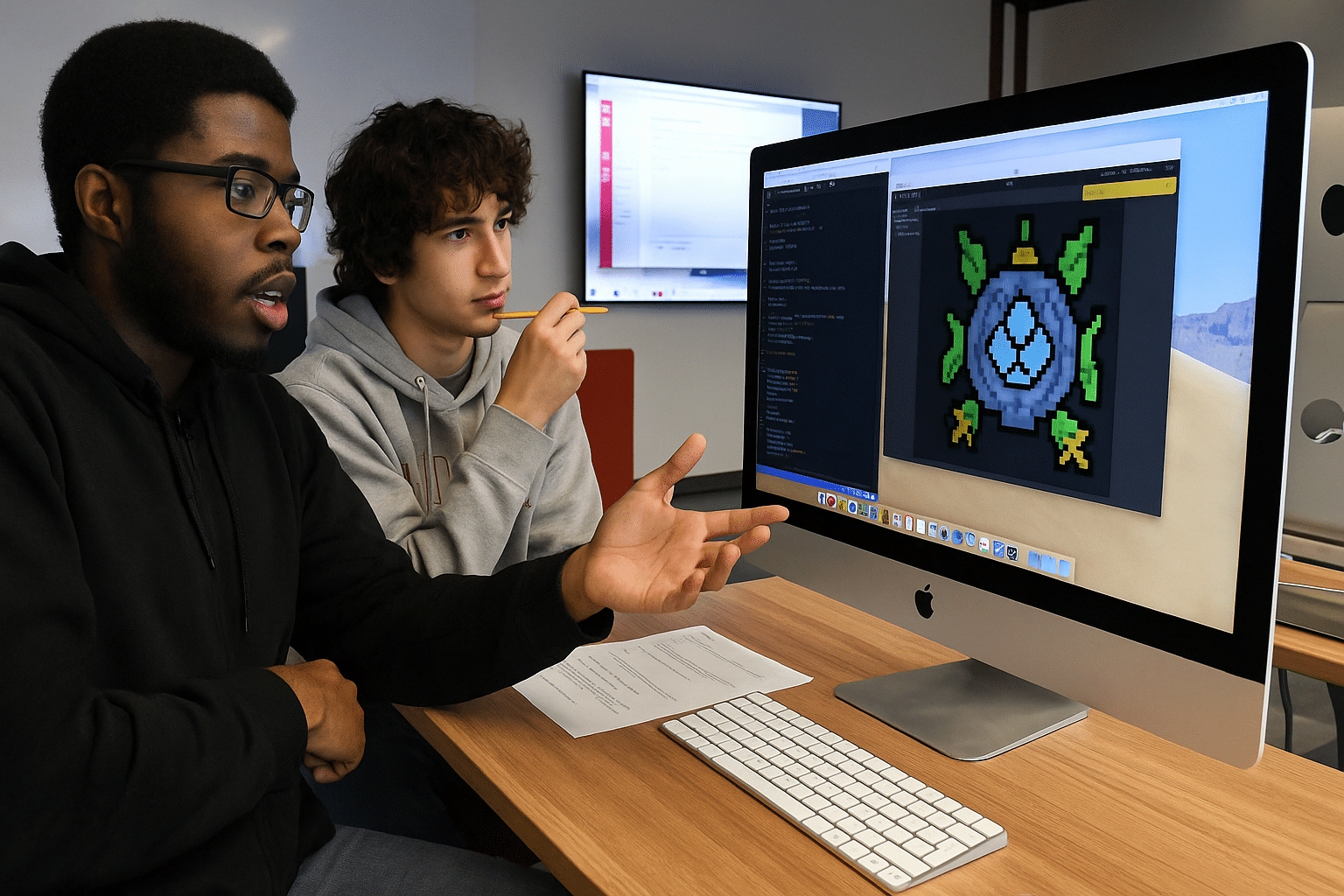
- Program robots to complete structured tasks
- Understand how robotics systems interact with physical environments
- Work with sensors and automation logic
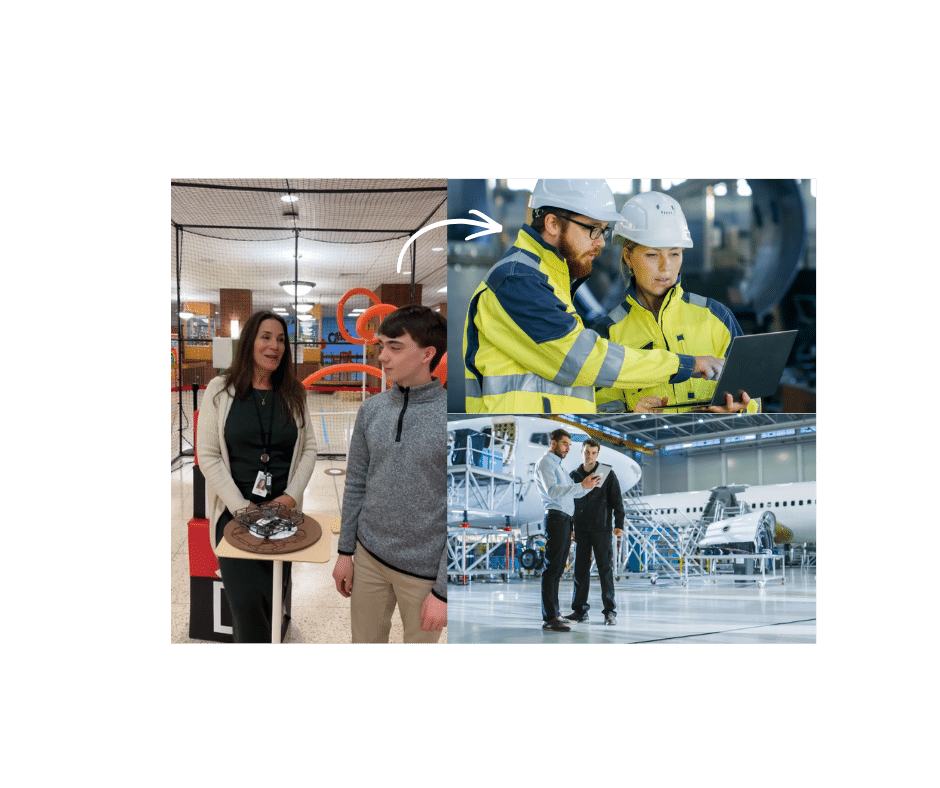
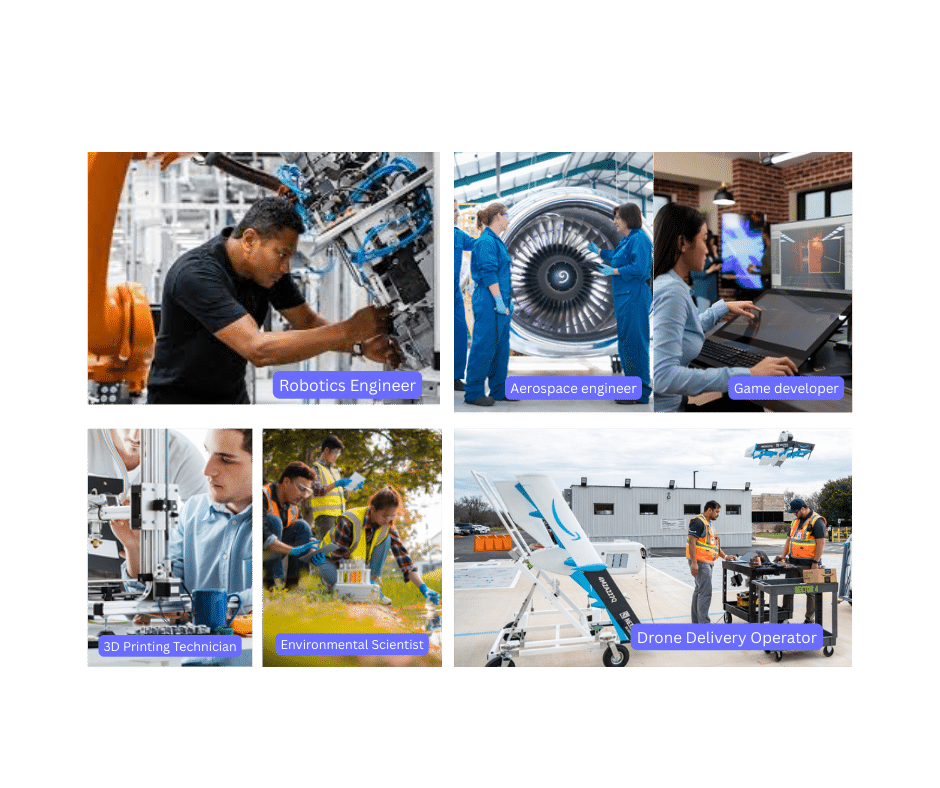
- Explore career pathways in engineering, energy, and automation
These experiences help bridge the gap between learning and application.
Where Robotics Is Headed Next
Autonomous construction is still evolving, but the direction is clear. As robotics systems improve in reliability and scalability, they will become a standard part of how infrastructure is built.
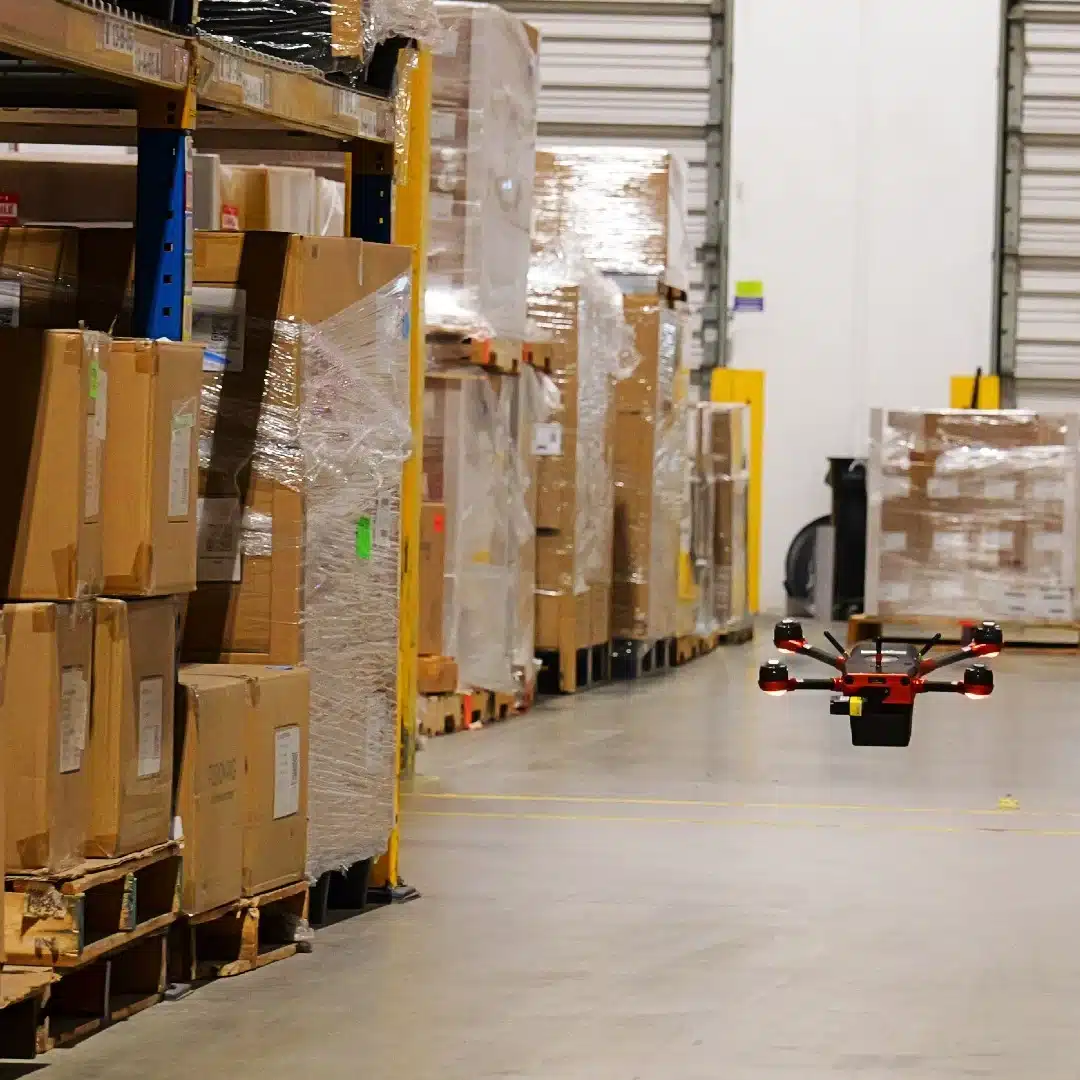
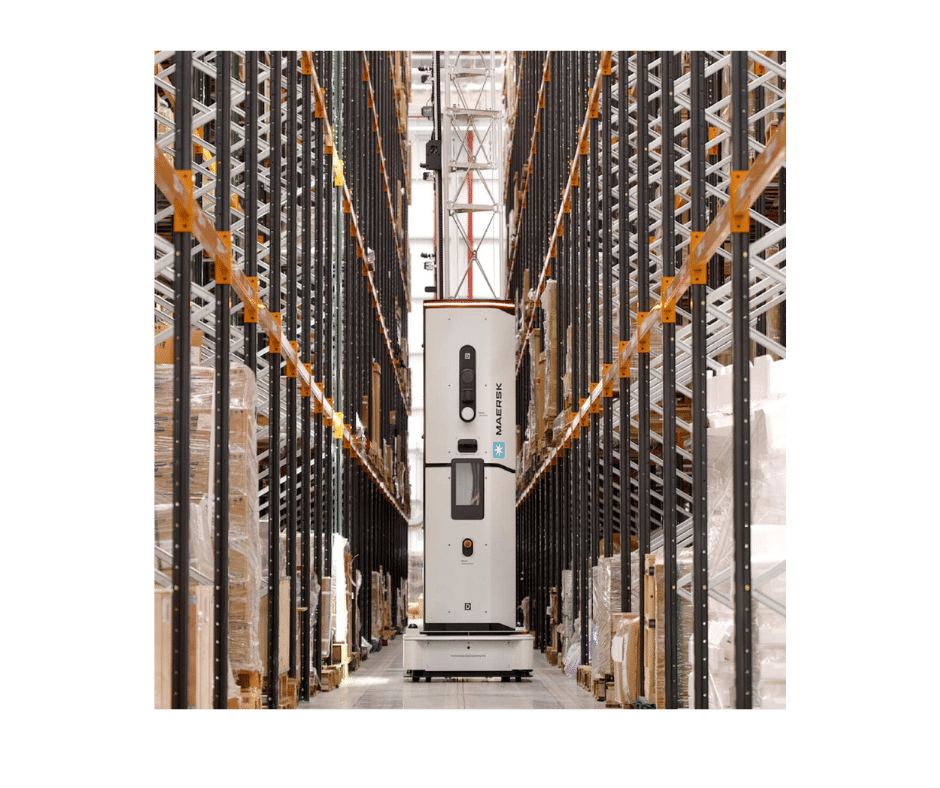
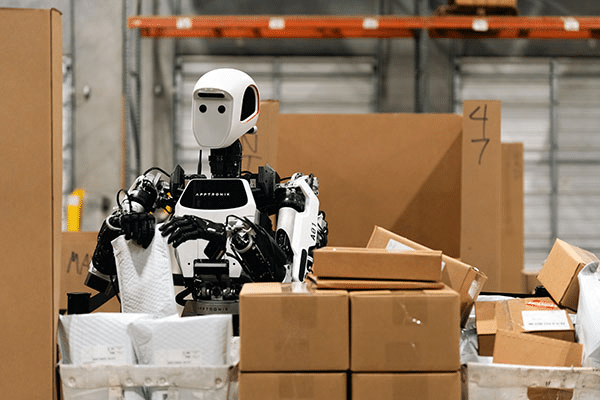
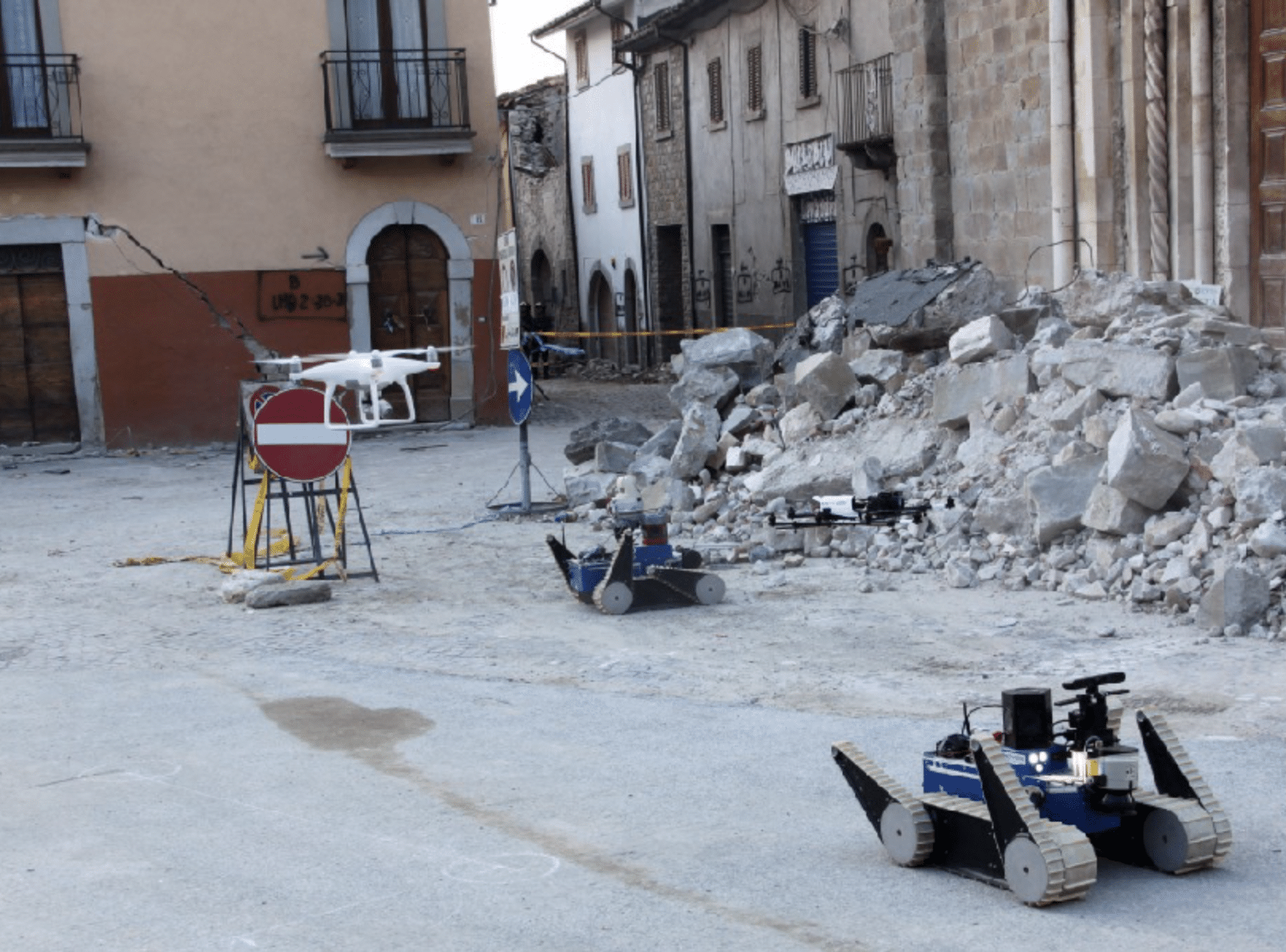
From solar farms to warehouses to smart cities, robotics is moving from controlled environments into large, complex, real-world systems.
For educators, this presents an opportunity: introduce students to these concepts early, and they begin to understand not just how technology works, but where it is being applied.
Explore how LocoRobo’s robotics solutions bring these concepts into your classroom.