

As little as five years ago, humanoid robots were mostly experimental. They walked cautiously, completed tightly scripted demos, and struggled outside controlled environments. Their value was theoretical.
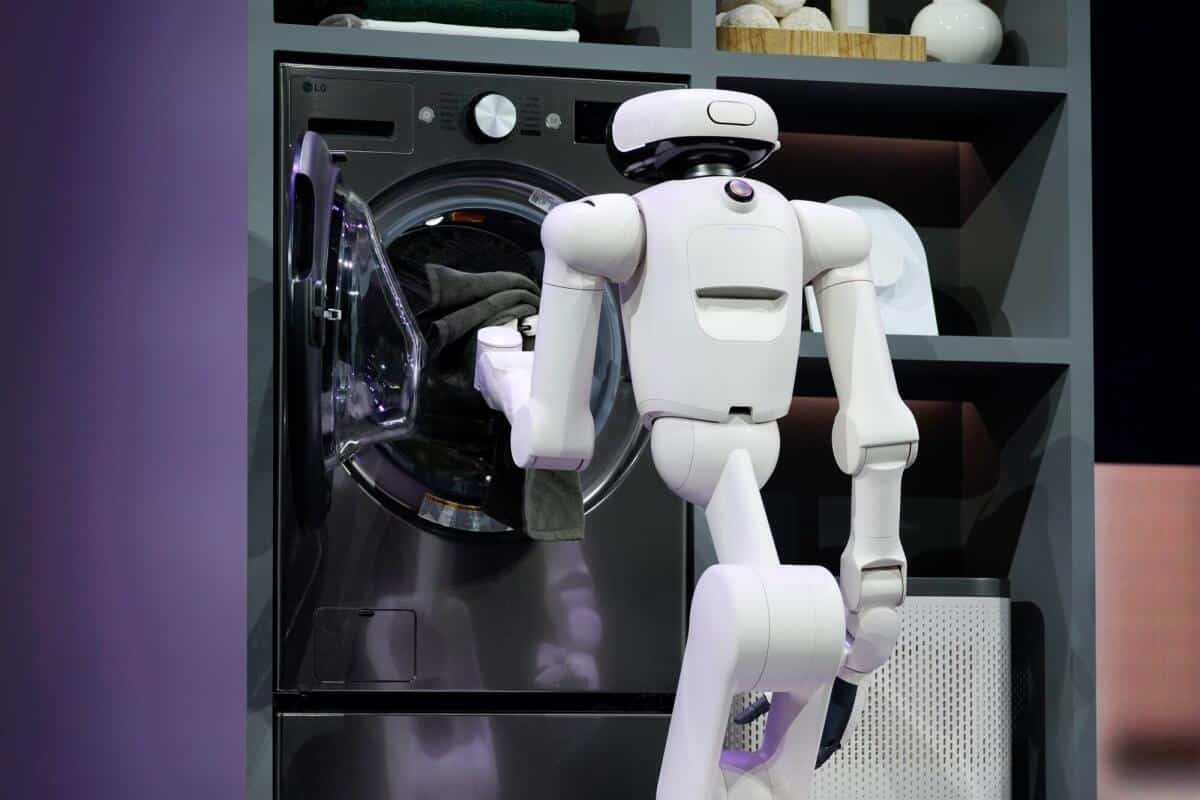
By 2025, humanoid robots are beginning to work in commercial settings because they can now do something earlier systems could not: learn, adapt, and operate safely alongside humans. They are lifting, navigating shared workspaces, sorting, and interacting with people.
The AI Shift That Changed Everything
The most important change is how robots learn.
Earlier robots relied heavily on hand-coded behaviors. Every movement, exception, and failure mode had to be anticipated in advance. Modern humanoids learn through a combination of:
- Deep learning for perception and motion
- Simulation environments that allow millions of training iterations before deployment
- Large language models for reasoning and instruction following
In late 2024, NVIDIA demonstrated this shift by expanding its Isaac Lab robot learning framework with new world-modeling tools and humanoid learning workflows. Instead of programming every task step-by-step, developers train robots to generalize. The robot learns what a tote is, what lifting means, and how its body behaves under load.
This approach allows robots to adapt when something is slightly different than expected, which is essential outside a controlled lab.
Assisting With Repetitive and High-Precision Work
One of the clearest areas where humanoids are being deployed is repetitive, physically demanding, or high-precision tasks.
These include:
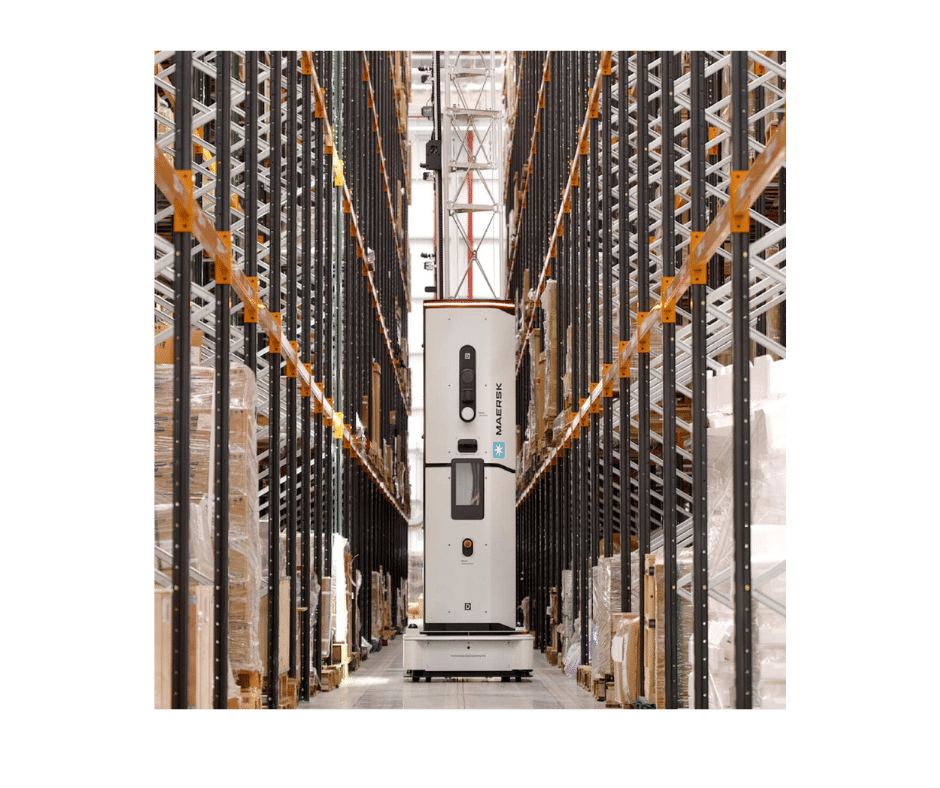
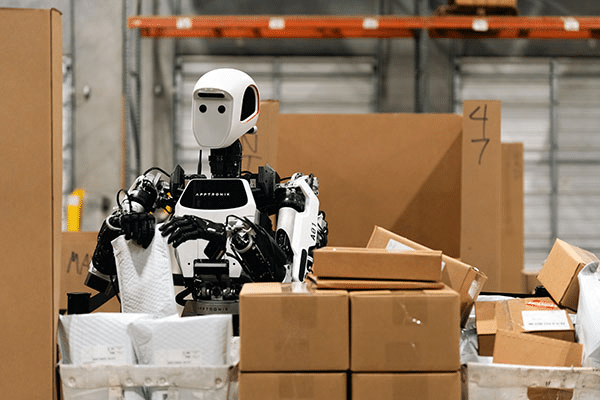
- Tote handling and material movement
- Picking, packing, and kitting
- Repetitive lifting and placement tasks
Humanoids are well-suited for this work because they combine human-scale reach with machine-level consistency. They can repeat tasks without fatigue while maintaining predictable performance.
For example, Agility Robotics has deployed humanoid systems in logistics environments to assist with material handling. These robots operate alongside people, taking on physically demanding tasks while humans focus on coordination and oversight.
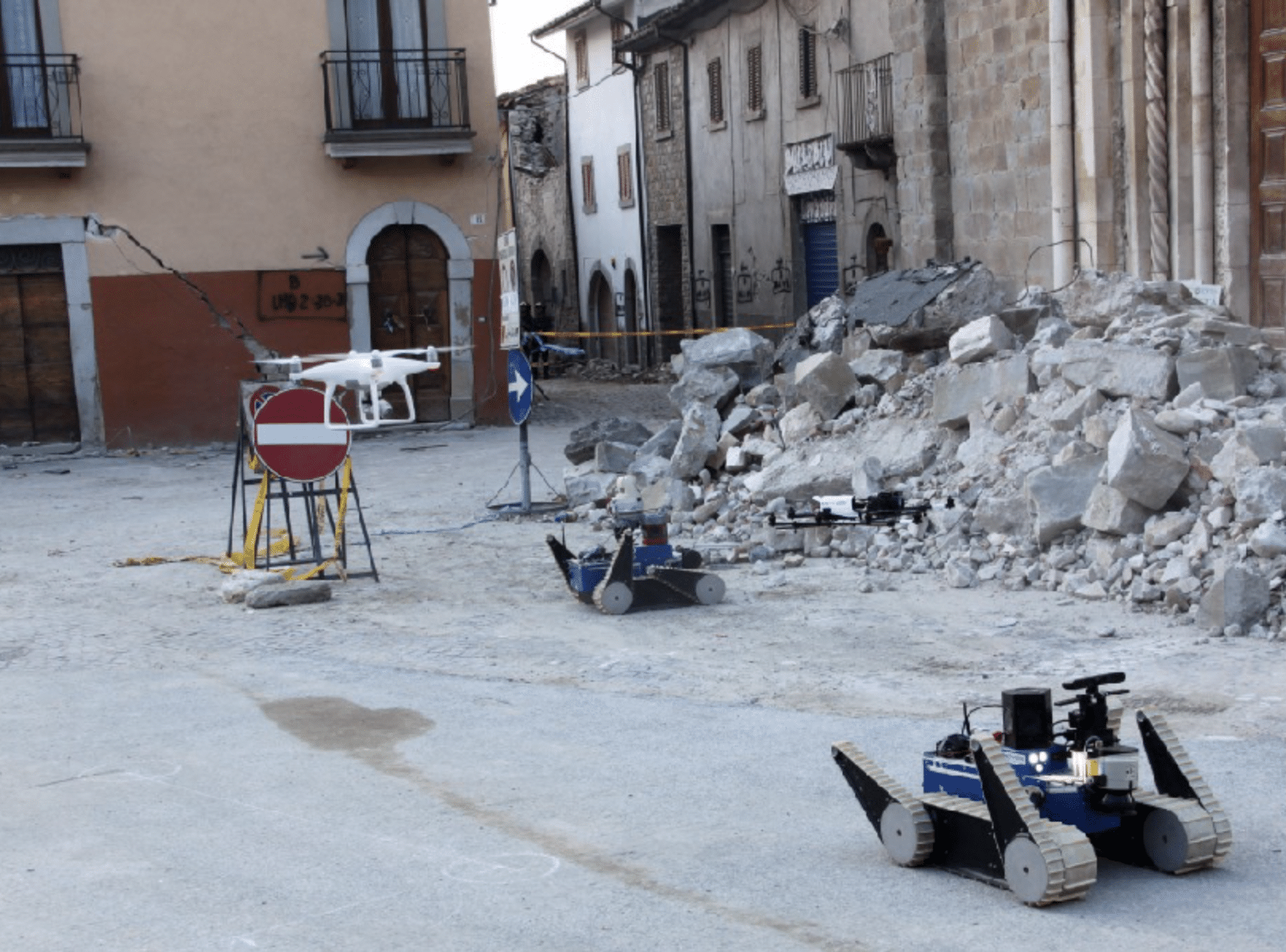
Improving Safety in Hazardous Environments
Another major benefit of humanoid robots is improved workplace safety.
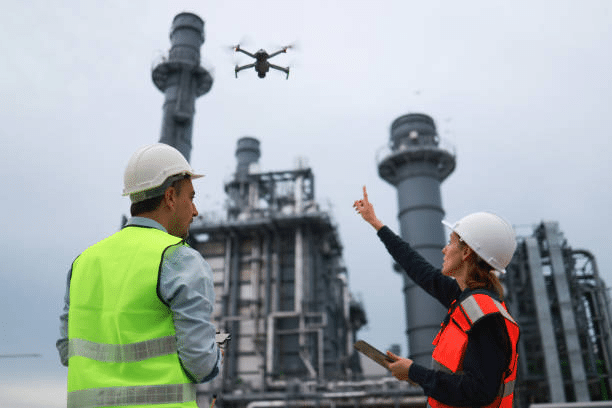
Humanoids are being designed to operate in environments that pose risks to humans, including:
- Industrial settings with heavy equipment
- Areas requiring awkward postures or sustained lifting
- Repetitive tasks that cause strain or injury
Through AI training, robots learn to detect resistance, unexpected contact, and instability. Advanced force sensing and real-time motion control allow them to stop, adjust, or recover safely.
This approach is central to cognitive humanoid systems such as those developed by Neura Robotics, where AI is used to enable robots to understand physical interaction.
Working in Human Spaces Without Redesign
Unlike fixed automation, humanoid robots do not require environments to be rebuilt.
They can:
- Navigate existing walkways and doors
- Move between tasks without retooling entire facilities
- Use shelves, carts, and tools designed for people
This is especially valuable in retail, logistics, and manufacturing environments where workflows evolve frequently. Instead of building new automation for each task, humanoids offer adaptable support.
Electric humanoid platforms such as the commercialized Atlas system from Boston Dynamics reflect this shift toward adaptable, human-compatible robotics rather than rigid automation.
Extending Assistance Beyond Industrial Work
While early deployments focus on industry, humanoid robots are also being developed to support quality of life in non-industrial environments.
With improvements in language understanding, perception, and task sequencing, humanoids are beginning to:
- Follow spoken instructions
- Perform multi-step assistance tasks
- Adapt behavior based on human feedback
AI-trained humanoids such as the Dr.01 system from Deep Robotics are being positioned to assist humans with repetitive, high-precision tasks, improve safety, enhance productivity, and support everyday environments.
What This Shift Means for Robotics in Education
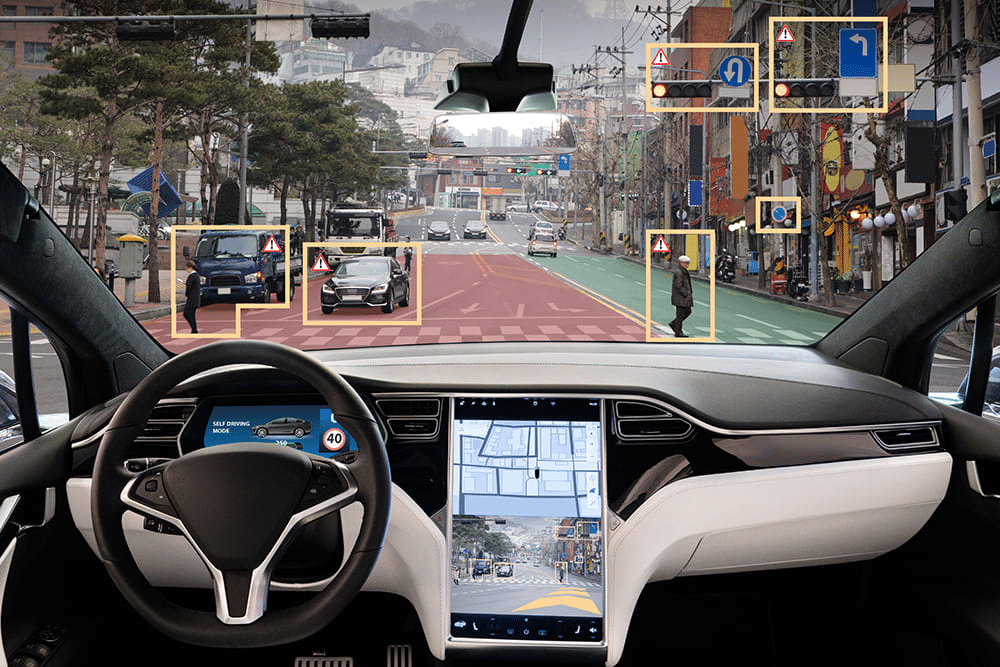
The rise of commercially viable humanoids highlights a broader reality: modern robotics is systems-driven.
Today’s robots combine:
- Sensors and perception
- AI-based reasoning
- Motion and mechanical control
- Human-robot interaction
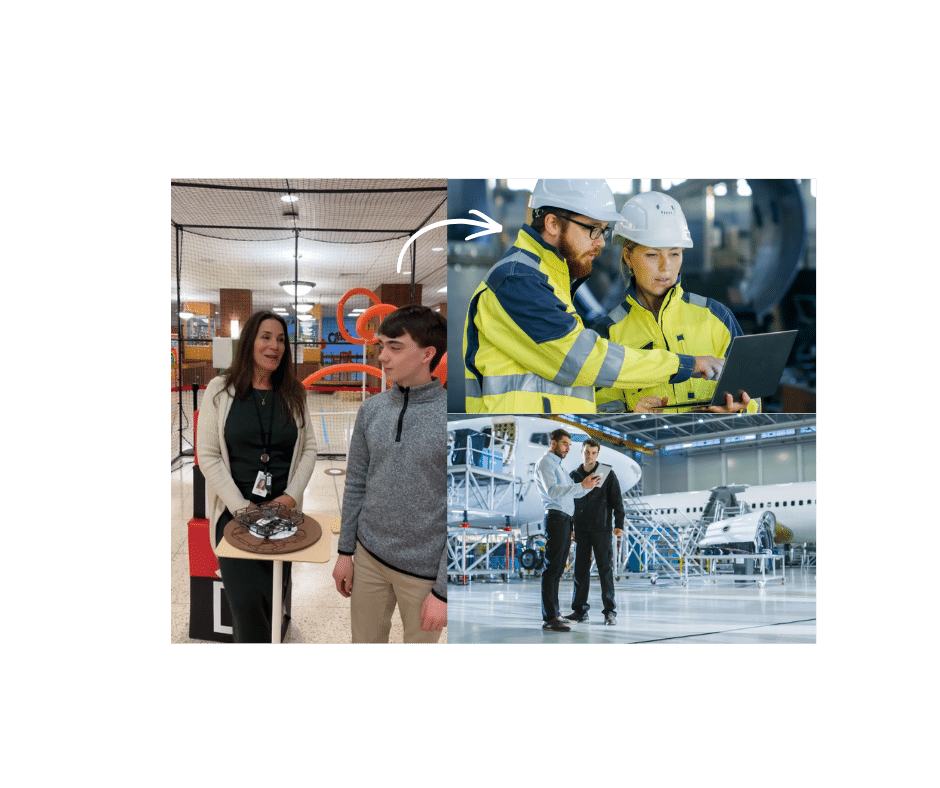
Students preparing for careers in robotics, automation, or AI will need to understand how these elements work together, not in isolation.
How LocoRobo Prepares Students for the Real World
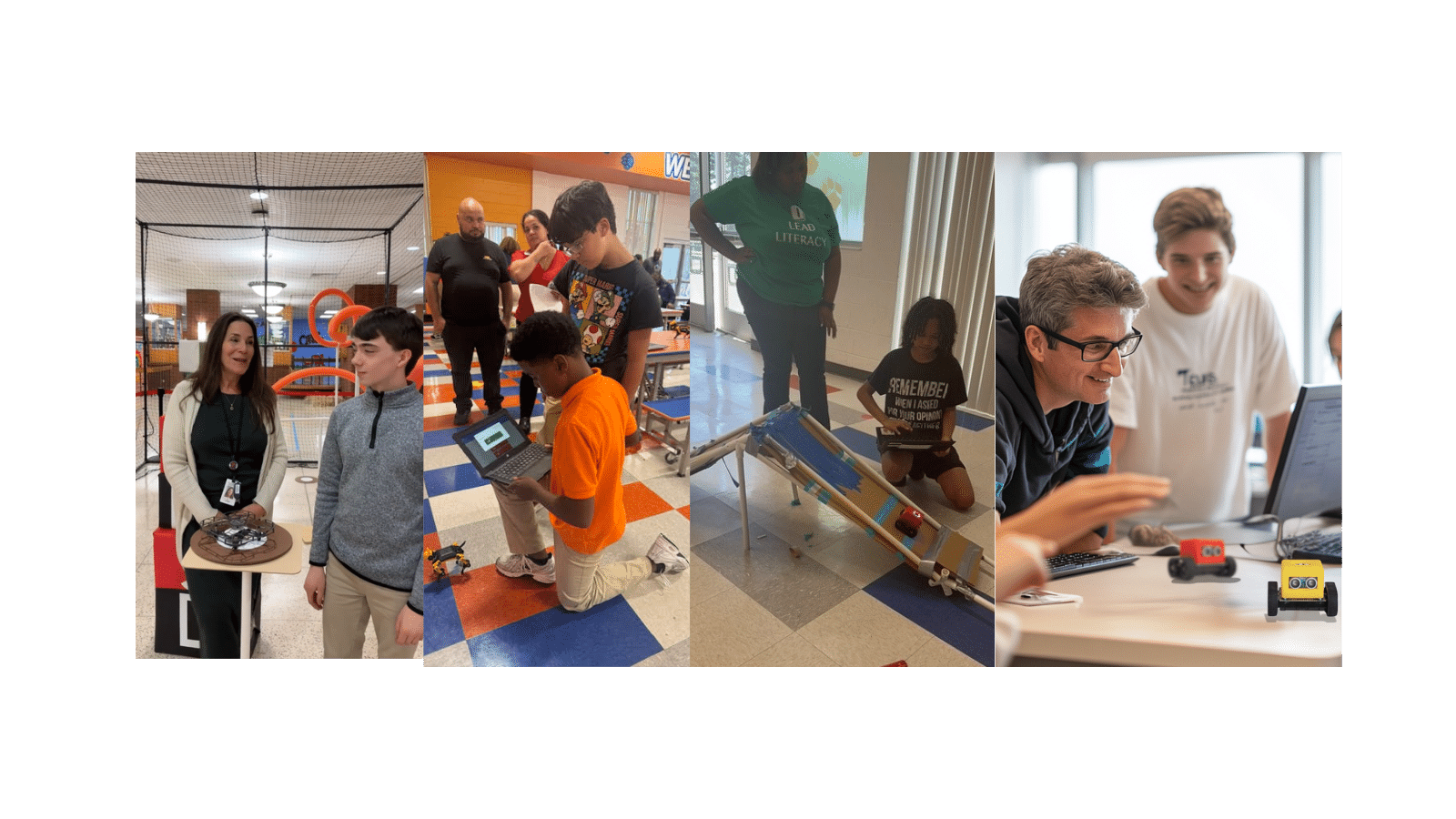
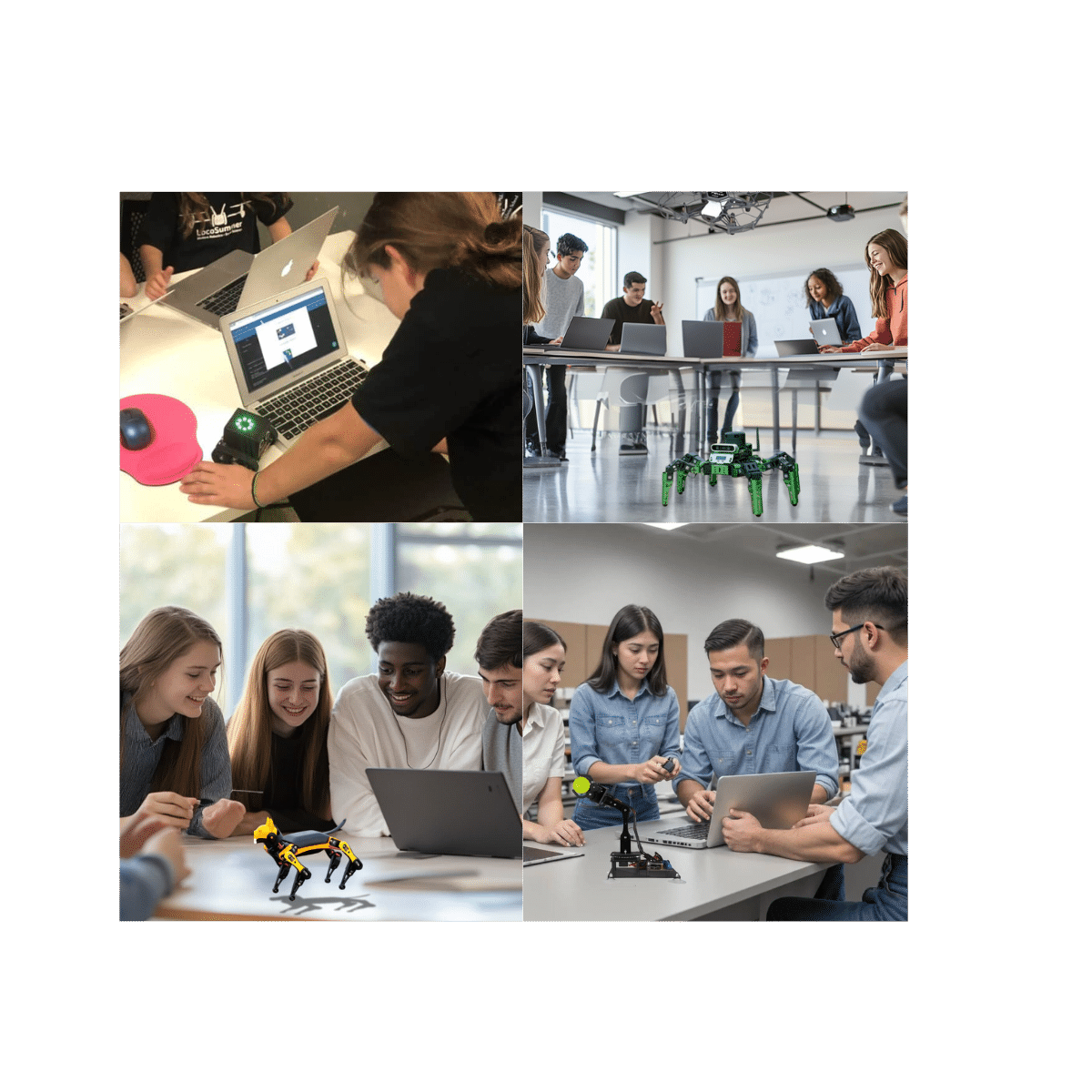
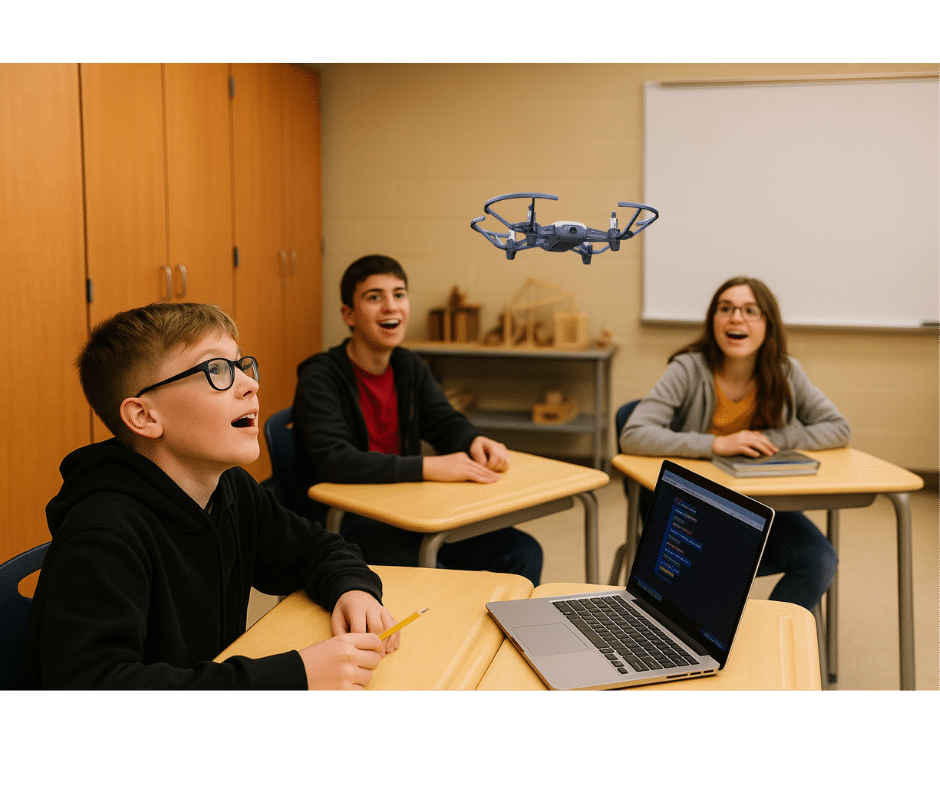
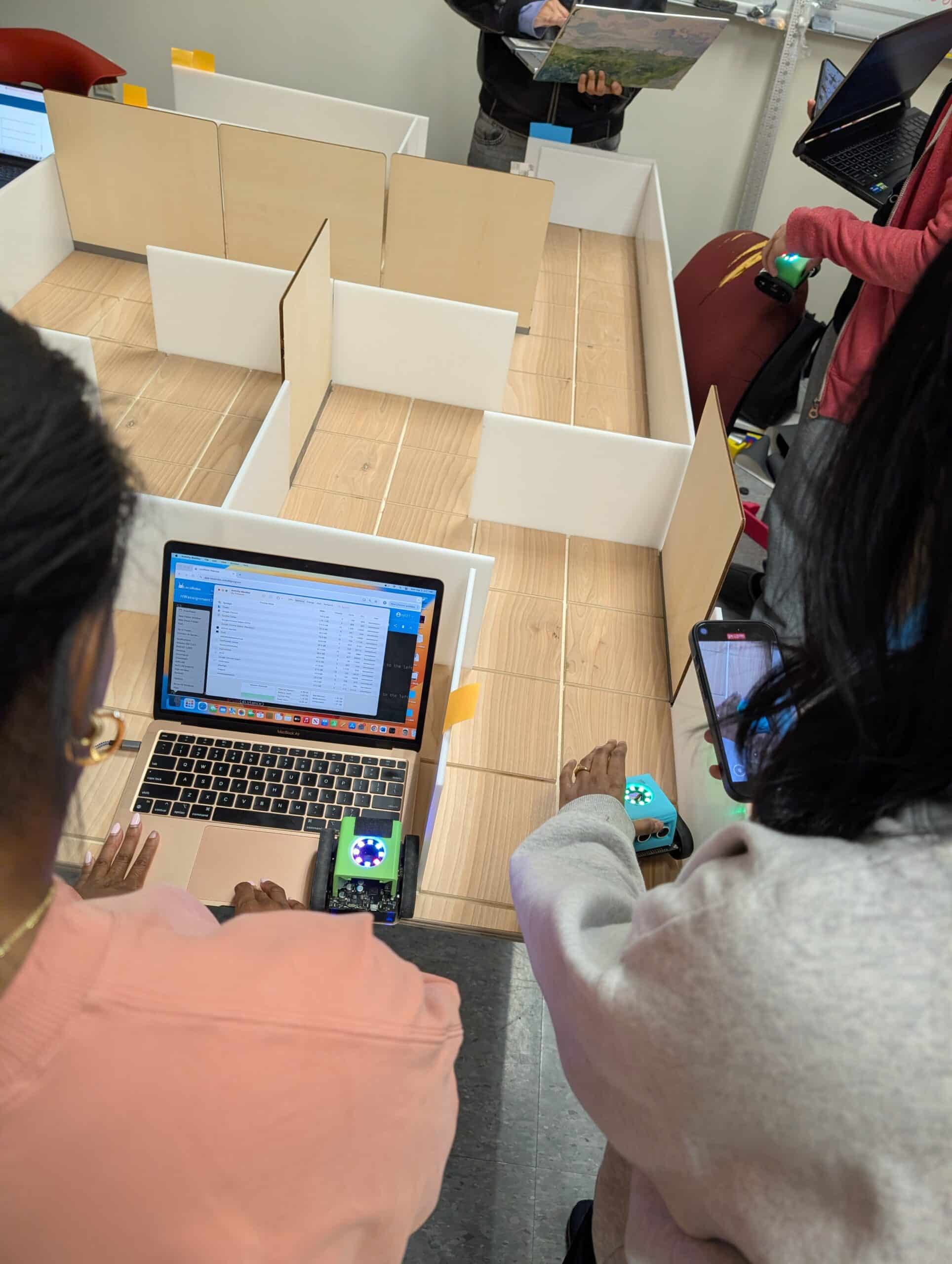
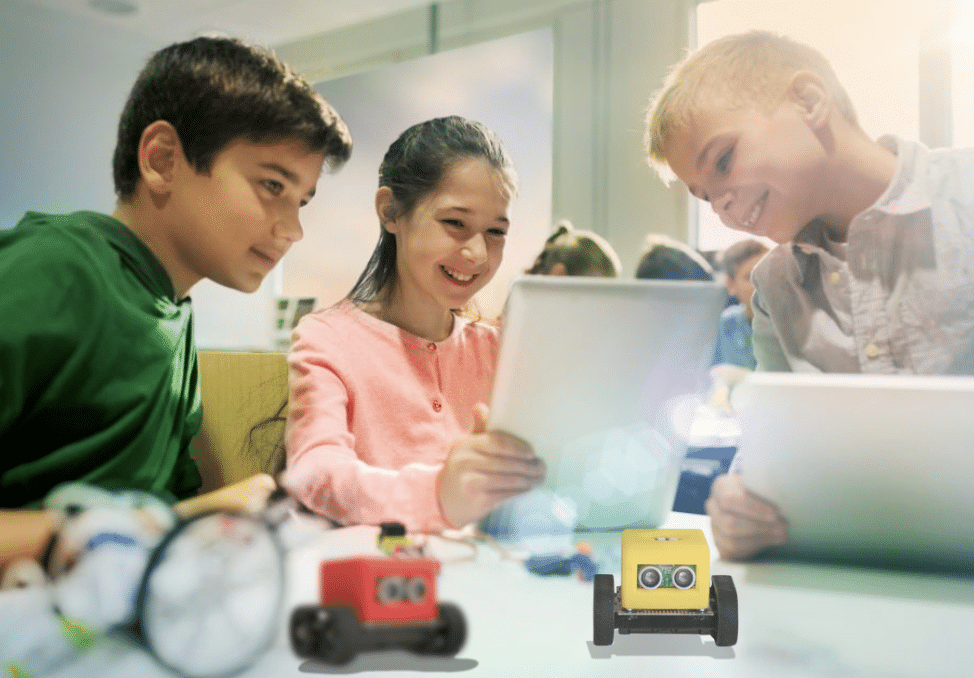
At LocoRobo, our K12 robotics solutions are designed to reflect how modern robots actually operate.
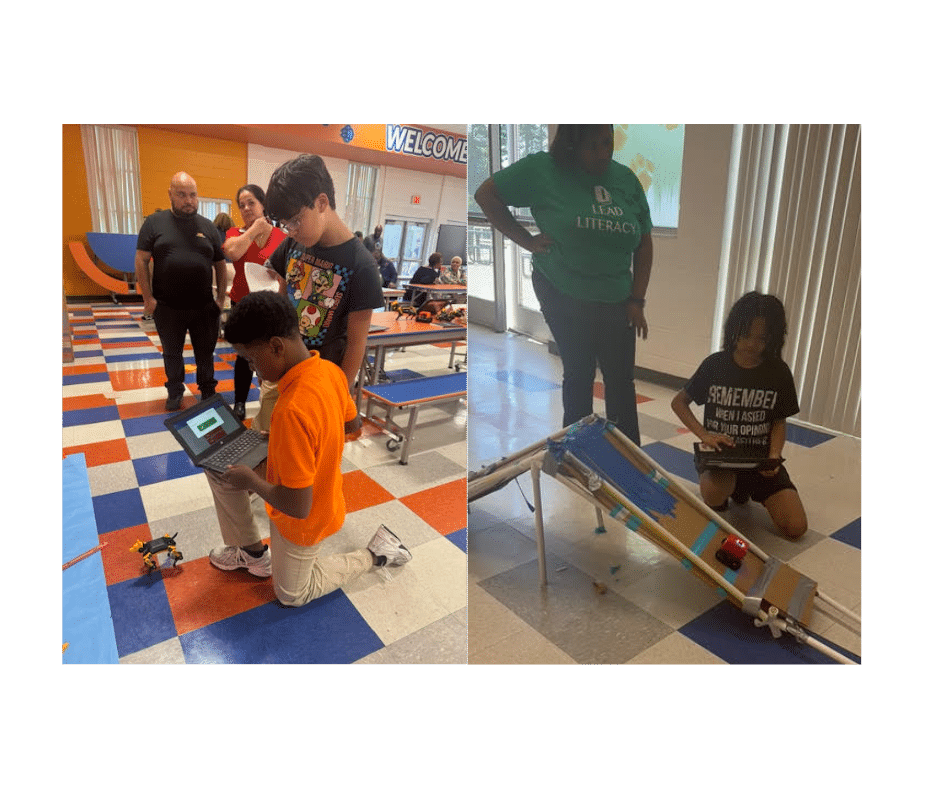
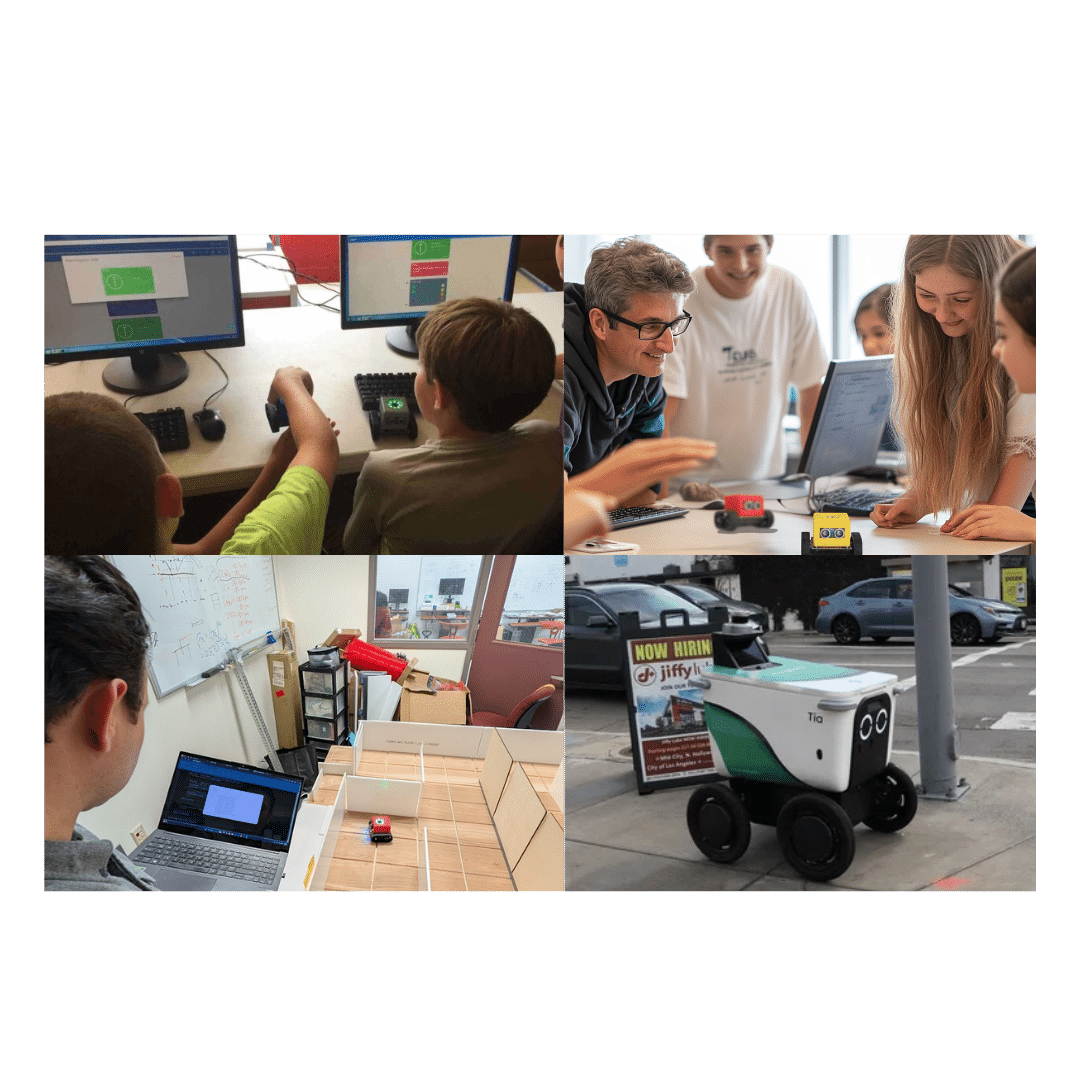
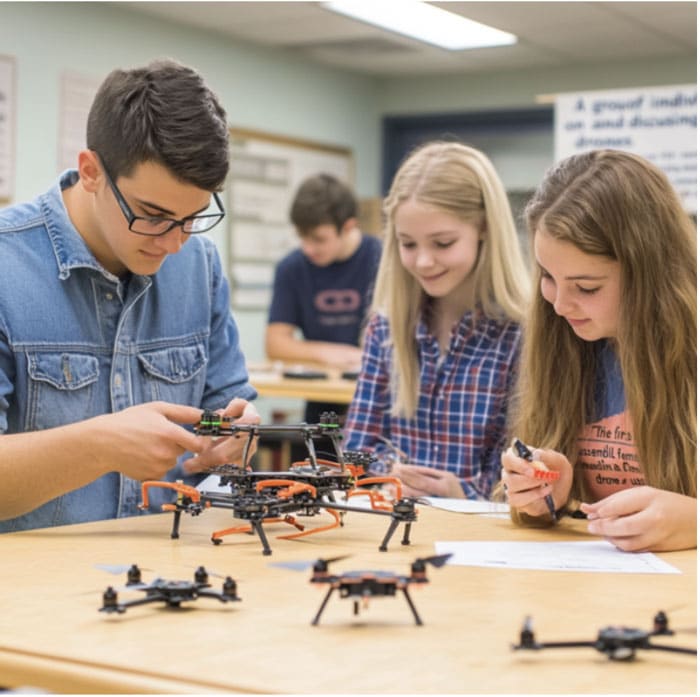
With our Codable robots, students learn through hands-on experiences that emphasize:
- Sensor-driven decision making
- Step-by-step problem solving
- Debugging physical behavior, not just code
- Understanding how robots interact with real environments
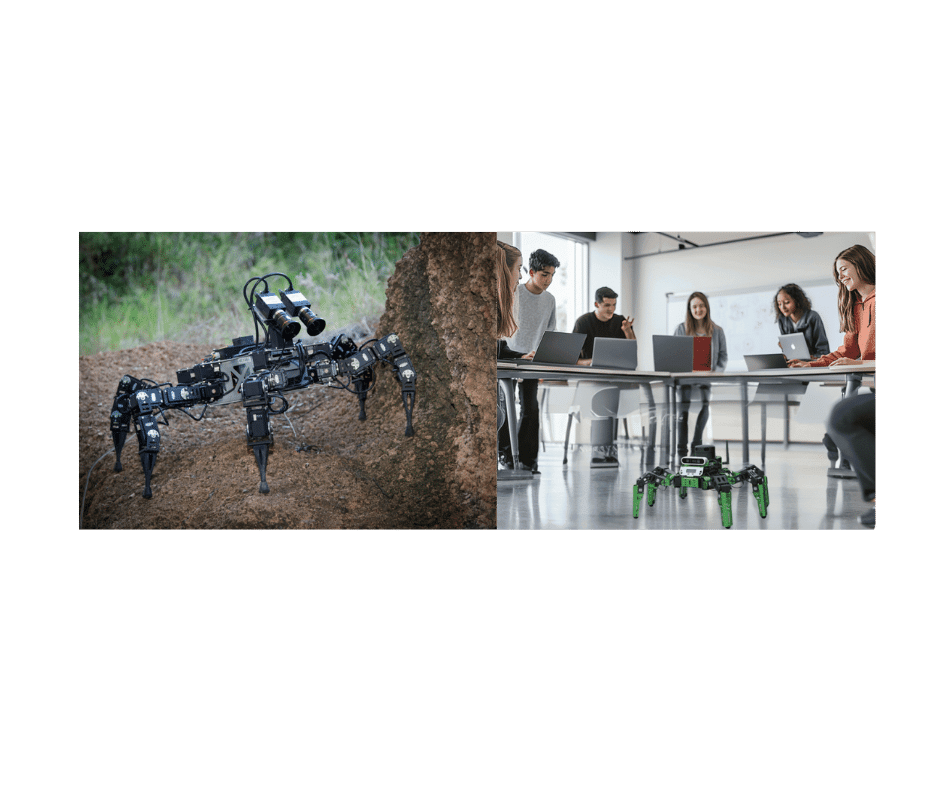
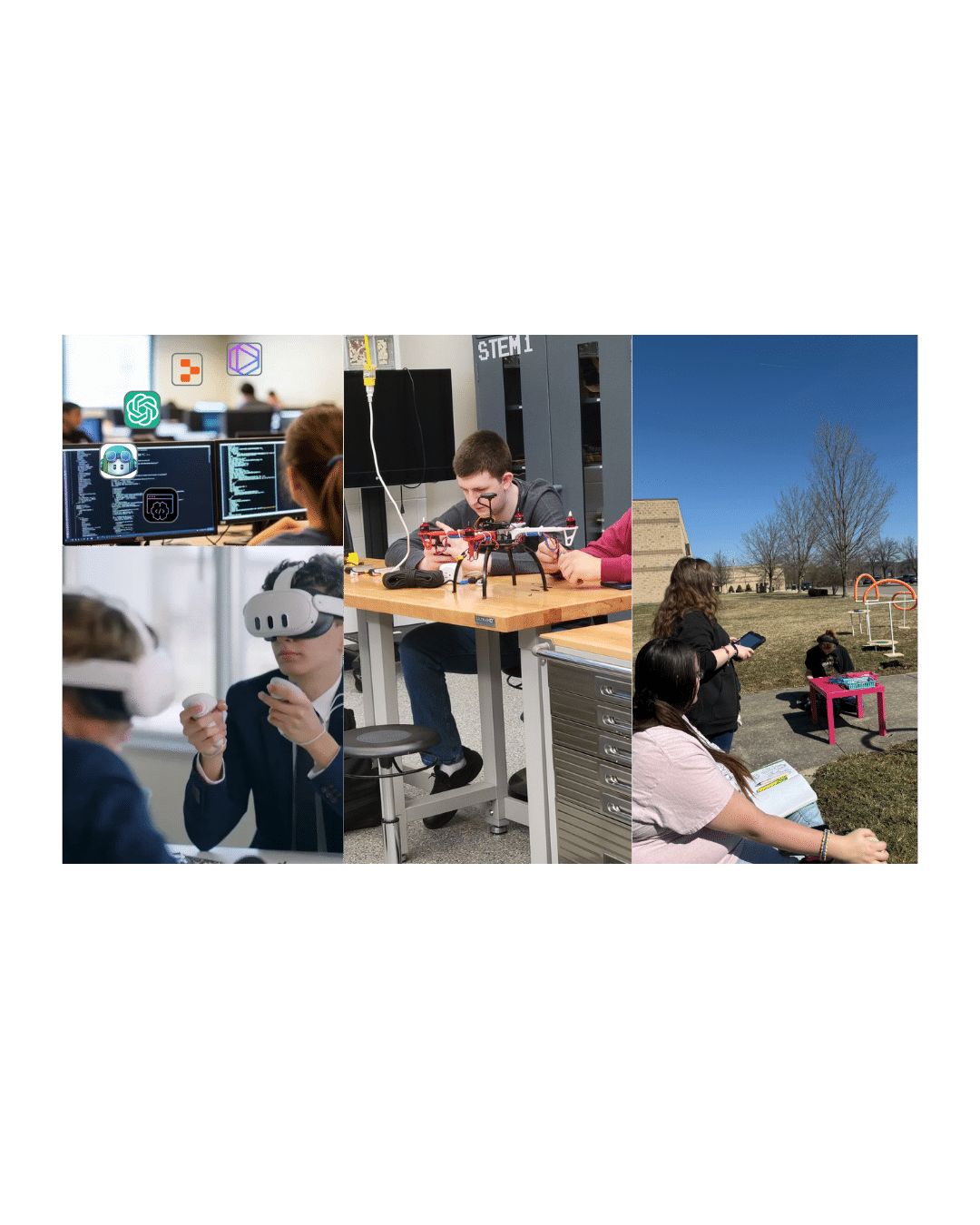
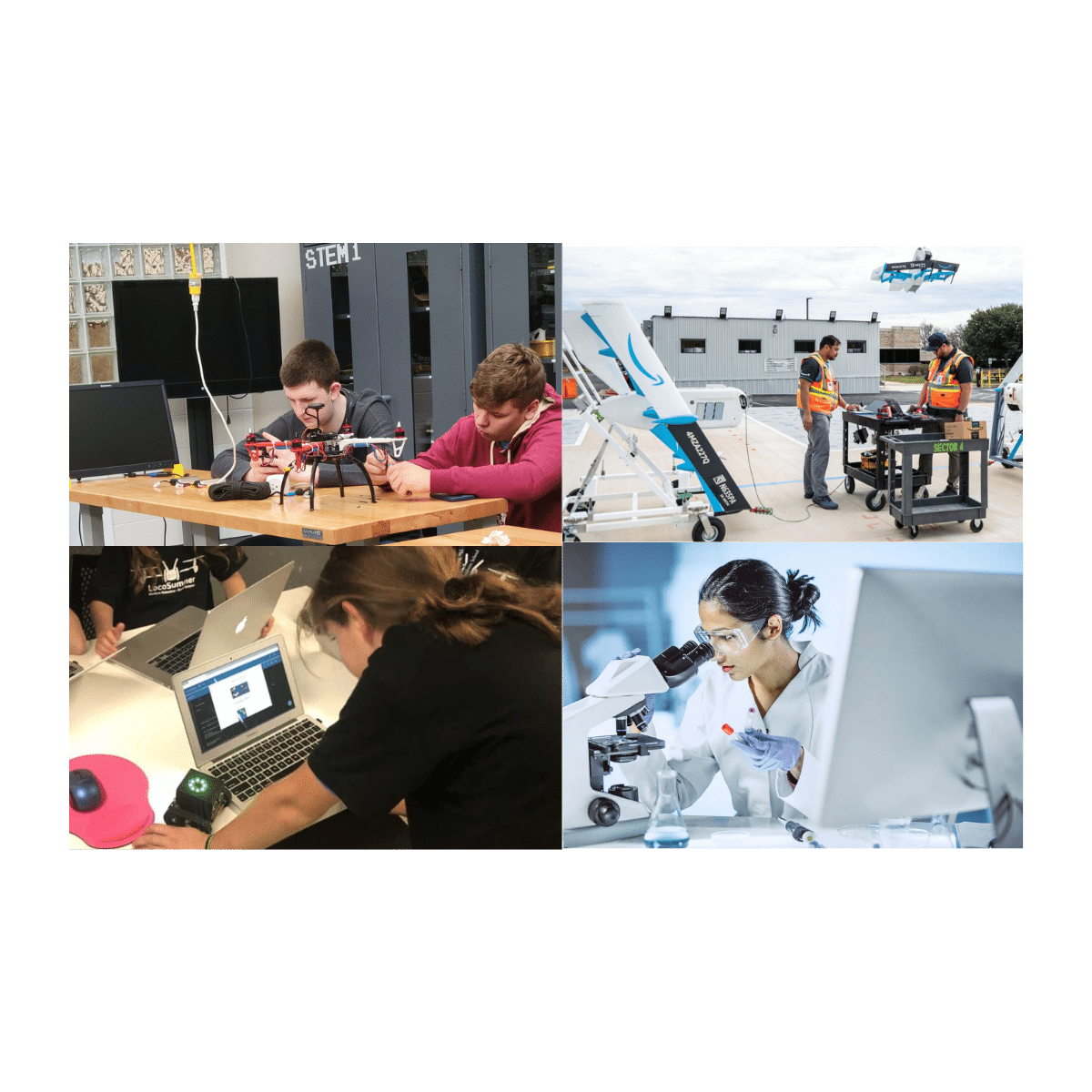
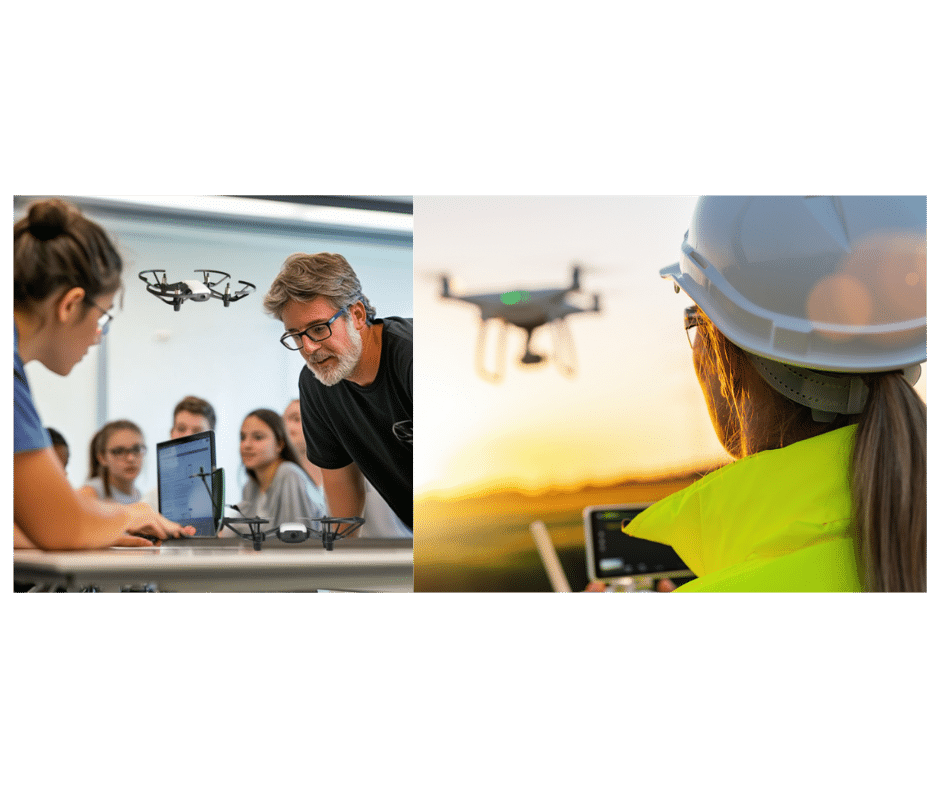
The same principles that allow humanoid robots to improve safety, productivity, and quality of life are present in classroom-scale robotics kits. By working with physical robots early, students build the foundational understanding behind today’s robotics breakthroughs.
LocoRobo helps students understand technology by letting them build, test, and learn from it directly. Explore LocoRobo’s STEM robotics kits to learn more.