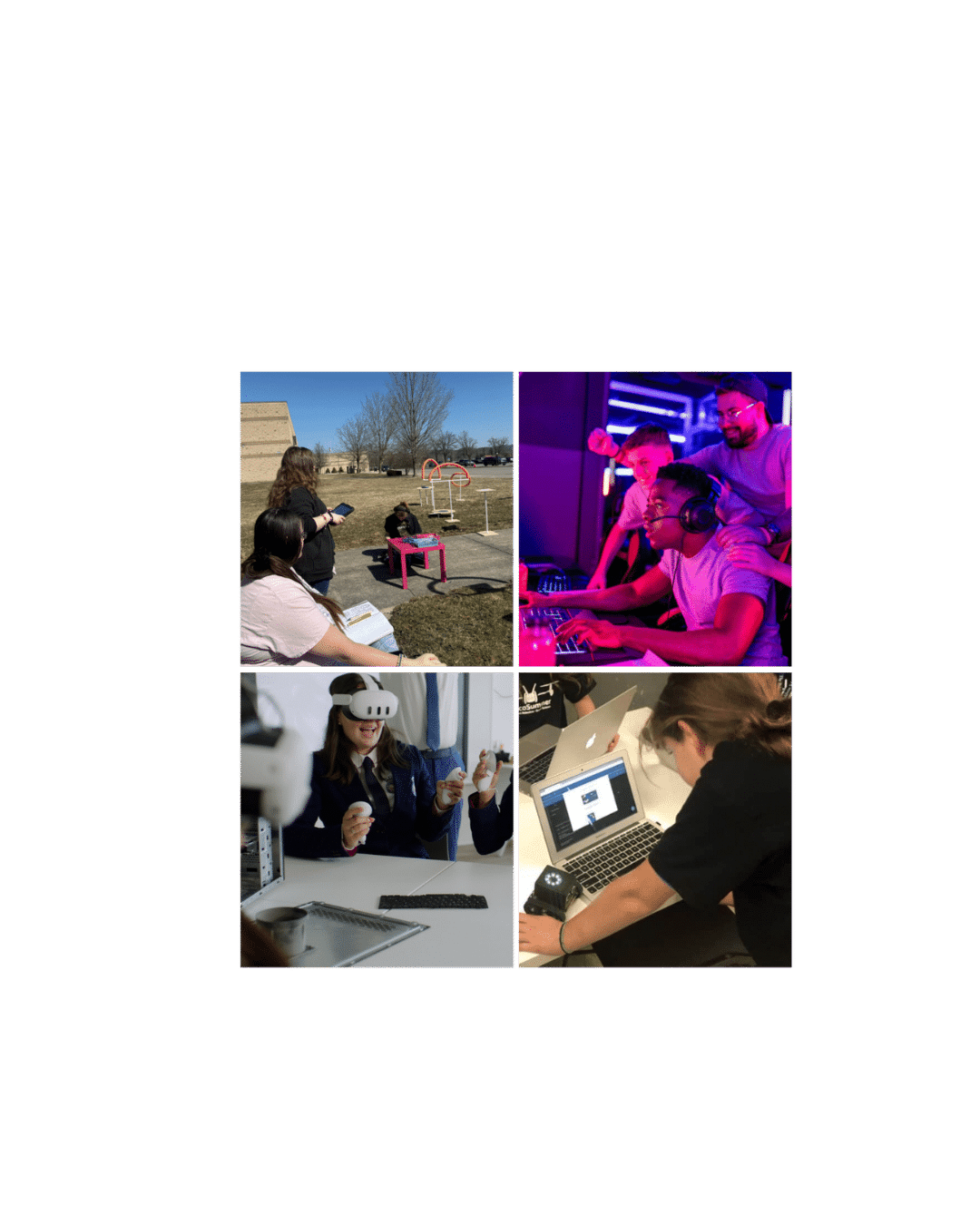


Career pathways are everywhere right now. The harder question for educators is what actually fits their classroom, students, and time.
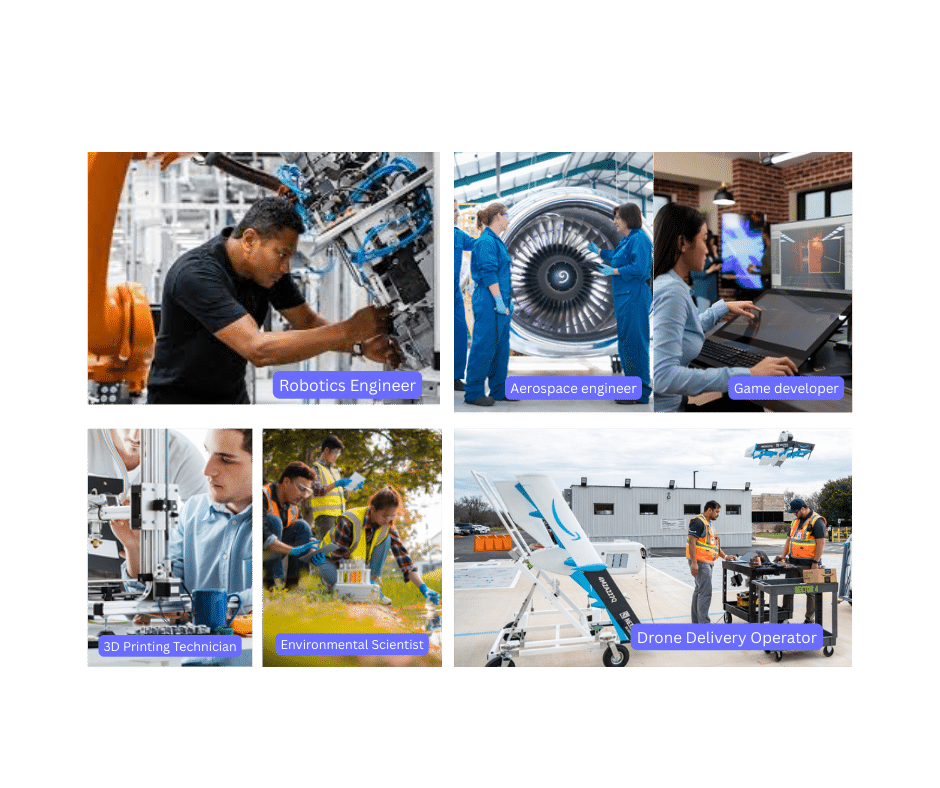
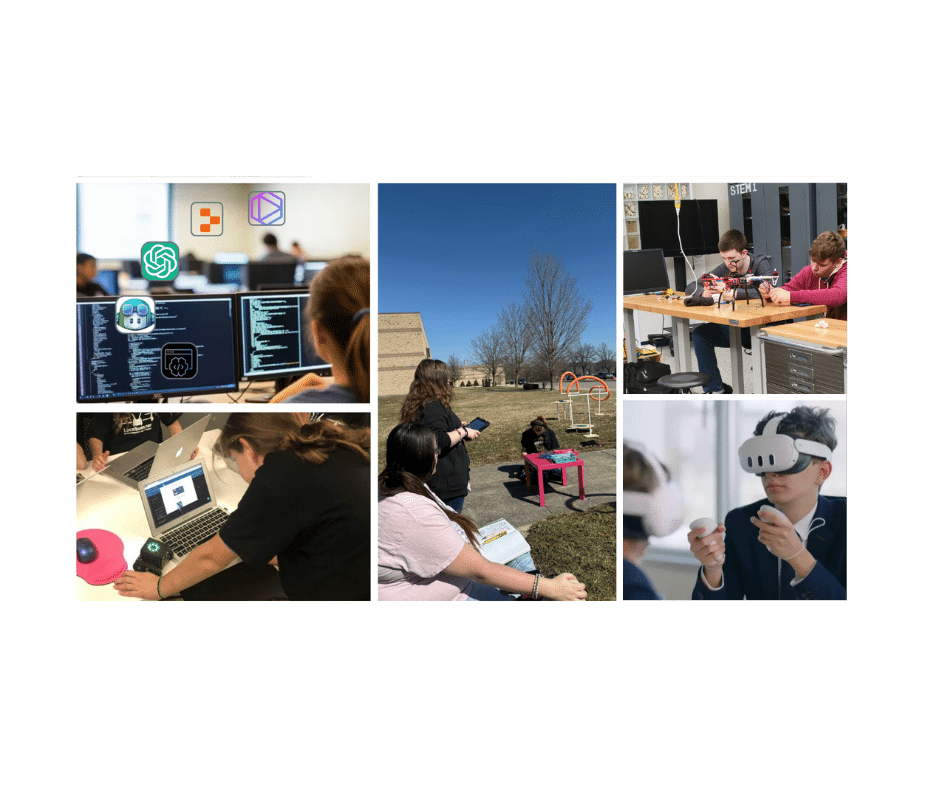
Most teachers are not looking to rebuild their program from scratch. They are looking for one pathway that makes sense today and can grow tomorrow. Drones, robotics, cybersecurity, AI, and esports each bring something different to the classroom. Understanding how they show up day to day helps clarify which path is the right starting point.
Drones: Where Coding Meets the Physical World
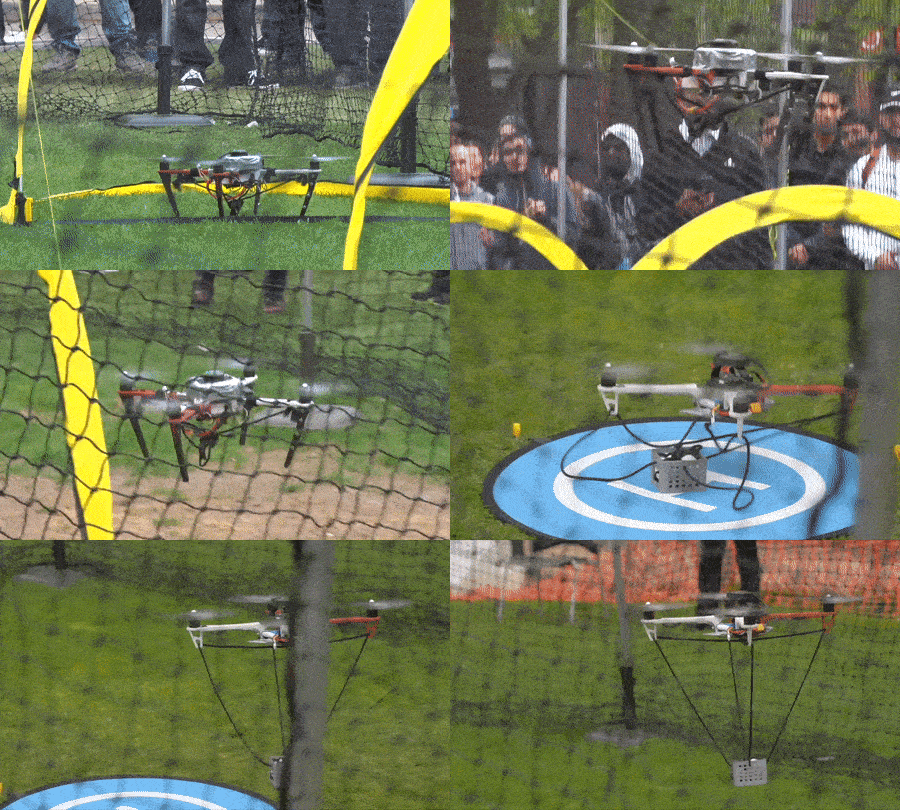
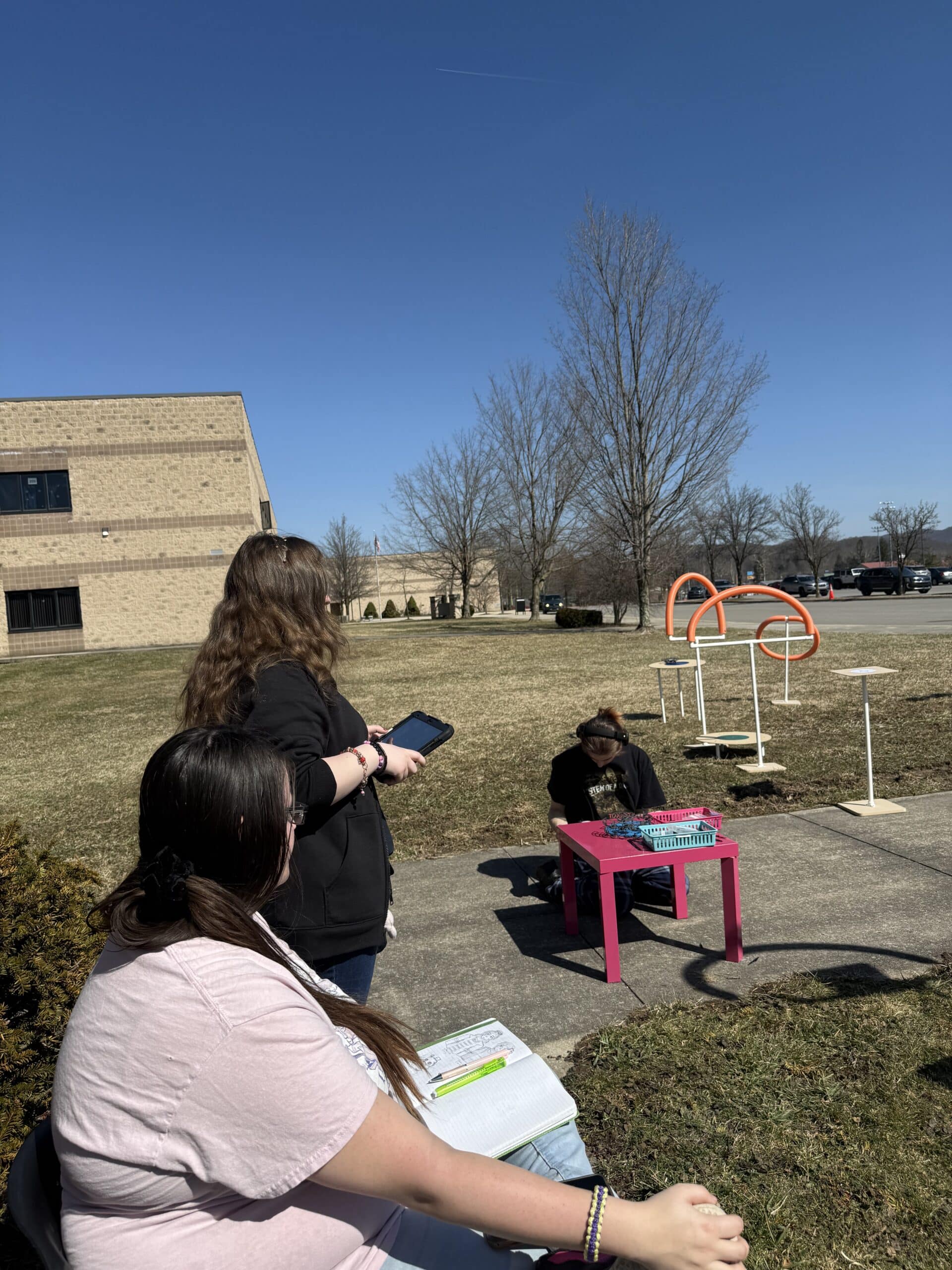
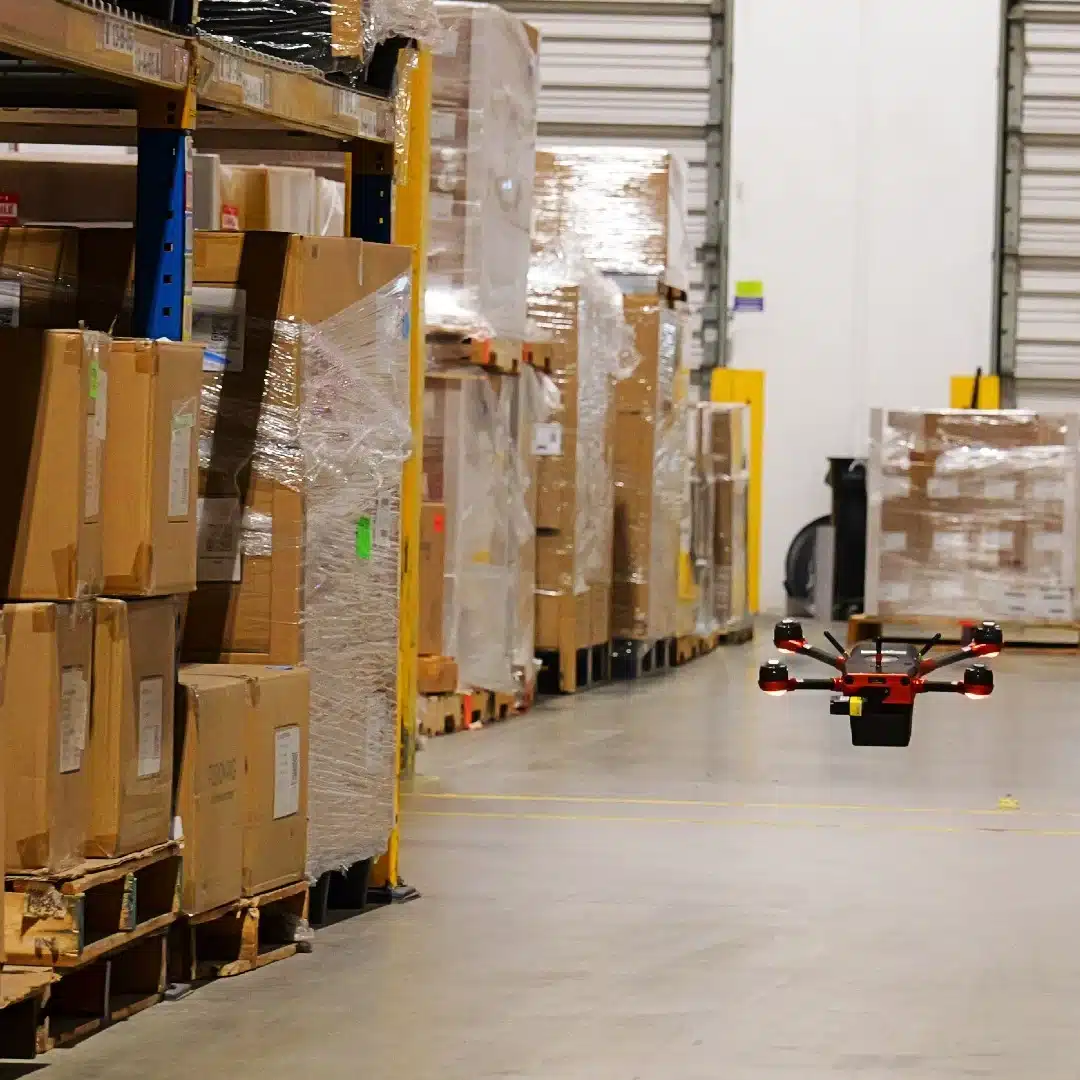
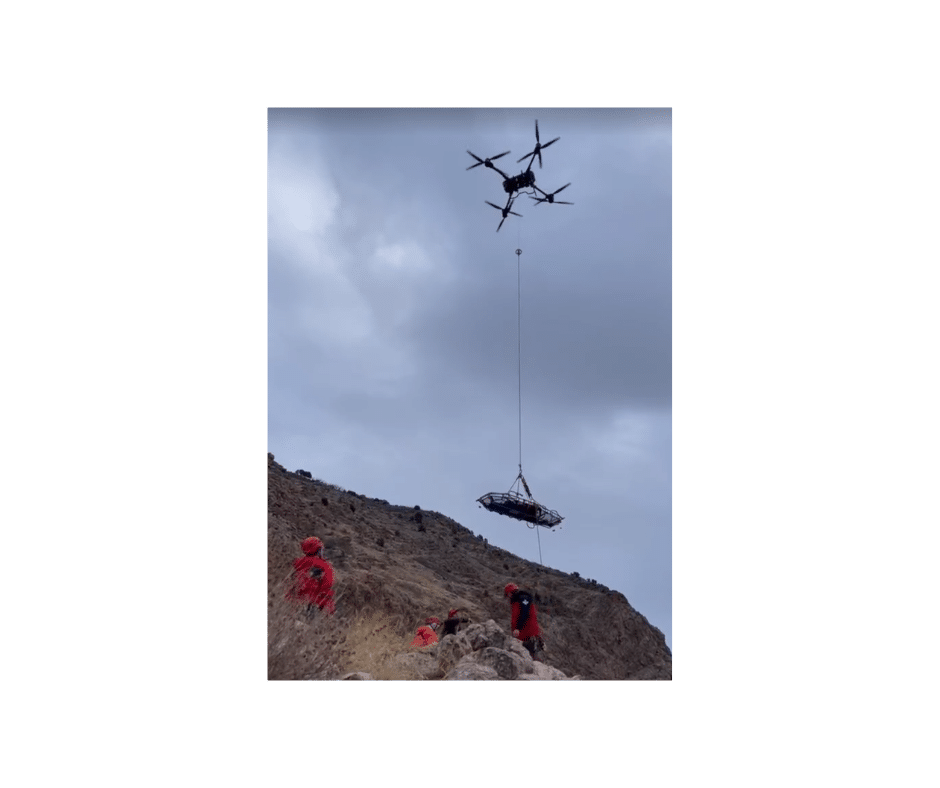
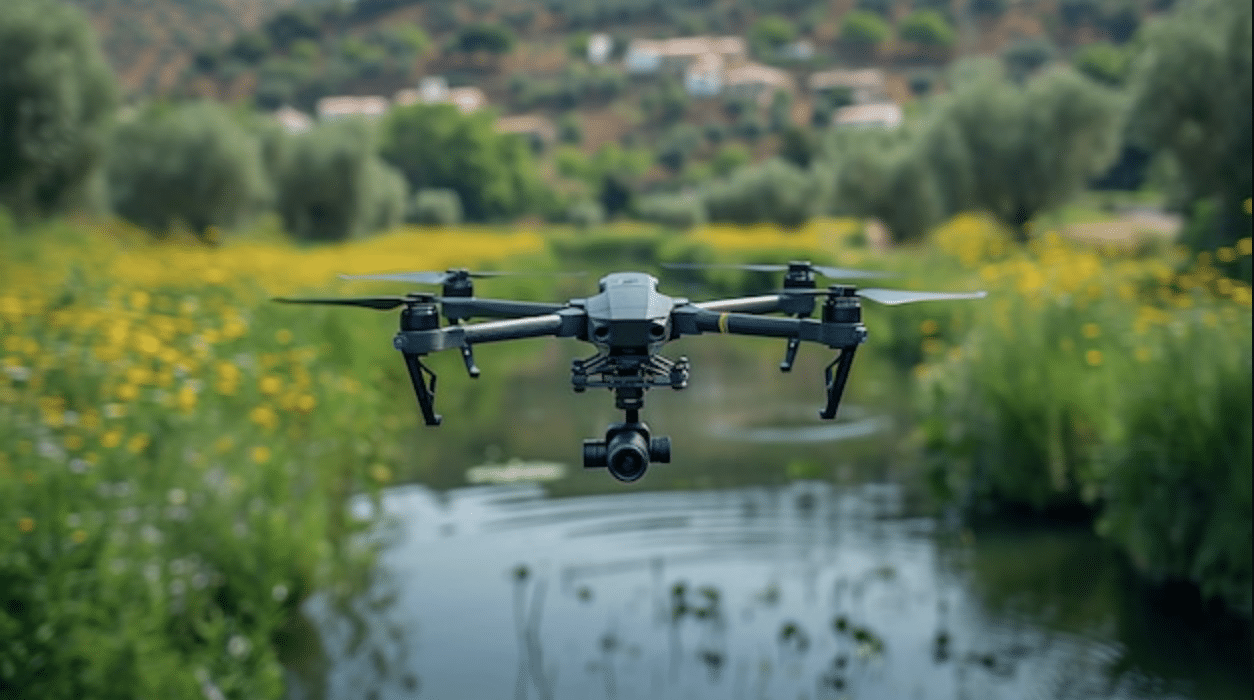
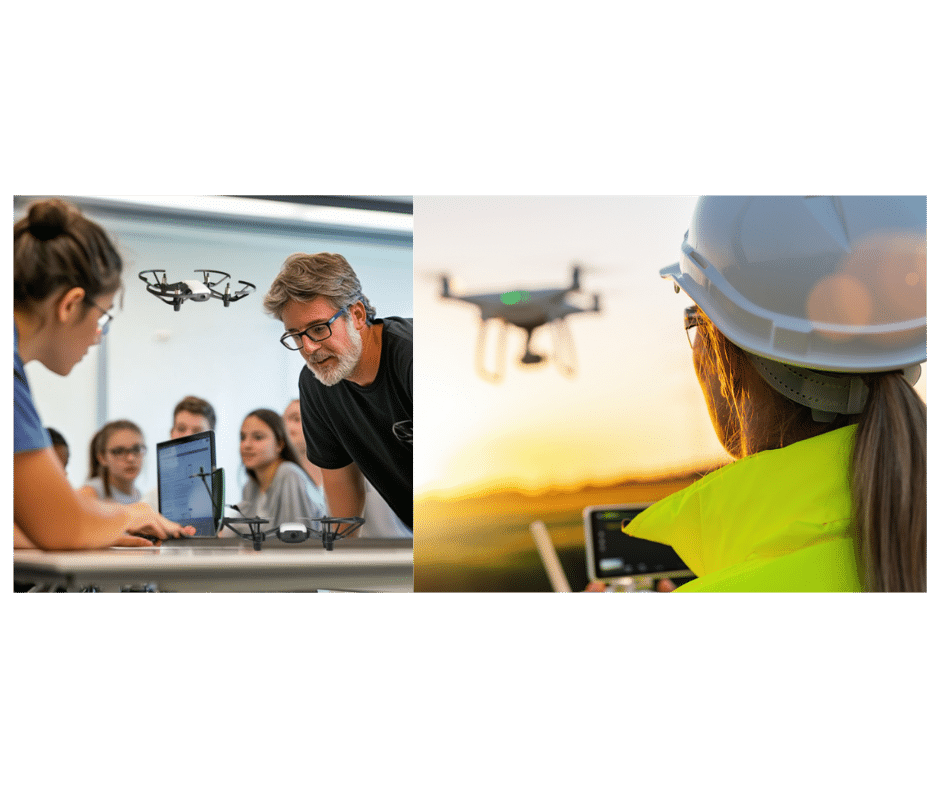
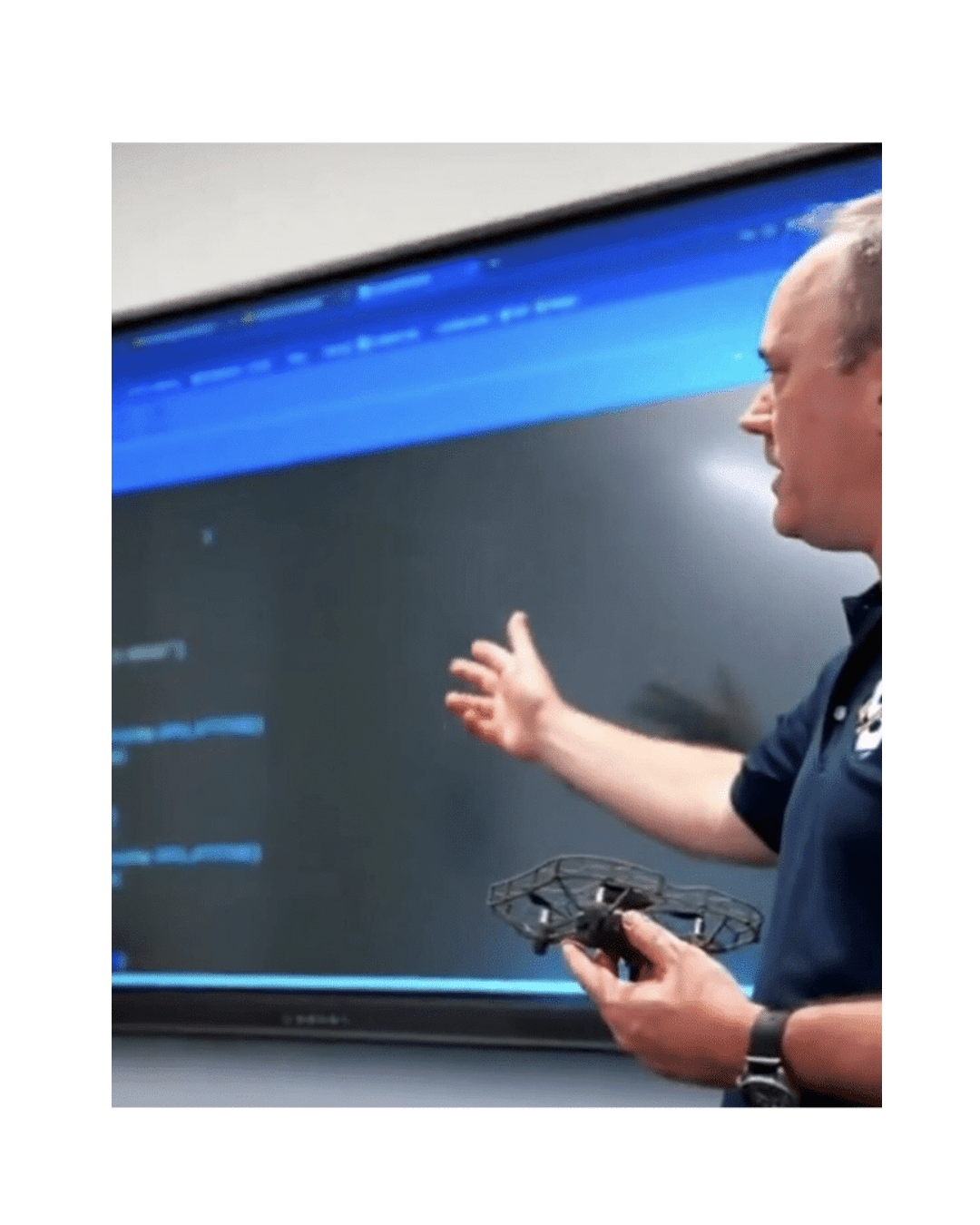
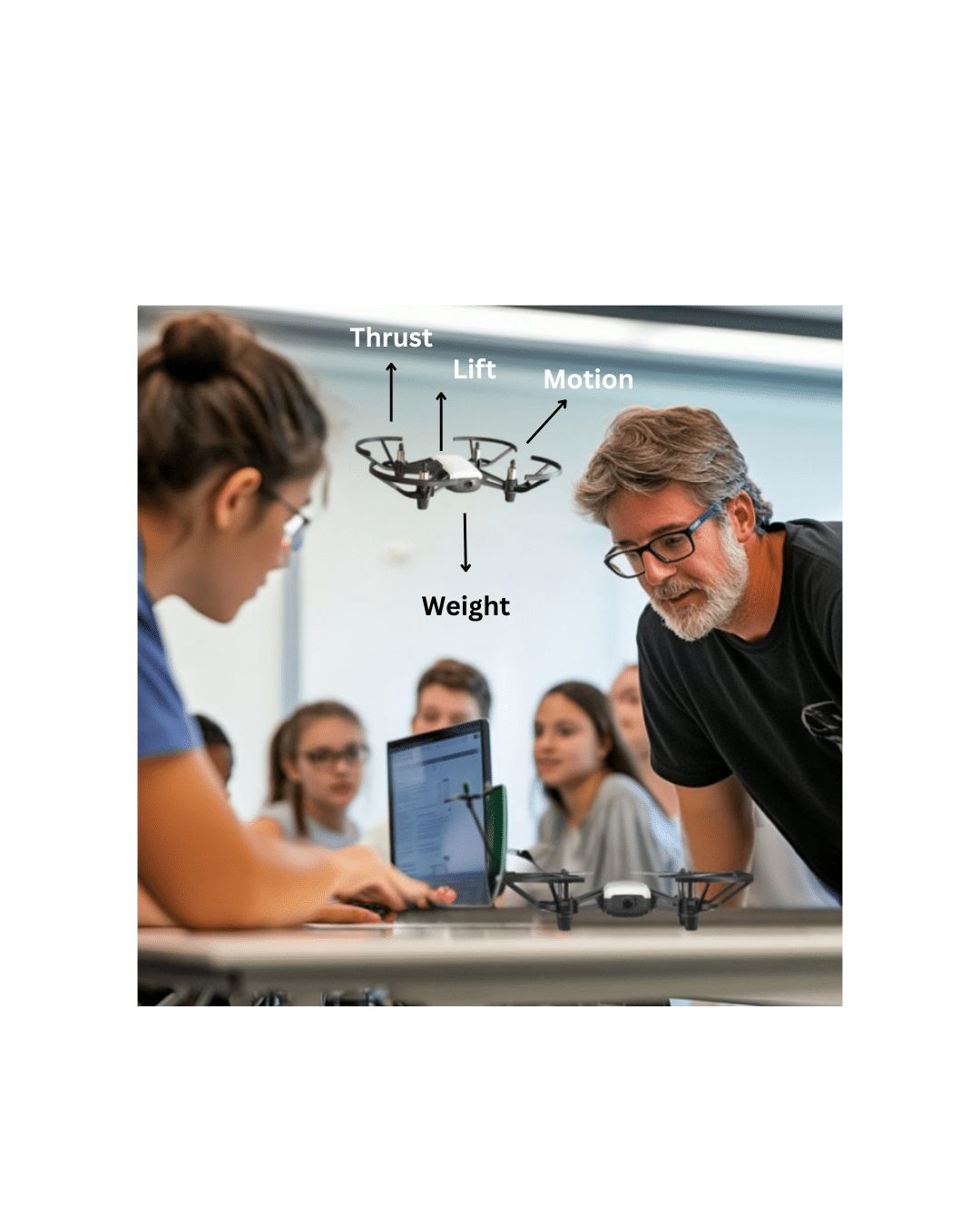
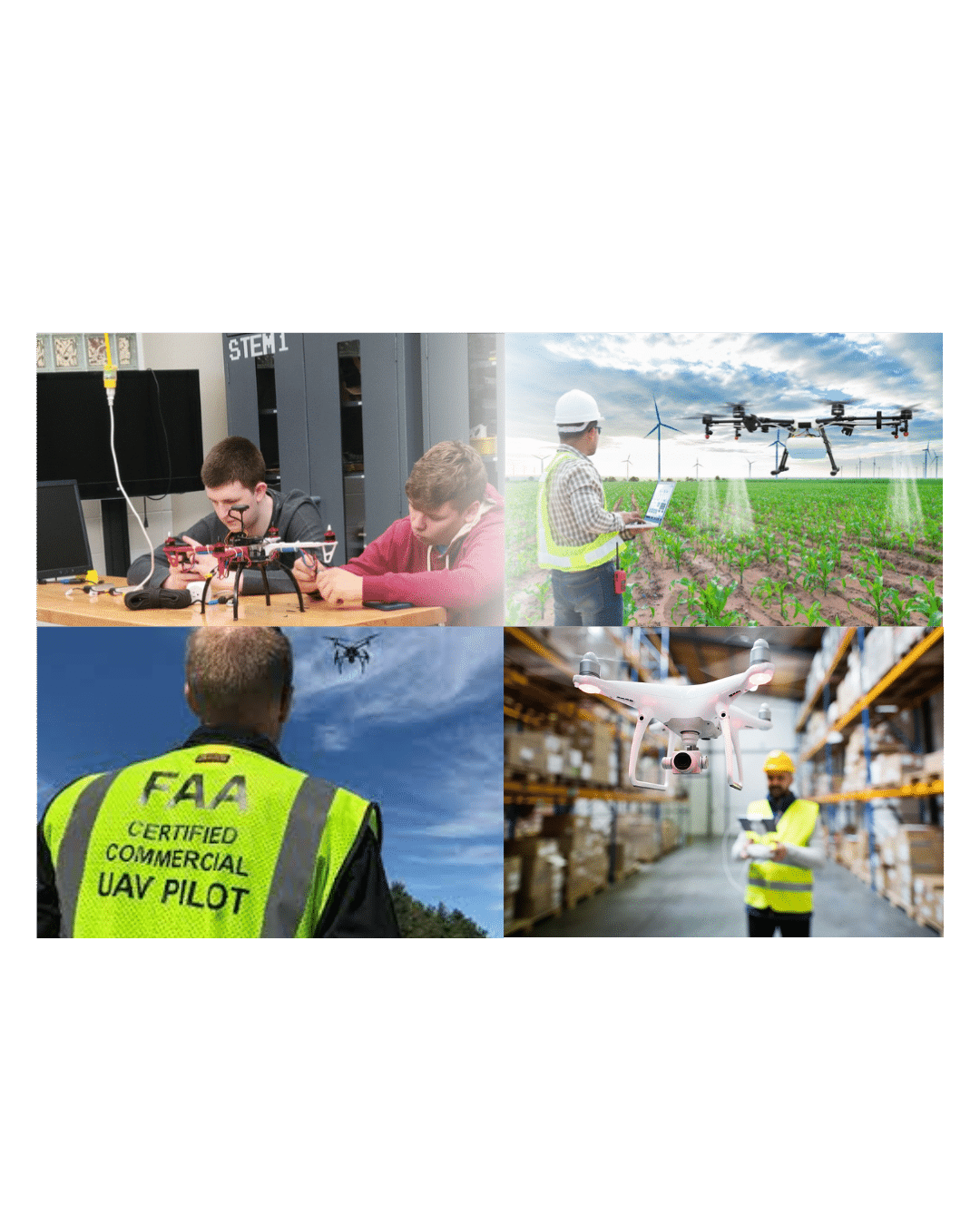
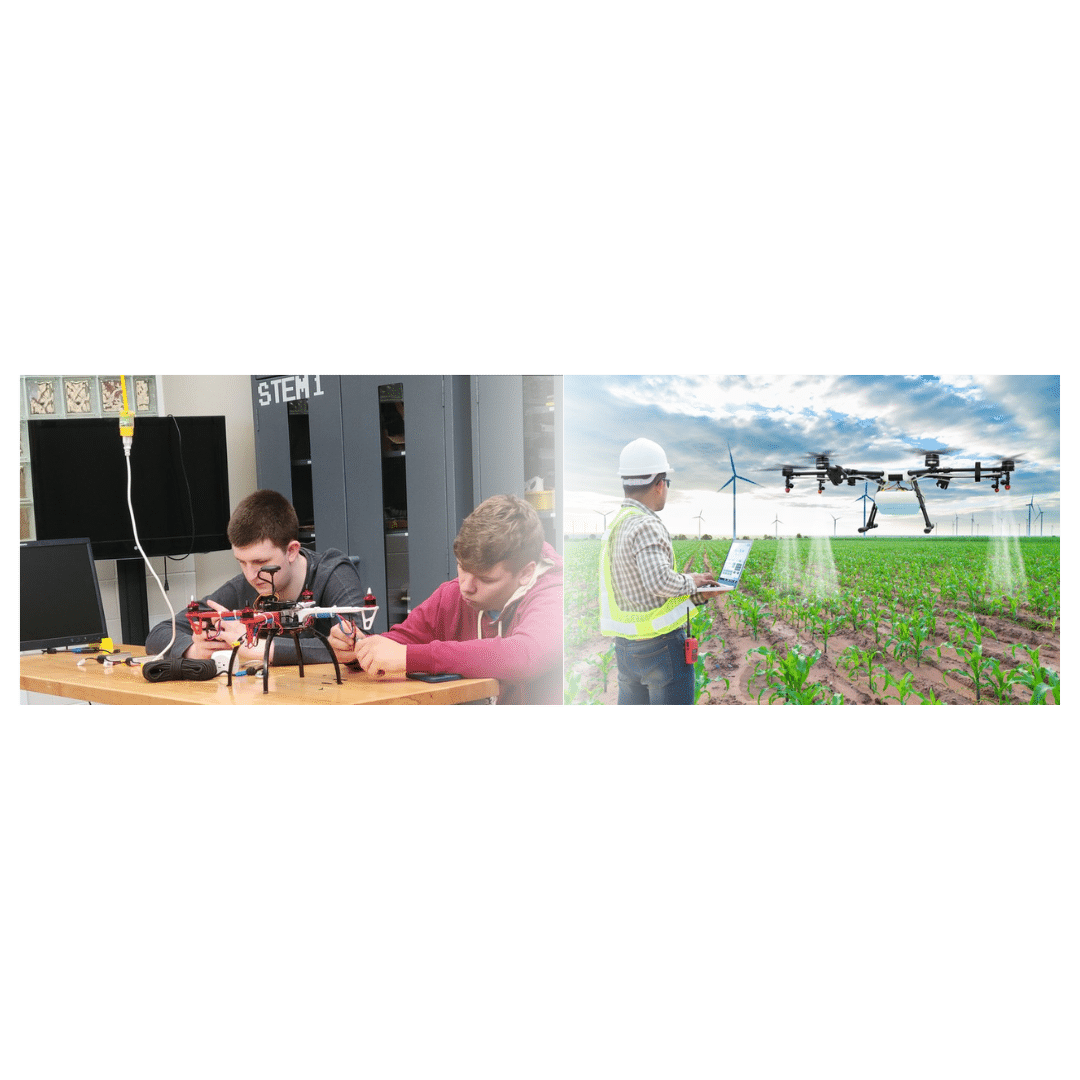
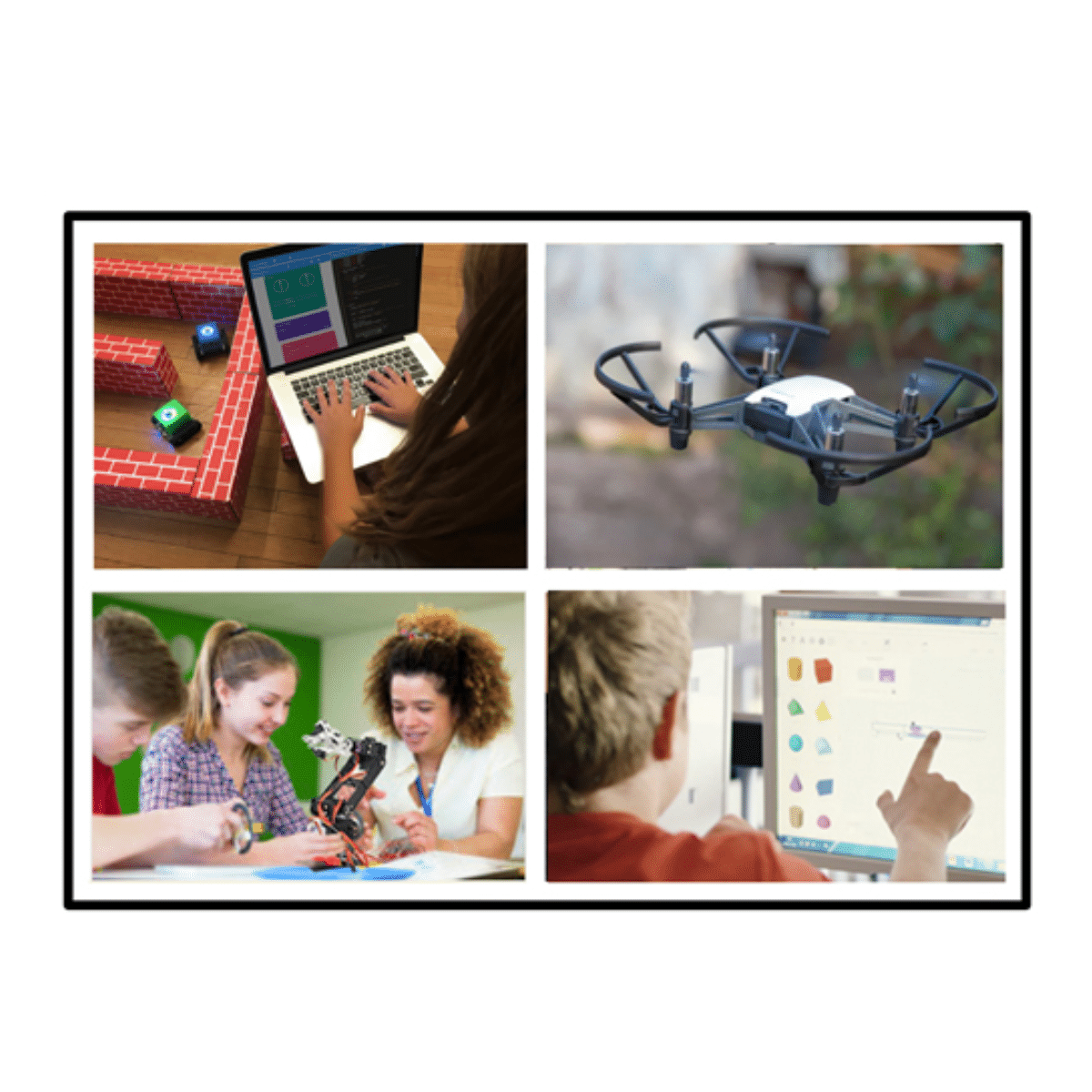
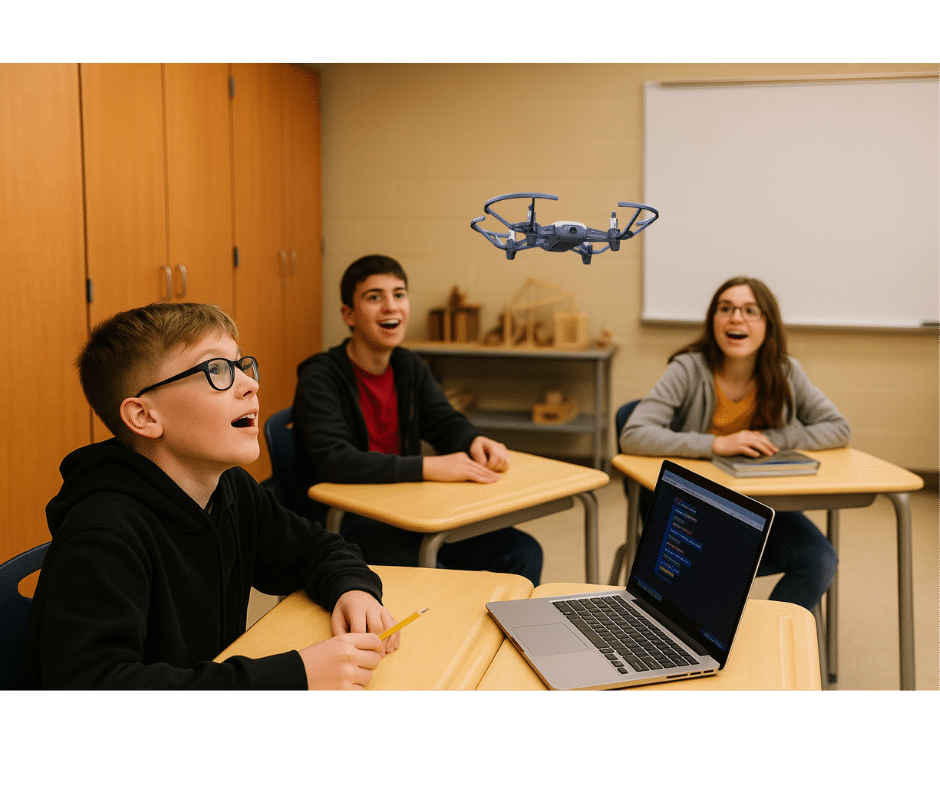
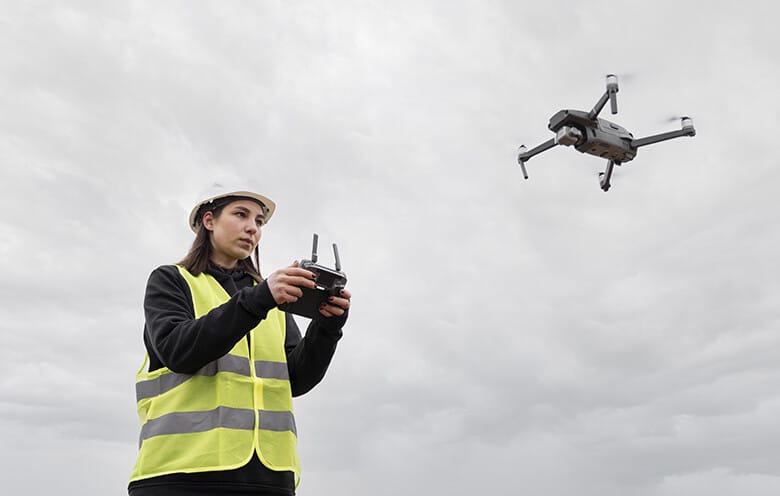
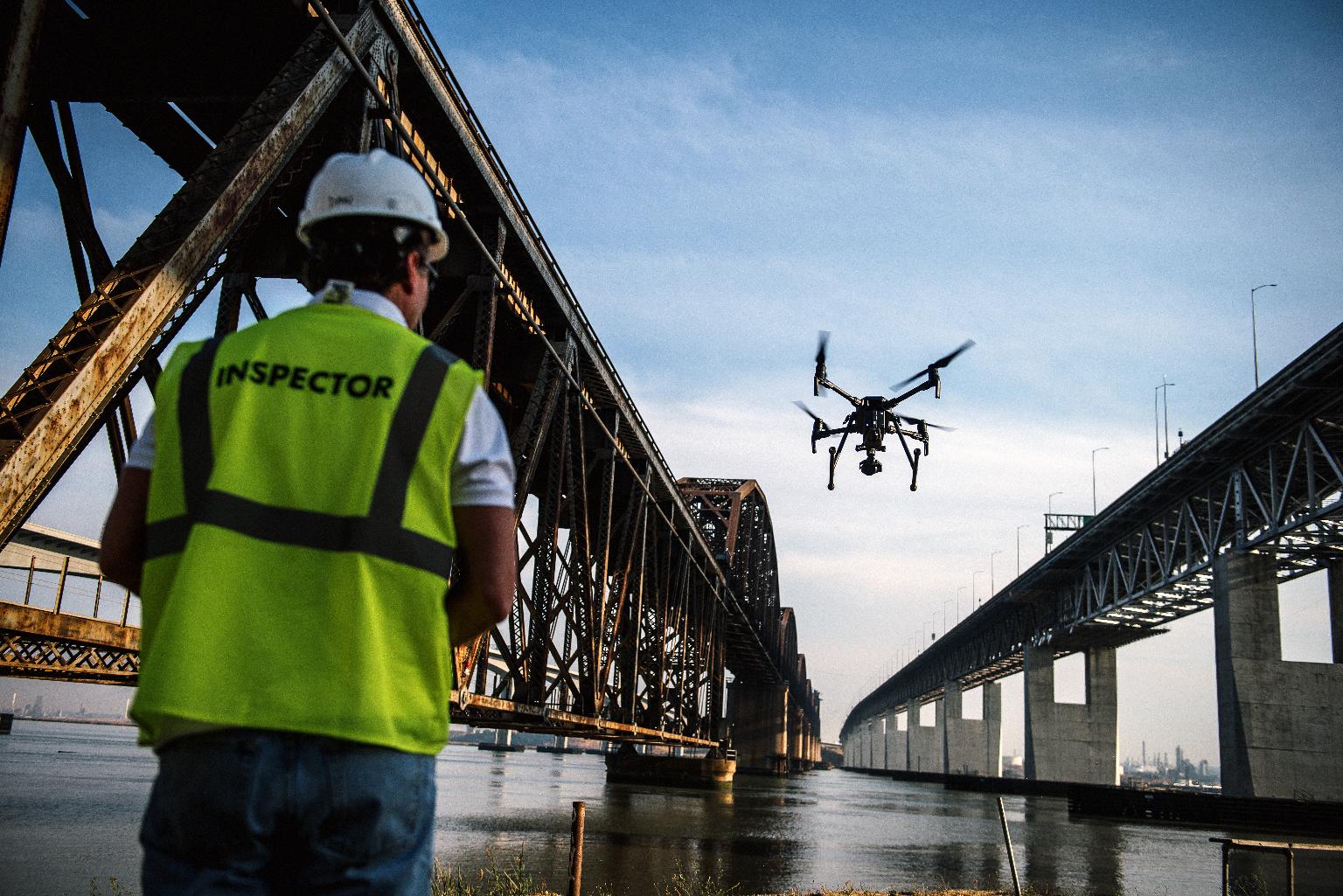
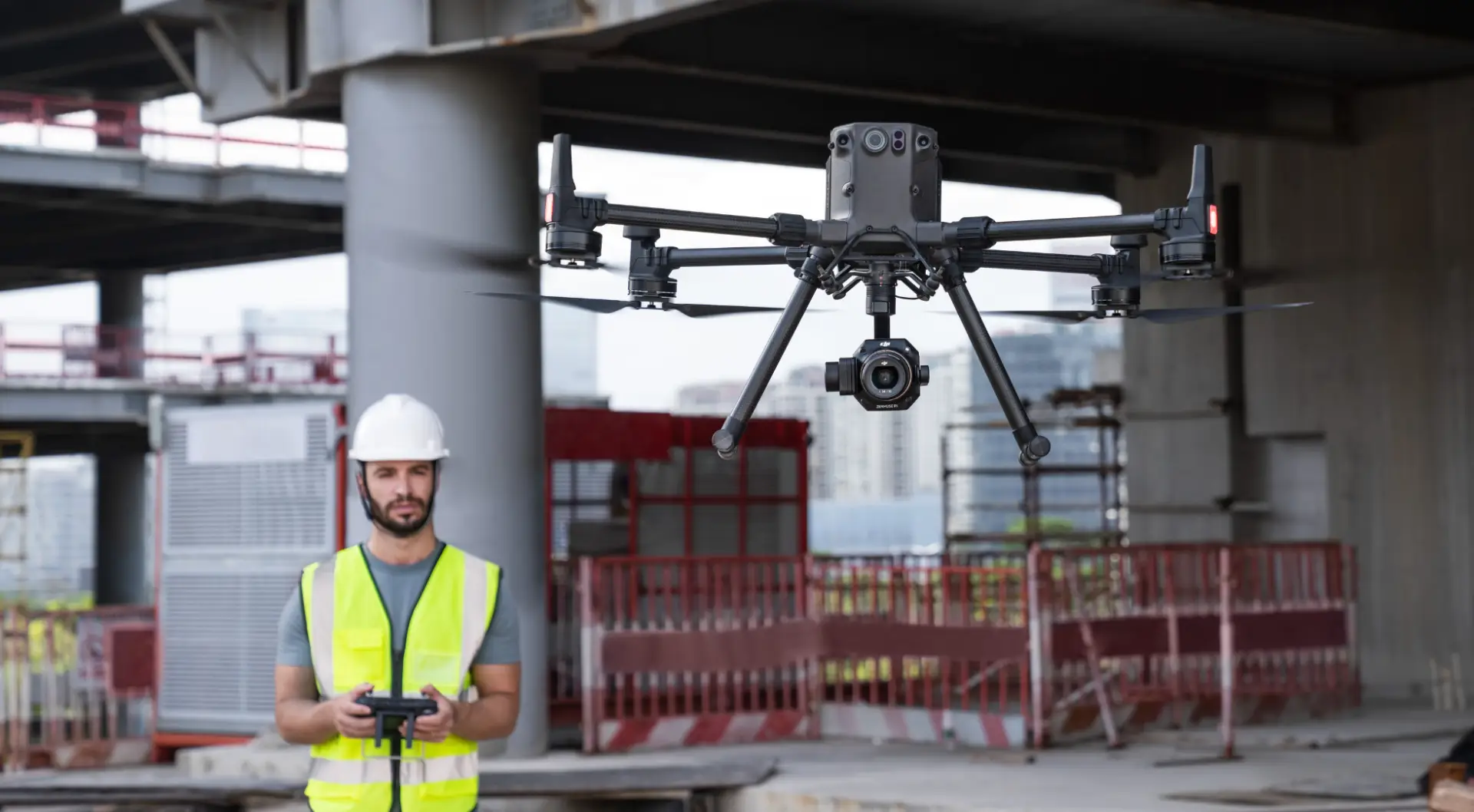
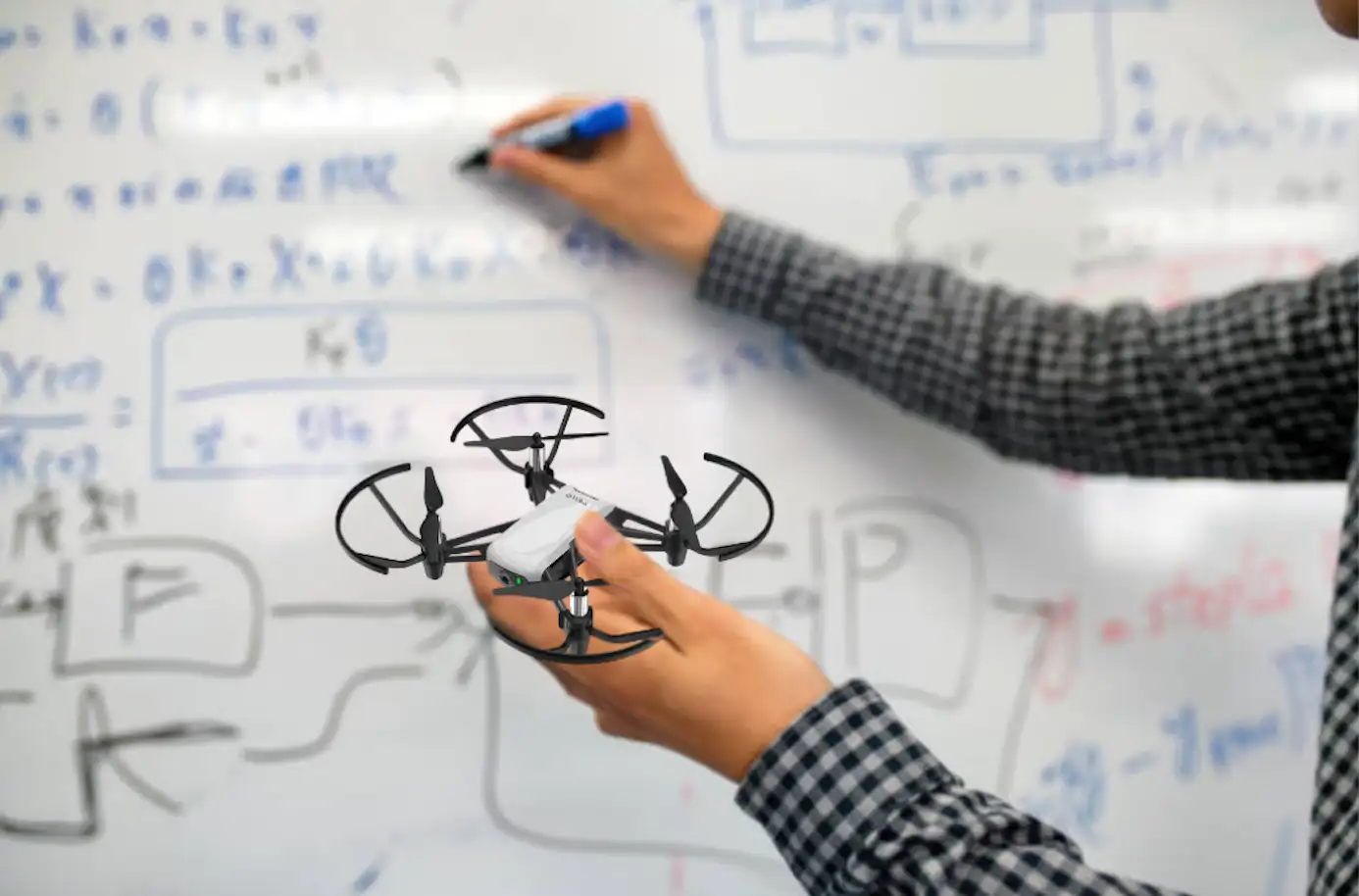
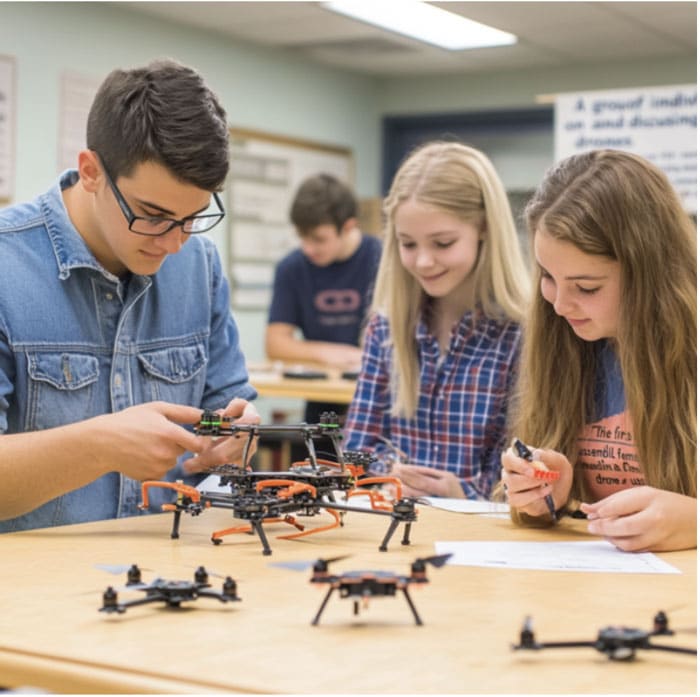
Drones for education work well when students need to see cause and effect quickly. Code runs, the drone moves, and feedback is immediate. This makes drones a strong fit for computer science, physics, and applied STEM courses.
In classrooms, drone curriculum often focuses on:
- Programming logic tied to motion and navigation
- Data collection and analysis
- Problem solving through testing and iteration
Drones tend to work best for educators who want students moving, testing, and adjusting rather than staying on a screen for long periods.
Robotics: Systems Thinking in Action
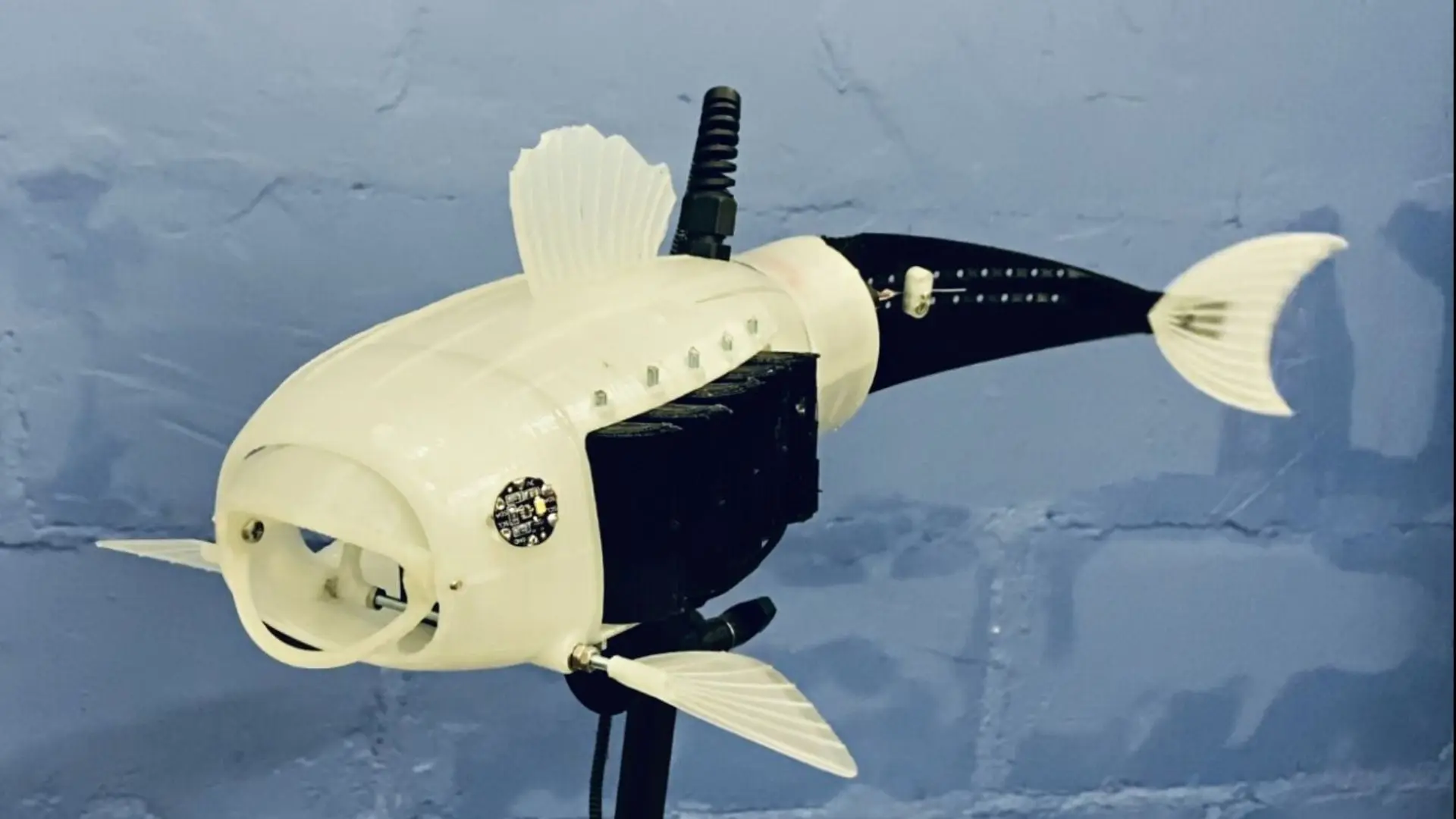
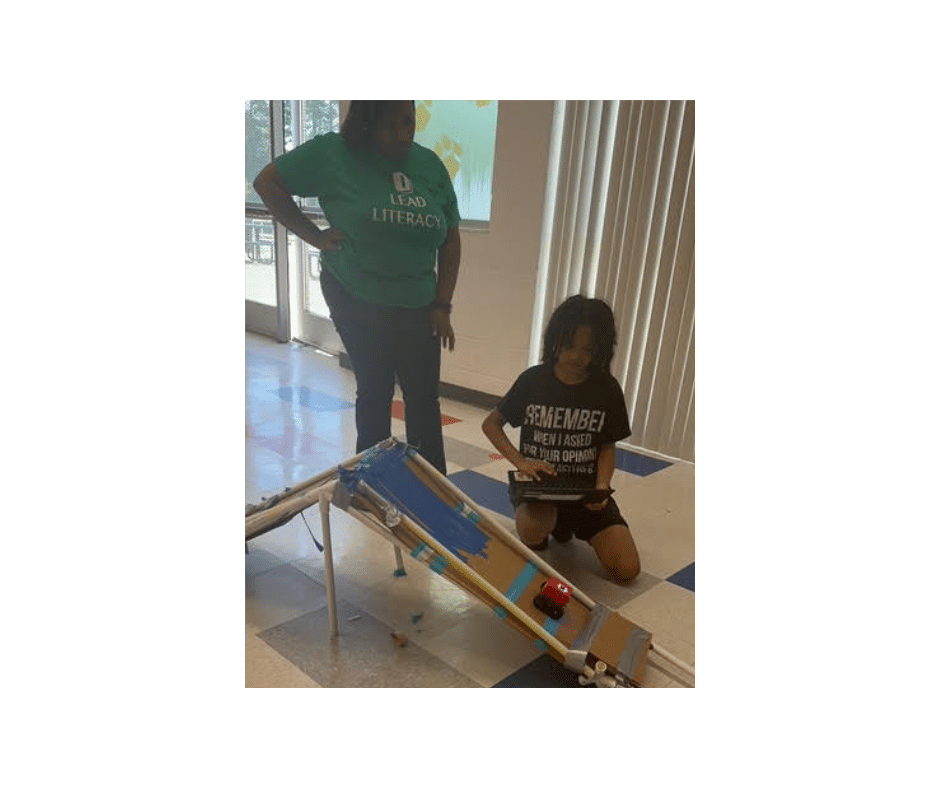
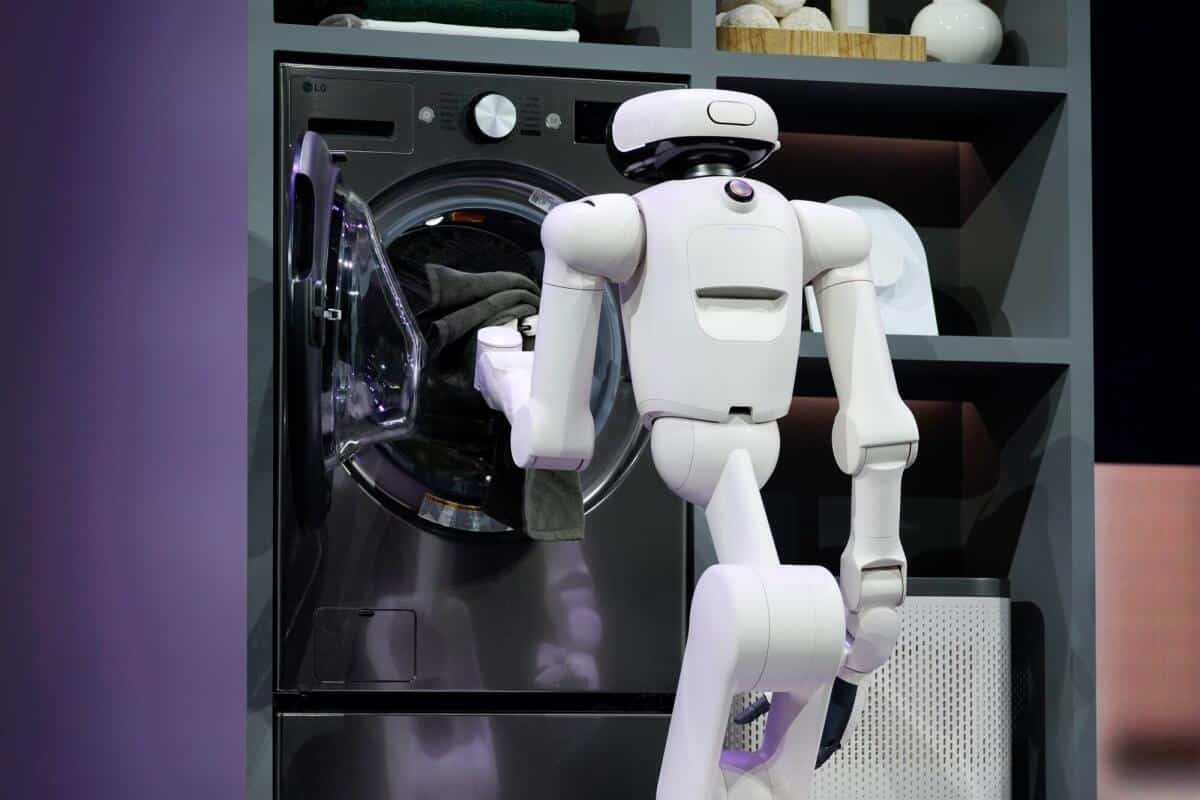
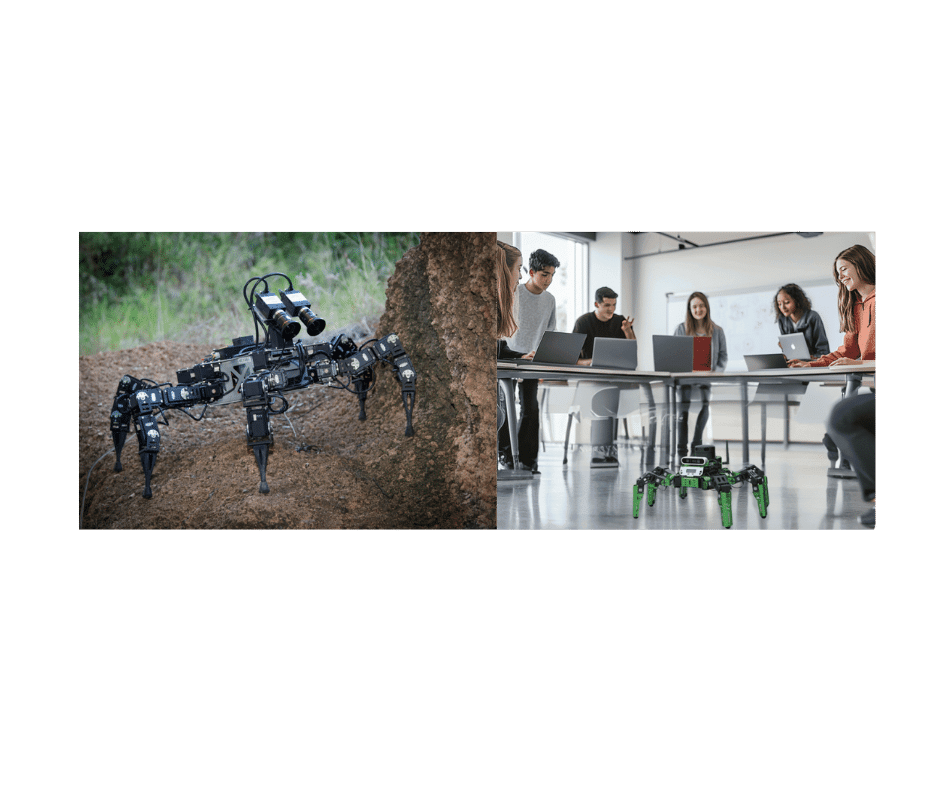
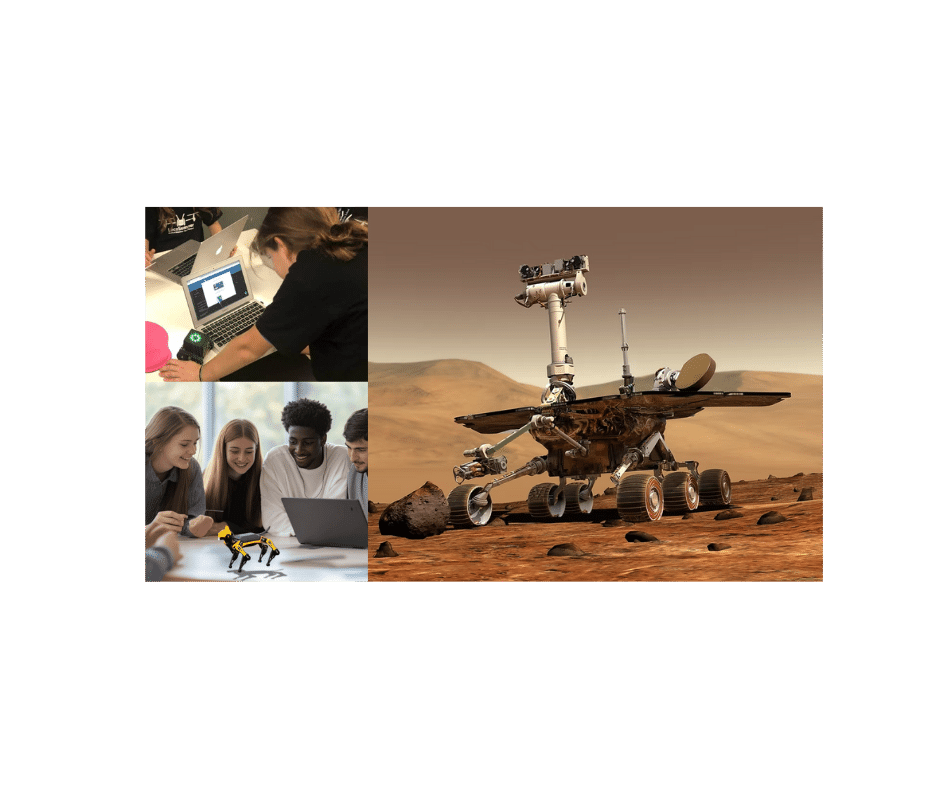
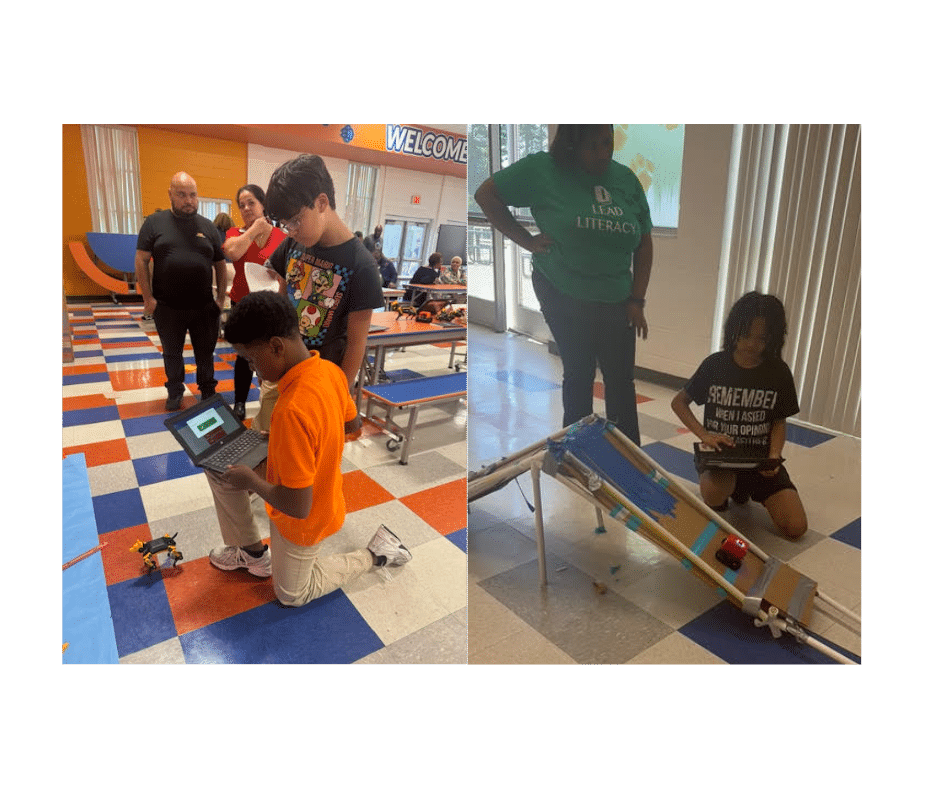
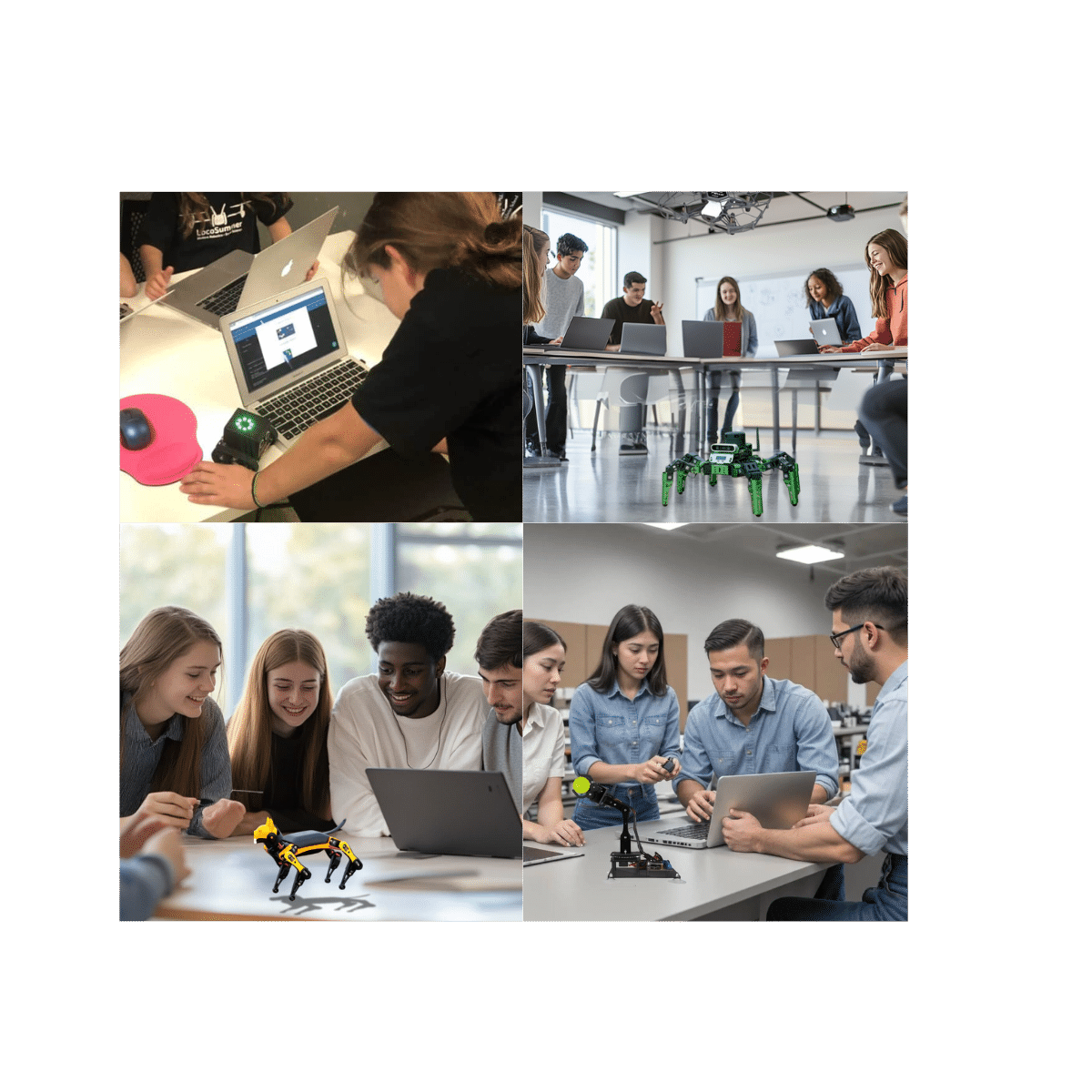
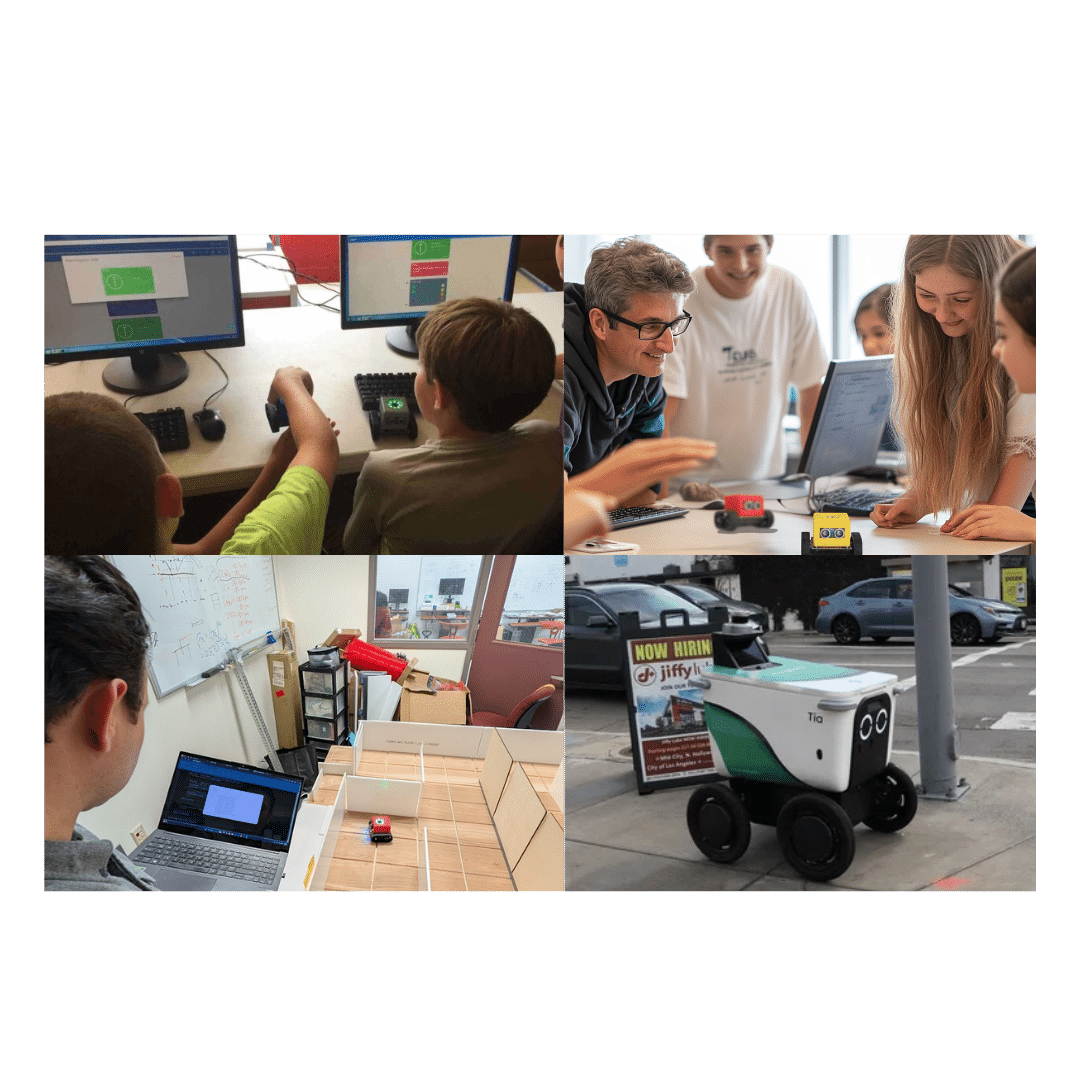
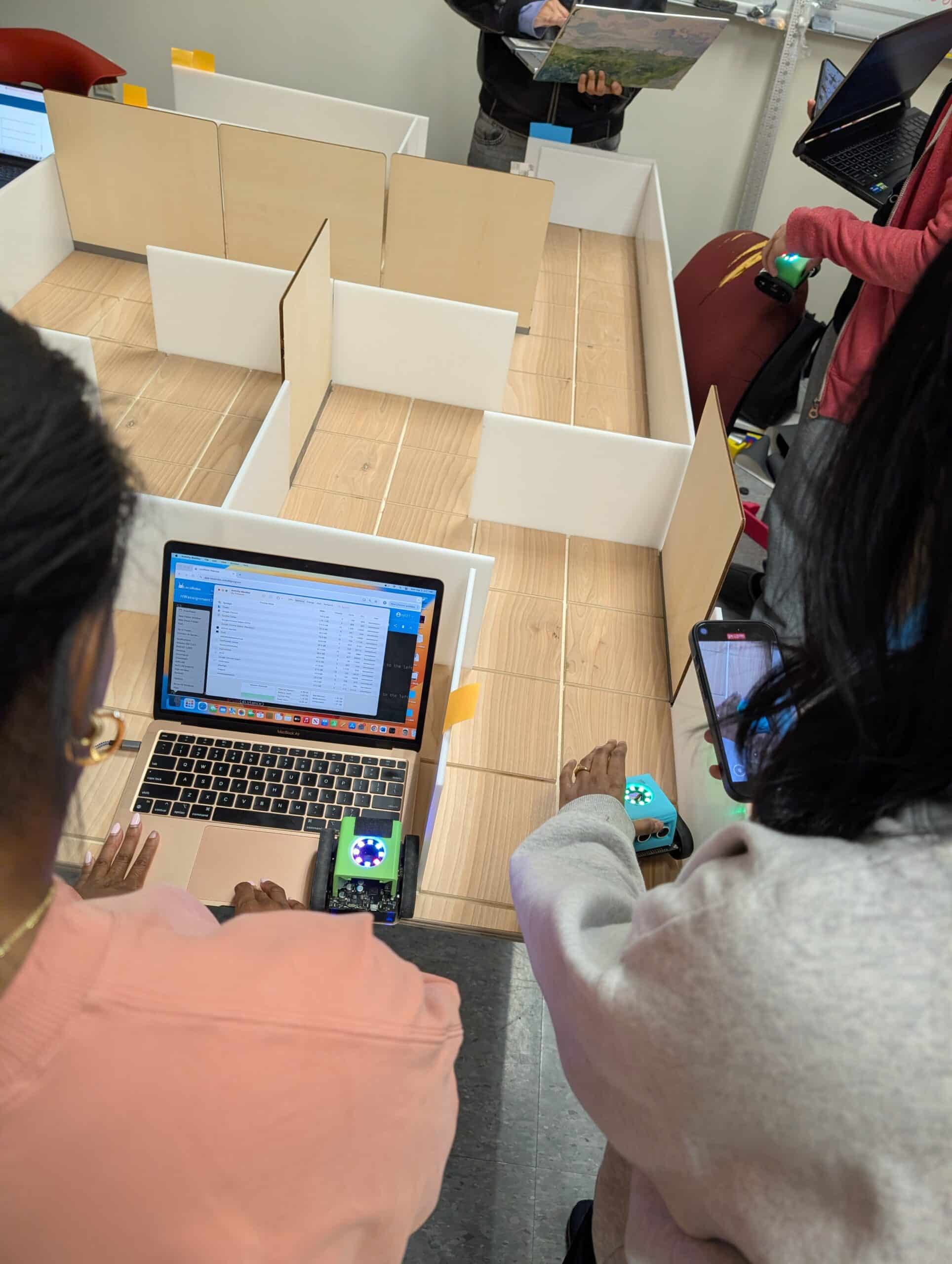
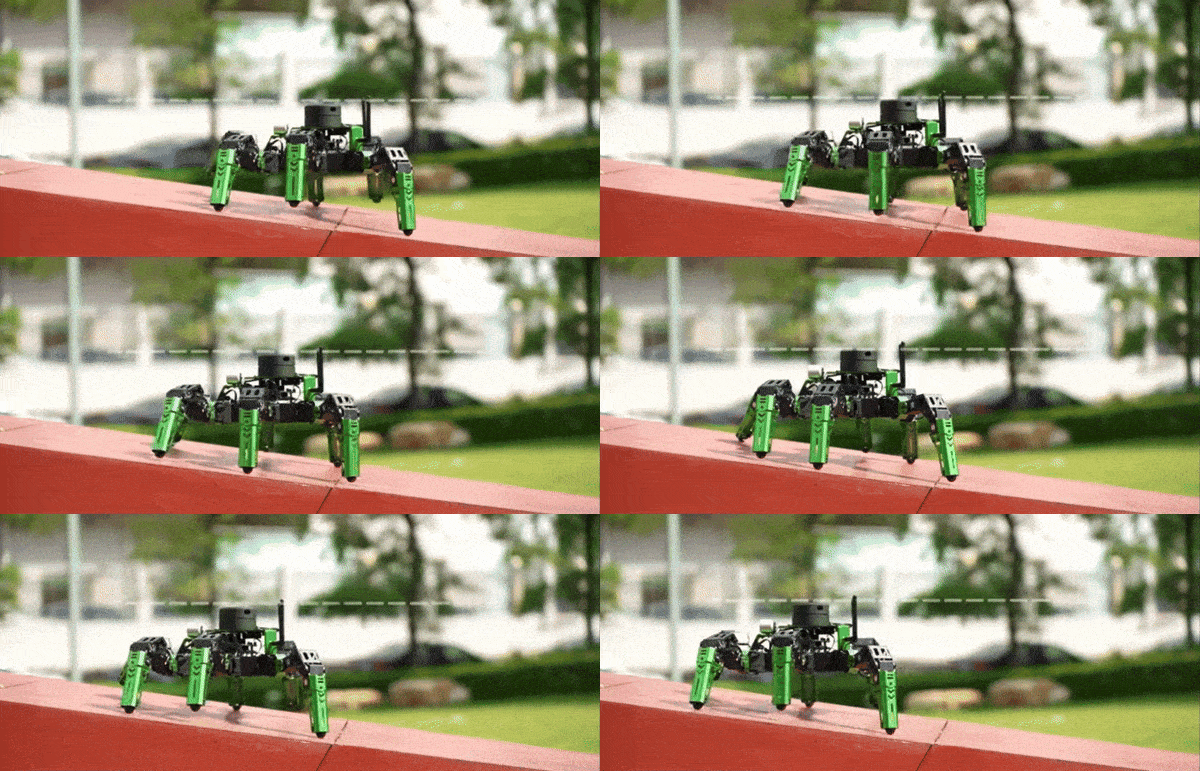
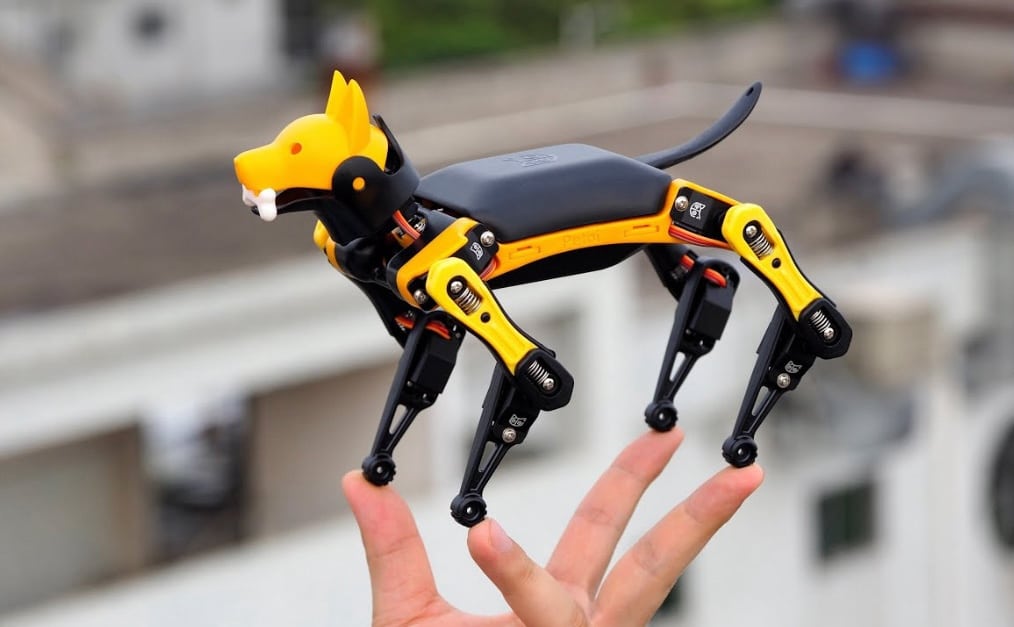
K12 robotics programs emphasize how systems work together. Sensors, motors, code, and structure all matter. Students learn quickly that one small change can affect the entire system.
Robotics fits well when the goal is to teach:
- Step by step problem solving
- Collaboration and troubleshooting
- Mechanical reasoning alongside coding
This pathway works across grade levels and adapts easily from introductory projects to more advanced challenges, making it a common anchor for longer-term STEM programs.
Artificial Intelligence: From Concepts to Applications
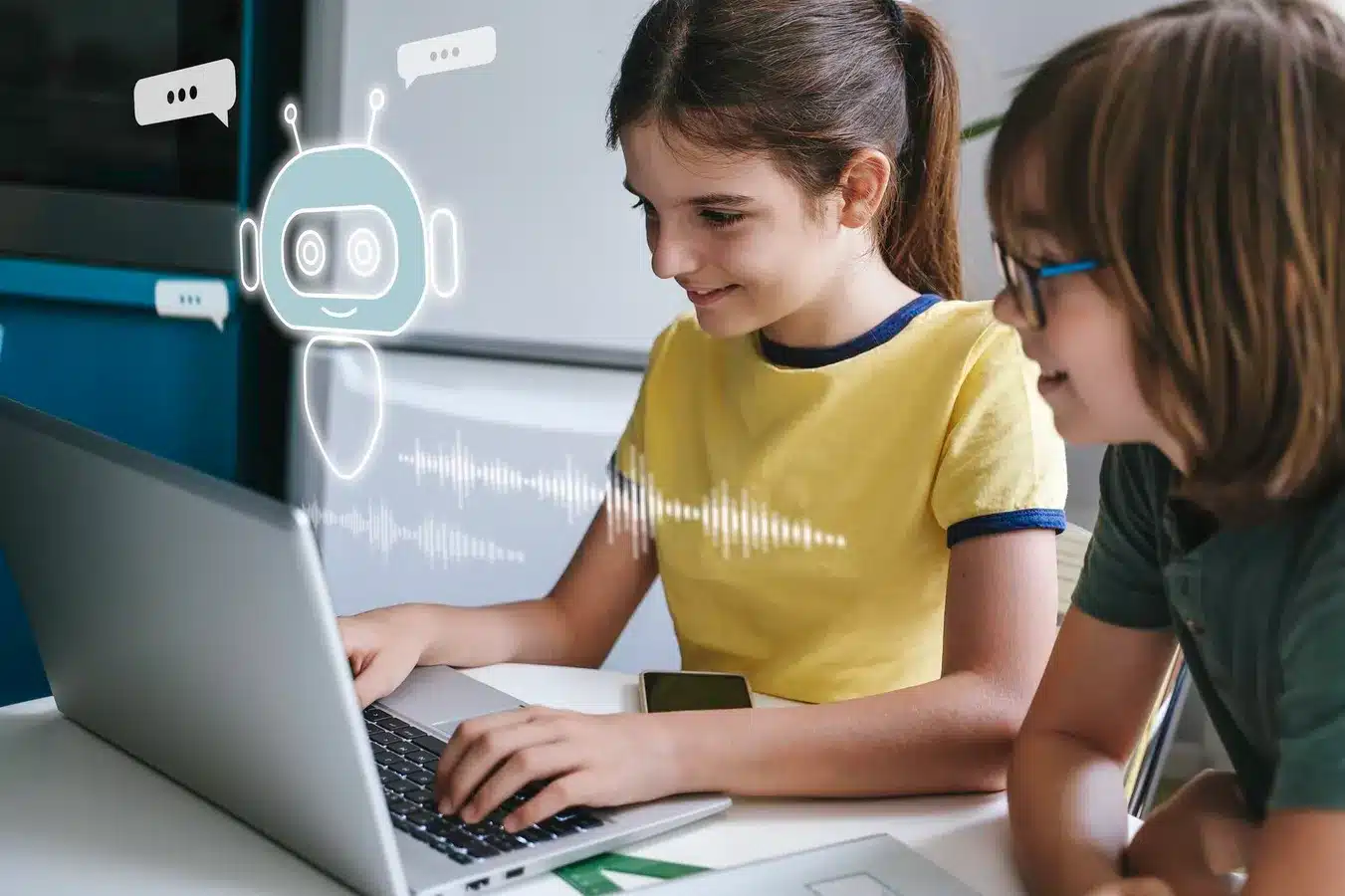
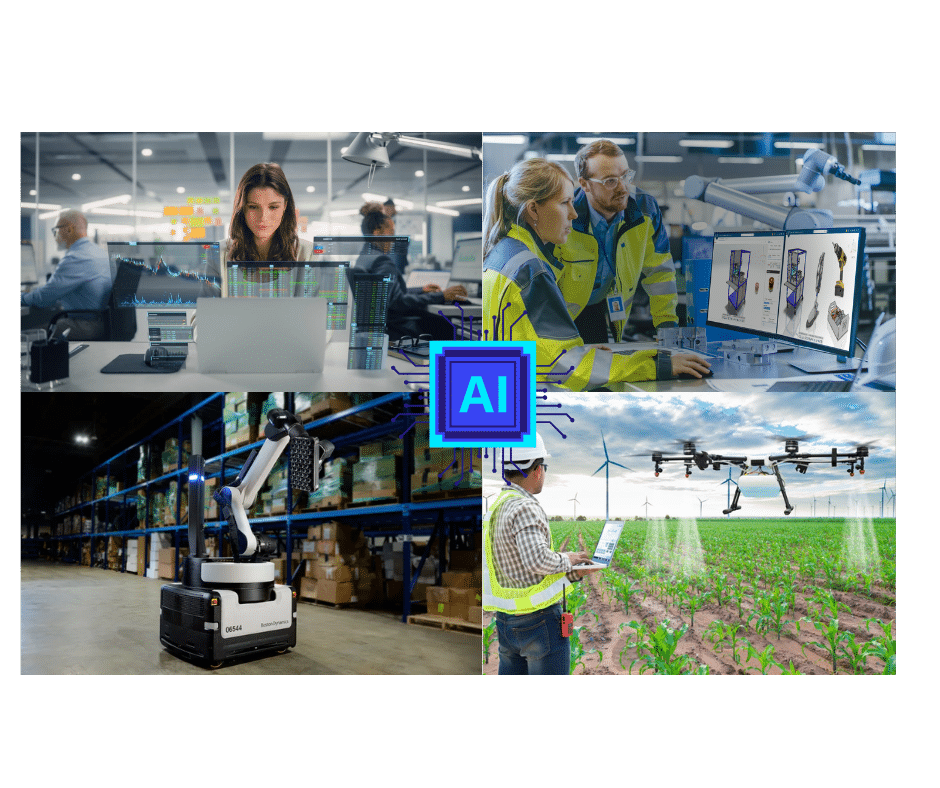
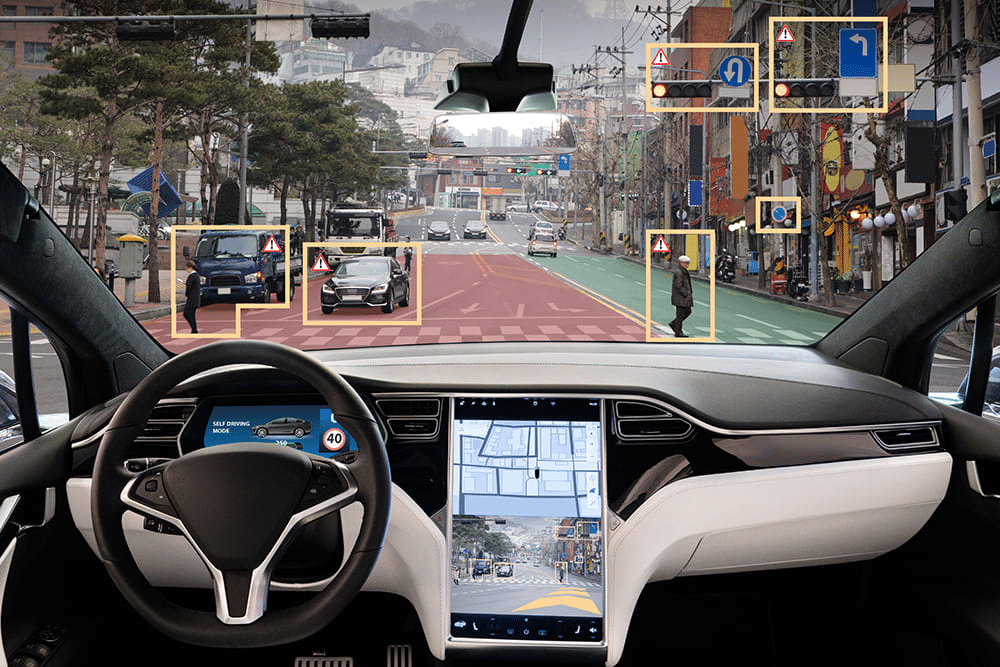
AI in education is often misunderstood as too advanced for K–12. In practice, AI pathways focus less on theory and more on how AI tools are used in the real world.
In classrooms, AI pathways typically explore:
- How data influences decisions
- Pattern recognition and logic
- Ethical questions tied to technology use
AI Courses for K-12 fit well when educators want students to think critically about how technology shapes decision-making.
Cybersecurity: Skills With Immediate Relevance
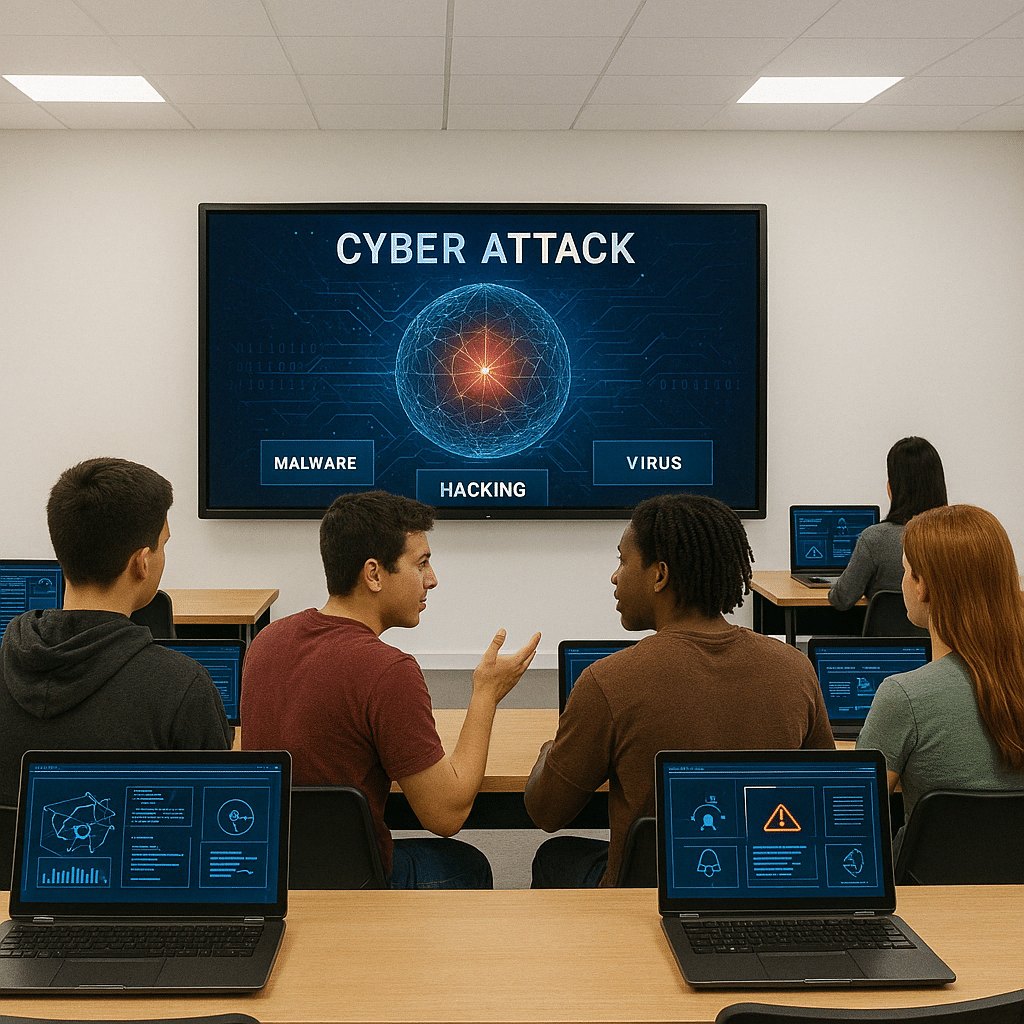
Cybersecurity pathways are grounded in real problems students already recognize. Password safety, networks, data protection, and system vulnerabilities are part of everyday life.
This pathway supports classrooms that want:
- Clear career connections
- Structured skill progression
- Industry-aligned outcomes
Cyber works especially well in CTE, IT, and computer science courses where students are ready to connect classroom learning to workforce skills.
Esports: Engagement Through Structure and Teamwork
Esports is often the entry point that surprises educators the most. It is not just about gaming. Strong esports programs emphasize roles, strategy, communication, and analysis.
In classrooms and clubs, esports curriculum support:
- Team based problem solving
- Leadership and project roles
- Media, strategy, and technical skills
Esports fits well for educators looking to engage students who may not initially gravitate toward traditional STEM curriculum but thrive in structured, collaborative environments.
You Do Not Have to Choose Forever
One common assumption is that choosing a pathway locks a program in. In reality, most successful programs start with one focus and expand as confidence grows. A robotics class leads to drones. An esports club sparks interest in cybersecurity. An AI unit connects back to data collected with drones.
As LocoRobo Educator of the Month Eric Beall discovered, growth often starts with a single course done well.
“After completing my first year with the LocoRobo curriculum, students around campus noticed my class building and flying drones, and then my enrollment doubled.”
Where LocoRobo Pathways Come In
LocoRobo pathways are designed to work independently or connect over time. Educators can start with robotics, drones, AI, cybersecurity, or esports and build forward without reworking their entire program.
Each pathway includes:
- Structured curriculum aligned to grade levels
- Differentiated Learning Made Easy
- Hands-on projects that show clear outcomes
- Flexibility to grow into multi-year STEM or CTE programs
- Support You Can Count On
If you are deciding which path fits your classroom, explore the LocoRobo pathways to see how each option supports real teaching goals and long term growth.