


In 2018, Raghu Nandivada received a simple challenge from his mother: build a robot that removes weeds.
It was not a formal research brief. It was a farmer’s question. And it pointed directly at a growing problem in agriculture.
Years later, that question evolved into Padma AgRobotics, co-founded by Nandivada and Cole Brauer. Together, they are building robotic systems designed to address some of farming’s most persistent challenges: labor shortages, physical strain, rising costs, and the need for smarter, data-driven operations.
Listening Before Building
Nandivada and Brauer spent a year talking with farmers before designing hardware.
They knocked on doors, visited fields, and asked practical questions:
- Where are you losing time?
- What problems keep repeating every season?
- What tasks are hardest to staff?
They discovered a clear pattern. Farmers were being squeezed by rising labor costs and difficulty retaining workers for physically demanding tasks. Weeding, harvesting delicate crops like cilantro, spraying fields, and bird deterrence all required repetitive, labor-intensive effort.
The founders started with a need instead of starting with technology.
That customer-driven approach shaped every product that followed.
The Weed-Pulling Robot: Addressing Labor Strain at the Root
Weeding is time-consuming, costly, and essential. Manual removal requires crews to walk rows for hours under harsh conditions.
Padma AgRobotics developed a robotic weed-pulling system designed to:
- Identify weeds within crop rows
- Remove them without damaging the produce
- Operate consistently over long durations
What began as a concept evolved through constant farmer feedback. From 2020 to 2023, the two founders worked out of a garage, refining prototypes and incorporating field insights.
Their concept gained traction through programs like Venture Devils at the J. Orin Edson Entrepreneurship + Innovation Institute, where they won first place funding support. That validation helped accelerate development and expand their vision.
From Weeds to Cilantro: Expanding Precision Robotics
As the team worked with farms such as Blue Sky Organic Farms and Duncan Family Farms, new needs surfaced.
One major request: more efficient cilantro harvesting.
Harvesting cilantro is delicate. It requires:
- Careful cutting
- Bunching
- Wrapping
- Minimal damage to fragile stems
Padma AgRobotics is now developing a robotic arm system capable of harvesting, bunching, and wrapping cilantro in a streamlined process. This system integrates:
- Machine vision for crop identification
- Automated bundling mechanisms
- Robotic manipulation for precision cutting
Funding from the Small Business Innovation Research program, the U.S. Department of Agriculture, and the Arizona Innovation Challenge helped move this work forward.
The founders are also collaborating with Duncan Family Farms to develop an autonomous crop-spraying machine, further extending their automation portfolio.
The AI Scarecrow: Solving an Overlooked Problem
One of the more unexpected innovations emerged during a farm visit.
A farmer was walking through fields all day, acting as a human scarecrow to deter birds. The task was repetitive and expensive.
The challenge was clear: build an automated system that could replicate unpredictable movement for 8 to 12 hours a day.
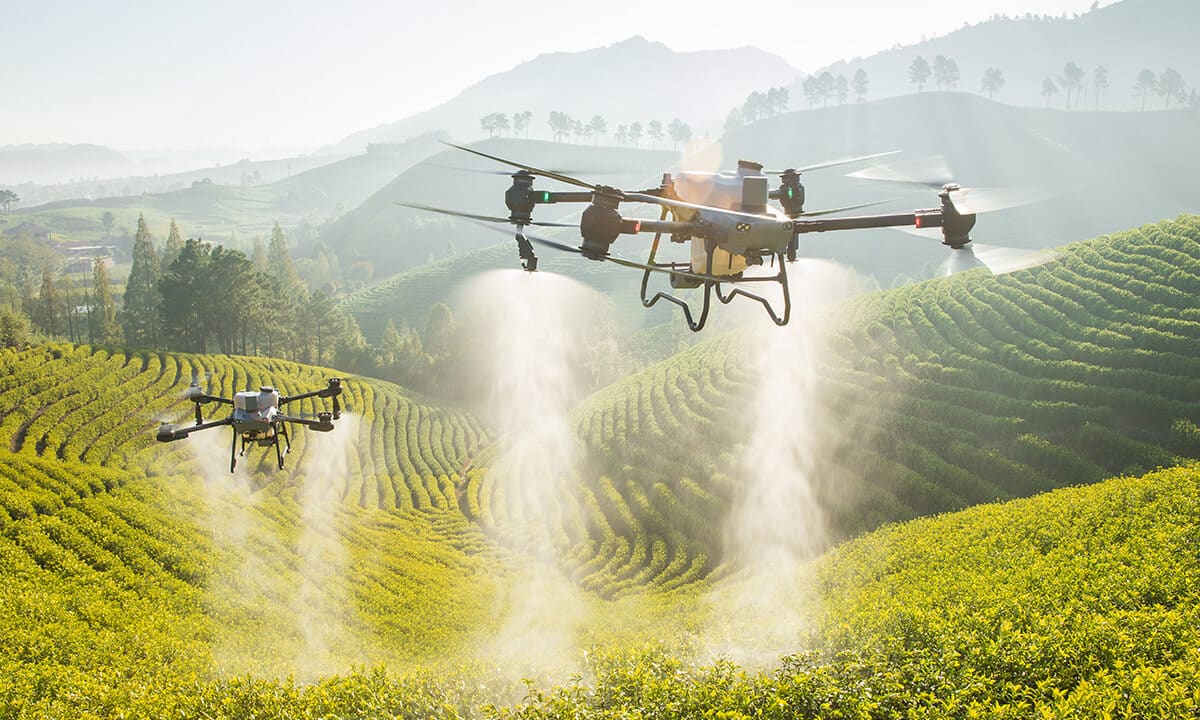
Padma AgRobotics responded with an AI-powered scarecrow system using robotic motion and adaptive patterns to prevent birds from becoming accustomed to fixed deterrents.
The key was unpredictability. Birds adapt quickly to static threats. The system had to move dynamically, vary its behavior, and remain safe for crops and workers.
Field testing with Blue Sky Organic Farms showed strong potential. The result was a novel device and a labor-saving solution for farms struggling to allocate human resources efficiently.
Automation and the Changing Agricultural Workforce
Across the United States, agriculture faces a tightening labor market. Working long hours on tractors, in triple-digit heat, and repetitive manual tasks makes recruitment difficult.
Automation does not have to replace farmers. It can support them by reducing repetitive, physically demanding tasks.
Padma AgRobotics is exploring larger ambitions as well, including a robotic lettuce harvester capable of:
- Identifying mature lettuce heads
- Harvesting them
- Packing them into boxes
This “holy grail” project represents the intersection of robotics,AI, machine vision, and agricultural science.
Why This Industry Story Matters for STEM Education
Stories like Padma AgRobotics highlight something important.
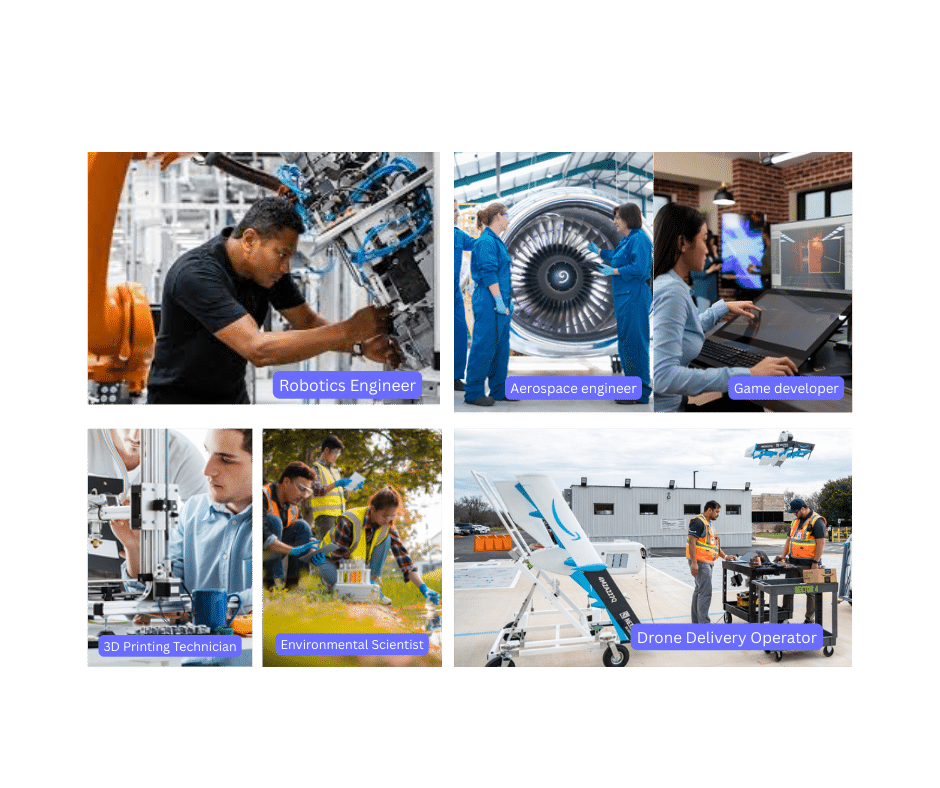
Robotics education is not theoretical or confined to labs. It is being applied to food production, sustainability, labor economics, and supply chains.
Students learning robotics today are preparing for industries that depend on:
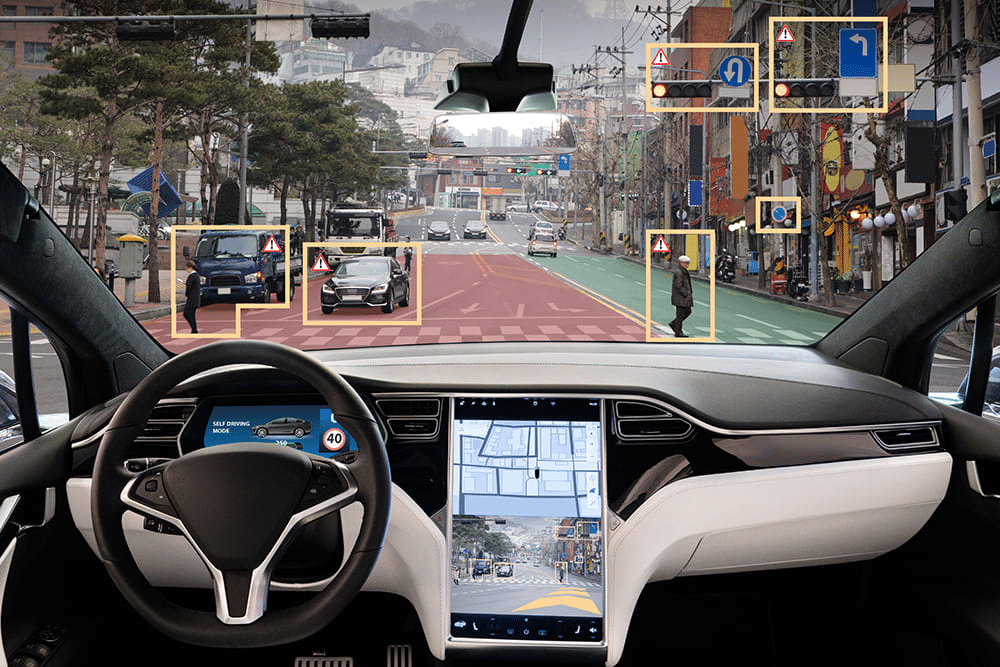
- Autonomous systems
- Machine vision
- AI decision-making
- Human-centered design
- Precision control
Agricultural automation is one example of how robotics solves real problems under real constraints.
Bringing Real-World Robotics into the Classroom
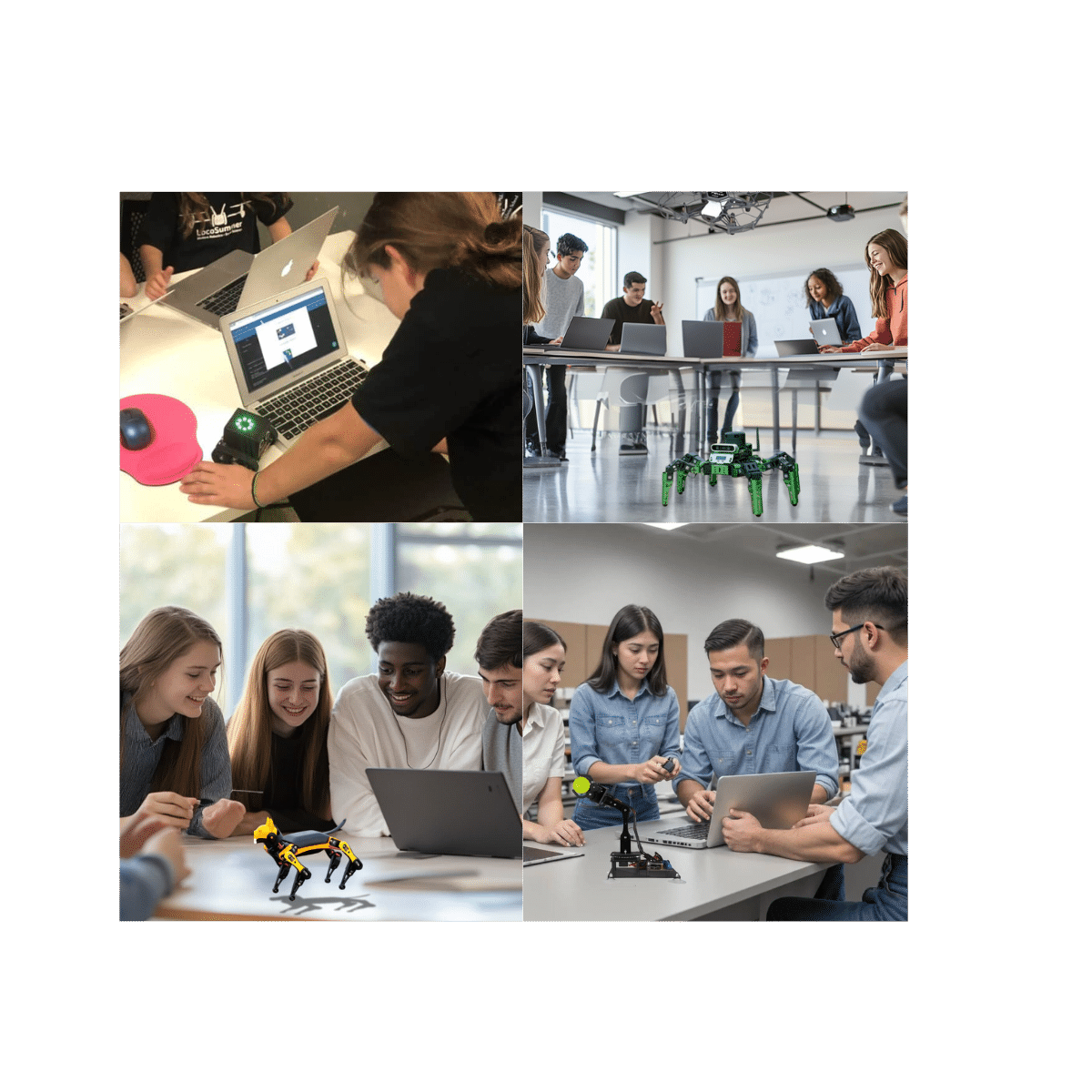
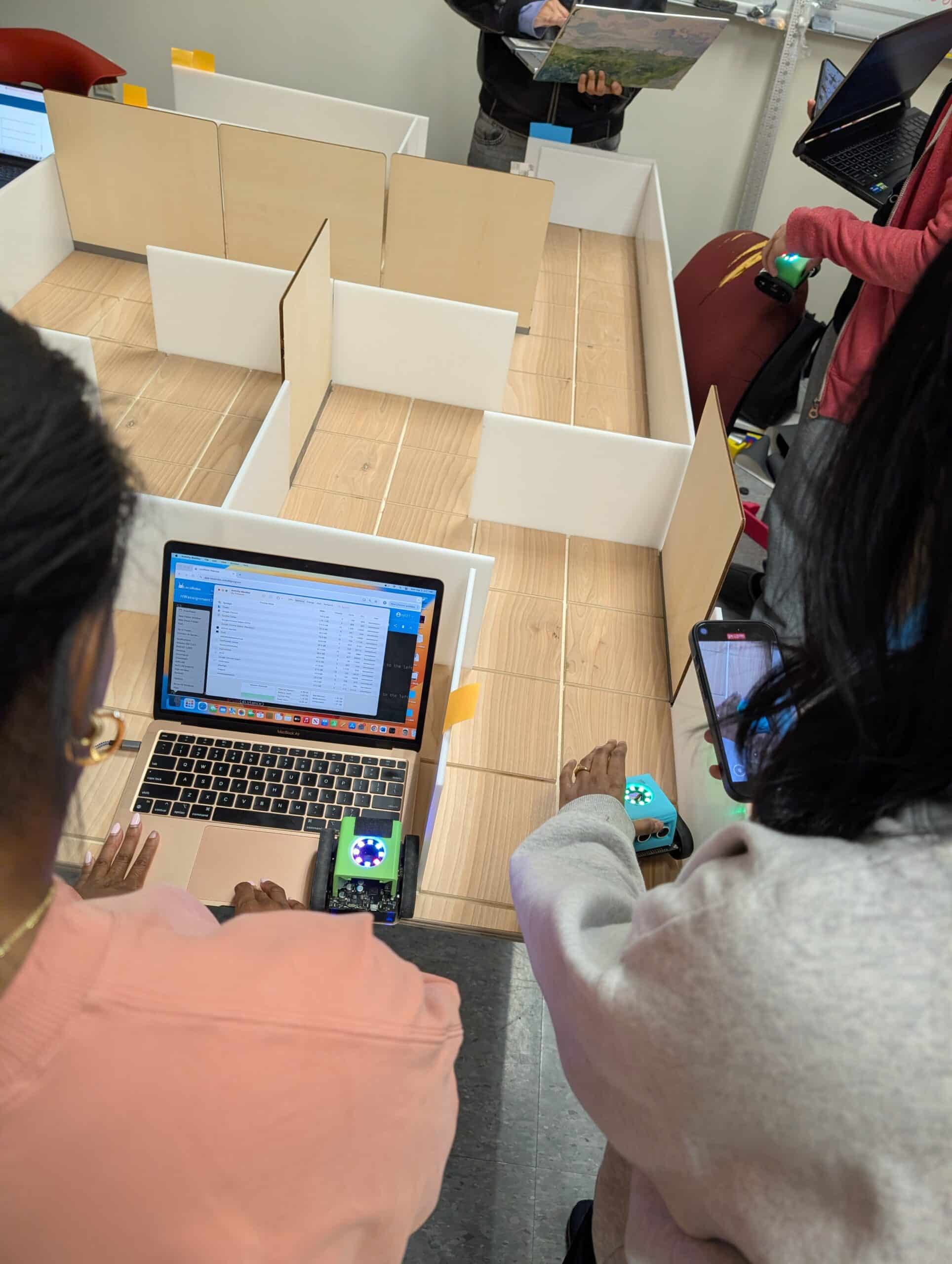
At LocoRobo, we believe students should see how robotics connects directly to industries like agriculture, manufacturing, logistics, and sustainability.
Our K12 robotics solutions are designed to:
- Introduce early learners to cause-and-effect and motion control
- Help middle school students work with sensors, logic, and troubleshooting
- Guide advanced students into AI concepts, automation, and systems thinking
- Support career-aligned pathways in STEM, CS, and CTE
Like startups such as Padma AgRobotics, meaningful innovation begins with understanding a problem and building structured solutions around it.
LocoRobo’s STEM robotics kits provide the curriculum, platforms, and ongoing support that help educators bring this kind of industry-connected robotics learning into their programs.
Explore LocoRobo’s robotics STEM solutions and see how your students can start building the systems that power tomorrow’s industries.