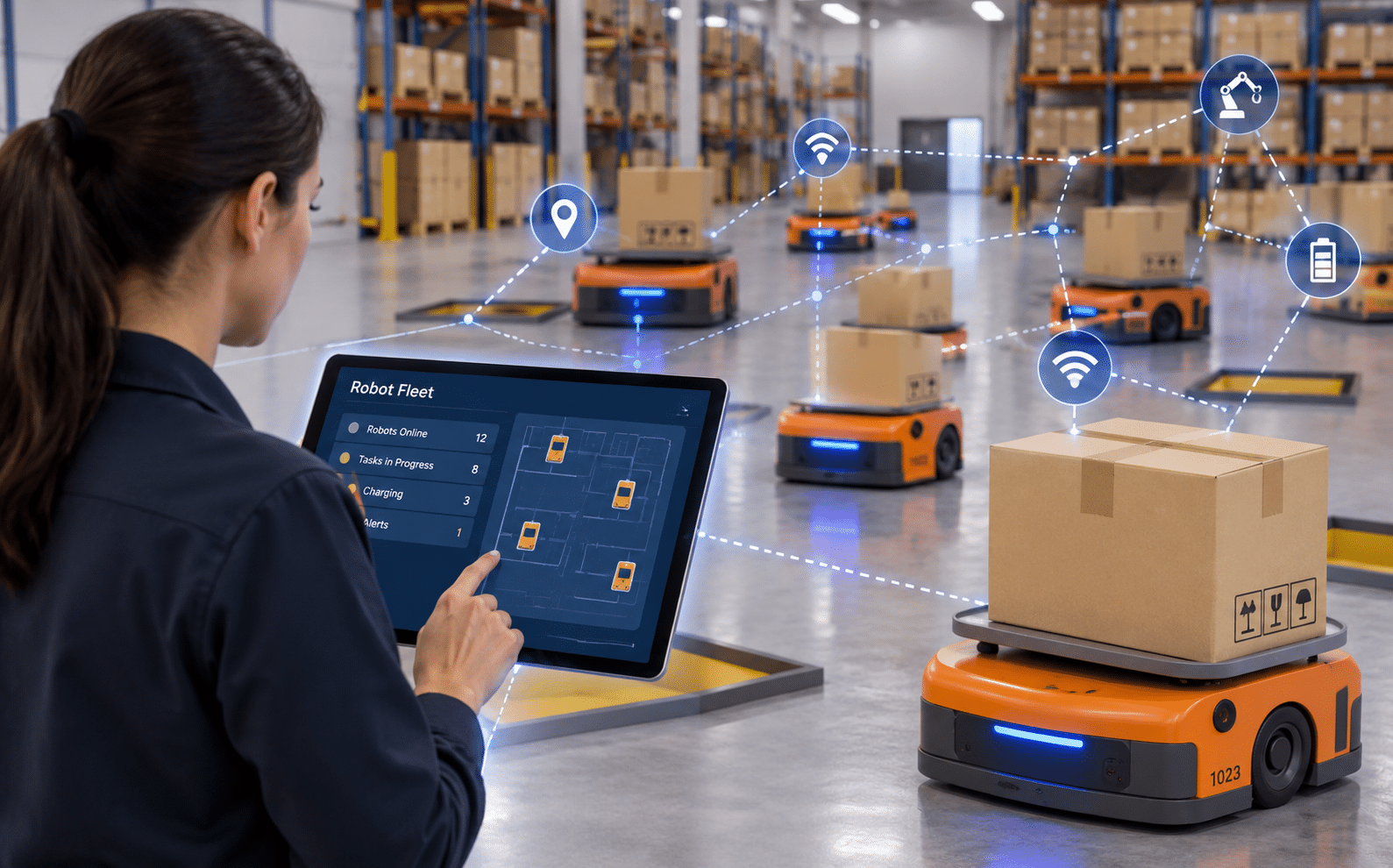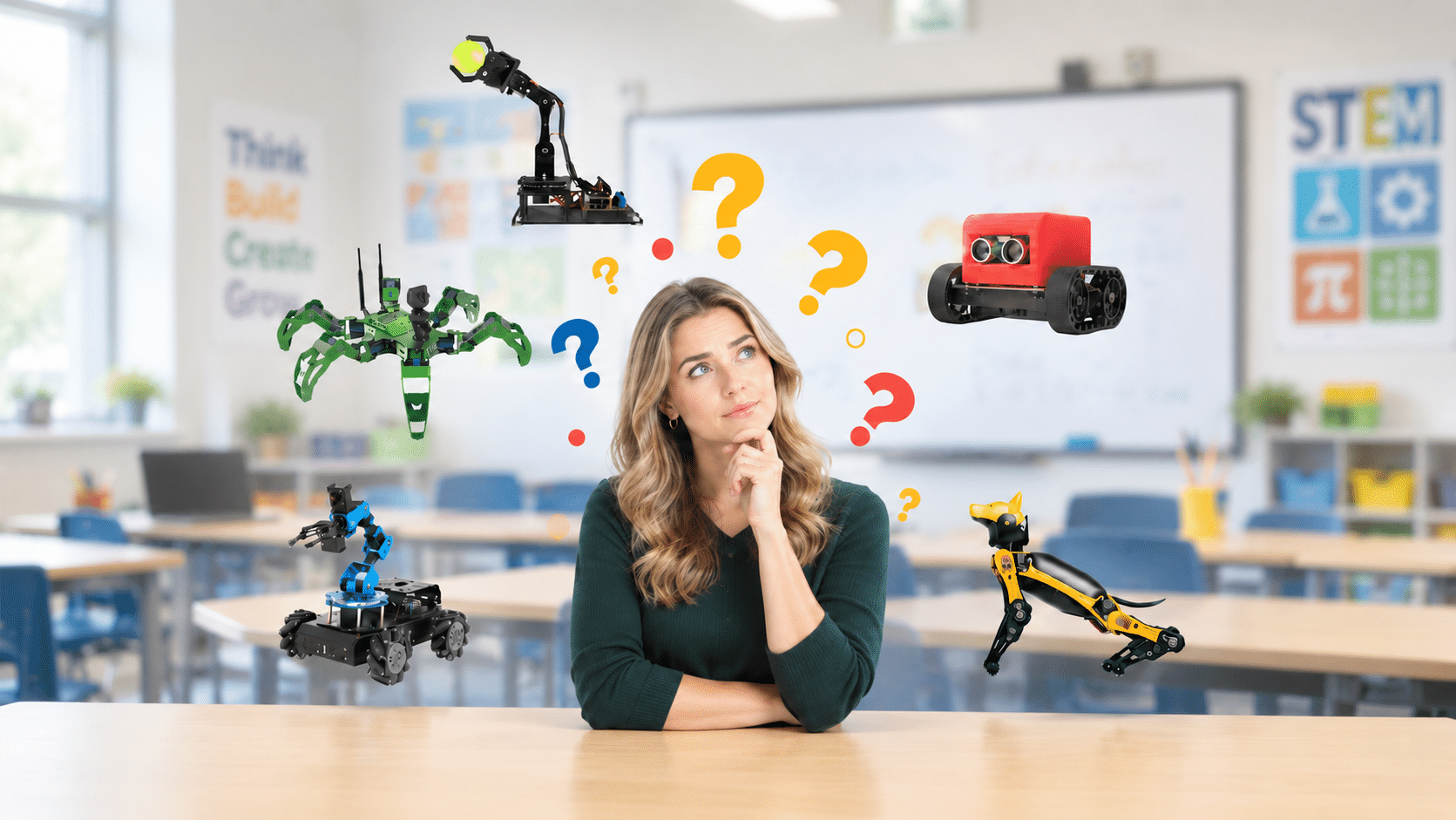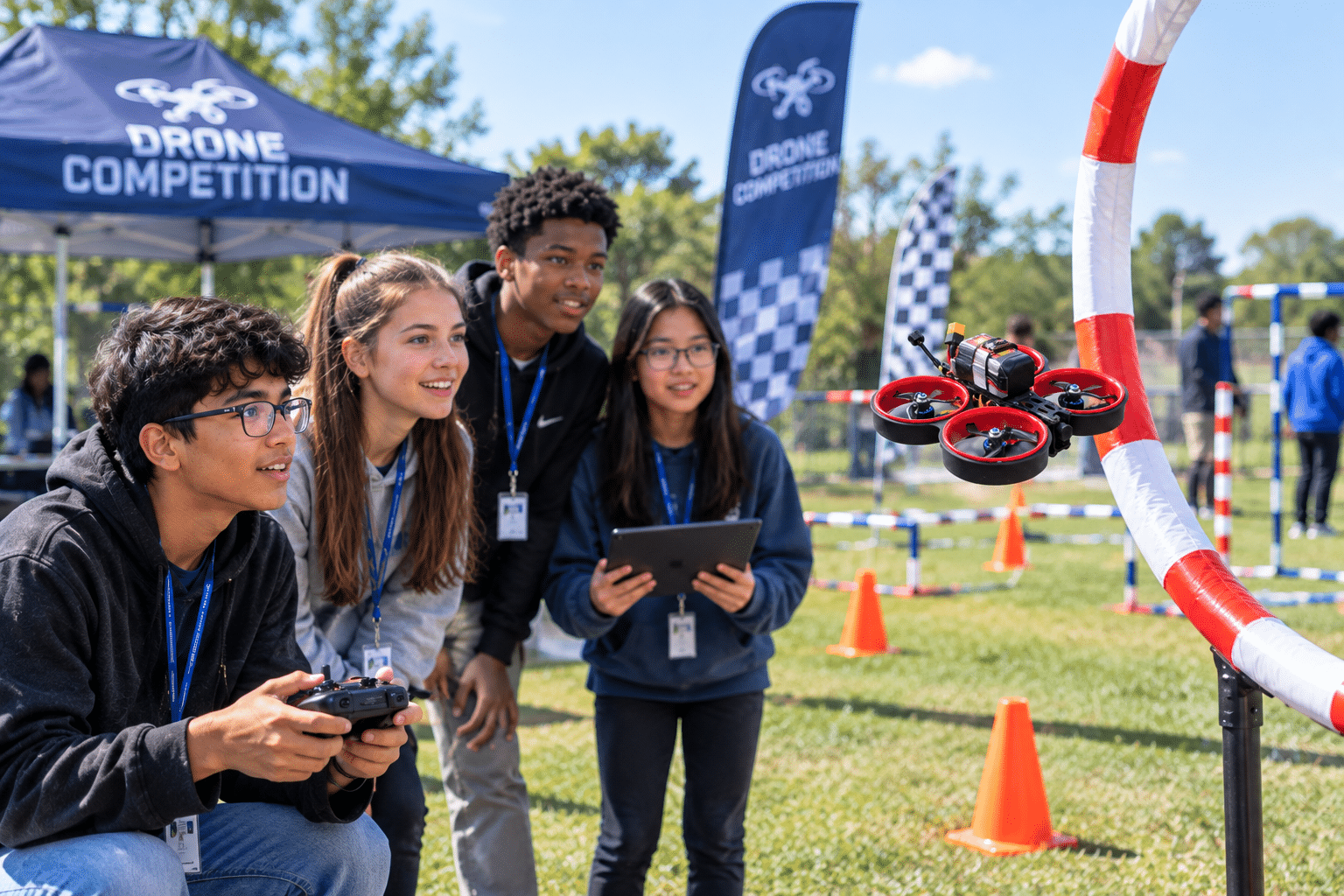

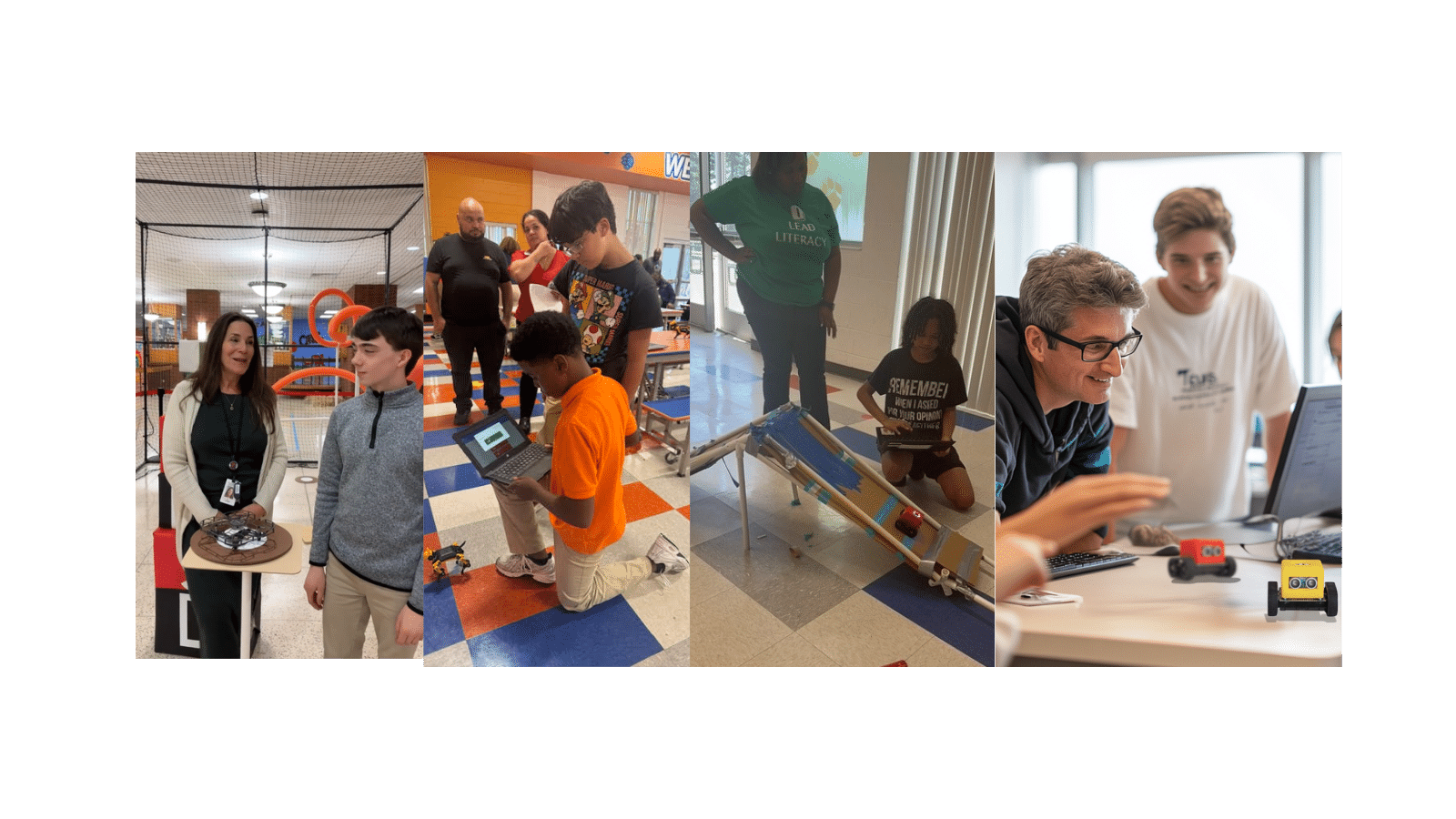
Innovation in STEM education is often associated with new technology. Robotics programs, drones, AI in the classroom, and immersive learning environments are opening new possibilities for STEM and CTE classrooms.
But technology alone does not change how students learn.
Real innovation happens when educators take these tools and turn them into meaningful learning experiences. Teachers decide how technology fits into their STEM curriculum, how students engage with it, and how programs grow over time.
In many schools, the most impactful STEM initiatives begin with a teacher who is willing to lead the way.
The Teacher Champion Effect
Across STEM classrooms, new STEM programs often start with a single educator exploring new tools and ideas.
A robotics platform might begin as a classroom project. A drone program may start as an after-school activity. A coding lesson may evolve into a semester-long engineering unit.
When students respond with engagement and curiosity, momentum builds. Other teachers begin to adopt the program. Administrators see the value, and what began as one class can grow into a schoolwide STEM pathway.
In many cases, this growth is driven by teacher champions who are willing to experiment, refine lessons, and help colleagues bring new technologies into their own classrooms.
Technology Creates Opportunity. Teachers Create Learning.
Modern STEM tools allow students to interact with concepts in ways that traditional lessons cannot.
Students can:
- Program robots to navigate real environments
- Train AI models and analyze data
- Code a drone to perform autonomous flight missions
- Explore career simulations using virtual reality
These technologies provide powerful learning opportunities. But the learning happens because teachers guide students through challenges, projects, and experimentation.
Teachers turn technology into structured experiences that build collaboration, problem-solving skills, and deeper understanding.
How STEM Programs Grow in Schools
Sustaining innovation requires more than introducing new tools. Schools need programs that can expand over time.
Teacher champions often play a key role in this process by:
- Mentoring other educators who want to introduce STEM technology
- Sharing lessons and project ideas
- Connecting classroom learning to real-world applications
- Building clubs and competitive teams
- Expanding programs across multiple grade levels
With the right support, these efforts can grow into structured pathways that introduce students to fields like engineering, robotics, AI, and autonomous systems.
Supporting the Educators Who Lead STEM Innovation
At LocoRobo, our goal is to help educators confidently introduce and grow STEM programs.
LocoRobo’s STEM solutions combine:
- Hands-on learning platforms for drones, robotics, AI, VR, and cybersecurity
- Classroom-ready curriculum designed for different grade levels
- Professional development and teacher training
- Ongoing support to help educators focus on what they do best
These resources allow teachers to focus on guiding students through exploration, experimentation, and real-world problem-solving.
Because innovation in education happens when technology and educators work together to create meaningful learning experiences for students. Learn more at locorobo.co