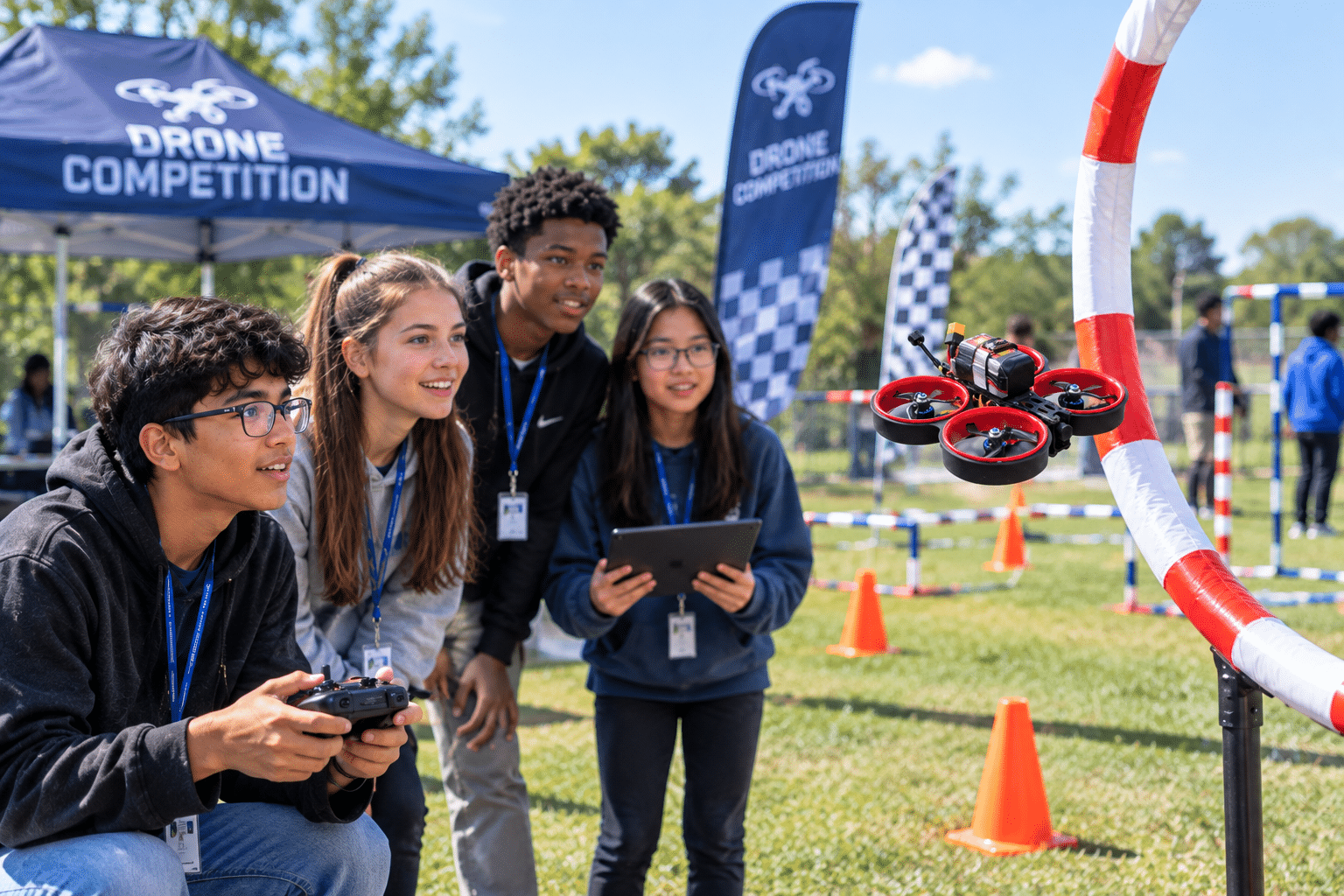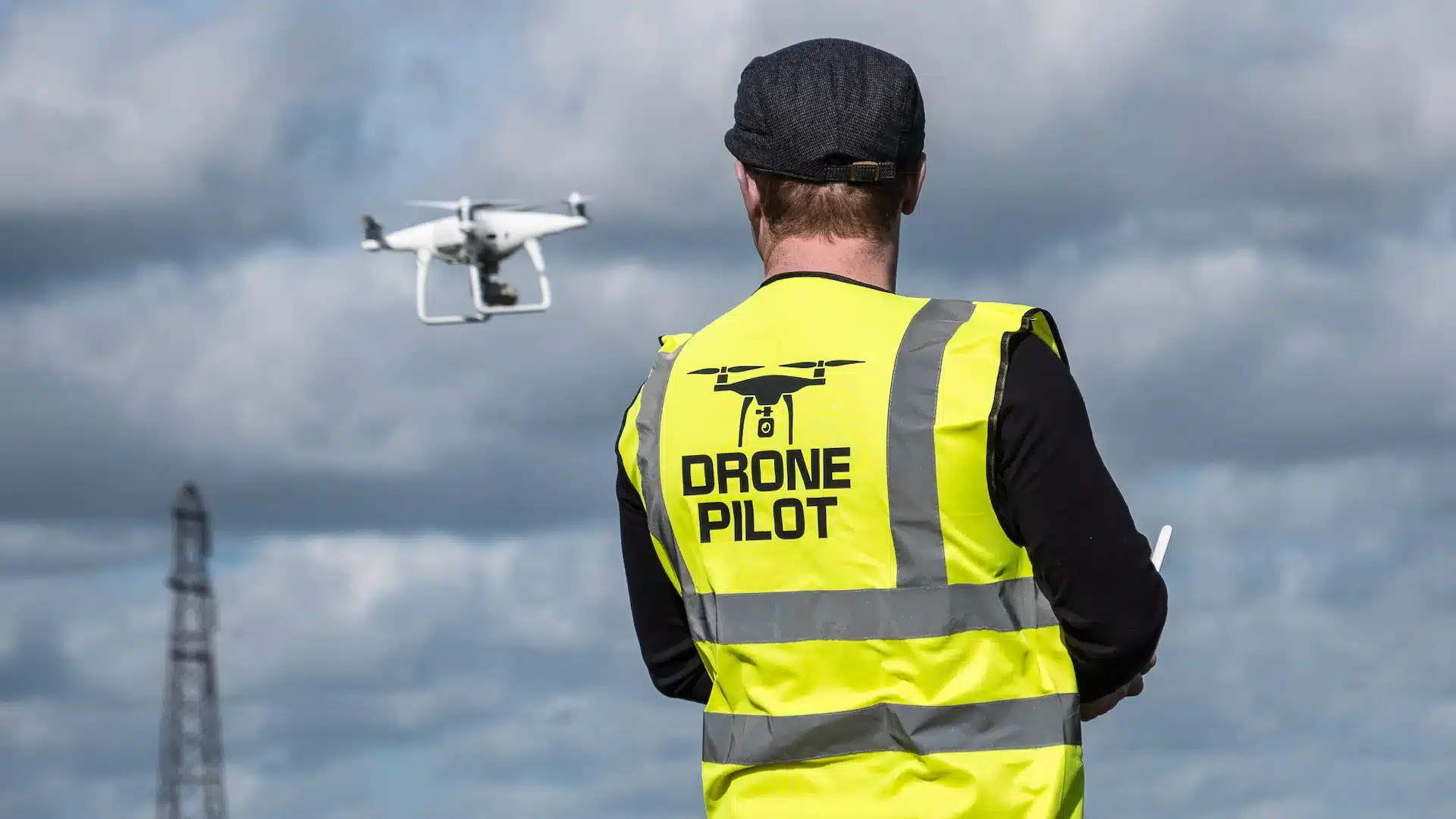


Artificial intelligence is often described in broad, abstract terms. In school robotics programs, the changes are far more practical.
AI is reshaping how students design, program, test, and think about robotic systems. The shift is less about hype and more about capability.
Here is what is actually changing inside K–12 robotics programs.
1. From Pre-Programmed Movements to Adaptive Behavior
Traditional robotics lessons often focus on deterministic programming. Students write code that tells a robot exactly what to do: move forward, turn left, stop.
AI introduces adaptive systems.
Instead of reacting only to fixed commands, students can now:
- Program robots to recognize patterns
- Use sensor data to inform decision-making
- Adjust behavior based on changing inputs
- Simulate basic machine learning models
For example, instead of programming a robot to stop at a fixed distance, students can train it to classify objects based on sensor readings and respond differently depending on what it detects.
This shifts robotics from step-by-step automation to intelligent response.
2. Data Is Becoming Central to Robotics Education
AI-driven robotics requires data. That changes classroom projects.
Students are have moved beyond writing motion commands. They are now:
- Collecting sensor data
- Cleaning and labeling datasets
- Refining performance through iteration
- Testing model accuracy
Robotics programs now overlap with data science. A robotics project might involve analyzing how a robot performs across multiple trials and adjusting algorithms accordingly.
This builds stronger computational thinking because students see the relationship between software logic, hardware inputs, and data-driven decisions.
3. Coding Progression Is Expanding
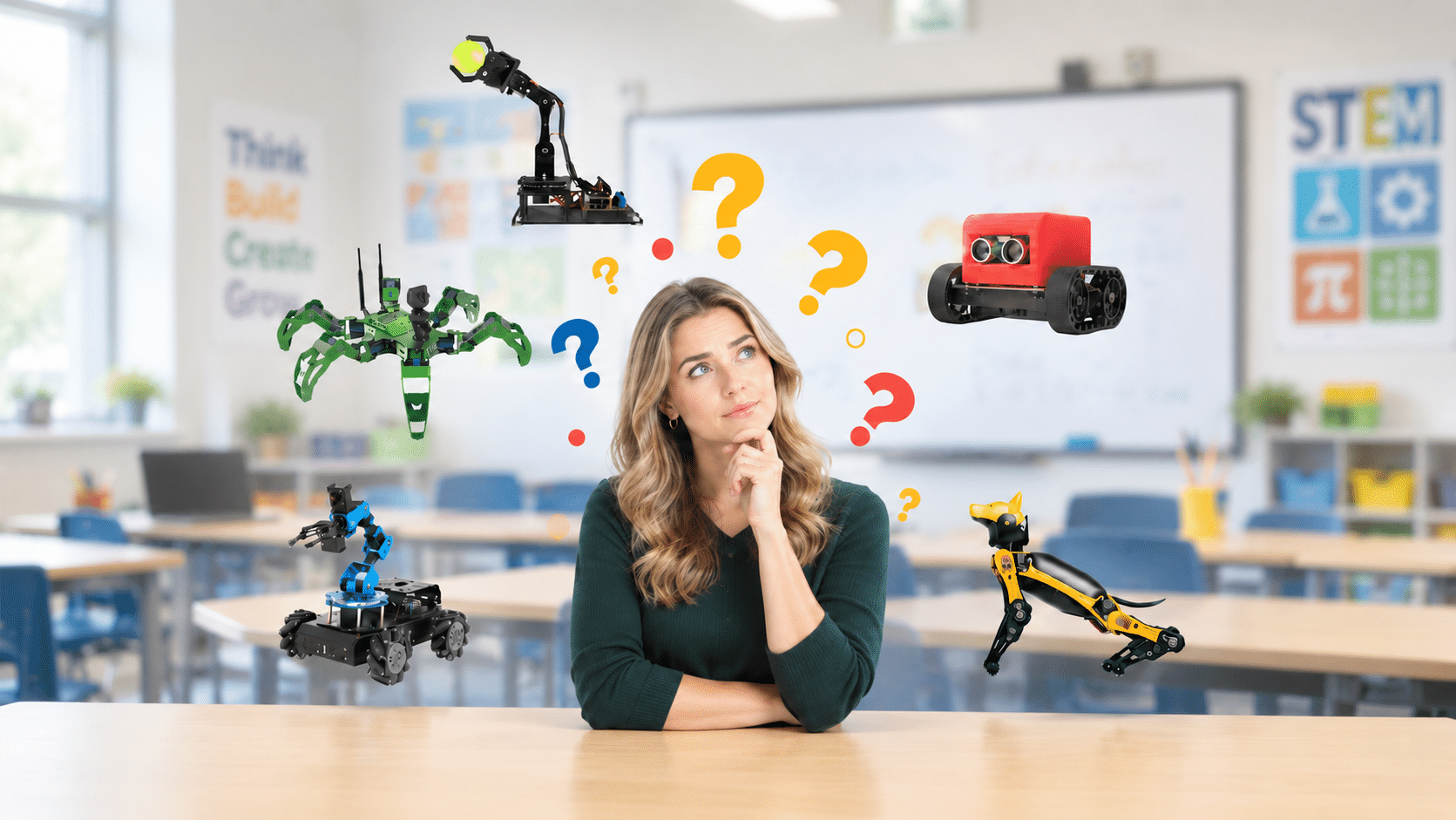
In many stem robotic kits, robotics begins with block-based programming and progresses into text-based languages like Python.
AI integration deepens this pathway.
Students working with robotics and AI may:
- Use Python for model logic
- Work with APIs or pre-trained models
- Apply conditional logic tied to prediction outputs
- Experiment with computer vision
The coding becomes less about movement commands and more about structured reasoning.
This is a meaningful shift. Students are learning how to control a robot along with how intelligent systems are built.
4. Robotics Projects Are Becoming More Real-World Oriented
AI changes the types of problems students can solve.
Instead of building a robot that simply follows a line, students might design systems that:
- Recognize gestures or commands
- Sort objects based on visual features
- Navigate dynamic environments
- Make decisions based on environmental data
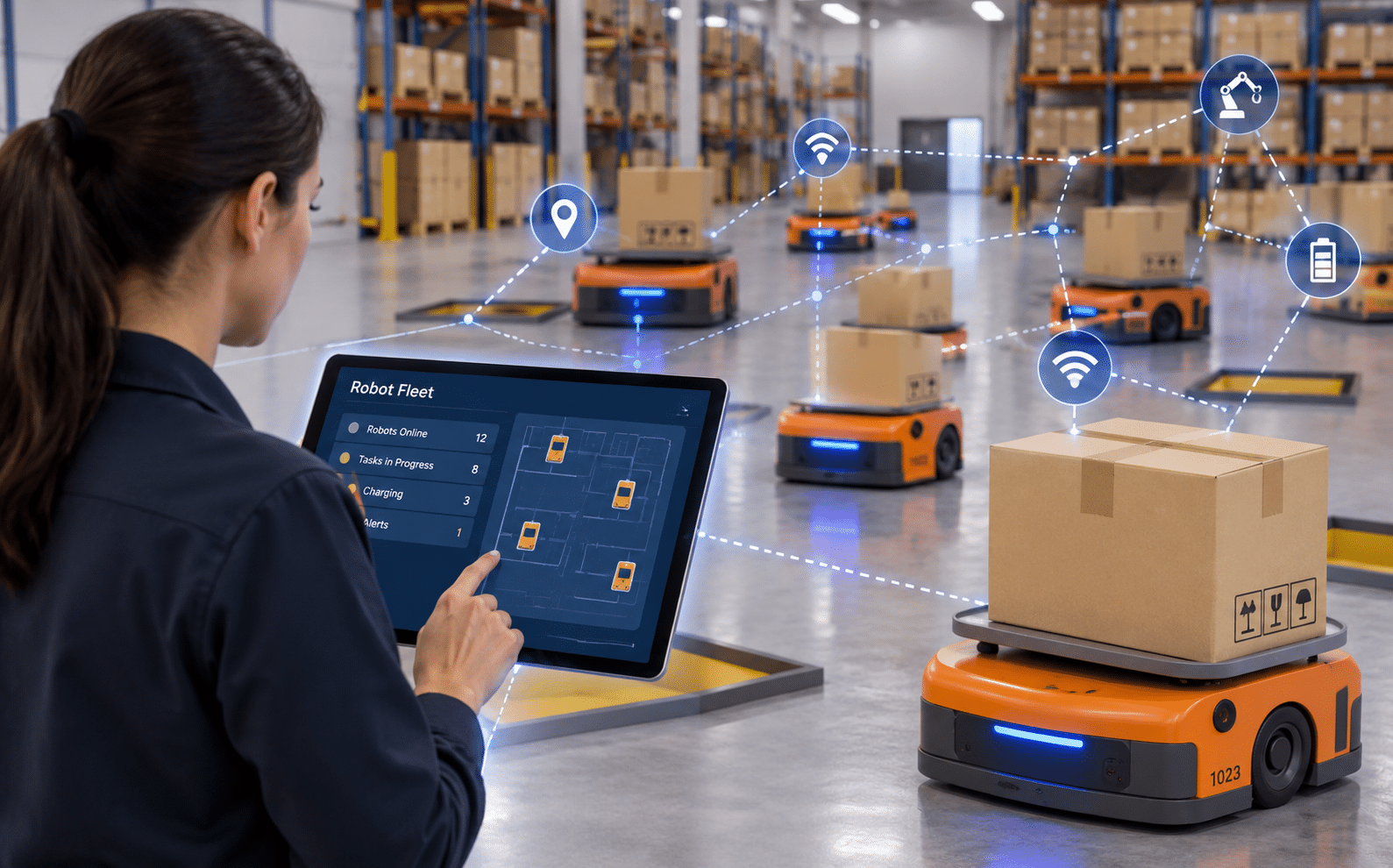
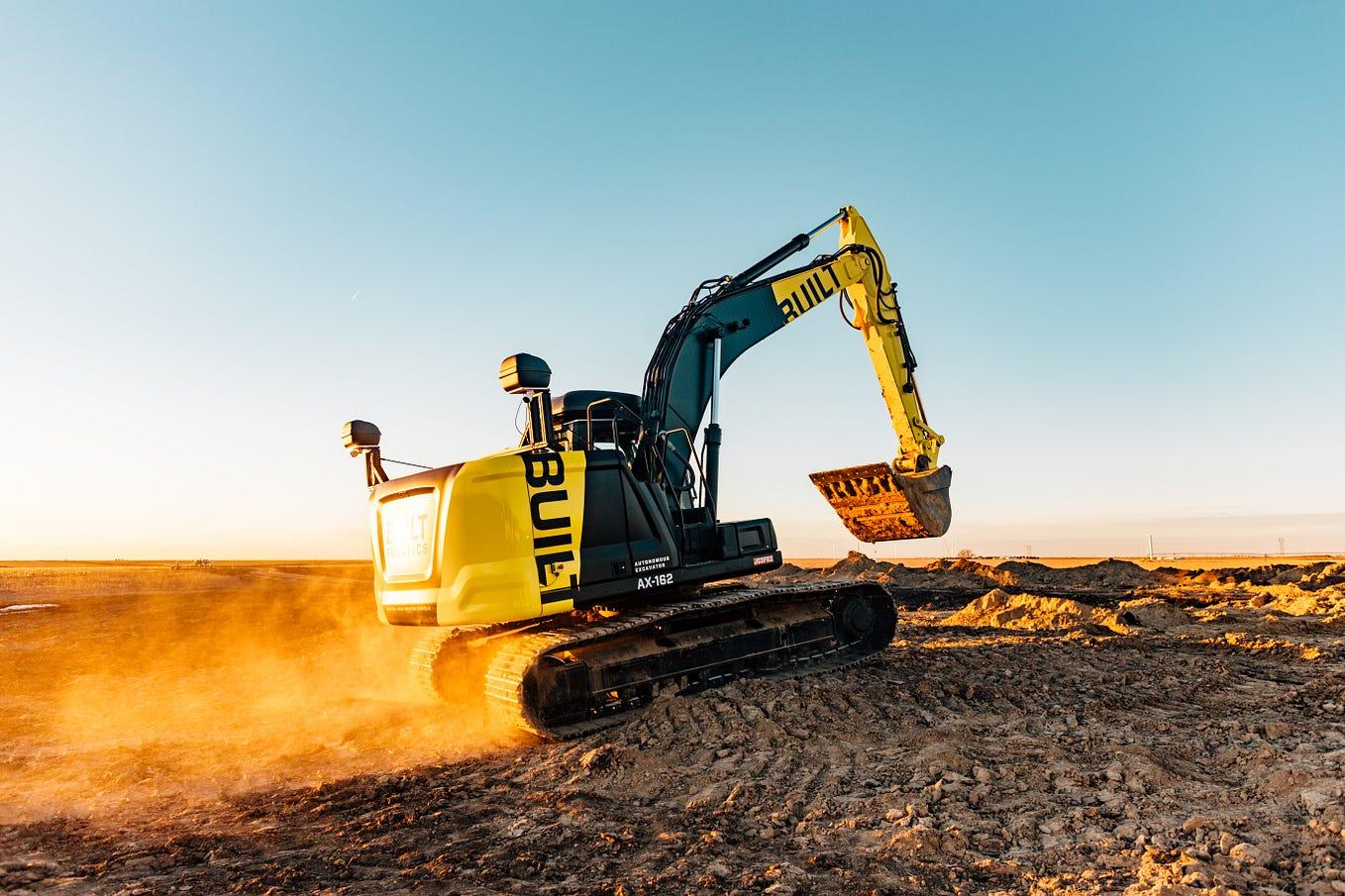
This mirrors how robotics is used across industries such as logistics, manufacturing, healthcare, and environmental monitoring.
Robotics in the classroom become more aligned with modern engineering practices, where hardware, software, and AI operate together.
5. Teacher Roles Are Evolving
AI makes curriculum design more intentional. Teachers now guide students through:
- Ethical considerations in AI
- Understanding model limitations
- Interpreting output accuracy
- Debugging intelligent systems
Instead of only troubleshooting motors and wiring, educators are helping students interpret why a model predicted incorrectly or why sensor data created inconsistent results.
The focus moves toward systems thinking.
6. Assessment Is Becoming More Iterative
With AI-based robotics projects, success is rarely binary.
A robot may function, but its decision accuracy might be inconsistent. Students learn to:
- Evaluate performance metrics
- Adjust training data
- Refine algorithms
- Improve reliability over time
This builds resilience and analytical thinking. Students understand that improvement comes through iteration, not one-time success.
What This Means for School Robotics Programs
AI is not replacing foundational robotics skills. It is expanding them.
Students still need to understand:
- Sensors and hardware integration
- Motor control
- Engineering design processes
- Programming fundamentals
AI adds another layer. It introduces pattern recognition, decision-making systems, and data-driven logic.
When thoughtfully integrated, AI strengthens robotics programs by connecting mechanical systems to intelligent software.
Bringing AI and Robotics Together in the Classroom
At LocoRobo, robotics and AI are designed to work together as part of a structured learning pathway. Students begin with foundational robotics concepts and gradually move into intelligent systems that combine sensors, software, and data.
Our robotics kits allow students to:
- Integrate sensors for data collection
- Program autonomous behaviors
- Build systems that solve meaningful problems
- Understand how hardware and software interact
Through structured AI and robotics curriculum, students move from foundational coding to intelligent system design.
LocoAI: Advanced AI Tools for High School Students
LocoAI introduces high school students to artificial intelligence through hands-on coding and robotics applications. The curriculum explores how AI systems are built and applied in modern technology environments.
Students work with concepts such as:
- Computer vision for object recognition and visual analysis
- Neural networks and machine learning models
- Python programming for AI logic and automation
- Data-driven decision making within robotic systems
Through structured lessons and projects, students connect AI concepts directly to robotics challenges and real-world engineering problems.
Supporting Educators as AI Enters the Classroom
Introducing AI into robotics programs requires clear curriculum structure and strong educator support. LocoAI includes teacher guides, lesson plans, and professional development resources so educators can confidently guide students through AI topics.
With LocoRobo, schools receive:
- Standards-aligned robotics curriculum
- AI-focused learning modules
- Teacher-friendly software
- Empowerment through Hands-On Learning
- Support you can count on
Robotics education is evolving as AI becomes part of how intelligent systems are designed and programmed. By combining robotics, coding, and AI, students gain a deeper understanding of how modern technologies operate and how they can improve them. If your school is exploring how to integrate AI into robotics programs, LocoRobo is ready to support that next step.