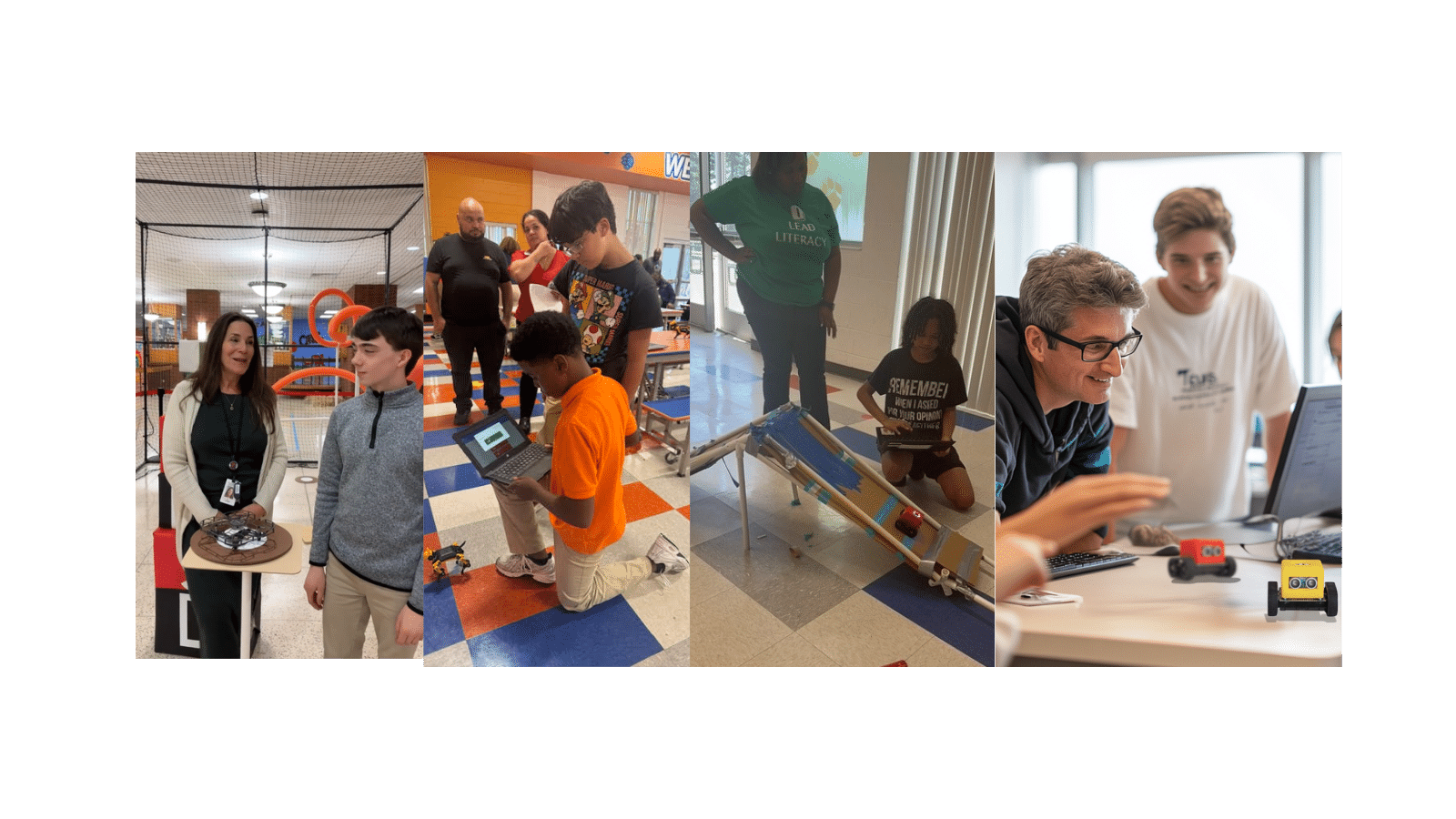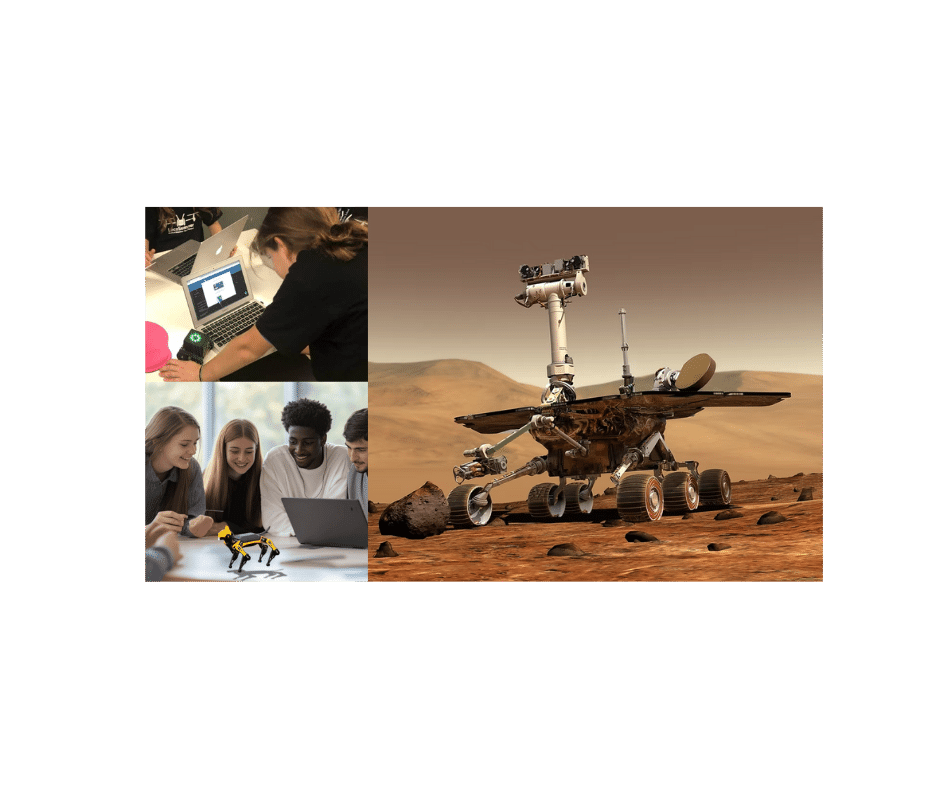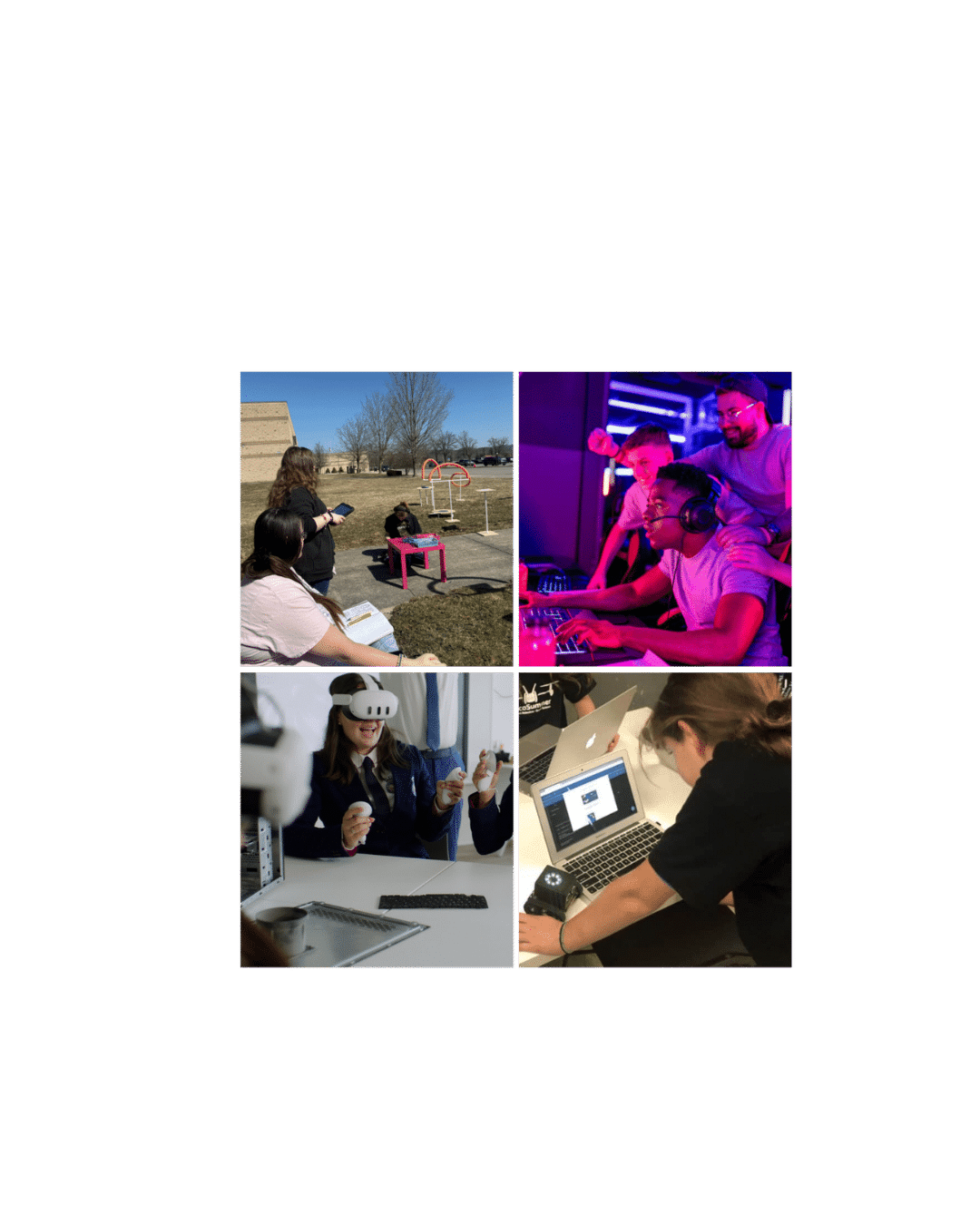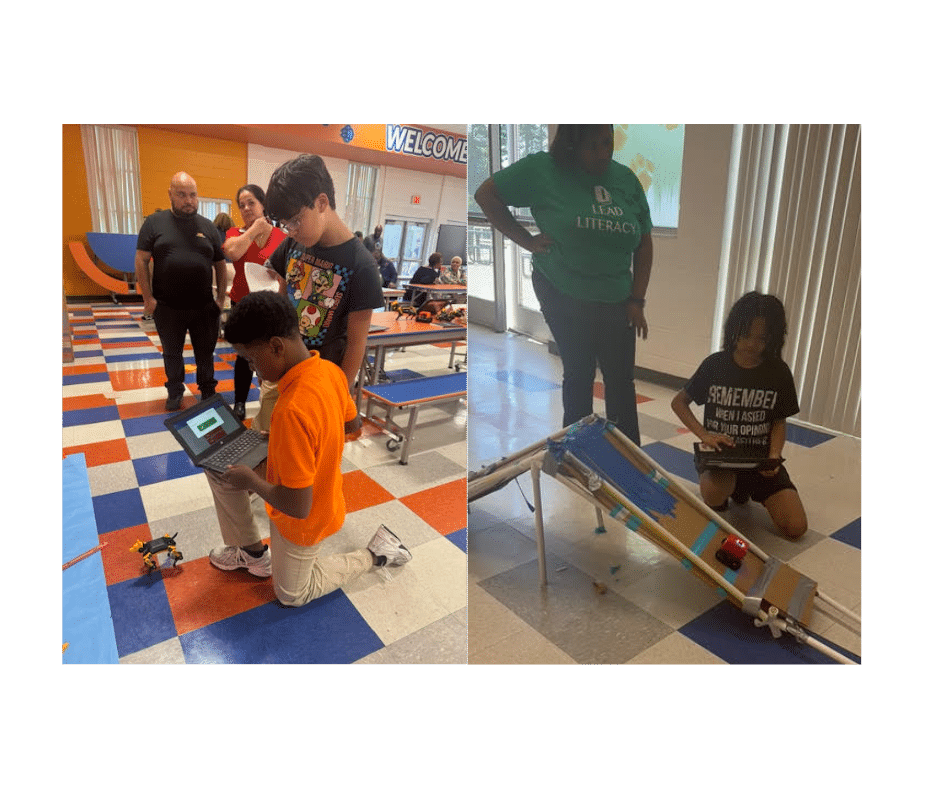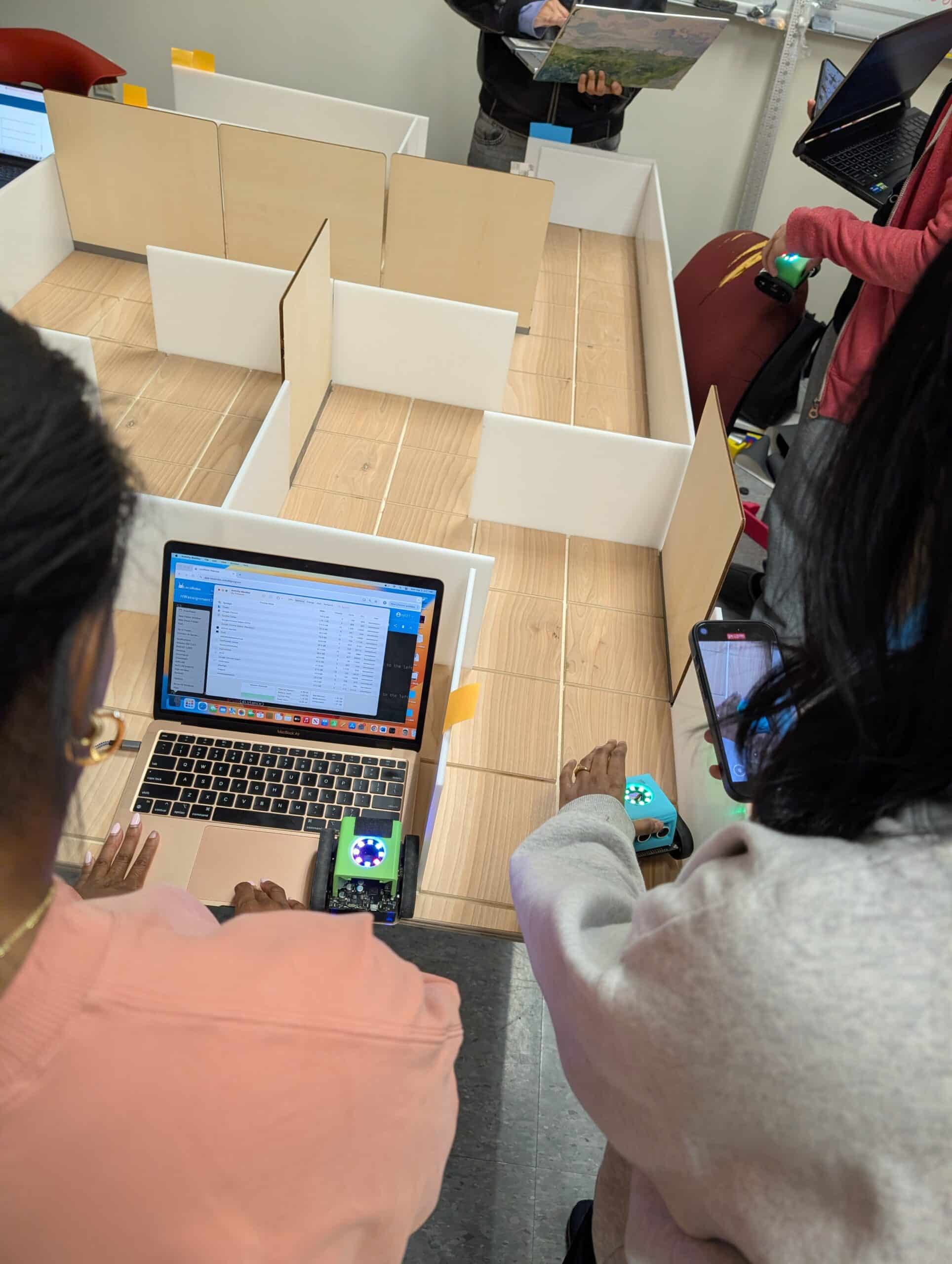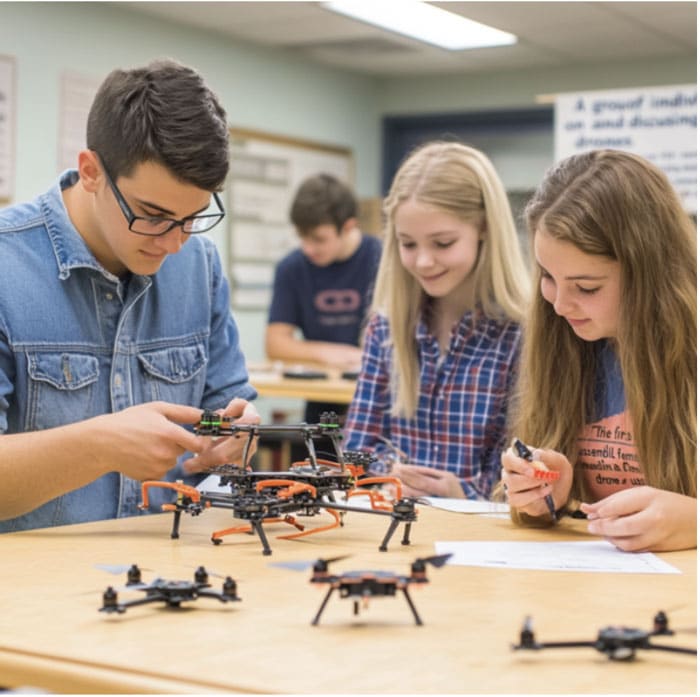


Robotics lessons rarely unfold exactly as planned, and most teachers would argue that this is where the learning actually begins. When a robot hesitates, missteps, or behaves in a way students did not expect, the classroom shifts from following instructions to figuring things out. That moment when a student stops, looks back at their code, and says, “Oh wait, try that again,” is often more valuable than a perfect first run.
This is the space where LocoHex comes in. It is meant to move, adapt, and occasionally challenge assumptions, creating opportunities for students to think through control, motion, and cause-and-effect in a way that feels authentic.
Learning Motion and Control With a Hexapod Robot
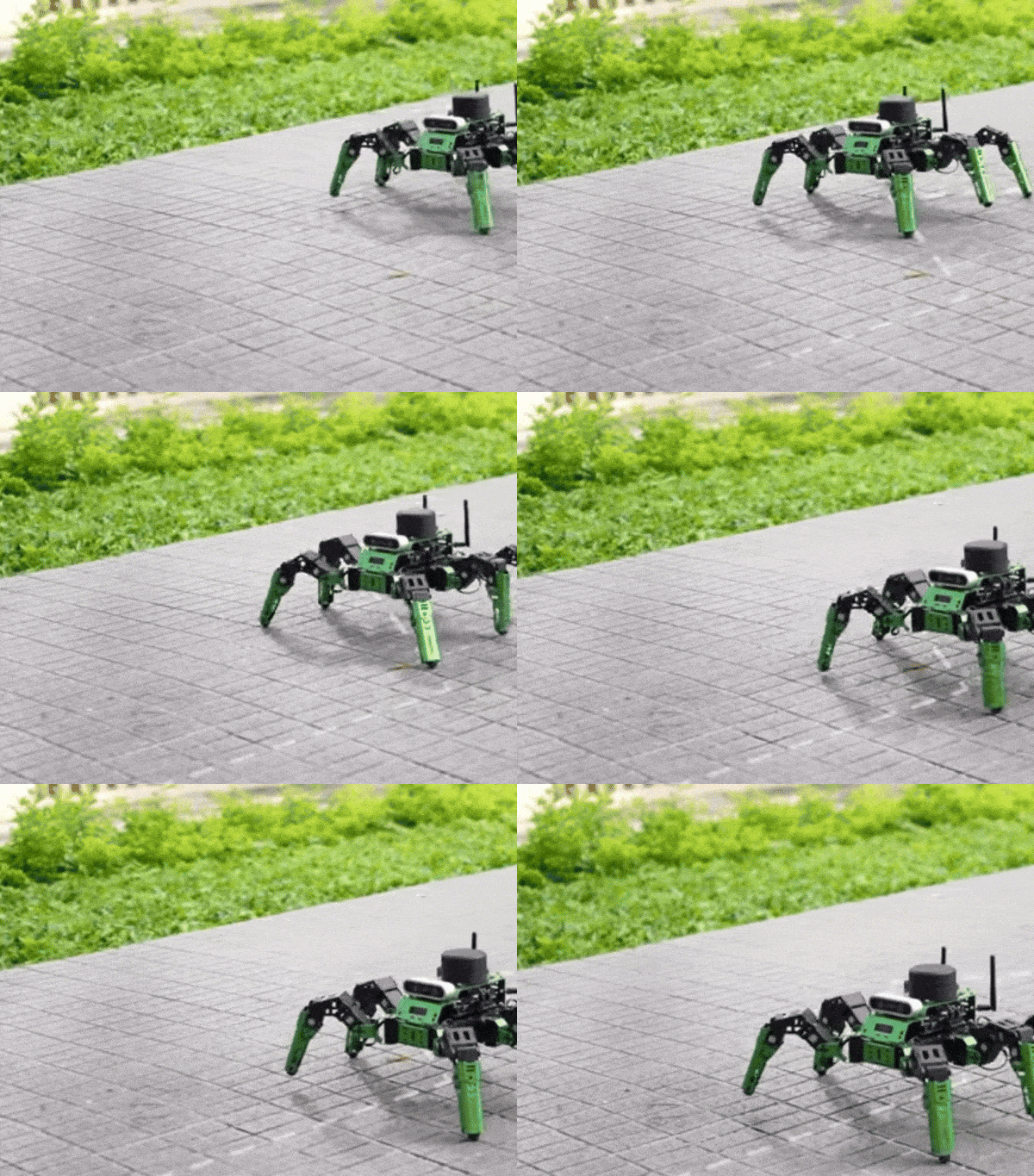
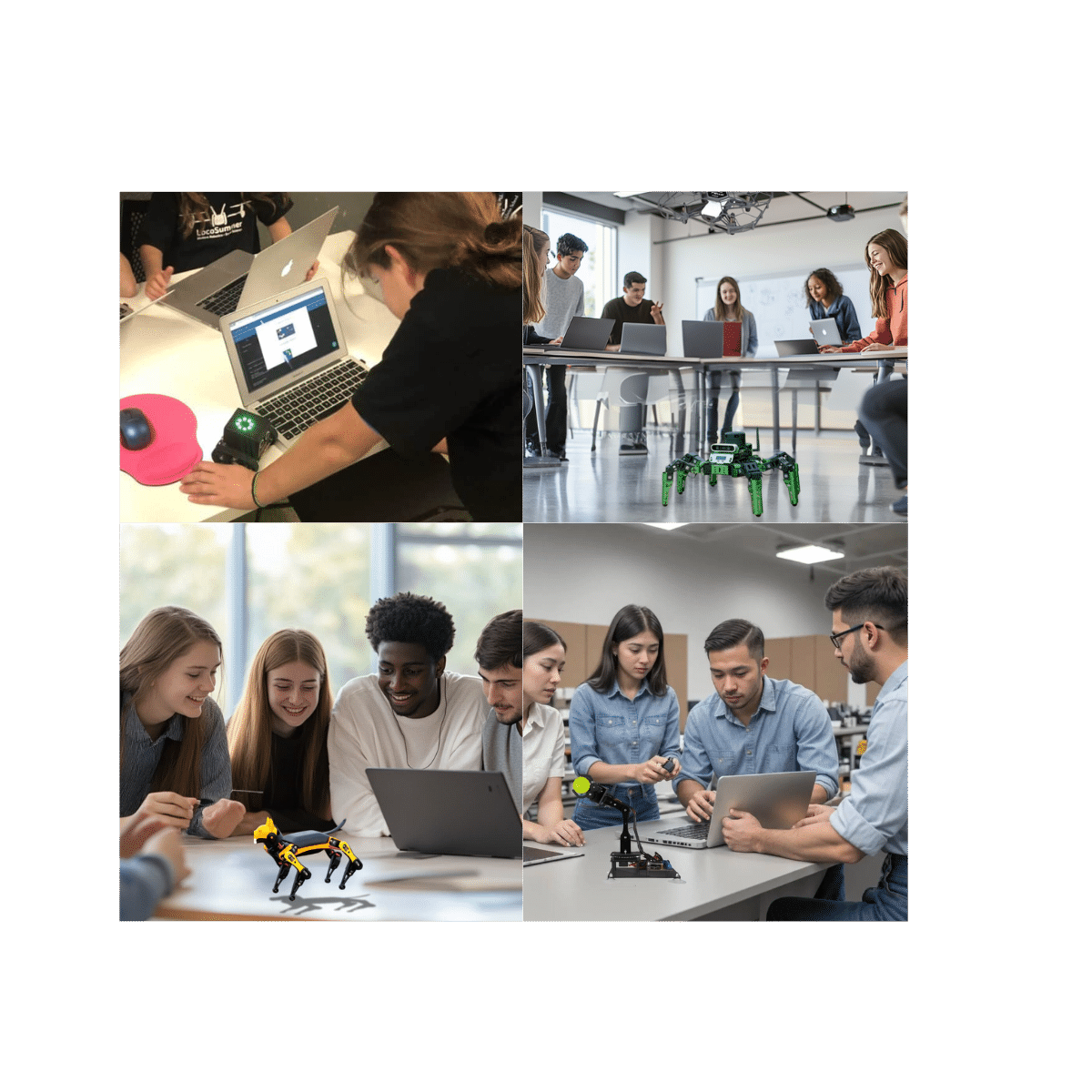
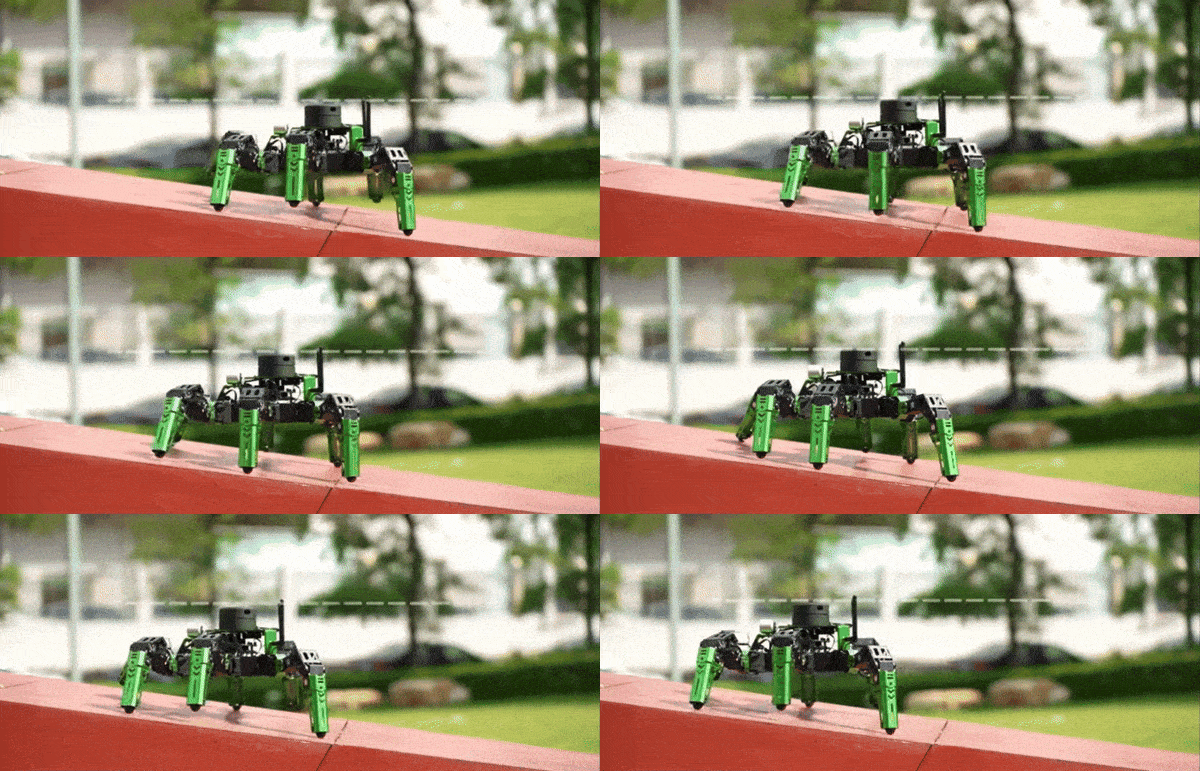
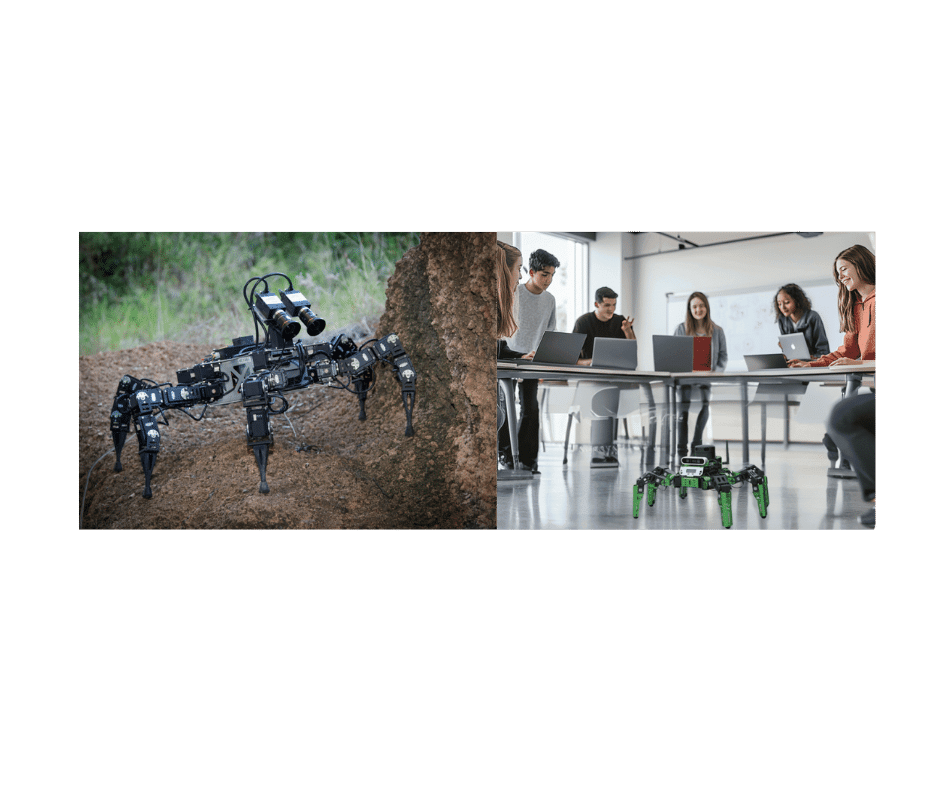
LocoHex’s six-legged design changes how students experience robotics from the moment it starts moving. The hexapod robot relies on coordinated gait patterns such as tripod and ripple movement. Students begin to see how balance, timing, and sequencing influence stability. For teachers, this naturally leads to richer discussions about mechanics and control systems without needing to manufacture complexity. The codable robot’s movement invites those conversations on its own.
Teachers already manage enough variables during the day, from pacing constraints to technology hiccups to remembering far more student names than any human brain was designed to hold. LocoHex does not add chaos, but rather creates space for iteration. When a movement sequence does not behave as expected or a sensor reading changes the outcome, students are prompted to debug, adjust, and test again. Teachers are not positioned as the keeper of the correct answer but as the guide helping students reason through what happened and why.
Teaching Mapping and Navigation With LiDAR and Depth Cameras
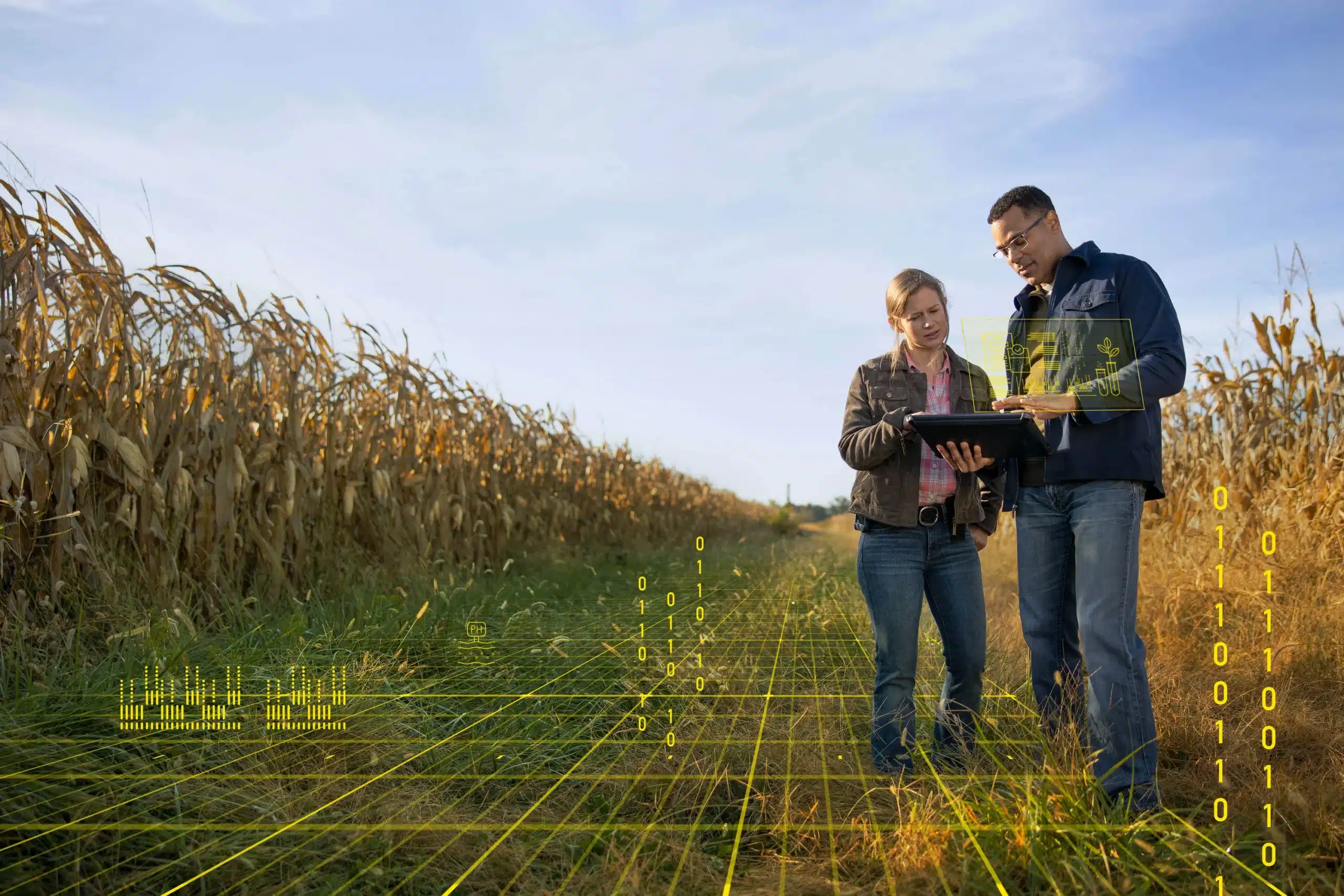
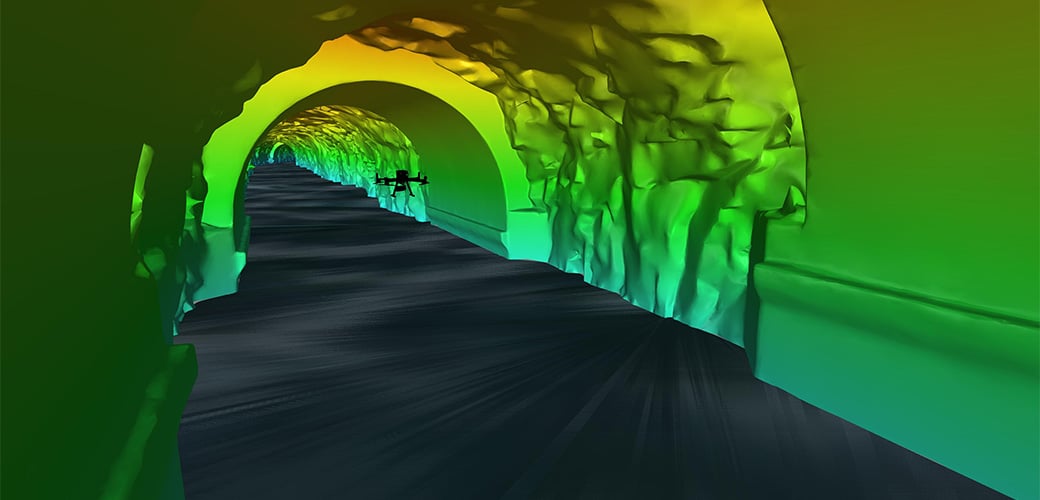
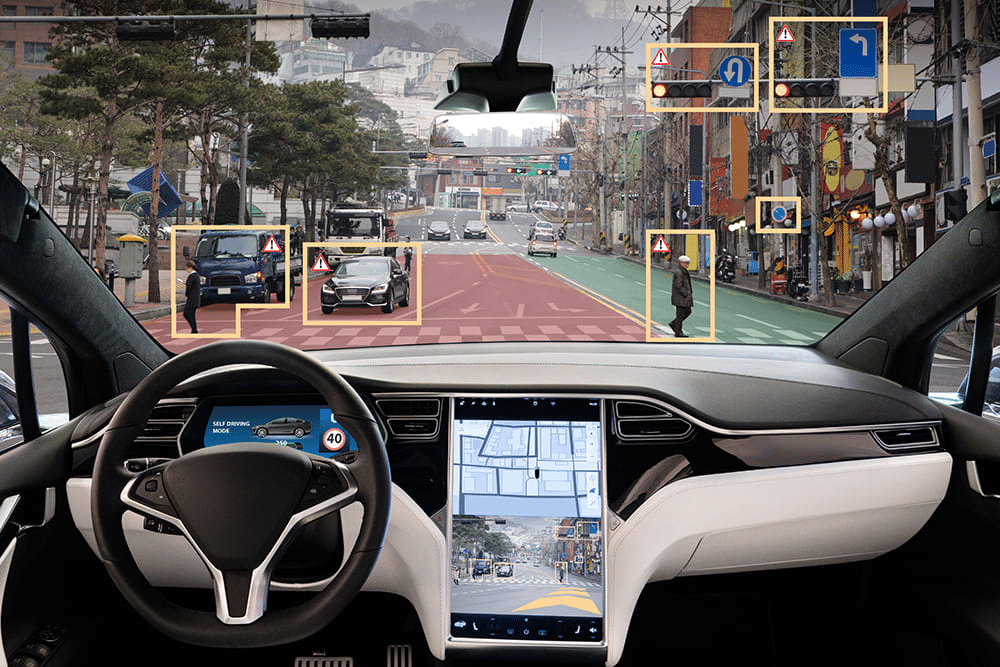
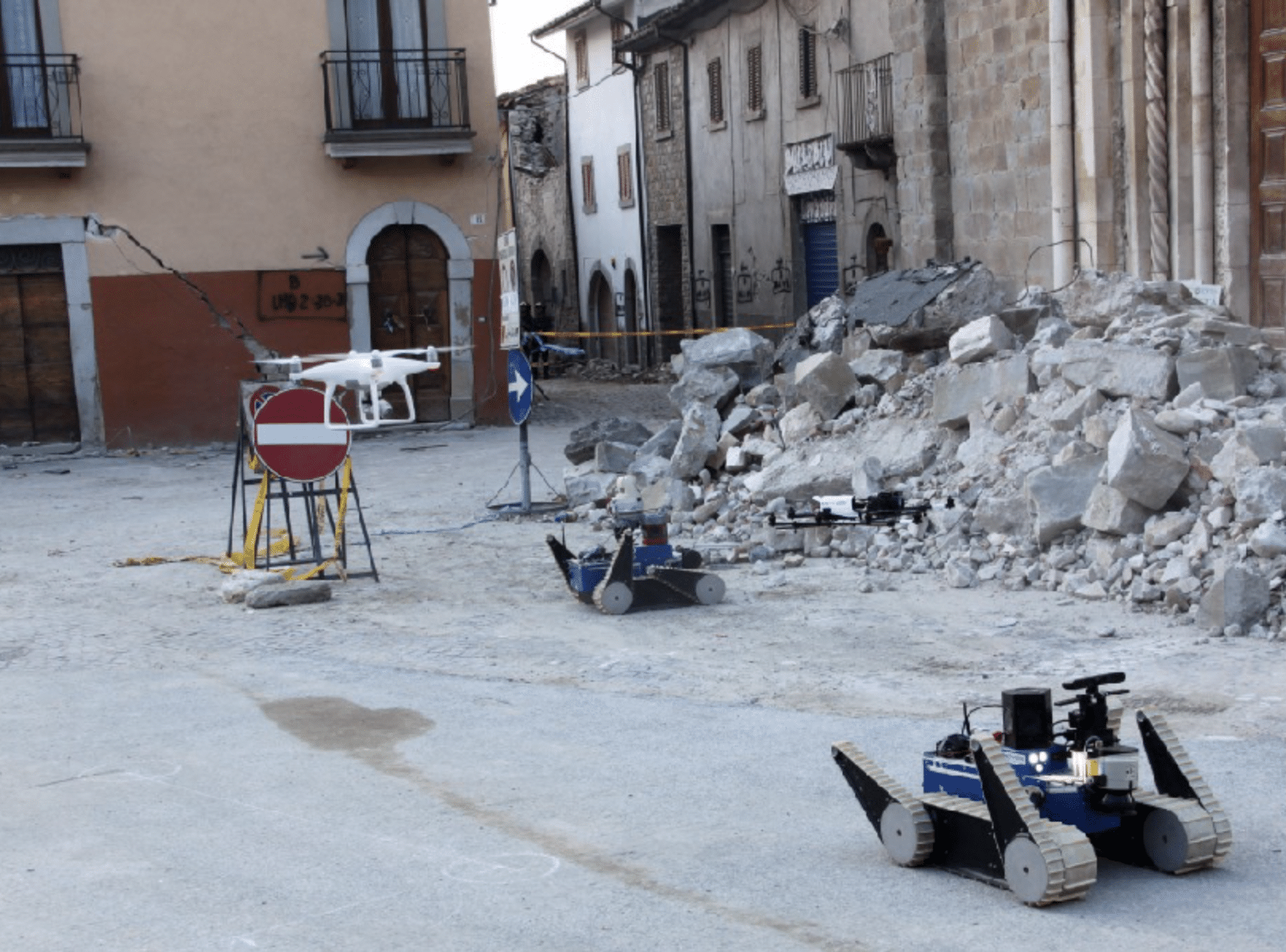
Beyond motion, LocoHex supports exploration that feels grounded in real applications. With built-in LiDAR and depth cameras, students work on mapping, navigation, and terrain analysis projects connected to fields like environmental monitoring, agriculture, and search-and-rescue robotics. These projects help students understand how robots collect spatial data, interpret their surroundings, and make movement decisions based on that information. For many classrooms, this is where robotics starts to feel less like an activity and more like applied science.
The LocoHex robotics curriculum is structured to support advanced learning without assuming students arrive with prior expertise. Lessons move from motion programming into AI model training and autonomous navigation at a pace that respects how classrooms actually function. Video tutorials, assignments, and teacher-ready assessments are included so instruction does not require constant reinvention.
Ongoing Teacher Support and Professional Development
With LocoHex, educators have access to ongoing support and professional development designed for school settings. Live guidance, curriculum updates, and structured training help teachers integrate advanced robotics concepts with confidence, without requiring prior robotics expertise or extra prep outside the school day.
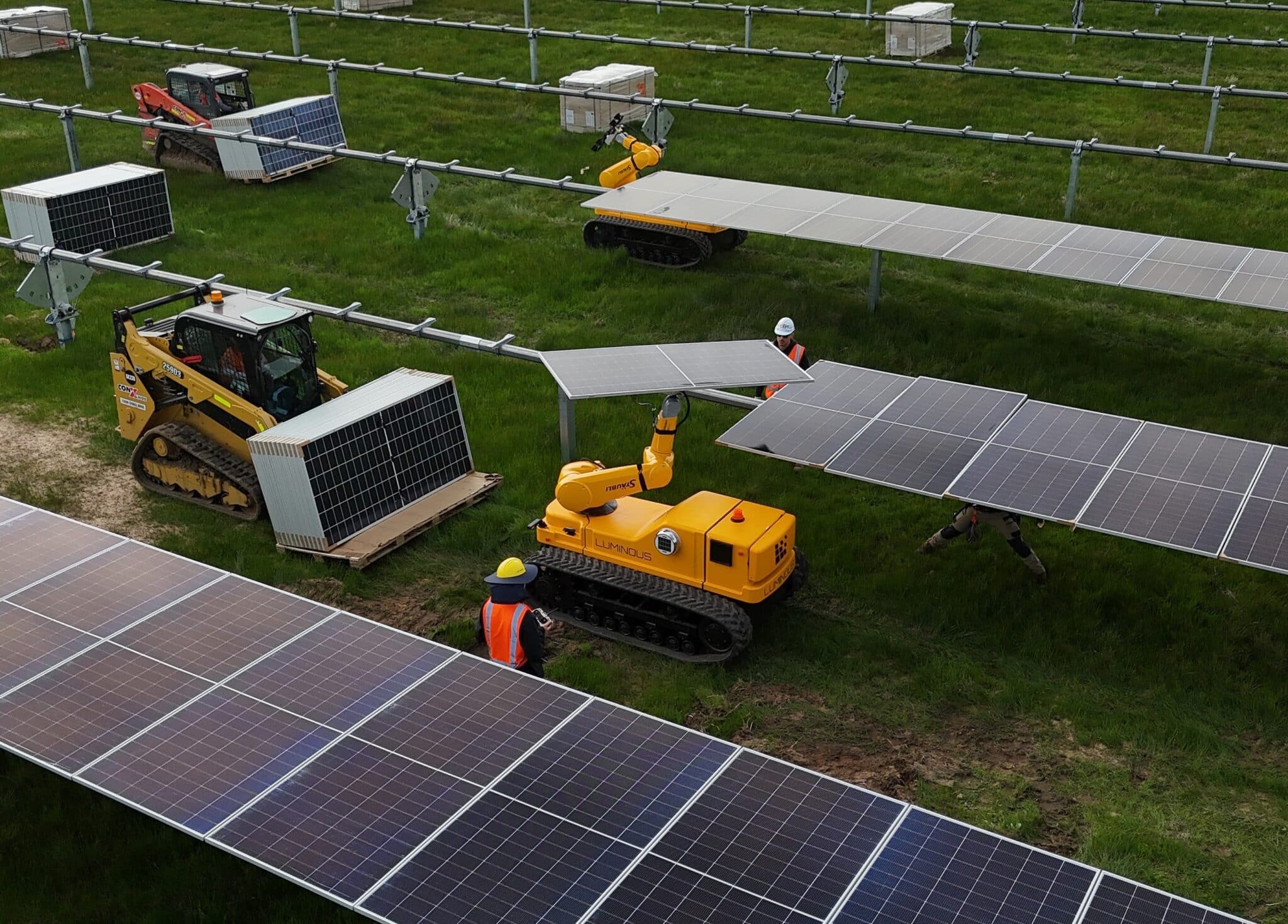
Hexapod robots exist in the real world because six legs provide stability and adaptability in environments where traditional systems struggle. In the classroom, that same design encourages systems thinking. These experiences build confidence through practice, not perfection. If you are looking to bring motion, exploration, and meaningful problem-solving into your robotics program, explore LocoHex.