

Instead of asking what humanoid robots might become, companies at CES 2026 focused on what tasks these systems are already prepared to handle. The shift was subtle but important. Fewer scripted movements. More emphasis on operating environments, deployment timelines, and day-to-day use.
Across hospitals, factories, and homes, humanoid robots are being designed around function first. Form follows the job.
Below are nine examples from CES 2026 that illustrate how humanoid robots are being shaped by the work they are expected to do.
From Movement to Meaningful Tasks
Adapting to changing environments
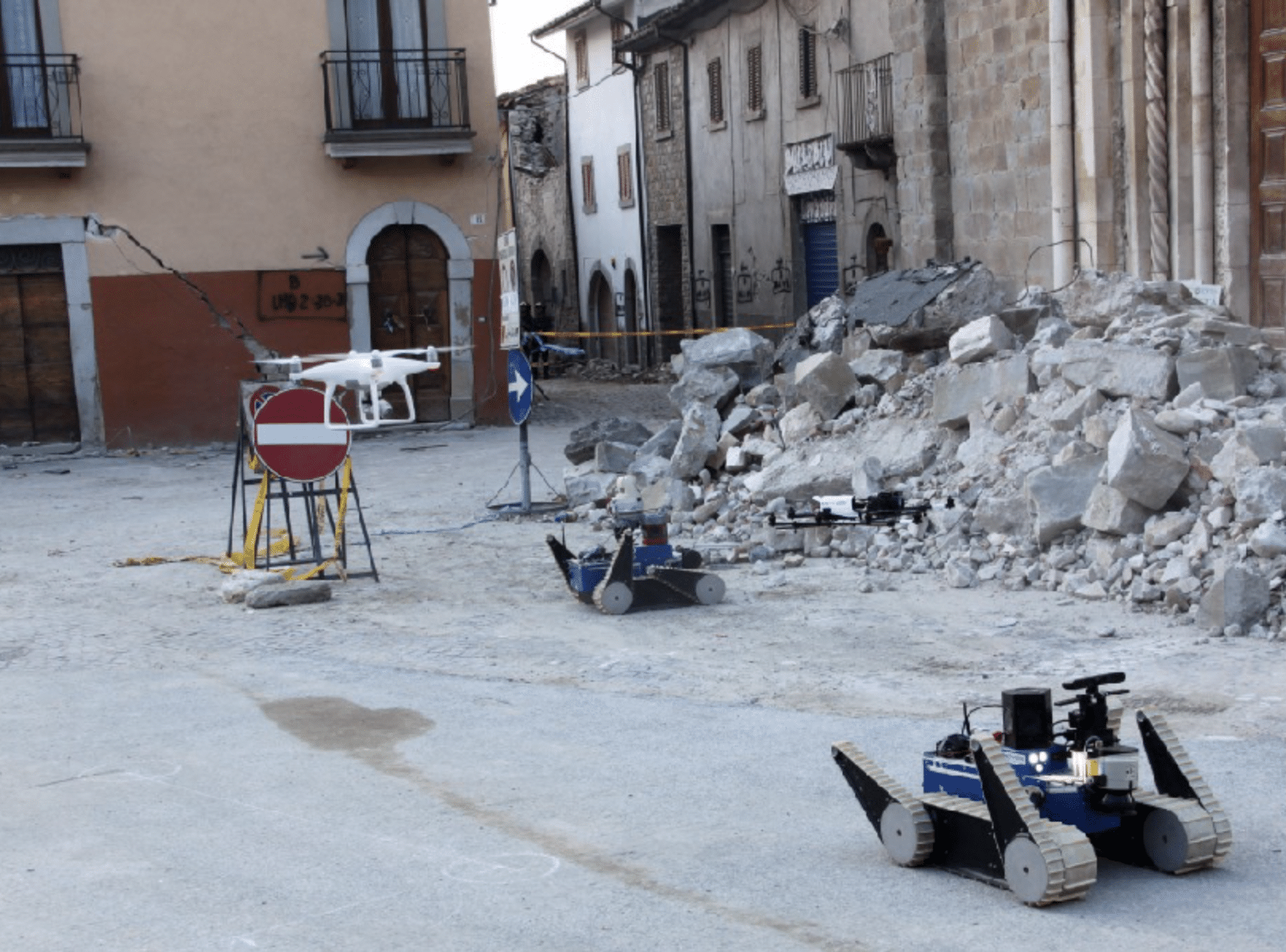
One of the strongest signals from CES was the emphasis on robots that can operate in spaces that are not fixed or predictable, like factory floors, hospital rooms, and homes.
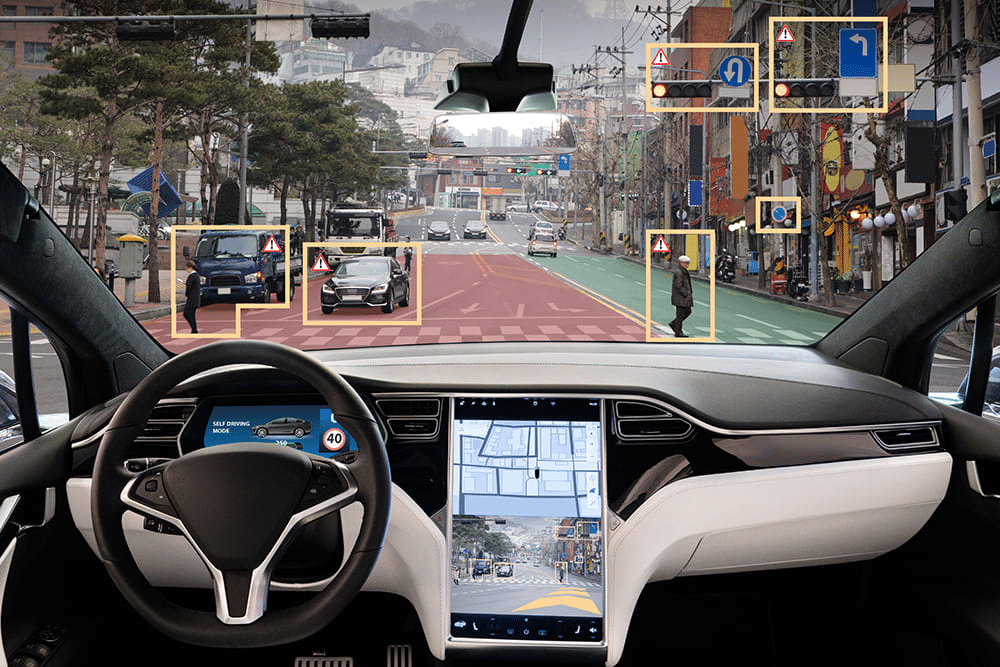
Rather than relying on tightly controlled automation, humanoid systems are being built to perceive their surroundings, adjust behavior, and continue working without constant reprogramming. This marks a shift from precision-only automation to context-aware robotics.
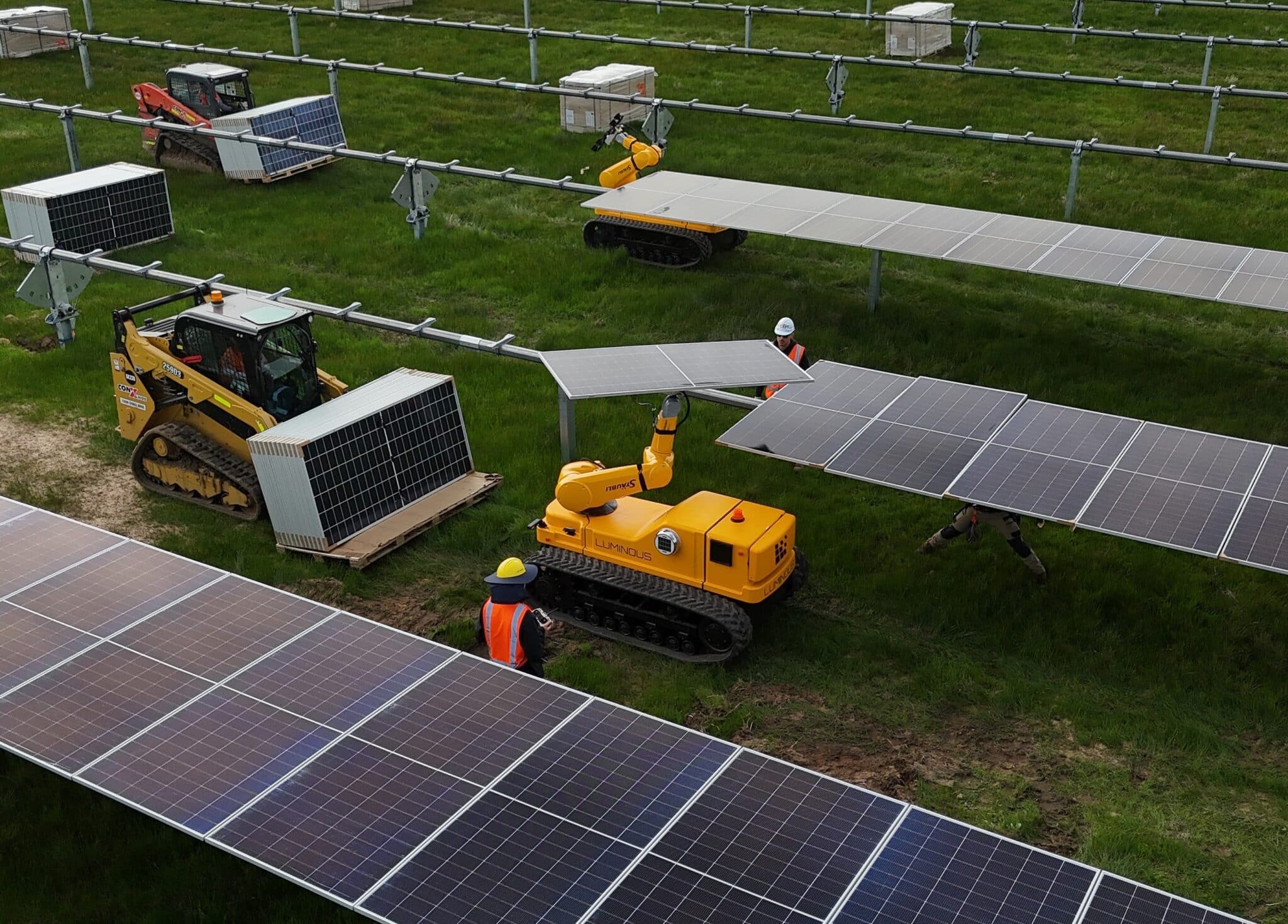
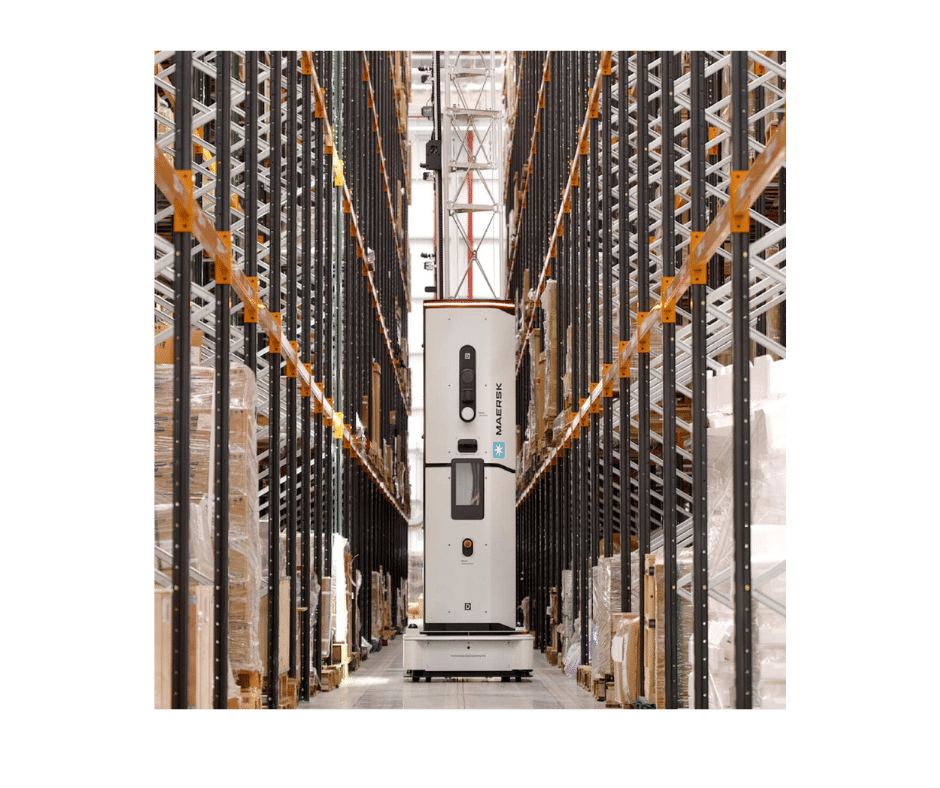
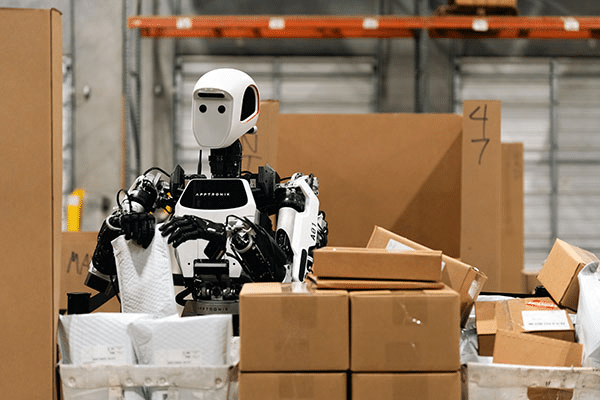
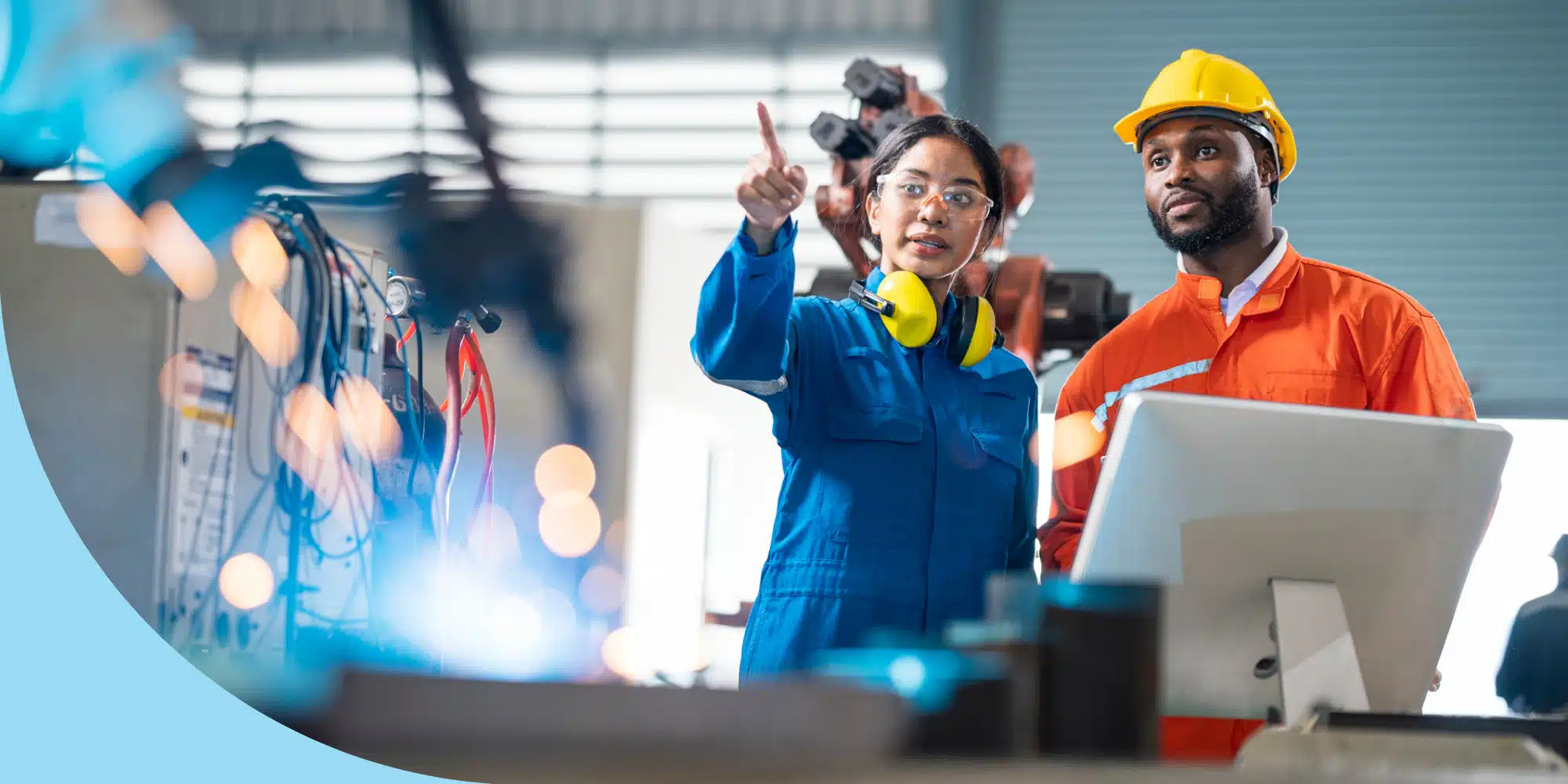
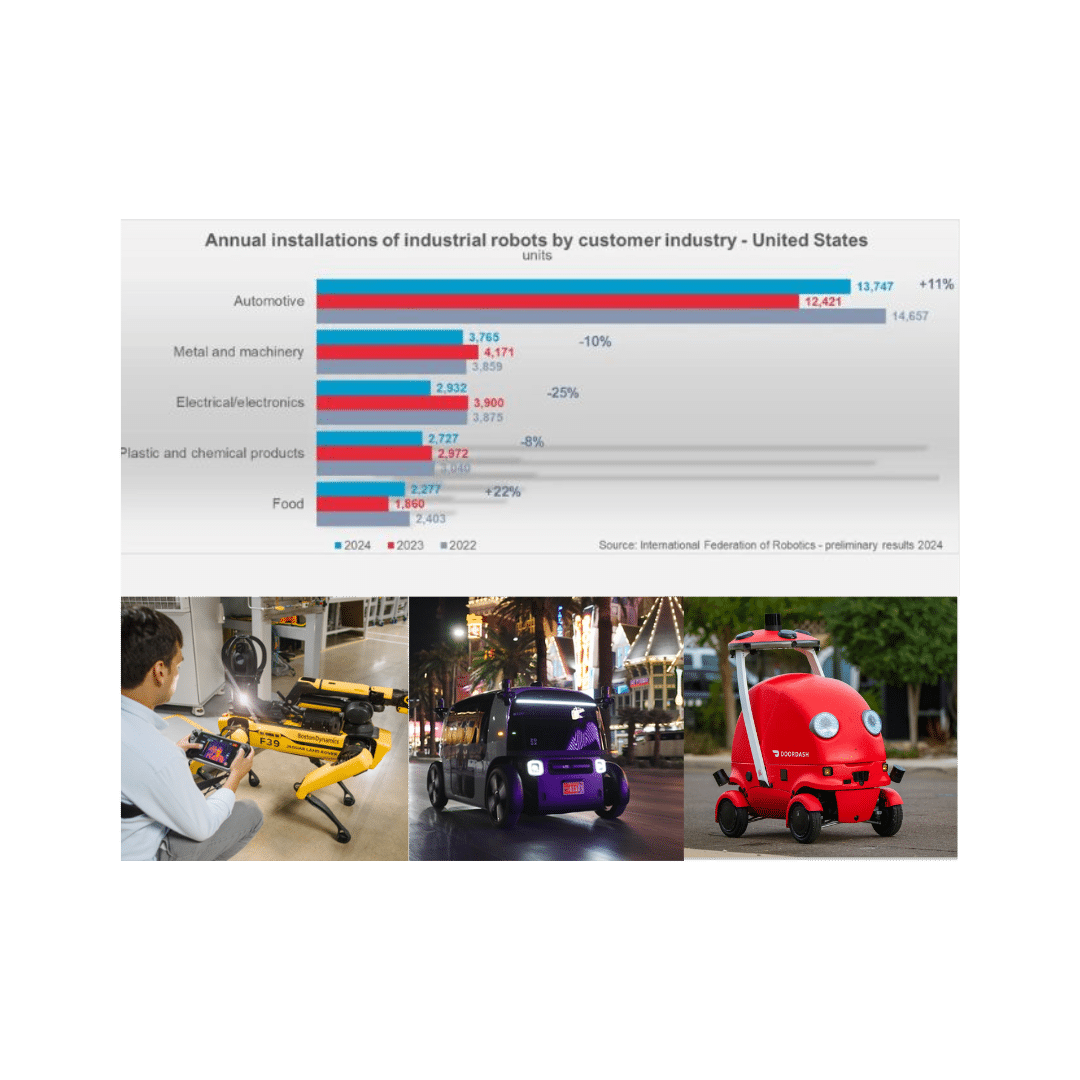
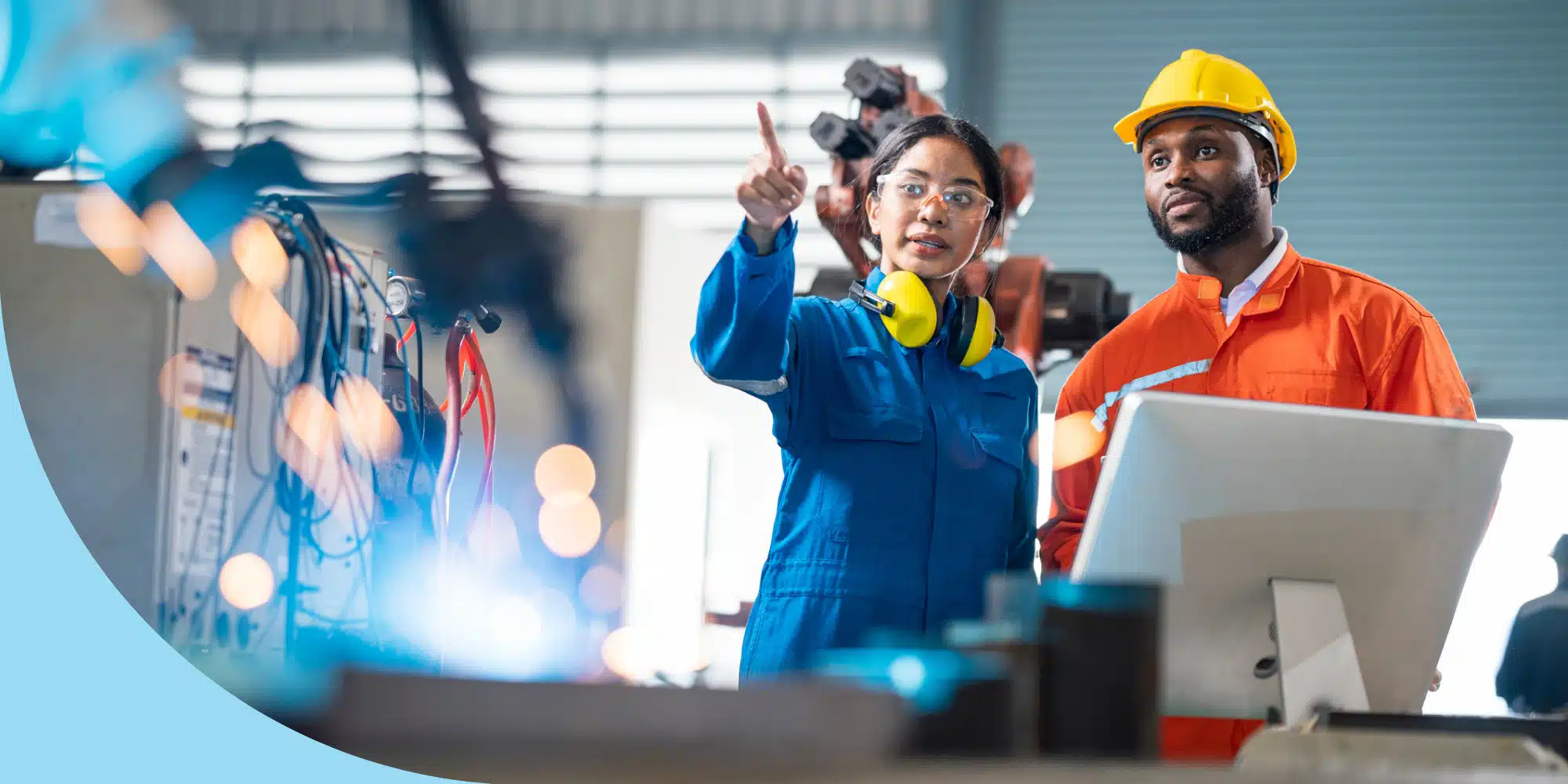
Industrial humanoids shown at CES were less about spectacle and speed and more about reliability under everyday conditions: lifting, carrying, repositioning, and navigating spaces shared with people.
Repetitive tasks done quietly and consistently
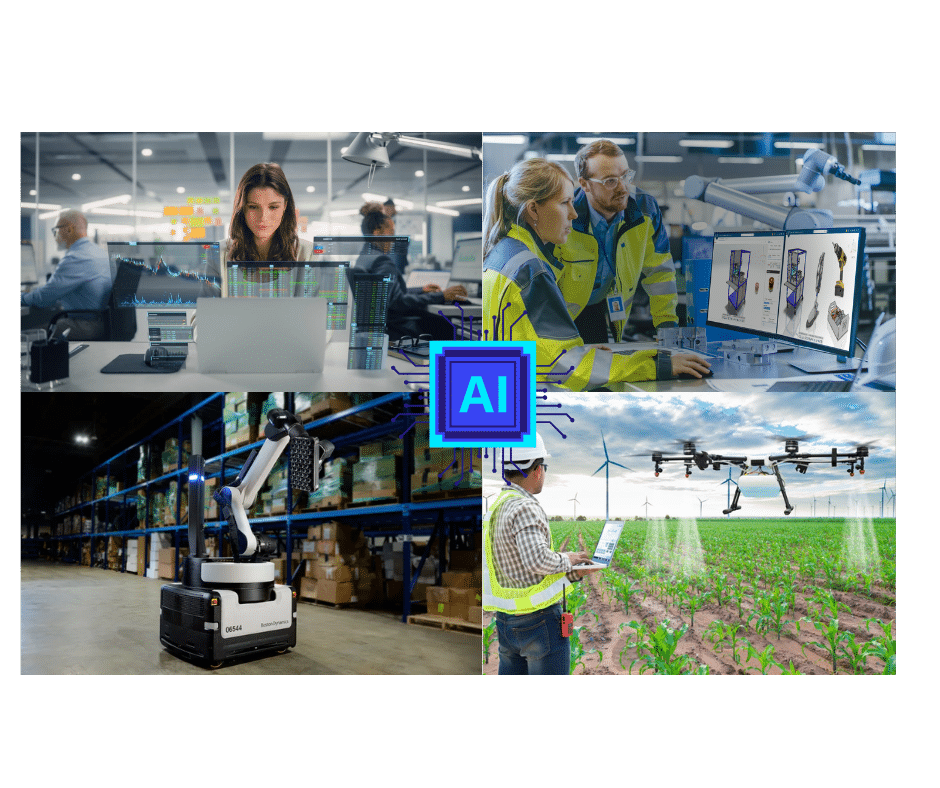
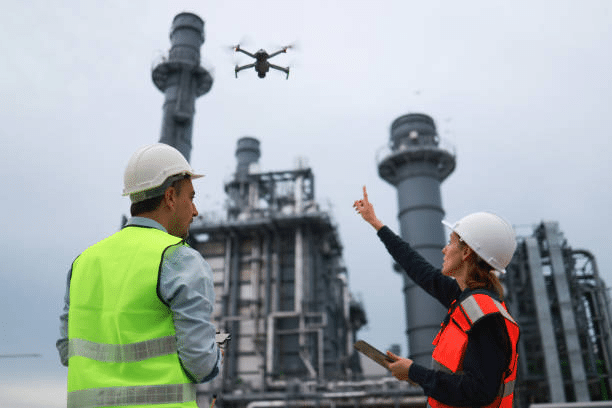
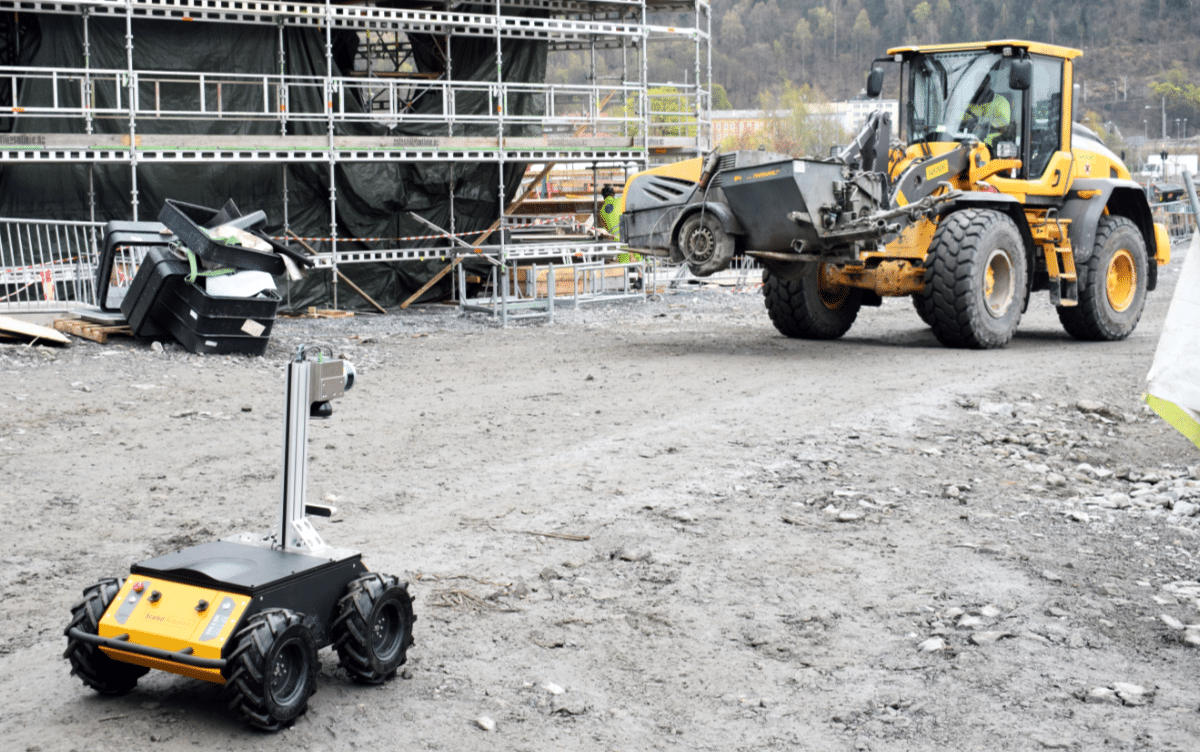
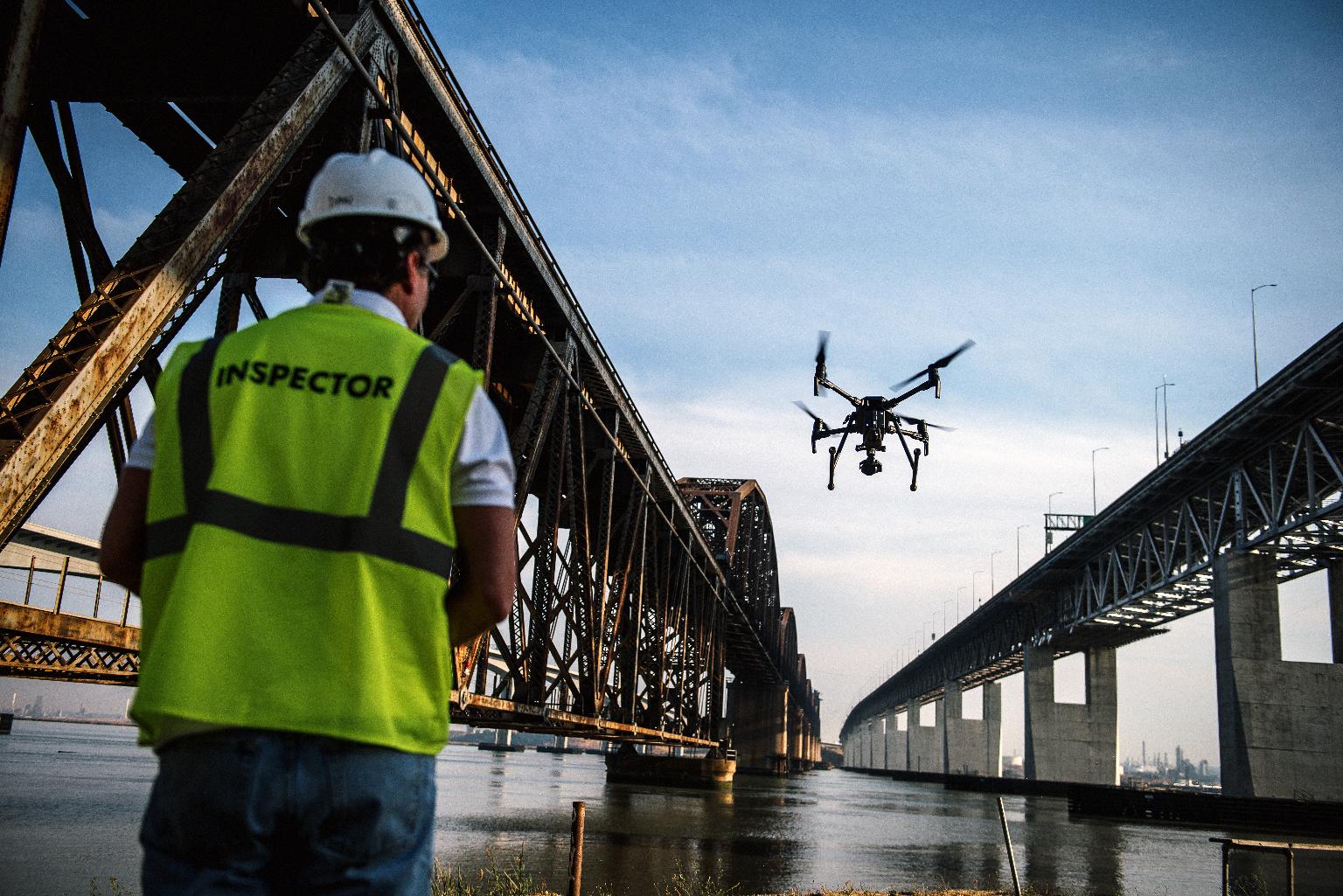
Another clear trend was the focus on routine, repetitive work. Inspection, material movement, monitoring, and basic handling tasks may not look impressive in a demo, but they represent real operational gaps in many industries.
Humanoid robots are increasingly positioned to fill these gaps where fixed automation struggles, especially in facilities that change layouts or workflows frequently. The promise is not full autonomy everywhere, but dependable assistance where consistency matters.
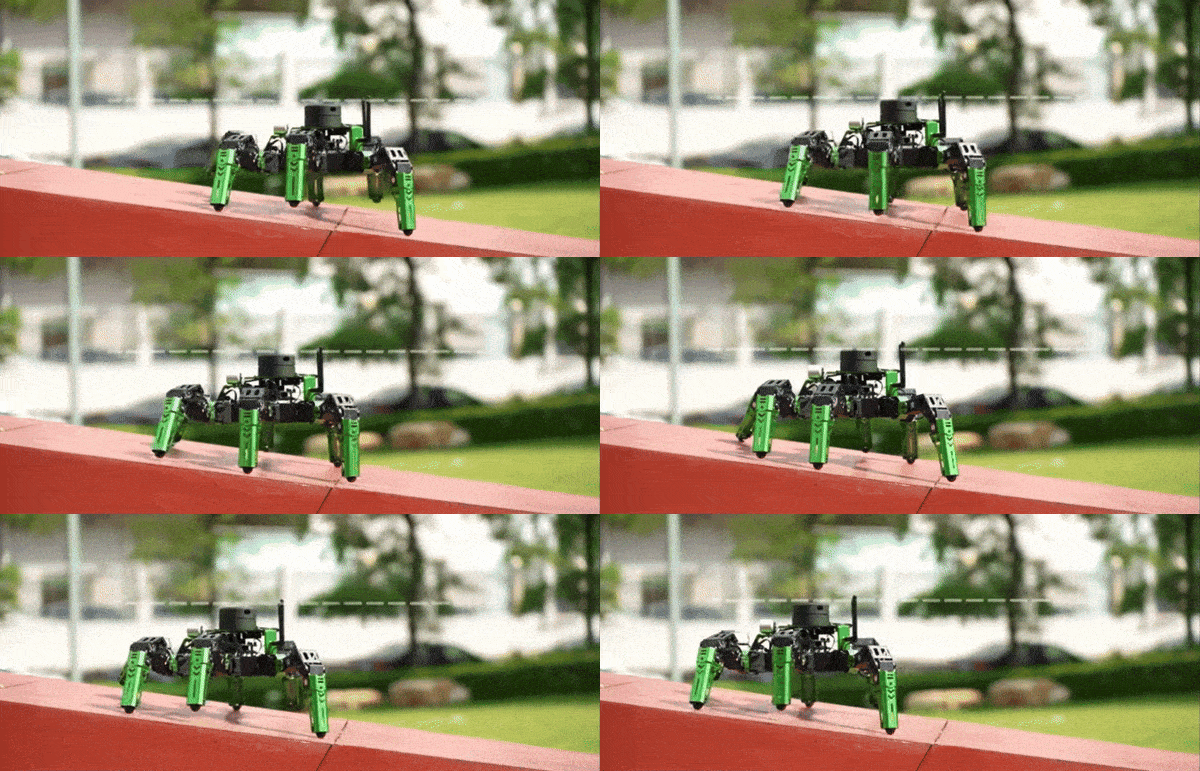
Stability over human-like walking
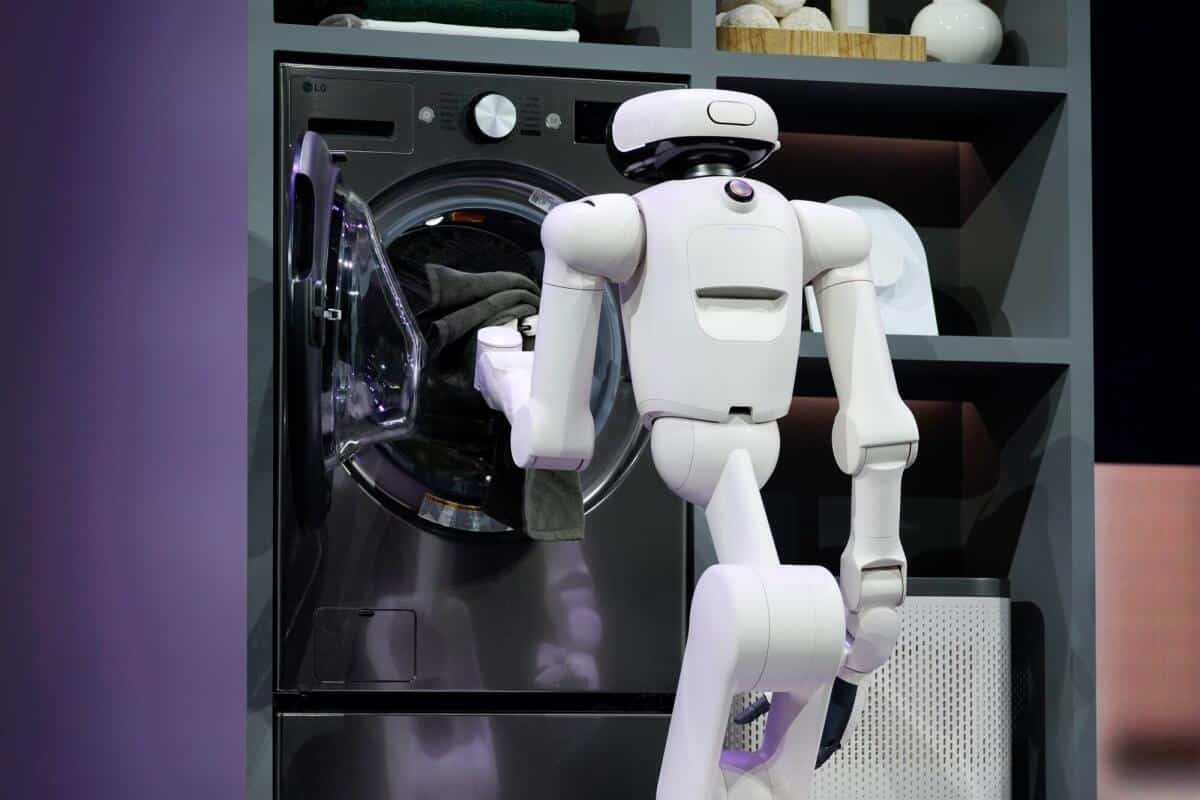
Many humanoid systems prioritize wheeled bases combined with articulated robotic arms. This approach reduces complexity while improving stability, precision, and battery life. Folding laundry, opening appliances, loading dishwashers, and clearing surfaces require dexterity and perception far more than bipedal movement.
In homes, especially, robots succeed by fitting into existing routines and spaces rather than forcing environments to adapt to them.
Working safely alongside people
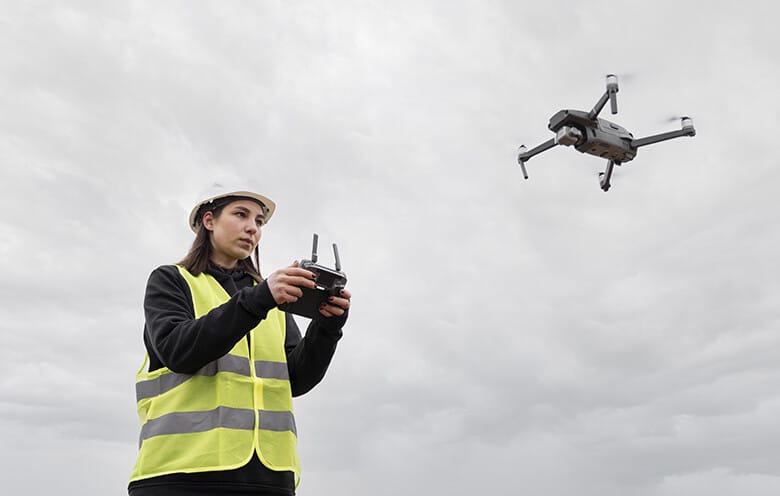
Safety was a central feature at CES 2026. Humanoid robots are increasingly designed to operate in close proximity to humans, not behind barriers. Advances in sensing, collision detection, artificial skin, and real-time perception allow robots to slow, stop, or reroute when people are nearby. This is especially important in environments like care facilities, hospitals, and shared workplaces, where collaboration matters more than isolation.
Precision where it matters most
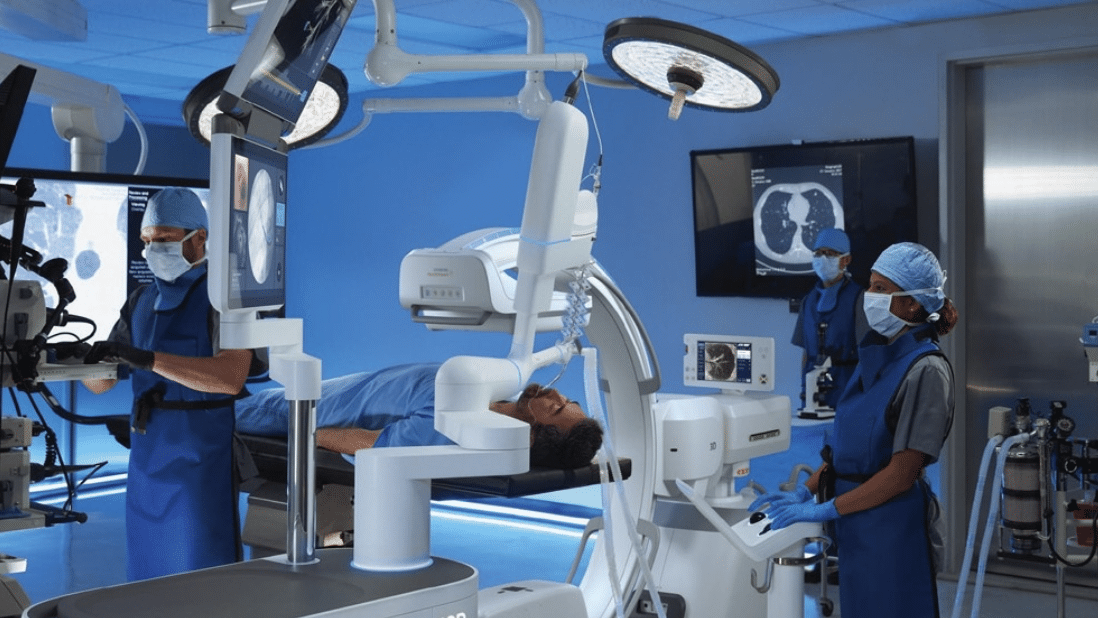
Healthcare applications highlighted a different dimension of humanoid design: precision and stability over general movement.
In surgical and clinical settings, humanoid form factors are being used to support highly specific tasks such as instrument positioning and motion stabilization. These robots are not replacing clinicians. They are extending human capability by compensating for micro-movements, reducing fatigue, and maintaining accuracy over long procedures.
The key takeaway is that humanoid concepts are no longer limited to factories. They are entering regulated, high-stakes environments where reliability is non-negotiable.
Care, service, and interaction
CES also showed growing attention on humanoid robots designed for care and service roles. These systems prioritize responsiveness, approachability, and interaction over strength.
As populations age and service demands increase, humanoid robots may increasingly support physical assistance, routine tasks, and guided interaction in healthcare and public settings. These roles require trust and consistency more than advanced decision-making.
Why This Shift Matters for Classrooms
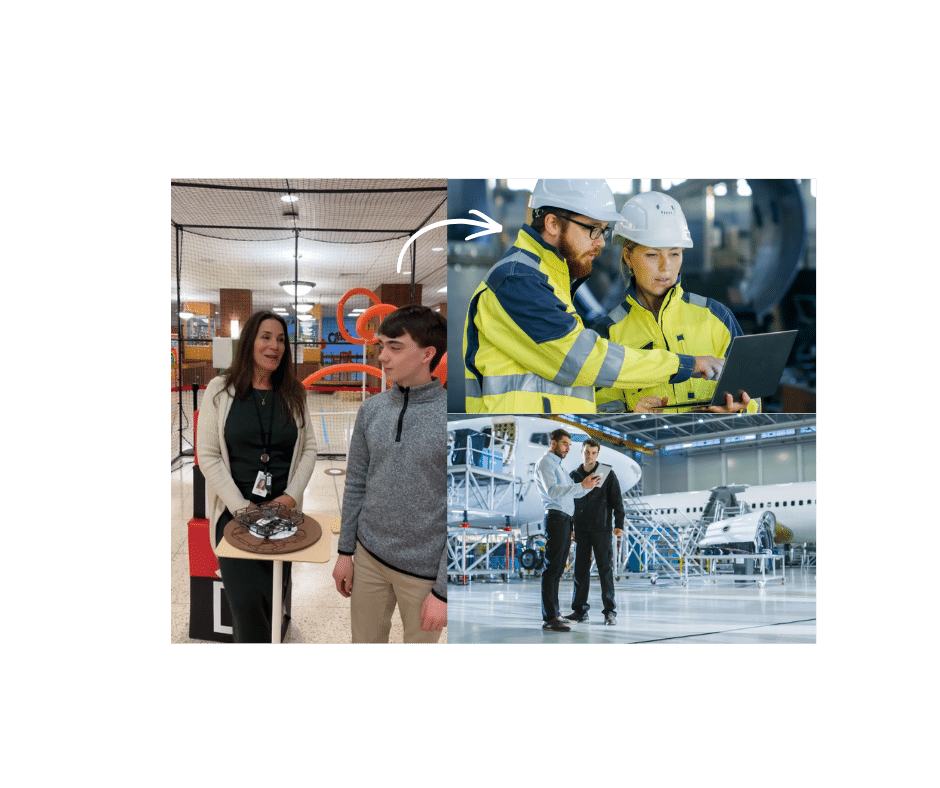
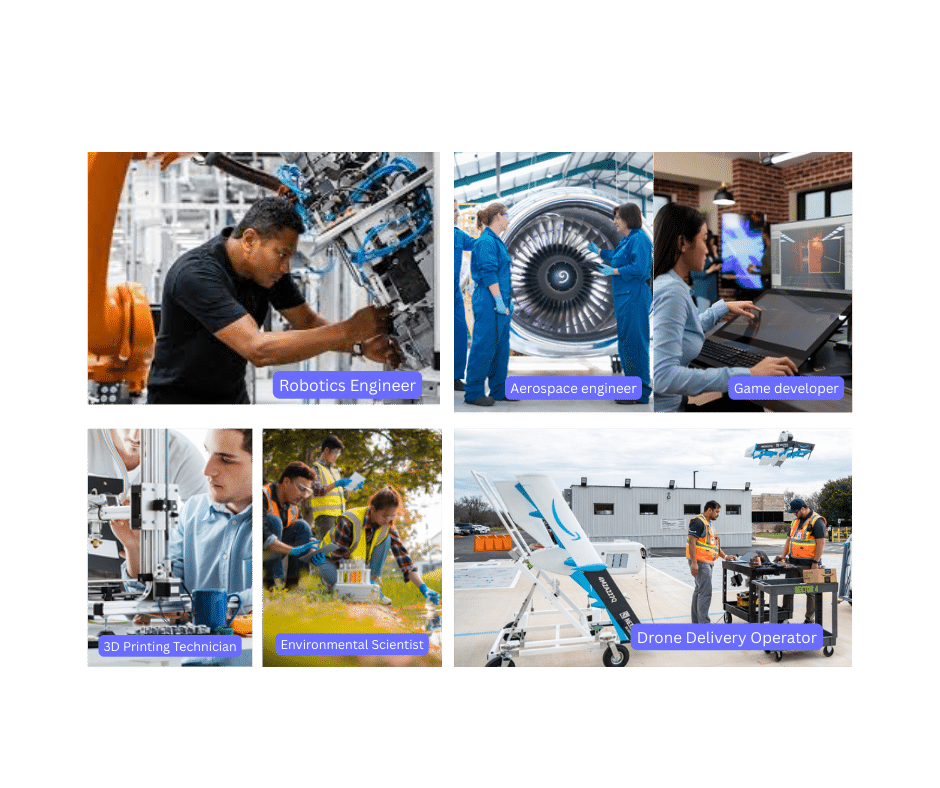
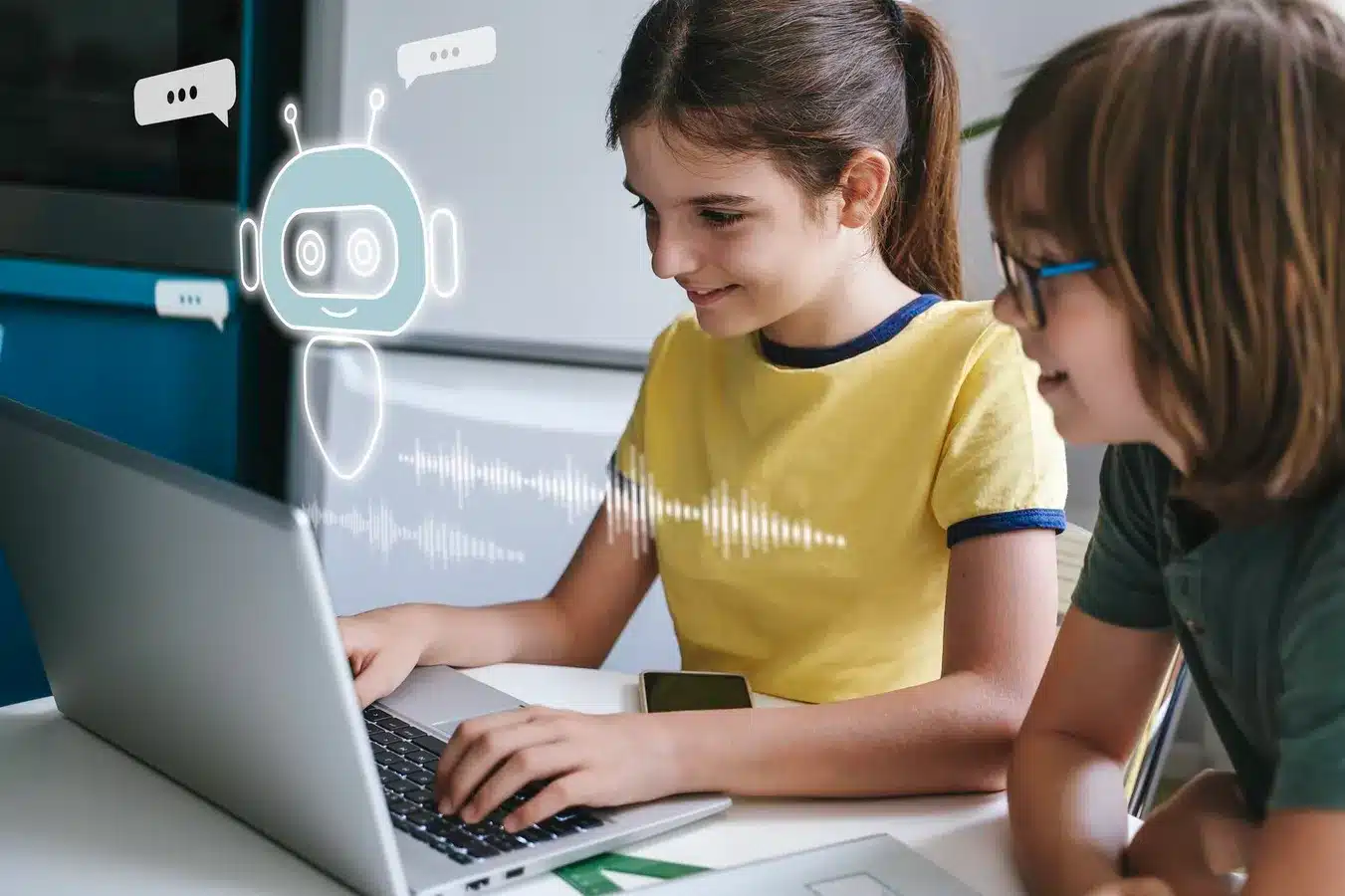
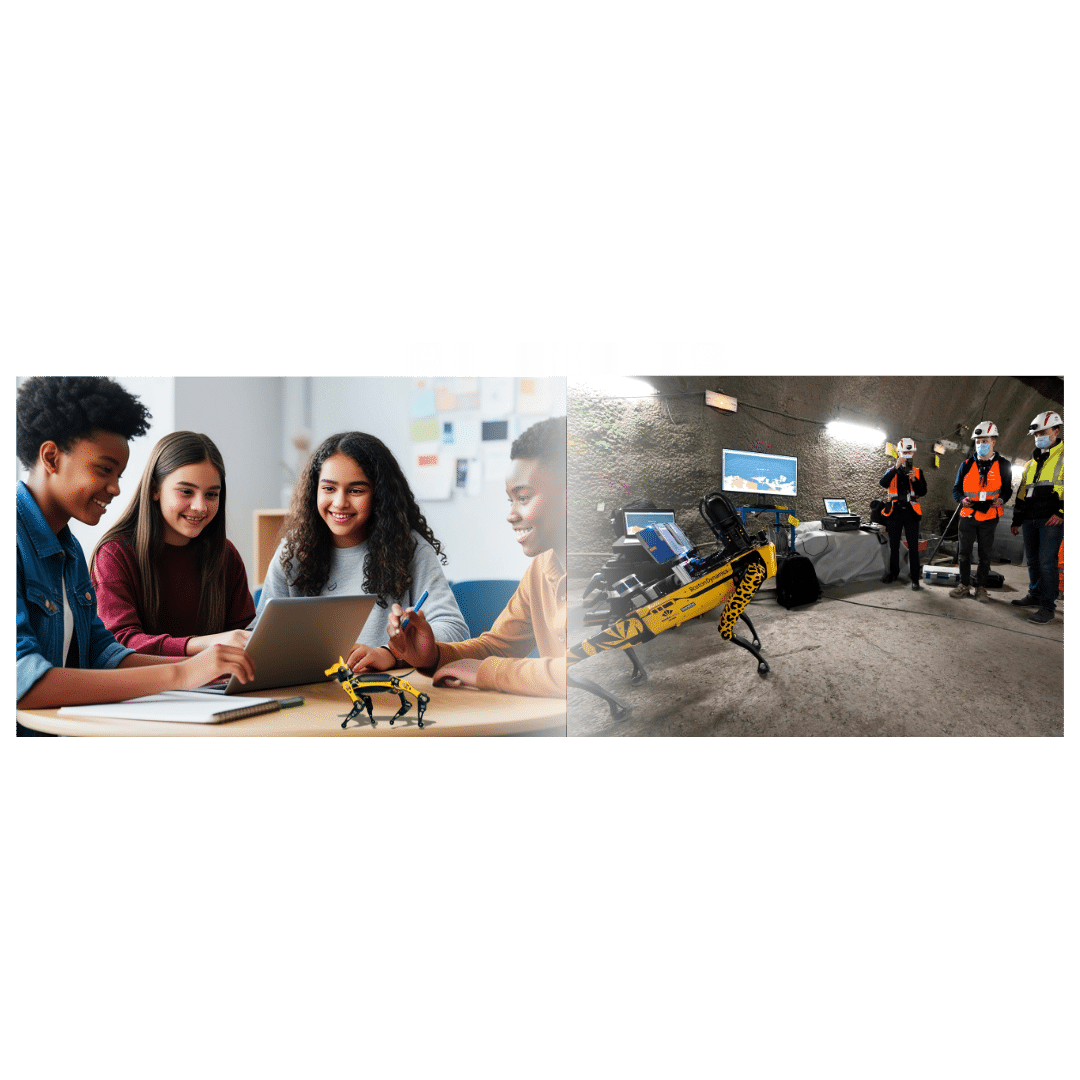
As humanoid robots move into hospitals, factories, and homes, students will encounter them as normal parts of the workplace, not distant technology.
Understanding robotics now means understanding:
- How machines perceive environments
- How software decisions affect physical outcomes
- How humans and robots share work safely
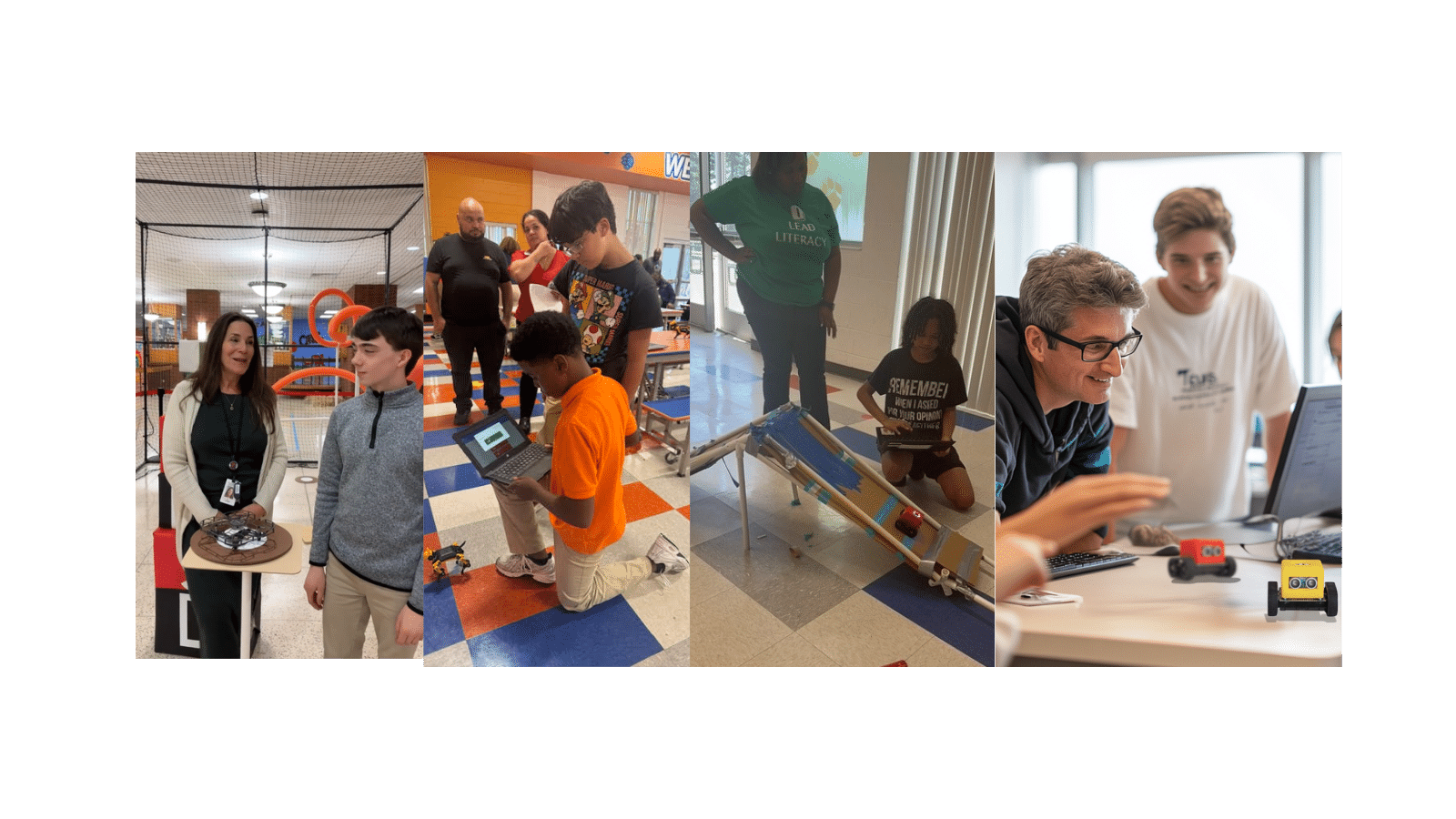
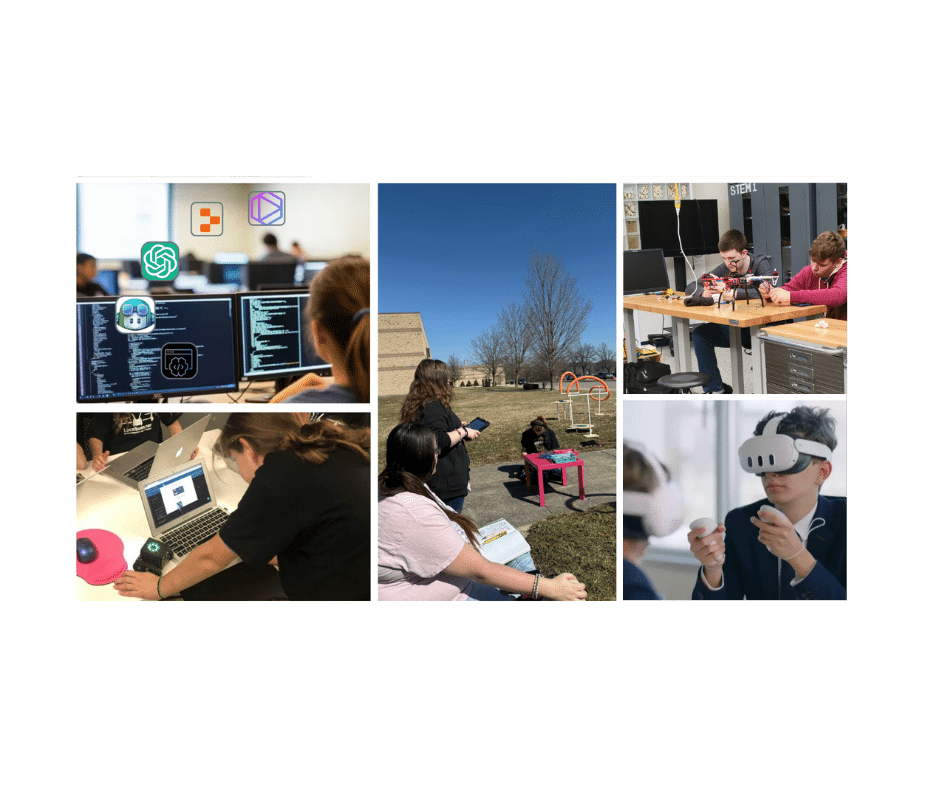
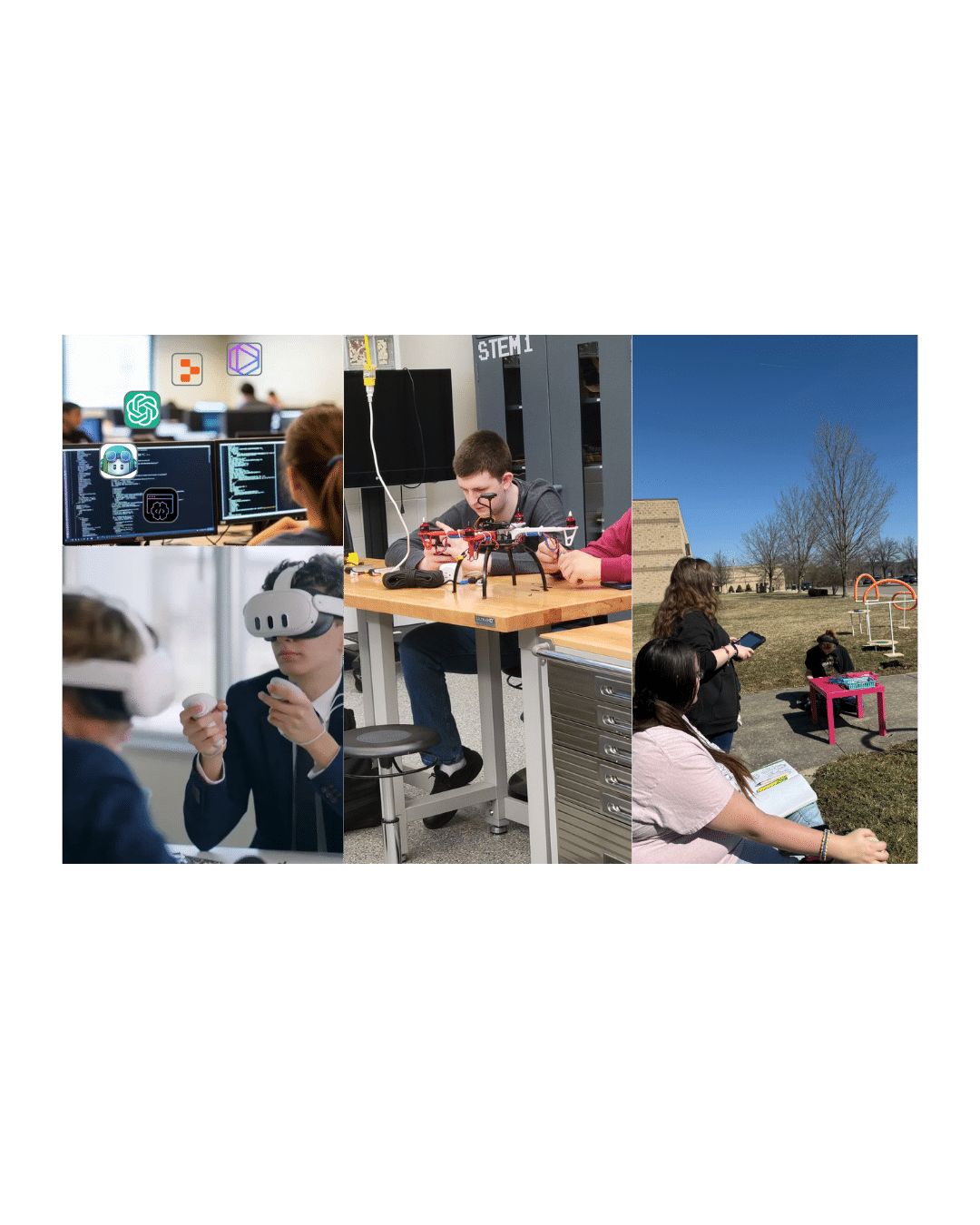
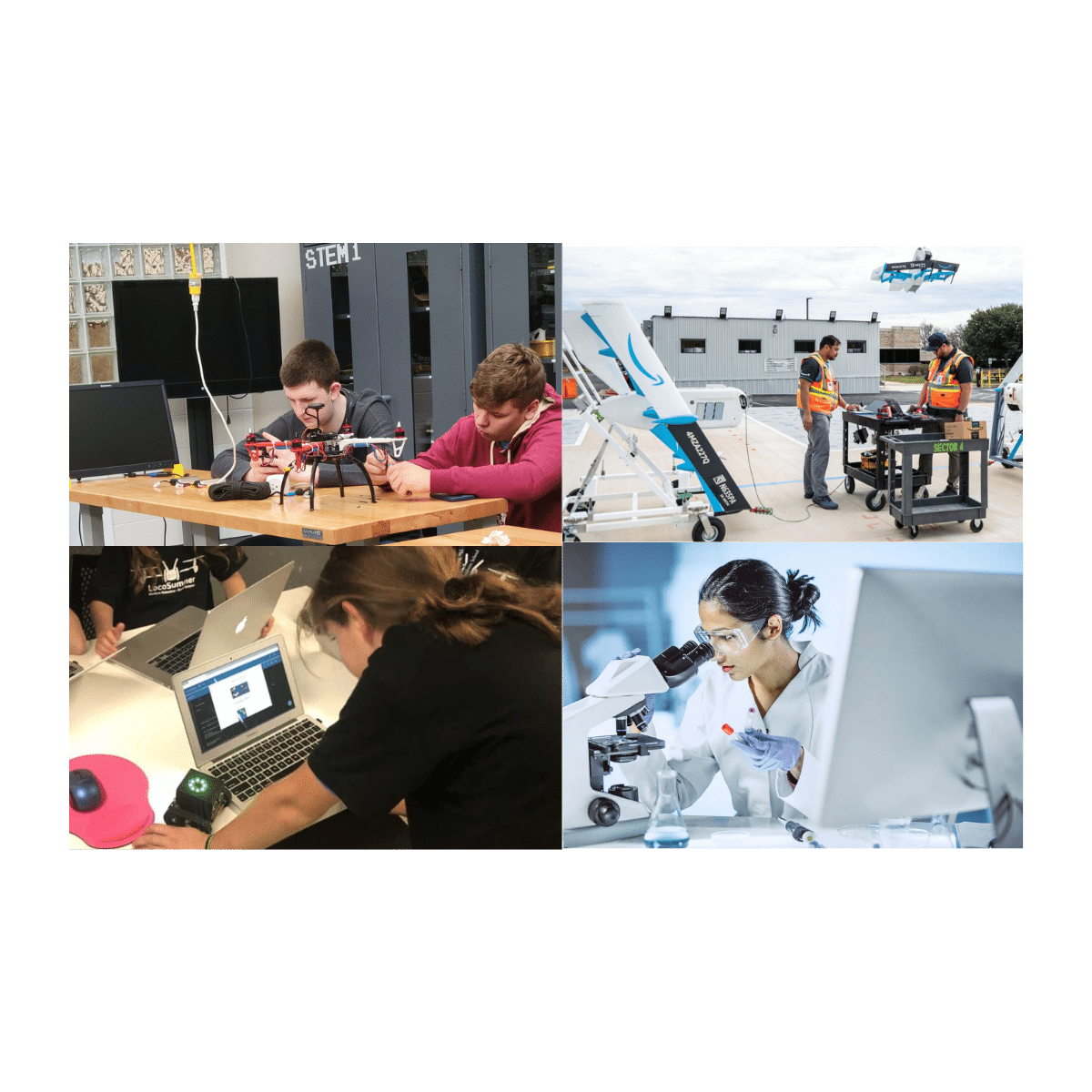
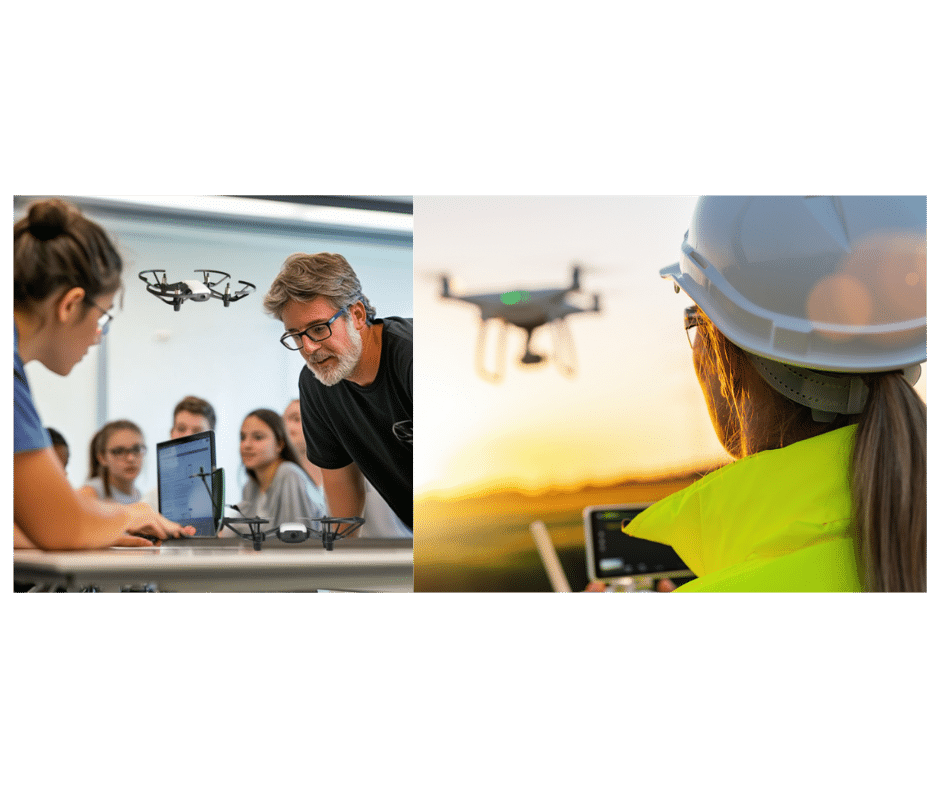
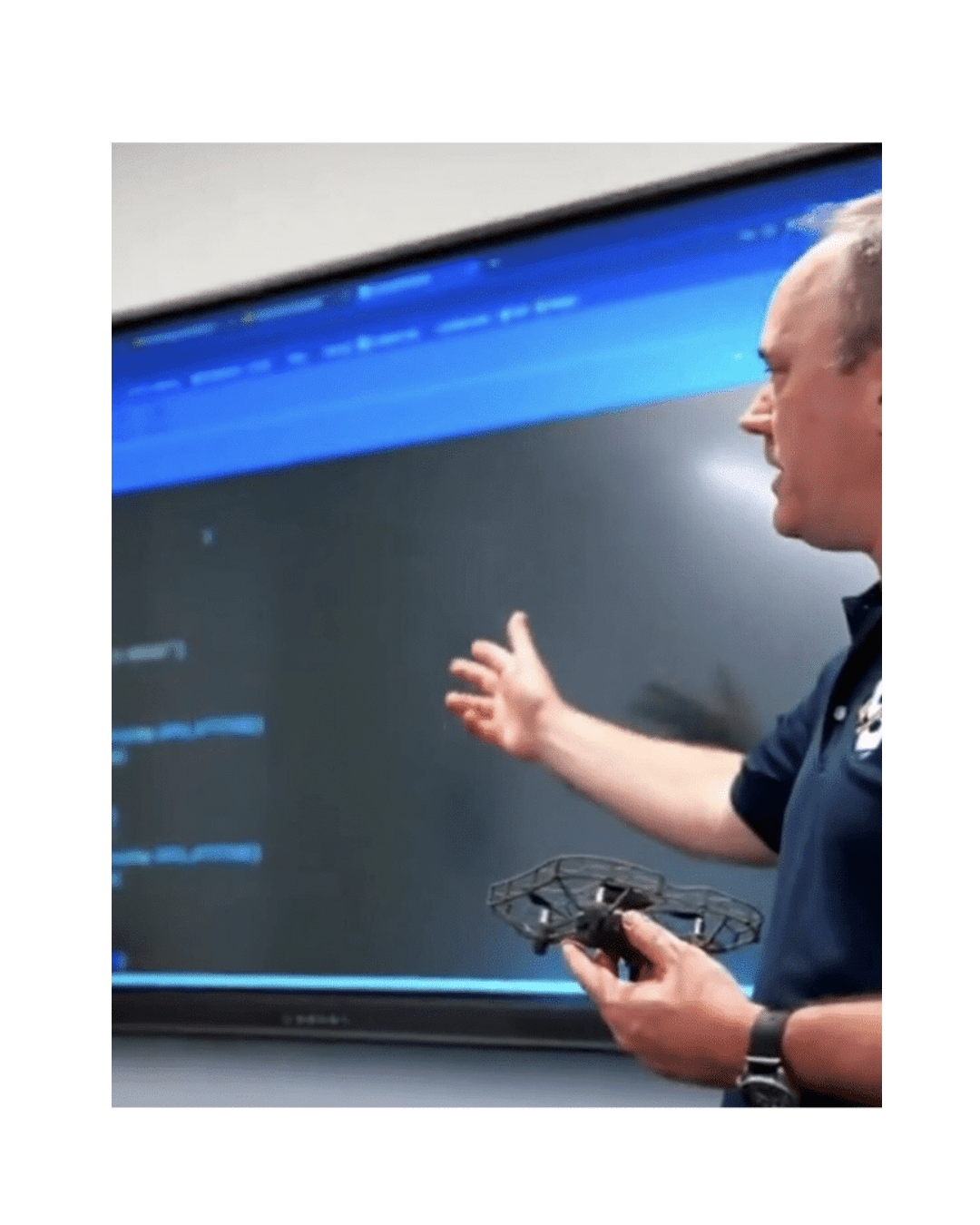
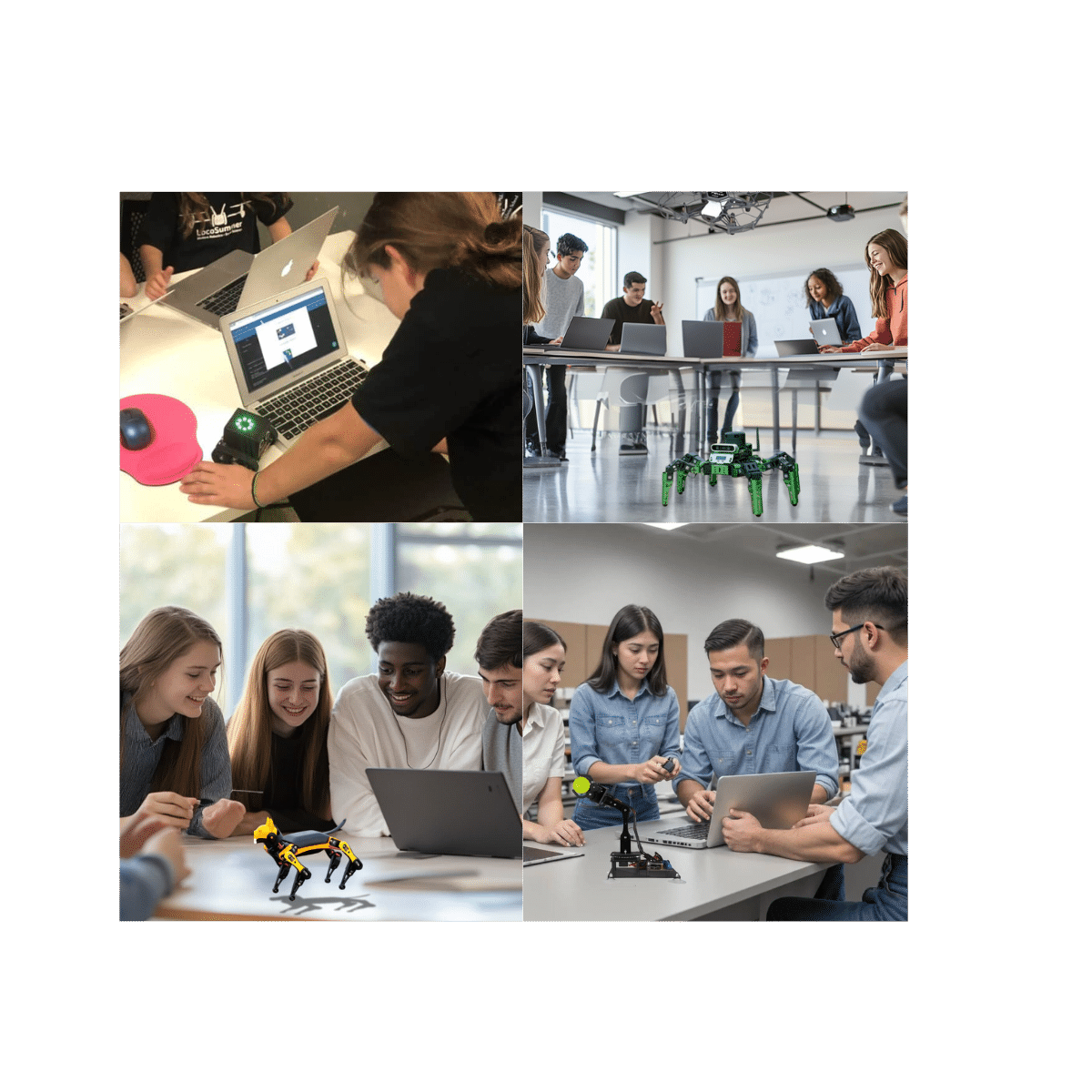
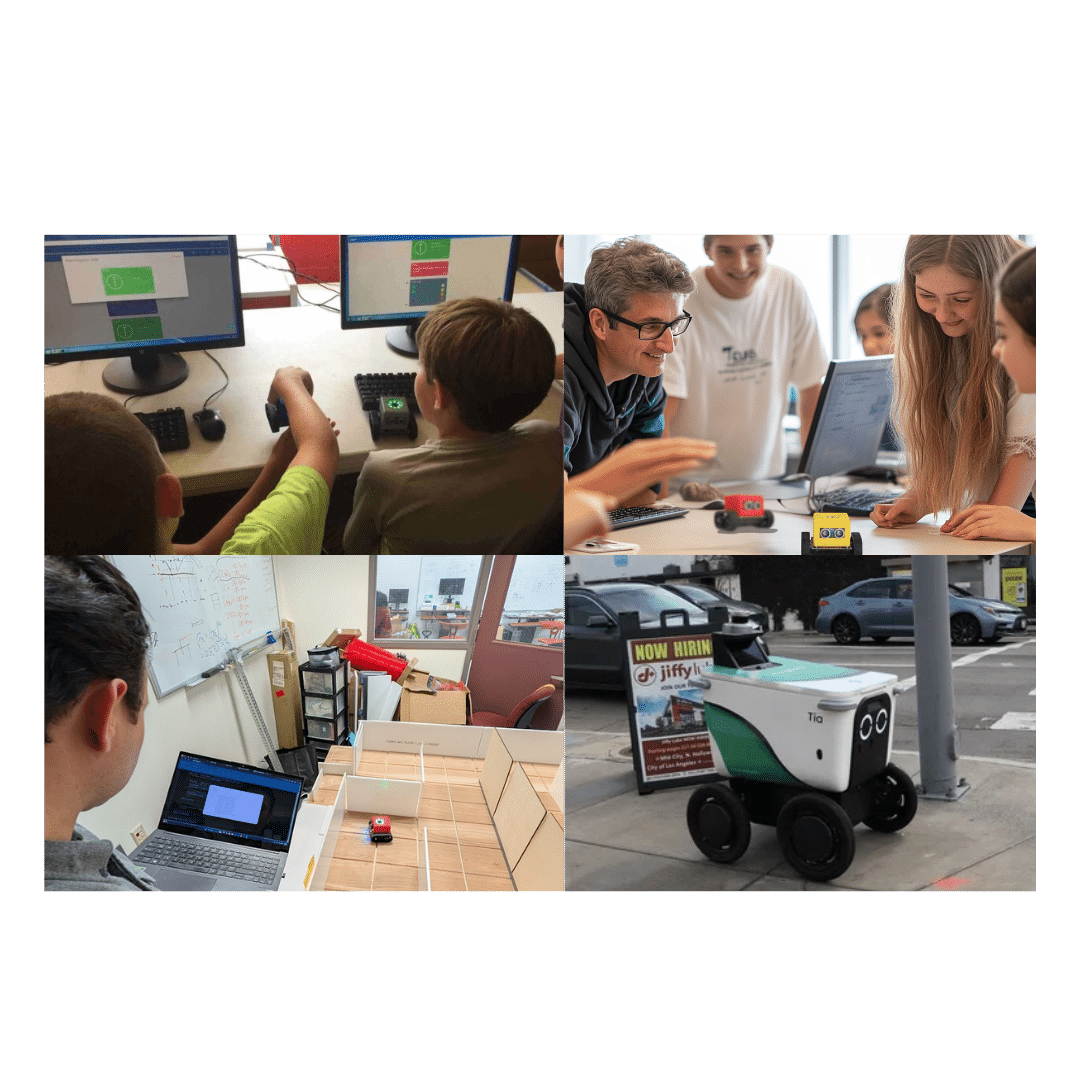
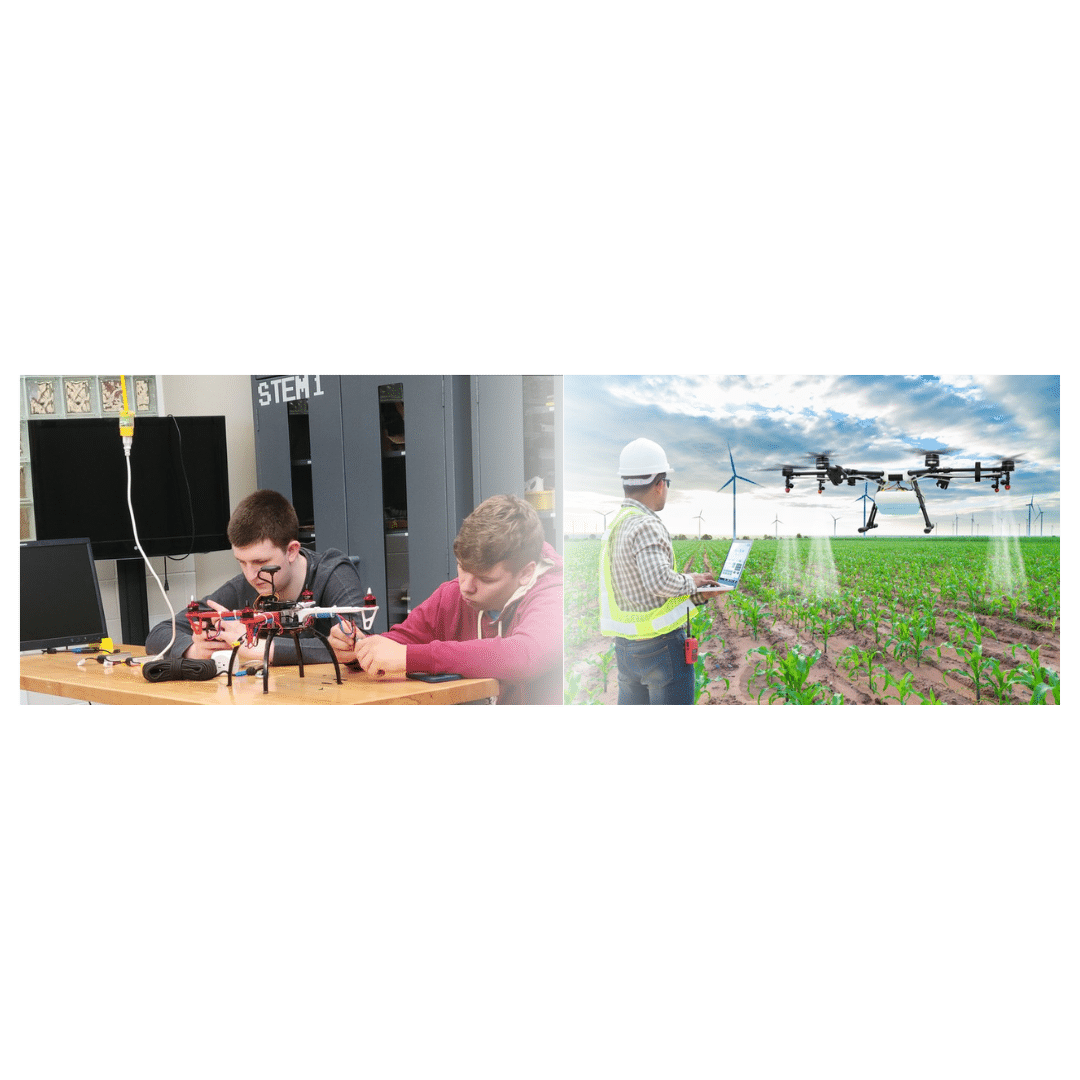
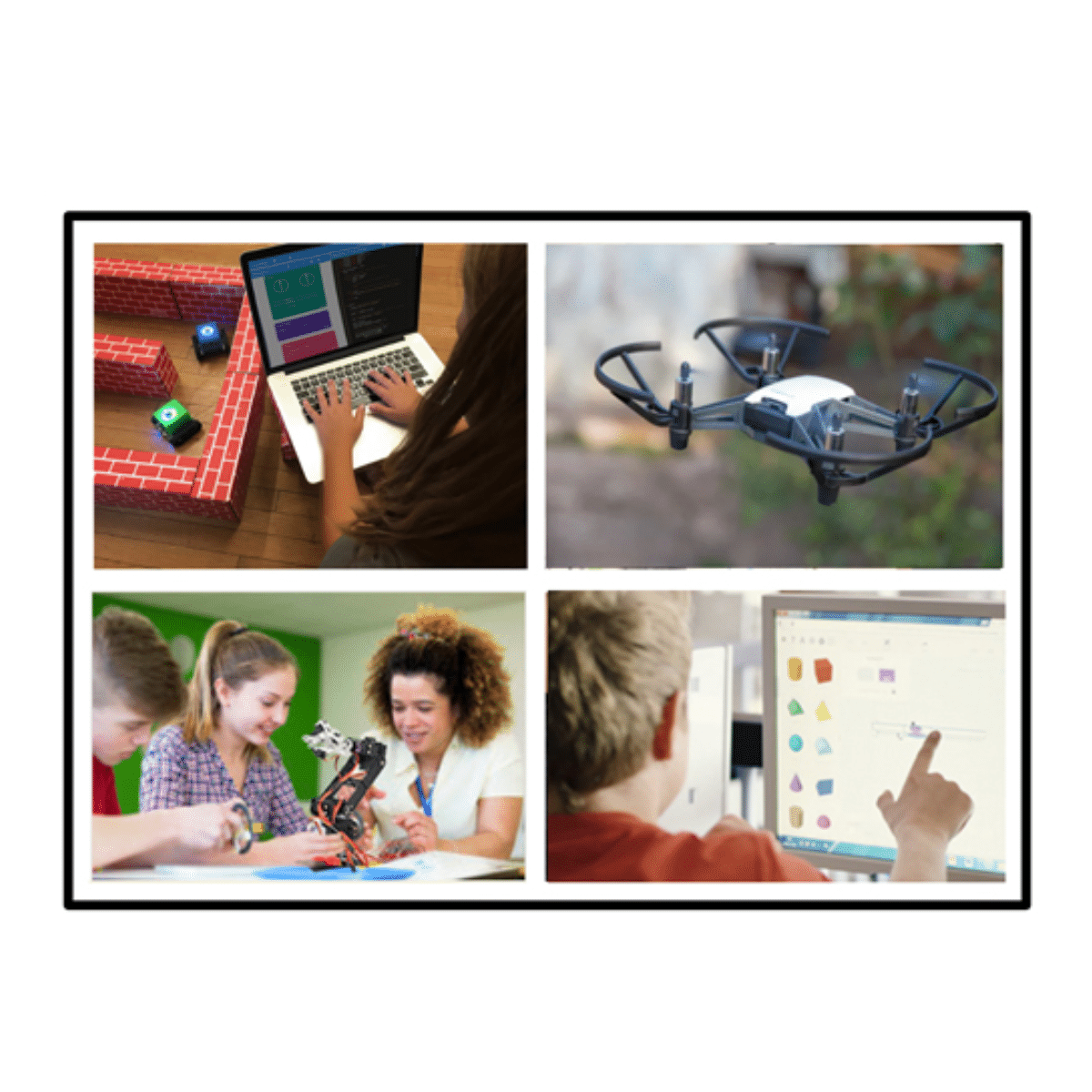
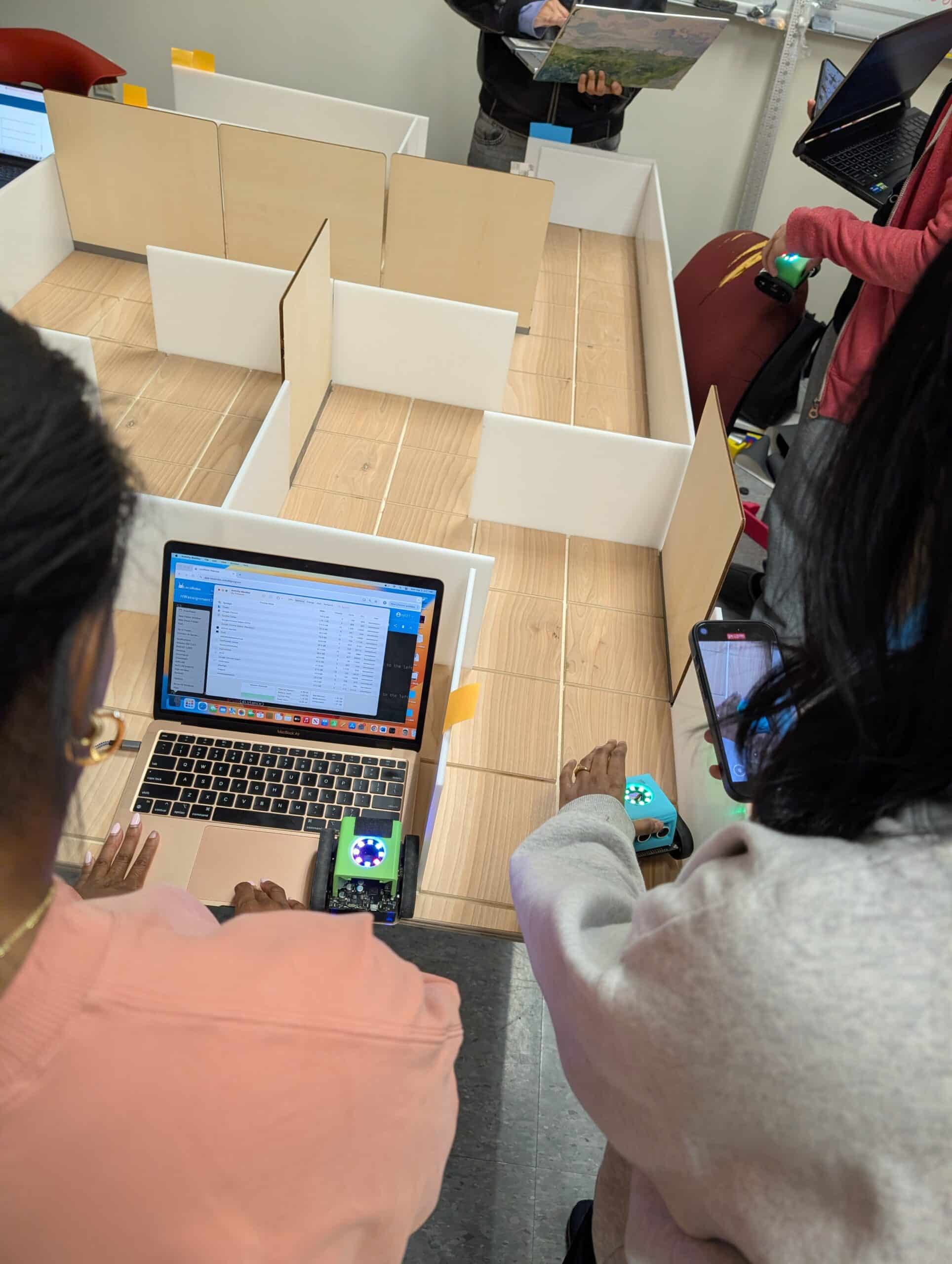
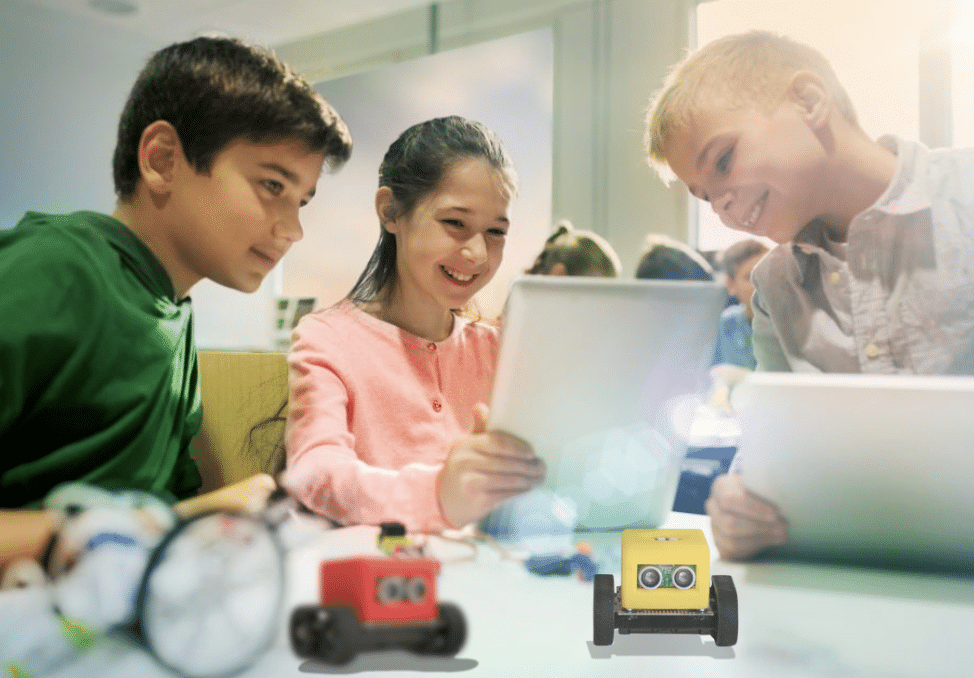
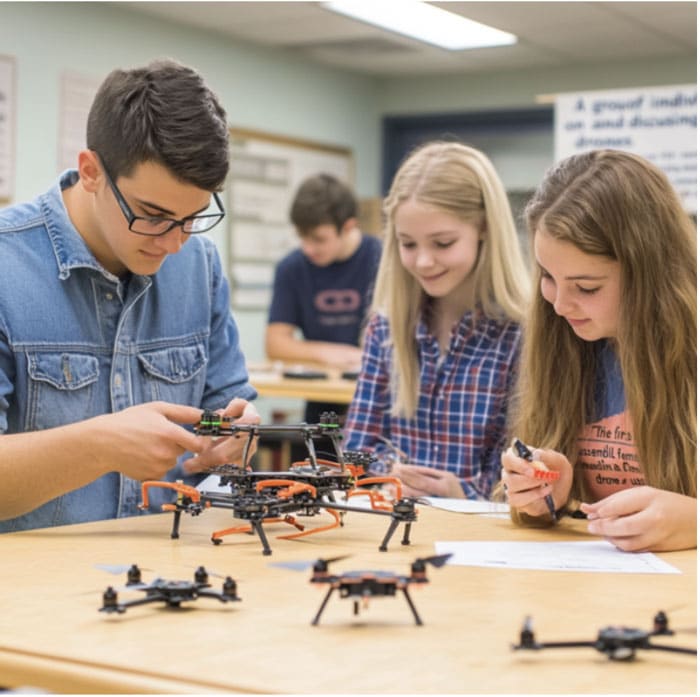
At LocoRobo, we focus on helping schools introduce these ideas through hands-on learning with K12 robotics, AI in education, and automation that connects directly to real-world tasks students will see beyond the classroom.
If you are exploring how to bring modern robotics concepts into your STEM curriculum, LocoRobo supports educators with structured pathways and practical learning experiences designed for what technology is becoming.