

Career mapping is often treated as something that happens late in a student’s academic journey. Middle school is for exploration. High school is for decisions. College is where careers begin to take shape.
In practice, students start forming ideas about what they are “good at” much earlier. They notice which classes feel engaging, which projects make sense, and which skills feel natural. By the time formal career guidance appears, many of those perceptions are already locked in.
This is where drone education plays a powerful role in STEM education as a concrete way for students to connect classroom learning to real careers early and often.
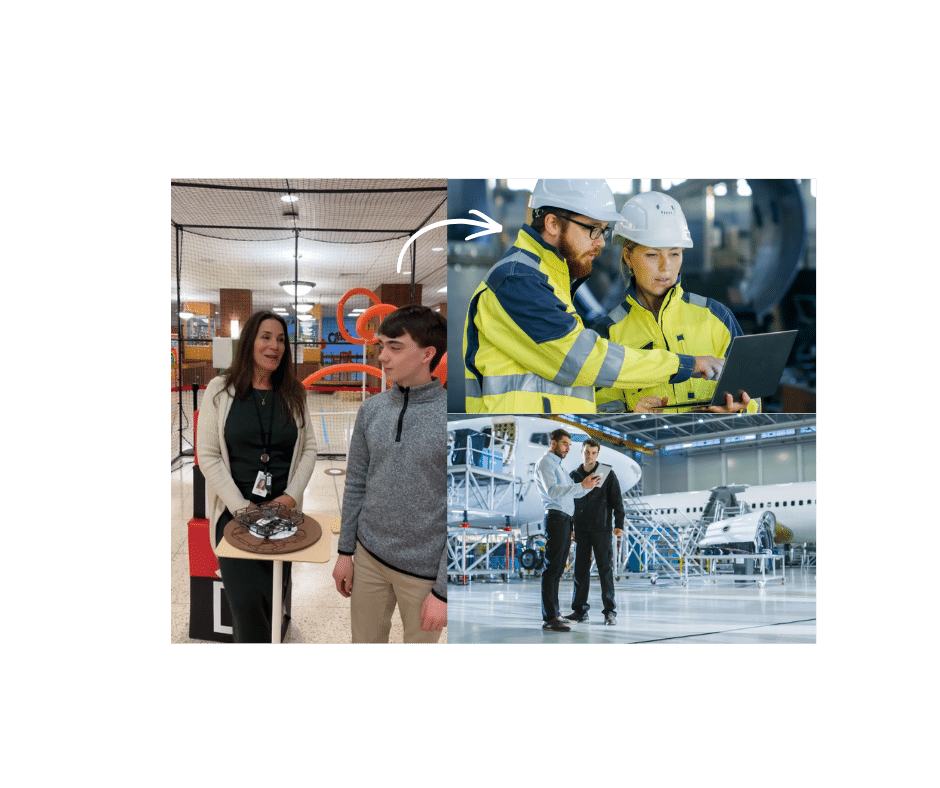
Drones Make Careers Visible
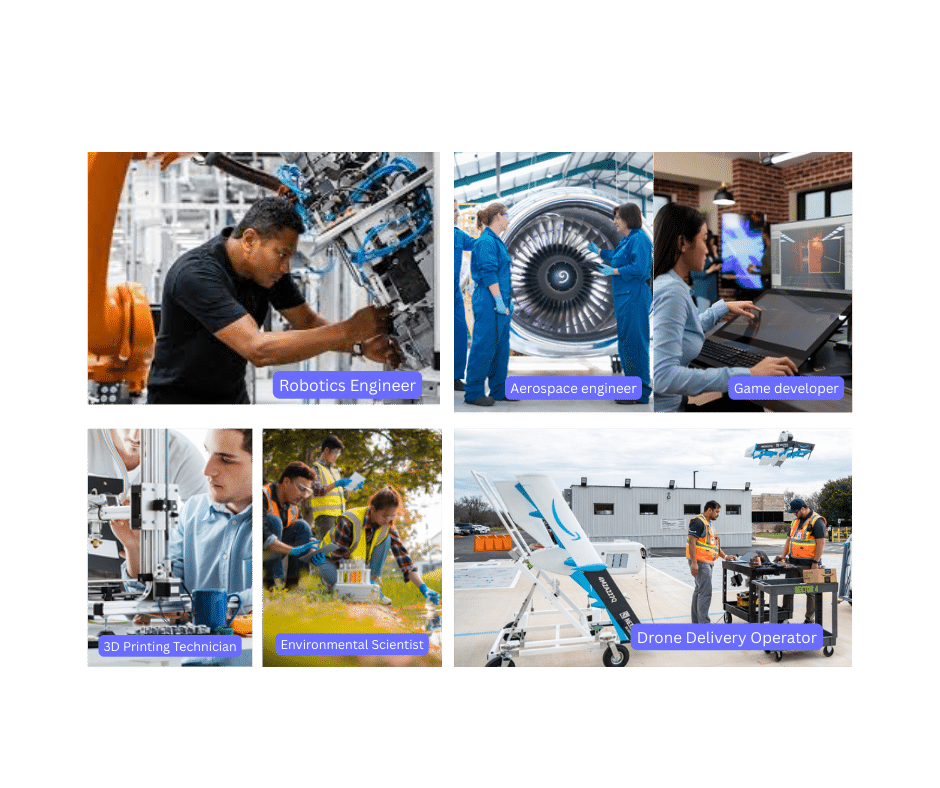
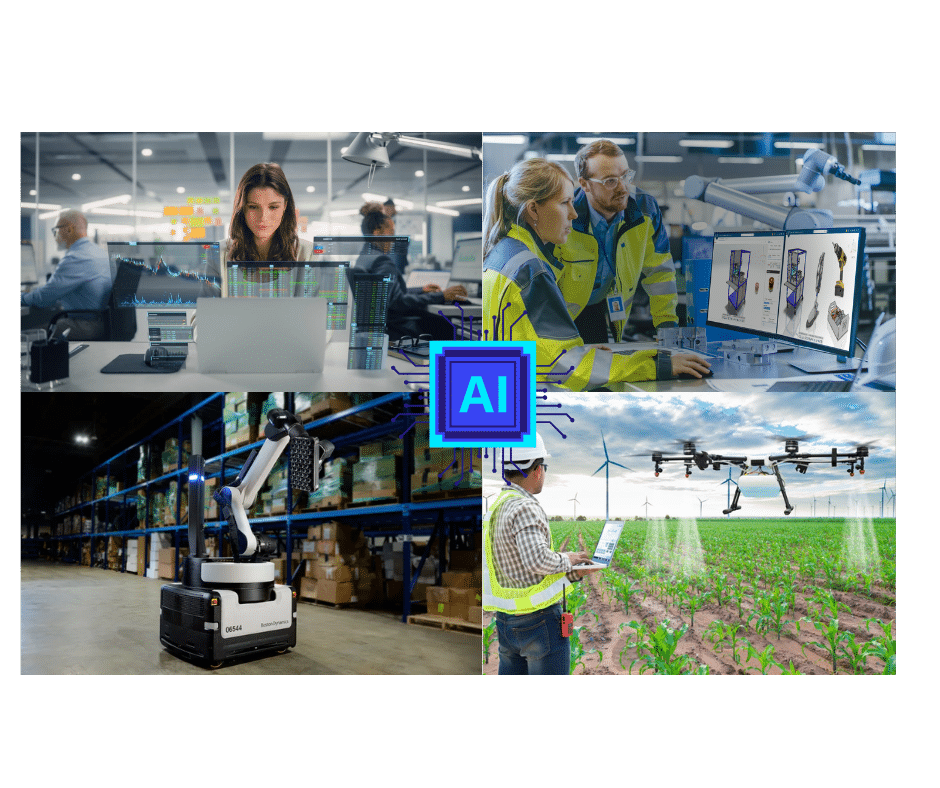
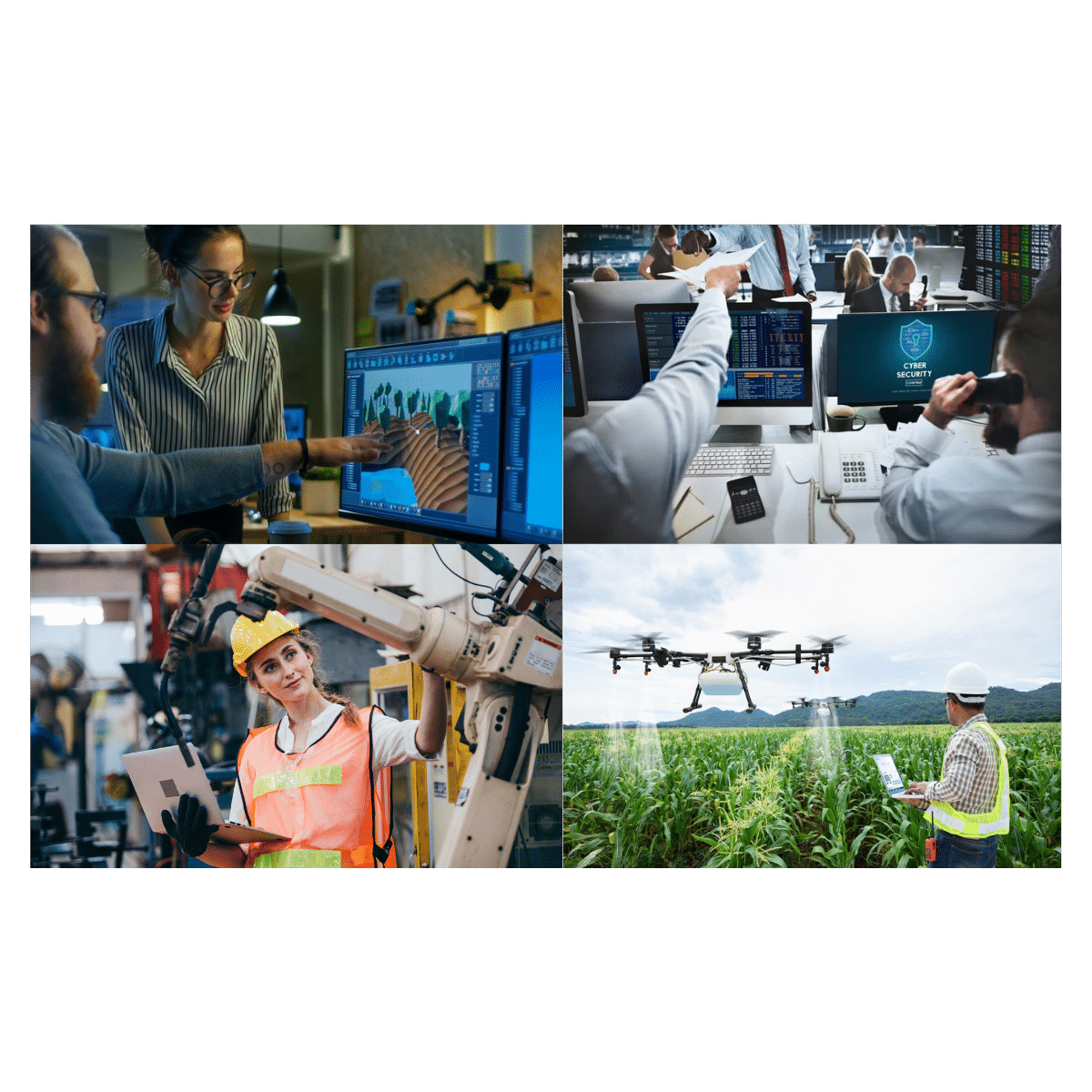
Many STEM careers feel distant to students because they are hard to picture. “Engineering,” “automation, or “data analysis” sound vague until students see what those jobs actually involve.
Educational drone kits change that dynamic.
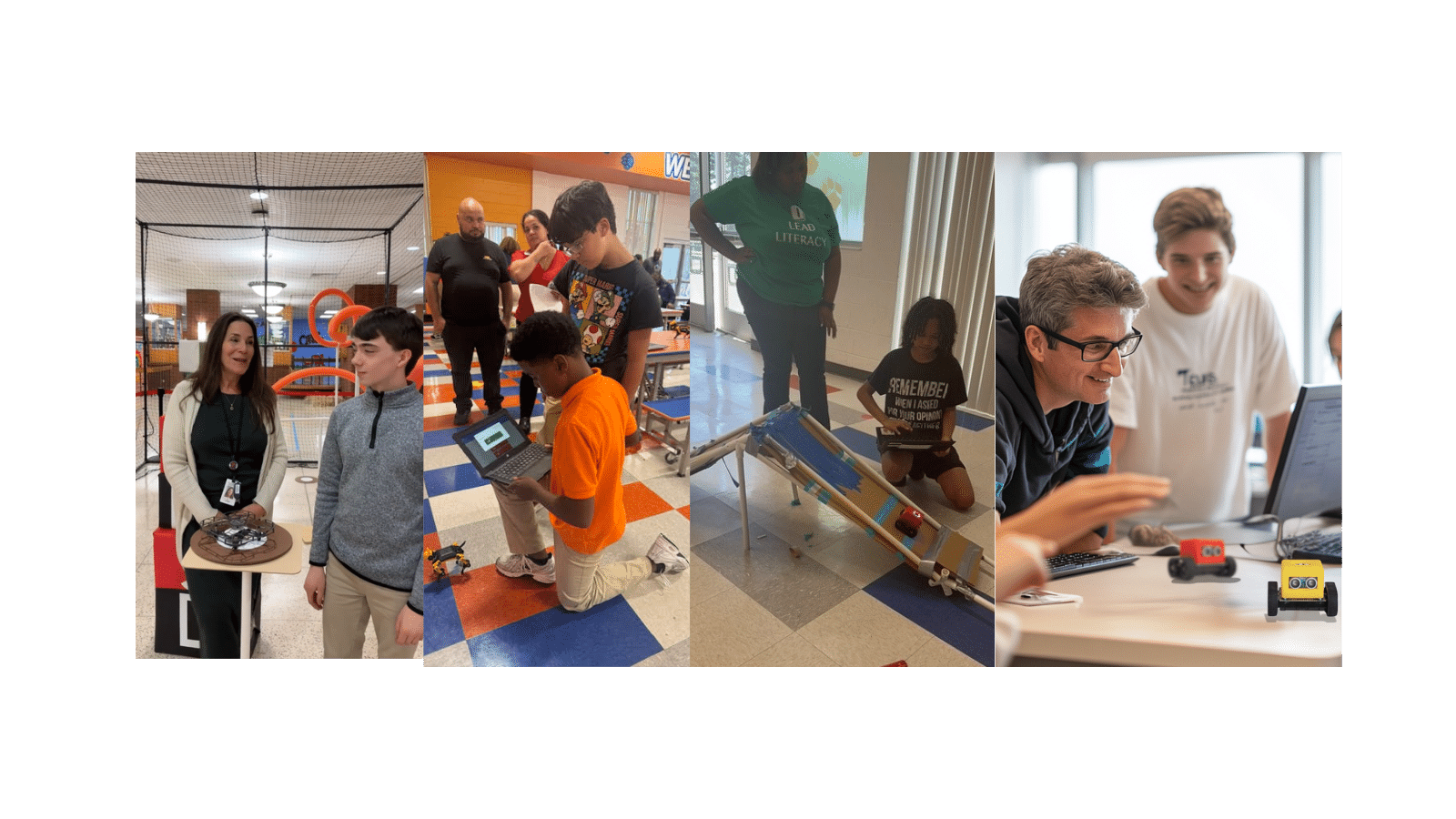
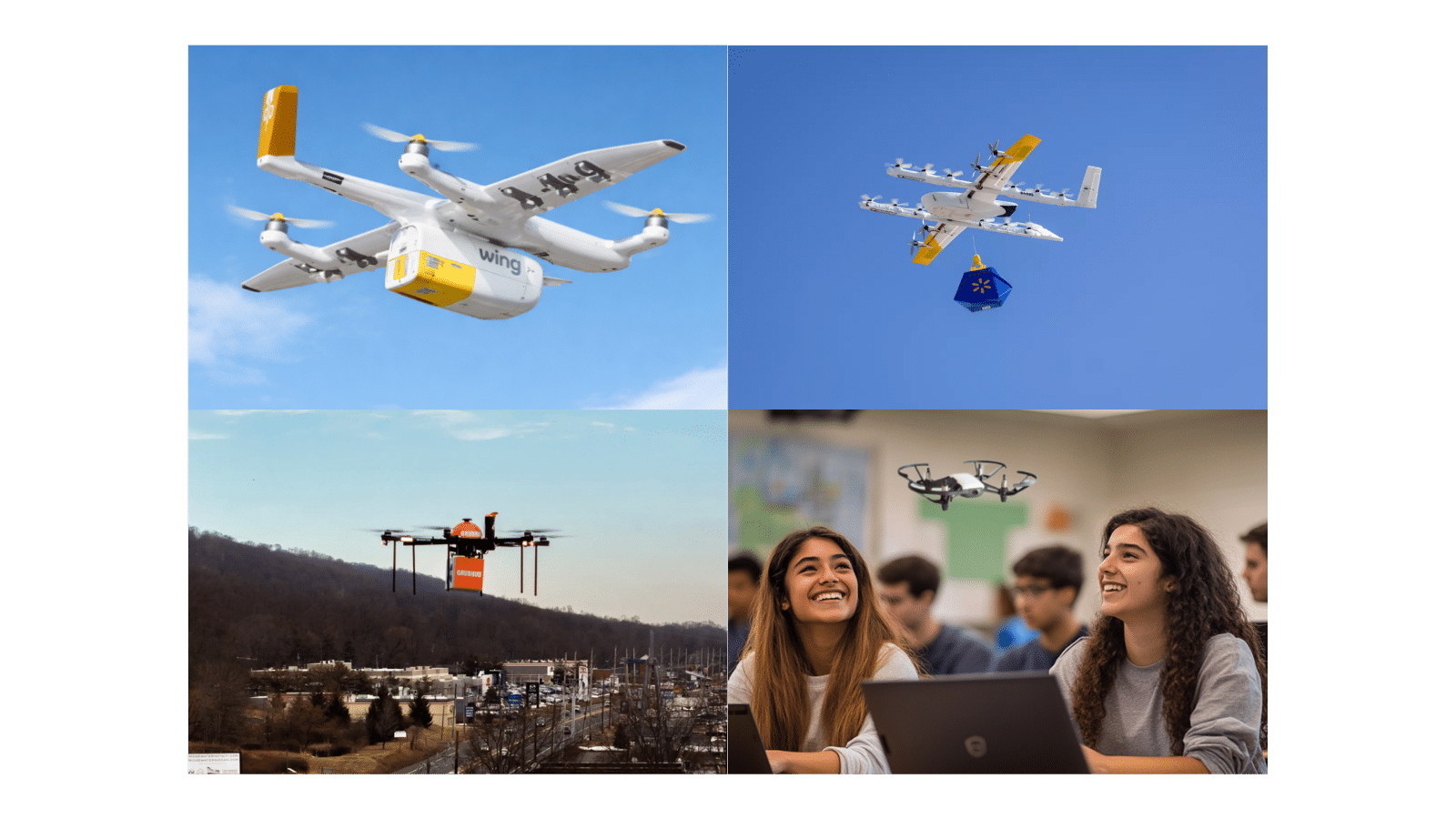
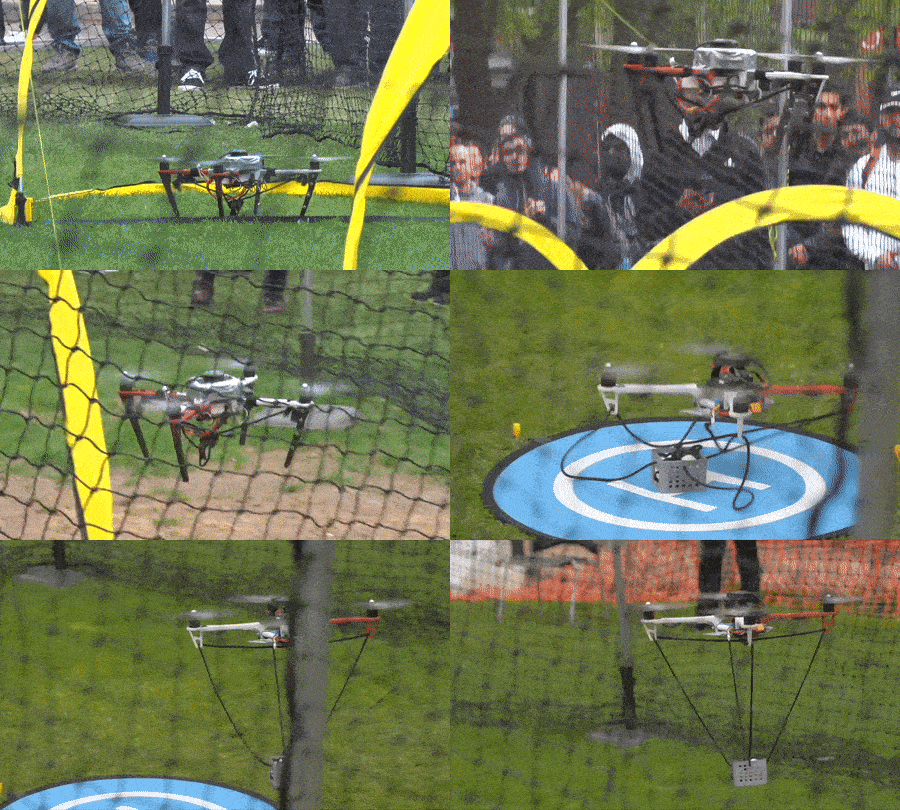
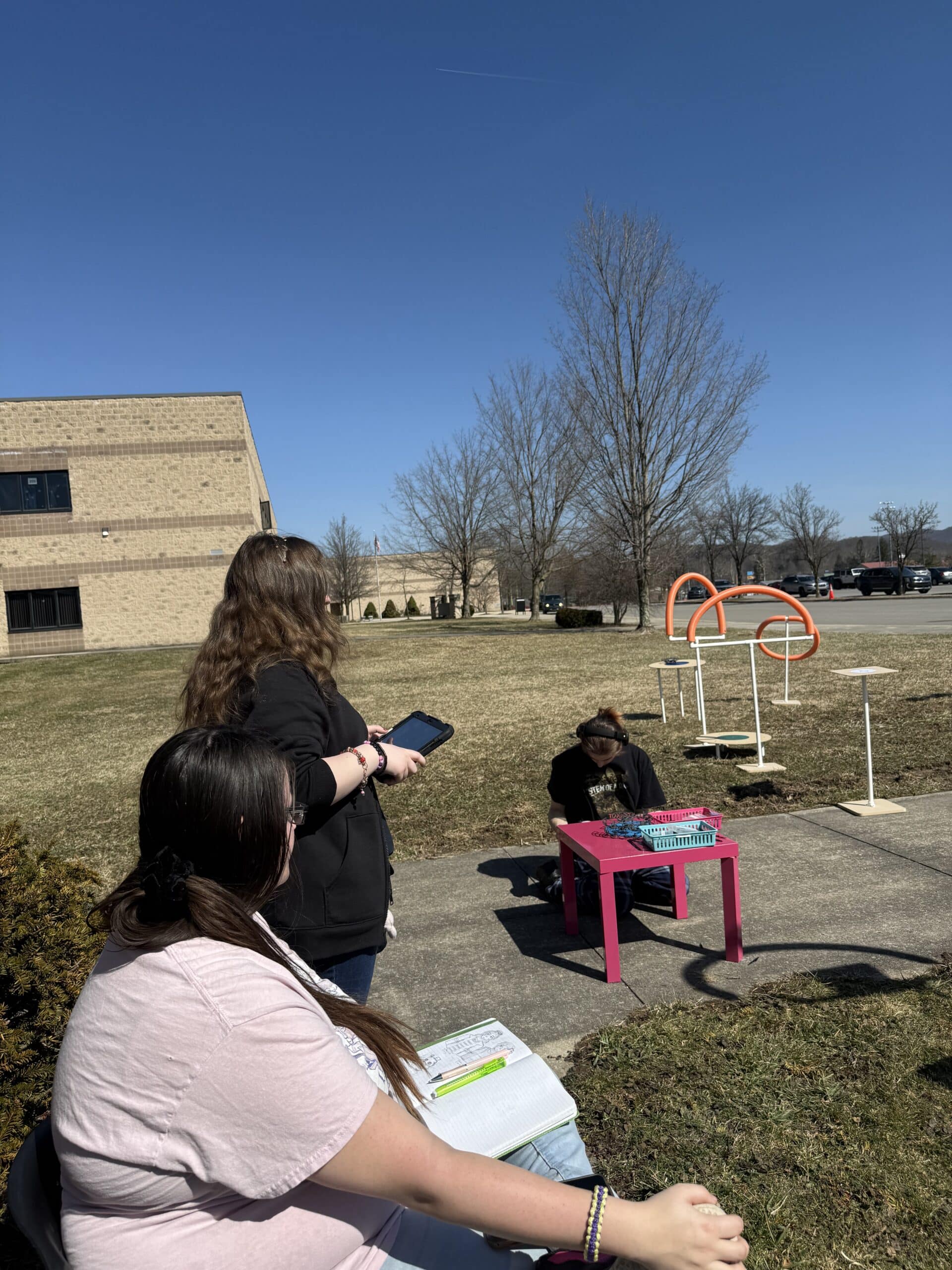
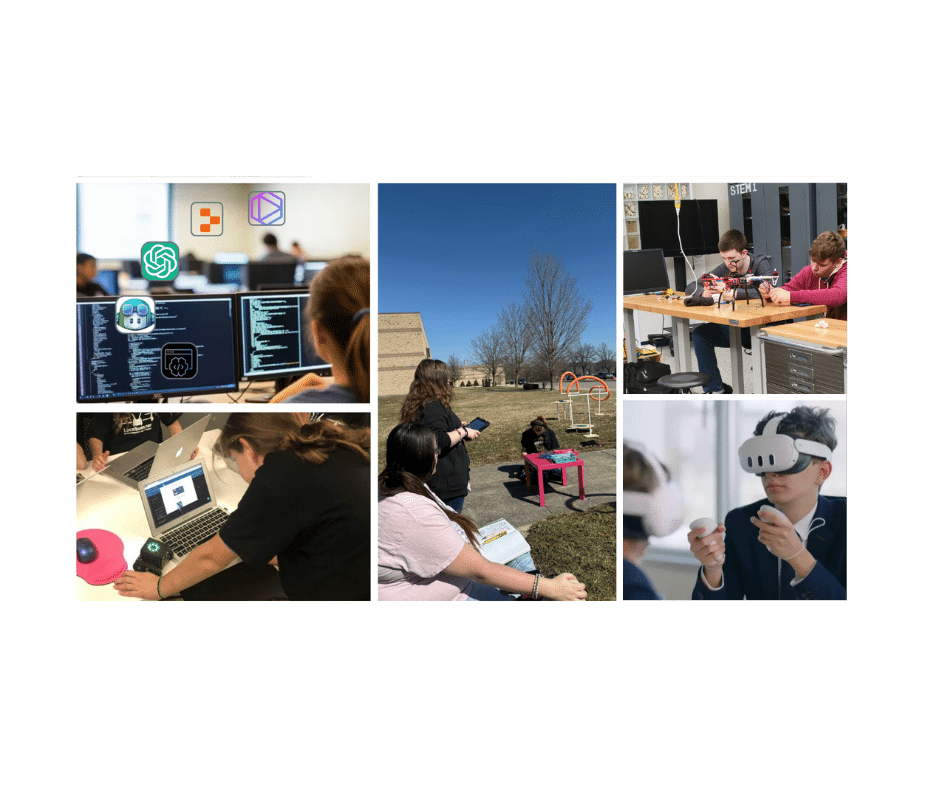
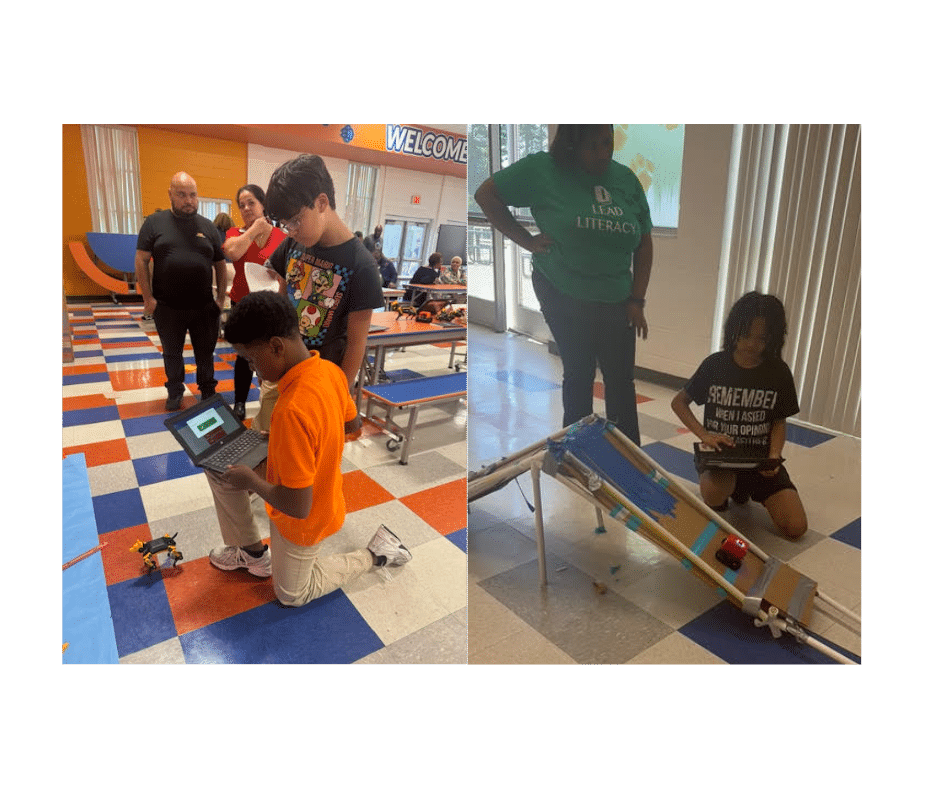
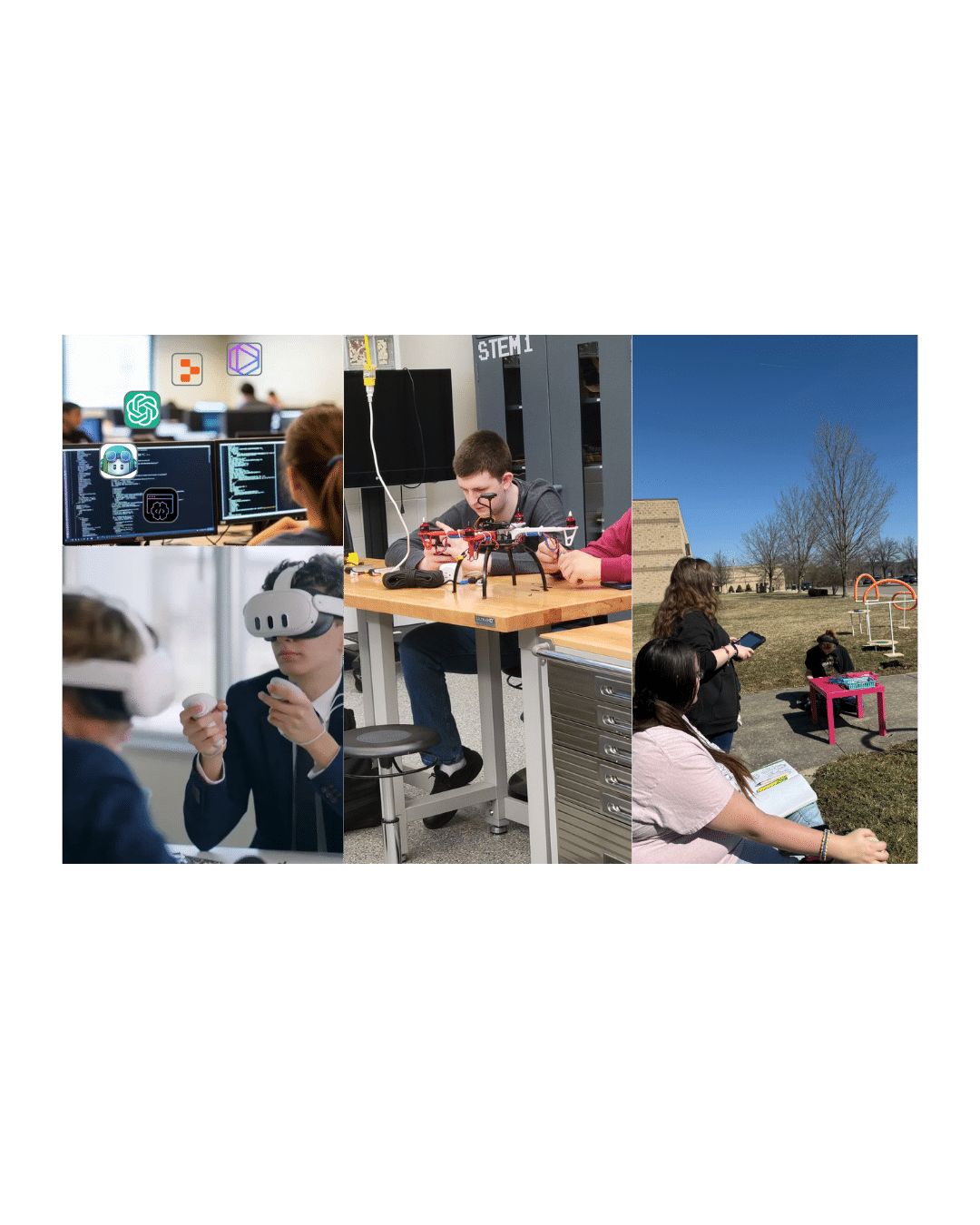
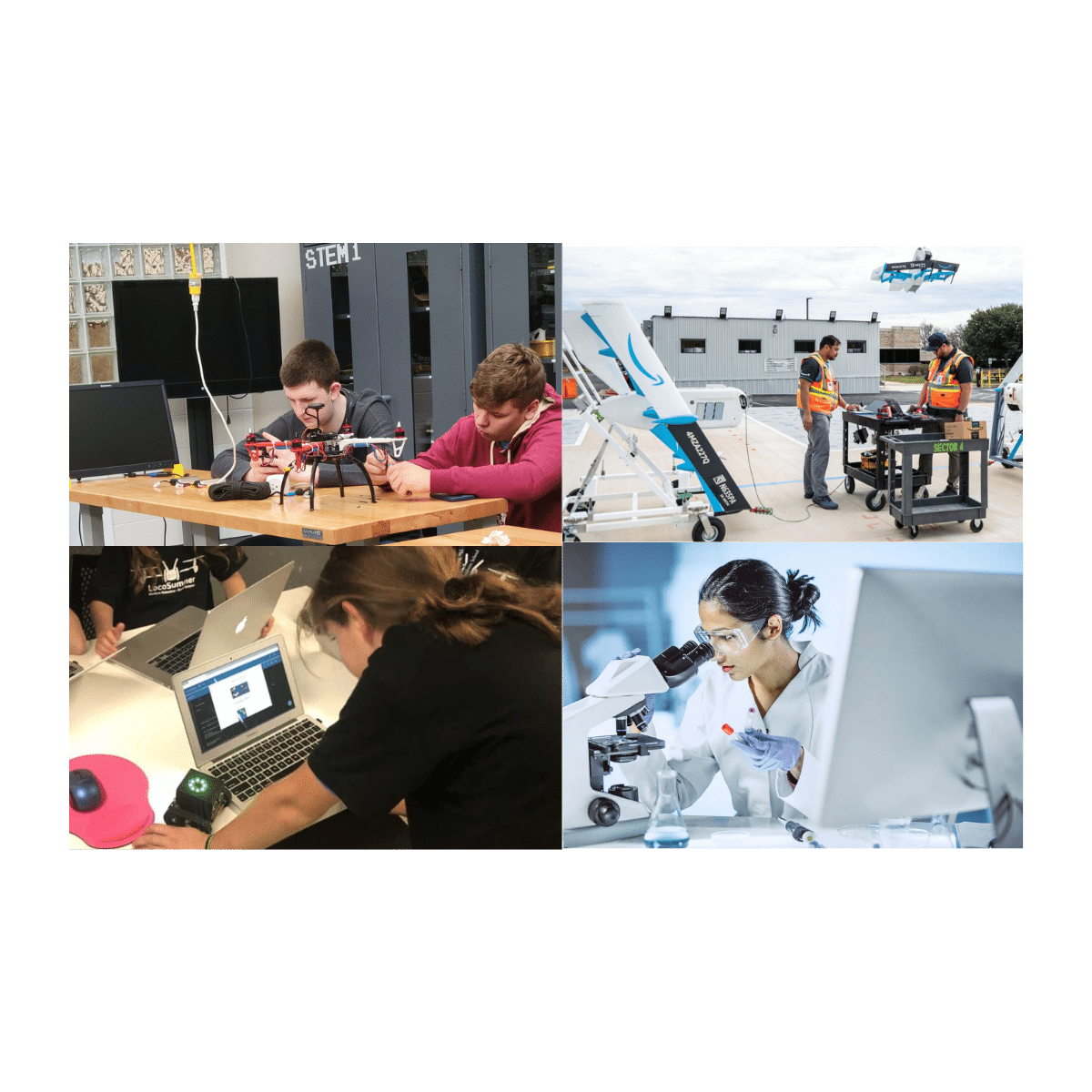
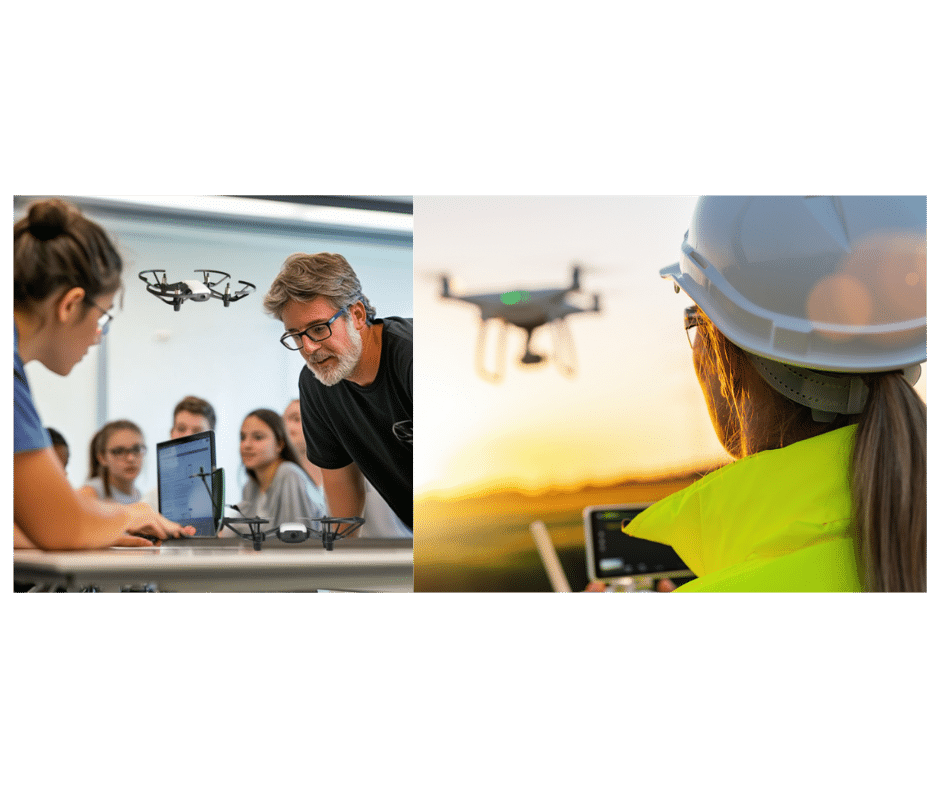
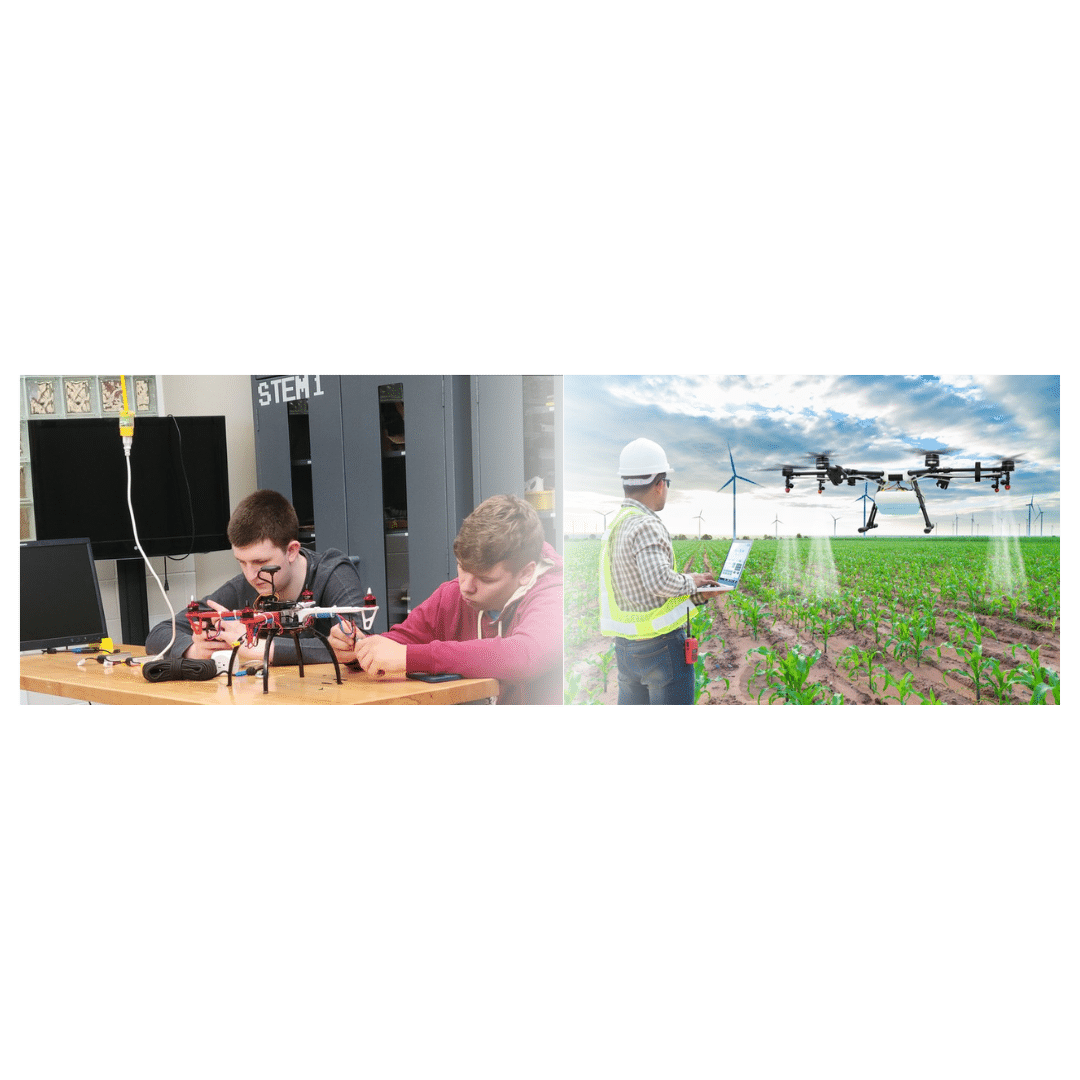
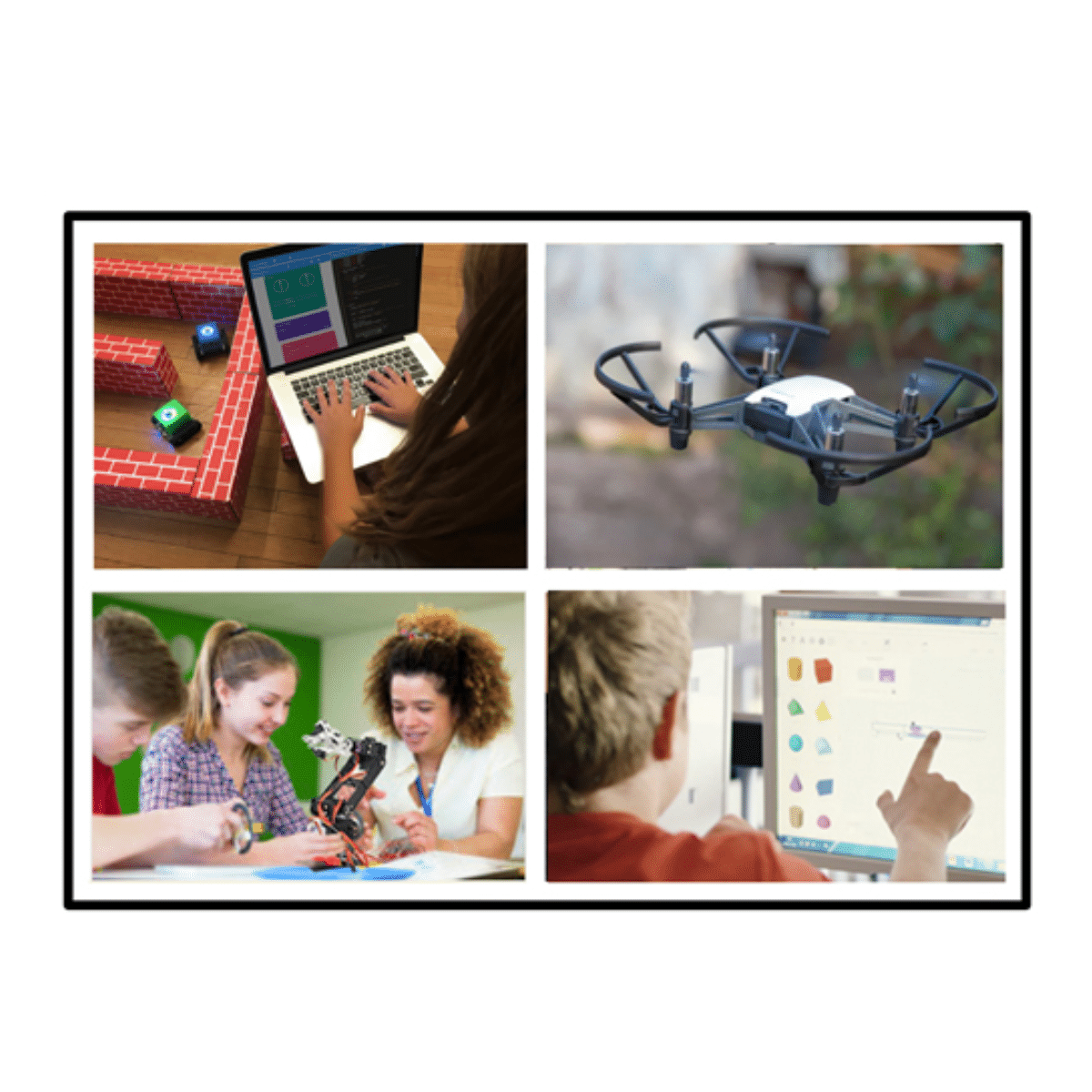
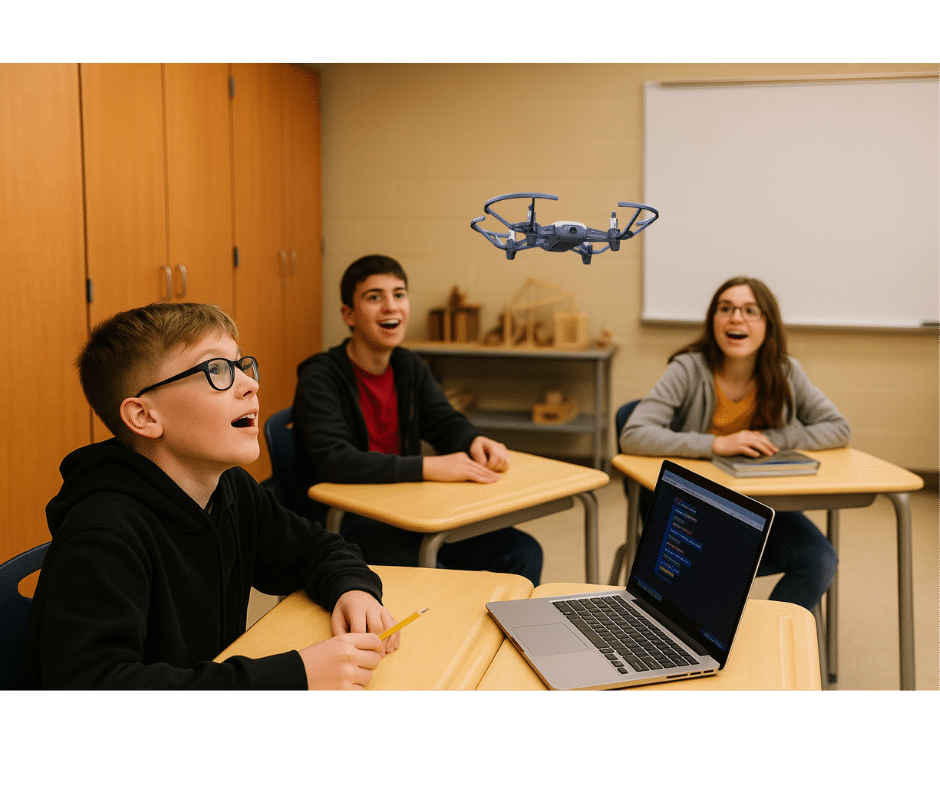
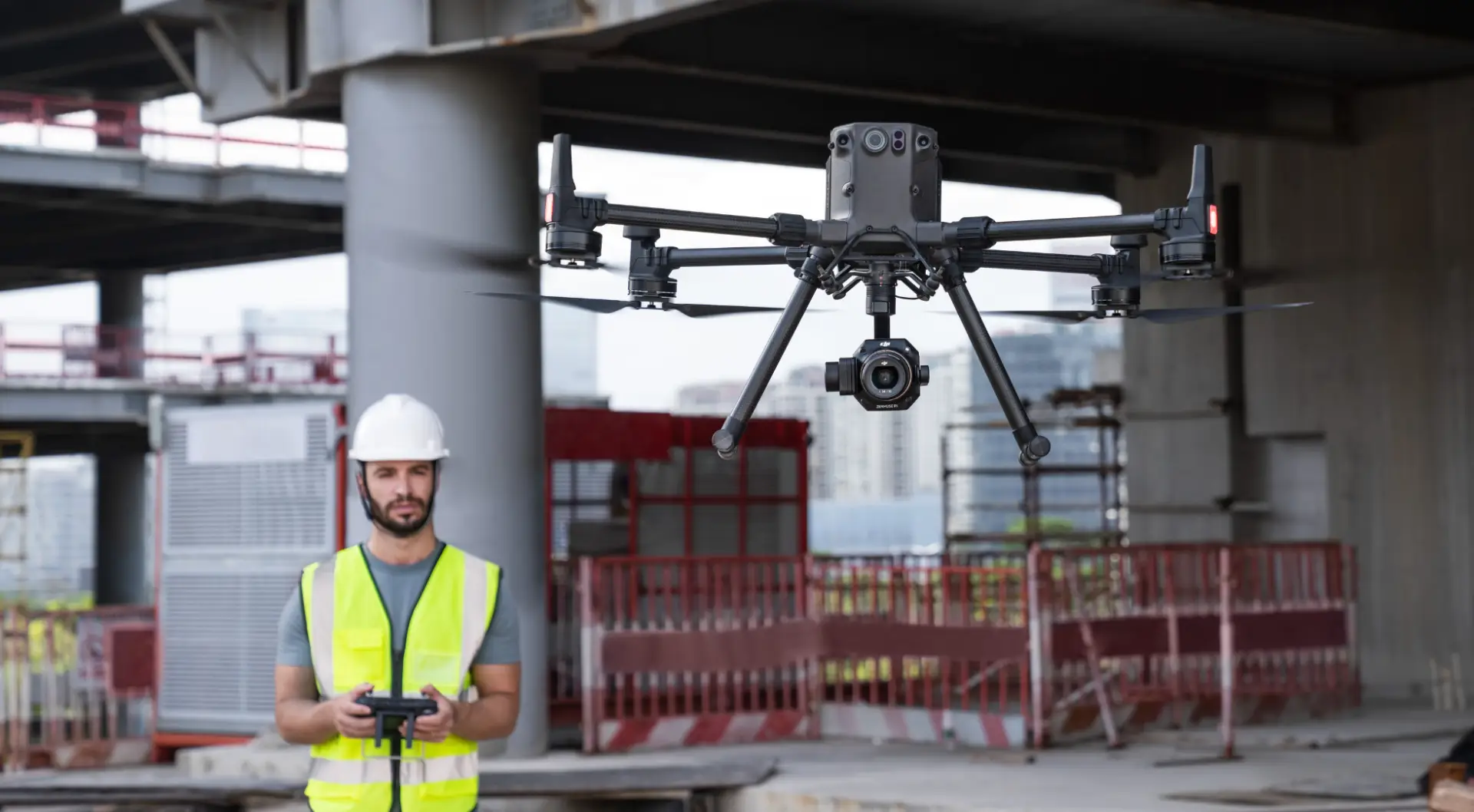
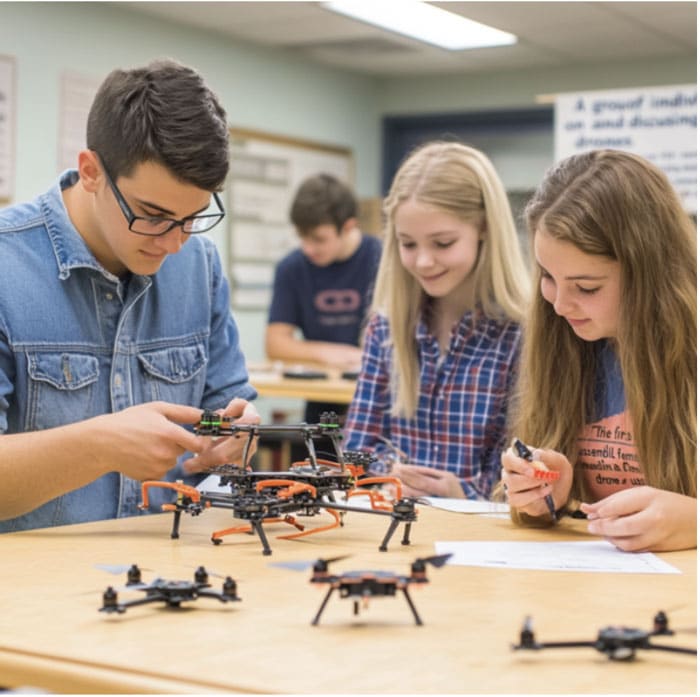
When students work with drones, they are engaging with the same tools and workflows used in real industries. Flight planning, data collection, troubleshooting, and analysis all mirror professional tasks.
Students begin to understand:
- Why precision matters
- How software decisions affect physical outcomes
- How data becomes decisions
- What it means to test, fail, and adjust
Those experiences give students language for their interests. Instead of saying “I like science,” they can say “I like analyzing data” or “I like solving navigation problems.” That distinction matters.
Career Paths Connected to Drones
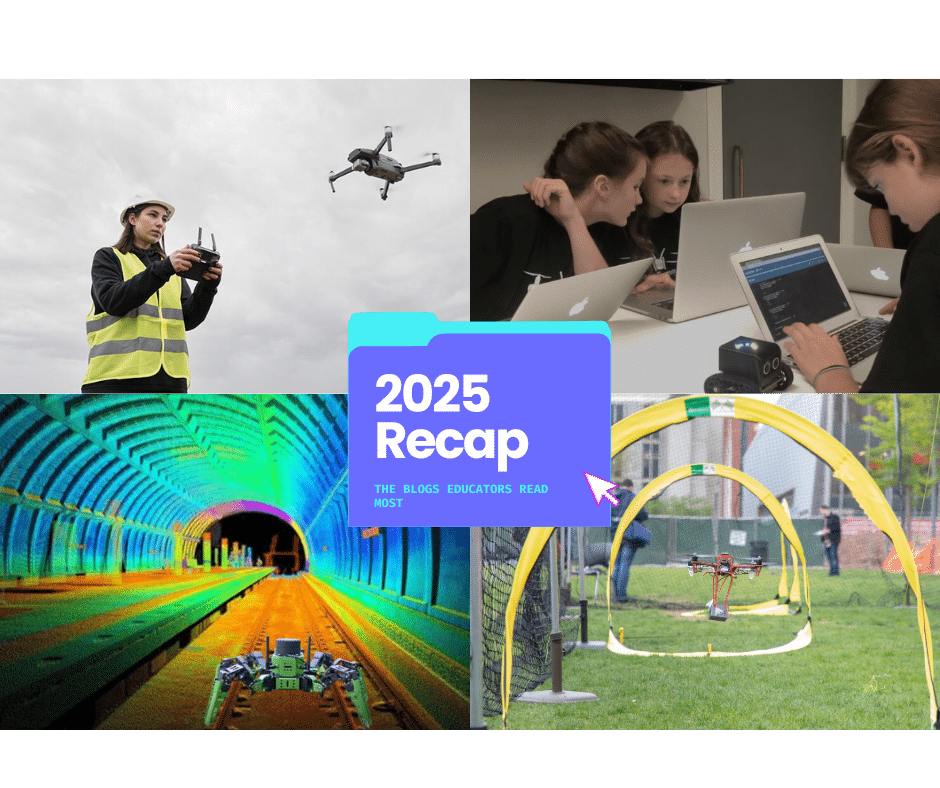
Drones sit at the intersection of multiple career fields, which makes them especially useful for early career mapping.
Aviation and Flight Operations
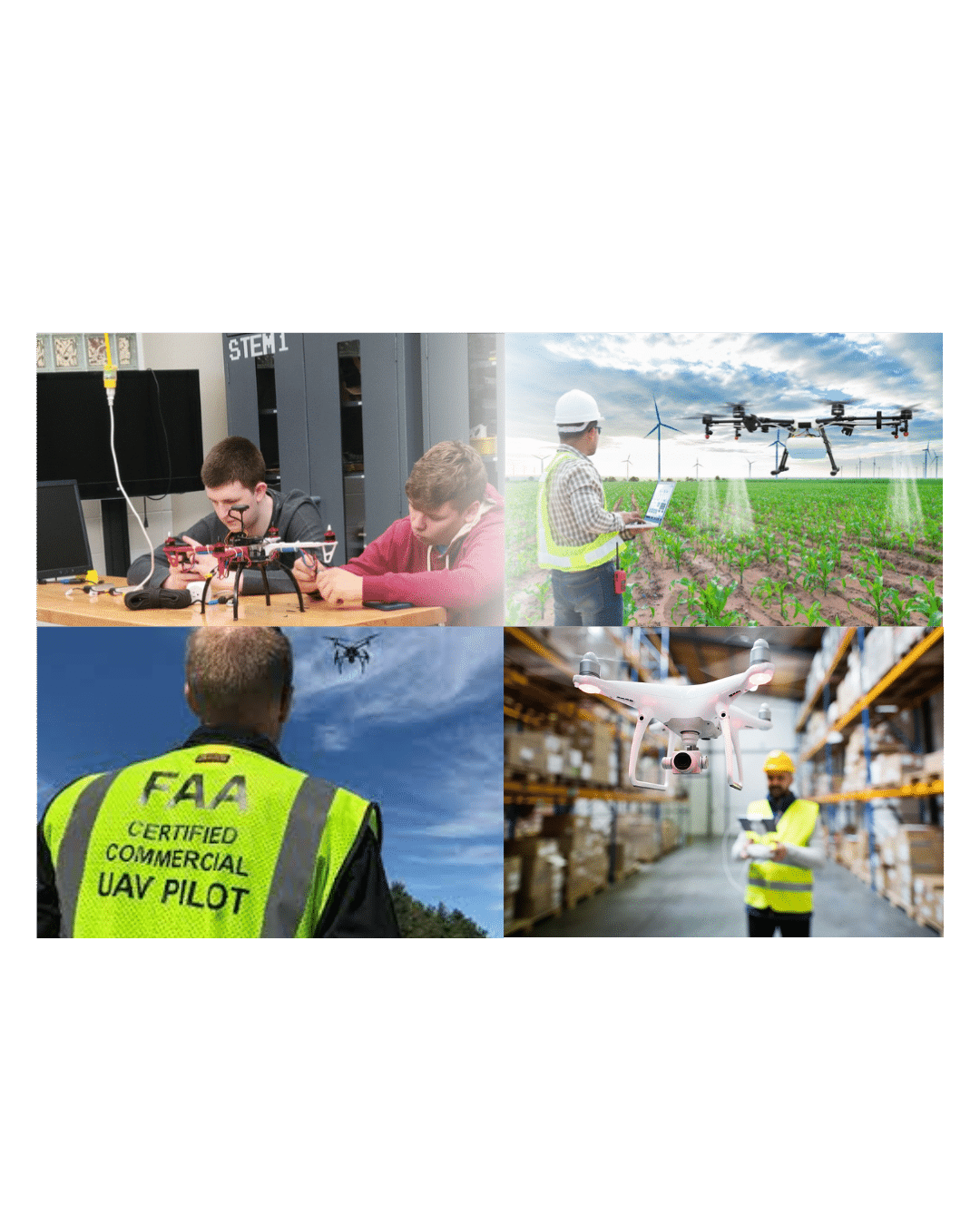
Students explore concepts like safety planning, navigation, and airspace awareness. These skills connect to careers in aviation operations, unmanned systems management, and flight safety roles.
Data and Analytics
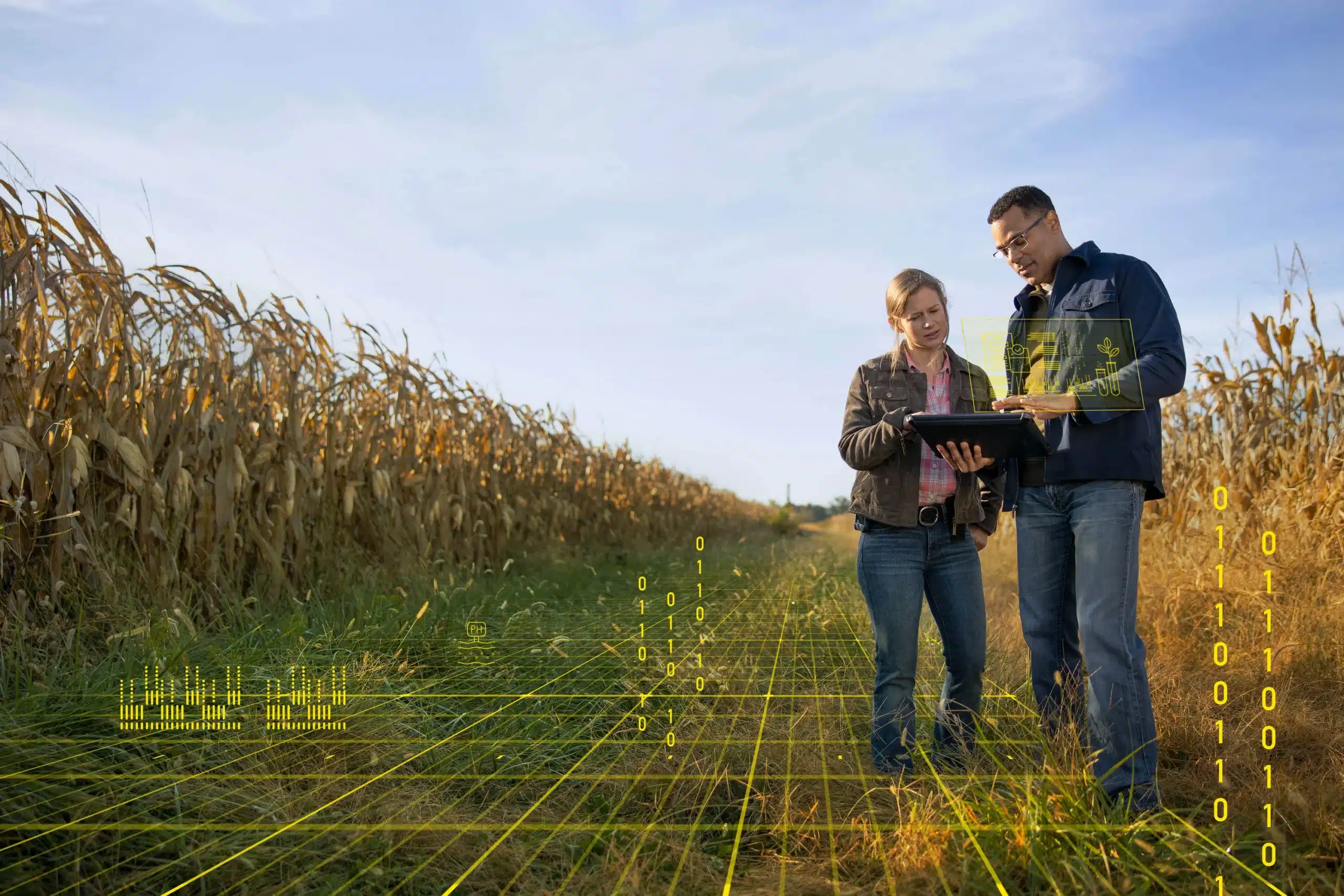
Many drone applications focus on capturing and interpreting data. Students work with images, measurements, and patterns, building early exposure to geospatial technology, data analysis, and technical reporting.
Engineering and Systems Thinking
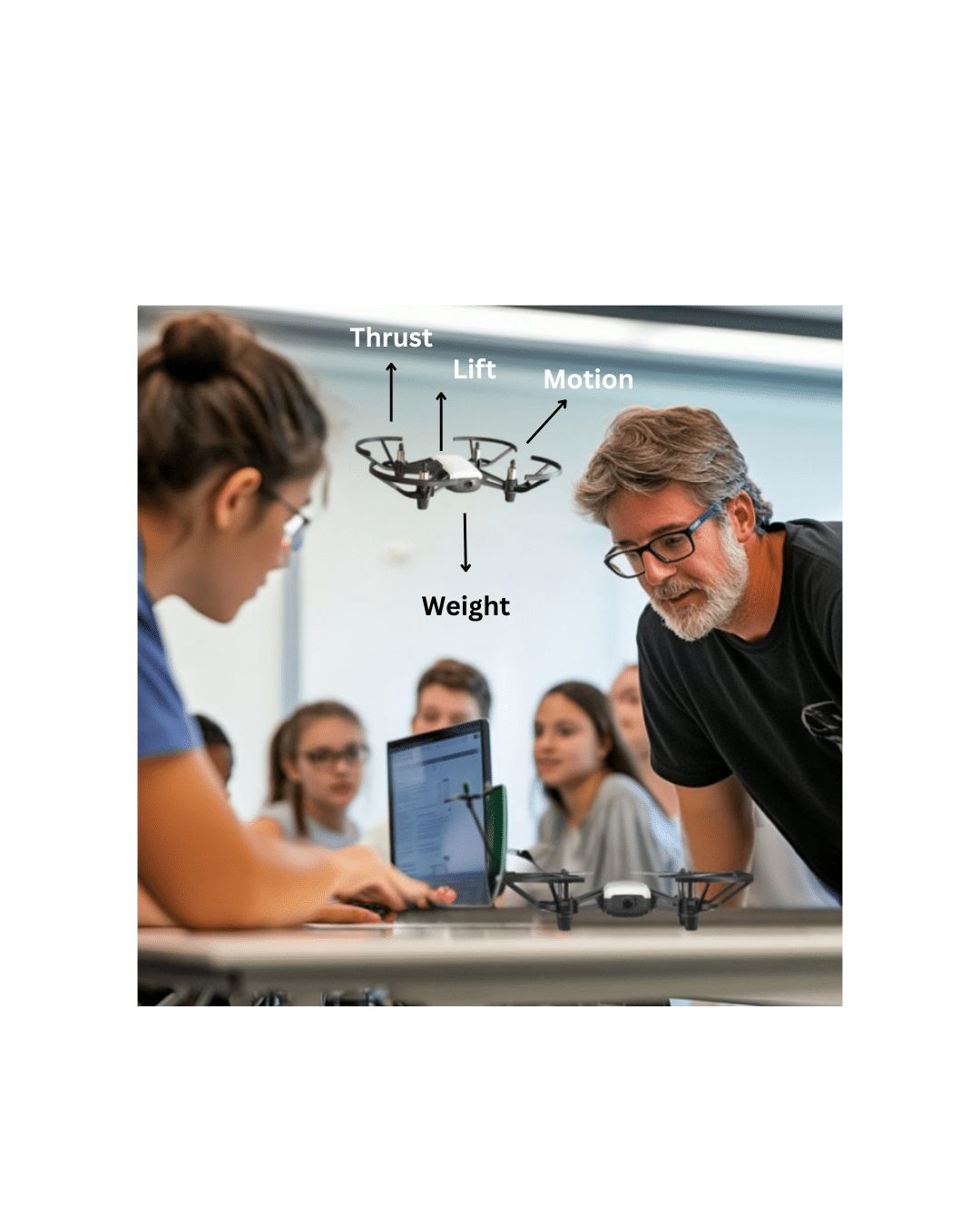
Drones bring together hardware, software, and physics. Students see how sensors, code, and mechanics interact, laying the groundwork for engineering, robotics, and automation careers.
Environmental and Agricultural Science
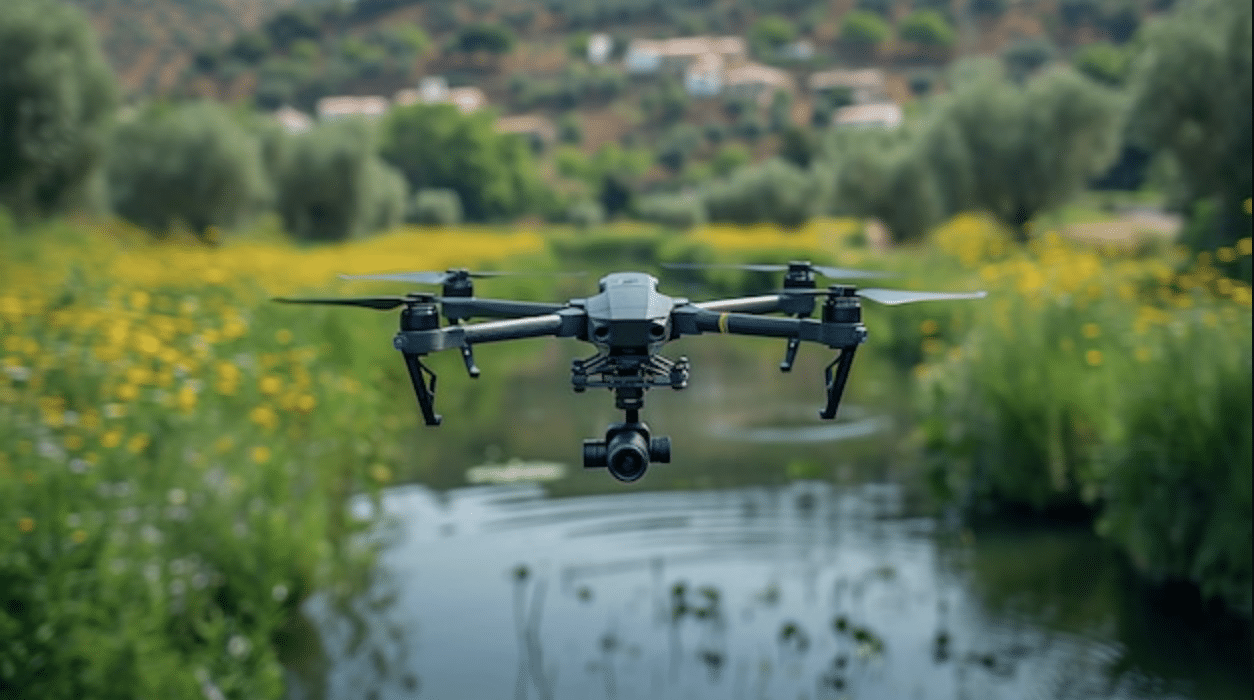
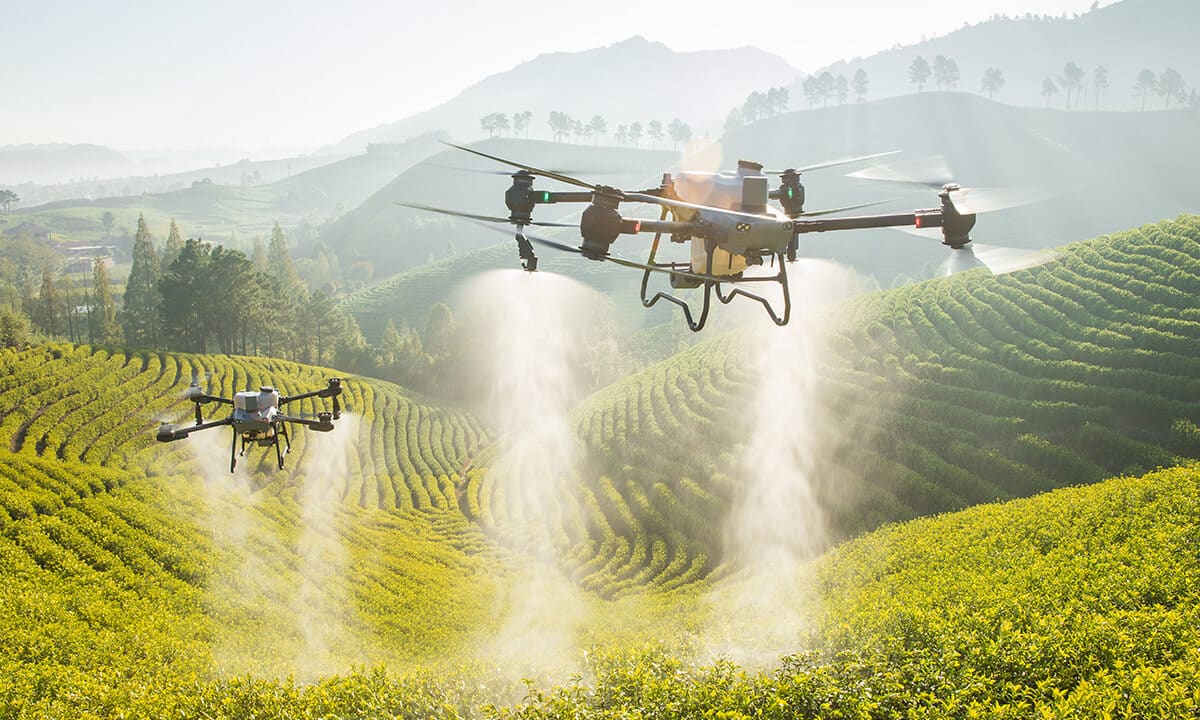
From crop analysis to environmental monitoring, drones show how technology supports sustainability, land management, and conservation science.
Public Safety and Infrastructure
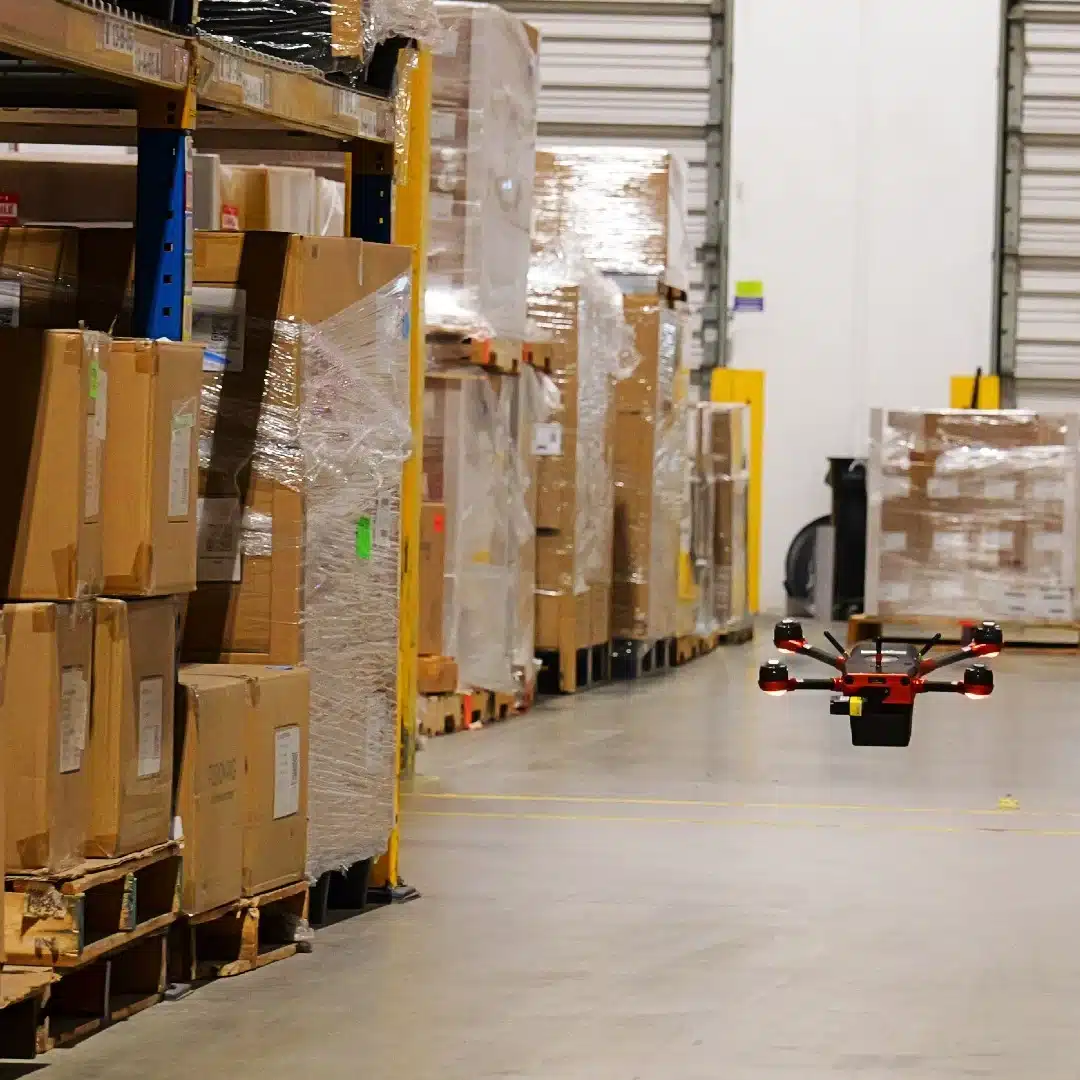
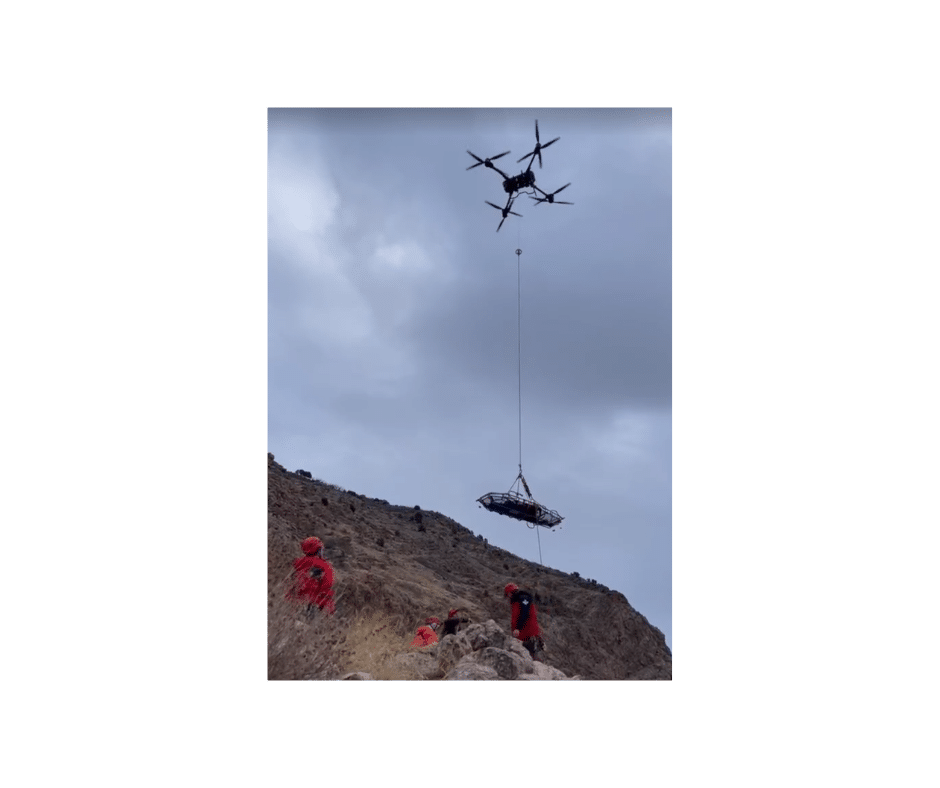
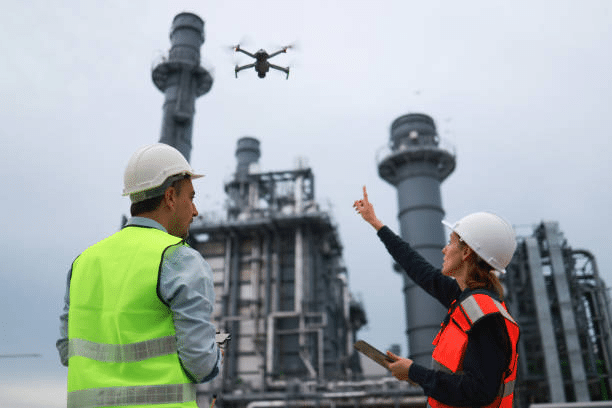
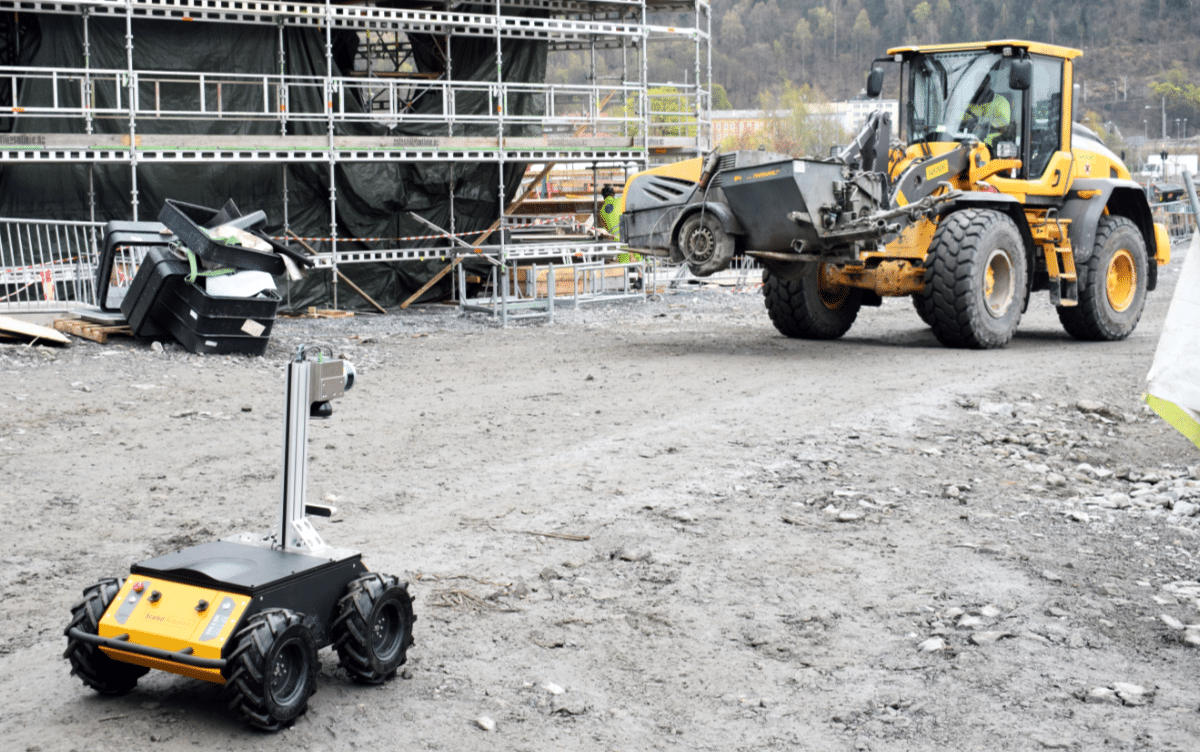
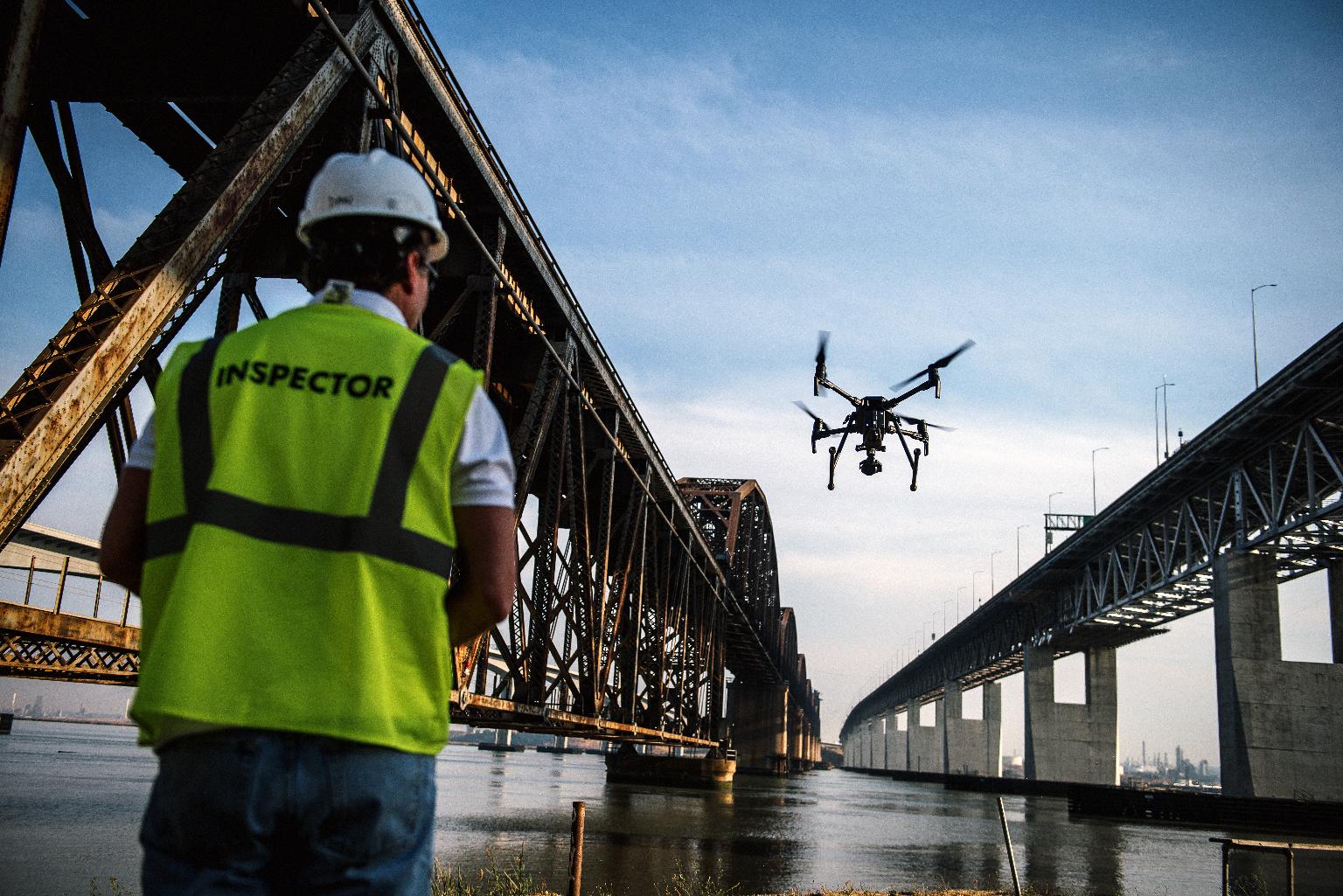
Inspection, mapping, and situational awareness are central to modern infrastructure and emergency response work. Drone projects introduce students to these real-world problem spaces in age-appropriate ways.
Because drones touch so many disciplines, students do not get pushed into a single track too early. Instead, they discover where their interests naturally align.
Why This Exposure Works in Upper Elementary and Middle School
Career mapping at younger ages is not about choosing a job title rather recognizing patterns.
Students start to notice:
- Do I like hands-on testing or data review?
- Do I prefer working independently or in teams?
- Do I enjoy planning or reacting?
- Am I more interested in how things work or how they are used?
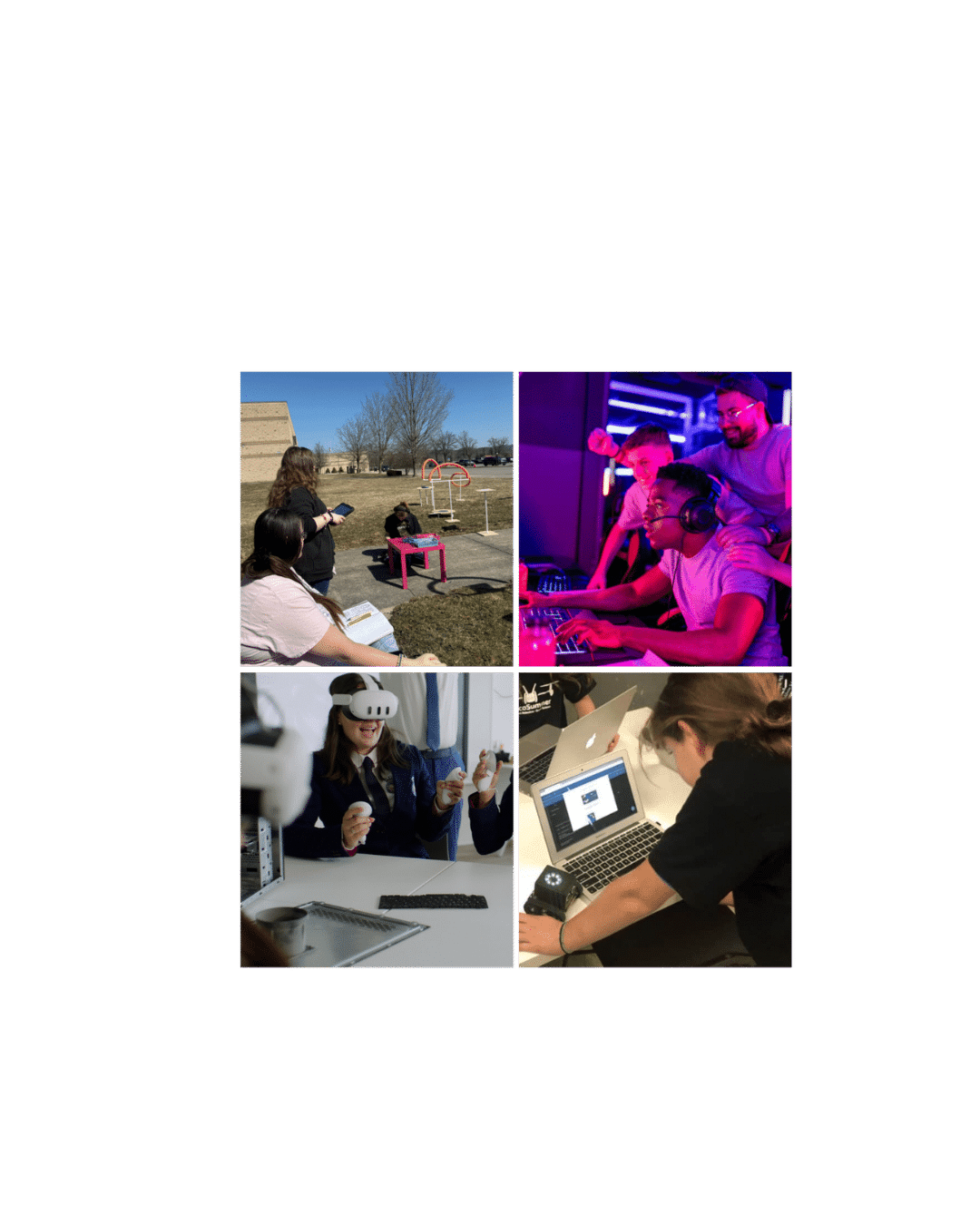
Drone-based projects surface these preferences organically. The learning feels practical. Students stay engaged because the outcomes are visible and immediate.
This early clarity supports better decisions later, whether that is course selection, electives, clubs, or STEM pathways.
Turning Interest Into Intentional Pathways
When schools use drones intentionally, they become part of a broader career awareness strategy.
With the right structure, educators can:
- Introduce career language alongside technical skills
- Connect projects to real-World skills for tomorrow’s careers
- Track how student interests evolve over time
- Encourage reflection through discussion and documentation
How LocoRobo Supports Early Career Mapping With Drones
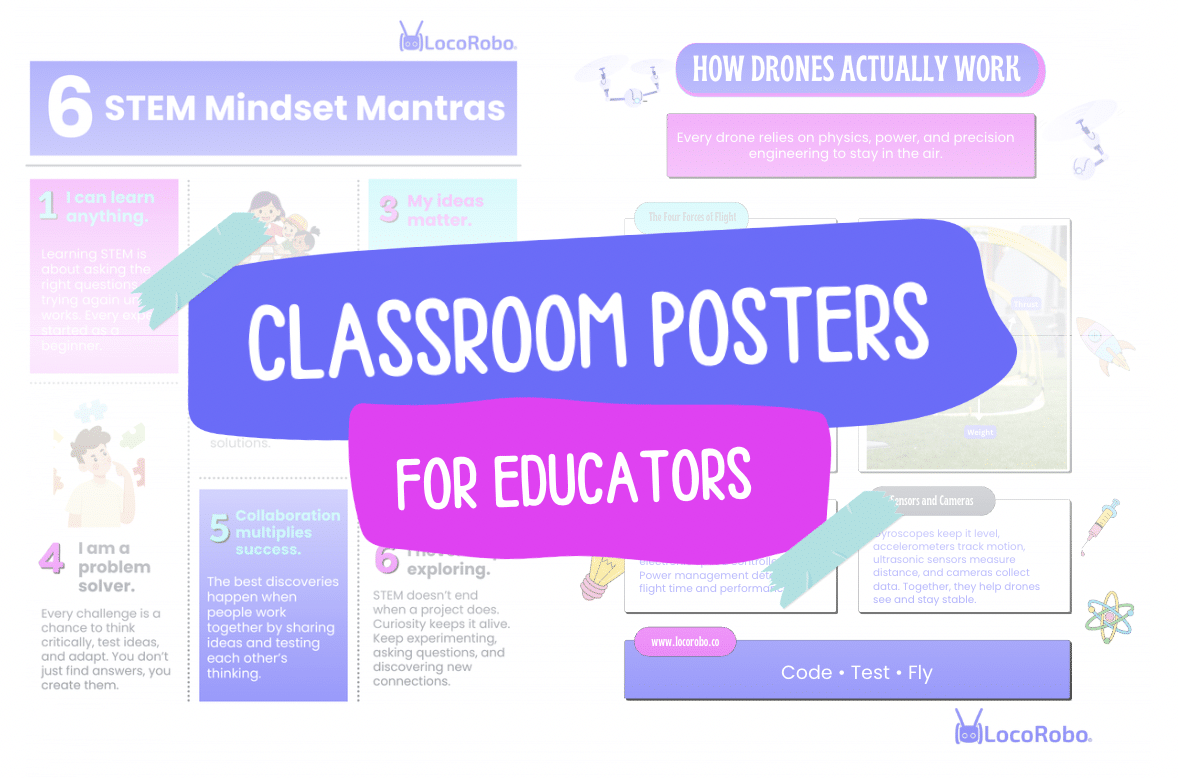
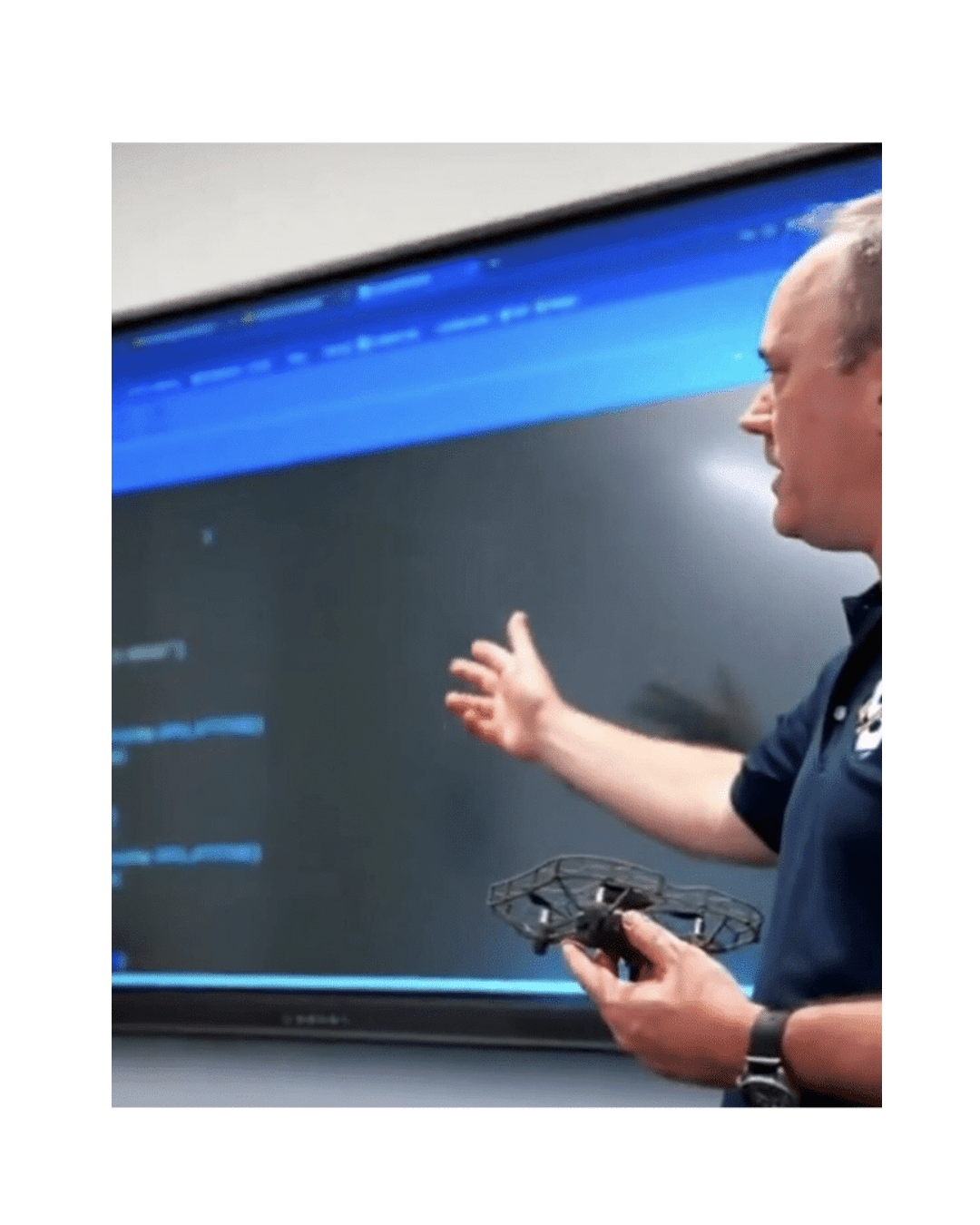
LocoRobo’s drones for education are designed to help educators connect hands-on learning with real career awareness. Drone programs are supported by structured curriculum, classroom-ready resources, and clear pathways that scale across grade levels.
Educators can start with foundational exploration and build toward advanced applications without redesigning their entire program.
If you want to help students reflect on what they enjoy and where their interests may lead, start with a simple step. Request the Career Exploration Toolkit to give students a guided way to connect their drone experiences to skills, interests, and potential career paths.