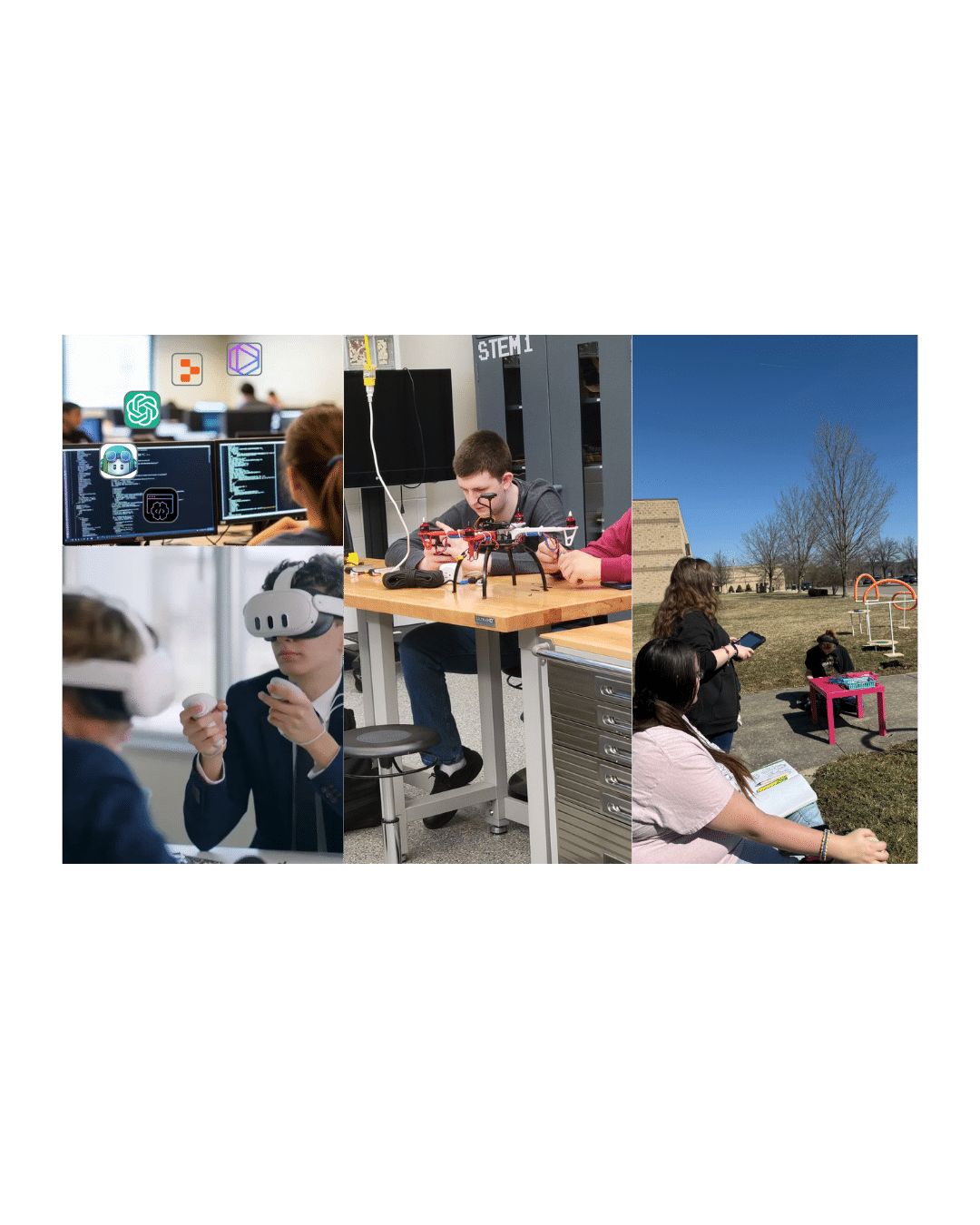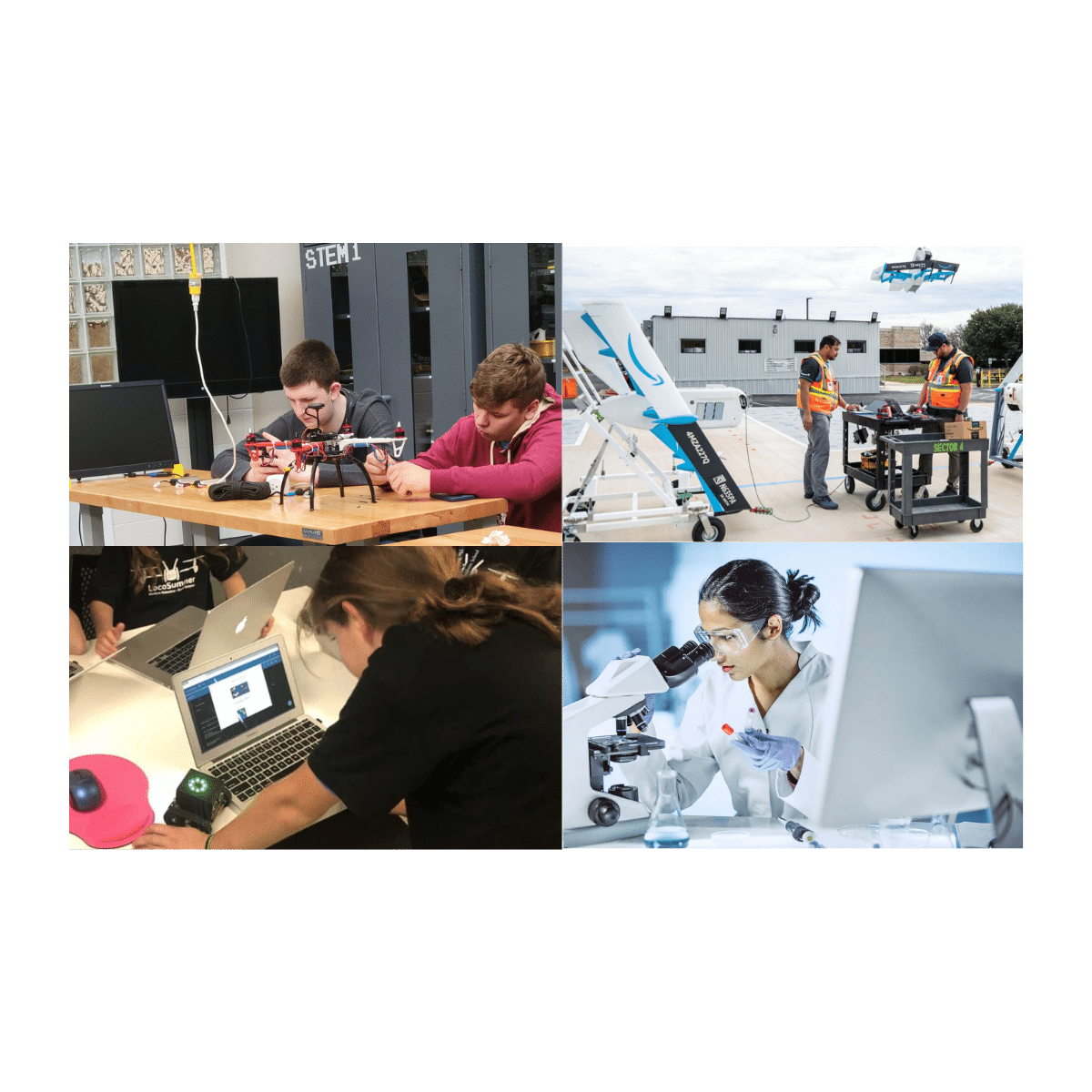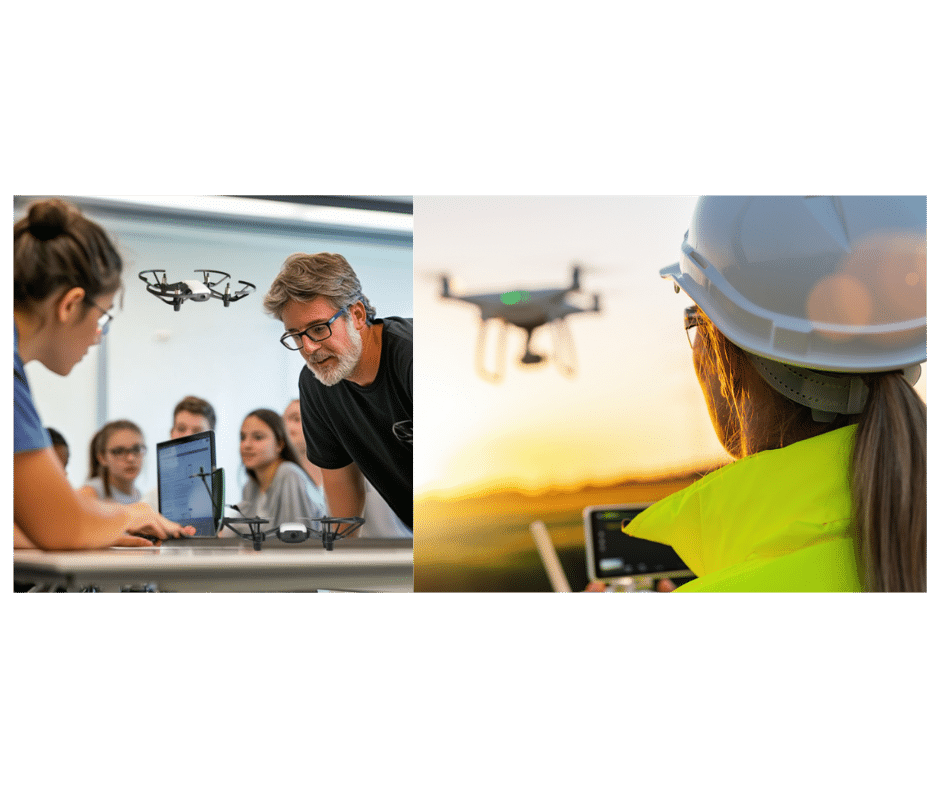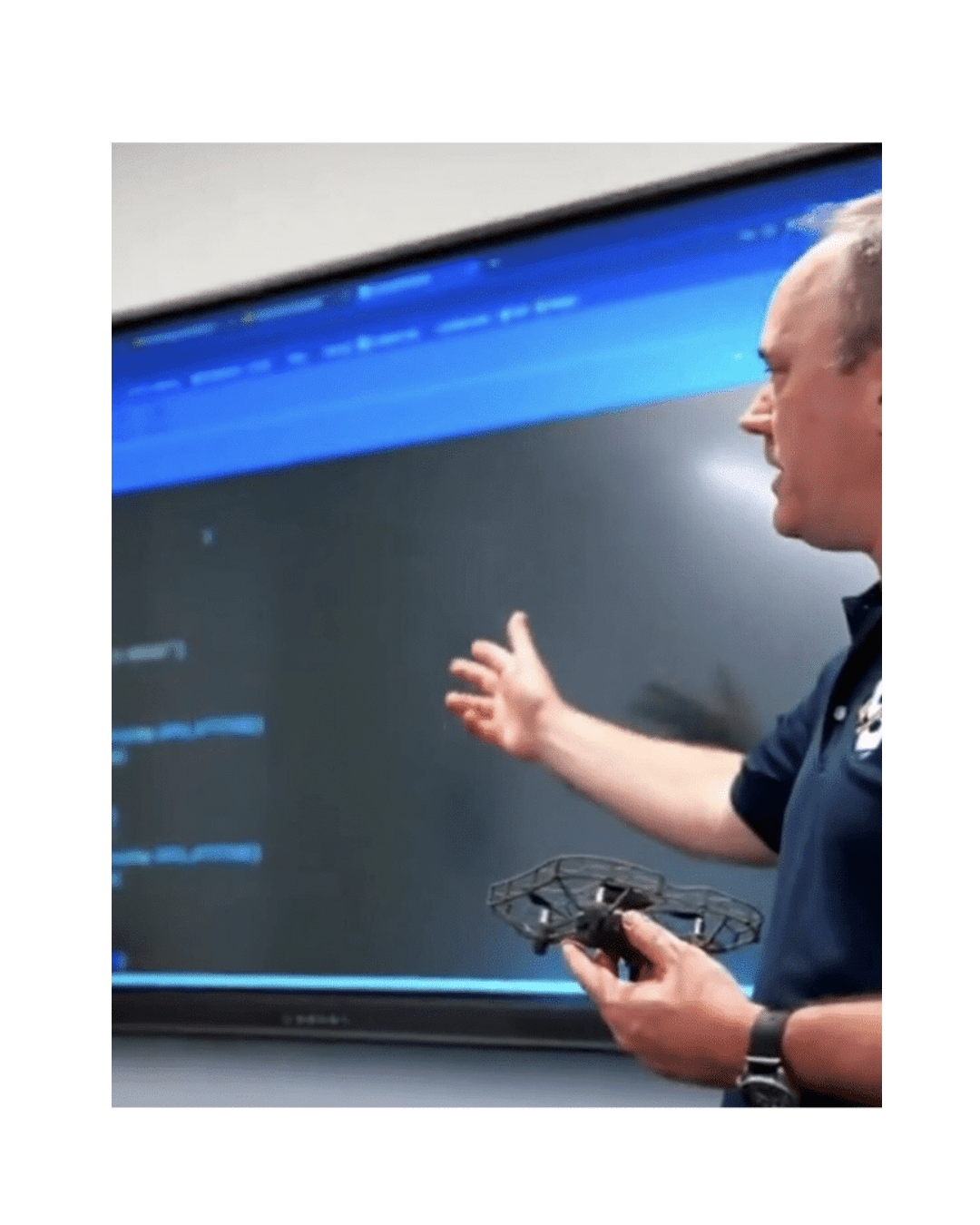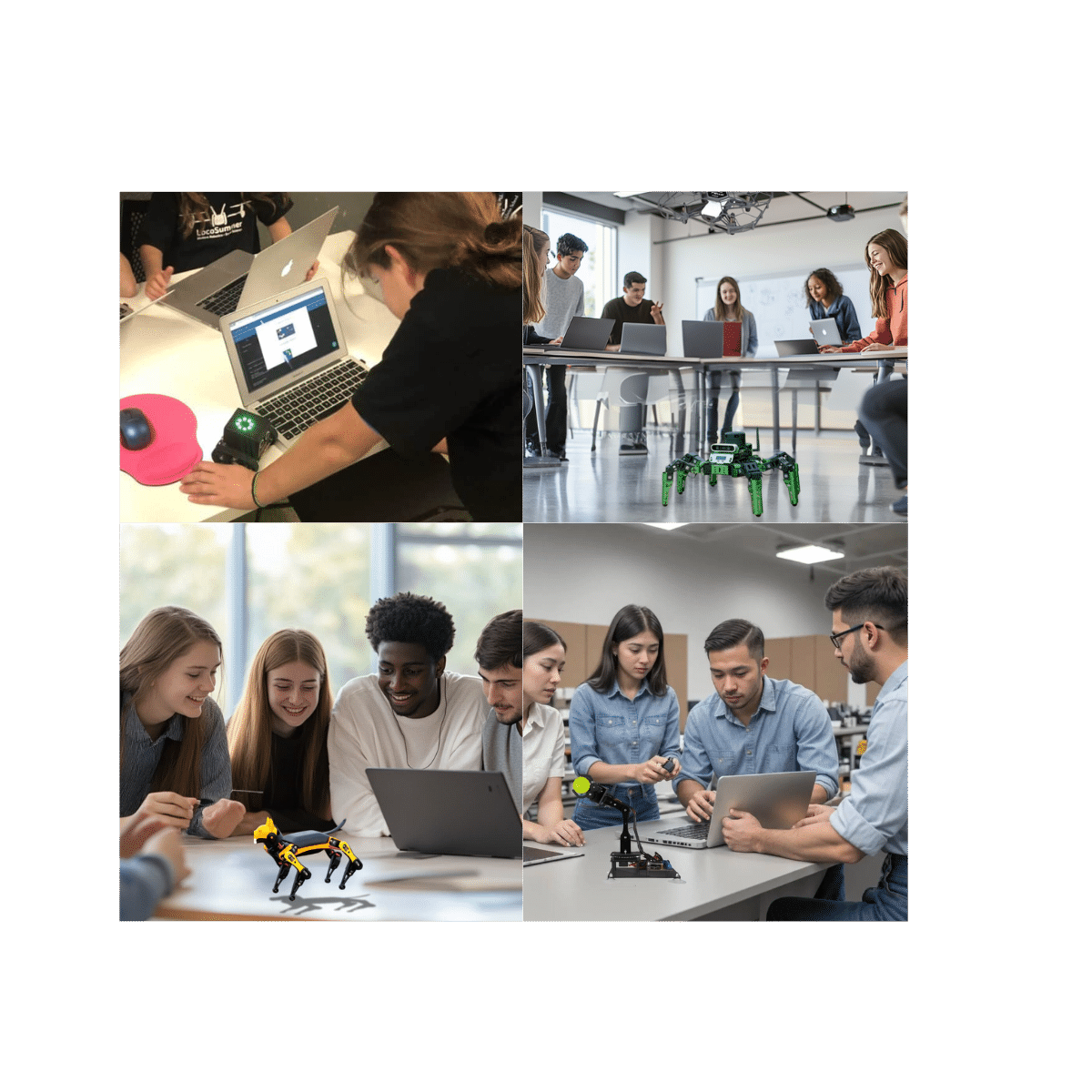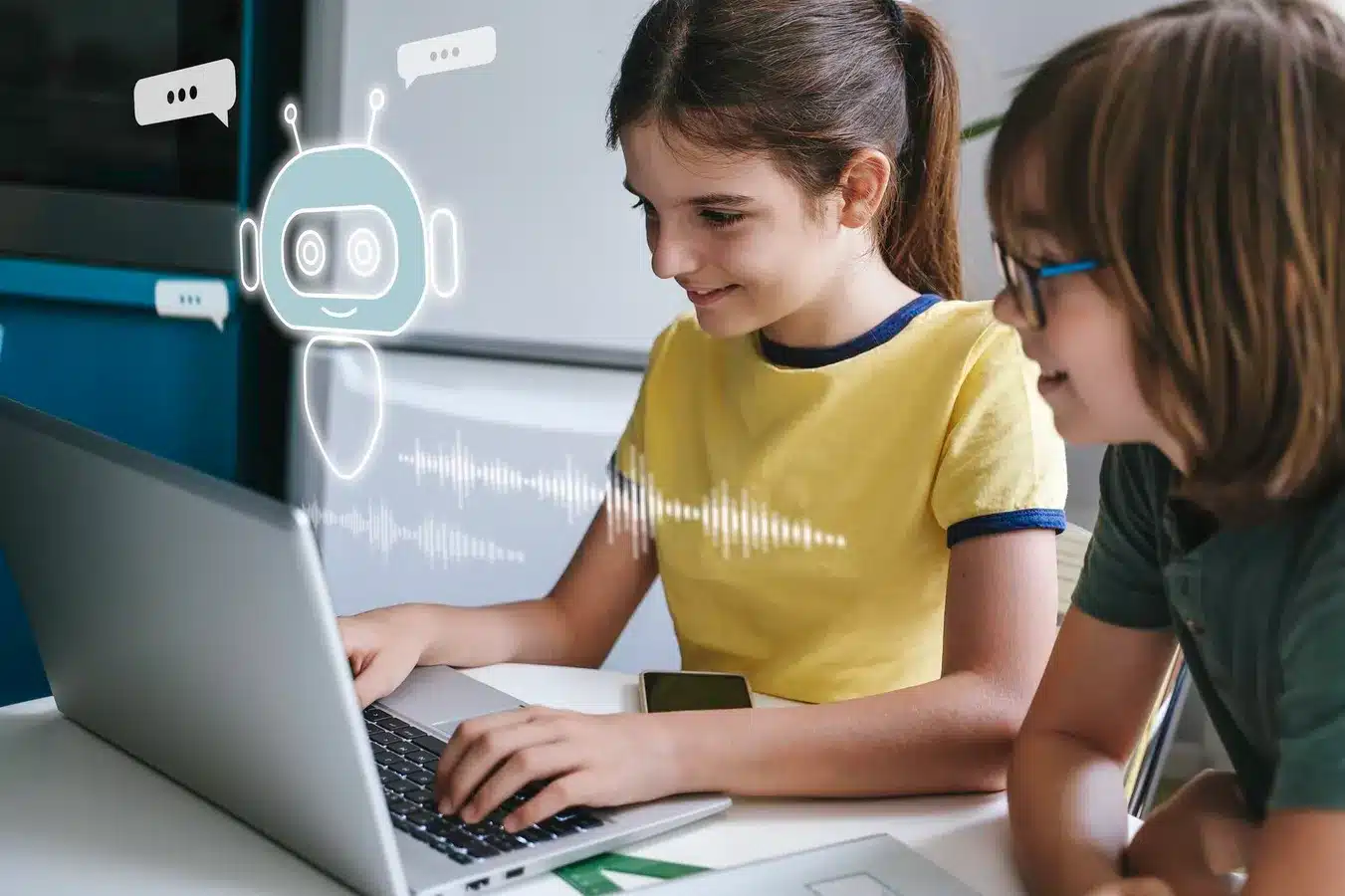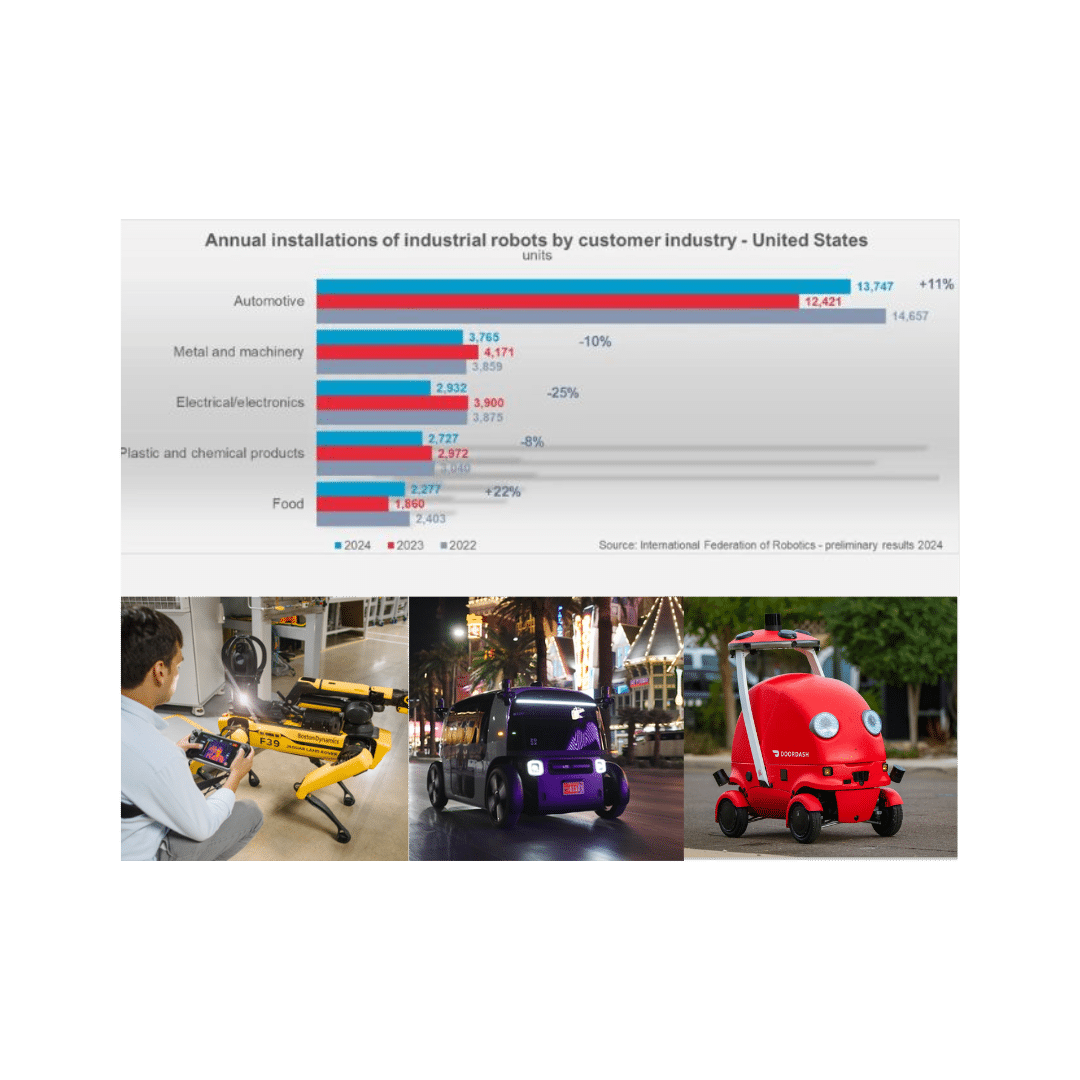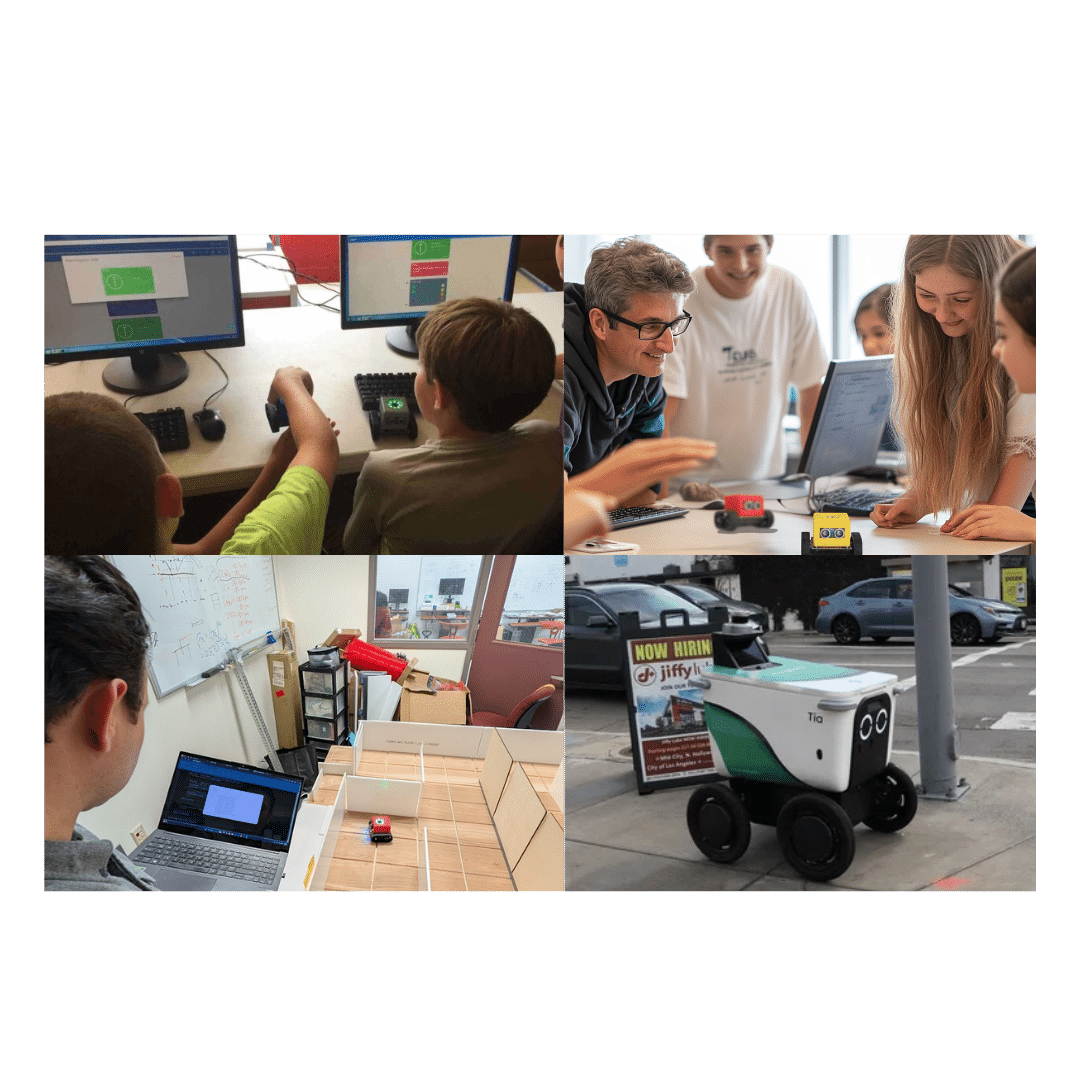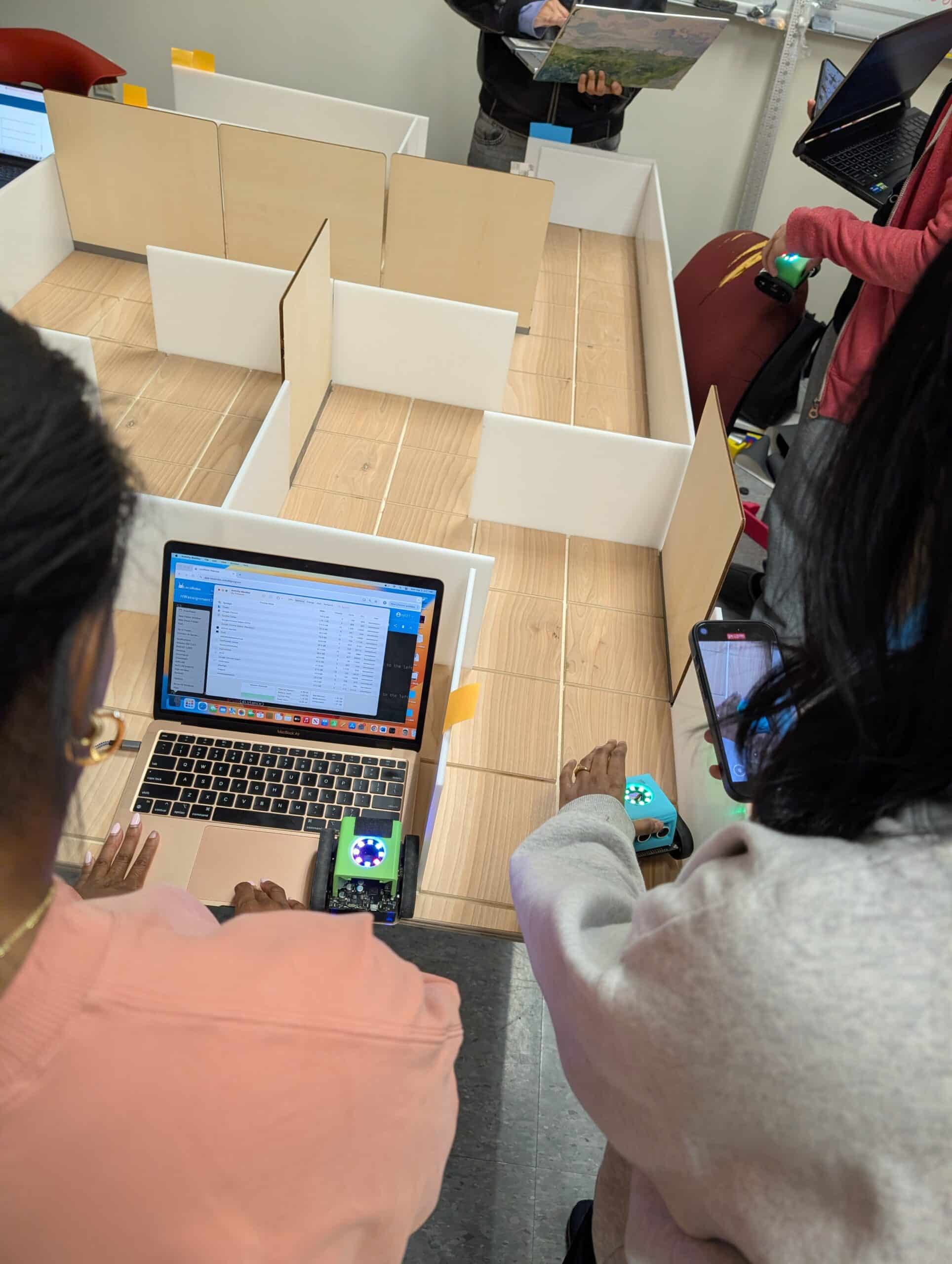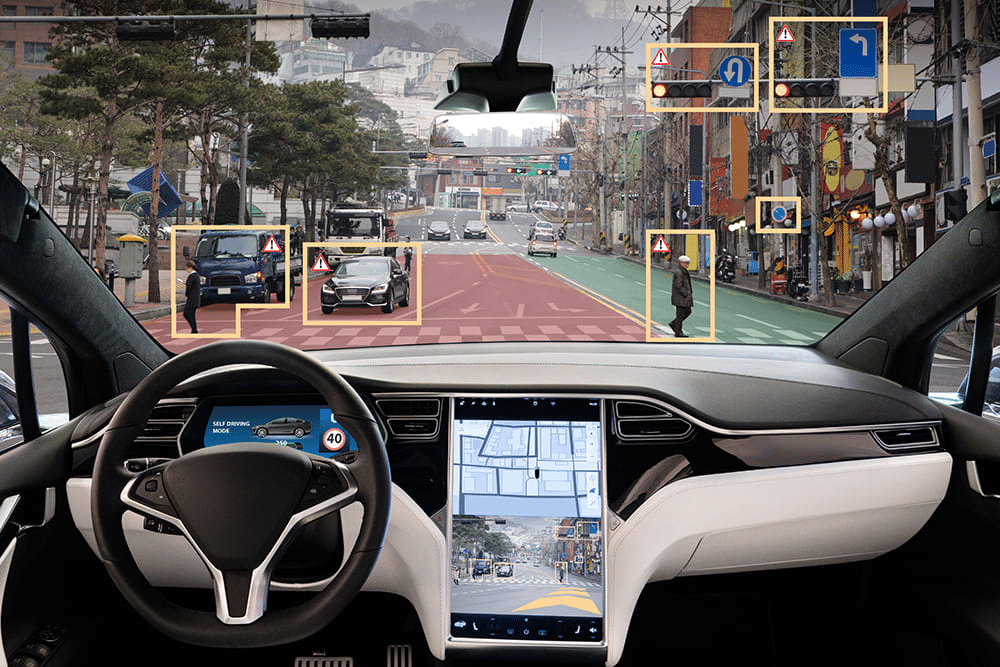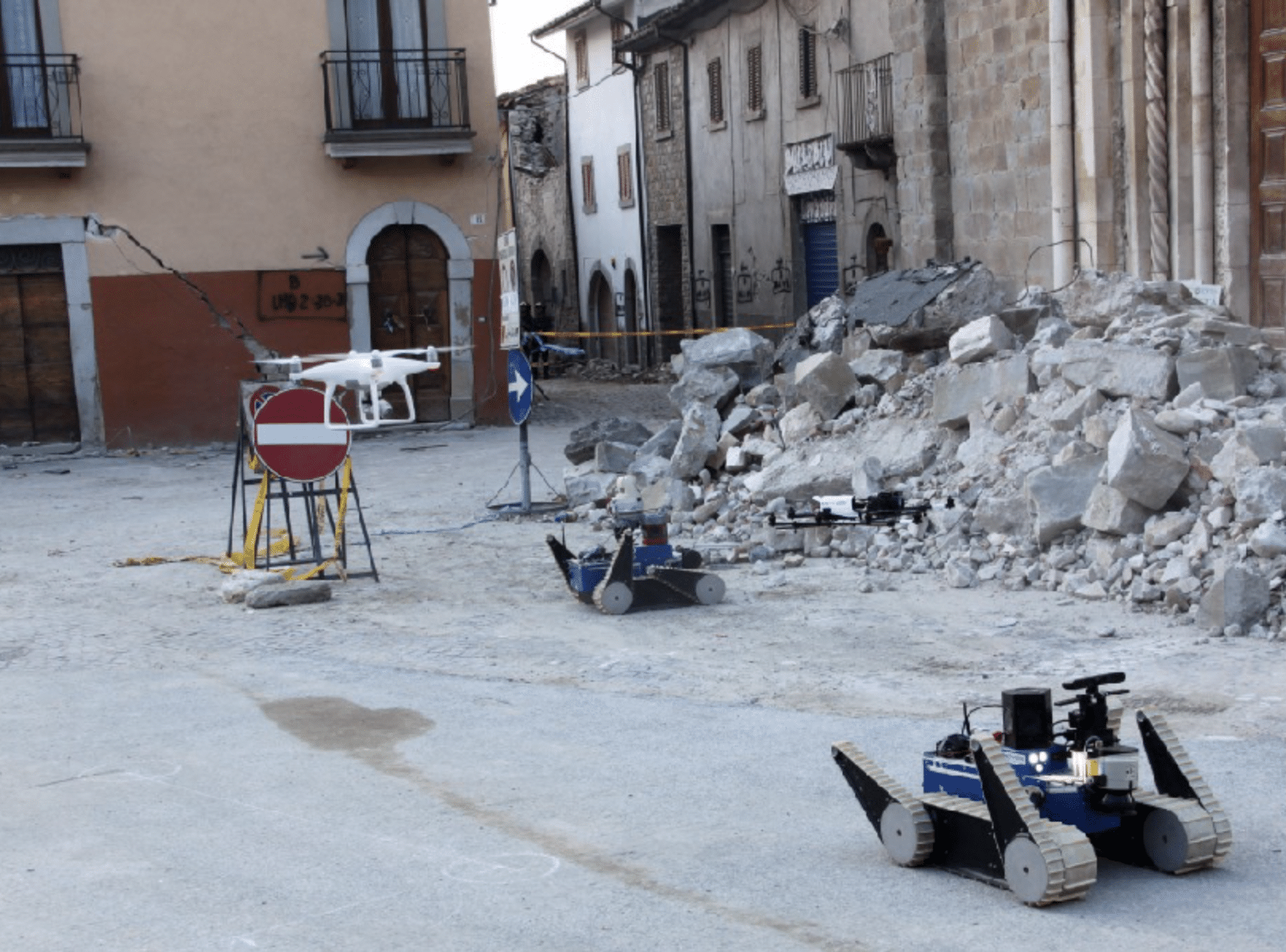


Confidence and resilience are traits students build through repeated experiences where students are allowed to try, struggle, adjust, and succeed. In STEM classrooms especially, this process matters. Coding does not always work on the first run. Robots do not move as expected. Data can contradict assumptions. These moments, when handled well, become powerful learning experiences.
Great teachers understand that STEM education is more than about technical skills. It is about helping students trust their ability to work through uncertainty, recover from setbacks, and see themselves as capable problem solvers.
Creating a Safe Space to Try and Fail
STEM learning requires risk. Students are asked to test ideas, make predictions, and confront results that may not match expectations. Confidence grows when students know that mistakes are part of the process, not a judgment of ability.
Teachers who build resilient learners set clear norms early. Failure is framed as information. Debugging is normal. Iteration is expected. When students feel psychologically safe, they are more willing to attempt challenging problems and persist when things do not work right away.
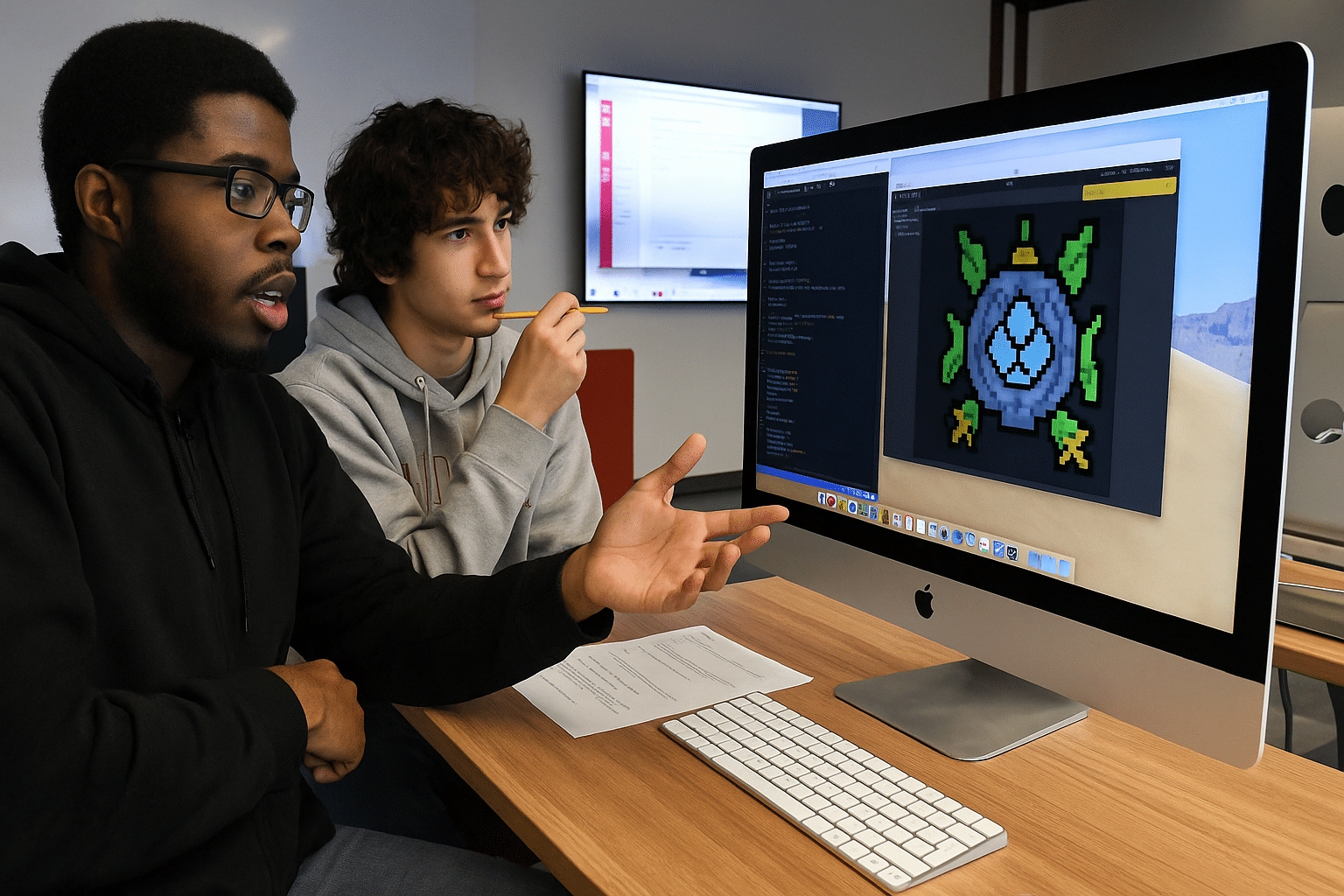
In hands-on STEM classrooms, this often looks like open discussion of what went wrong and why, rather than quietly correcting errors for students.
Shifting Focus From Results to Progress
Confidence is fragile when it depends only on being right. Resilient students learn to measure growth instead of perfection.
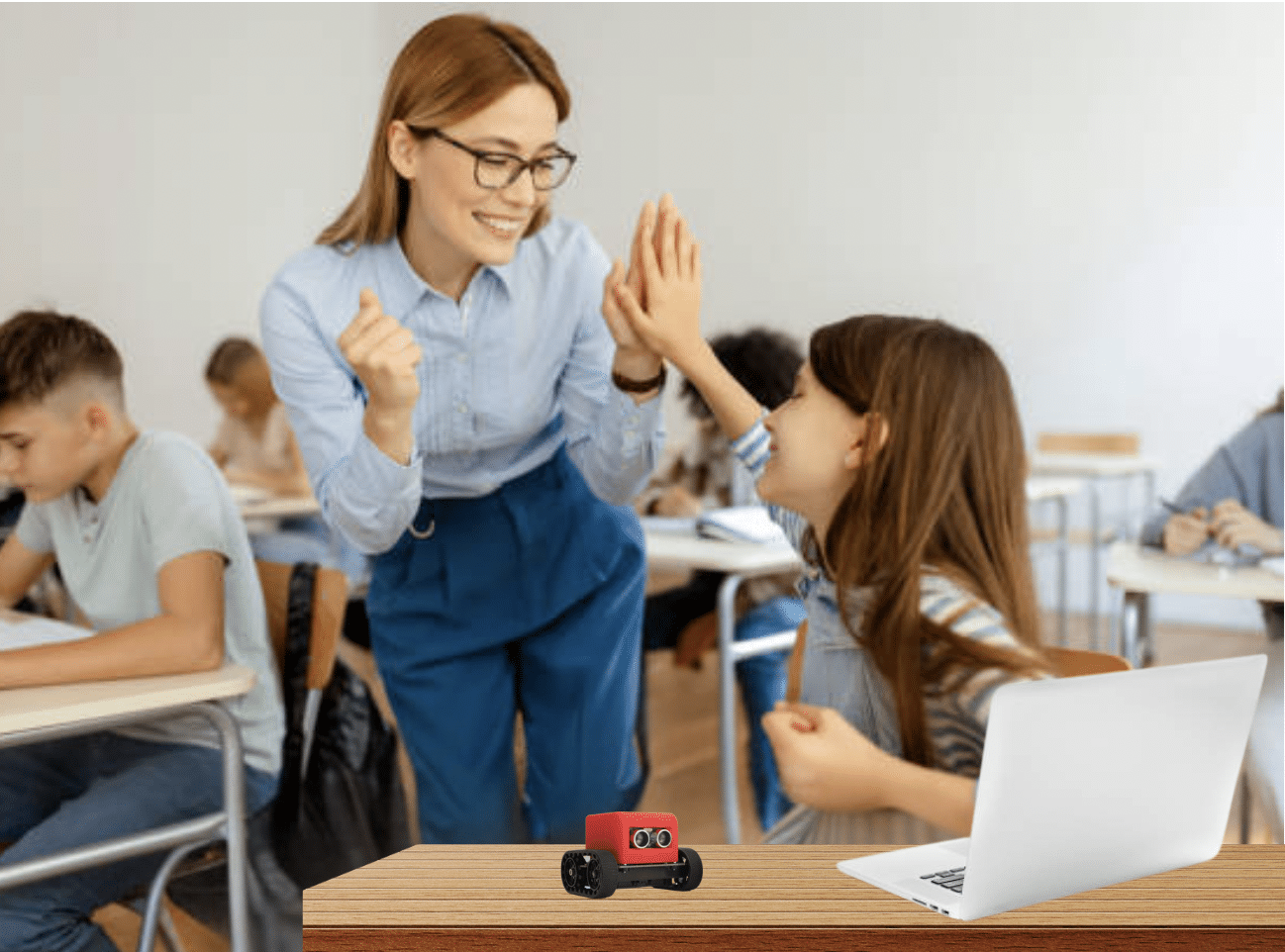
Effective STEM teachers emphasise strategy, effort, and improvement. They highlight how a student’s code improved from the last version or how a robot’s movement became more precise after testing. This reinforces the idea that skill develops over time.
When students see progress documented through iterations, reflections, or project checkpoints, they begin to internalize that learning is a process they can control.
Goal Setting and Reflection in STEM Projects
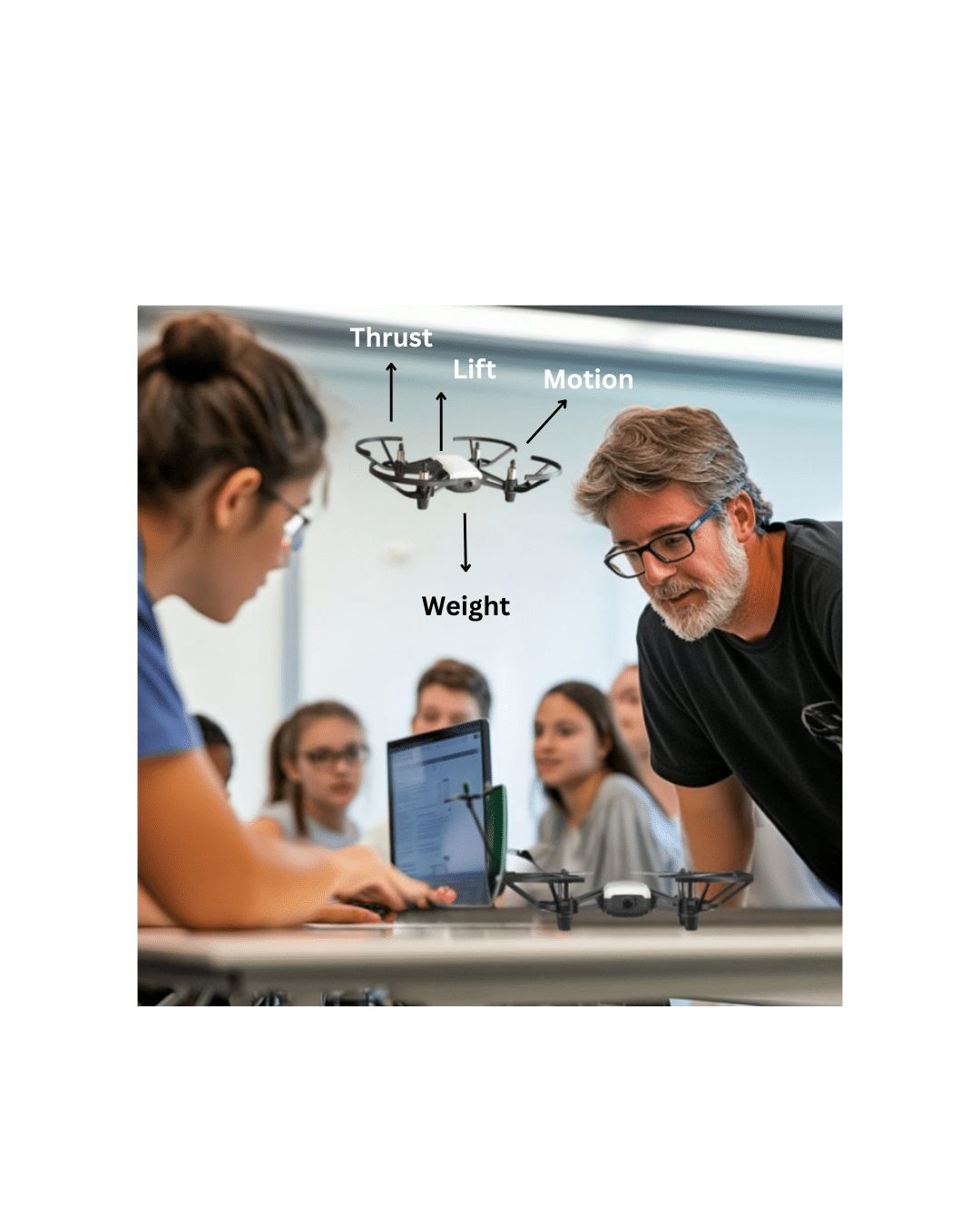
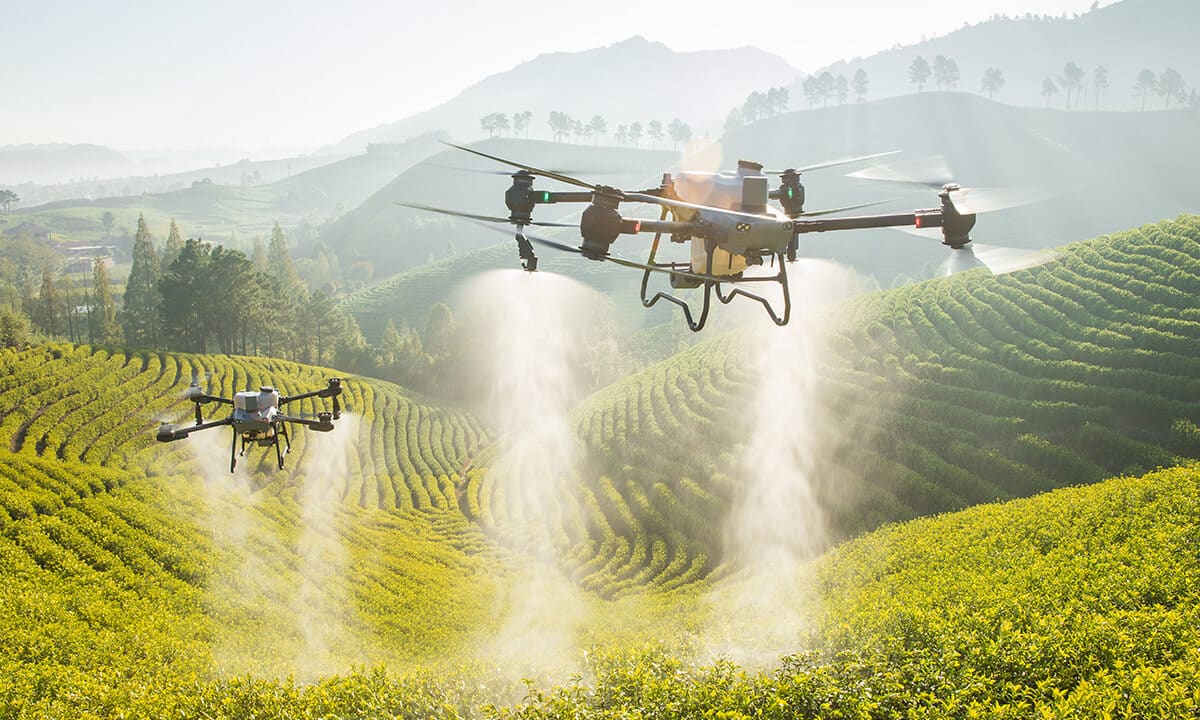
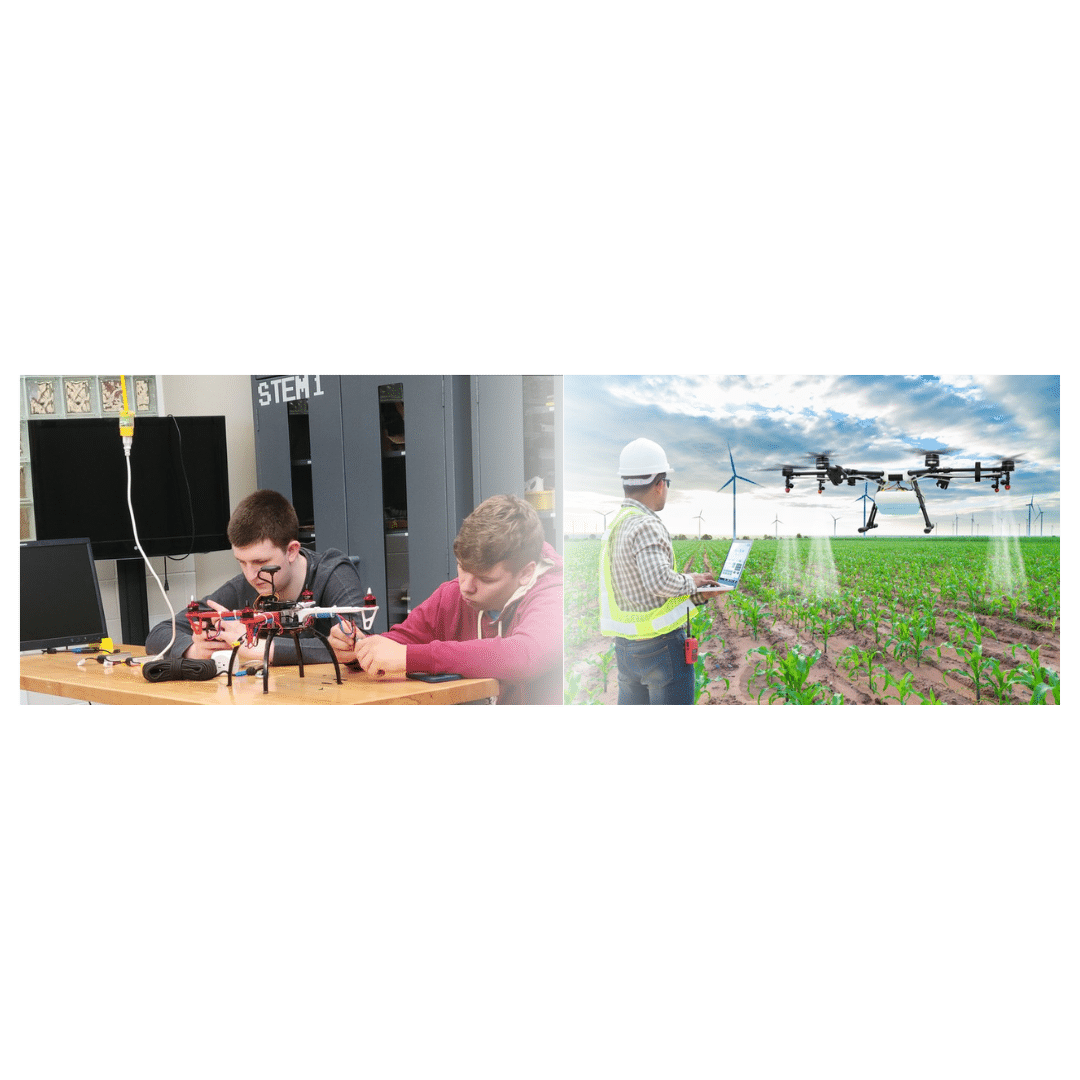
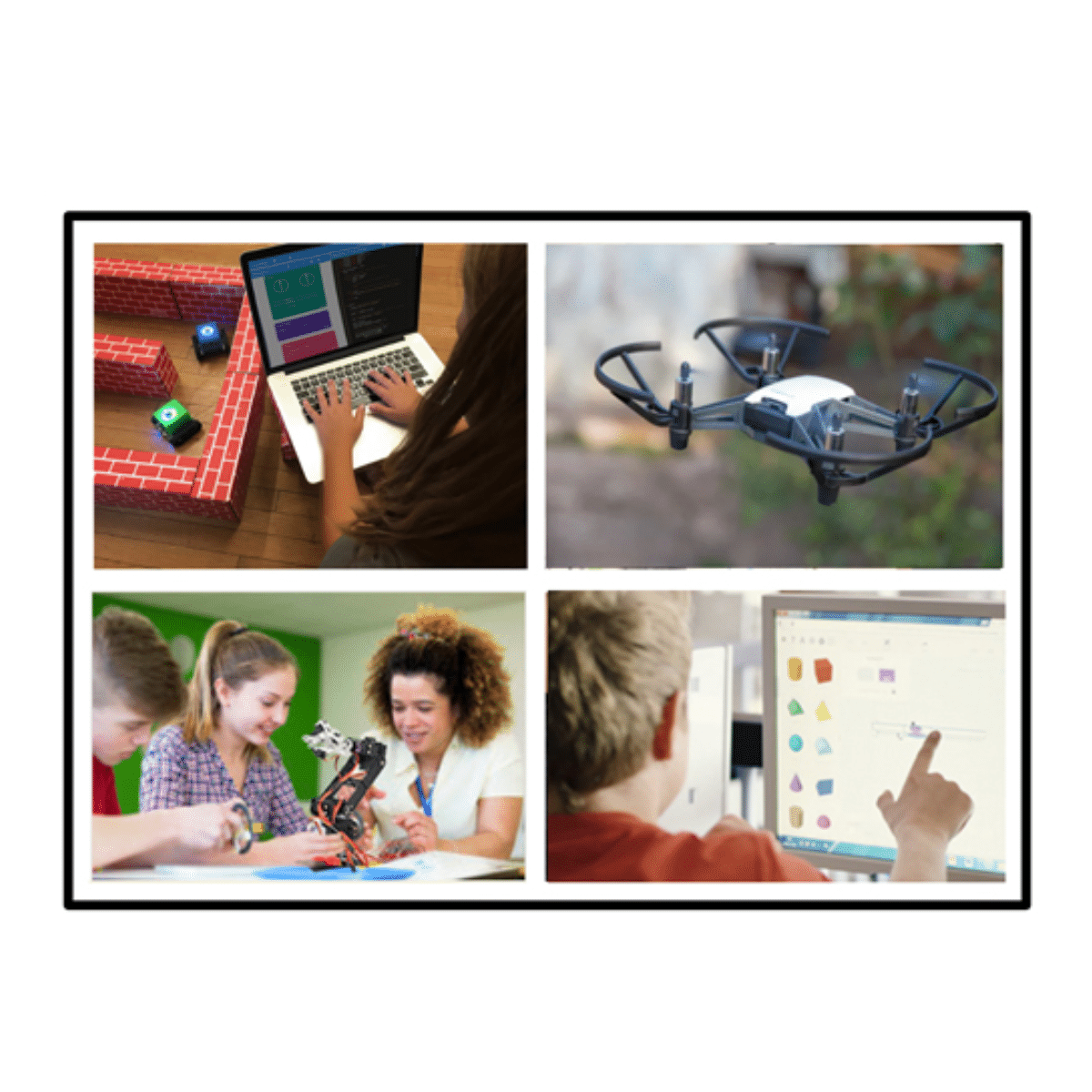
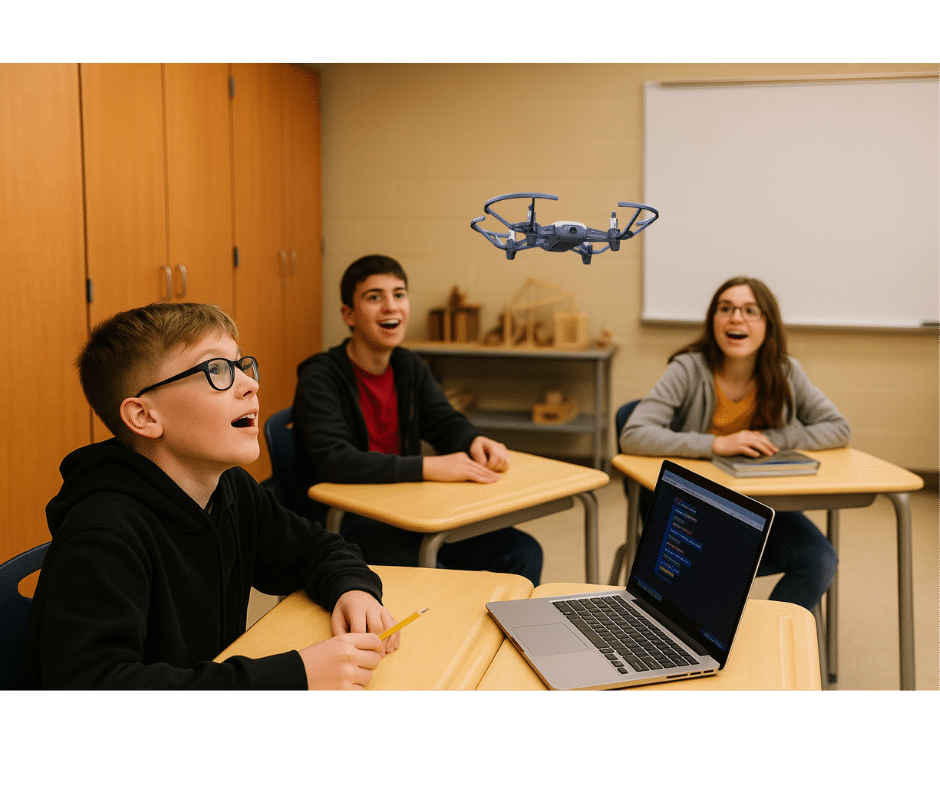
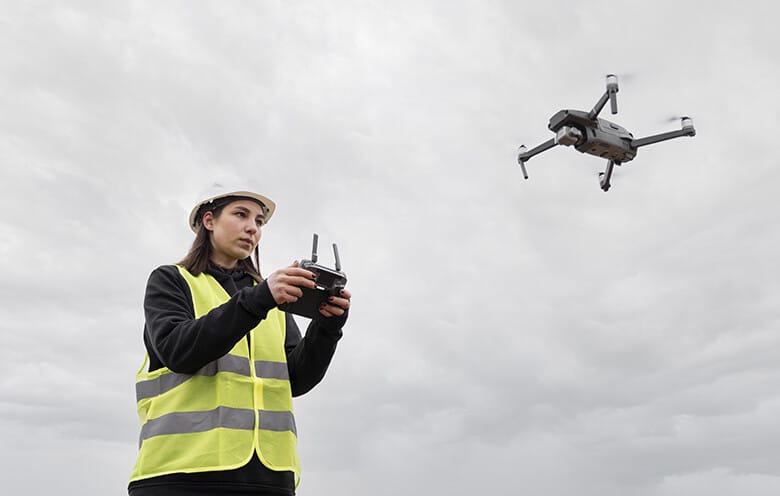
STEM projects naturally lend themselves to goal setting. Code a robot that completes a task. Program a drone that responds to sensor input. Analyze data to conclude.
Strong teachers help students break these goals into manageable steps and revisit them regularly. Reflection is key. What worked. What did not. What would you try next.
This habit builds resilience by normalizing adjustment. Students learn that setbacks are signals to revise their approach, not reasons to stop.
Building Belonging Through Collaborative STEM Work
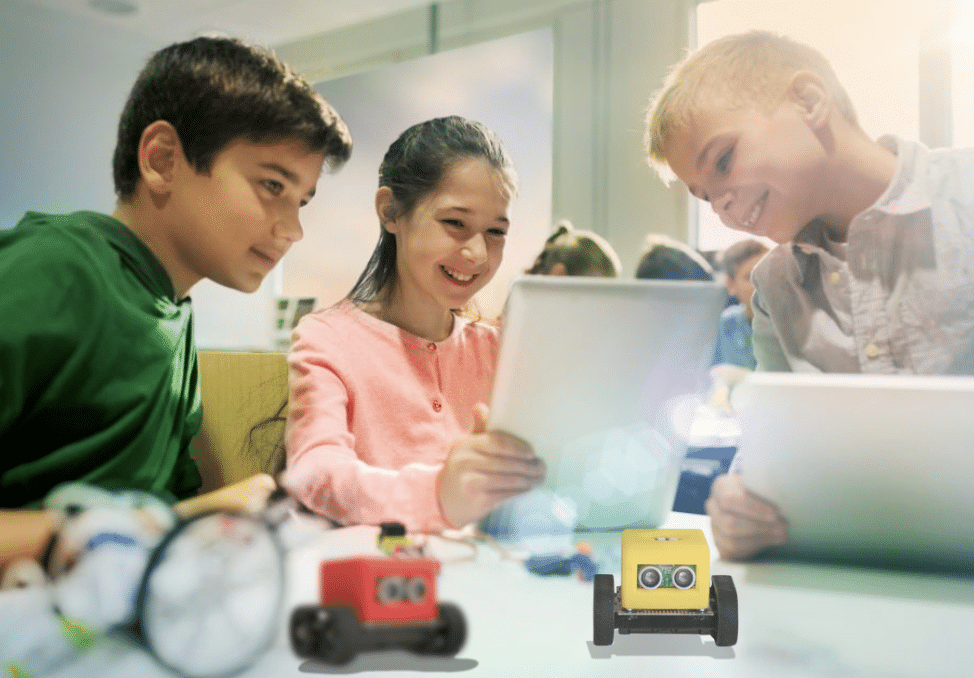
STEM confidence grows faster when students feel they belong. Group projects, shared challenges, and team-based roles help students see that their contributions matter.
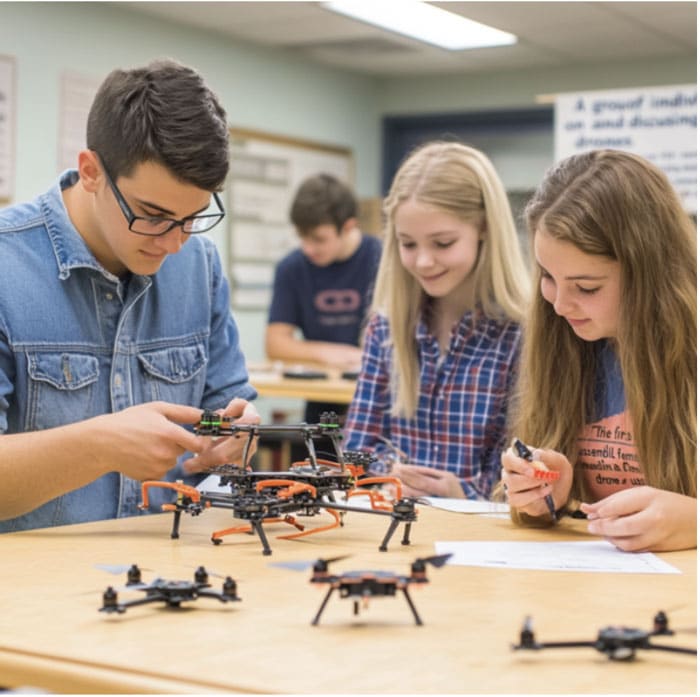
Teachers who design intentional collaboration allow students to take on roles such as builder, programmer, tester, or documenter. These roles rotate, giving every student a chance to lead and support.
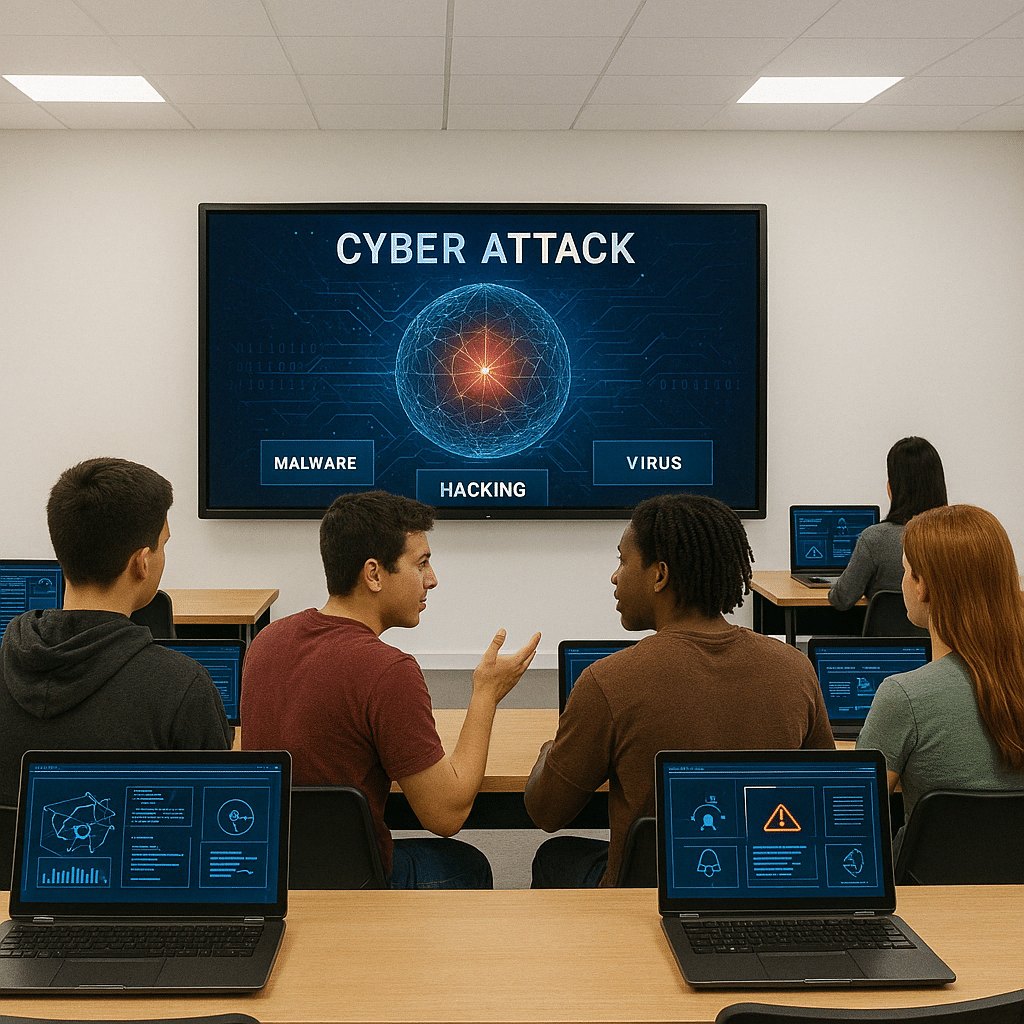
Belonging reduces fear of failure. Students are more willing to speak up, test ideas, and ask for help when they know they are part of a team working toward a shared goal.
Real World Context Builds Purpose
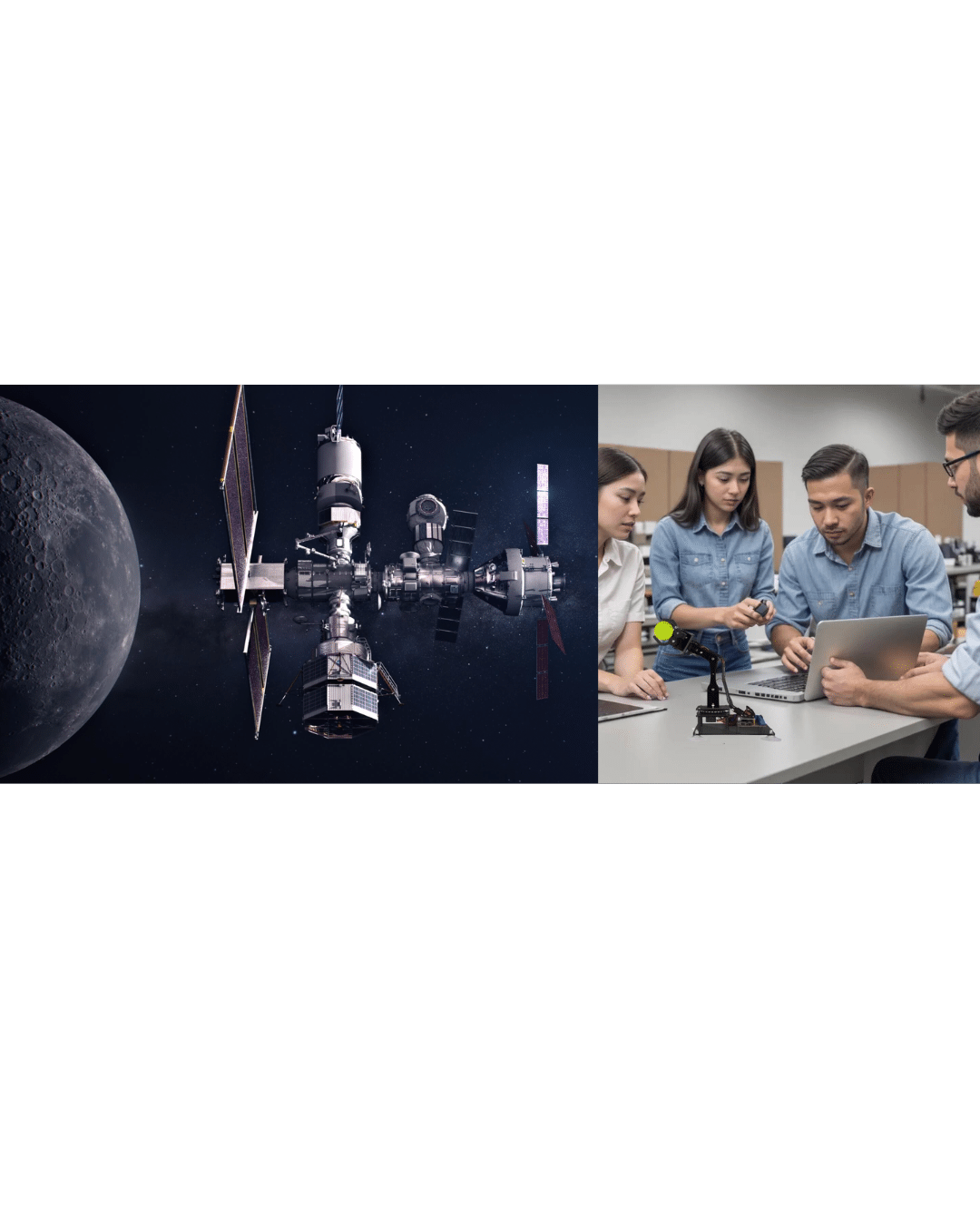
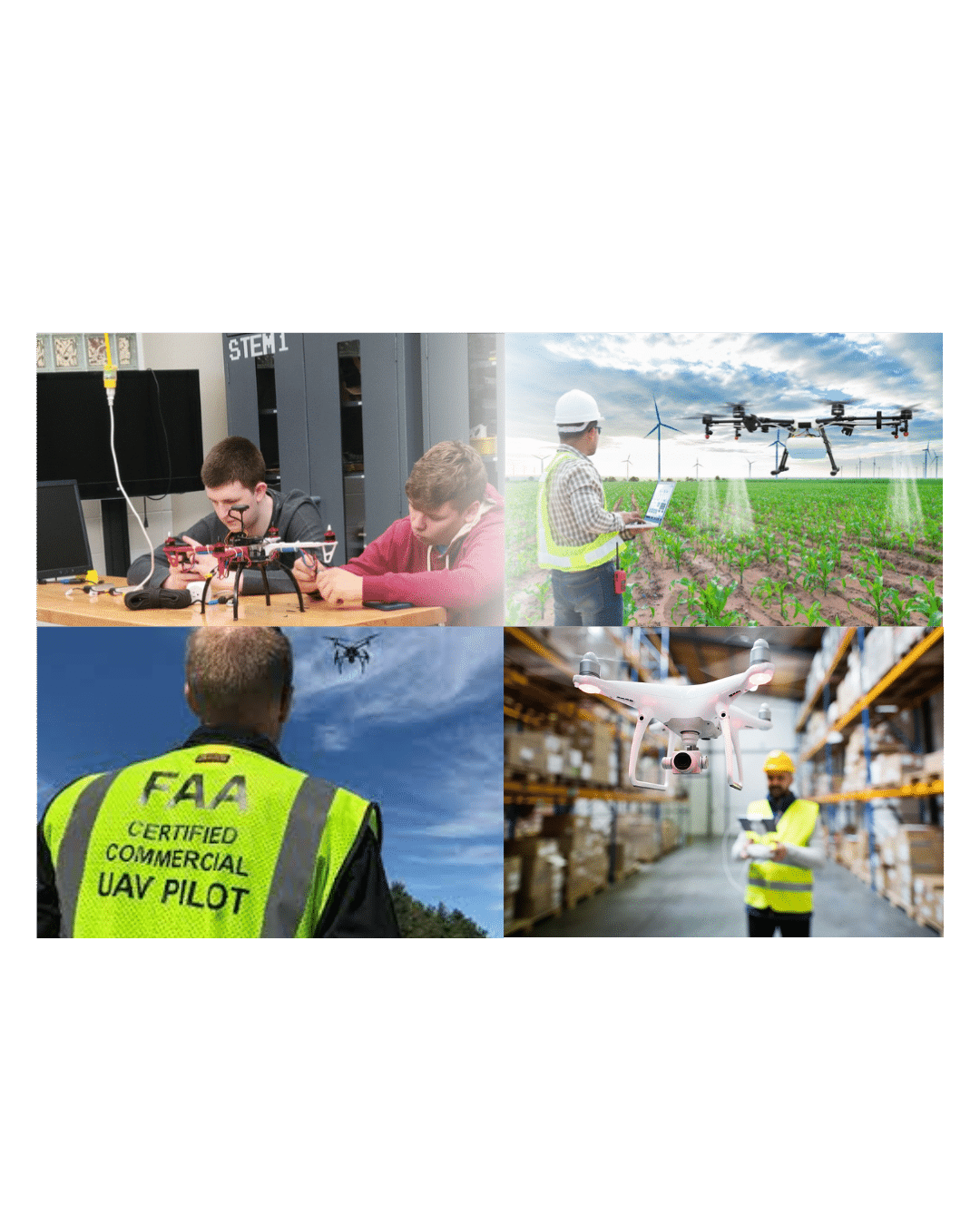
Students are more resilient when they understand why their work matters. Teachers who connect STEM lessons to real-world problems give students a reason to push through difficulty.
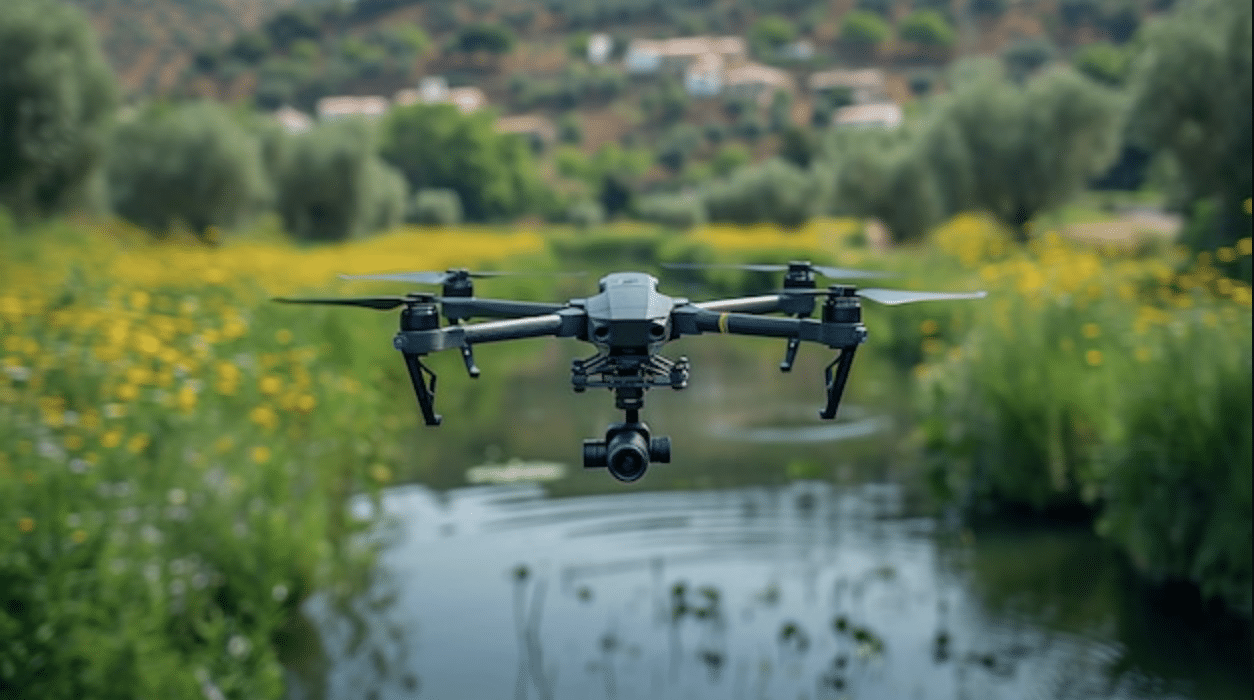
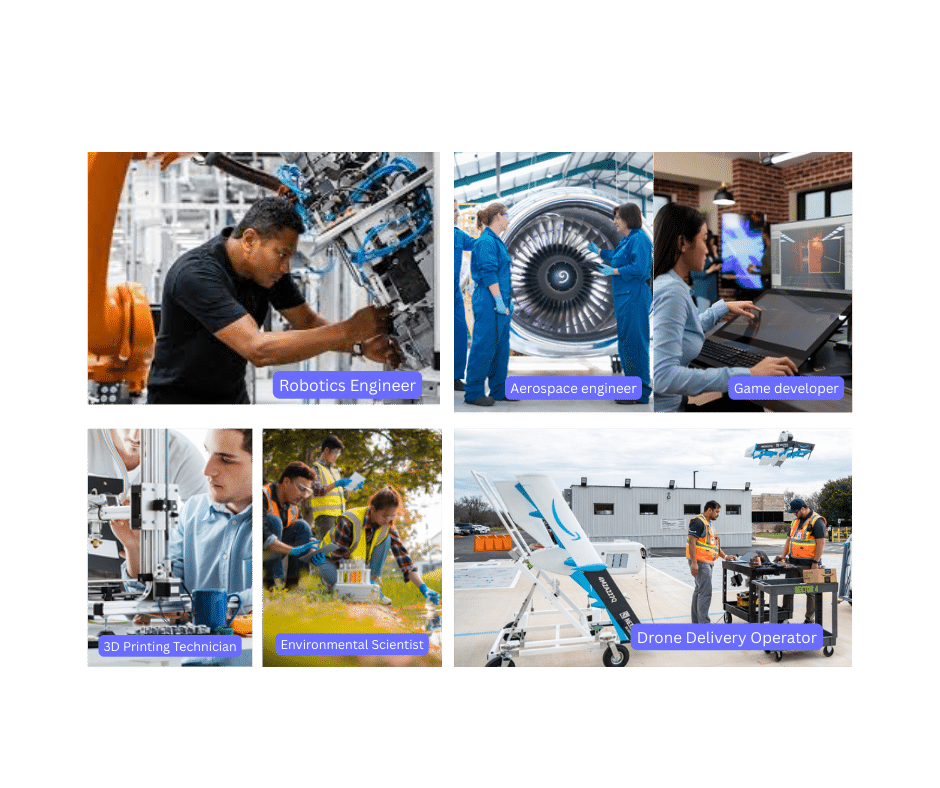
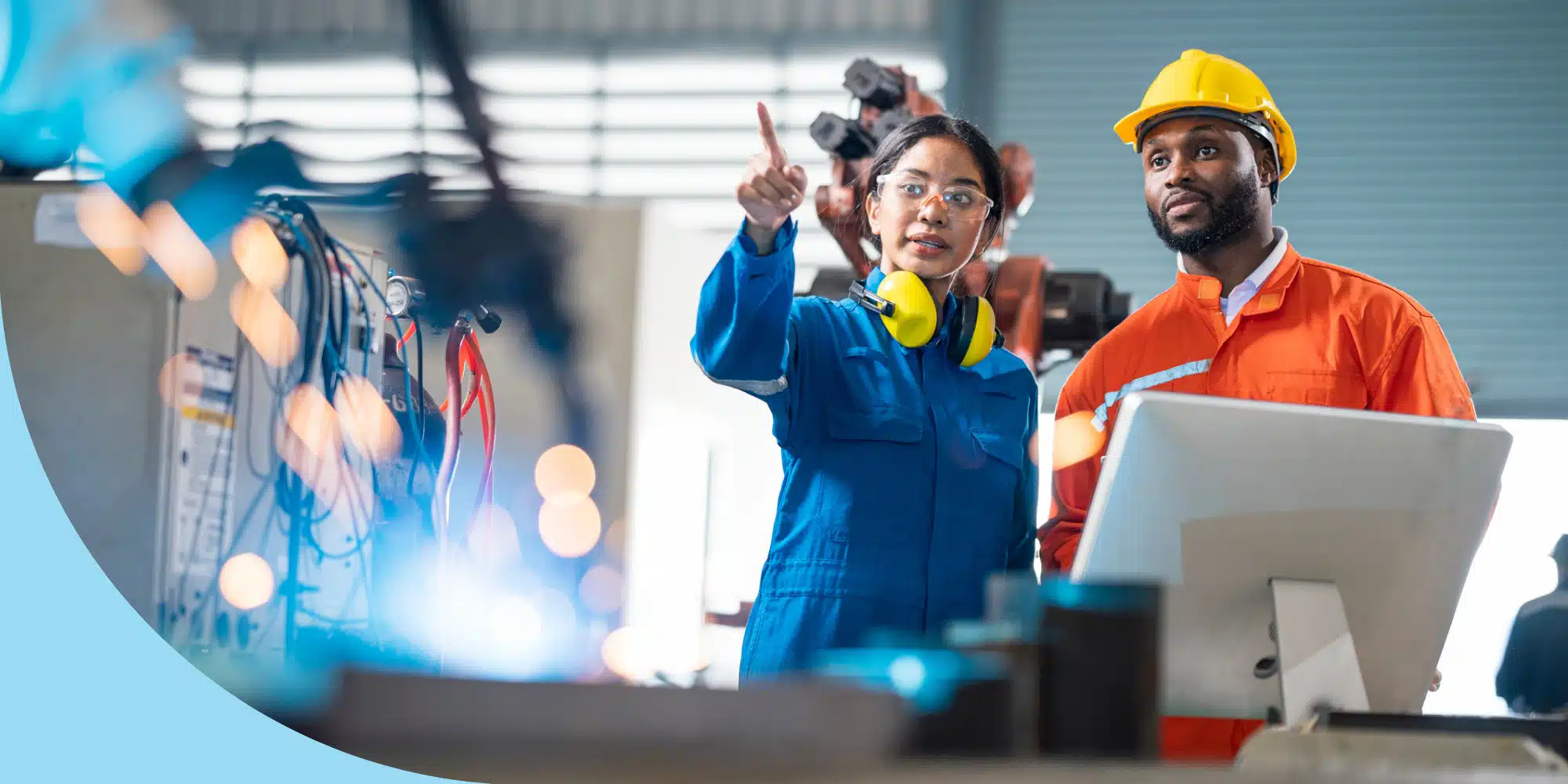
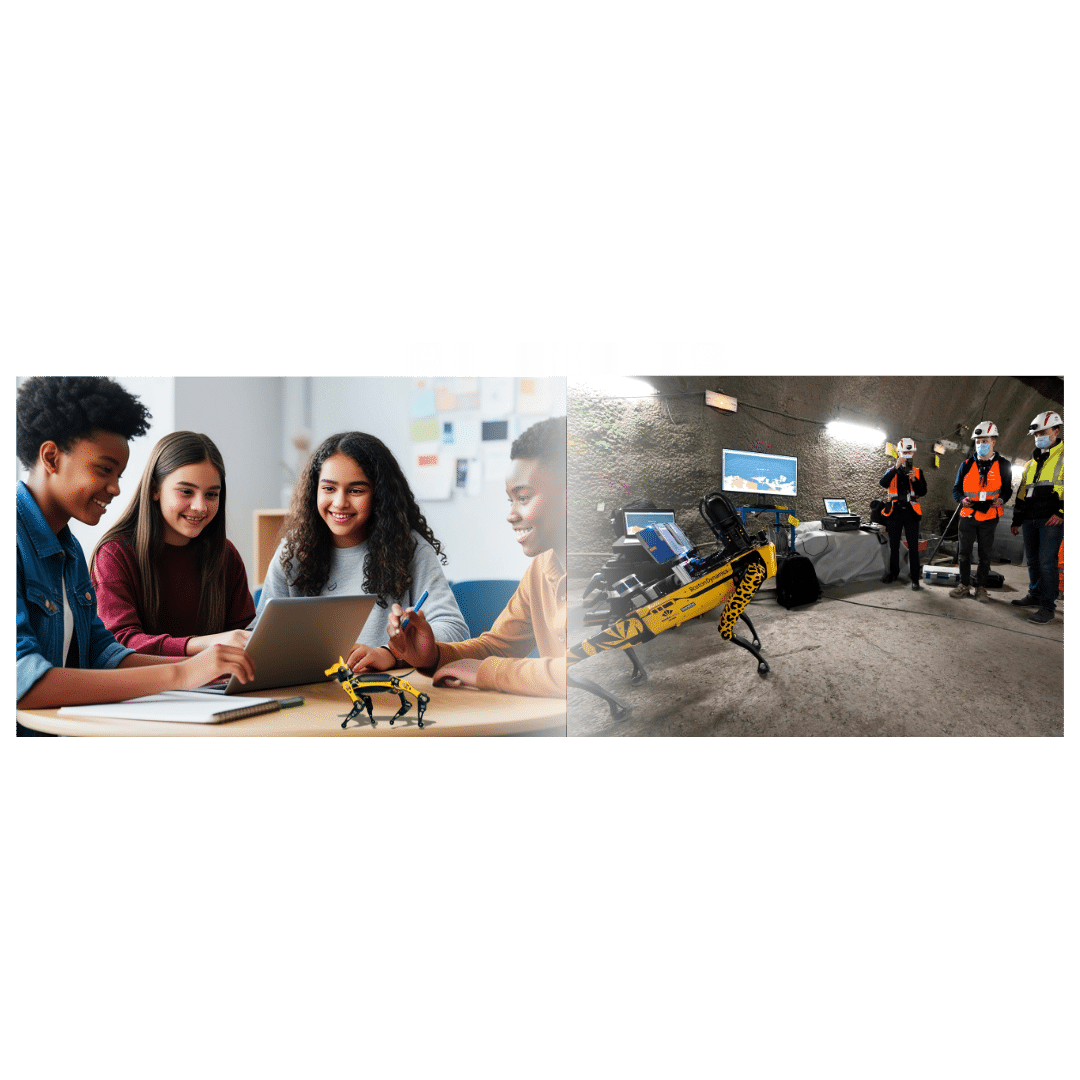
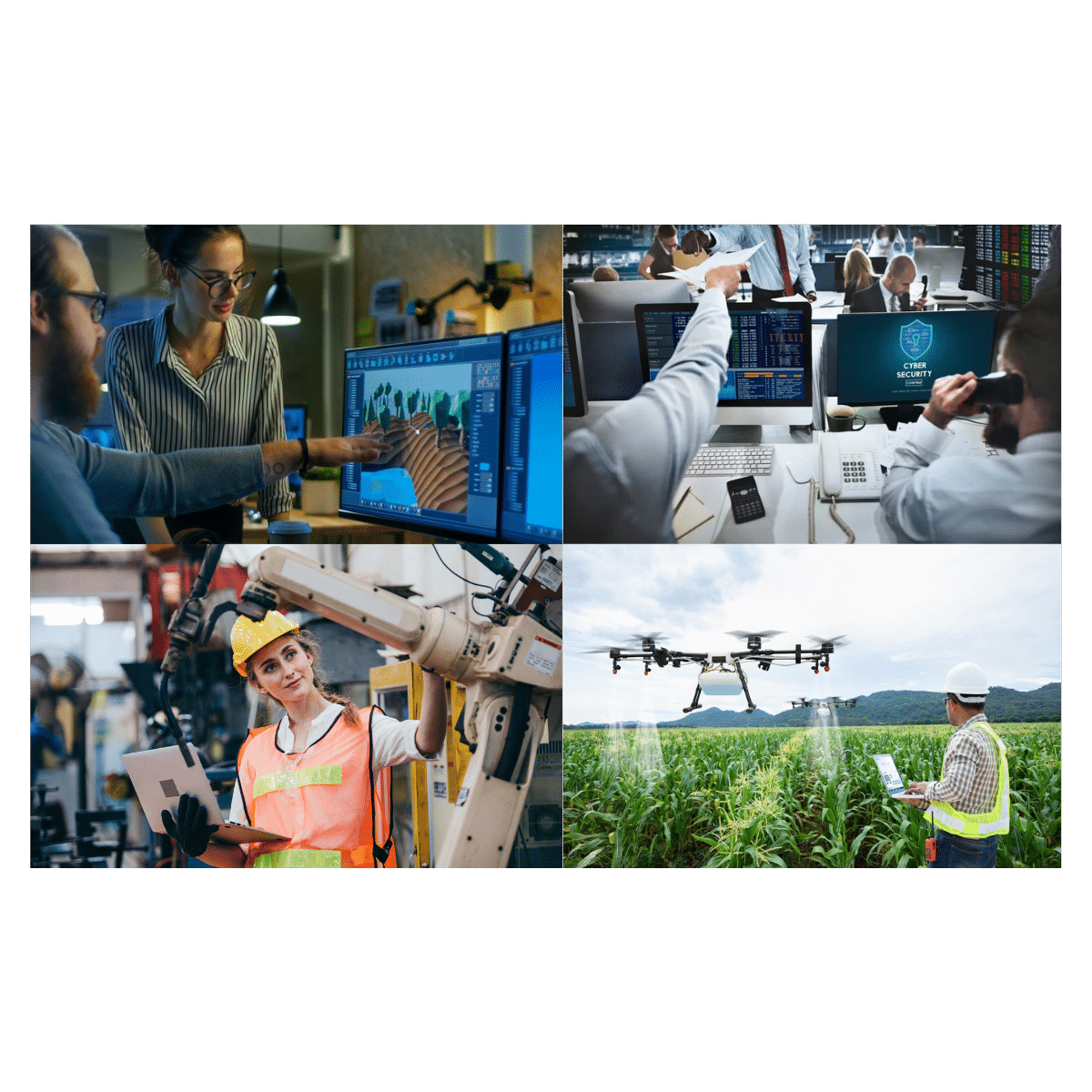
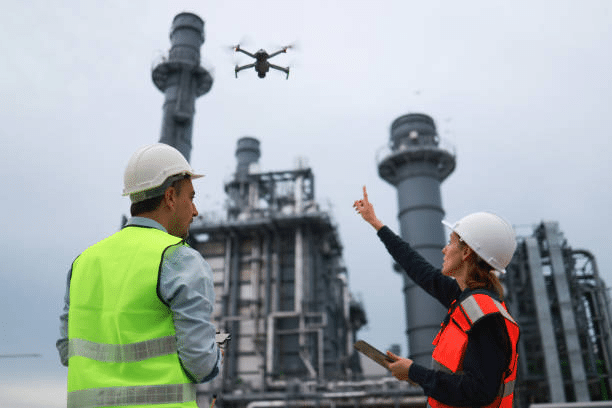
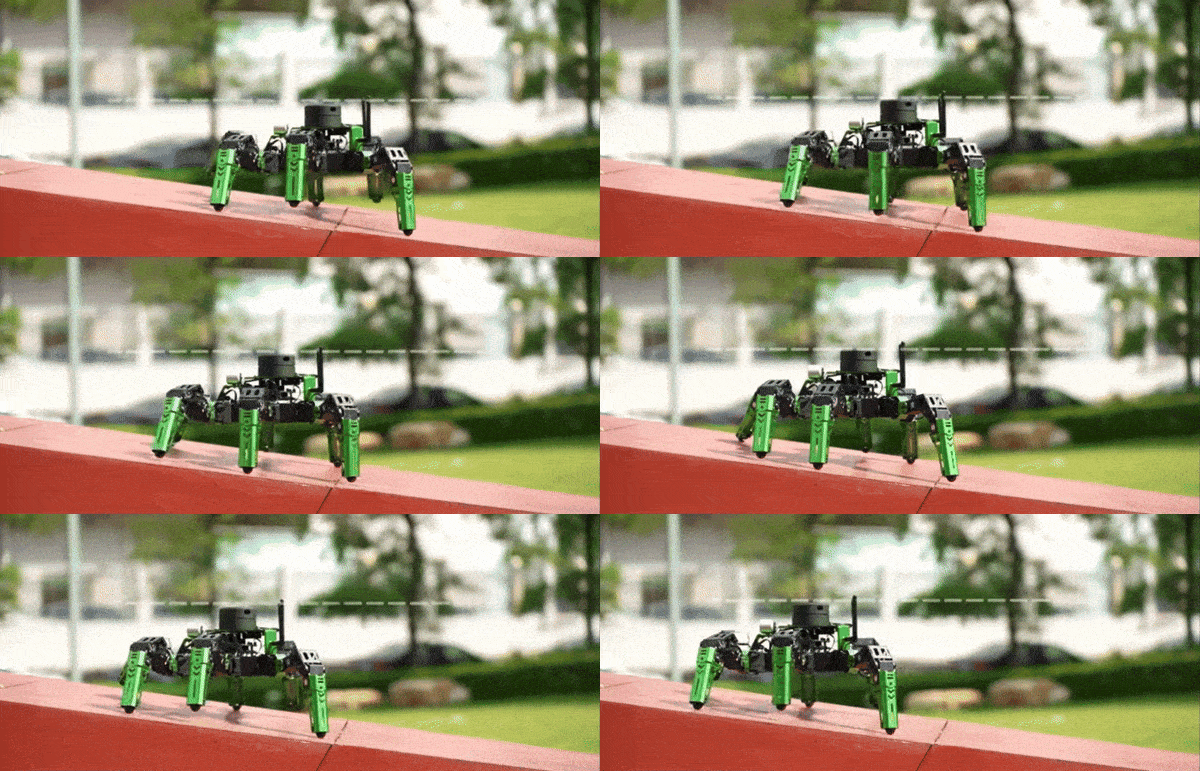
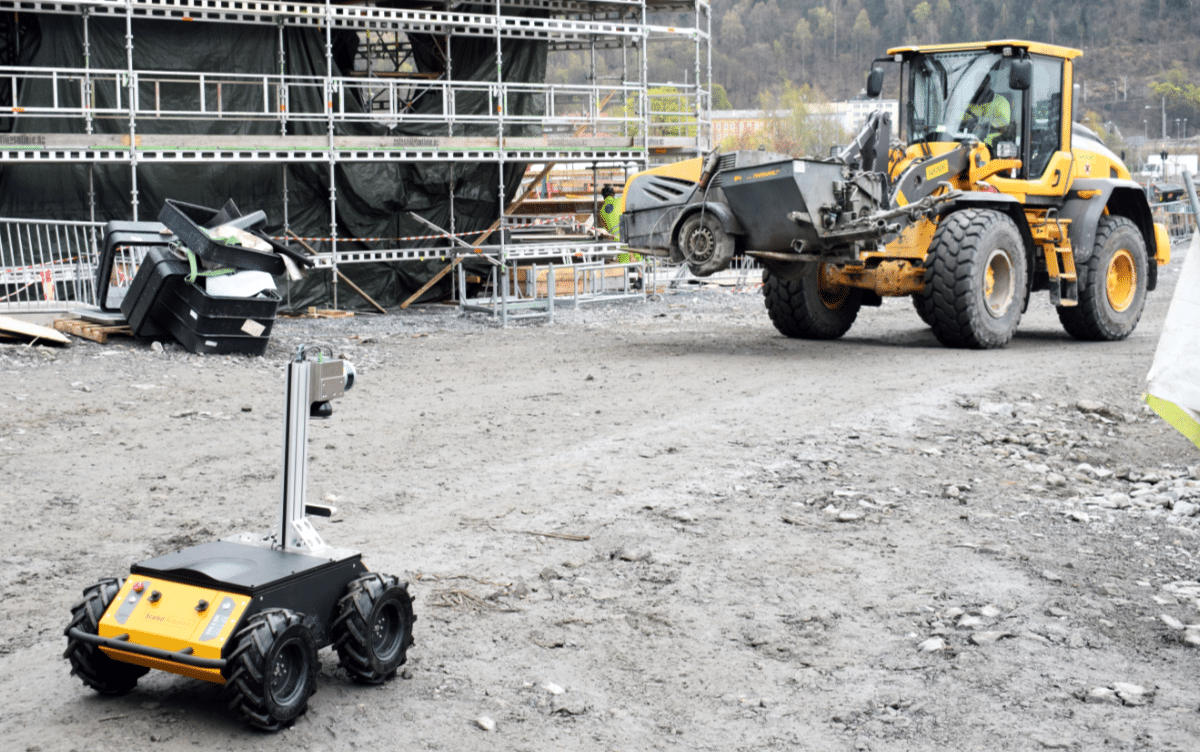
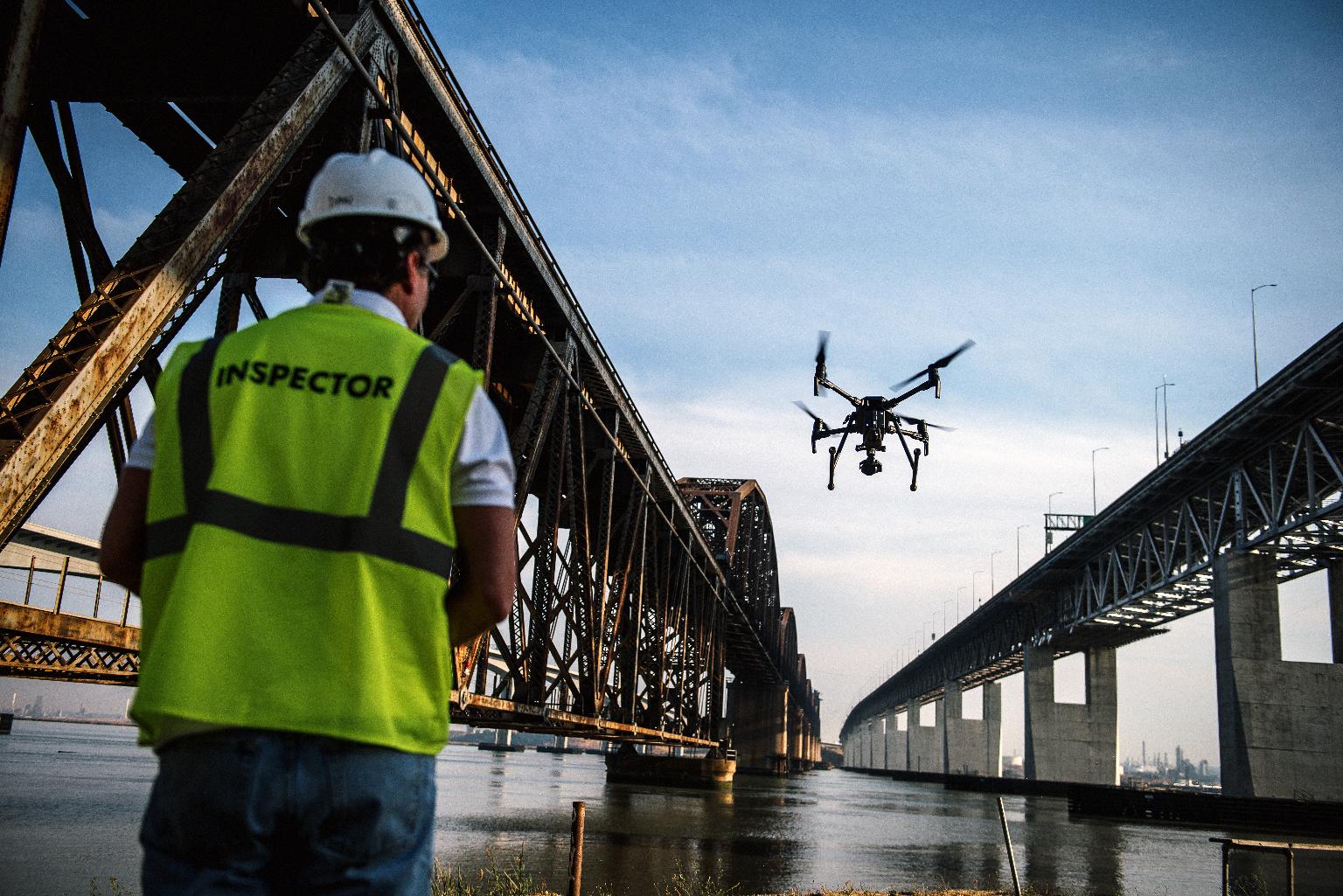
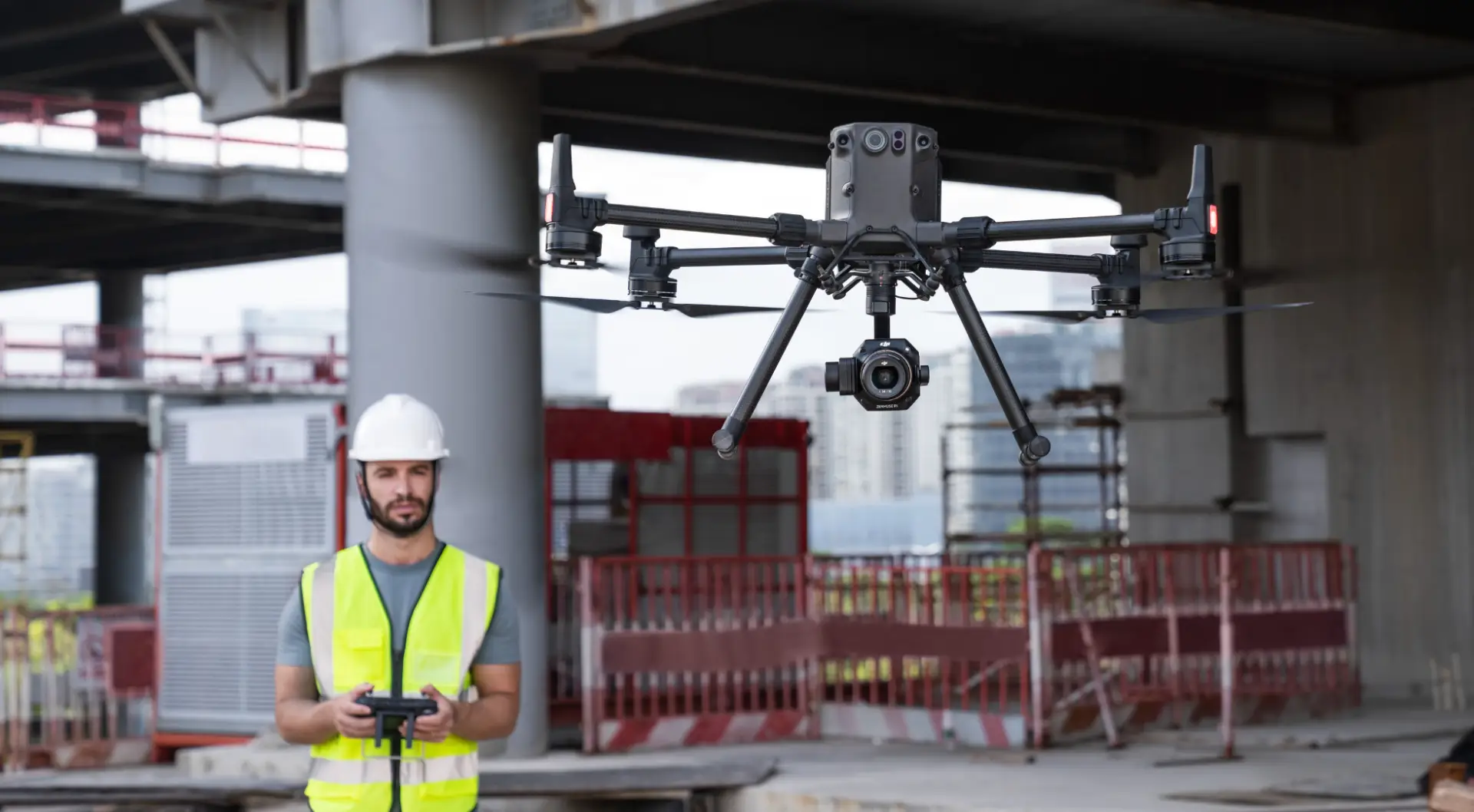
Whether it is programming a robot to navigate obstacles or coding a drone to collect data, applied learning adds relevance. Students see that their efforts mirror real challenges faced by technicians, engineers, and researchers. This perspective helps students reframe struggle as preparation, not failure.
Purpose turns frustration into motivation.
Teachers Are the Anchor in STEM Learning
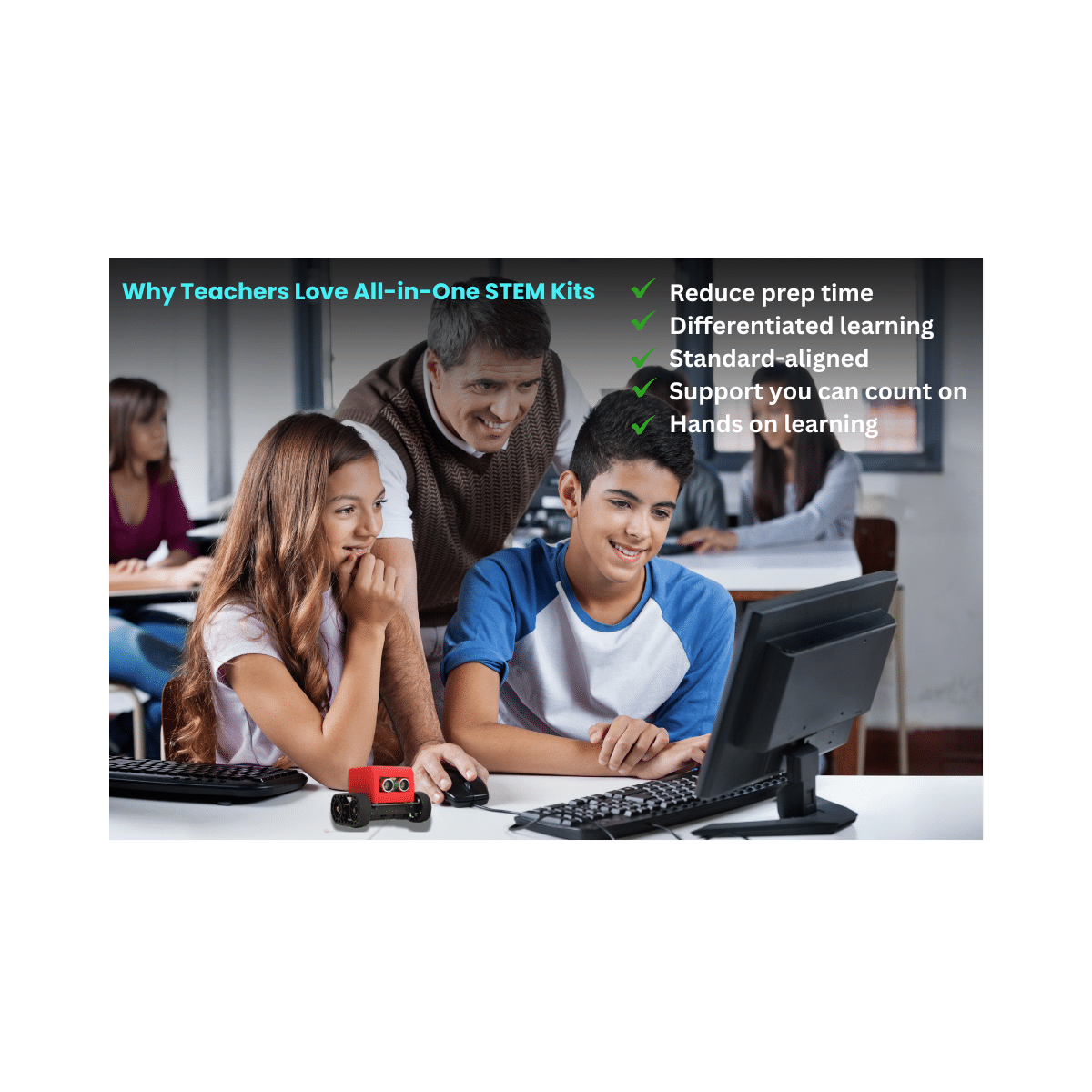
Tools, STEM curriculum, and technology support learning, but teachers shape how students experience challenge. The most impactful STEM classrooms are led by educators who create space for curiosity, persistence, and growth.
At LocoRobo, we see this every day. Teachers who combine hands-on learning with thoughtful guidance help students build skills and self-belief that last far beyond a single course. Confidence and resilience are not side effects of STEM education. They are outcomes intentionally built by great teachers.