

For decades, the conversation around student success has centered on grades, test scores, and college admissions. Those factors matter. But if the real goal is to help students build fulfilling, sustainable careers, there is another piece that deserves far more attention: when and how students are introduced to career possibilities.
Too often, meaningful career guidance begins late in high school or even after students arrive on a college campus. By then, many academic decisions are already locked in. Research and educator experience increasingly show that career exploration works best when it starts earlier, with time for reflection, curiosity, and hands-on learning.
College Decisions Without Career Context Are Risky
Middle and high school counseling has traditionally focused on college selection rather than career clarity. While higher education remains an important pathway, choosing a college or major without understanding how it connects to real work can leave students drifting.
A recent study from the Strada Education Foundation and the Burning Glass Institute found that about half of college graduates are working in jobs that do not require their degree. This mismatch highlights how many students make costly decisions without a clear sense of how education translates into employment.
Career exploration before college gives students better information so they can make more intentional choices about majors, training programs, certifications, or alternative pathways.
Relevance Is a Powerful Motivator
When students understand how what they are learning connects to real-world careers, school feels more purposeful. Career exploration helps students answer questions they are already asking:
- Why am I learning this
- Where could these skills be used
- What kinds of problems do people solve in real jobs
That sense of relevance often leads to persistence and stronger engagement, especially in STEM and technical subjects where concepts can feel abstract without context.
Educators frequently describe “light bulb moments” when students see a career that aligns with their interests or strengths. Those moments come from structured exposure to real roles, tools, and problem-solving scenarios.
States Are Paying Attention, But Gaps Remain
There is growing recognition that career exploration should begin before high school. A joint report from American Student Assistance and Education Strategy Group found that most states now identify middle school career exploration as an important part of student development.
At the same time, the report notes significant gaps:
- Only one in five states measures the quality of middle school career exploration
- Just 16 percent include it in formal accountability plans
- Many students report wanting more hands-on, meaningful experiences but having limited access
The takeaway is clear. Schools see the value, but many lack the tools and structure to deliver career exploration consistently.
Hands-On Experiences Make Careers Real
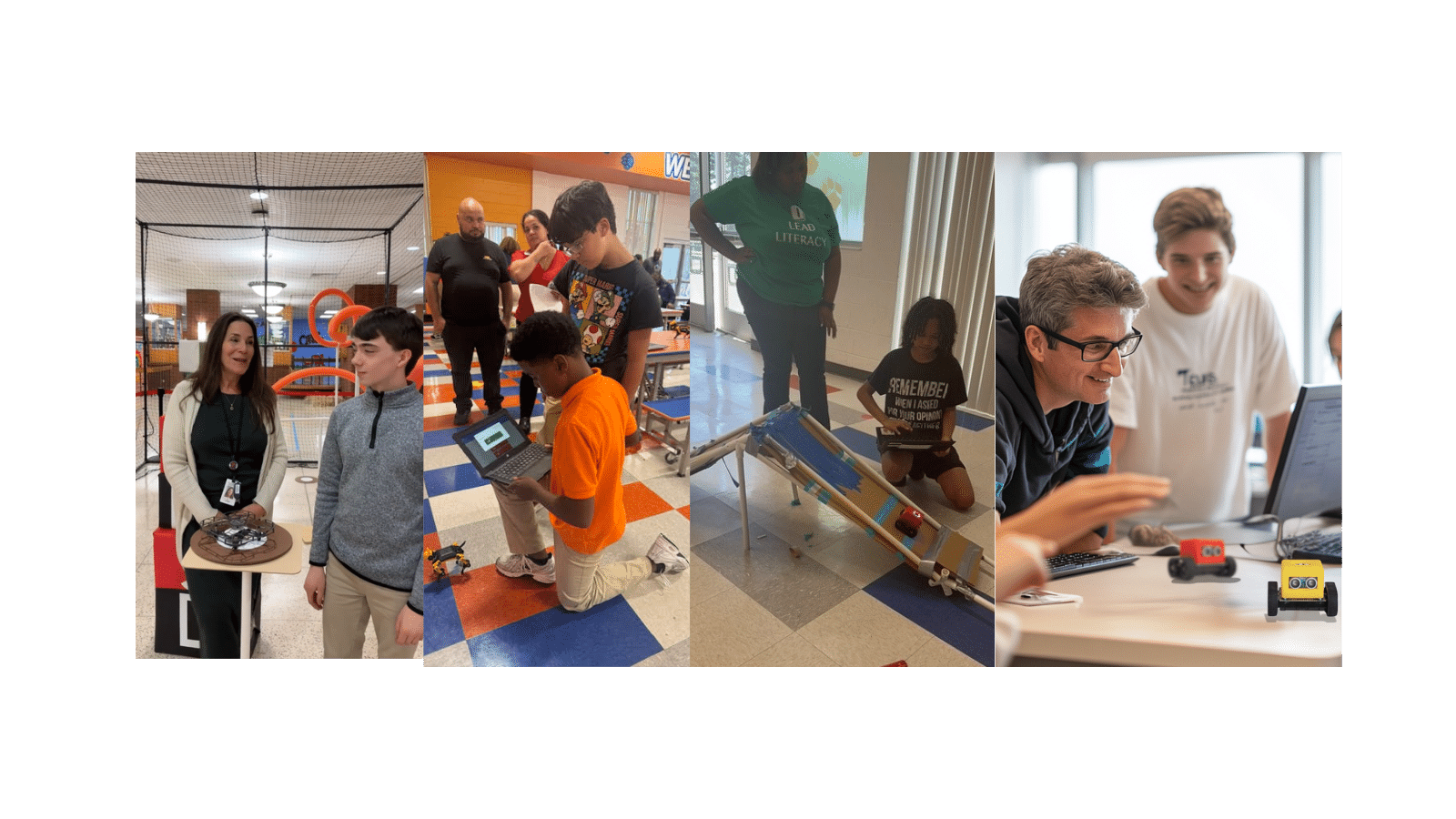
Students do not understand careers by reading lists of job titles. They understand careers by doing.
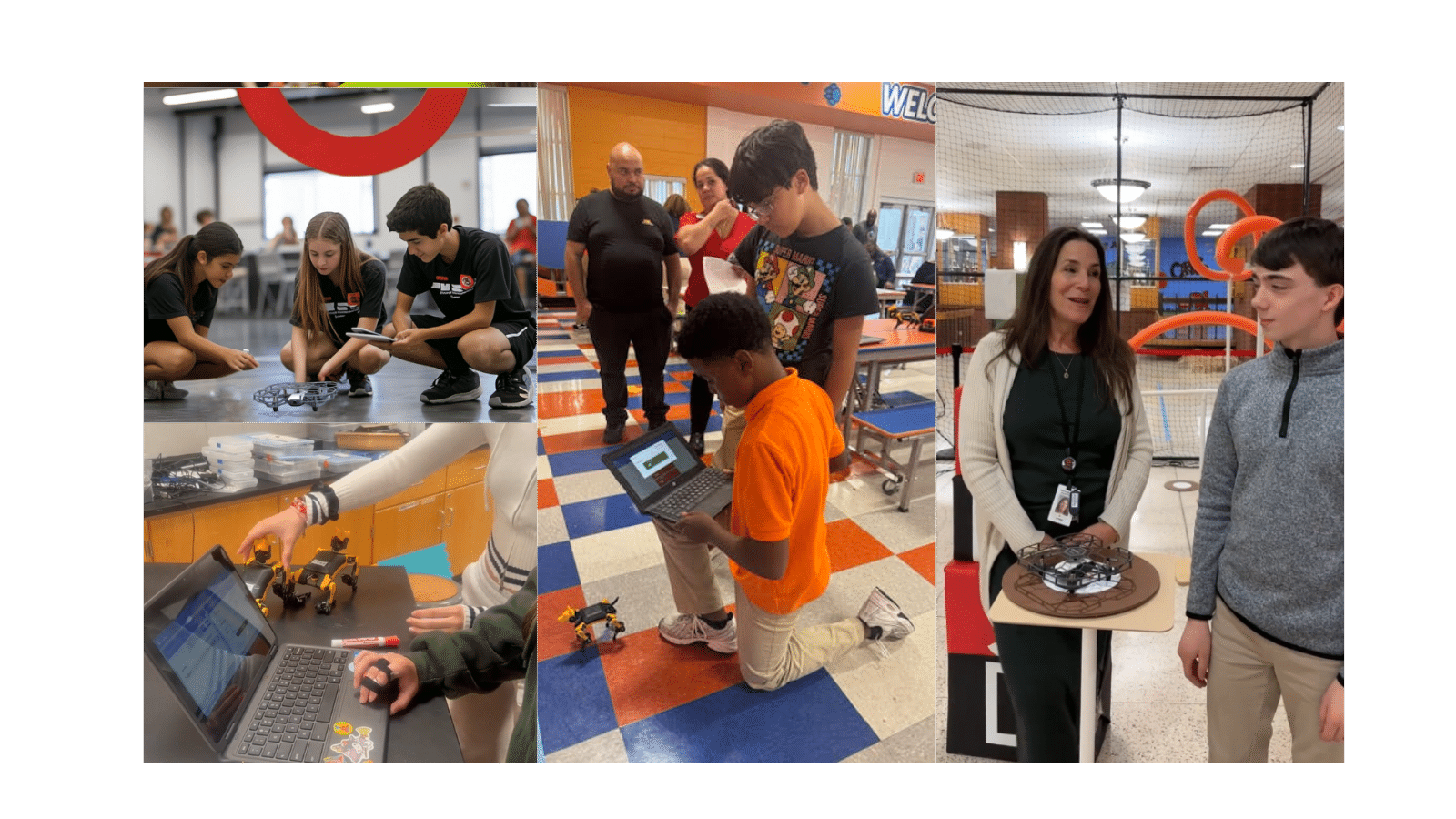
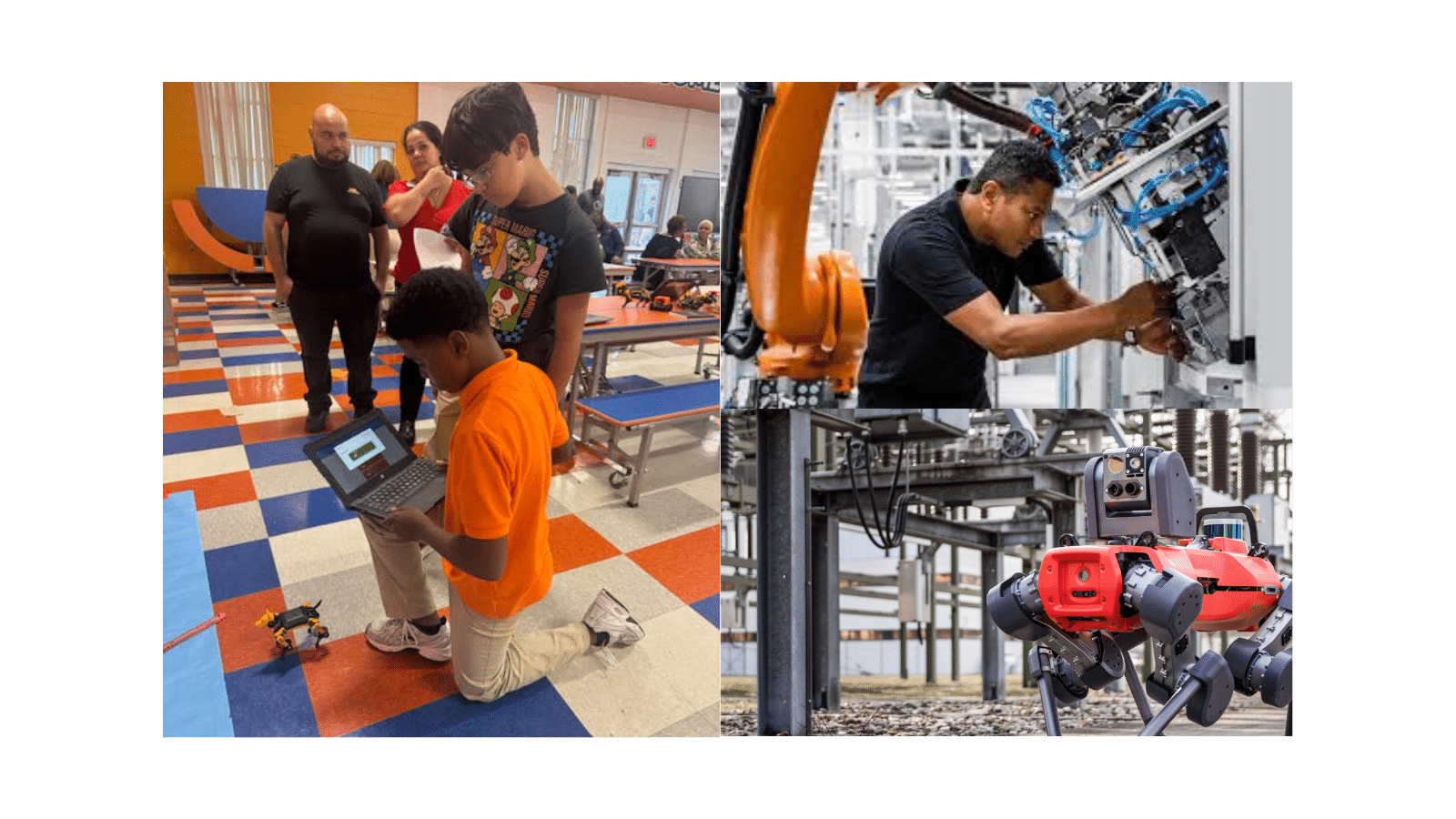
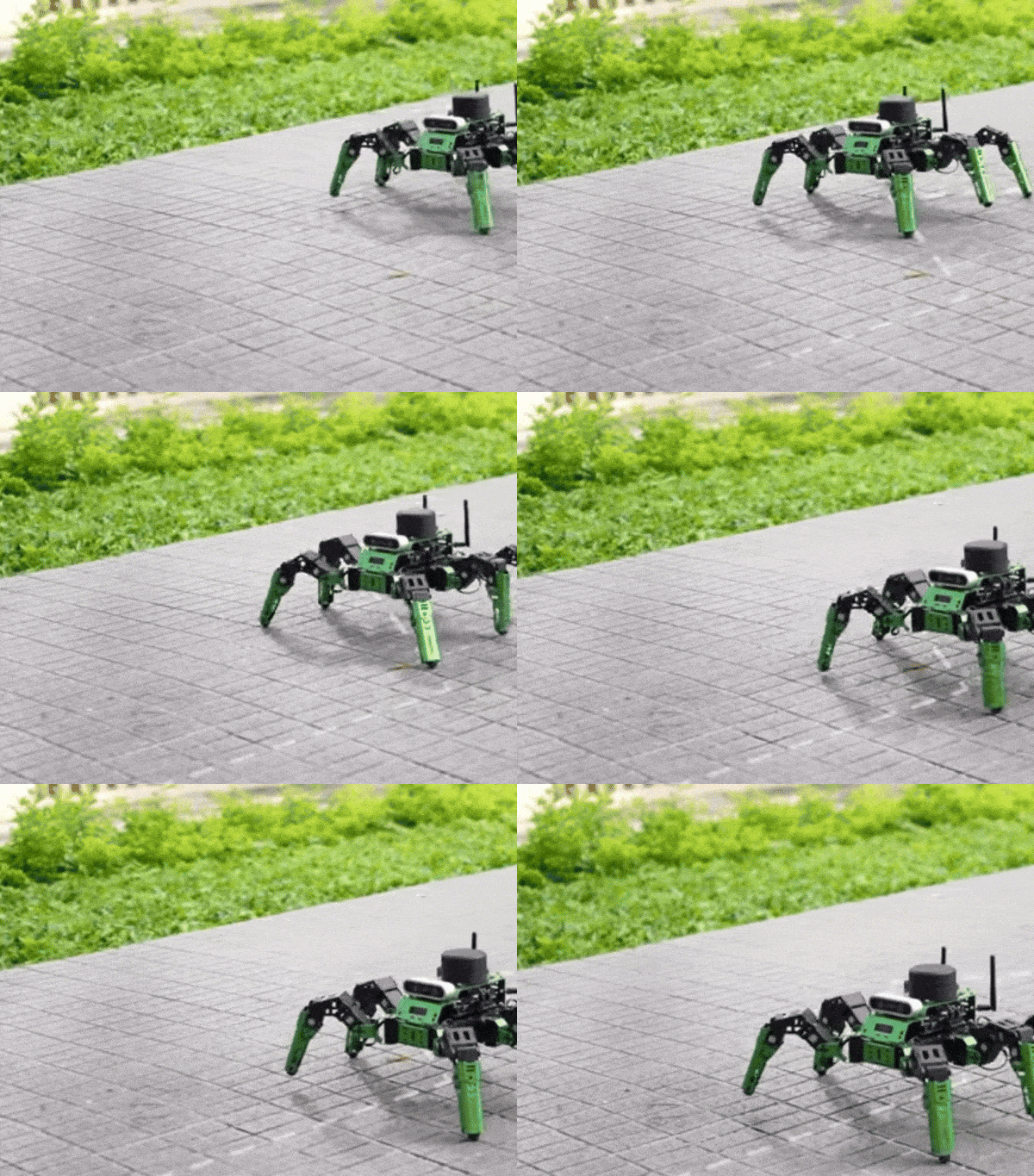
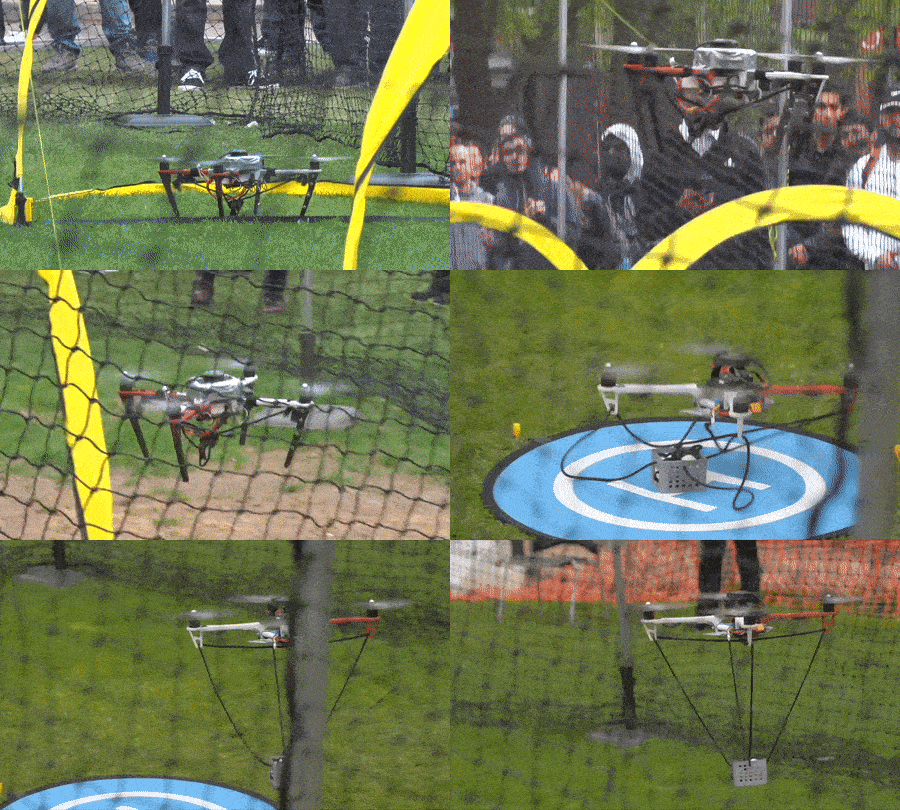
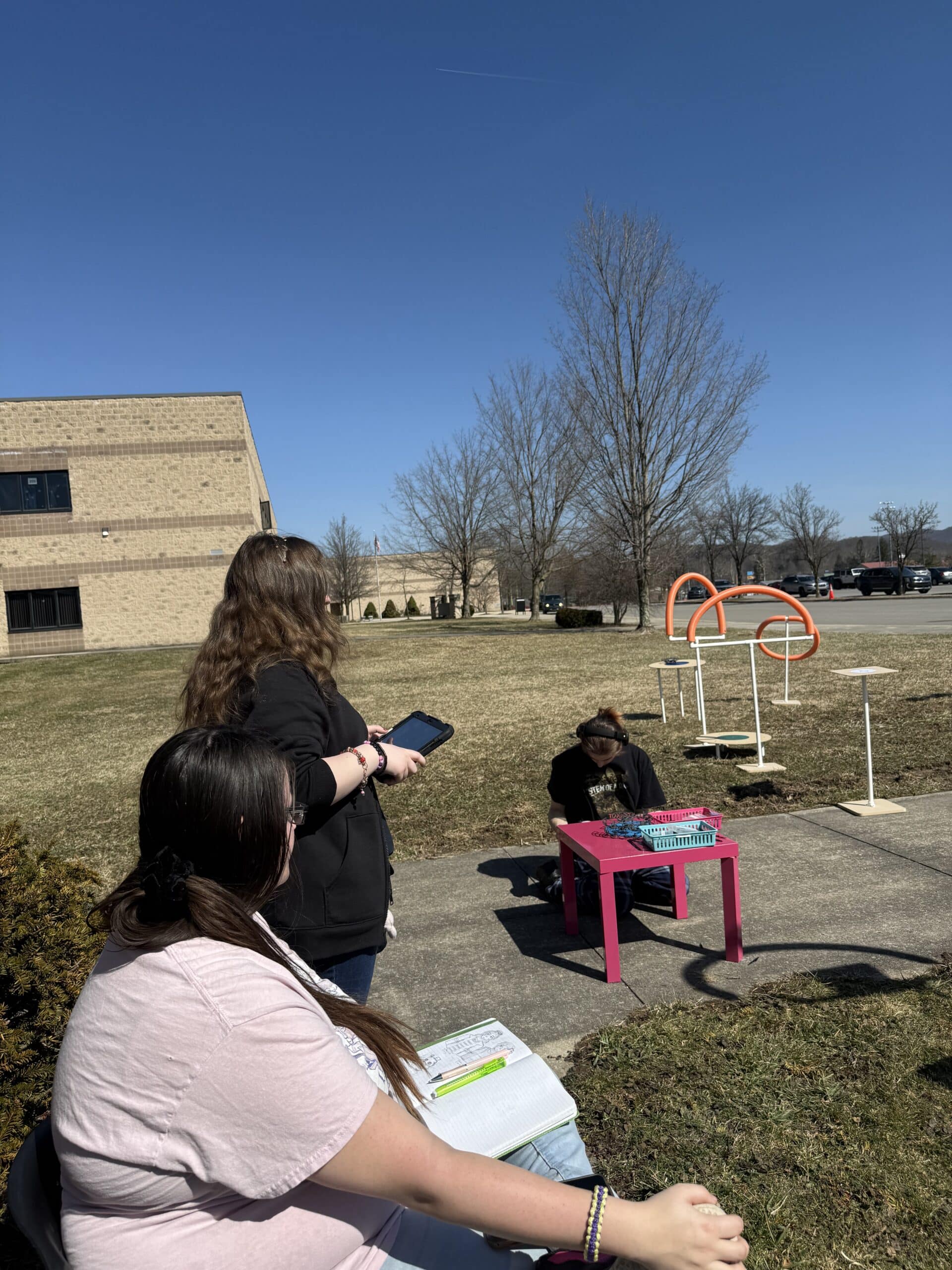
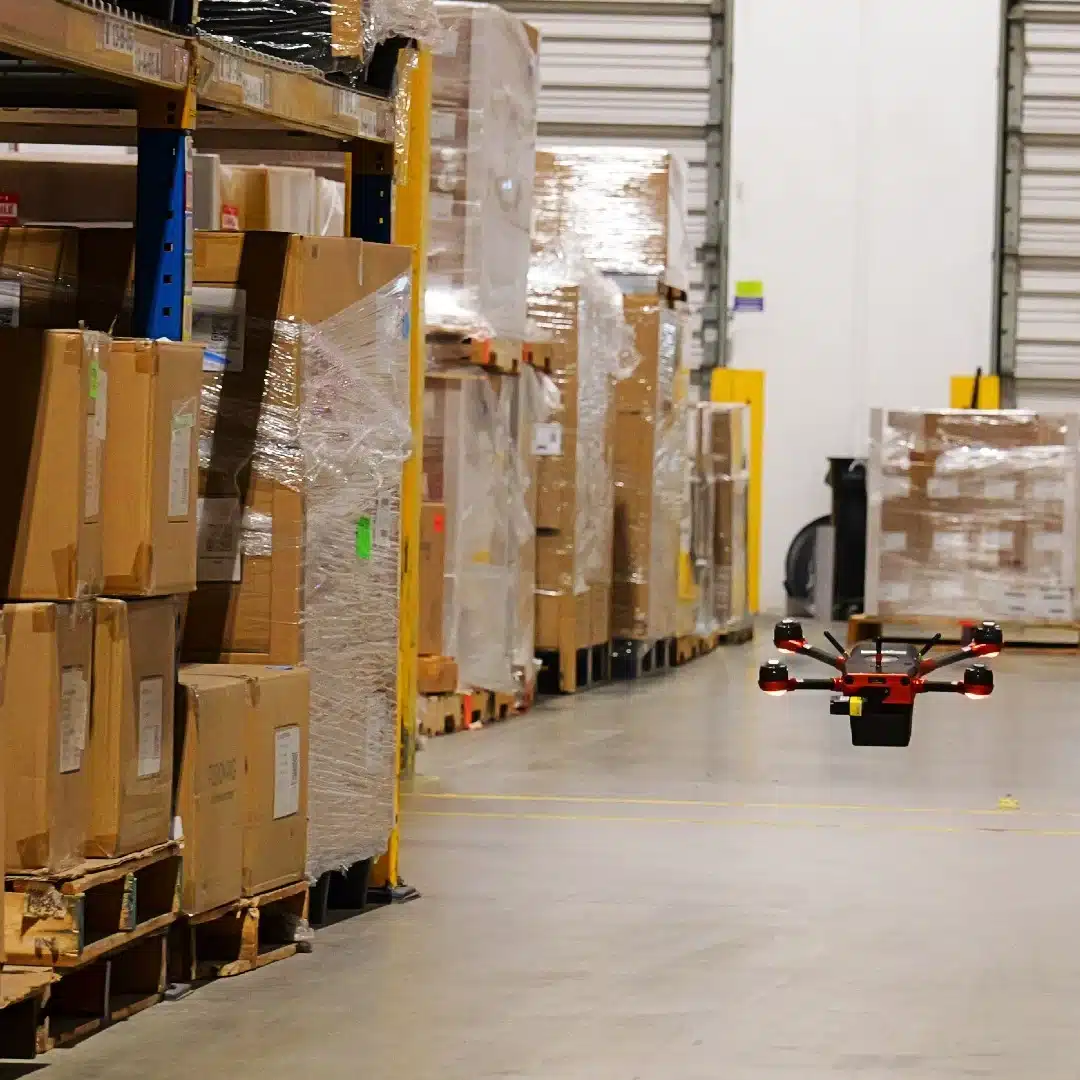
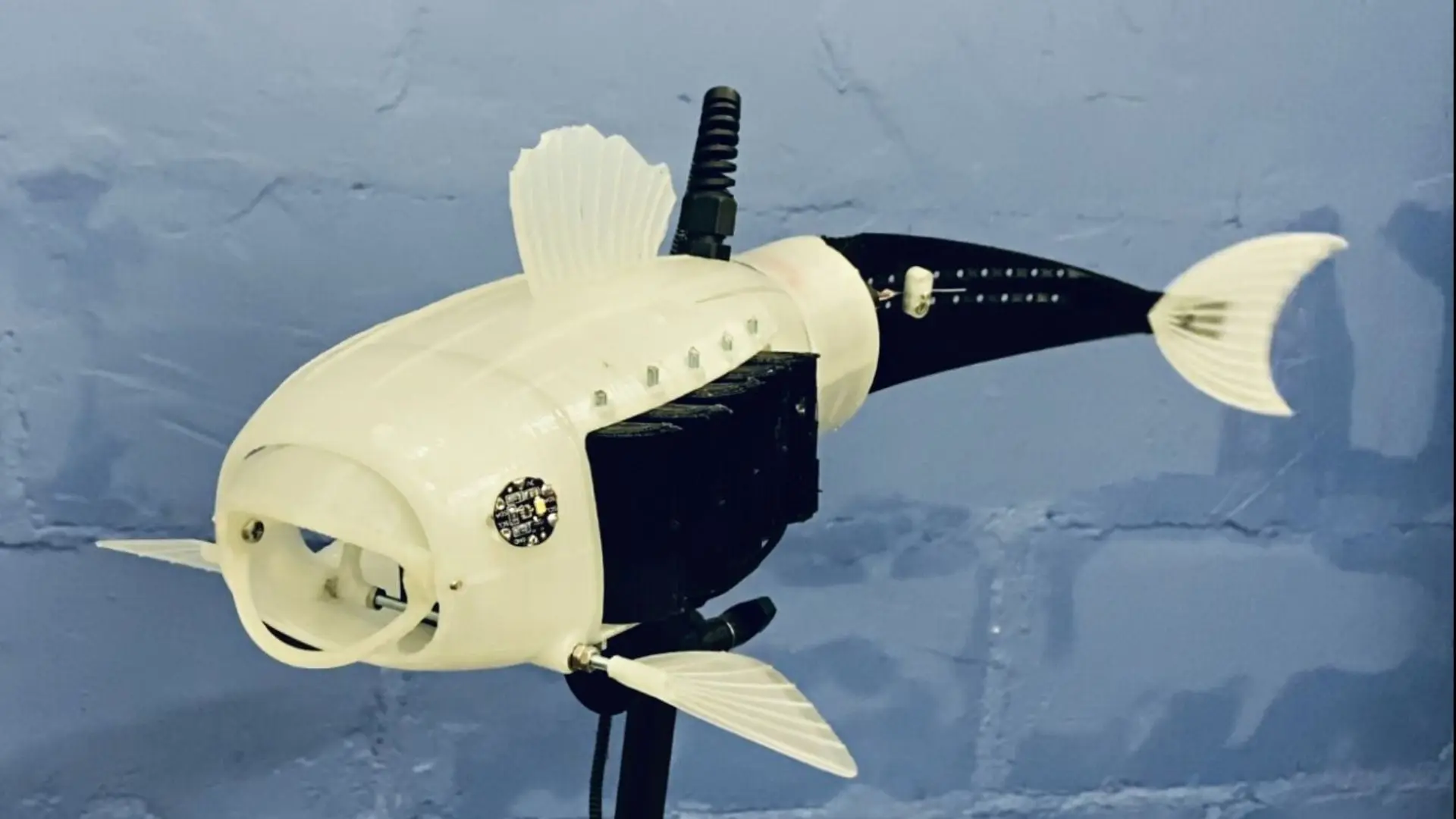
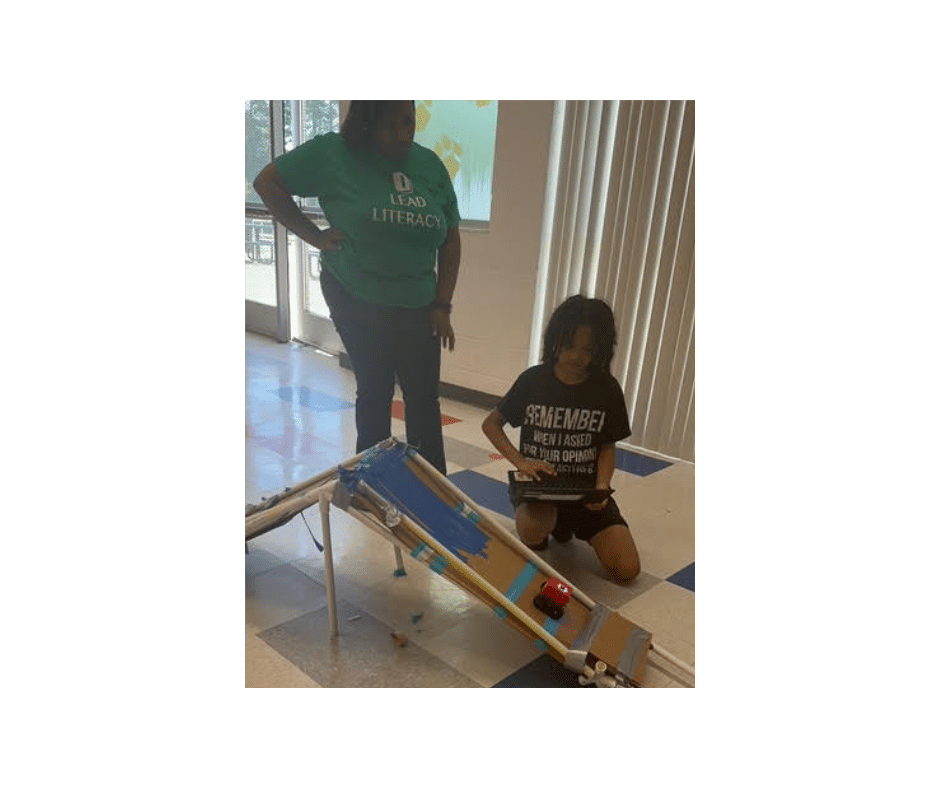
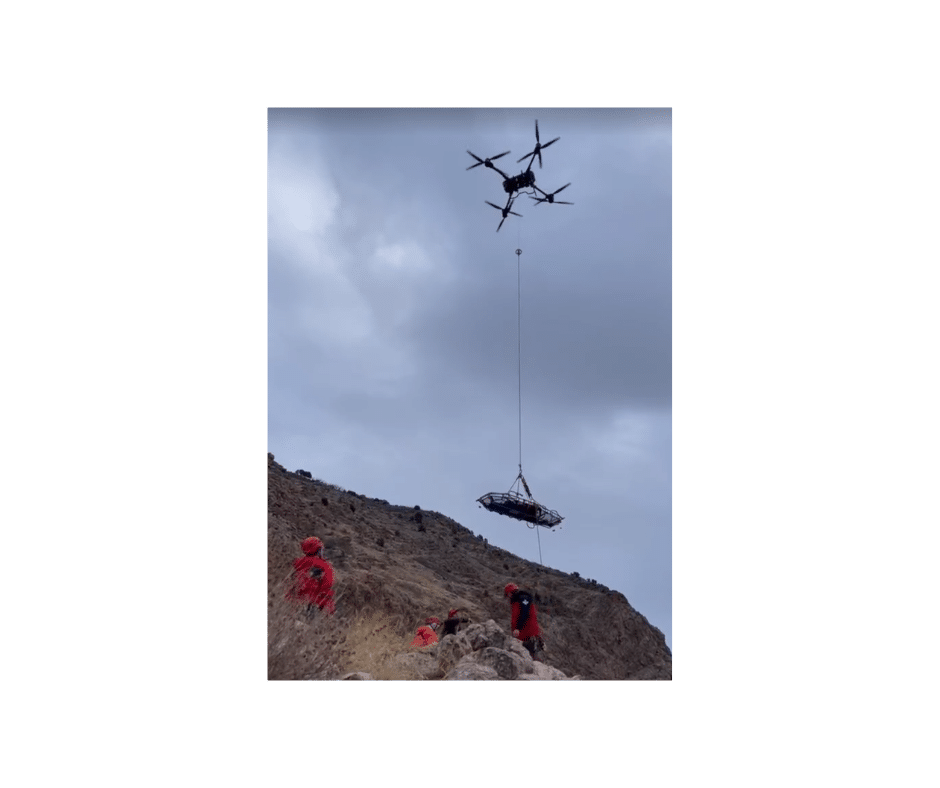
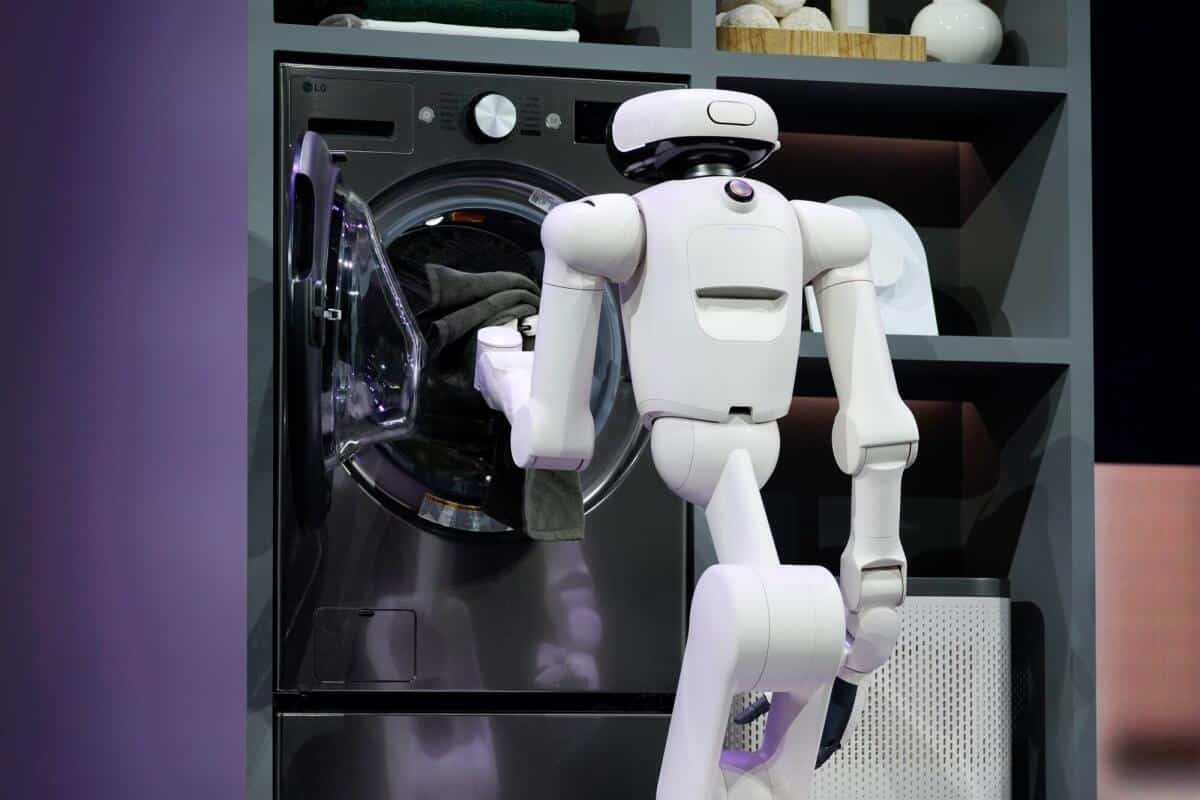
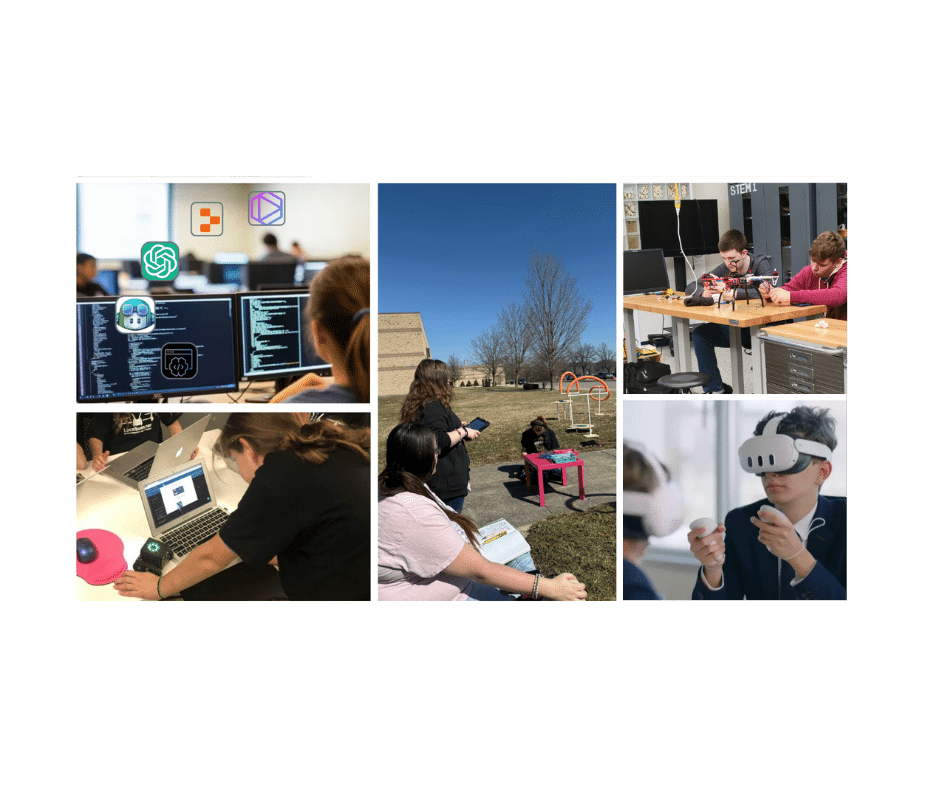
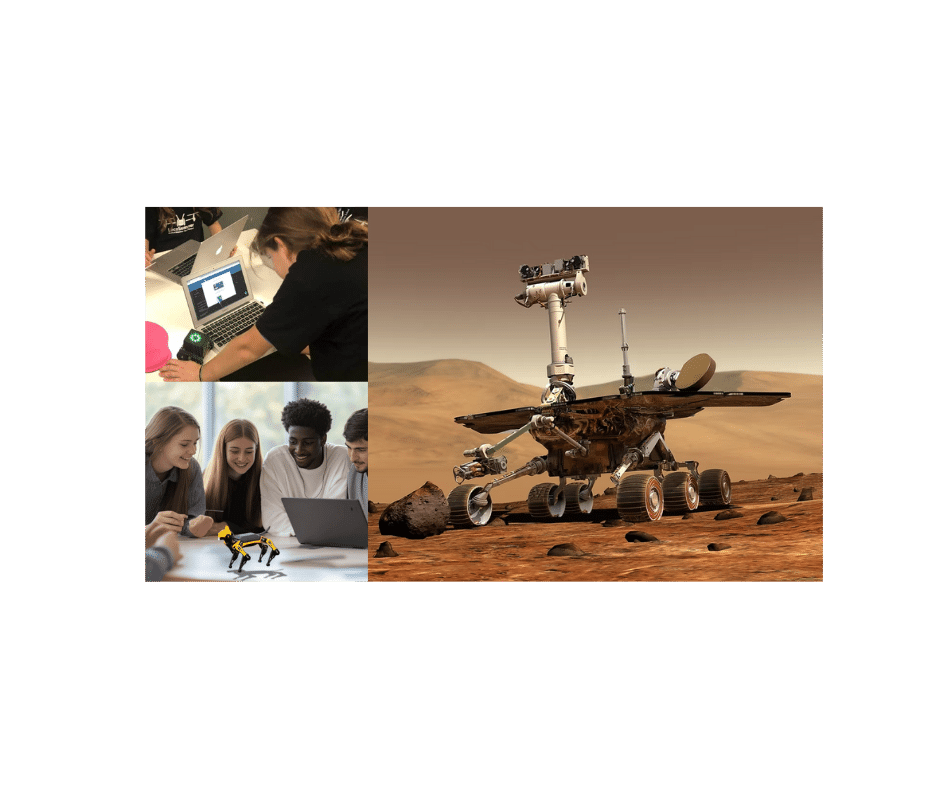
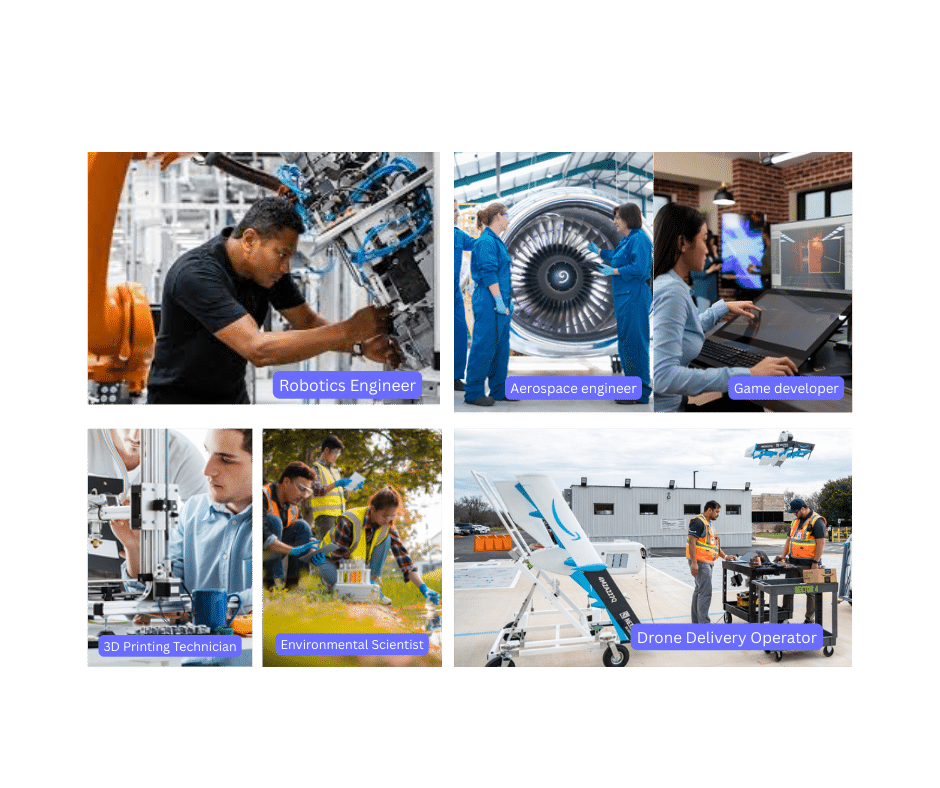
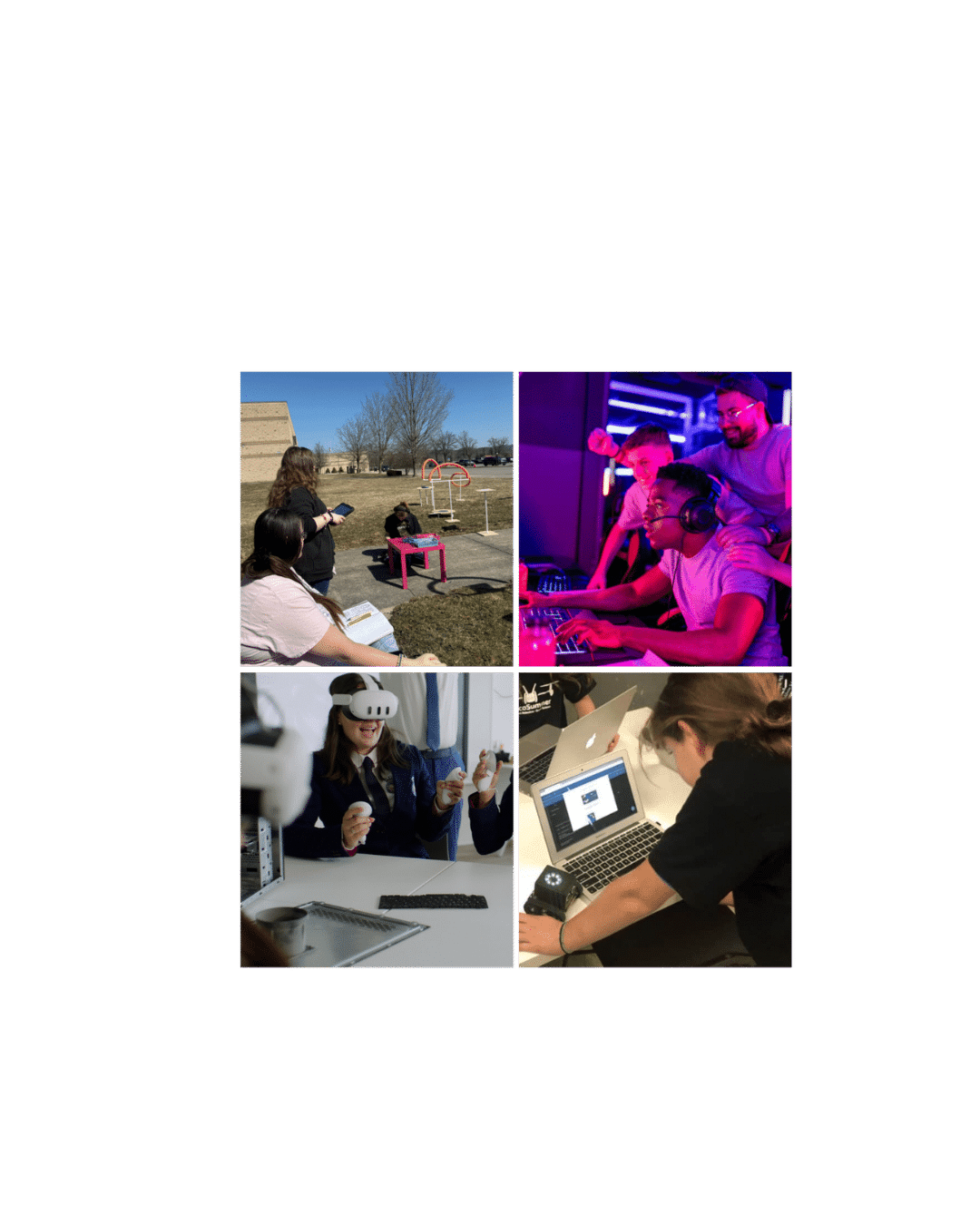
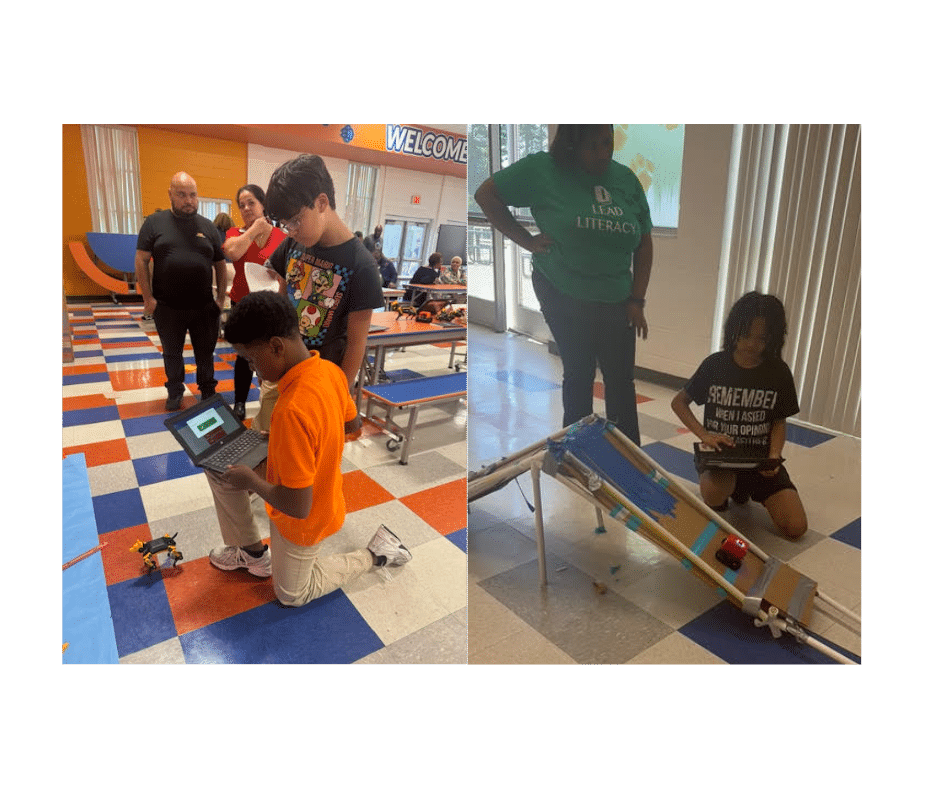
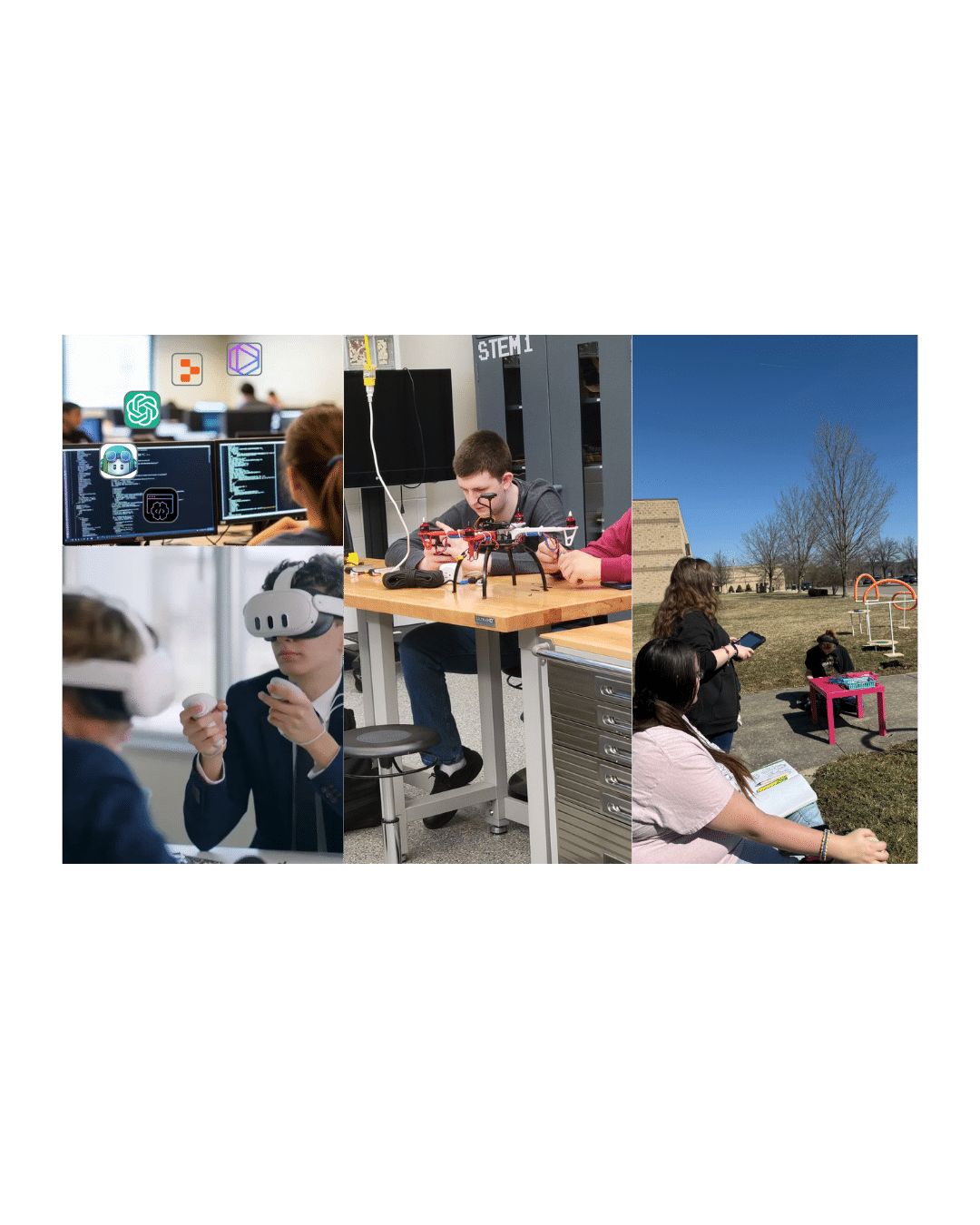
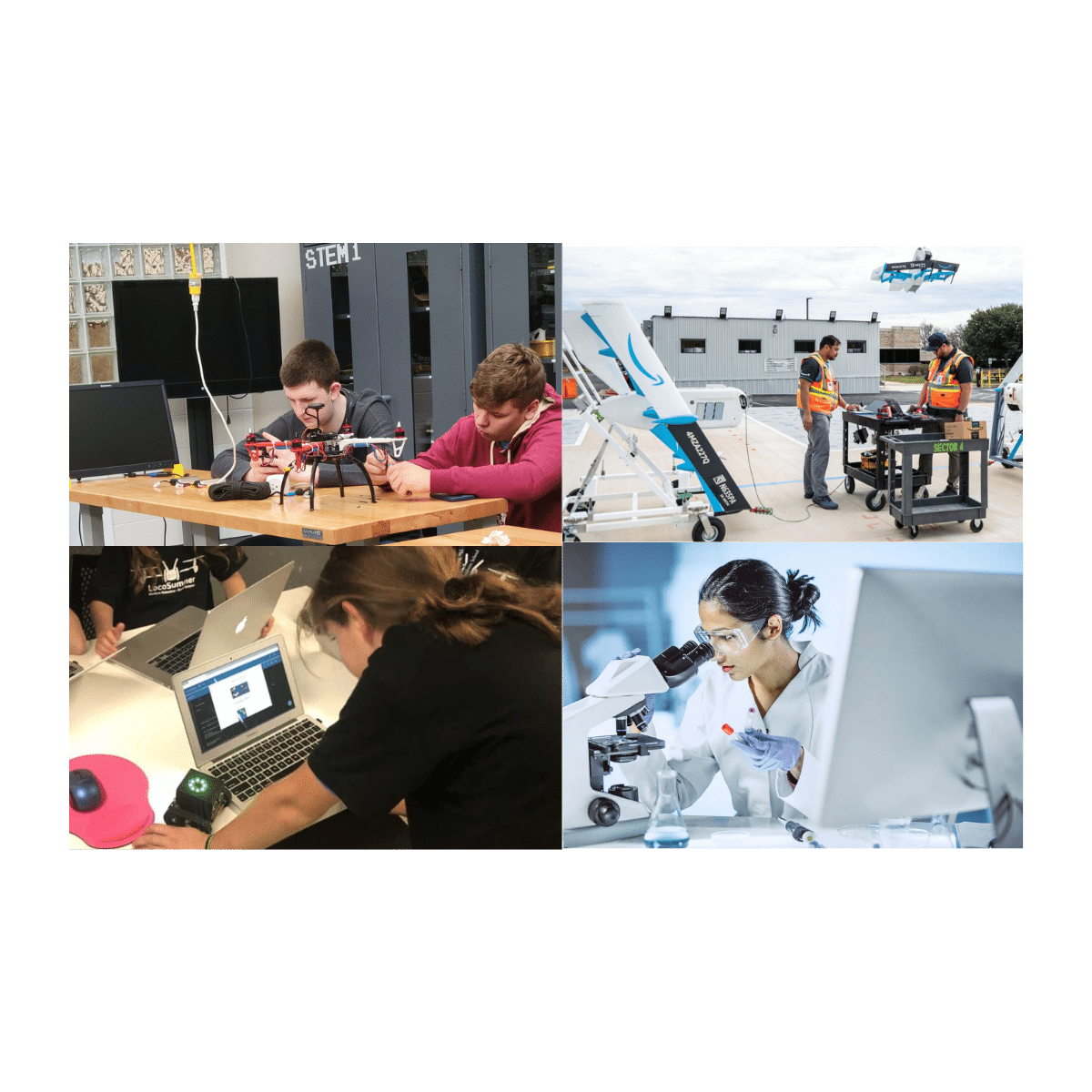
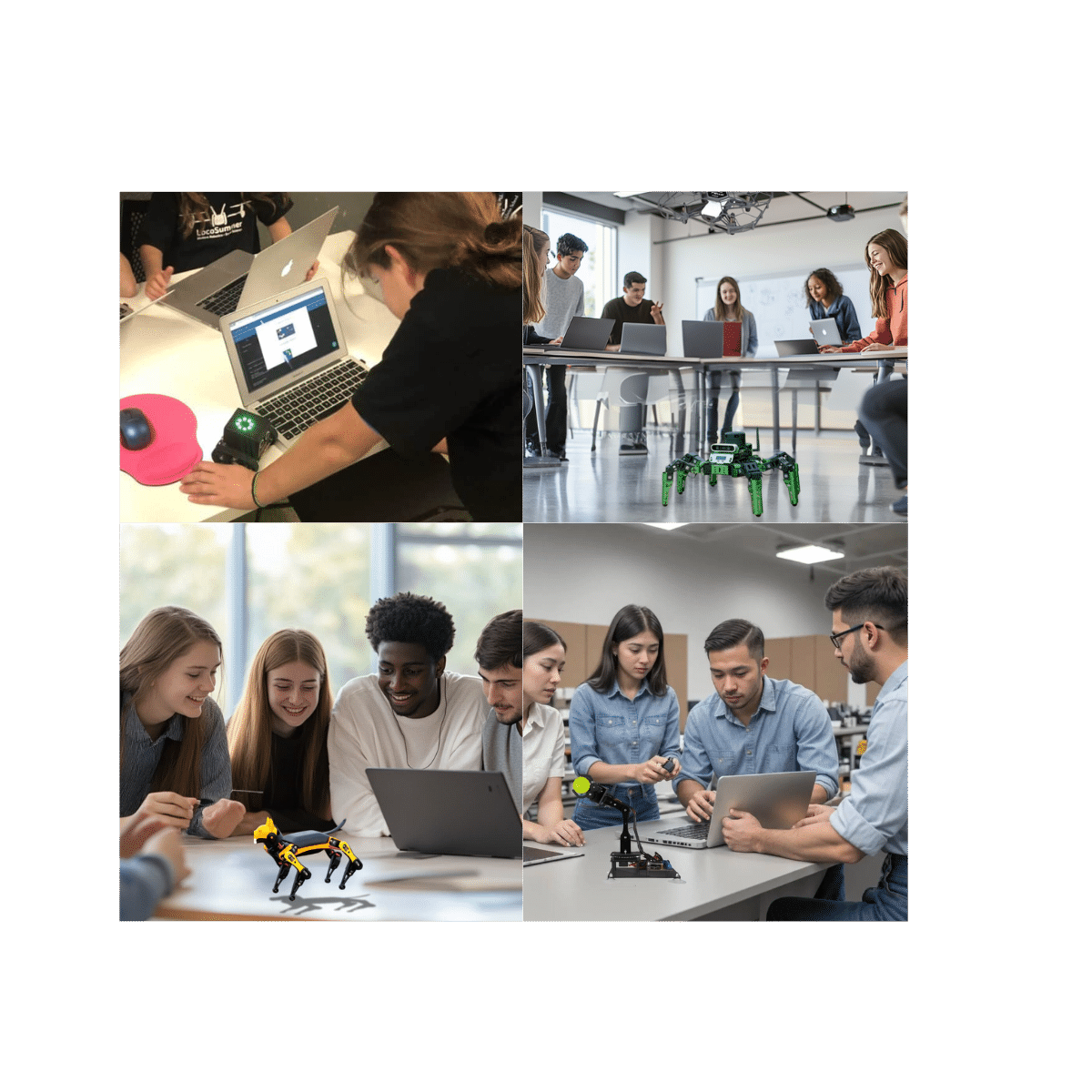
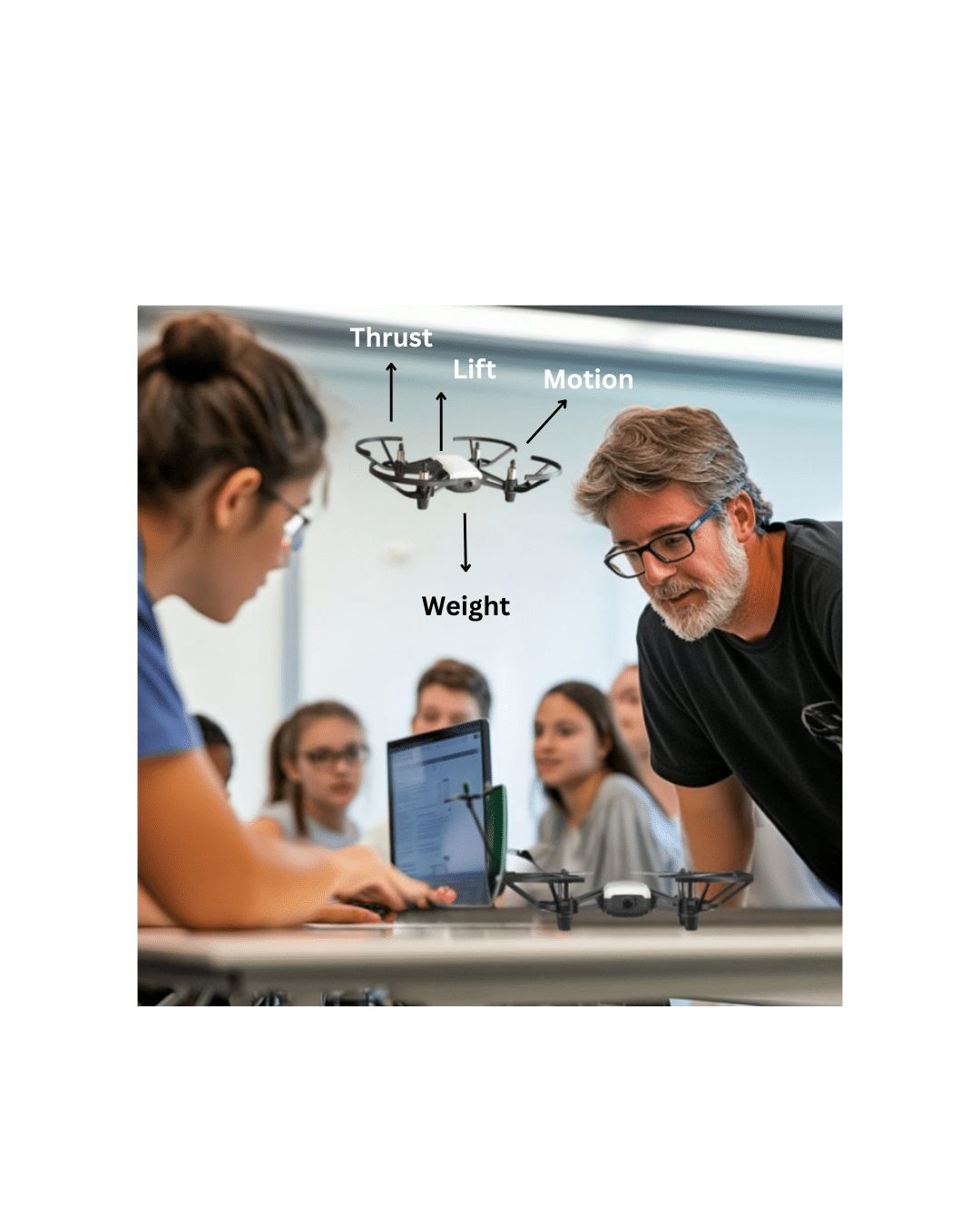
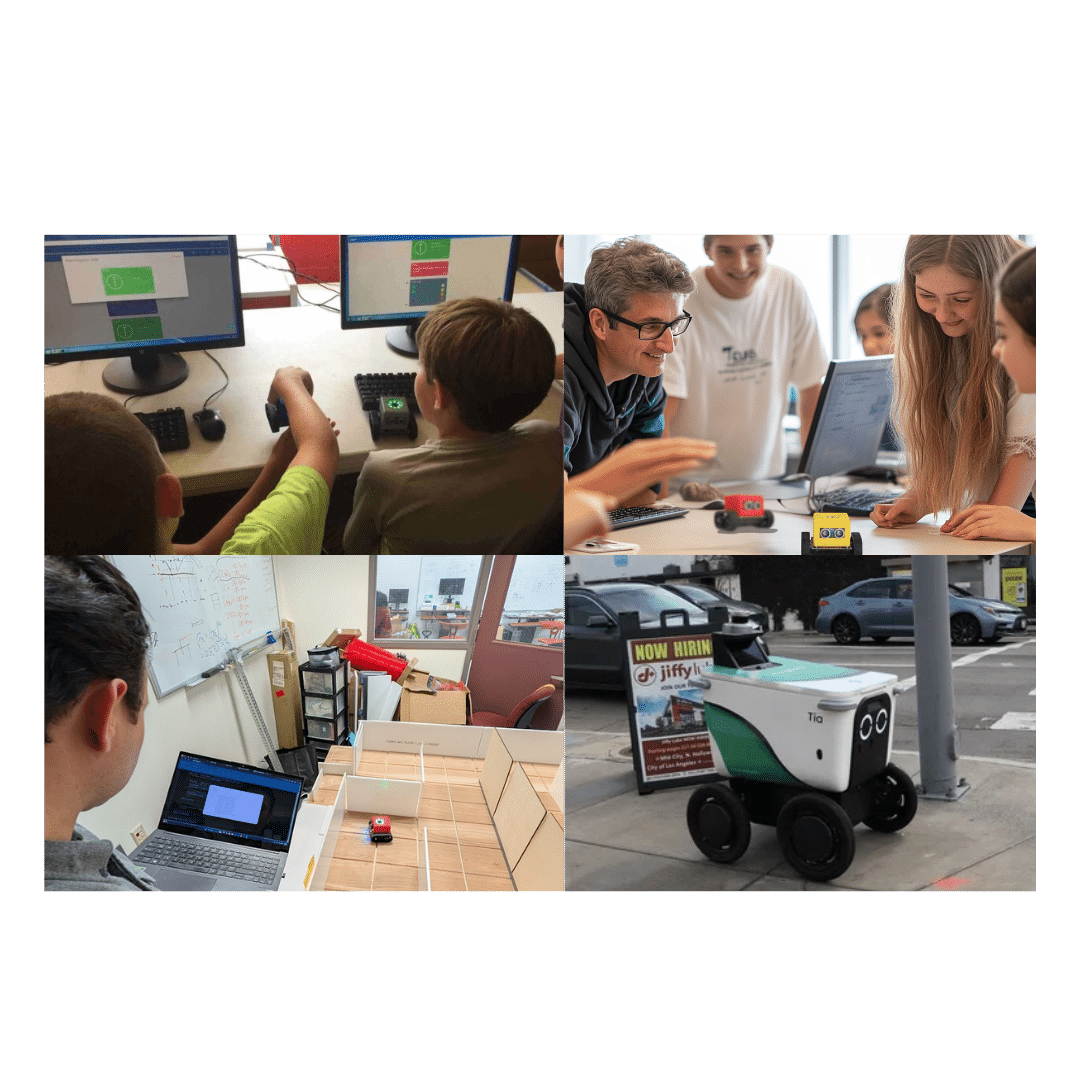
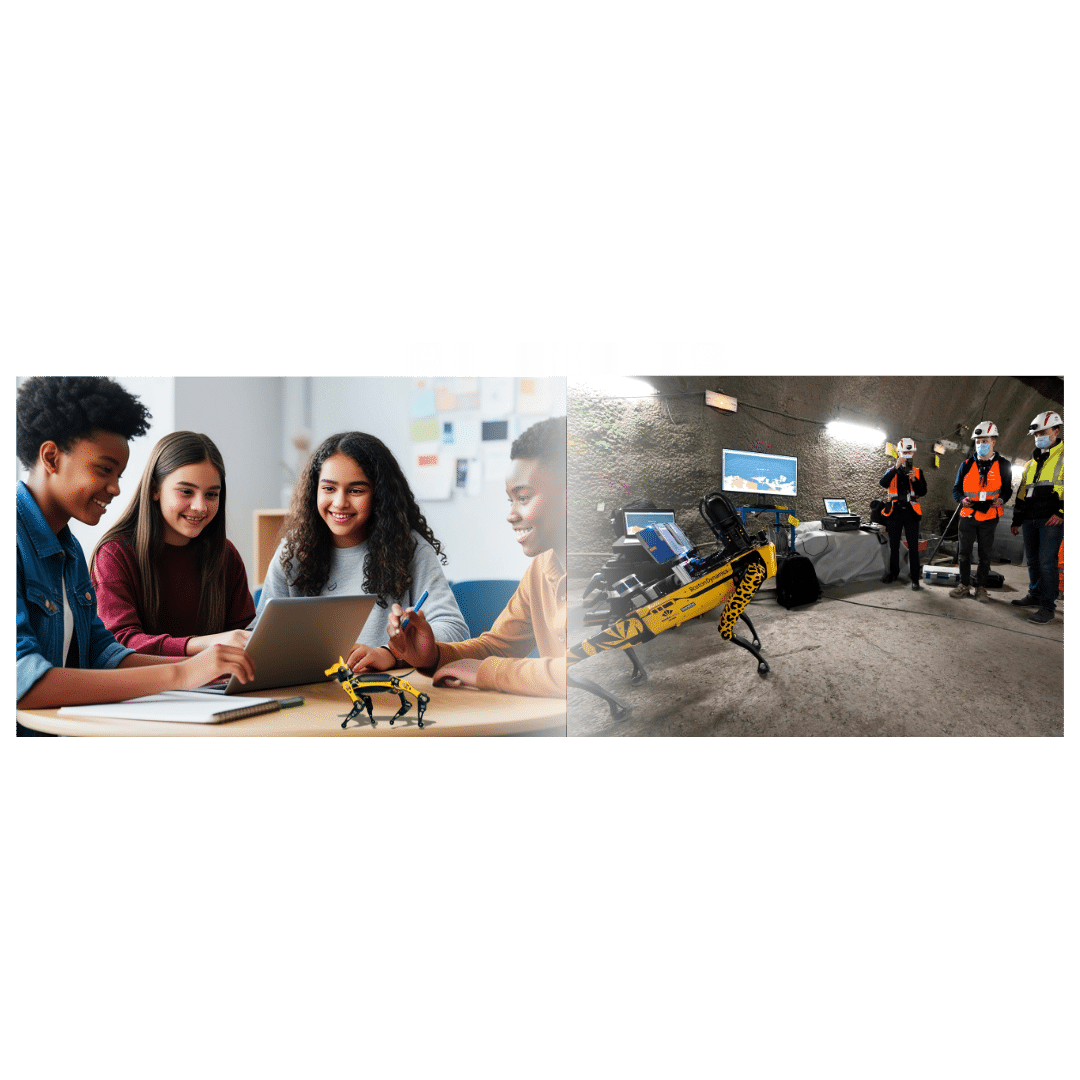
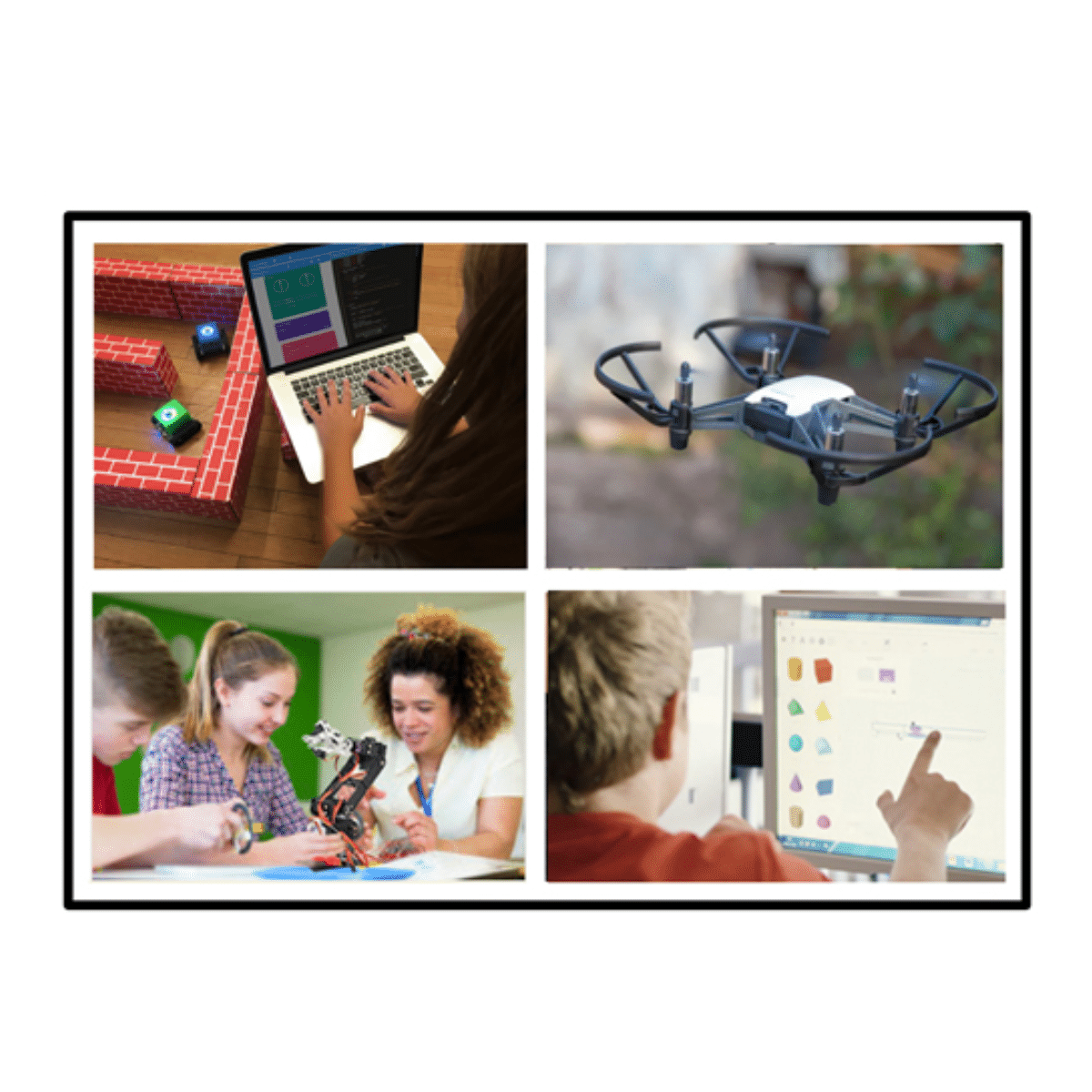
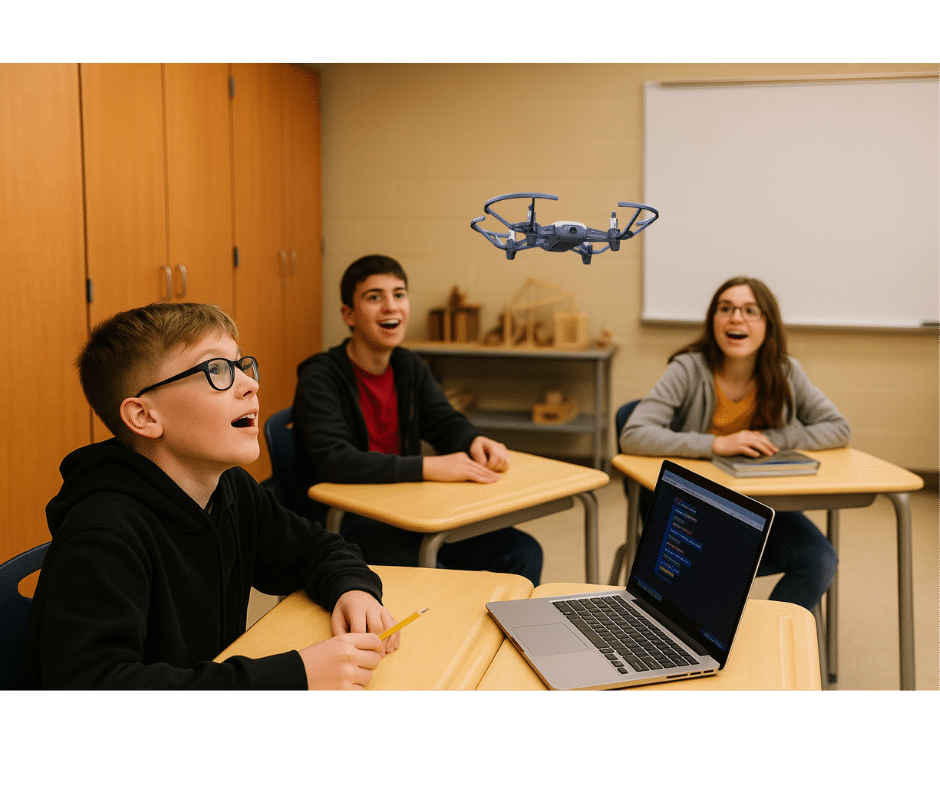
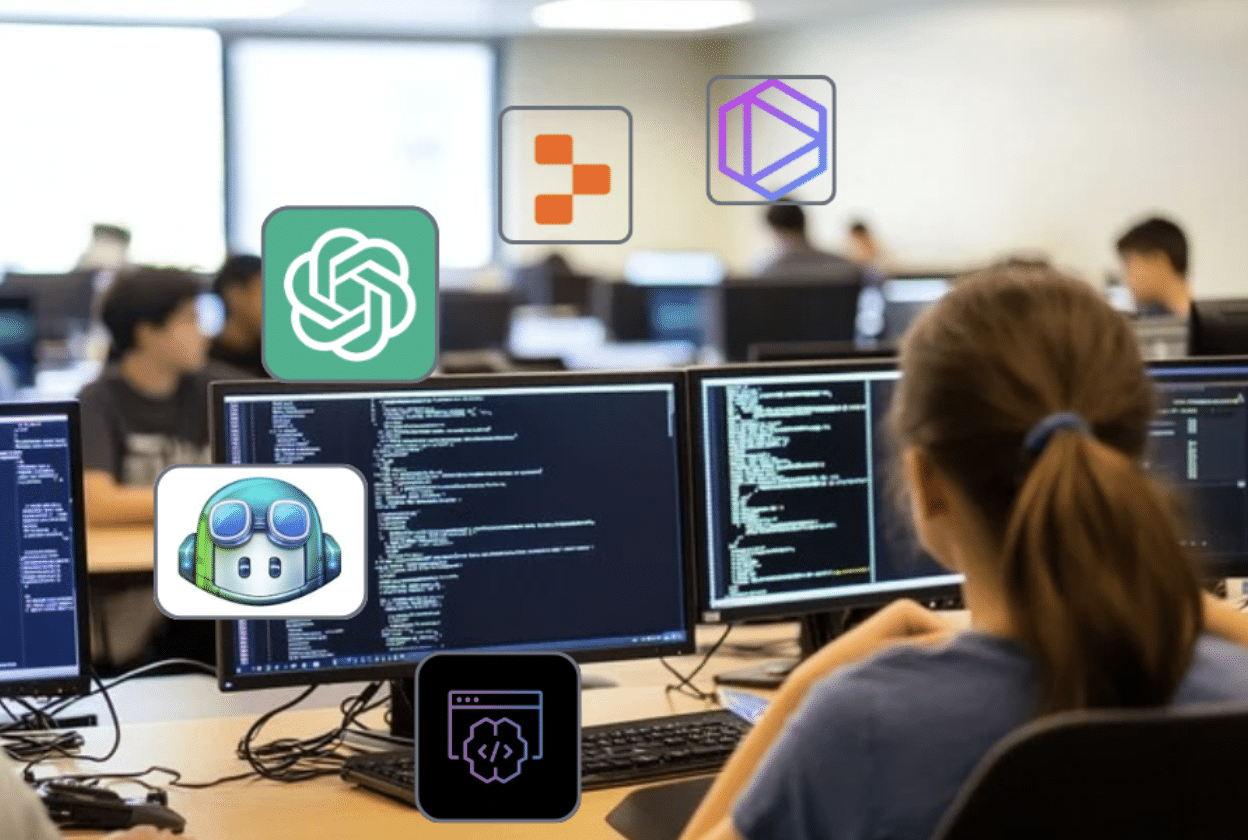
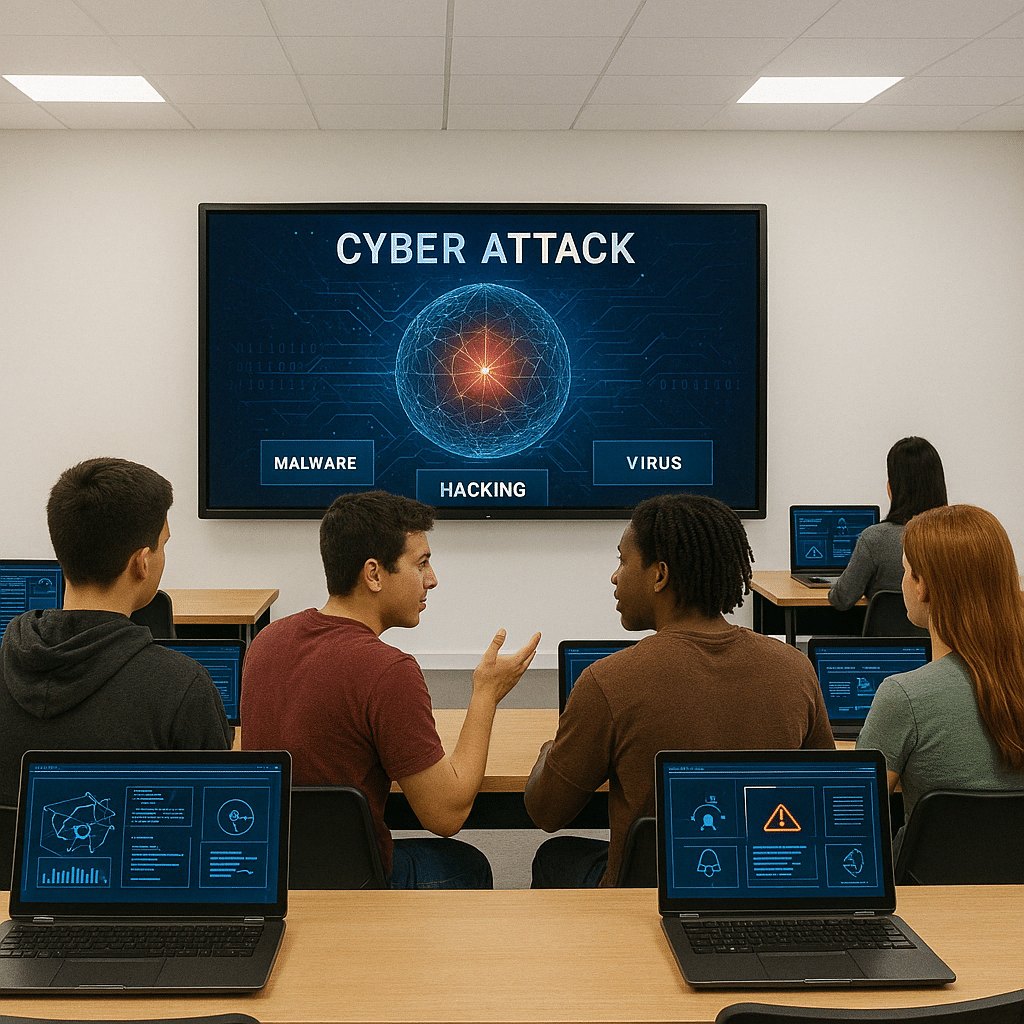
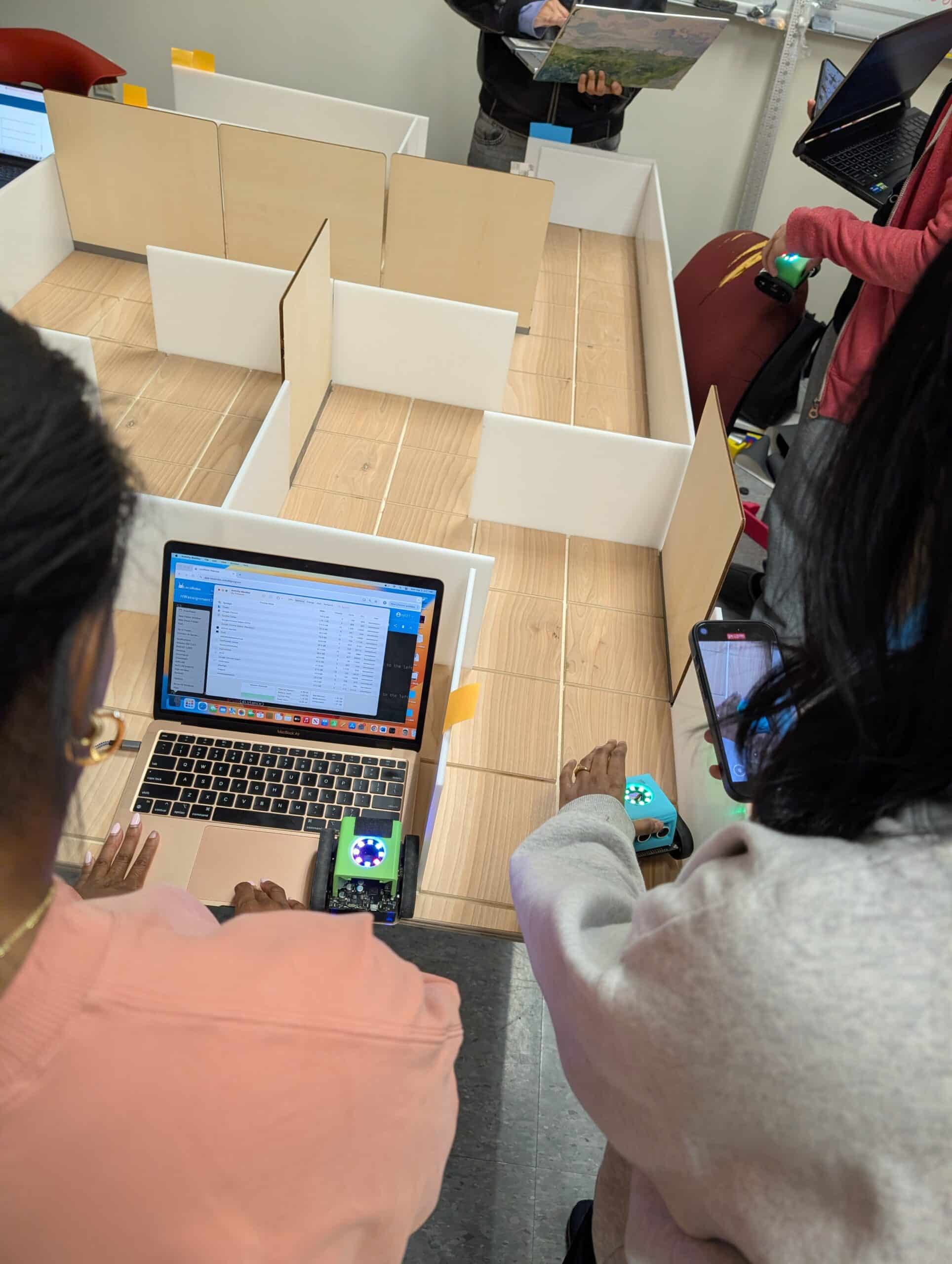
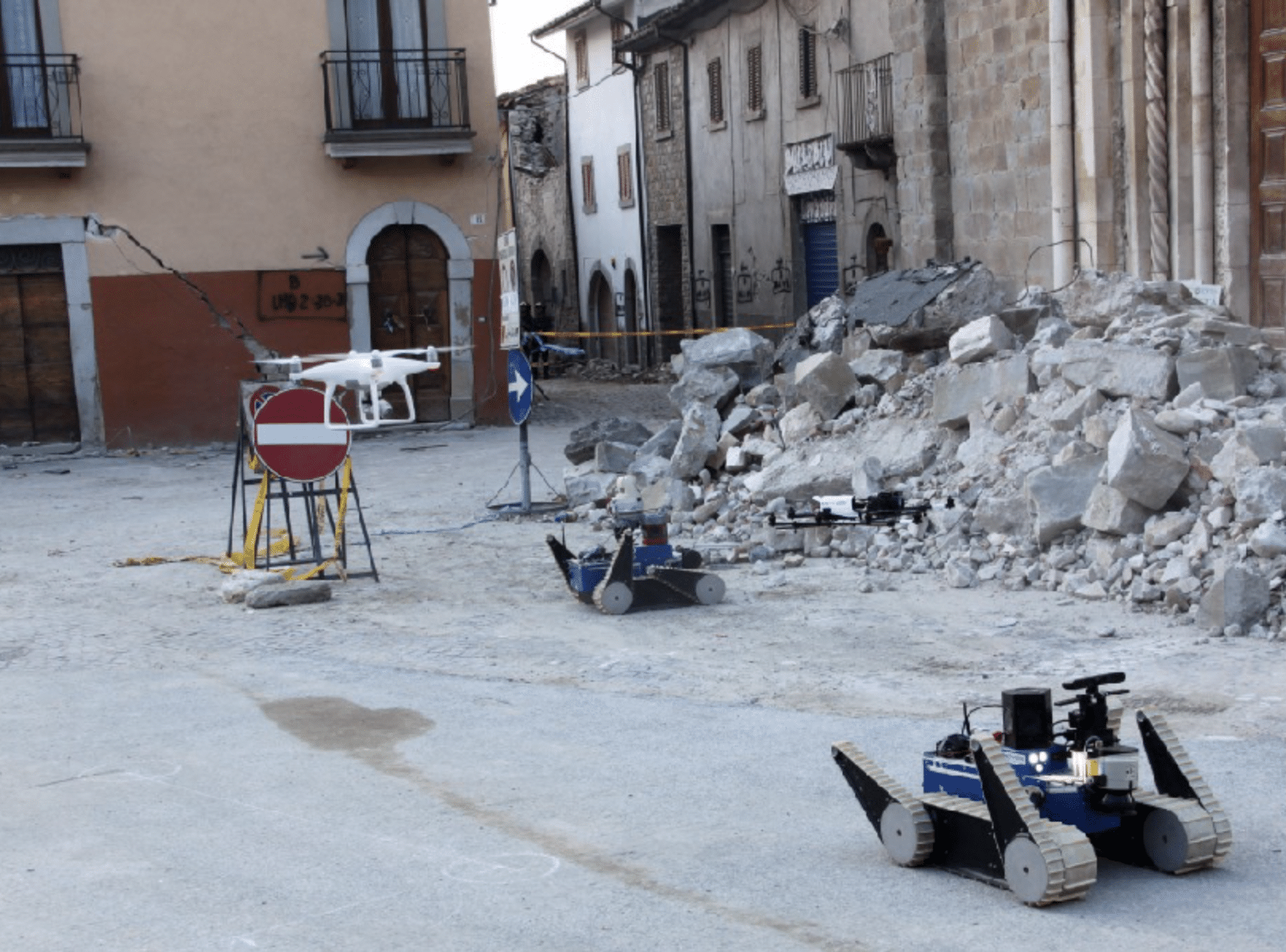
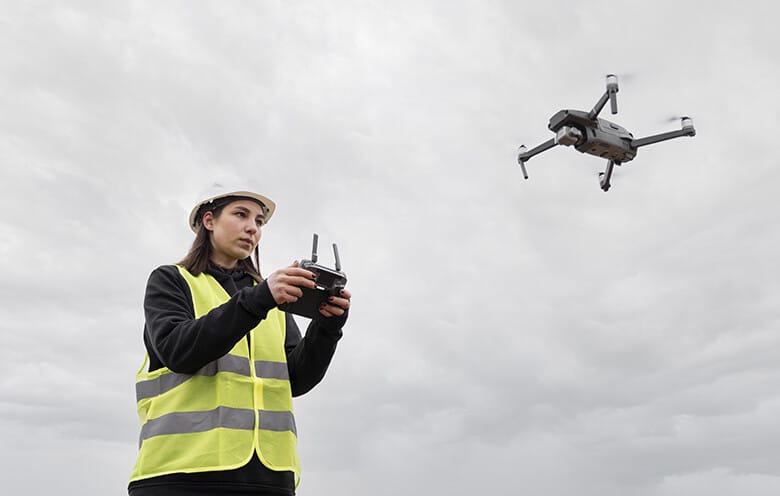
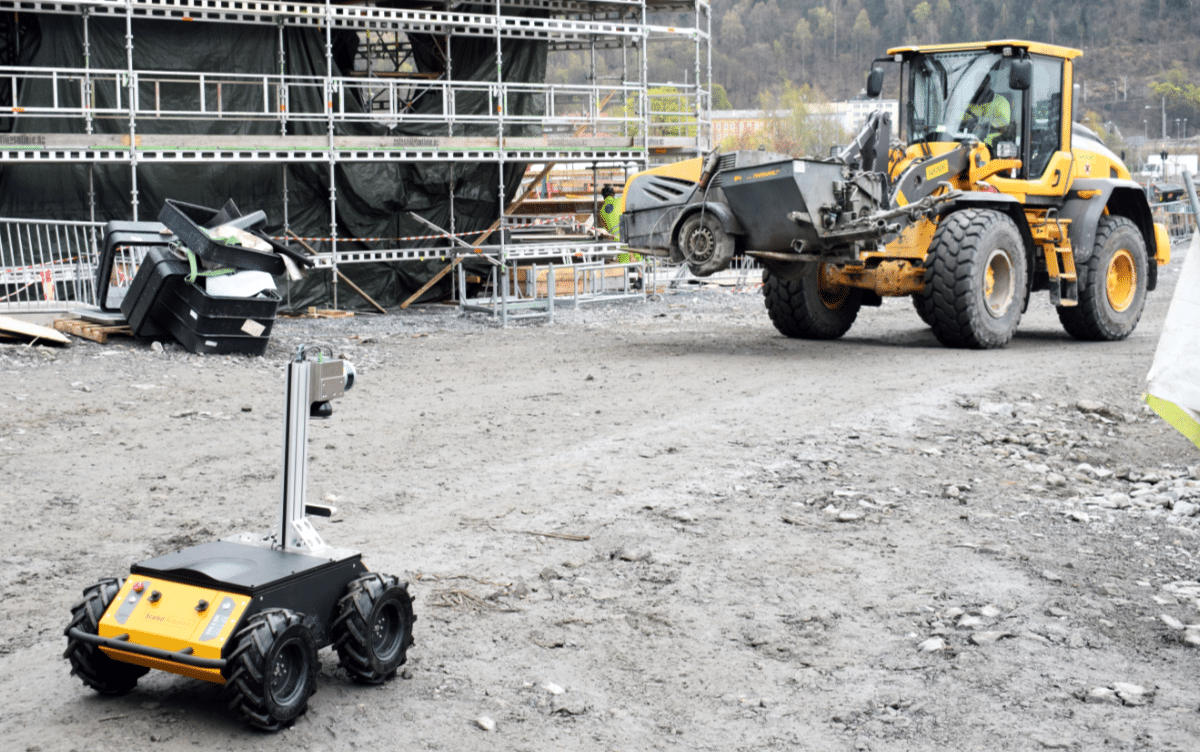
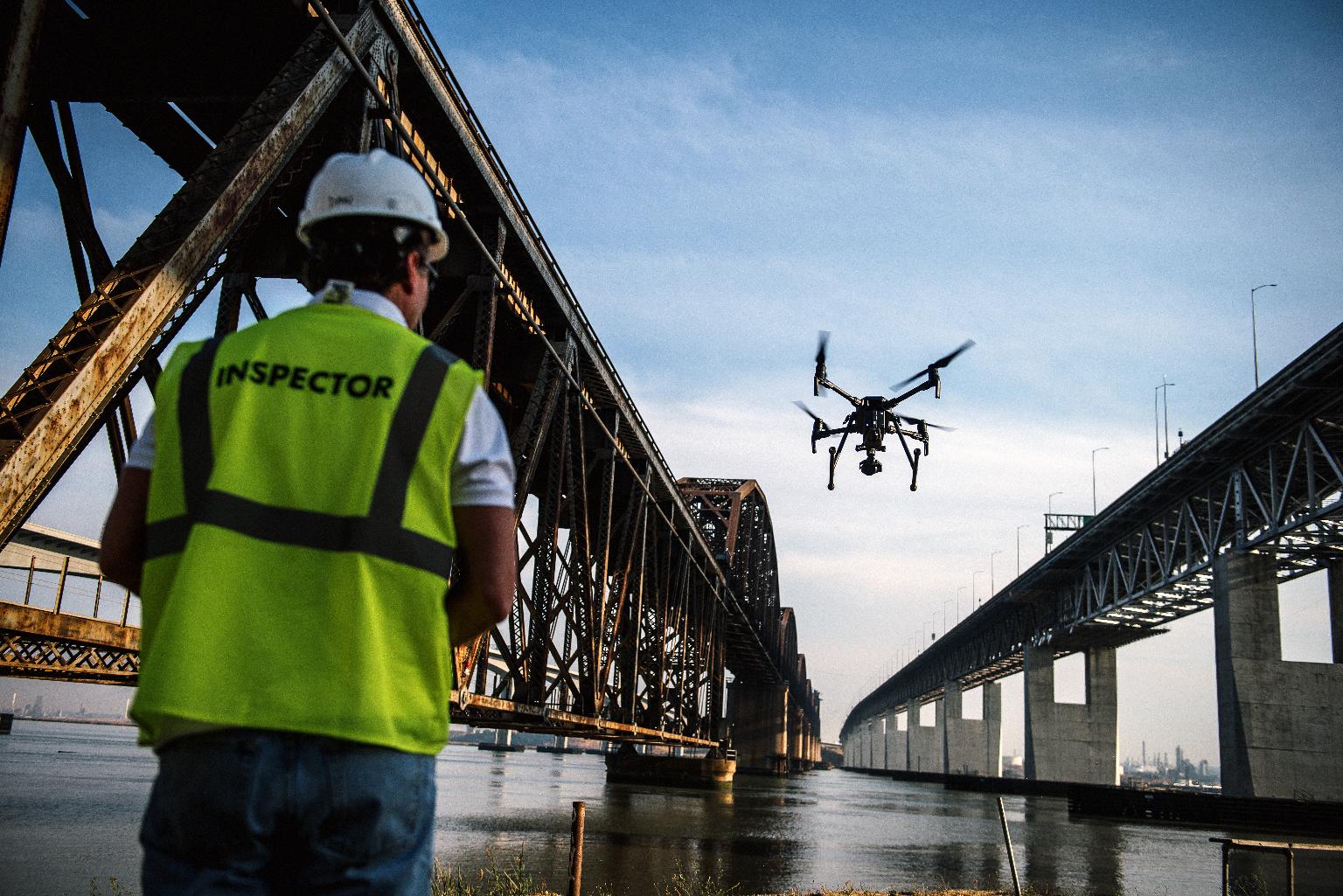
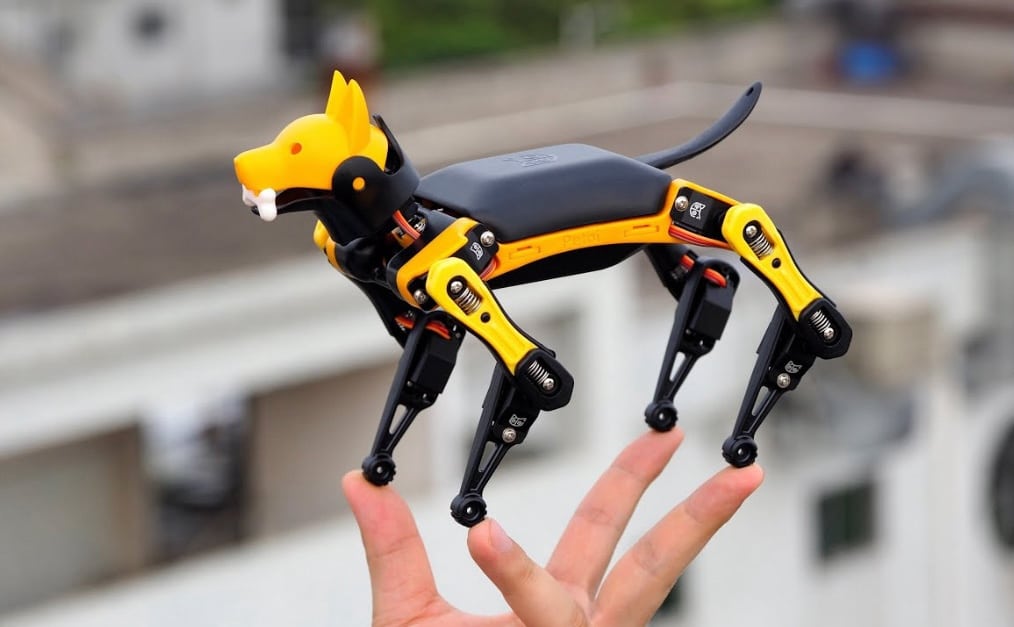
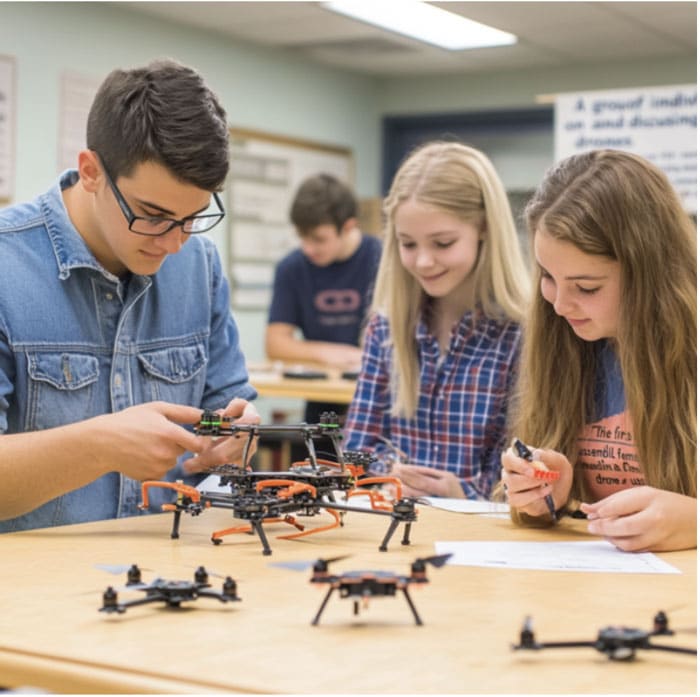
Hands-on learning, such as robotics, drones, AI projects, cybersecurity simulations, and design challenges help students:
- See how skills are applied
- Understand workplace tools and workflows
- Discover interests they did not know they had
These experiences also help students rule things out, which is just as valuable as finding a fit. Knowing what does not spark interest saves time and frustration later.
Career Exploration Builds Confidence and Direction
Students who explore careers earlier tend to develop stronger decision-making skills. They gain language to talk about their interests, feel more confident navigating choices after graduation, and understand multiple pathways to success.
Rather than asking students to commit to a future they have never seen, early career exploration gives them a map.
Supporting Educators With Practical Tools
Career exploration does not need to be an add-on or a standalone course. With the right resources, it can be integrated into STEM learning, clubs, and CTE pathways.
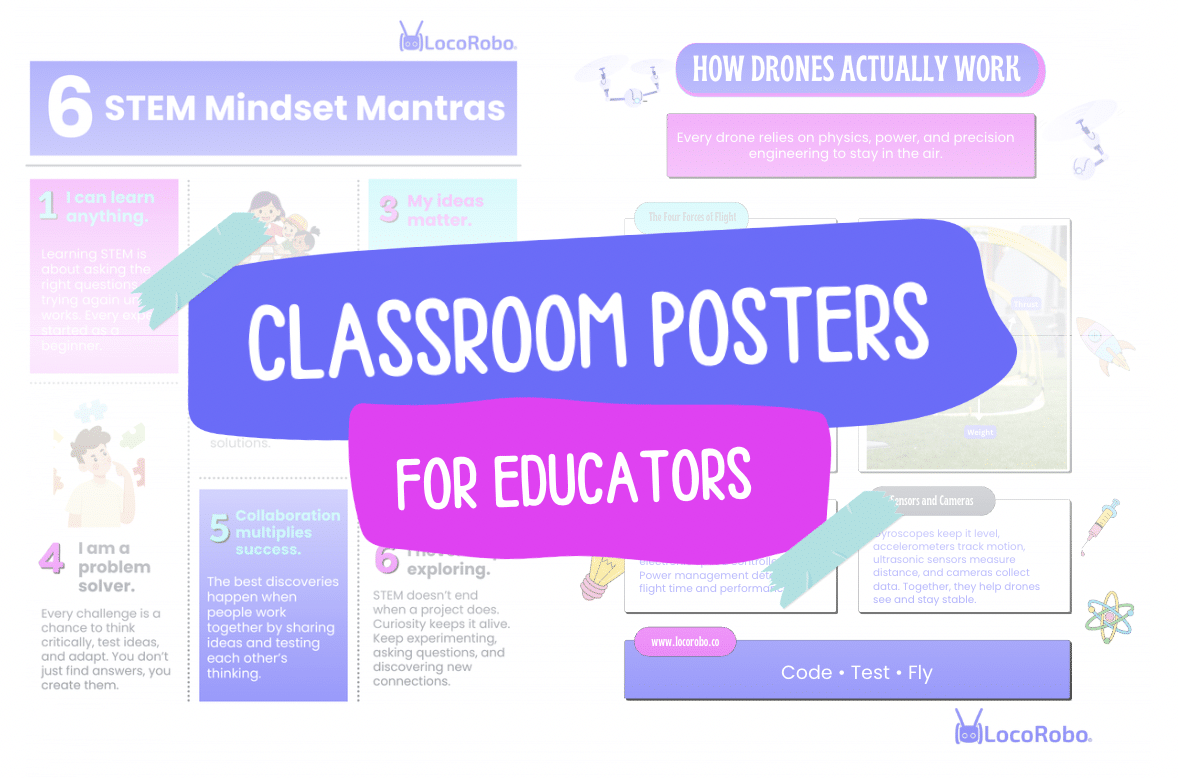
To support schools in this work, LocoRobo created a practical resource designed for real classrooms.
Explore the LocoRobo Career Exploration Toolkit. A free, educator-ready toolkit with structured activities, discussion prompts, and hands-on career connections that help students explore CTE and STEM pathways before college.