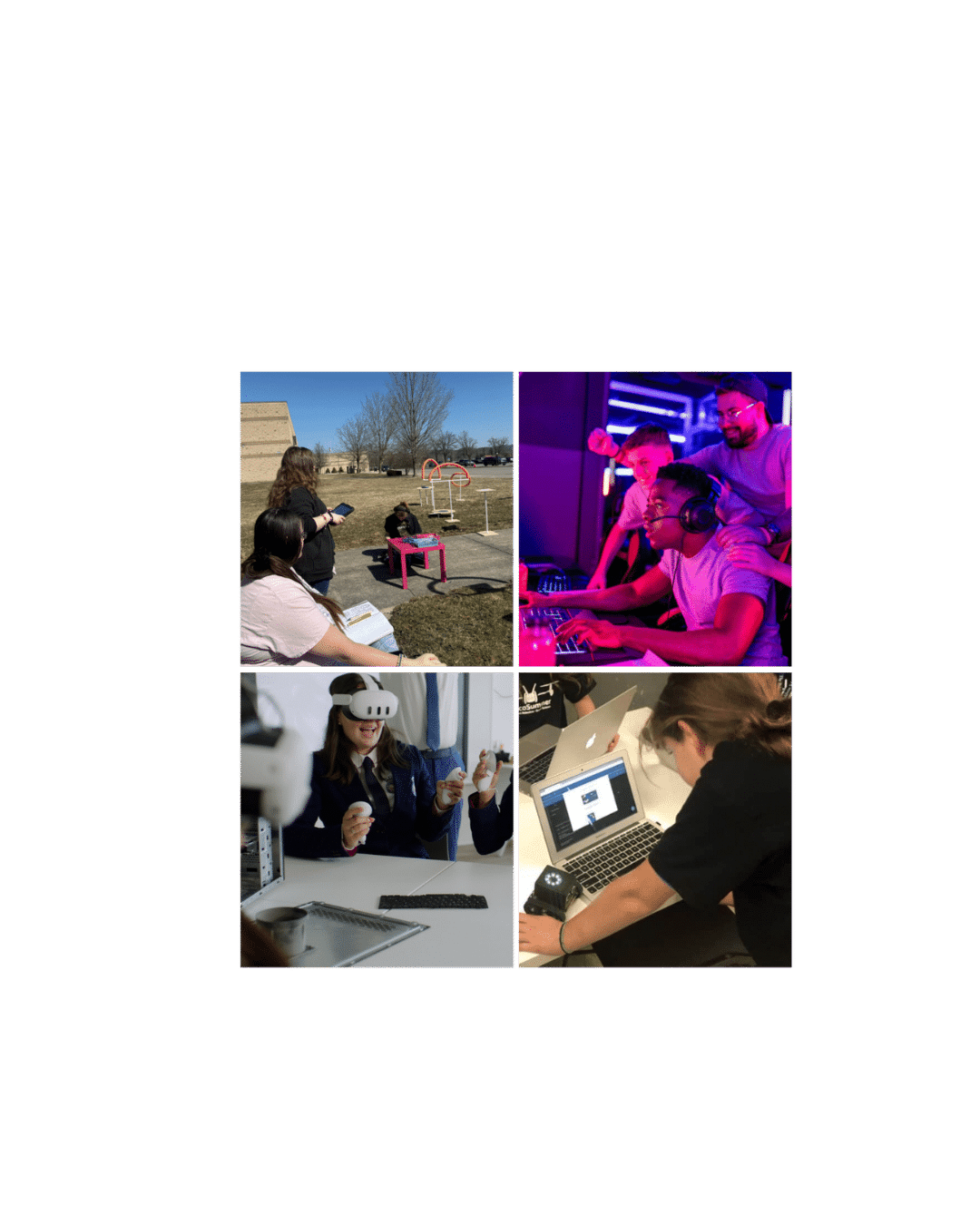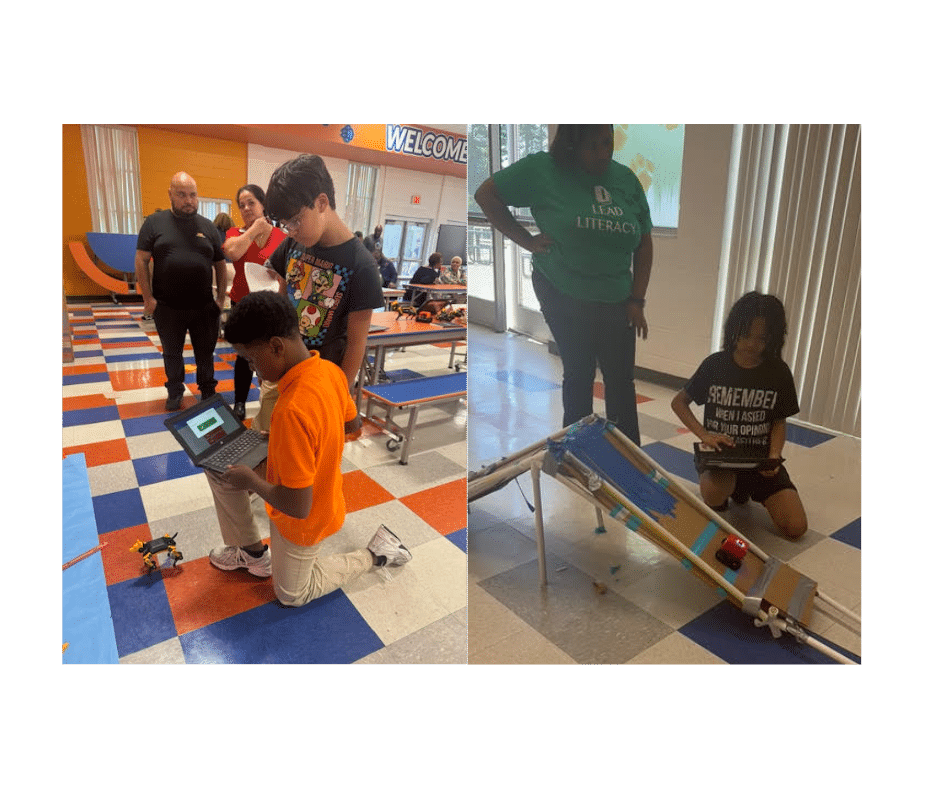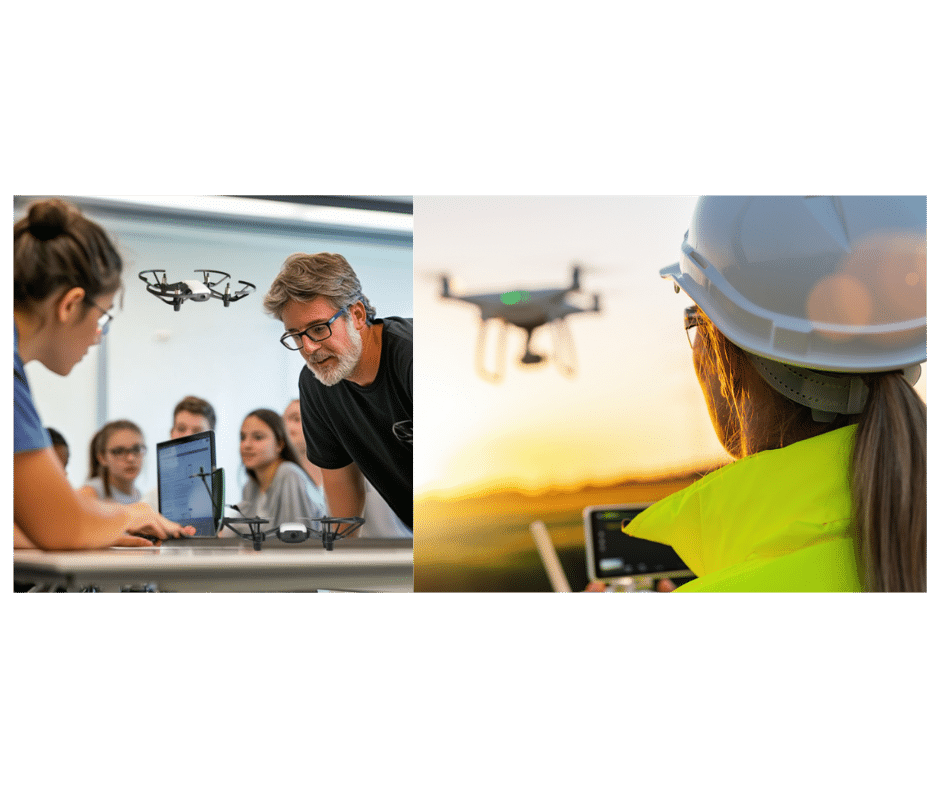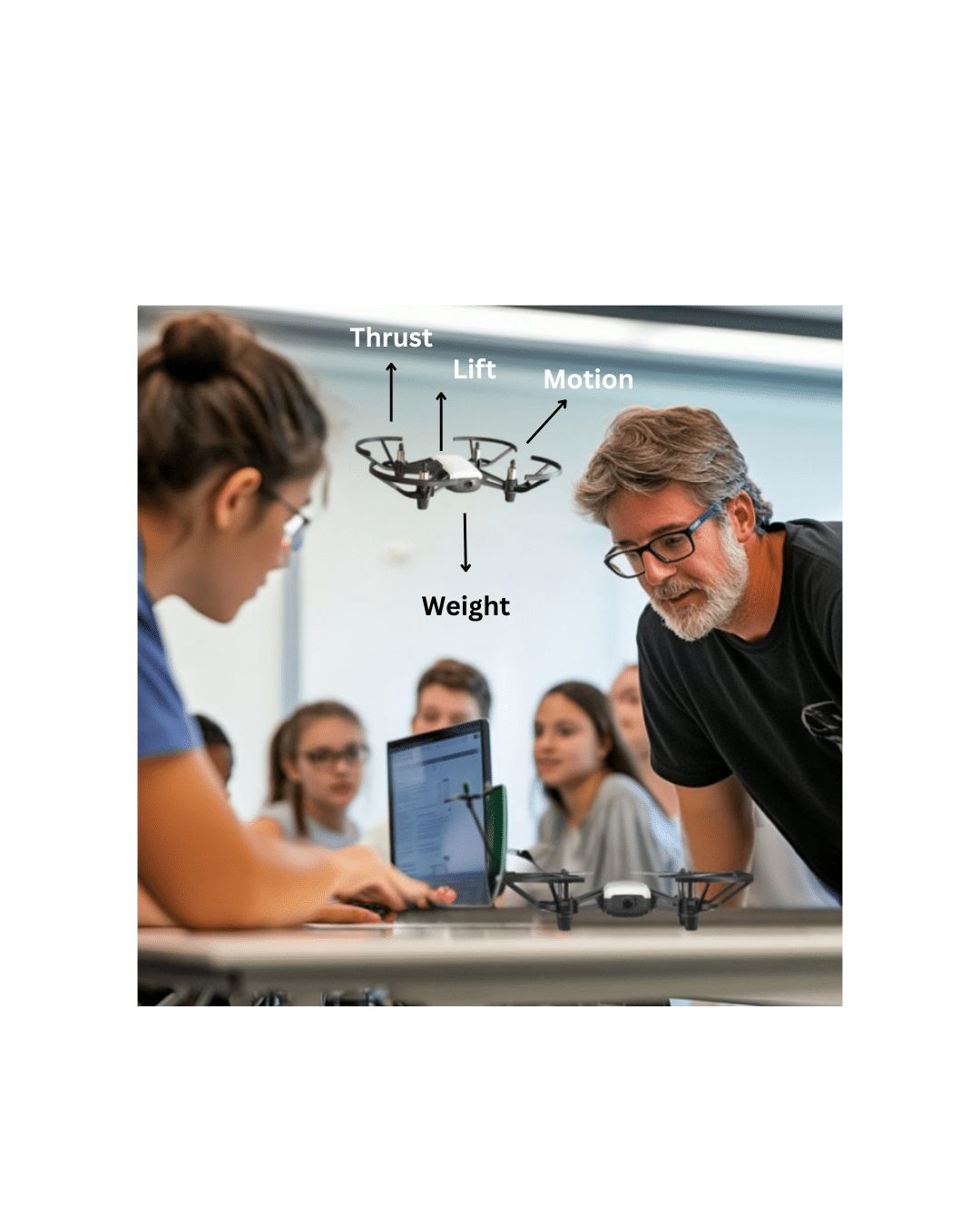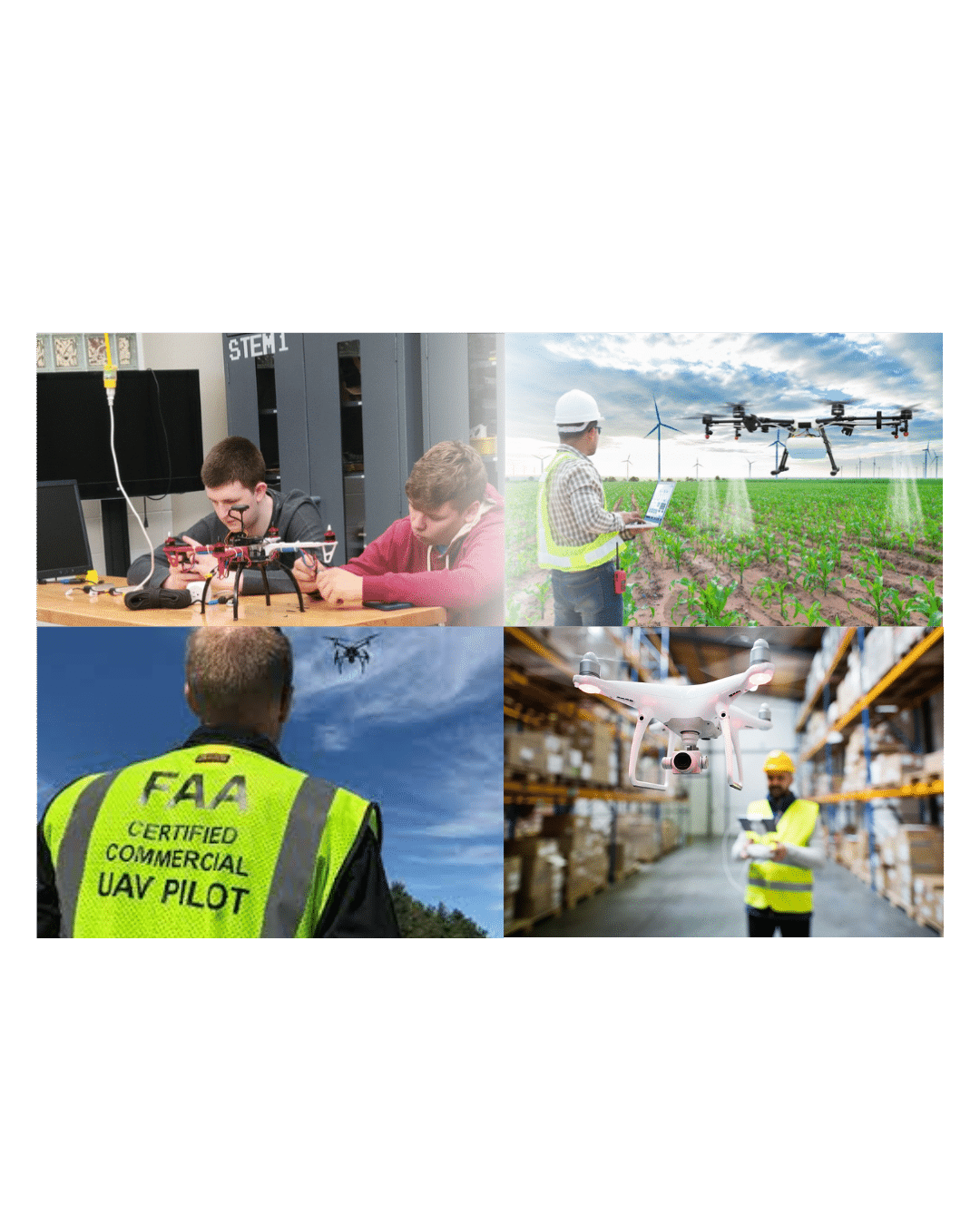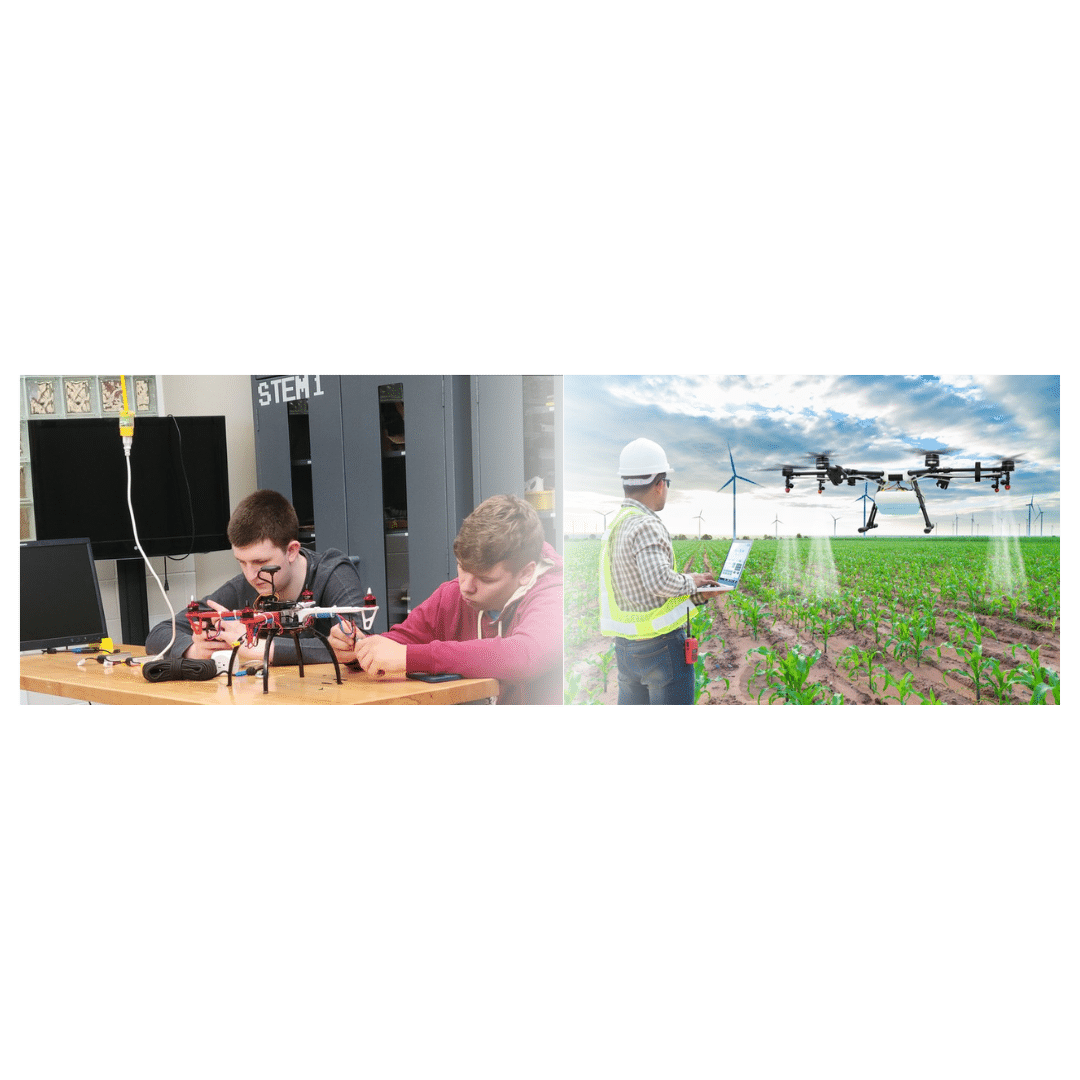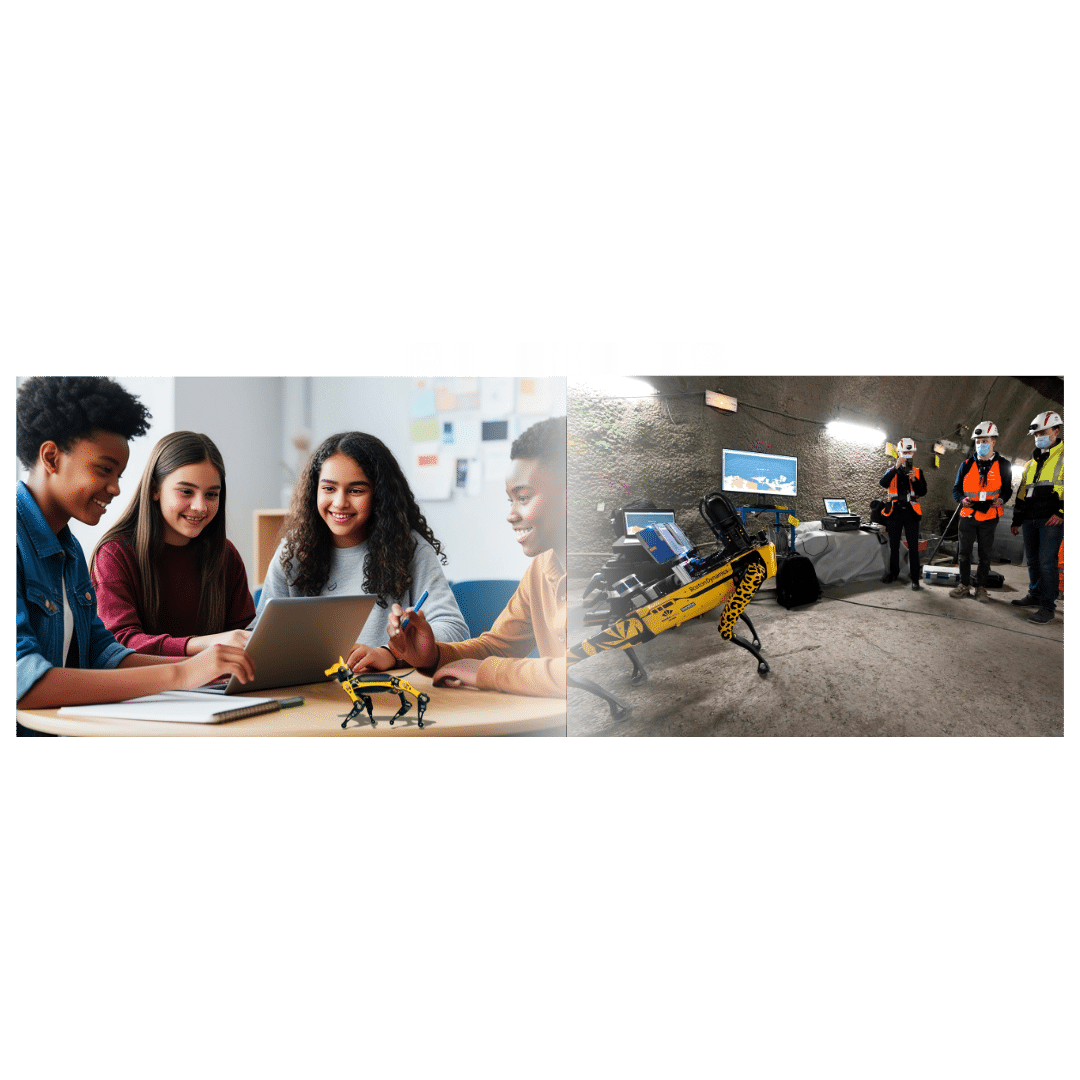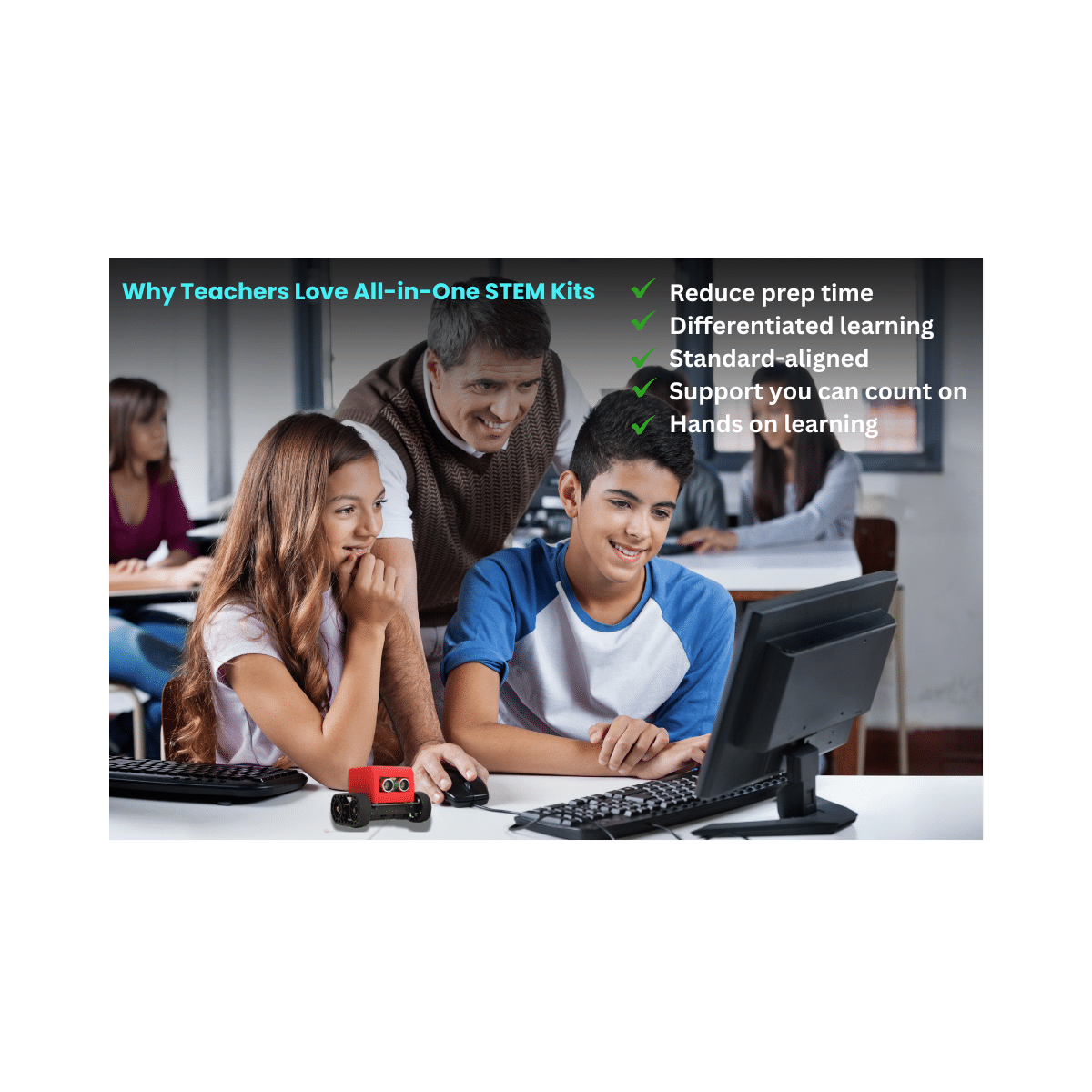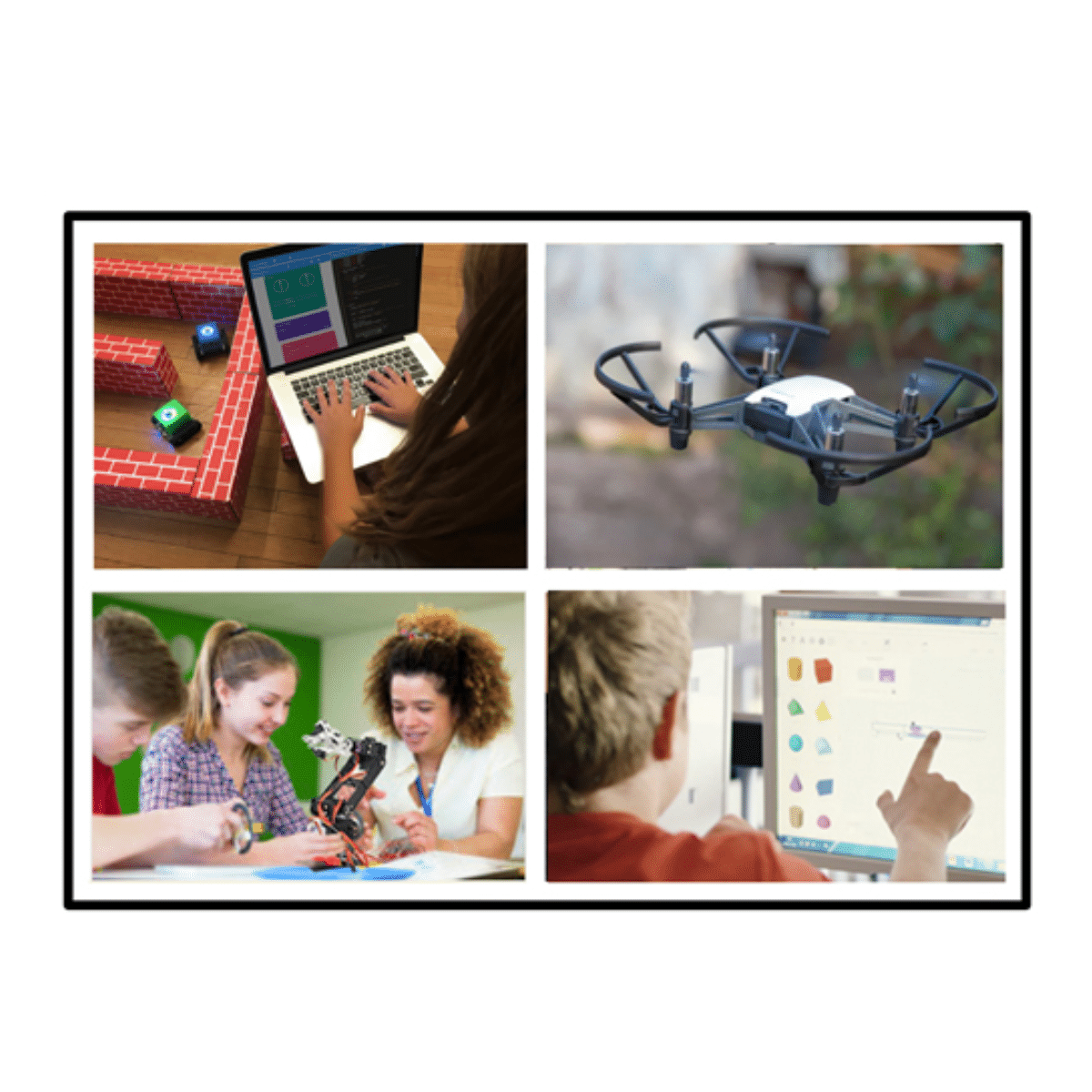


Schools across the country are looking for ways to deepen career awareness and provide meaningful hands-on learning in STEM and CTE. Perkins V funding has become one of the most reliable pathways to make those initiatives possible. Instead of relying solely on general budgets or one-time grants, educators are using Perkins V to build sustainable career exploration pathways tied to real workforce needs, especially when schools want to expand STEM programs that include drones, robotics, cybersecurity, esports, VR, and AI.
Why Perkins V Matters for Career Exploration
Perkins V (the Carl D. Perkins Career and Technical Education Act) focuses on preparing students for high-skill, high-wage, and in-demand careers. Its purpose goes beyond resourcing traditional CTE programs. Increasingly, districts are using it to:
- introduce students to STEM-aligned career clusters early
- support pathways that lead to industry-recognized skills and credentials
- build experiences tied to local labor needs
The emphasis is simple: career exploration should start early, be hands-on, and help students see pathways.
How Districts Are Applying Perkins V Funding
Districts are using Perkins V in practical, student-centered ways that support both learning and long-term planning.
1. Starting With Career Awareness in Middle School
Early exploration helps students make informed choices when selecting high school pathways. Many districts are using Perkins V funds to support:
- exploratory STEM and CTE electives
- hands-on learning labs
- STEM curriculum that connects learning to real careers
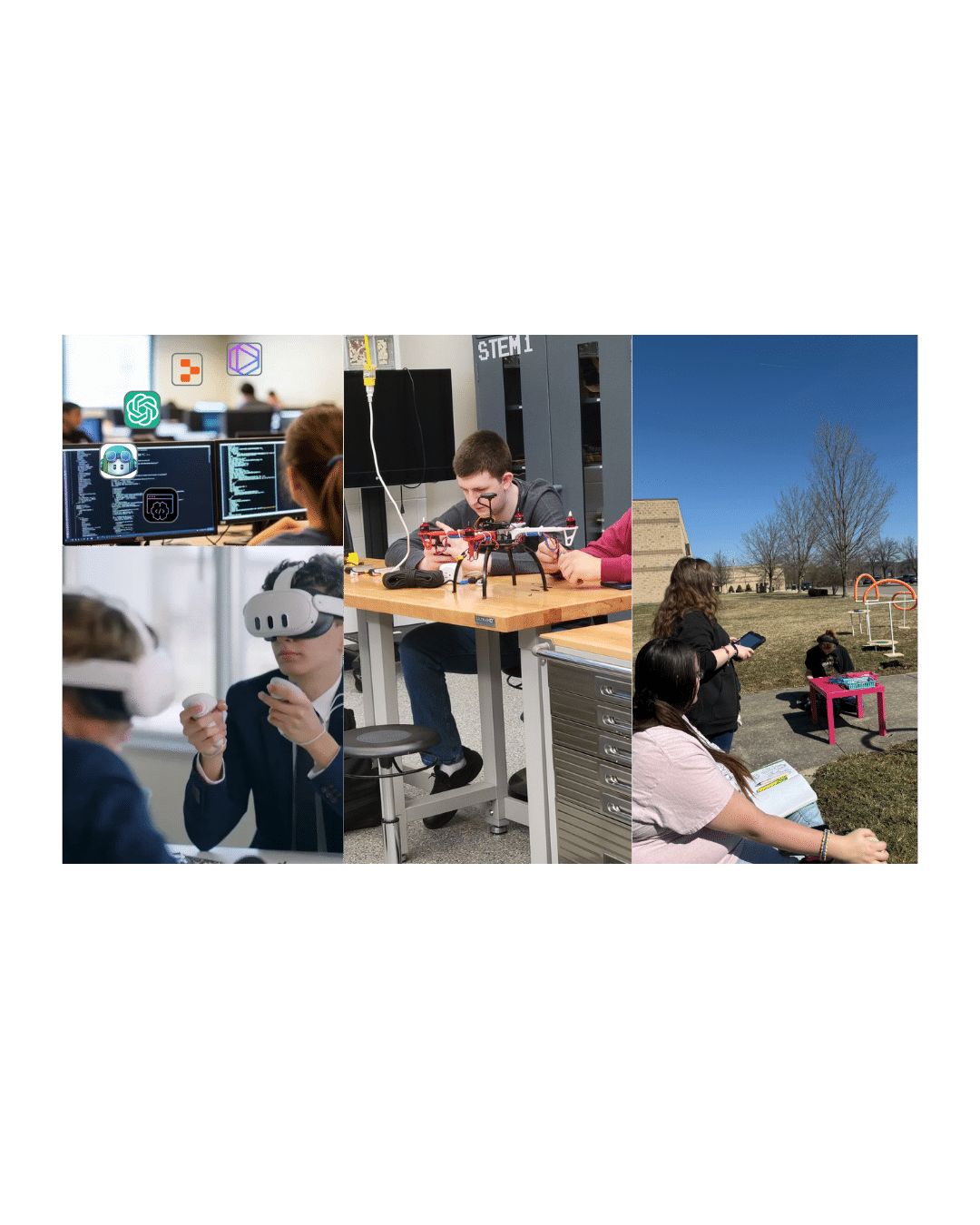
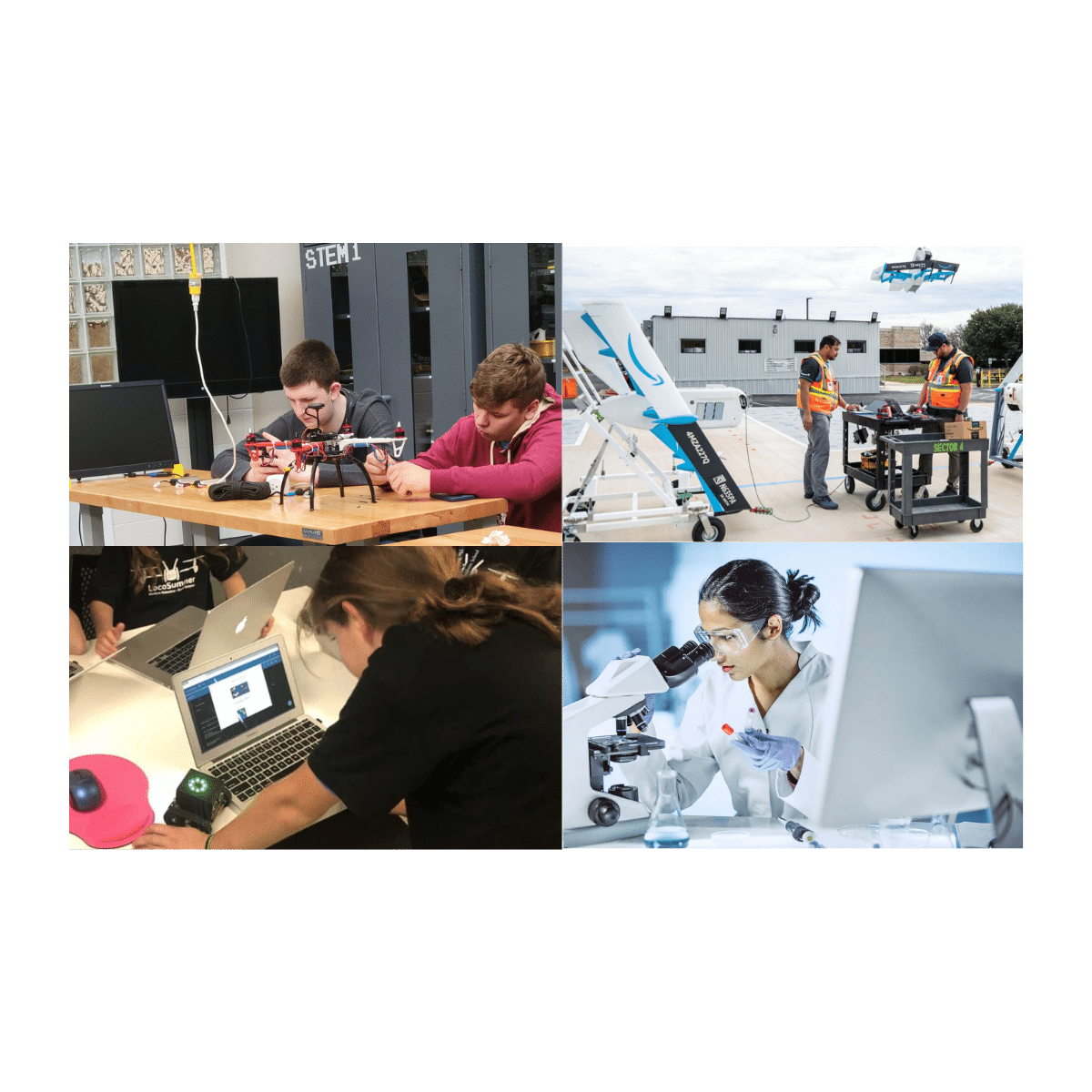
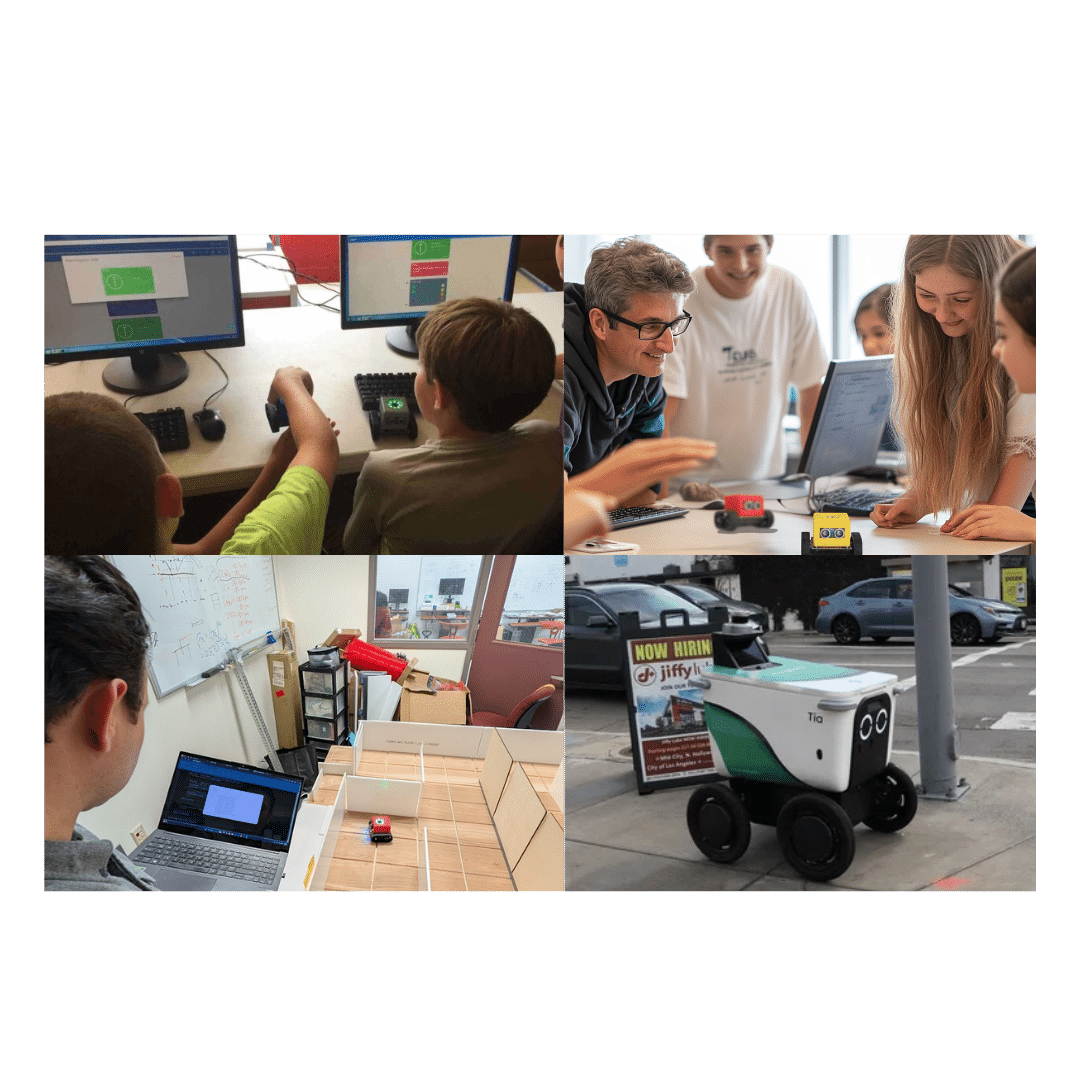
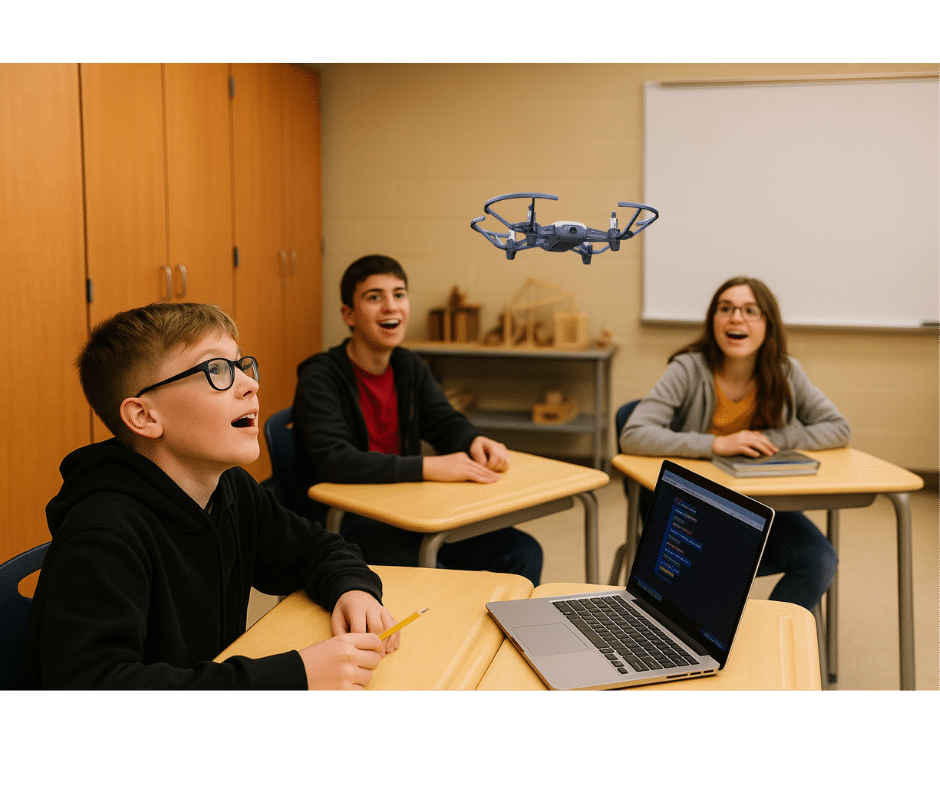
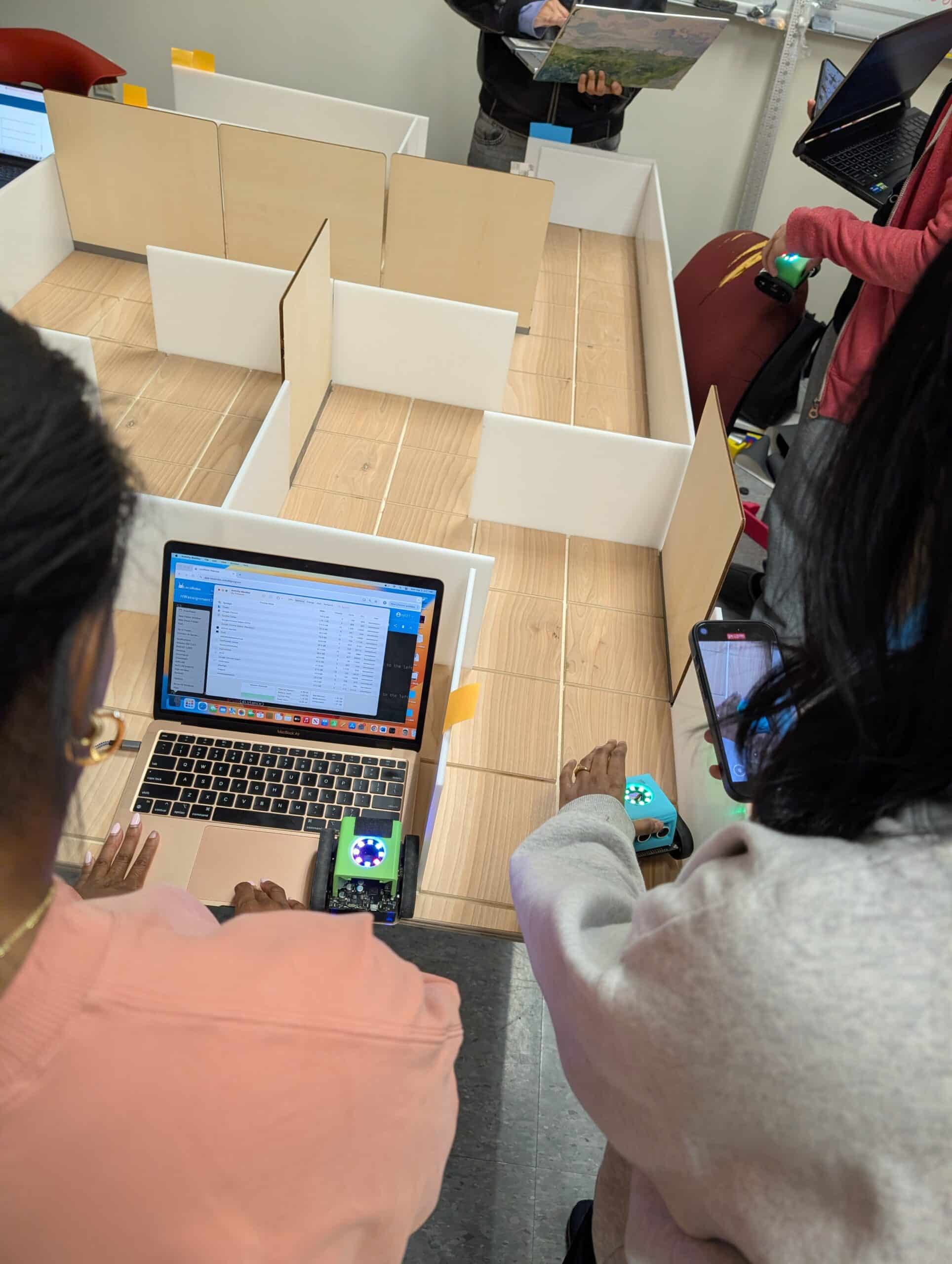
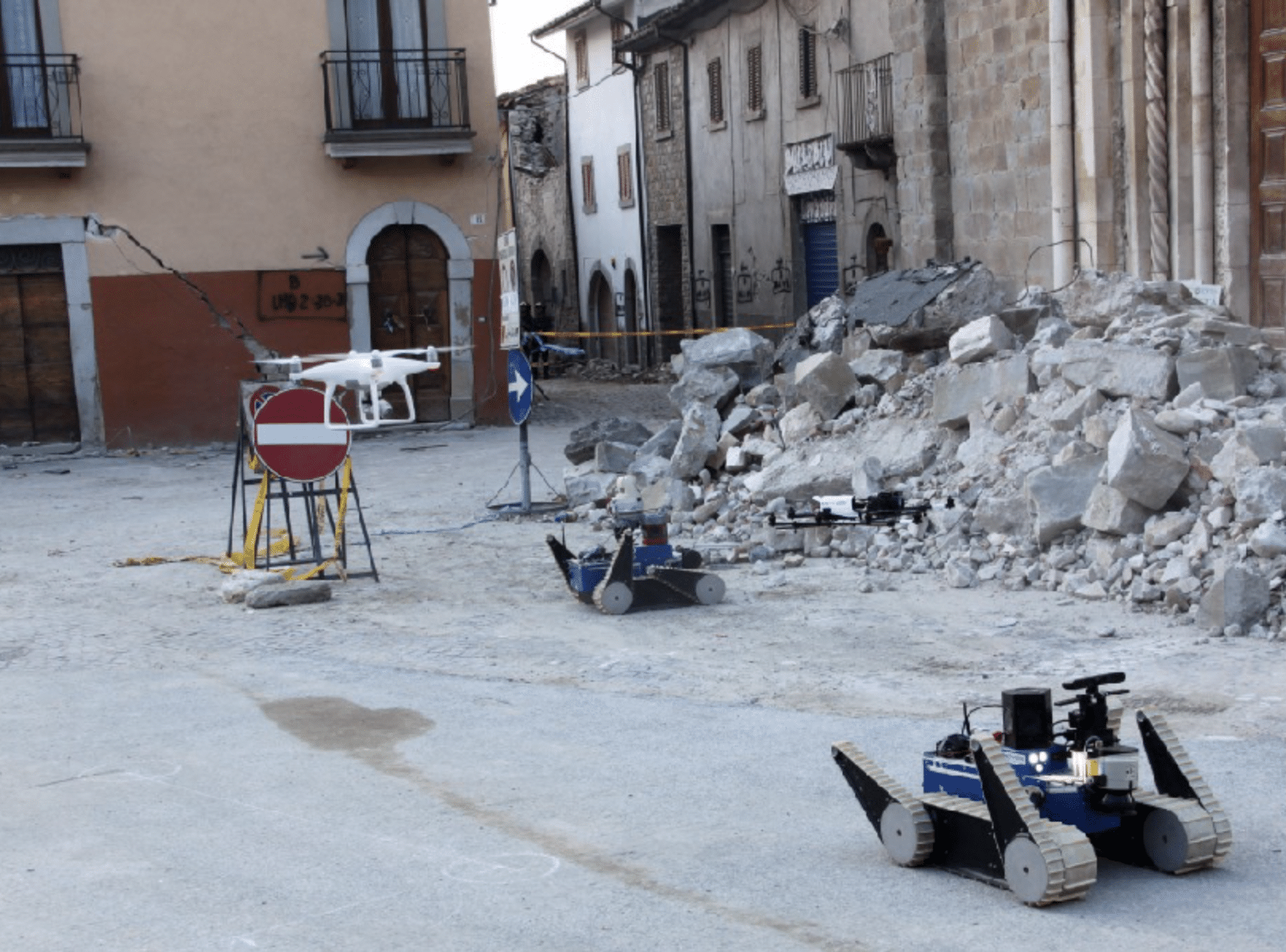
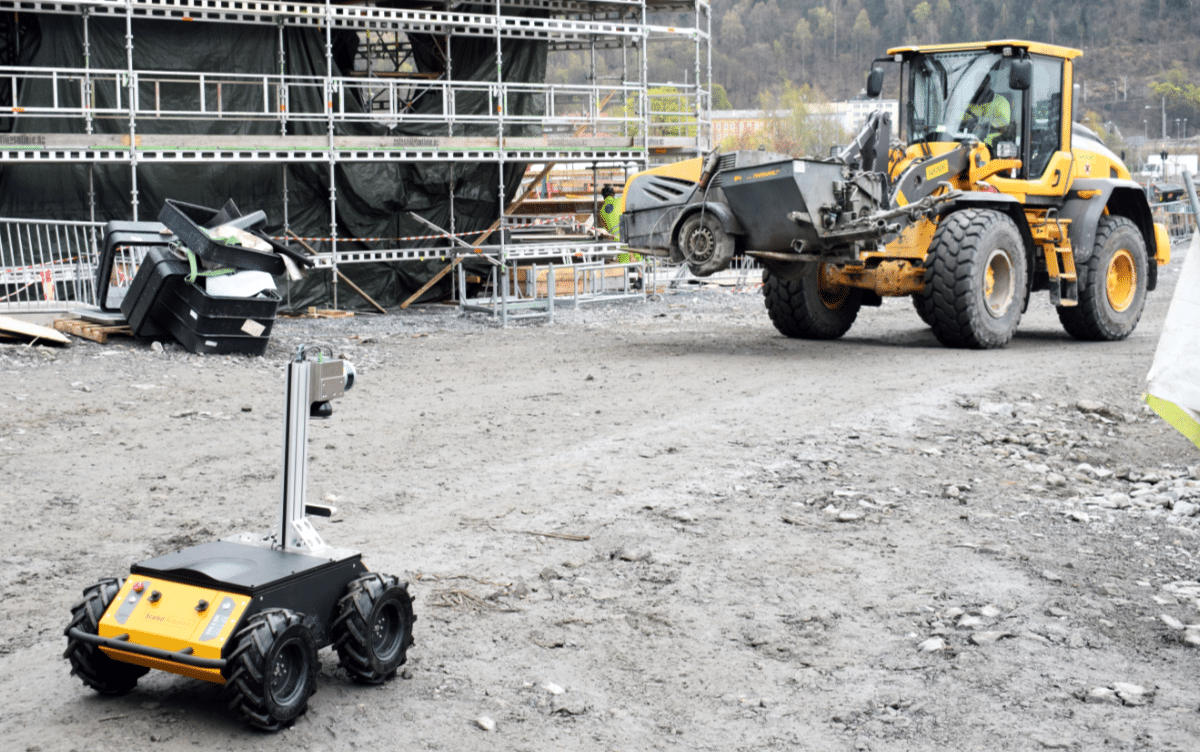
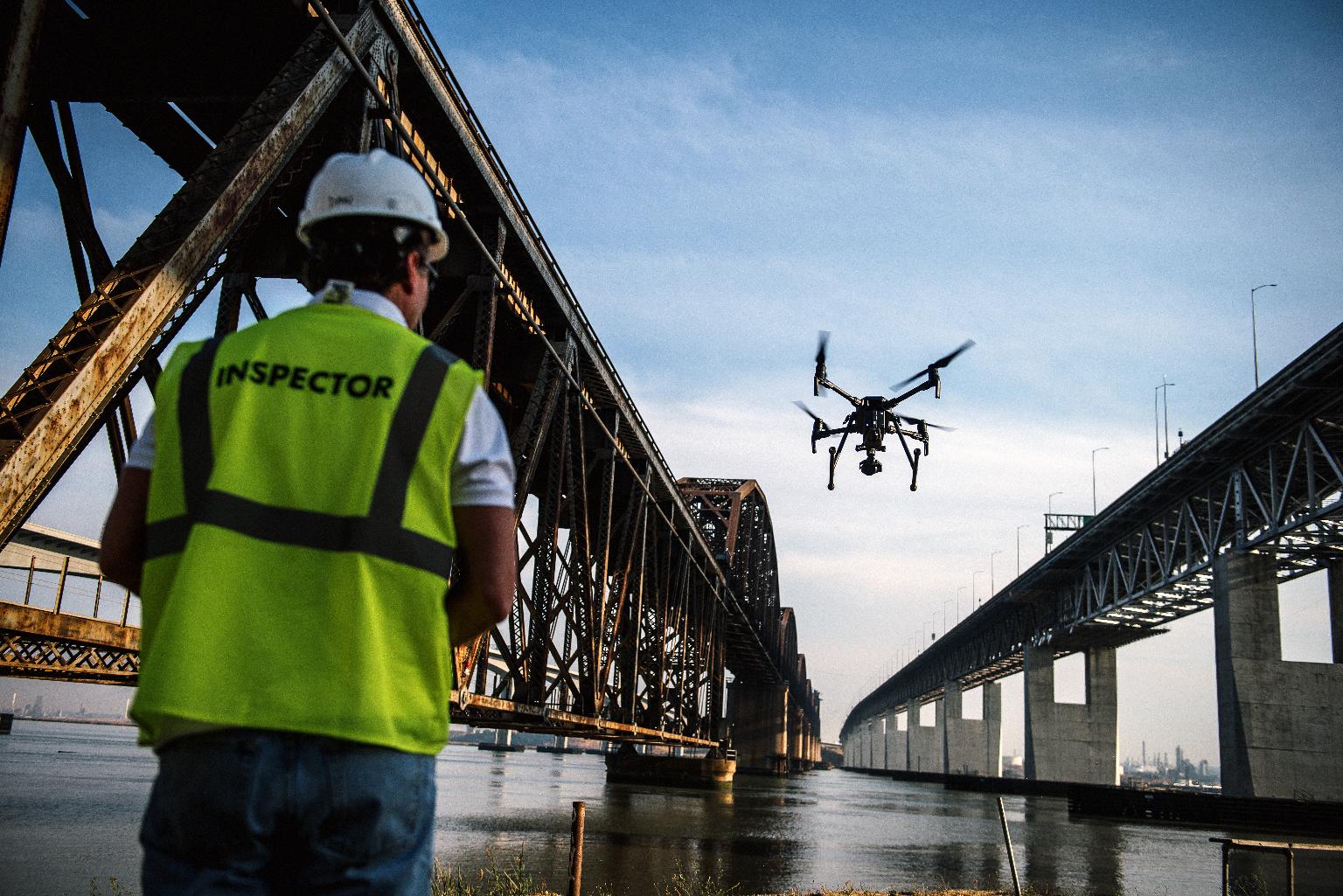
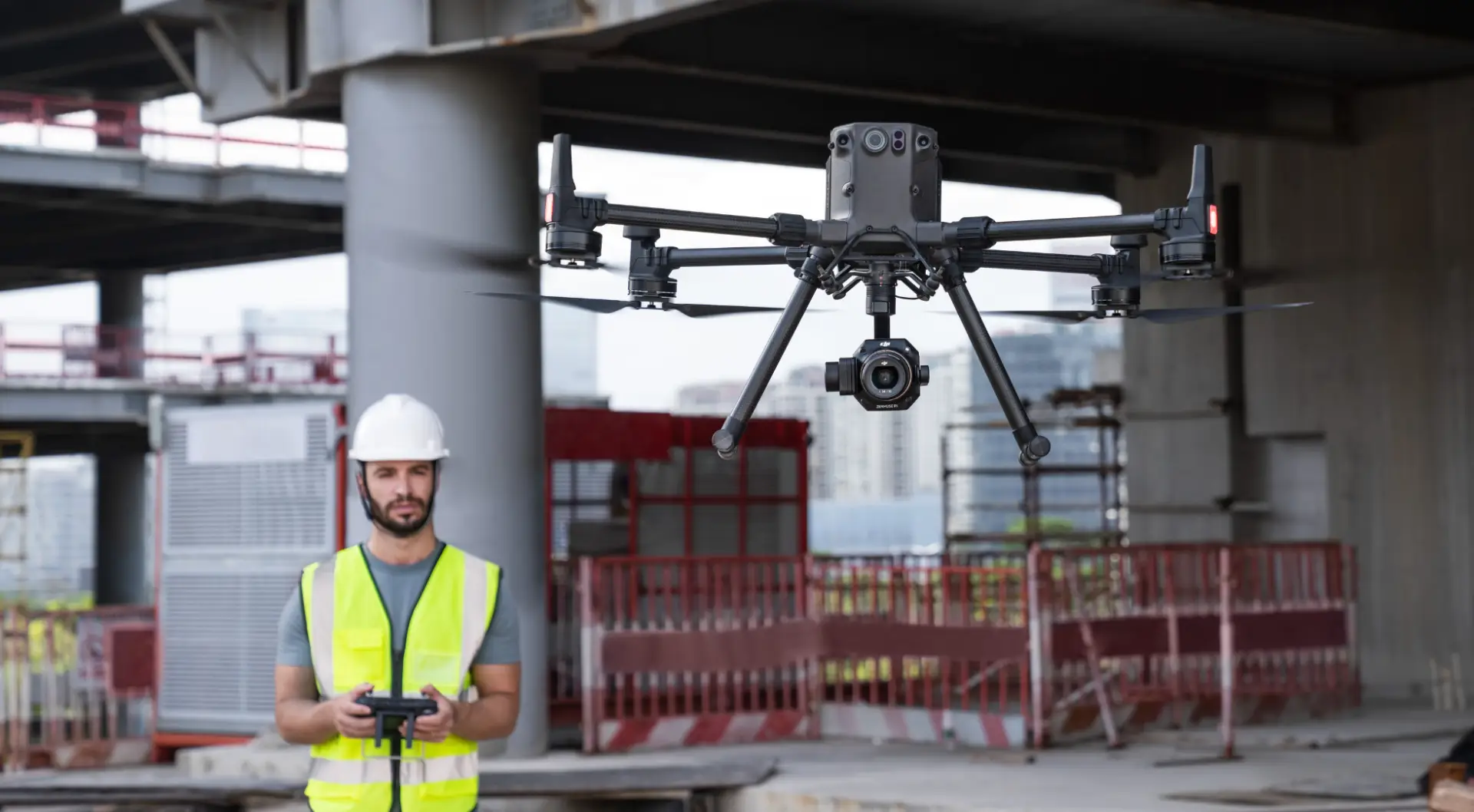
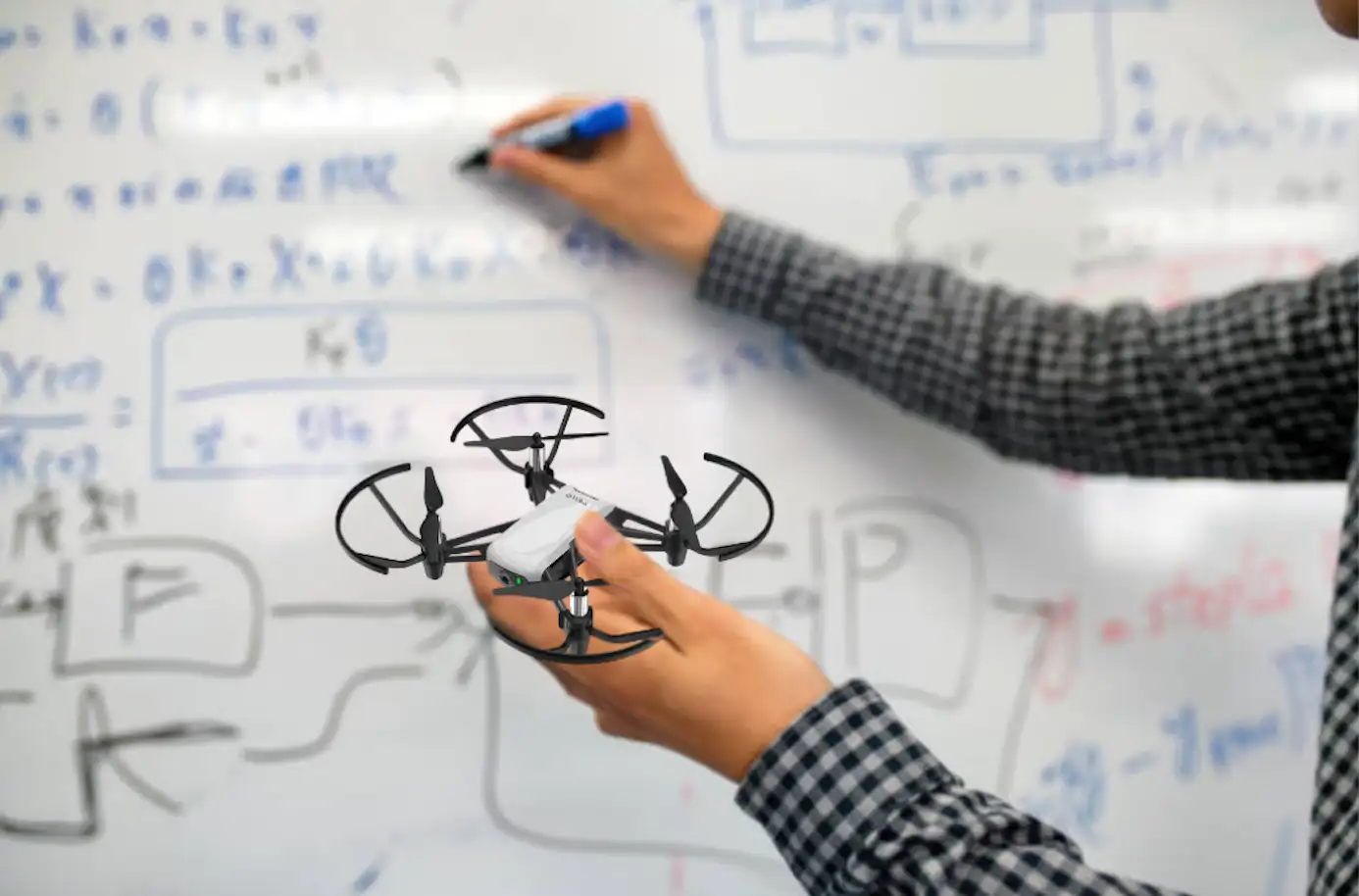
- robotics and drone education
This early exposure helps districts identify student demand before investing in full program pathways.
2. Scaling Equipment and Technology
Schools must provide access to equipment that reflects modern workplaces. Perkins V funding is helping purchase:
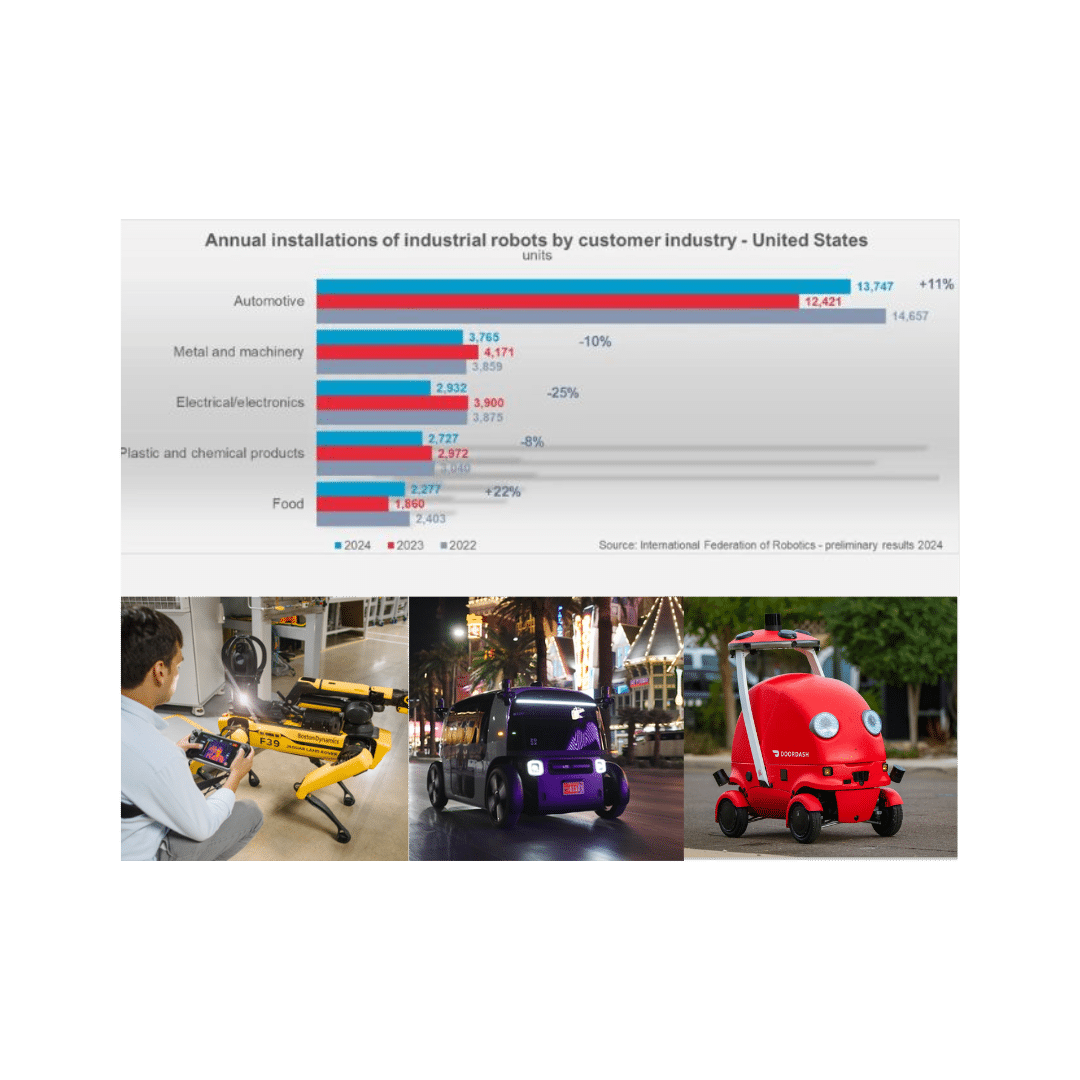
- K12 robotics platforms
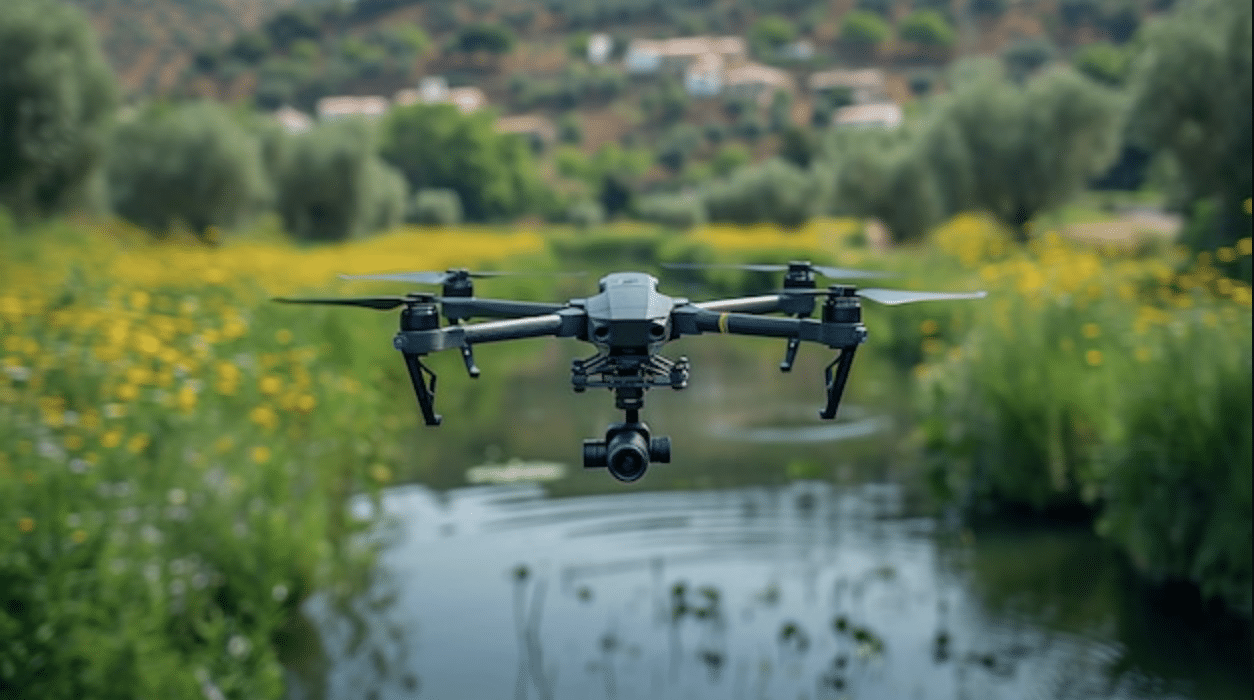
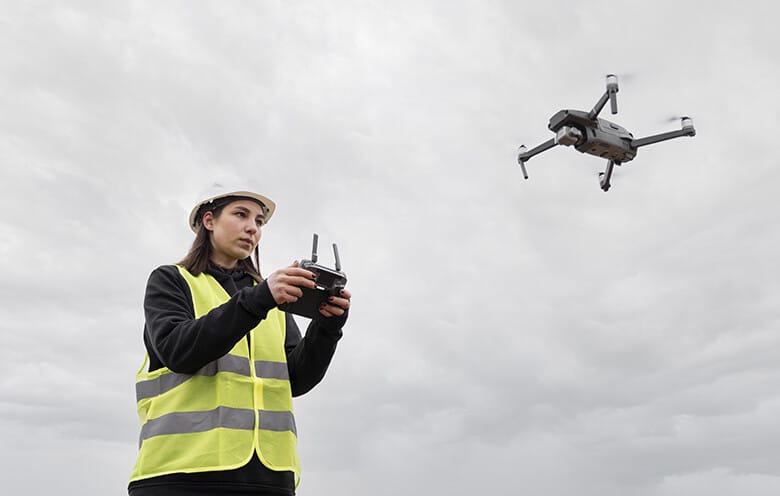
- drones for mapping, data collection, and coding
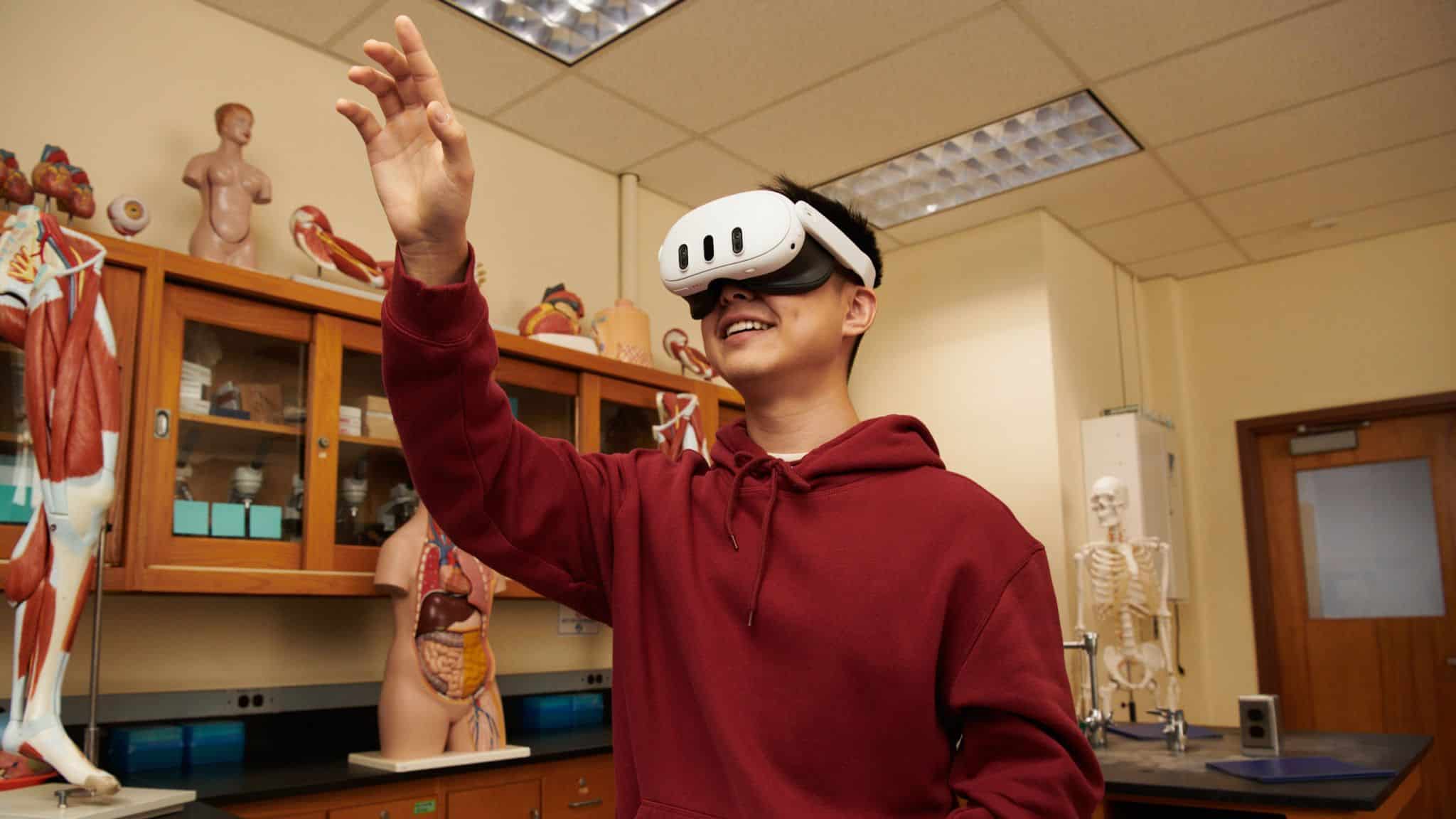
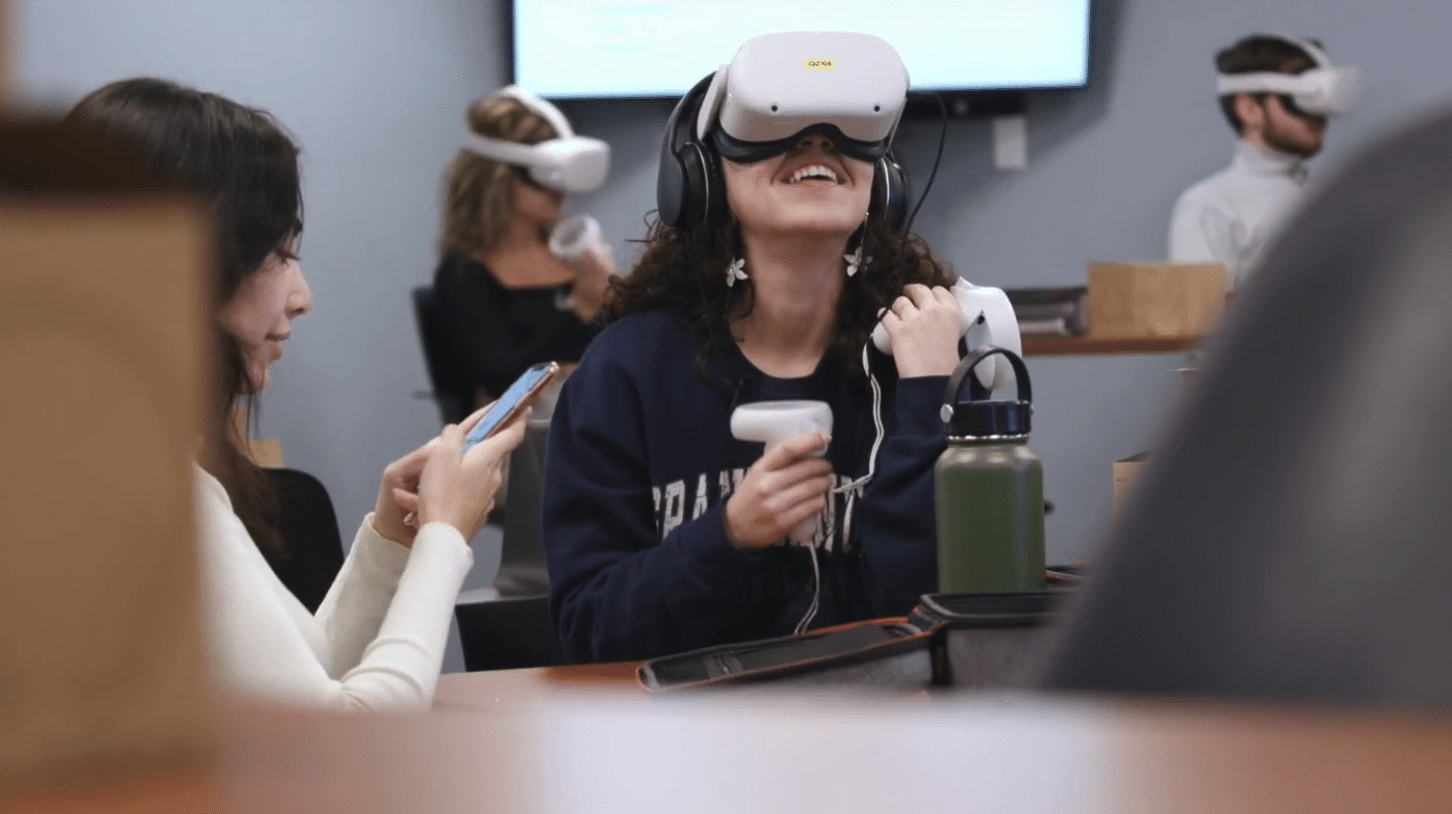
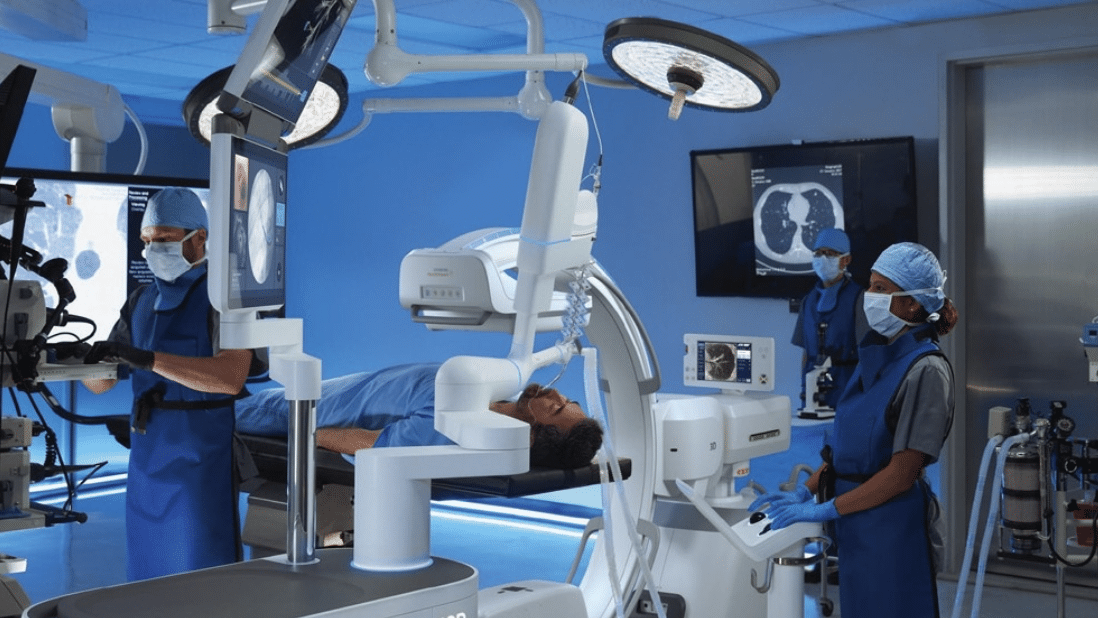
- simulation and VR kits
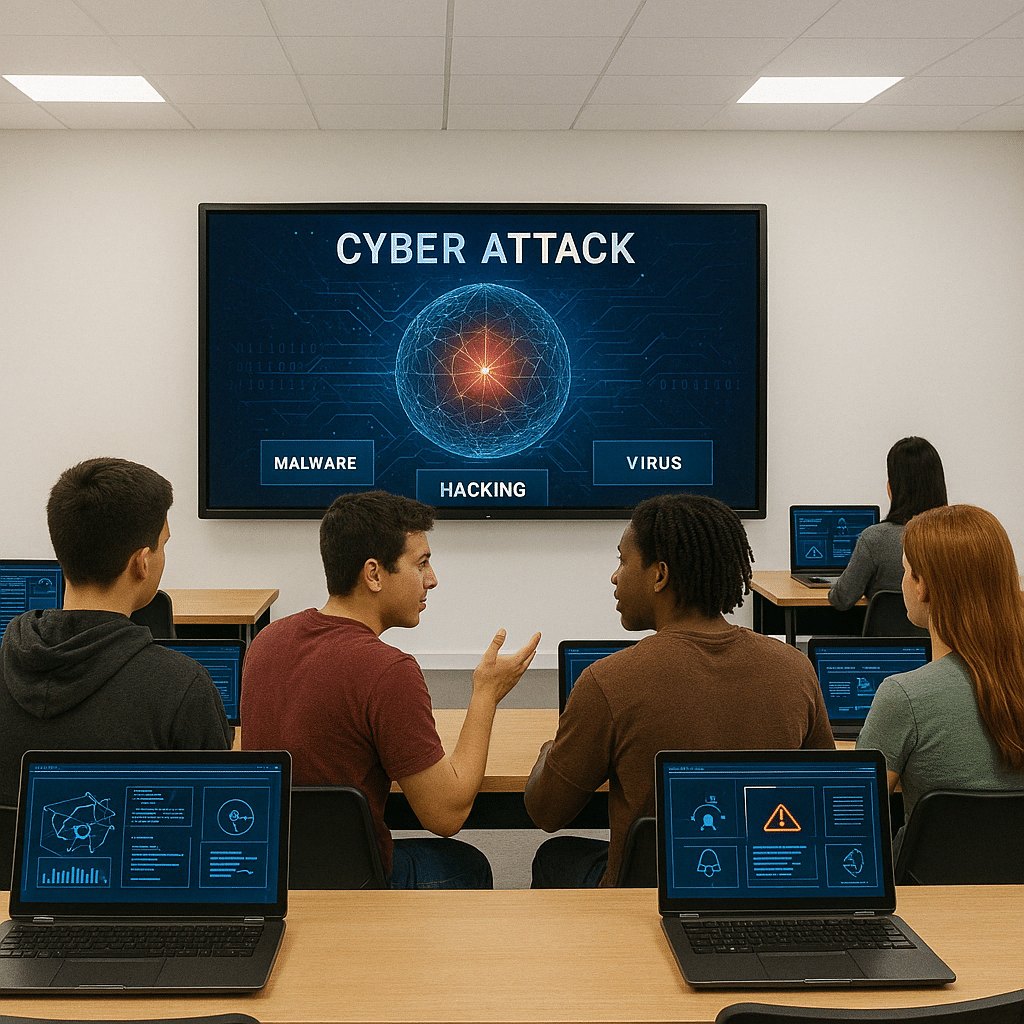
- cybersecurity kits
3. Supporting Teacher Training and Confidence
Career exploration programs rely on confident educators. Perkins V allows funding for:
- training on emerging tech
- curriculum implementation support
- workshops, conferences, and professional development
- certifications aligned to program needs
Many districts report that when educators feel supported, adoption and student engagement increase significantly.
5. Strengthening Pathways Across Grade Bands
More schools are using Perkins V to align programs from middle school through high school so students don’t experience isolated activities. A consistent pathway might look like:
- Grades 5–8: exploratory robotics, drones, and STEM labs
- Grades 9–10: foundational CTE electives
- Grades 11–12: industry-focused courses, certifications, and work-based learning
This structure gives students continuity, confidence, and purpose as they move from curiosity to informed career decisions.
6. Scaling What Works
Many schools start small, one class, one lab, or one grade level, and expand once they see student demand and instructional success. Perkins V allows districts to scale equipment, licenses, and training over multiple years, making long-term planning possible.
Ready to Map Funding to Your STEM and Career Exploration Goals?
We created a short, practical resource to help. Request the Funding Quick Guide: Perkins V & Title IV to see how your program ideas align with eligible spending, and how schools are using these funds to build sustainable career pathways.