
For generations, fireworks have been the centerpiece of celebrations. Whether it is New Year’s Eve, Independence Day, or major sporting events, bright explosions have symbolized moments worth remembering.
Today, a different kind of spectacle is capturing attention.
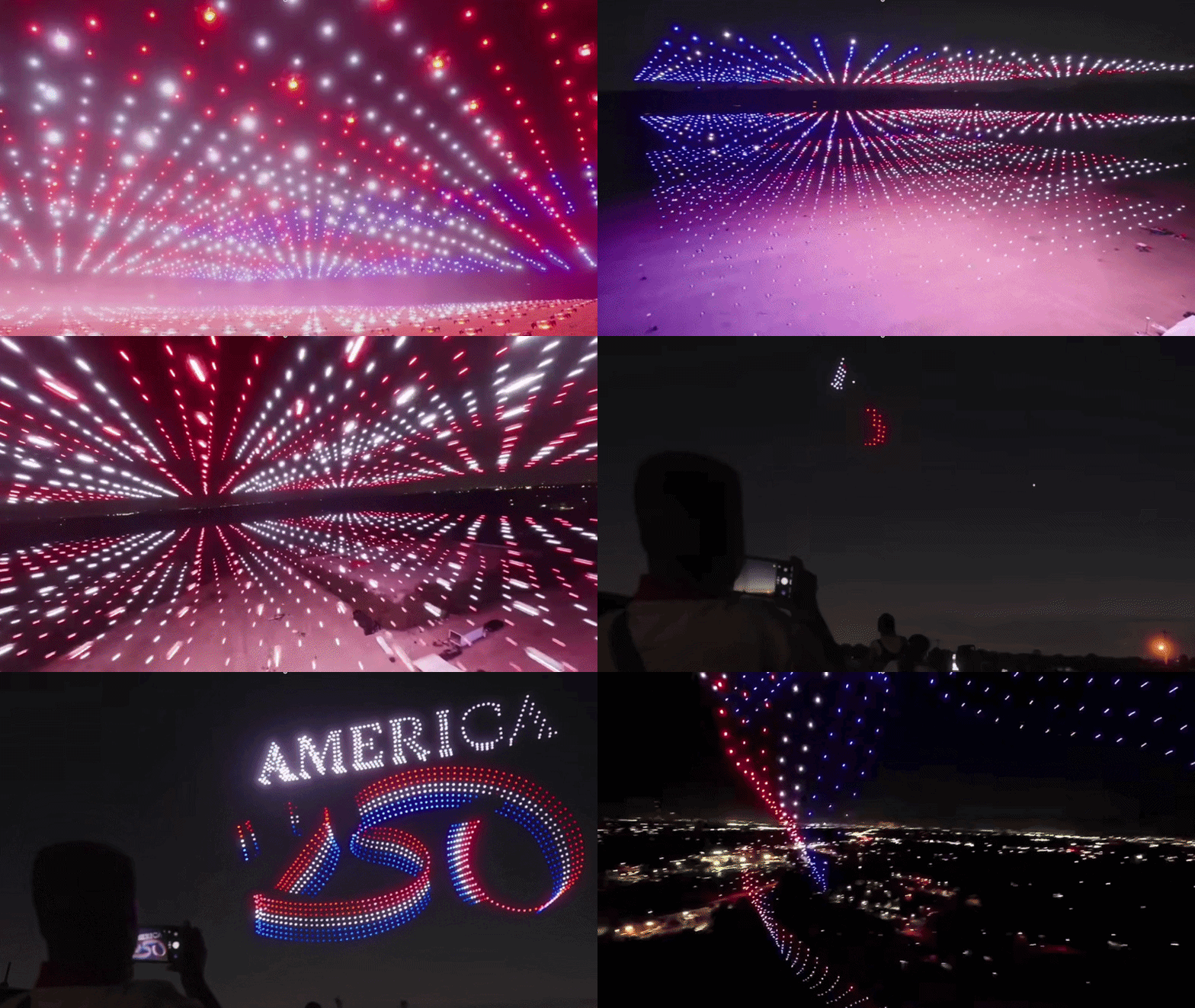
Instead of smoke and sparks, thousands of synchronized drones are painting pictures across the night sky. Birds soar, flags wave, rockets launch, and historical figures appear, all created by hundreds or even thousands of drones working together.
The recent Fourth of July celebrations honoring America’s 250th anniversary showcased just how far drone technology has come. Massive drone performances demonstrated that aerial storytelling has entered a new era where robotics, AI, and creativity come together.
More Than Lights in the Sky
A drone light show is far more than a collection of flying drones with LEDs.
Each drone acts like a single pixel on a giant digital display. Individually, each drone performs a simple task. Together, they create animations that stretch hundreds of feet across the sky.
Unlike fireworks, drone formations can:
- Display logos and text
- Animate moving characters
- Change colors instantly
- Tell complete visual stories
- Transition smoothly between scenes
- Repeat performances with incredible precision
Every drone follows a carefully planned flight path while continuously maintaining its position relative to hundreds or thousands of others.
The result is what many now call “flying pixels.”
Where AI Fits Into the Picture
While the synchronized movement is impressive, artificial intelligence is becoming one of the biggest reasons these shows continue to evolve.
Planning a large drone performance used to require significant manual work. Designers had to determine where every drone should fly at every moment of the show.
AI is beginning to automate much of that process.
Researchers recently introduced AI systems capable of generating drone choreographies directly from text prompts while ensuring that flight paths remain smooth, realistic, and collision-free. These systems can automatically convert creative ideas into coordinated drone formations. (https://arxiv.org/abs/2606.25458)
Instead of simply asking:
“Where should Drone #842 move?”
AI can optimize the entire performance by considering:
- Flight efficiency
- Safe spacing between drones
- Smooth animation
- Formation transitions
- Collision avoidance
- Battery limitations
This allows designers to spend more time focusing on storytelling while AI helps manage the complex mathematics behind thousands of moving aircraft.
Swarm Robotics in Action
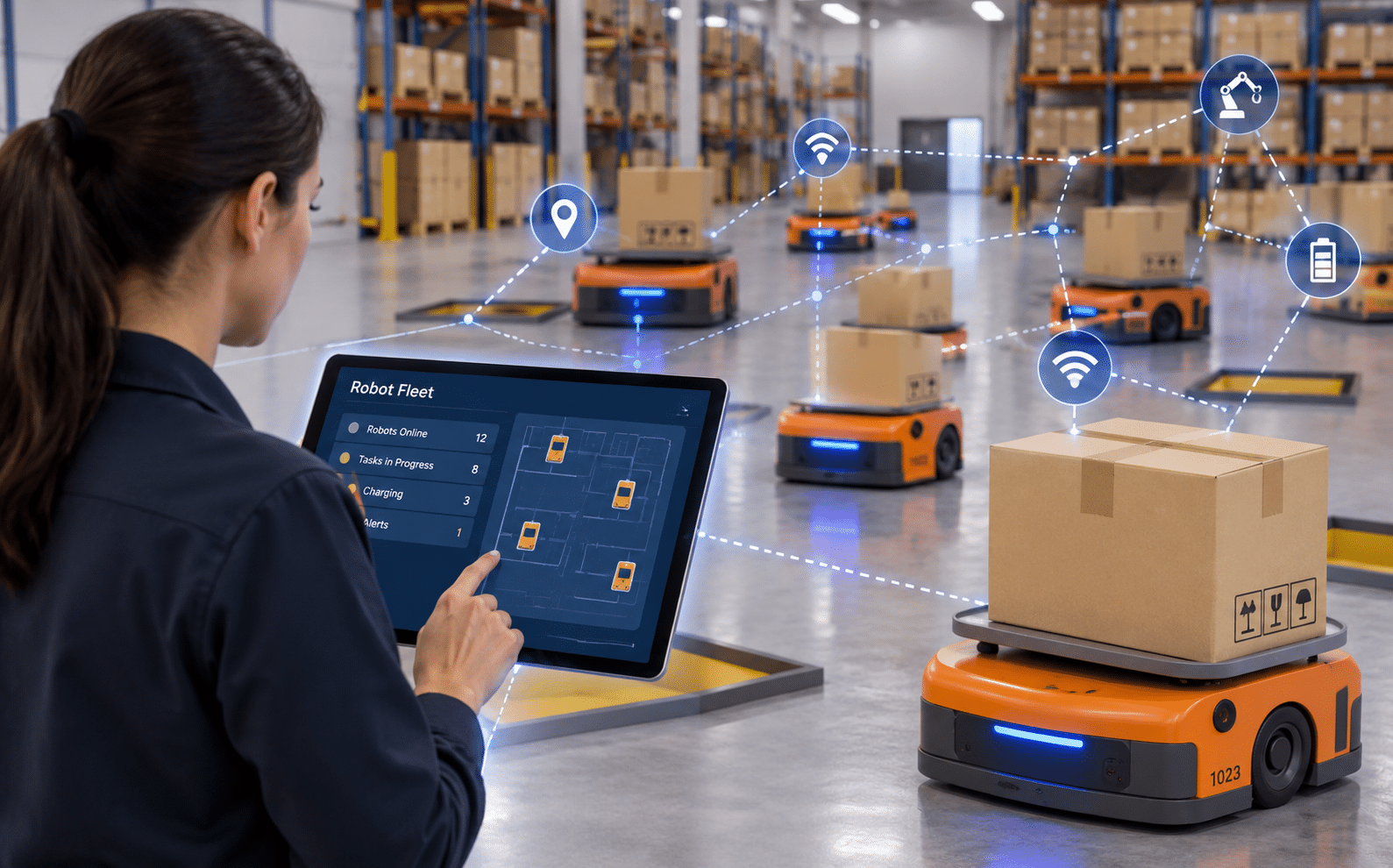
One of the most fascinating aspects of drone shows is that they demonstrate swarm robotics in a highly visible way.
Swarm robotics studies how large groups of robots work together to complete tasks that would be impossible individually.
Rather than acting independently, every drone contributes to a larger objective.
Students studying robotics education can immediately recognize concepts such as:
- Autonomous navigation
- Distributed systems
- Path planning
- Wireless communication
- GPS positioning
- Real-time synchronization
A drone show is essentially a giant robotics project taking place hundreds of feet above the audience.
Why Drone Shows Keep Growing
More cities and organizations are adding drone performances to public events for several reasons.
Reusable Technology
Unlike fireworks, drones return to the ground after the performance and can be used again for future events.
Creative Freedom
Fireworks are beautiful, but drones can create recognizable images, animations, and messages that tell a story.
Reduced Noise and Pollution
Drone shows operate much more quietly than traditional fireworks, making them attractive for communities looking to reduce noise during celebrations.
Continuous Innovation
As drone hardware, batteries, positioning systems, and AI continue improving, shows become larger, more detailed, and more immersive every year. Many cities are increasingly incorporating drone displays alongside or in place of fireworks for these reasons.
What Students Can Learn From Watching One
It is easy to see a drone show as entertainment.
Educators see something more.
Behind every formation are concepts taught in STEM, computer science, engineering, and CTE classrooms.
Students can connect drone shows to topics including:
- Programming
- Robotics
- Artificial intelligence
- Physics
- Computer vision
- Coordinate geometry
- Systems engineering
- Aerospace technology
Seeing thousands of drones fly in perfect synchronization often sparks an important question:
How does that actually work?
That curiosity can become the starting point for deeper learning about the technologies shaping modern industries.
Bringing Drone Innovation Into the Classroom
The spectacular drone shows lighting up celebrations around the world highlight how drones, robotics, AI, and autonomous systems are becoming part of everyday life. They also offer a glimpse into the skills students will need in tomorrow’s workforce.
LocoRobo’s drone education ecosystem helps schools bring those concepts into the classroom through hands-on drone curriculum for schools. Students can explore drone programming, autonomous flight, engineering design, and AI-powered applications using classroom-ready hardware, standards-aligned drone curriculum, and educator support designed for K-12 programs.