
Today’s students have never known a world without search engines, smartphones, or instant access to information. They learn, communicate, and solve problems in ways that are fundamentally different from previous generations. While traditional teaching methods still have an important place in education, today’s classrooms also need learning experiences that reflect how students interact with technology every day.
Artificial intelligence and robotics are helping schools bridge that gap. Rather than replacing teachers, these technologies create opportunities for more engaging, hands-on, and personalized learning that prepares students for the future.
Today’s Students Learn Differently
The digital generation is accustomed to interactive experiences. They expect immediate feedback, collaboration, visual learning, and opportunities to explore concepts through experimentation.
This shift presents both a challenge and an opportunity for educators.
Instead of relying solely on lectures and worksheets, classrooms can incorporate technologies that encourage students to actively participate in the learning process. AI and robotics provide exactly that.
When students build, program, test, and improve intelligent systems, they become active problem-solvers rather than passive learners.
AI Makes Learning More Interactive
Artificial intelligence is changing the way students explore ideas and solve problems.
Rather than simply looking up answers, students can use AI to:
- Analyze data and identify patterns
- Brainstorm project ideas
- Generate code and debug programs
- Explore real-world scenarios
- Practice critical thinking by evaluating AI-generated responses
Just as importantly, students develop the ability to question information, verify sources, recognize bias, and use AI responsibly.
These are essential skills that extend far beyond computer science classrooms.
Robotics Brings Learning to Life
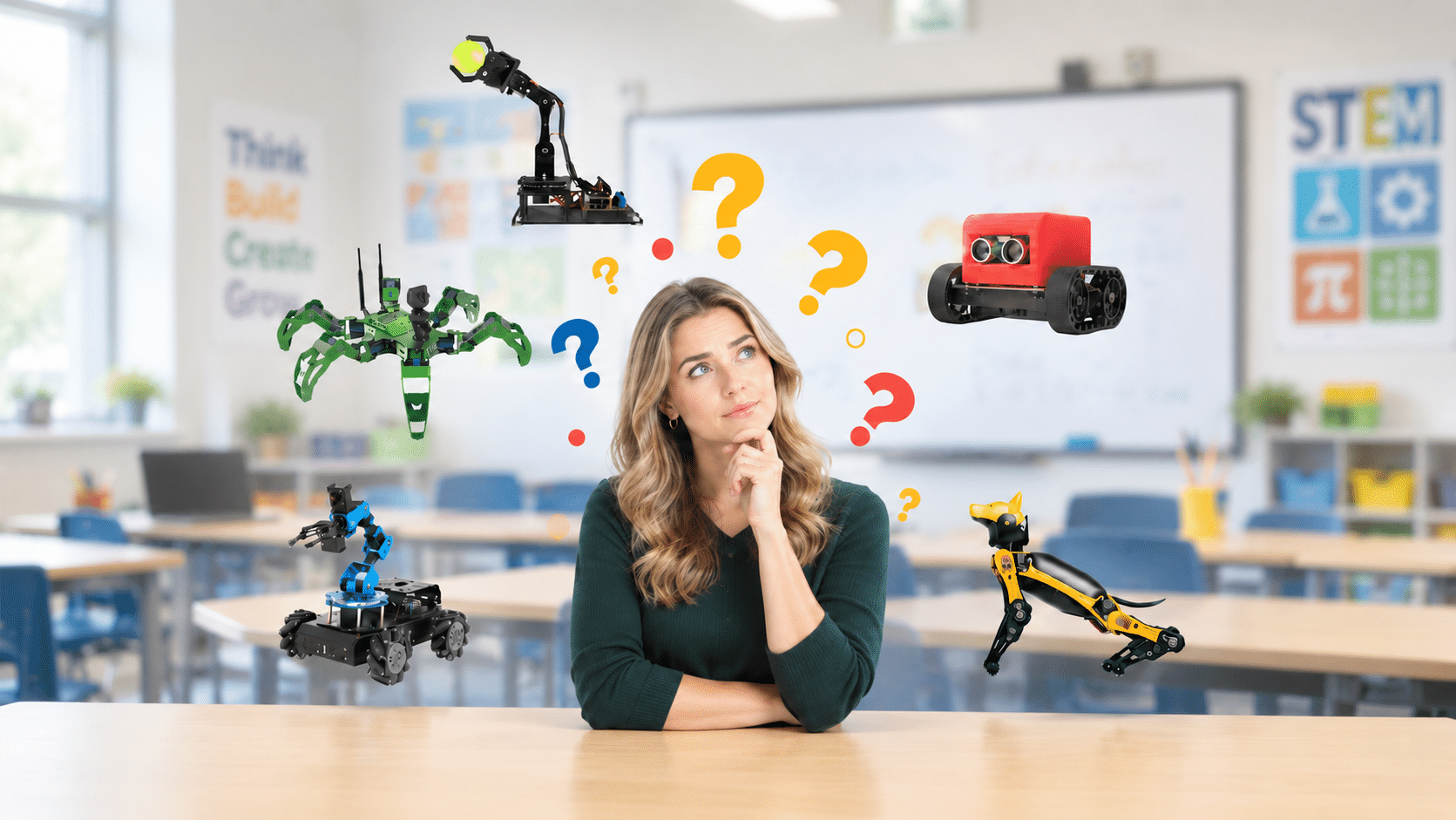
While AI in the classroom introduces intelligent decision-making, robotics gives students something tangible to build and control.
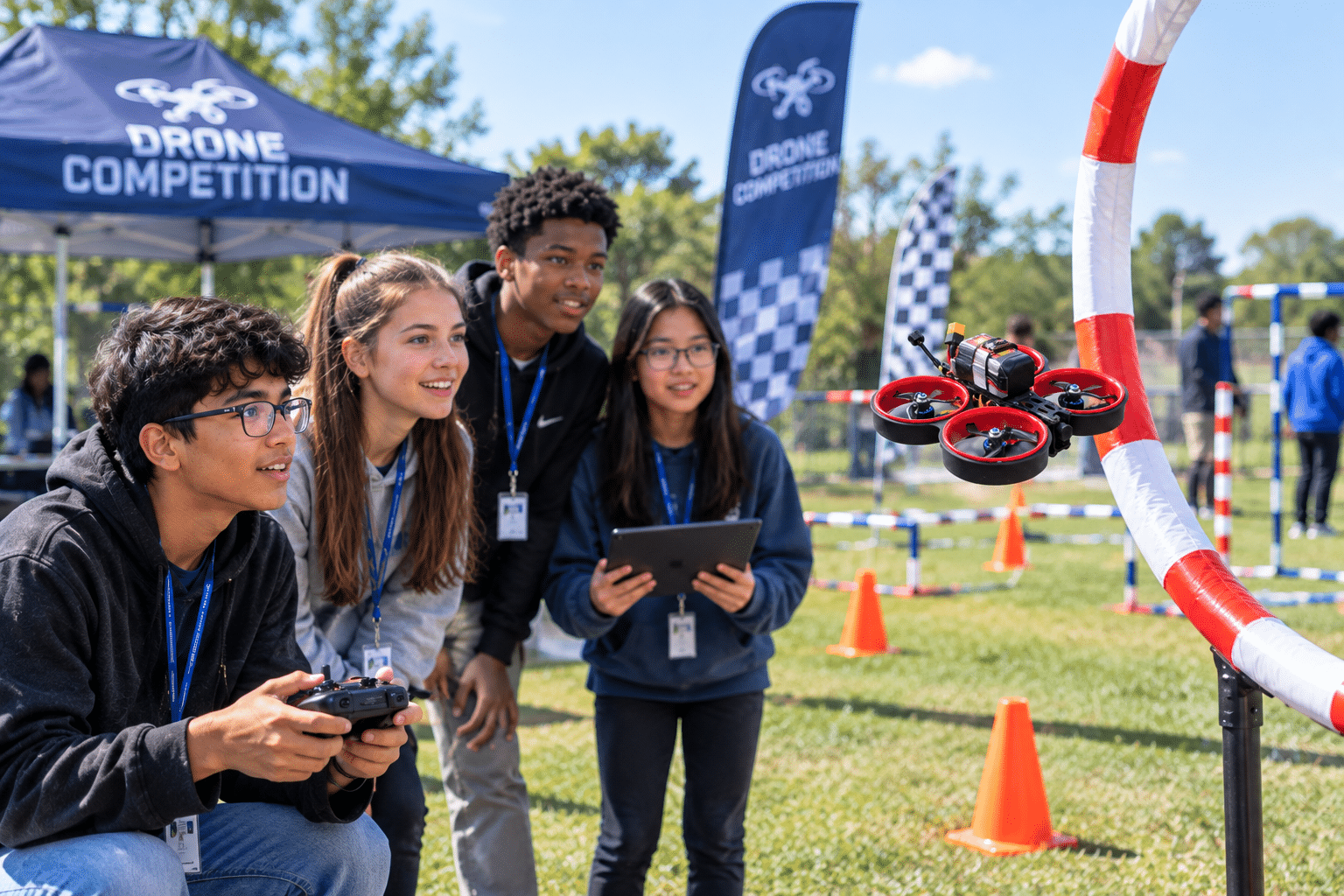
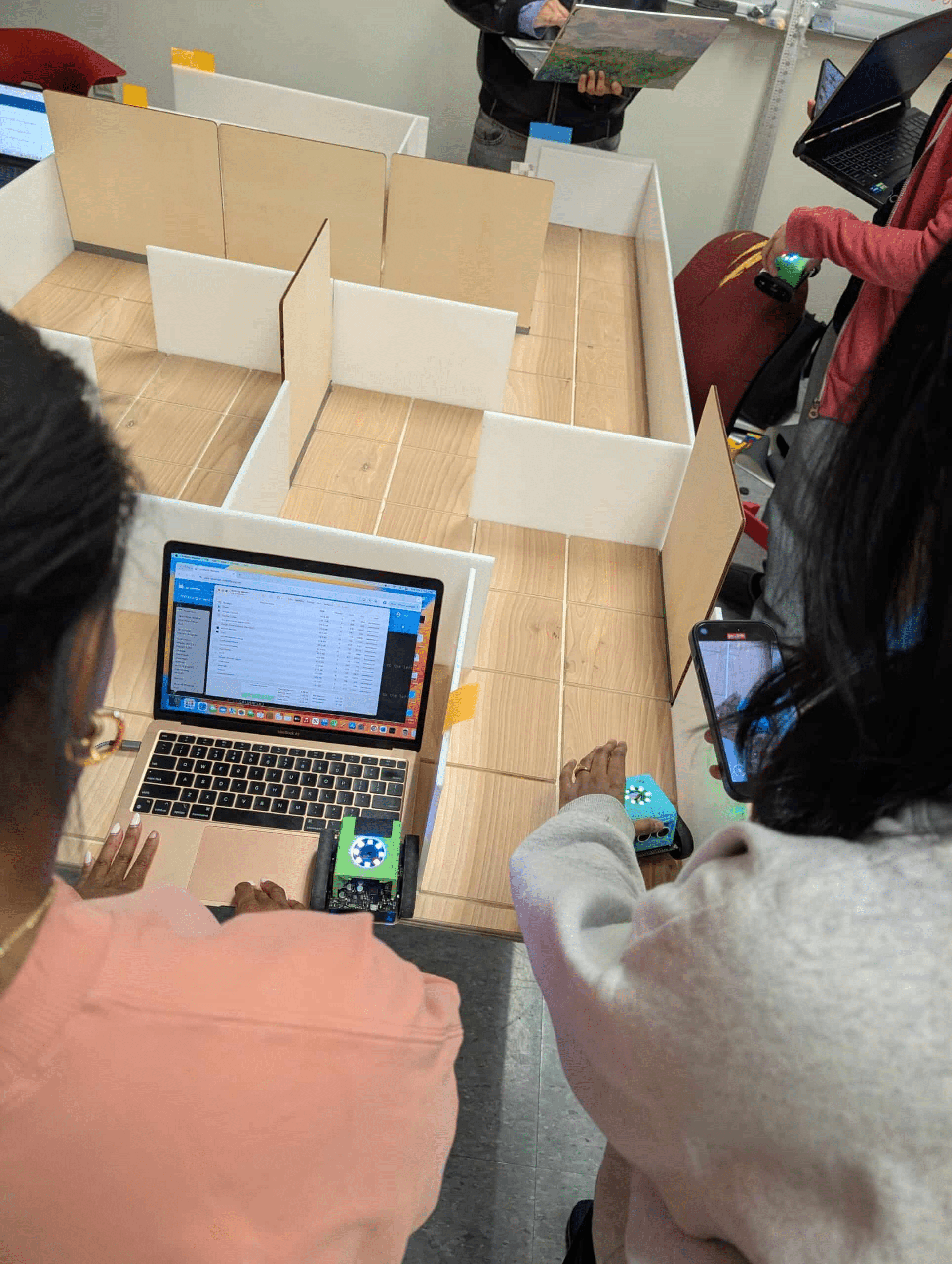
Students can watch their code produce real-world actions as robots:
- Navigate obstacle courses
- Respond to sensors
- Complete autonomous missions
- Perform object detection
- Work together to solve challenges
This immediate connection between software and physical movement makes abstract STEM concepts much easier to understand.
Students experience engineering, mathematics, programming, and problem-solving in a way that textbooks alone cannot provide.
Teachers Become Learning Coaches
One of the biggest misconceptions about AI in education is that it replaces teachers.
In reality, AI allows educators to spend more time doing what matters most.
When routine tasks such as generating practice questions, creating lesson variations, or providing initial feedback become easier, teachers gain more time for:
- Supporting individual students
- Facilitating collaborative projects
- Leading discussions
- Encouraging creativity
- Building meaningful classroom relationships
Technology handles repetitive work while teachers focus on instruction, mentorship, and student growth.
Real-World Skills Start in the Classroom
Employers across industries increasingly value skills such as:
- Computational thinking
- Programming
- Data literacy
- AI fundamentals
- Automation
- Collaboration
- Communication
- Adaptability
Students do not develop these skills simply by reading about technology.
They develop them by designing solutions, building robots, experimenting with AI tools, troubleshooting problems, and learning through iteration.
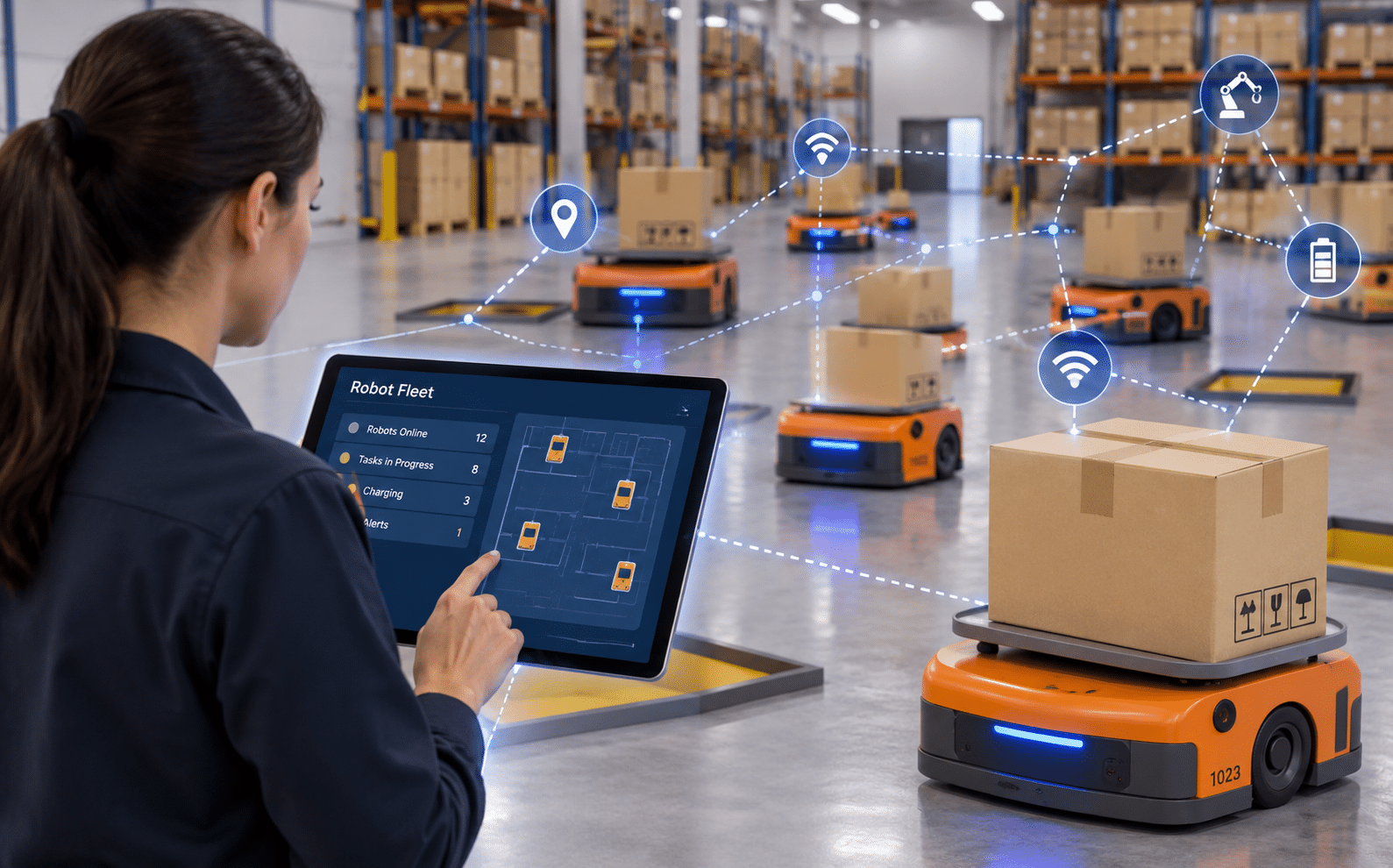
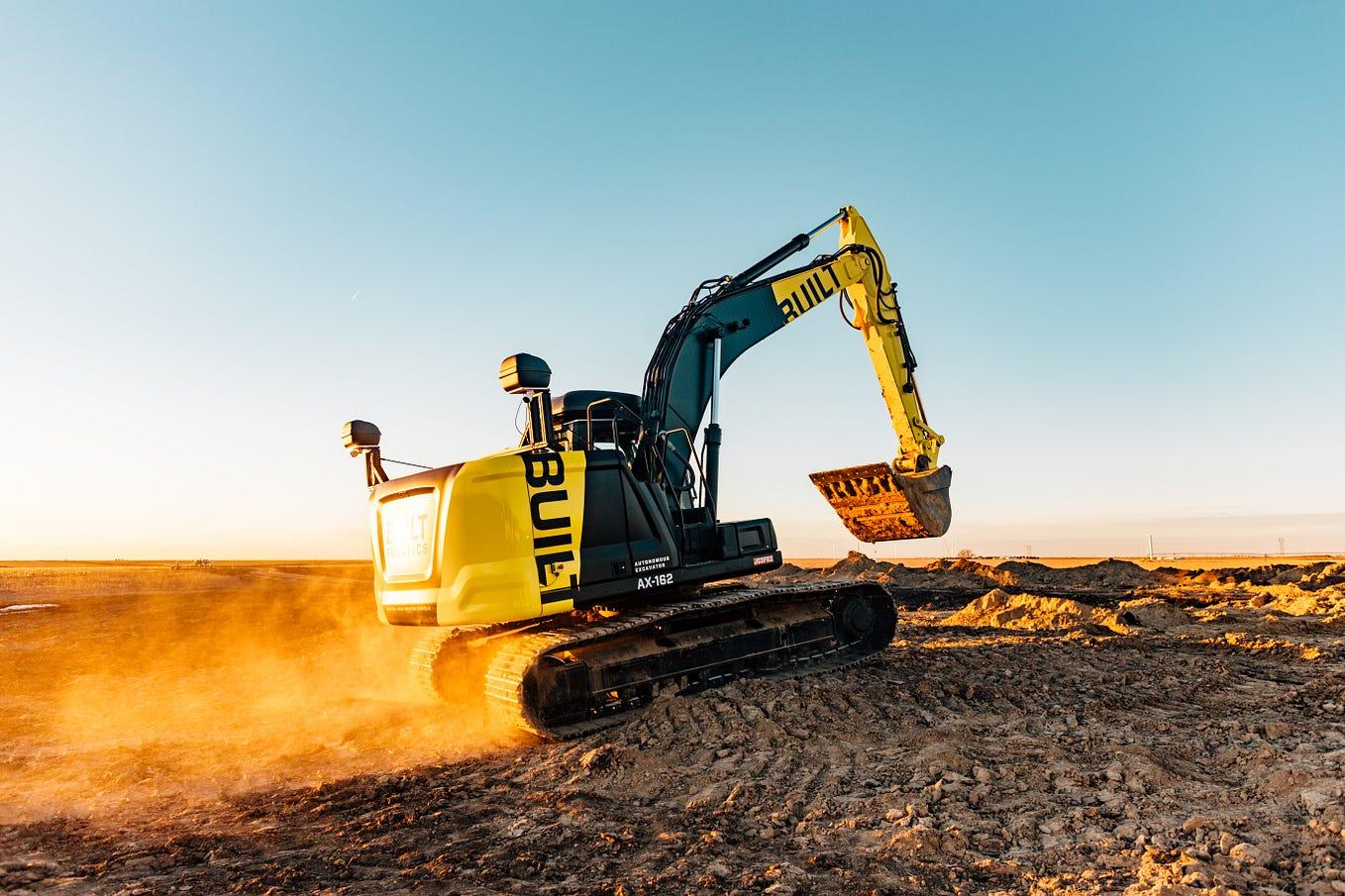
Hands-on STEM experiences help students understand how technology is applied in engineering, healthcare, logistics, manufacturing, agriculture, business, and many other fields.
AI and Robotics Work Better Together
The combination of AI and robotics creates learning experiences that closely resemble modern technology systems.
Students might:
- Program a robot that uses AI vision to identify objects
- Train simple machine learning models
- Program autonomous navigation using sensors
- Develop intelligent automation projects
- Analyze sensor data to improve robot performance
These interdisciplinary projects naturally connect computer science, mathematics, engineering, and design while encouraging creativity and teamwork.
Students begin to understand not just how technology works, but why it matters.
Preparing Students for an AI-Driven World
Artificial intelligence is becoming part of nearly every profession. At the same time, robotics and automation continue to expand across industries ranging from healthcare and agriculture to manufacturing and logistics.
Schools have an opportunity to prepare students before they enter college or the workforce by introducing these technologies early through structured, age-appropriate learning experiences.
The goal is not to turn every student into a robotics engineer or AI developer.
The goal is to help every student become comfortable working with technology, solving complex problems, and adapting to a rapidly changing world.
Bring AI and Robotics Into Your Classroom with LocoRobo
Helping students move from technology consumers to technology creators requires the right combination of AI curriculum, hardware, and educator support.
LocoRobo’s AI and robotics solutions are designed specifically for K-12 classrooms, making it easy for schools to introduce emerging technologies through engaging, hands-on learning.
With robotics and ai curriculum, school-friendly software, programmable robotics platforms, AI learning modules, and comprehensive teacher resources, educators can confidently integrate AI and robotics into STEM, computer science, and CTE programs. Whether students are exploring the fundamentals of artificial intelligence, programming robots, or building real-world engineering projects, LocoRobo provides a complete ecosystem that helps classrooms prepare students for tomorrow’s careers while keeping learning engaging and accessible.