
Across New York, schools are expanding CTE, computer science, engineering, and STEM programs to prepare students for high-demand careers. Whether the goal is launching a K-12 robotics pathway, introducing artificial intelligence, expanding drone education, or modernizing engineering labs, one question often comes up first:
How can we pay for it?
One of the most valuable funding sources available is Perkins V, the federal legislation that supports high-quality CTE programs. Many New York school districts already receive Perkins funding each year, yet not every school fully understands how it can support modern STEM and technology initiatives.
Here’s what educators and administrators should know.
What Is Perkins V?
The Strengthening Career and Technical Education for the 21st Century Act (Perkins V) provides federal funding to states to improve CTE programs.
The program is designed to help students develop technical and employability skills while preparing for industry certifications, college, apprenticeships, and careers.
In New York, Perkins V funding is administered through the New York State Education Department (NYSED) and supports eligible secondary and postsecondary CTE programs.
Unlike many grants that focus on one specific subject, Perkins funding can support comprehensive career pathways that combine curriculum, equipment, professional development, and industry partnerships.
Why Robotics, AI, and Drones Fit Perkins V Goals
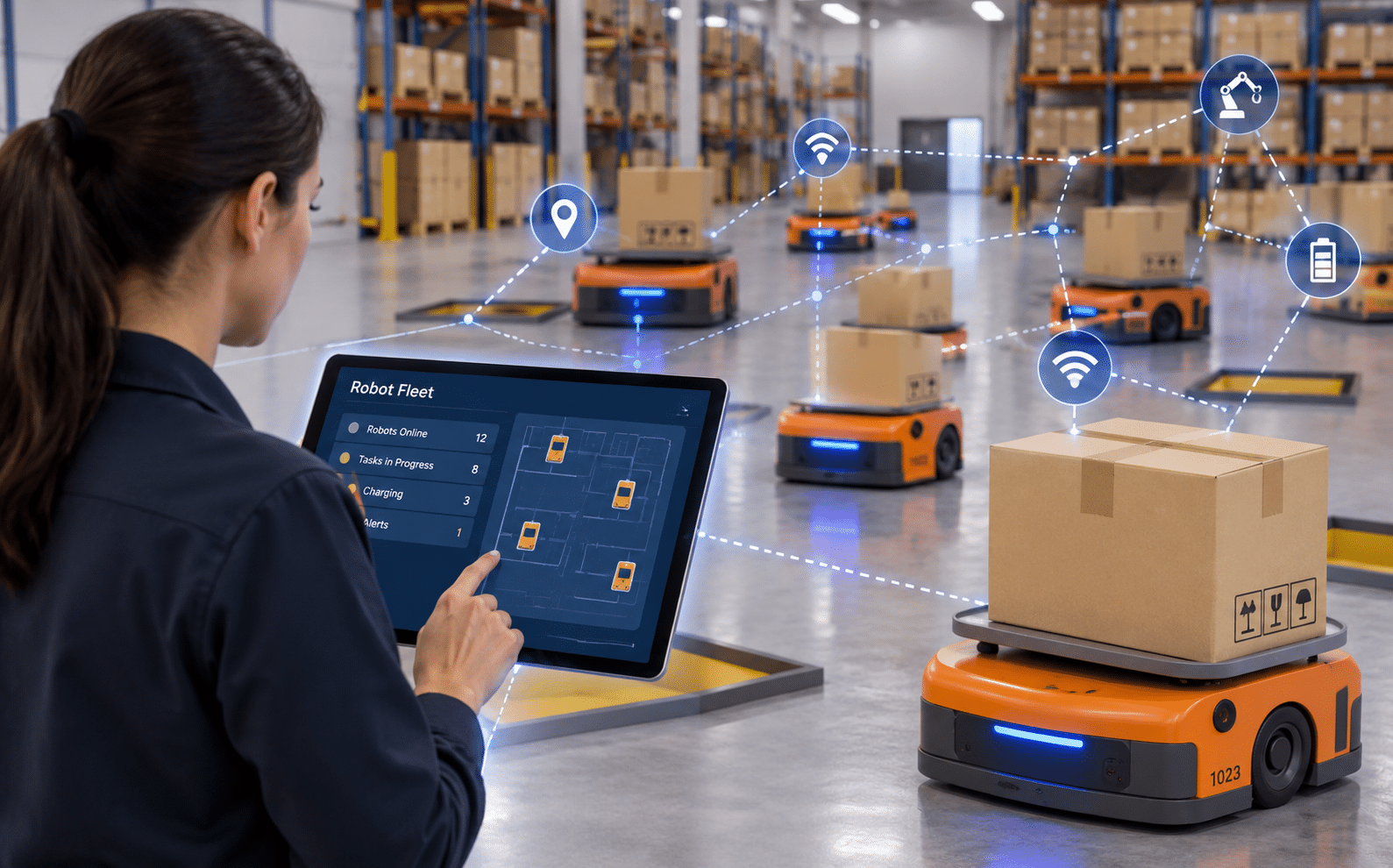
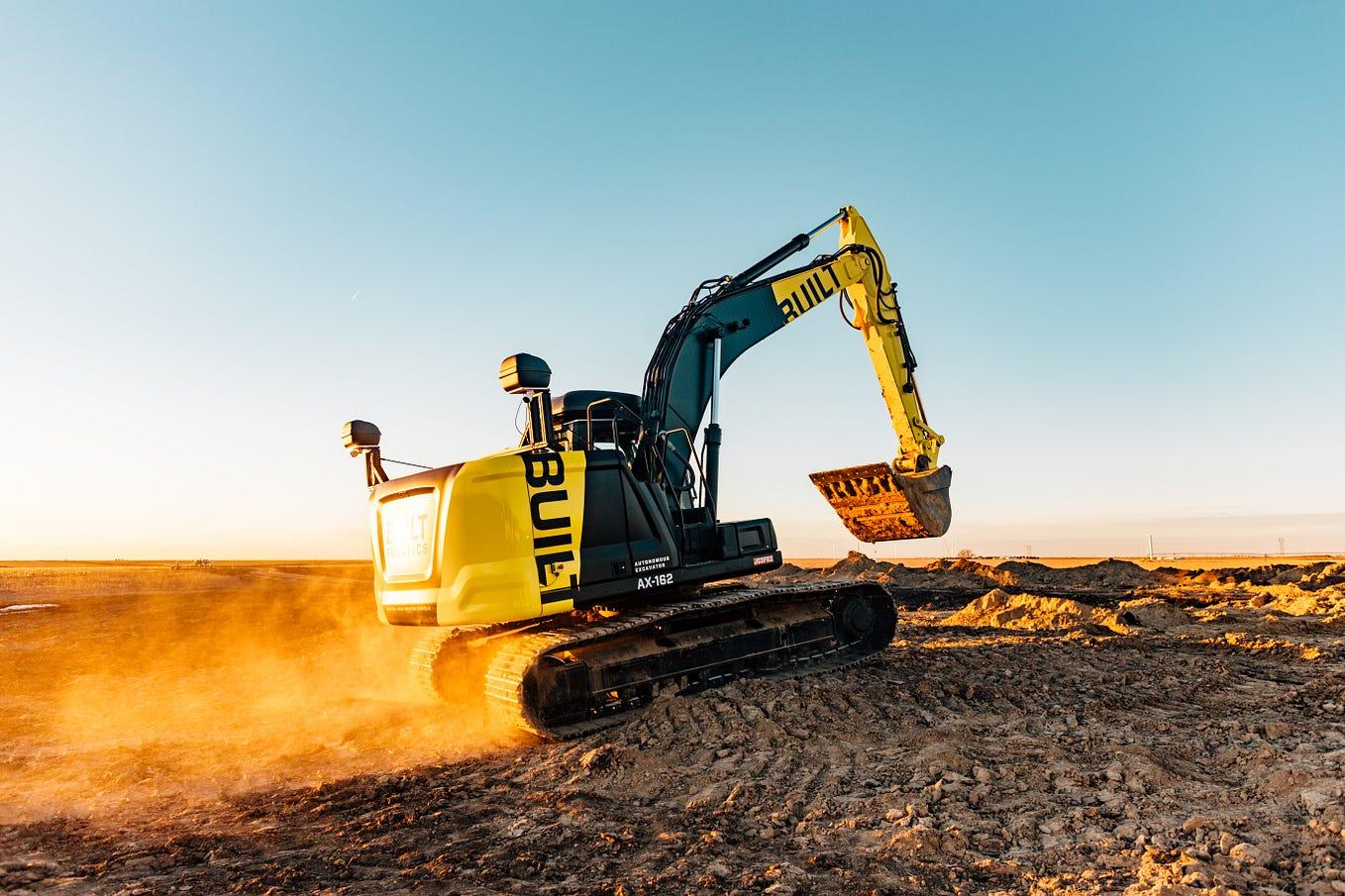
Today’s workforce increasingly depends on automation, artificial intelligence, robotics, and autonomous systems.
Industries across New York are hiring professionals with skills in:
- Robotics
- Artificial Intelligence
- Engineering
- Manufacturing
- Aviation
- Agriculture
- Logistics
- Cybersecurity
- Healthcare Technology
These fields align naturally with Perkins V’s emphasis on preparing students for high-skill, high-wage, and in-demand occupations.
Hands-on learning experiences using robotics platforms, drones, AI tools, and engineering systems help students build the technical competencies Perkins programs are designed to support.
What Perkins V Can Commonly Support
Every district’s plan is different, but Perkins funding is commonly used to support several aspects of a CTE program.
1. Robotics Equipment
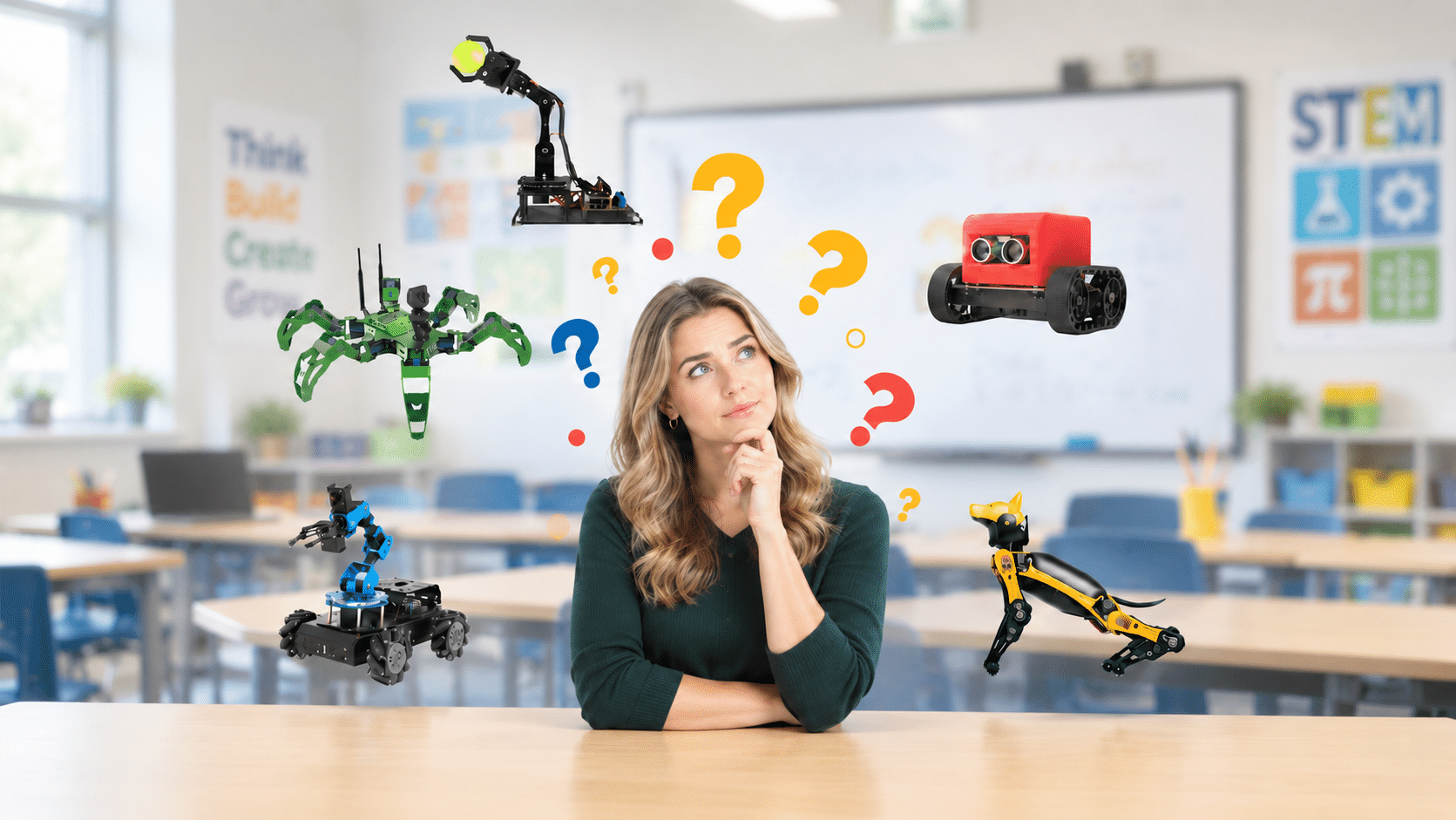
Schools may use Perkins funding to purchase classroom robotics systems that support engineering, programming, automation, and problem-solving.
Examples include:
- Wheeled robots
- Quadruped robots
- Robotic arms
- Hexapod robots
- Autonomous robotics platforms
These tools help students move beyond theory and apply engineering concepts through hands-on projects.
2. Drone Education Programs
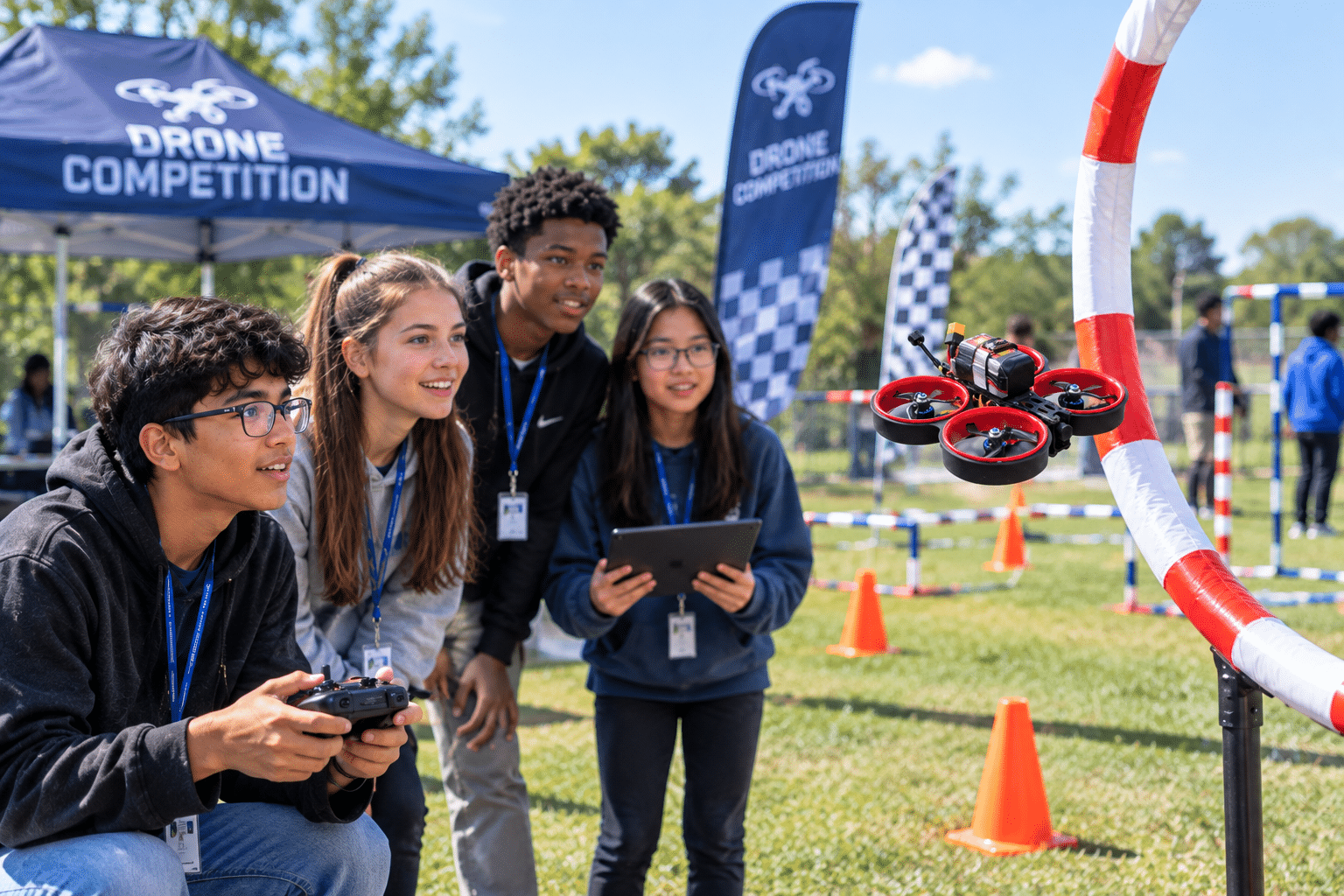
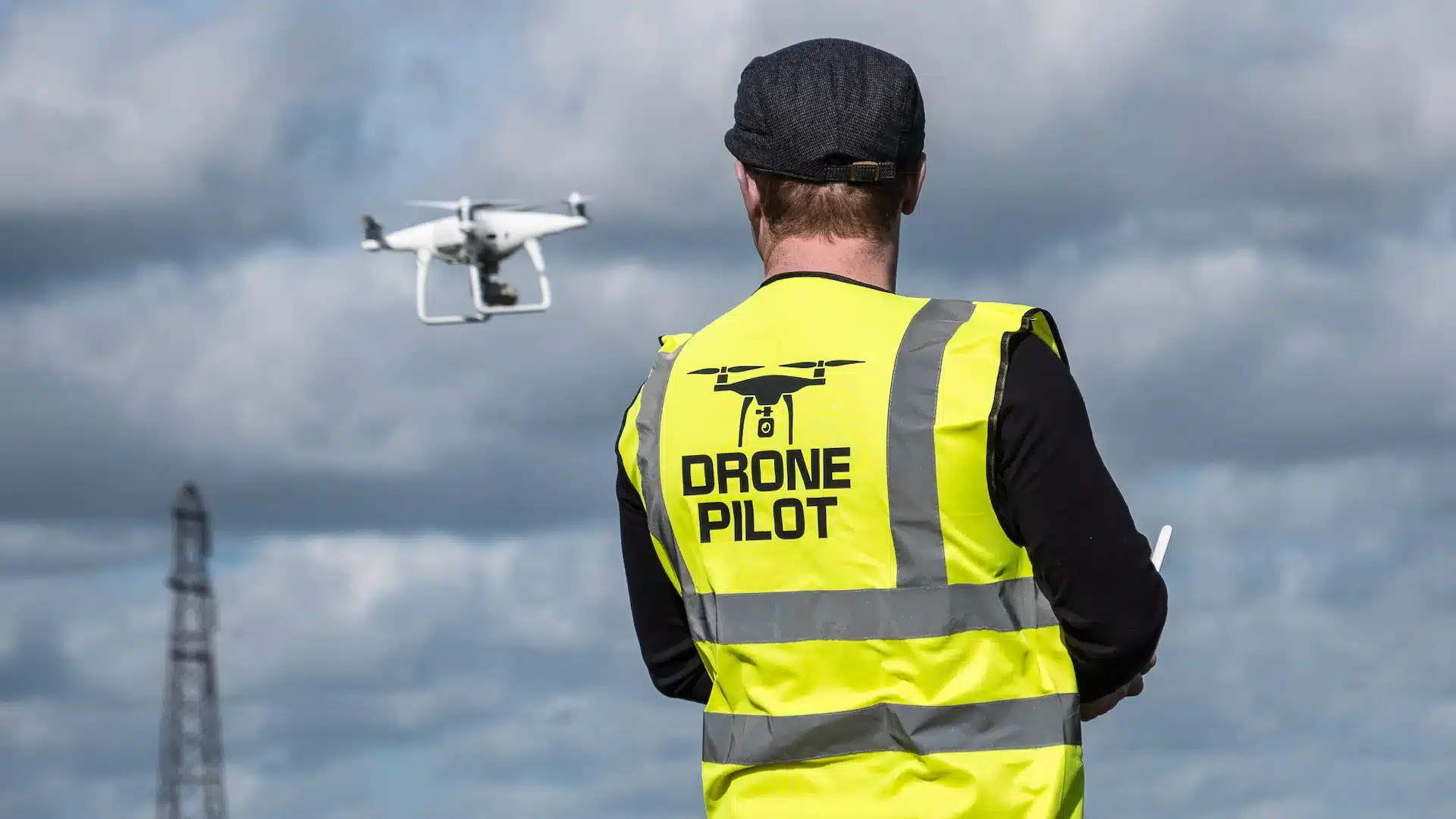
Drone technology continues to expand across industries including construction, agriculture, environmental science, public safety, and infrastructure inspection.
Schools may use Perkins funding to support:
- Educational drones
- Drone programming
- Flight training curriculum
- Mapping activities
- FAA Part 107 preparation
- Career exploration in aviation
Drone education introduces students to one of the fastest-growing career fields while integrating computer science, physics, engineering, and data analysis.
3. Artificial Intelligence Education
AI literacy is becoming an essential workplace skill.
Perkins-funded CTE pathways can incorporate AI through:
- AI fundamentals
- Prompt engineering
- Computer vision
- Machine learning concepts
- AI-assisted programming
- Ethics and responsible AI use
Students gain experience with technologies they are increasingly likely to encounter in higher education and future careers.
4. Computer Science and Programming
Perkins funding can also support modern programming instruction through:
- Python
- Robotics programming
- Autonomous navigation
- Embedded systems
- Sensor integration
- Internet of Things (IoT)
Hands-on programming activities help students understand how software interacts with real-world hardware.
5. Industry-Aligned Curriculum
Equipment alone does not create a successful CTE program.
Many schools use Perkins funding to support curriculum that includes:
- Structured lesson plans
- Assessments
- Classroom activities
- Career connections
- Standards alignment
- Teacher resources
A complete instructional program helps educators implement technology more confidently and consistently.
6. Professional Development
Teachers need ongoing support when introducing new technologies.
Perkins funding may support:
- Teacher training
- Curriculum implementation
- Professional development workshops
- Technical support
- Classroom coaching
Professional development helps schools maximize the long-term value of their investment.
Building Stronger Career Pathways
Perkins V encourages schools to create complete career pathways rather than isolated classroom experiences.
For example, a district might design a pathway like this:
Middle School
- Introduction to Robotics
- Introductory Programming
- Engineering Design Challenges
↓
High School
- Python Programming
- Artificial Intelligence
- Autonomous Robotics
- Drone Programming
- FAA Part 107 Preparation
↓
Career Outcomes
- Engineering
- Robotics
- Aviation
- Manufacturing
- Computer Science
- AI
- Cybersecurity
This progression gives students multiple opportunities to build technical skills while exploring careers that are important to New York’s economy.
How LocoRobo Supports New York Schools
LocoRobo helps schools build complete CTE and STEM programs that combine curriculum, classroom-ready technology, and teacher support.
Our STEM solutions include:
- Robotics platforms for elementary through high school
- Educational drone programs
- Artificial intelligence curriculum
- Computer science pathways
- Engineering and autonomous systems
Whether you are starting a new program or expanding an existing pathway, our team can help identify solutions that align with your instructional goals and available funding opportunities.
Download Our Funding Quick Guide
Planning your STEM or CTE program starts with understanding your funding options.
Download Funding Quick Guide: Perkins V & Title IV to explore how schools and districts commonly use these funding sources to support hands-on learning.
The guide covers:
- Common uses for Perkins V and Title IV, Part A
- Aligning curriculum, equipment, and professional development
- Planning considerations before budget deadlines
- Building sustainable STEM, computer science, and CTE programs
Whether you are planning a robotics lab, AI pathway, drone program, or broader STEM initiative, this guide can help you prepare for your next funding cycle.