

Manufacturing looks very different from the assembly lines many students may picture.
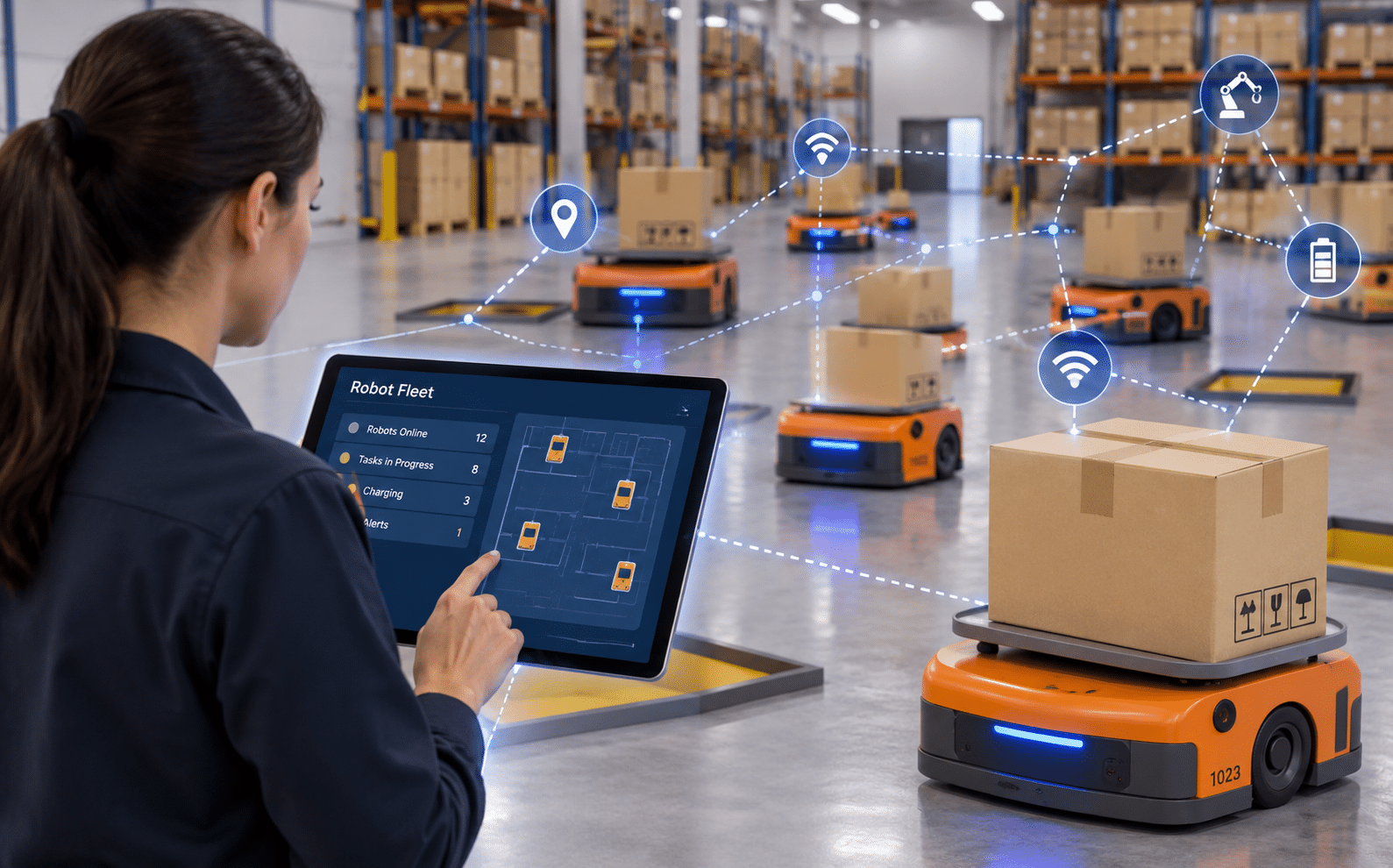
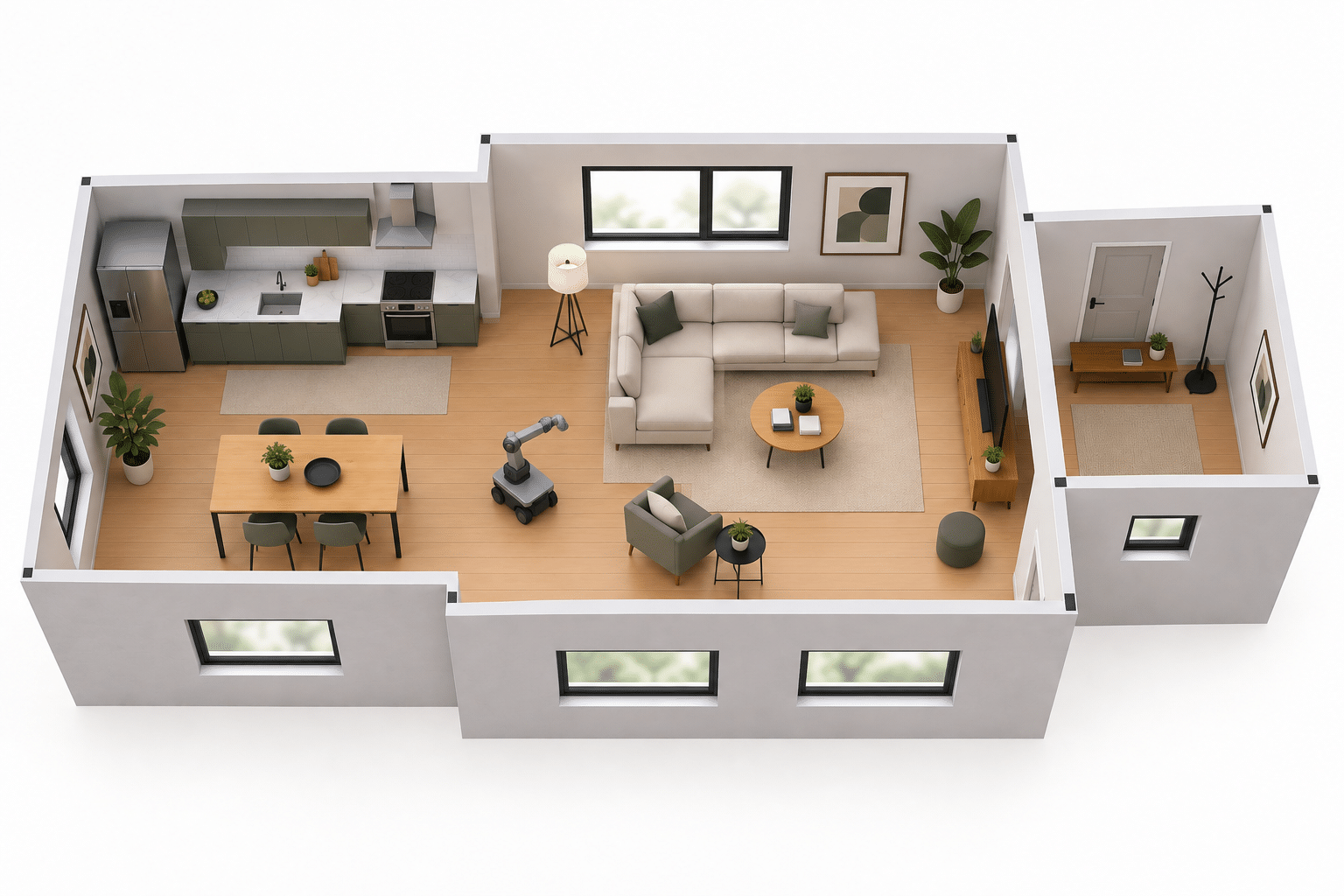
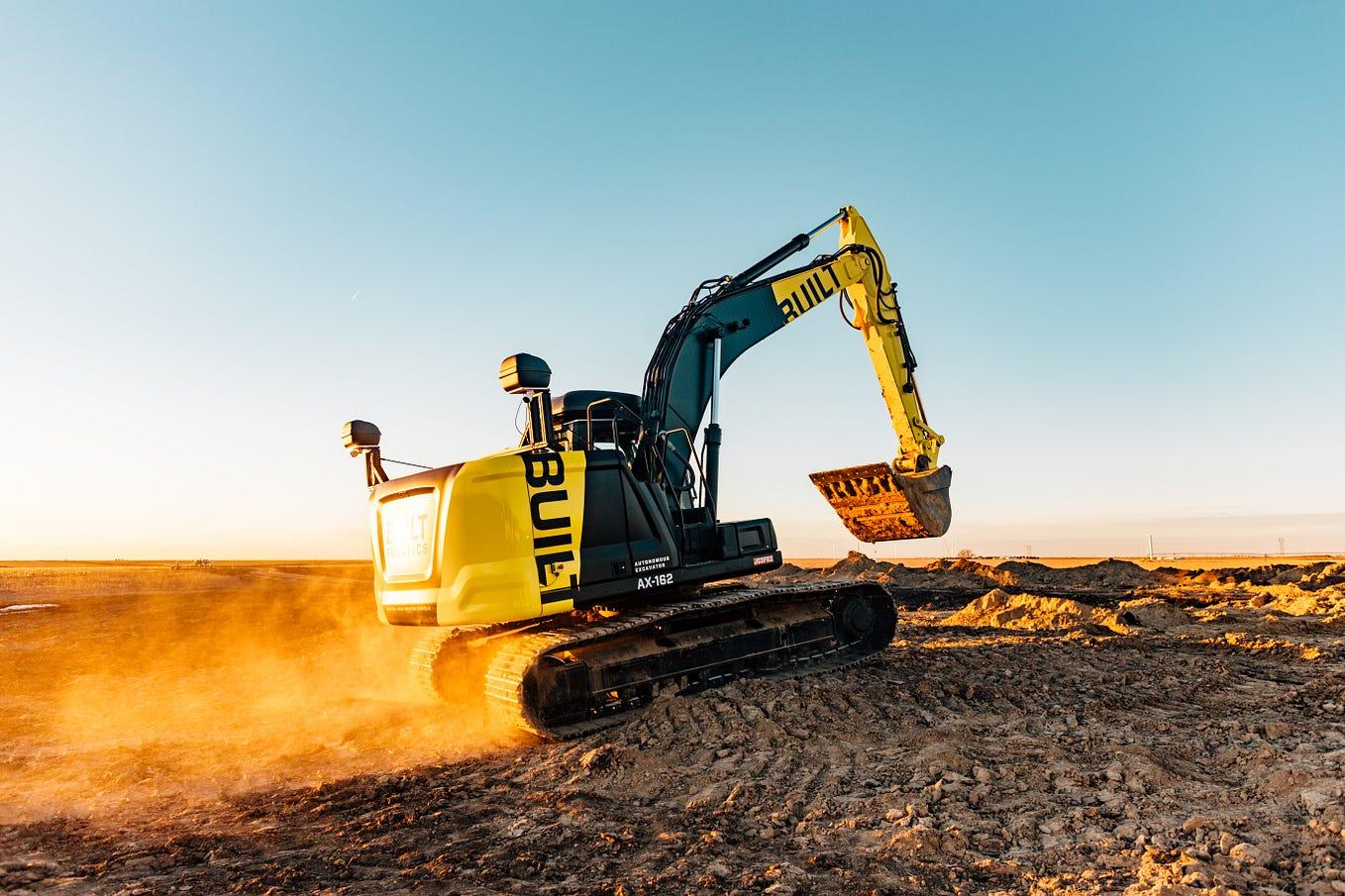
Across modern manufacturing facilities, robots work alongside people to assemble products, inspect components, move materials, collect production data, and automate repetitive processes. Engineers and technicians program robotic systems, maintain equipment, troubleshoot automation, and find ways to make production safer and more efficient.
For schools, this creates an opportunity to make robotics education more directly connected to robotics career exploration.
Students do not need to wait until college or technical training to begin understanding these systems. K-12 robotics programs can introduce many of the same concepts behind industrial automation while students are still developing their interests, technical skills, and career goals.
Why Is Robotics Important in Modern Manufacturing?
Robotics has become an important part of advanced manufacturing because manufacturers increasingly rely on automation to perform tasks that require speed, precision, consistency, or continuous operation.
Depending on the facility and industry, robots may be used for:
- Assembly and production
- Packaging and sorting
- Material handling
- Welding and fabrication
- Machine tending
- Warehouse and logistics operations
- Quality inspection
- Autonomous material movement
- Computer vision and defect detection
These systems need people who understand programming, electronics, automation, data, sensors, mechanical systems, troubleshooting, and increasingly artificial intelligence.
That makes robotics a useful bridge between what students learn in STEM and CTE classrooms and the technical environments they may encounter in manufacturing careers.
What Manufacturing Careers Can Students Explore Through Robotics?
A K-12 robotics program can introduce students to the skills behind several career areas.
- Robotics Technicians: Install, maintain, test, and troubleshoot robotic systems.
- Robotics and Automation Engineers: Design, program, test, and improve robotic systems.
- Automation and Controls Technicians: Work with sensors, motors, controllers, and automated processes.
- Mechatronics Technicians: Combine mechanical, electrical, electronic, and programming skills.
- AI and Computer Vision Specialists: Use cameras, sensors, data, and AI for inspection, navigation, and automation.
- Industrial Maintenance Technicians: Diagnose and maintain increasingly automated manufacturing equipment.
K-12 robotics gives students an early opportunity to practice the programming, troubleshooting, systems thinking, and problem-solving skills behind these careers.
How Can Schools Connect Classroom Robotics to Manufacturing?
The connection becomes stronger when students use STEM robotics kits to solve problems similar to those found in automated workplaces.
1. Use Manufacturing-Inspired Challenges
Give robotics projects a real-world purpose. Students might program robots to sort objects for quality control, navigate a warehouse-style environment, transport materials, or improve the efficiency of a repeated task.
2. Teach Systems Thinking
Help students understand how code, mechanics, sensors, motors, and data work together. This introduces the interconnected systems behind modern automation.
3. Make Troubleshooting Part of the Project
When something goes wrong, let students diagnose the problem, test solutions, and improve their design. Troubleshooting is an important skill across robotics, automation, and manufacturing careers.
4. Build Skills Across Grade Levels
Start with coding, sensors, and engineering challenges in elementary and middle school. By high school, students can progress to Python, robotic arms, AI, autonomous systems, computer vision, and advanced sensors.
5. Connect Robotics to Careers
Show students where these skills are used. Facility tours, industry speakers, employer-led challenges, internships, and connections to CTE pathways can help students see how classroom robotics relates to careers in manufacturing, engineering, mechatronics, and automation.
Robotics Can Make Manufacturing Careers More Visible to Students
Students may know what a teacher, doctor, or software developer does. Careers such as automation technician, robotics engineer, mechatronics technician, controls technician, or industrial maintenance technician may be much less familiar.
Robotics gives schools a practical way to make those careers easier to understand.
A student who programs a robot to navigate autonomously can begin learning about autonomous material movement.
A student who programs a robotic arm can explore industrial automation.
A student who diagnoses a sensor problem can begin understanding technical maintenance.
A student who uses computer vision with a robot can see how AI can interact with physical systems.
The technology becomes more meaningful when students understand where the skills can take them.
Building a K-12 Robotics Pathway With LocoRobo
All schools do not need the same robotics program. A district introducing robotics in elementary school has different needs from a high school building an advanced manufacturing or engineering pathway.
LocoRobo helps schools determine how robotics can fit their existing STEM curriculum, technology, staffing, student needs, and STEM or CTE goals.
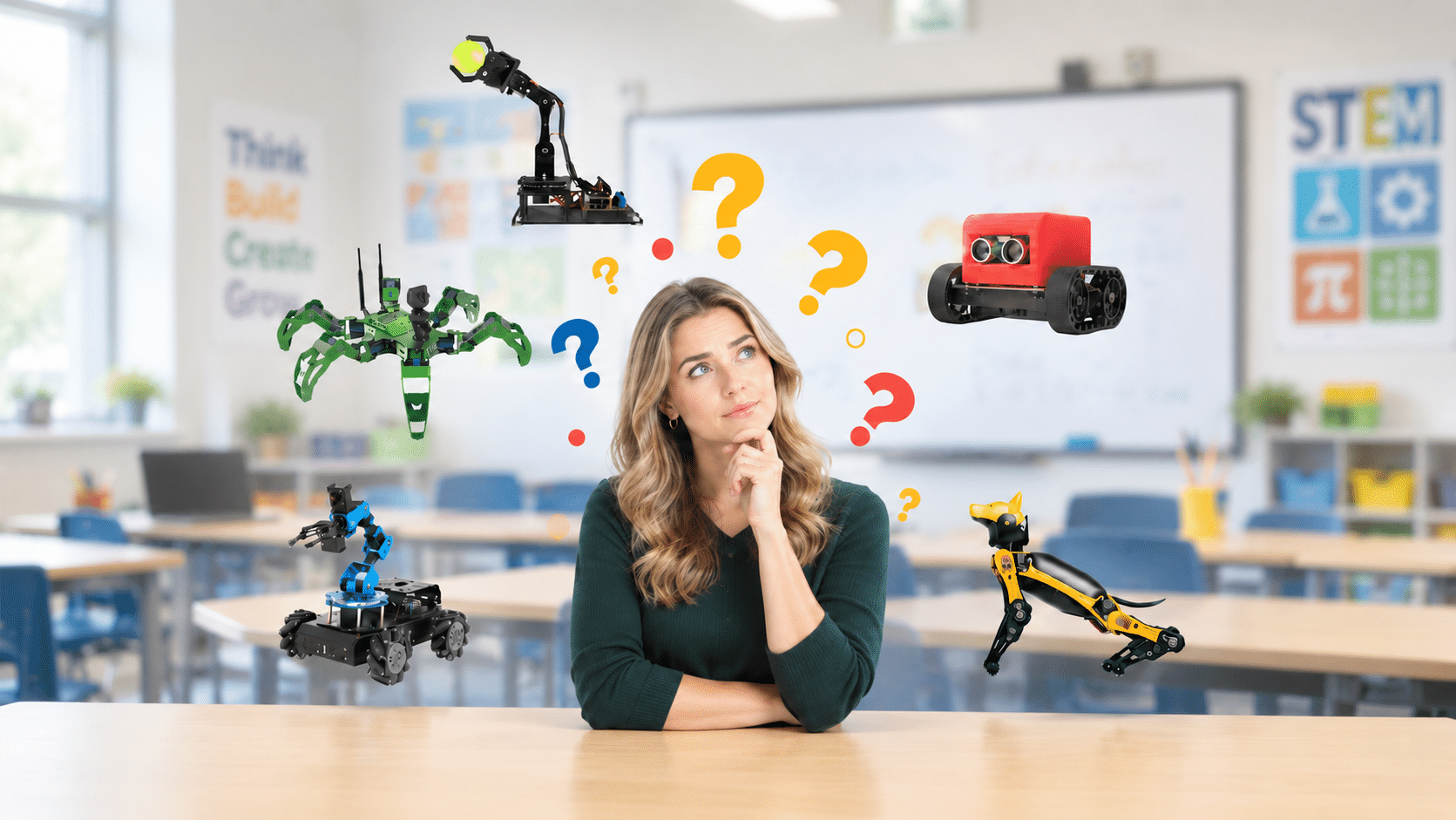
Through LocoRobo’s K-12 robotics solutions, schools can introduce students to robotics in the classroom at earlier grade levels and progress toward more advanced experiences involving robotic arms, mobile robotics, sensors, autonomous systems, computer vision, AI, mapping, and other concepts relevant to modern engineering and manufacturing.
LocoRobo supports schools with robotics curriculum, classroom-ready resources, educator professional development, implementation support, and program planning so teachers can focus on what they do best.
For schools exploring connections between robotics, advanced manufacturing, engineering, automation, and related CTE pathways, the first step is identifying what students should learn and how those experiences should progress across grade levels.
Explore LocoRobo K-12 Robotics Solutions