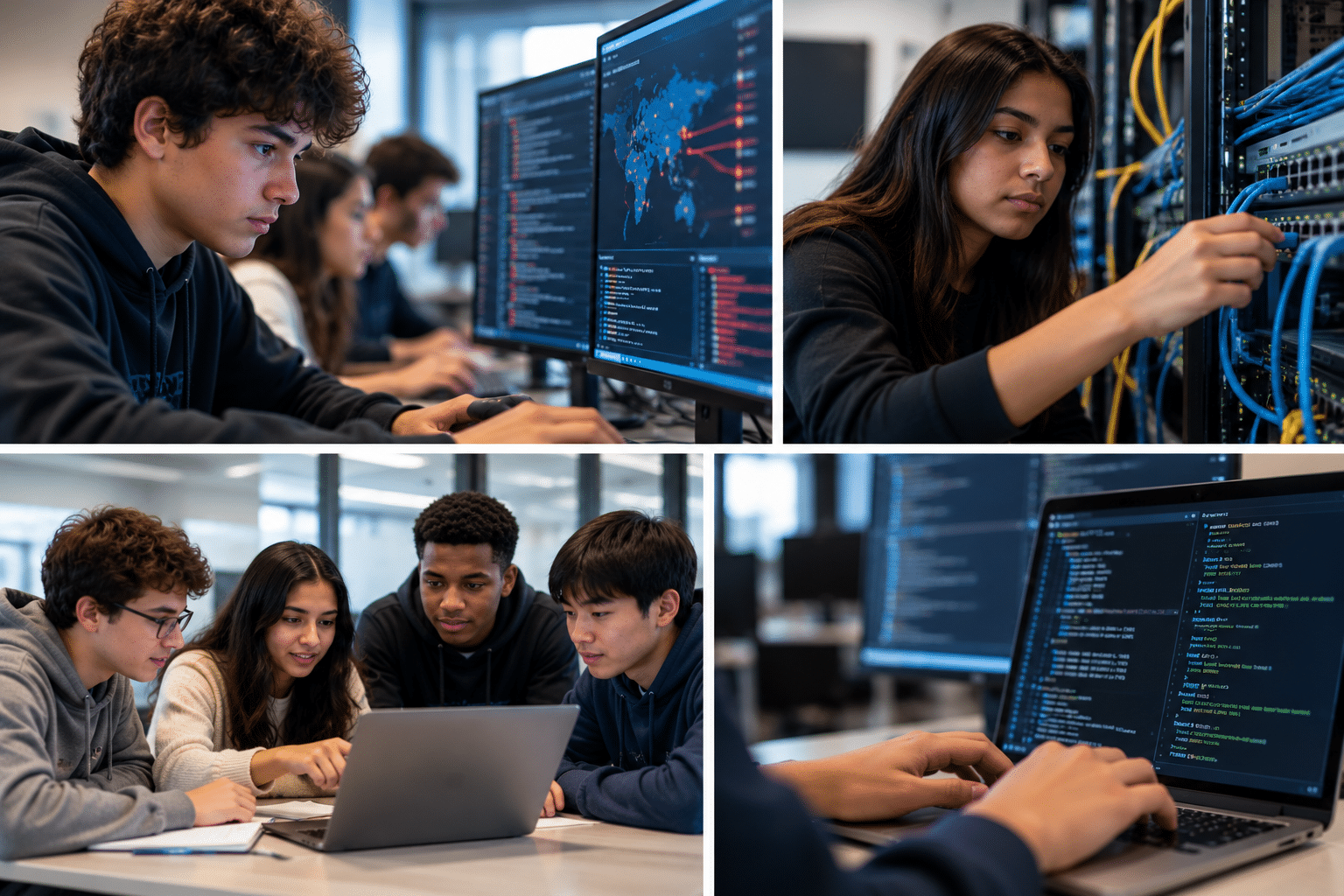

Artificial intelligence is changing the way people work, communicate, create, and solve problems. From healthcare and manufacturing to transportation, finance, and education, AI has become part of everyday life. As AI continues to influence nearly every industry, schools have an important role in helping students understand how it works and how to use it responsibly.
AI education helps students build technical knowledge, strengthen critical thinking, and develop the skills needed for future careers. Whether students become business professionals, engineers, artists, healthcare workers, or entrepreneurs, understanding AI will give them an advantage.
Here are ten reasons why AI education belongs in today’s classrooms.
1. Prepares Students for Future Careers
AI skills are becoming valuable across nearly every industry. Employers are looking for people who understand how AI can analyze information, improve productivity, automate tasks, and support decision-making.
Students who gain AI literacy early are better prepared for careers in:
- Engineering
- Healthcare
- Computer Science
- Manufacturing
- Business
- Marketing
- Finance
- Agriculture
- Cybersecurity
- Education
Even careers that are not traditionally technology-focused are increasingly using AI tools every day.
2. Builds Strong Problem-Solving Skills
AI education encourages students to think differently about solving problems.
Instead of memorizing answers, students learn how to:
- Break complex problems into smaller steps
- Test different solutions
- Analyze data
- Improve outcomes through iteration
- Evaluate AI-generated results
These are transferable skills that benefit students in every subject and future profession.
3. Develops Computational Thinking
Computational thinking teaches students how computers process information and solve problems logically.
Through AI activities, students begin to understand concepts such as:
- Pattern recognition
- Data organization
- Algorithms
- Decision-making processes
- Logical reasoning
These concepts strengthen computer science skills while supporting mathematics and engineering education.
4. Encourages Creativity
AI is often viewed as a technical subject, but it also creates opportunities for creativity.
Students can use AI to:
- Generate artwork
- Create music
- Design products
- Write stories
- Brainstorm ideas
- Build interactive applications
Rather than replacing creativity, AI becomes another tool students can use to explore new ideas and improve their work.
5. Teaches Responsible Technology Use
Students interact with AI every day through search engines, recommendation systems, virtual assistants, and social media.
AI curriculum helps them understand:
- How AI makes decisions
- The importance of privacy
- Ethical AI practices
- Why bias can exist
- Human oversight
- Responsible use of AI tools
Learning these concepts prepares students to become informed and responsible users of technology.
6. Improves Digital Literacy
Digital literacy now extends beyond using computers and software.
Students also need to understand:
- How AI tools generate information
- How to verify AI-generated content
- When AI responses may be inaccurate
- The limitations of AI systems
- When human judgment is necessary
These skills help students become thoughtful consumers and creators of digital information.
7. Increases Student Engagement
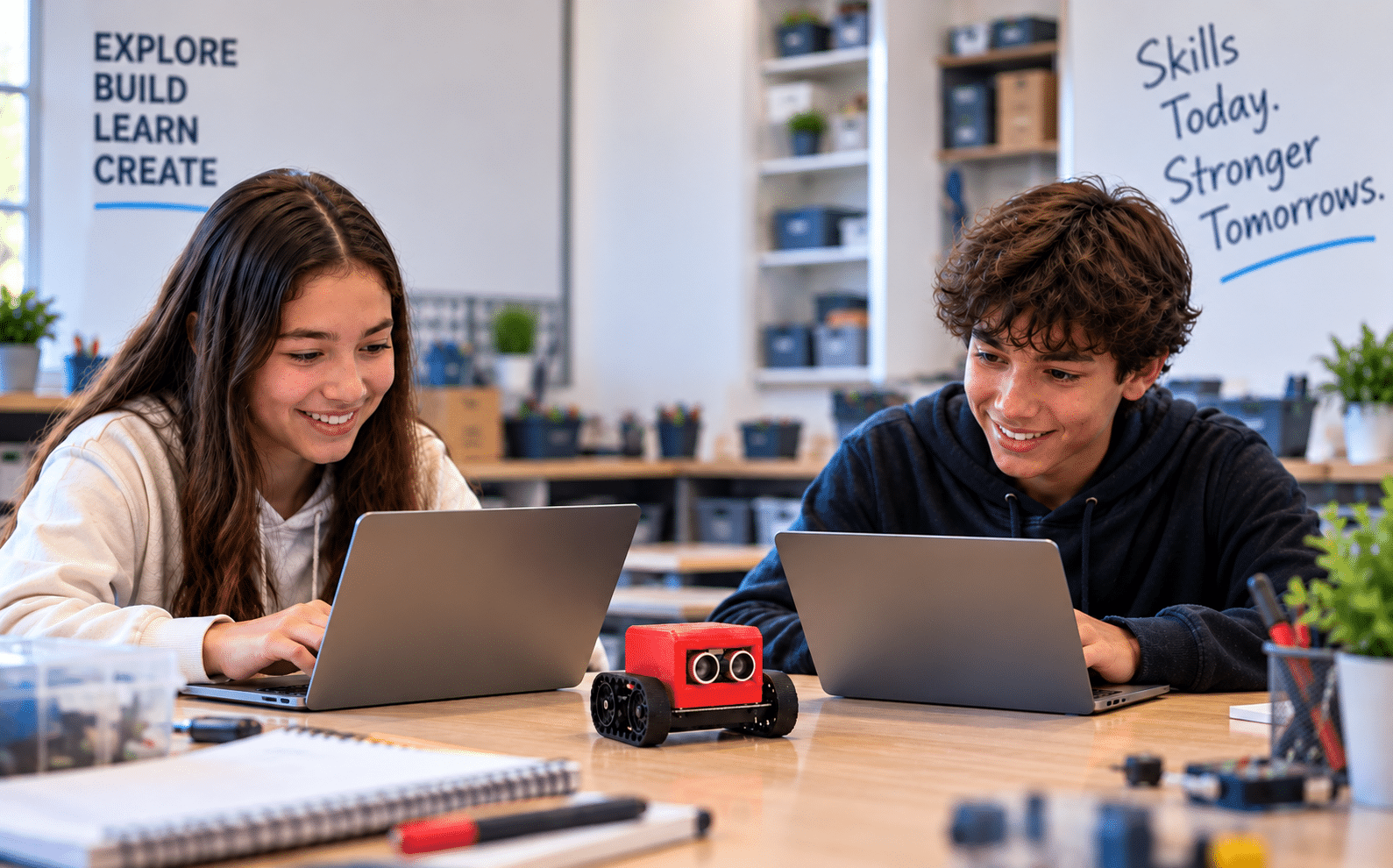
Hands-on AI projects make learning more interactive and meaningful.
Instead of only reading about technology, students can:
- Build AI-powered applications
- Experiment with computer vision
- Explore speech recognition
- Train simple machine learning models
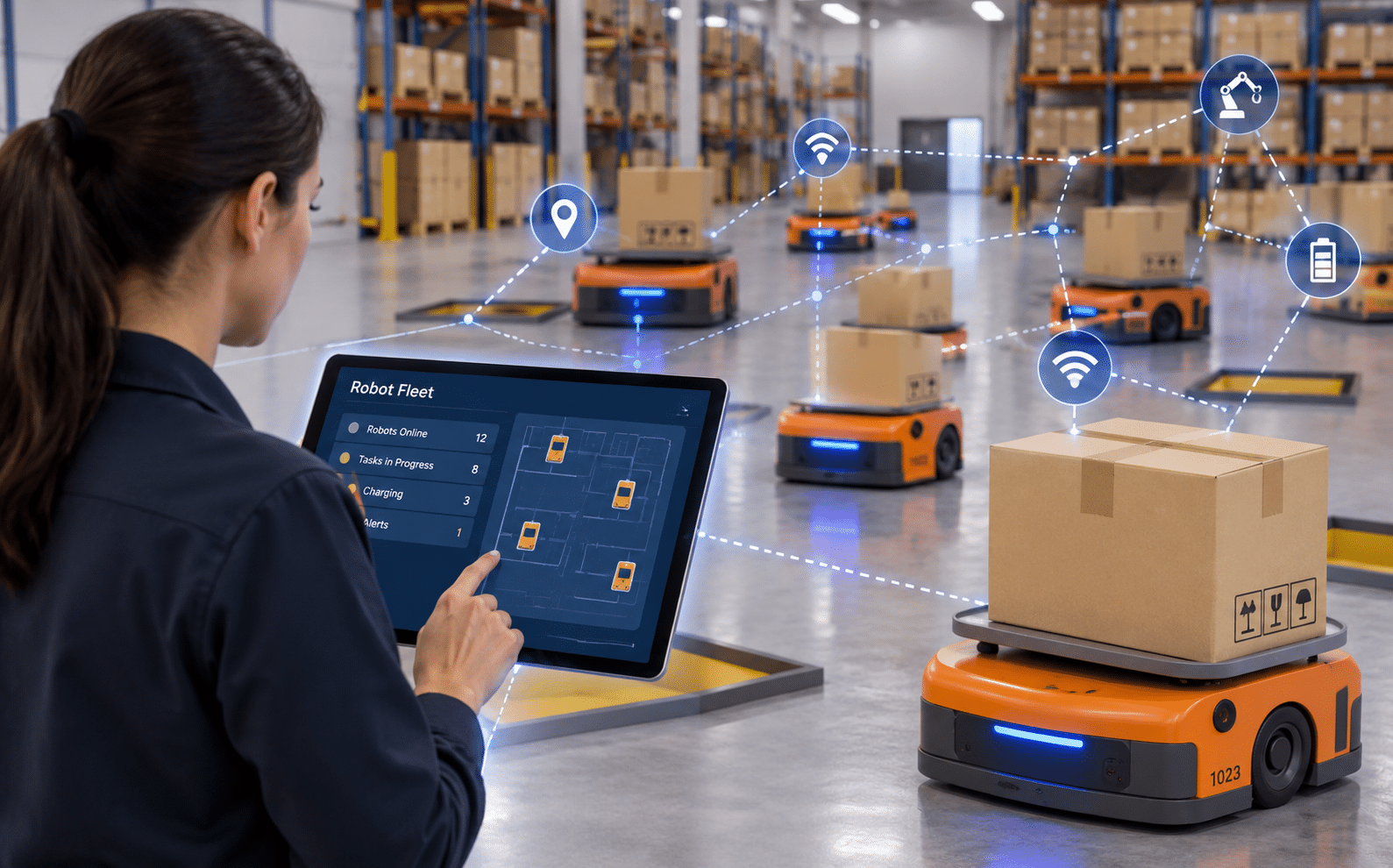
- Program intelligent robots
Real-world projects help students see how classroom concepts connect to everyday technology.
8. Supports Learning Across Subjects
AI is not limited to computer science classrooms.
It can enhance learning in:
- Science
- Mathematics
- Engineering
- Career and Technical Education (CTE)
- Business
- Robotics
- Digital Media
- Social Studies
Students see how AI can solve problems in different fields, making learning more relevant and interdisciplinary.
9. Builds Collaboration and Communication Skills
Many AI projects involve teamwork.
Students often work together to:
- Design solutions
- Analyze results
- Test AI models
- Present findings
- Improve projects through feedback
These experiences strengthen communication, collaboration, and project management skills that are valuable in any career.
10. Helps Students Become Confident Technology Creators
One of the greatest benefits of AI education is changing how students view technology.
Instead of simply using AI applications, students begin to understand how intelligent systems work and how they can build solutions of their own.
This shift from consumer to creator encourages innovation, curiosity, and lifelong learning.
Students gain confidence experimenting with emerging technologies while developing the skills needed to adapt as technology continues to evolve.
Why Schools Should Start AI Education Now
Artificial intelligence is advancing rapidly, but the need for AI literacy is already here.
Students who understand AI today will be better prepared to:
- Think critically about AI-generated information
- Adapt to new technologies
- Solve complex real-world problems
- Work alongside AI tools
- Pursue careers in growing industries
Introducing AI education now gives students time to build these skills throughout their academic journey instead of trying to learn them after graduation.
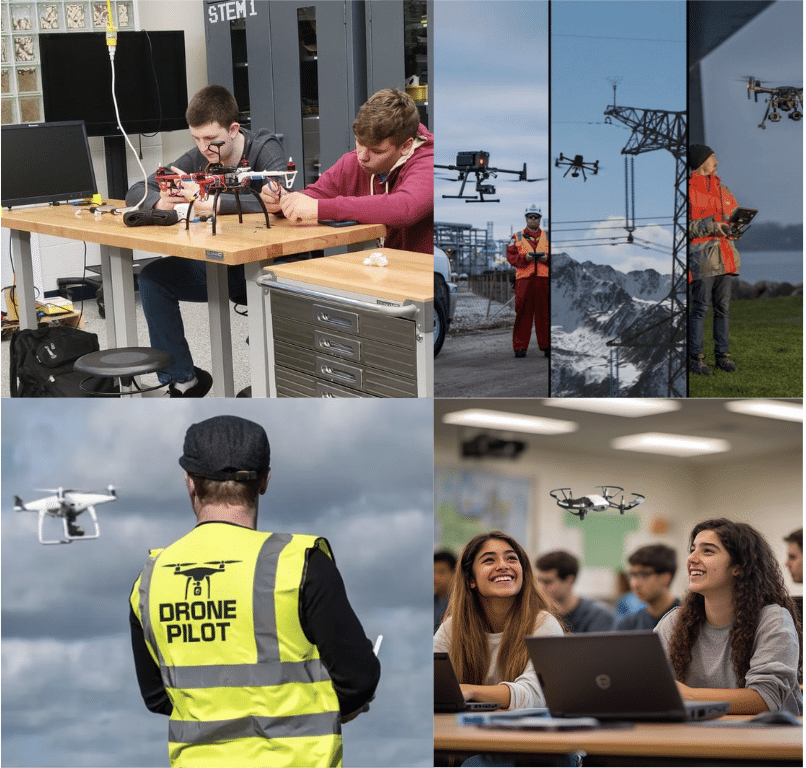
Schools do not need to create entirely new technology programs to begin. AI can be introduced through project-based learning, computer science, STEM, robotics, engineering, and CTE courses, allowing students to develop practical experience while reinforcing existing curriculum.
Assess your school’s AI readiness with LocoRobo’s free AI Readiness Self-Assessment, designed to help educators evaluate curriculum, infrastructure, strategy, and ethical AI implementation.
Bring AI Education to Your Classroom with LocoRobo
Helping students understand artificial intelligence starts with the right instructional tools. LocoRobo’s AI education ecosystem gives schools everything they need to introduce AI through engaging, classroom-ready experiences.
LocoRobo combines hands-on projects, standards-aligned curriculum, educator training, and implementation support to make AI accessible for students across K-12. Whether students are exploring AI concepts for the first time, learning prompt engineering, building Python skills with AI assistance, or applying AI to robotics, every pathway is designed to develop practical, future-ready skills.
With flexible solutions that integrate into STEM, computer science, robotics, CTE programs, LocoRobo helps educators confidently bring AI into the classroom.
Explore LocoRobo’s AI solutions and discover how students can move beyond simply using AI to understanding, creating, and innovating with it.