

CTE at a Turning Point
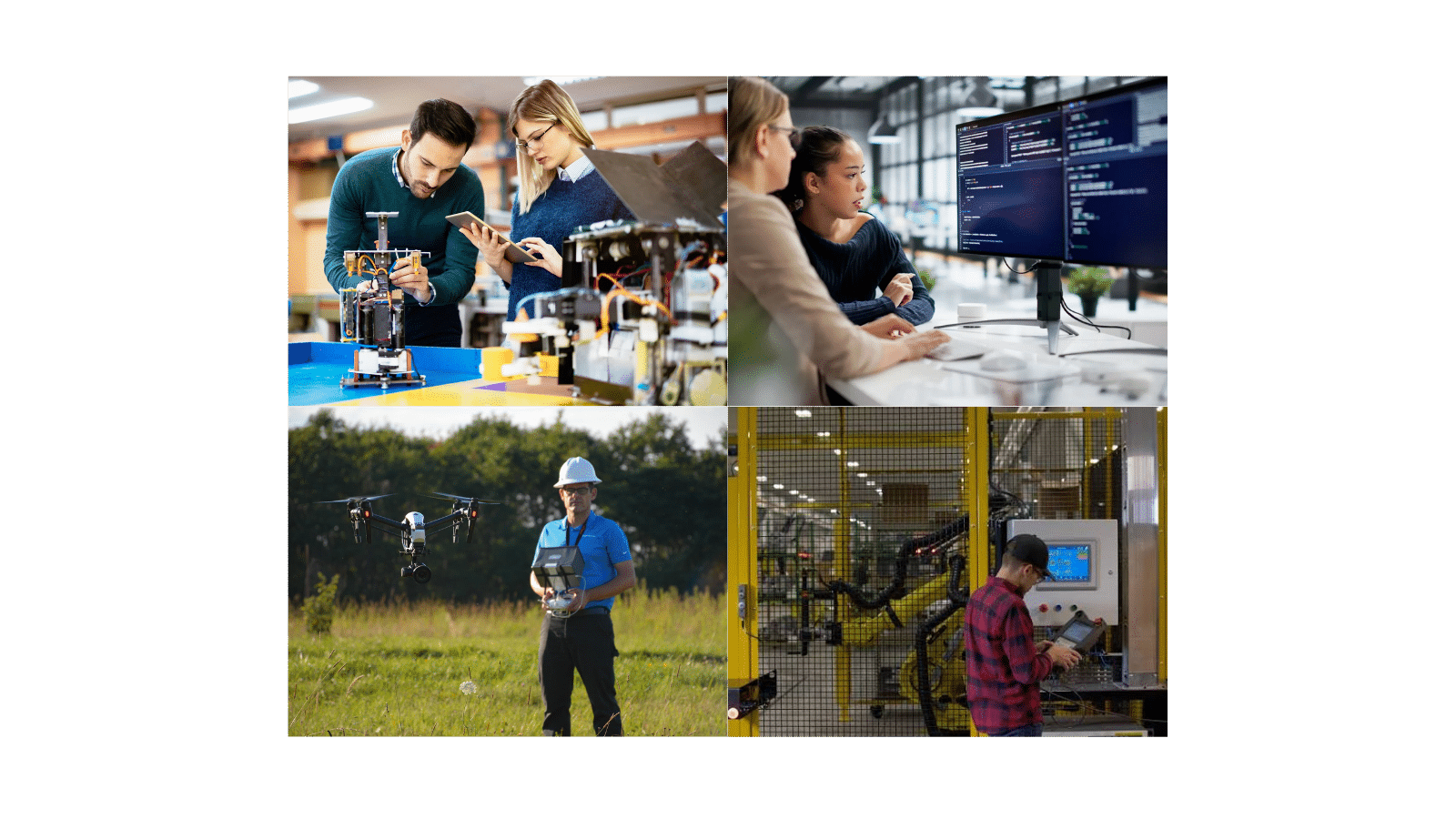
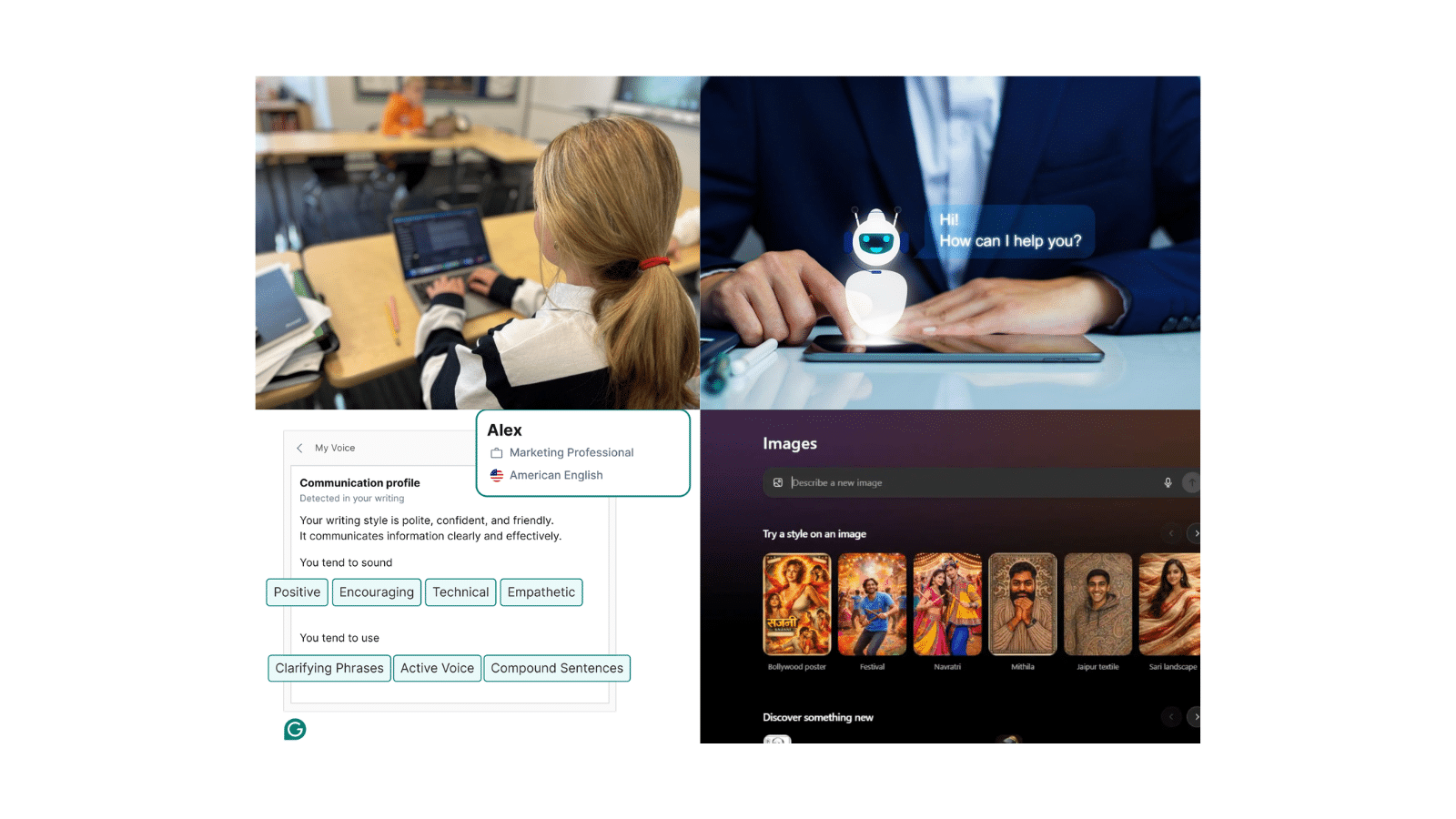
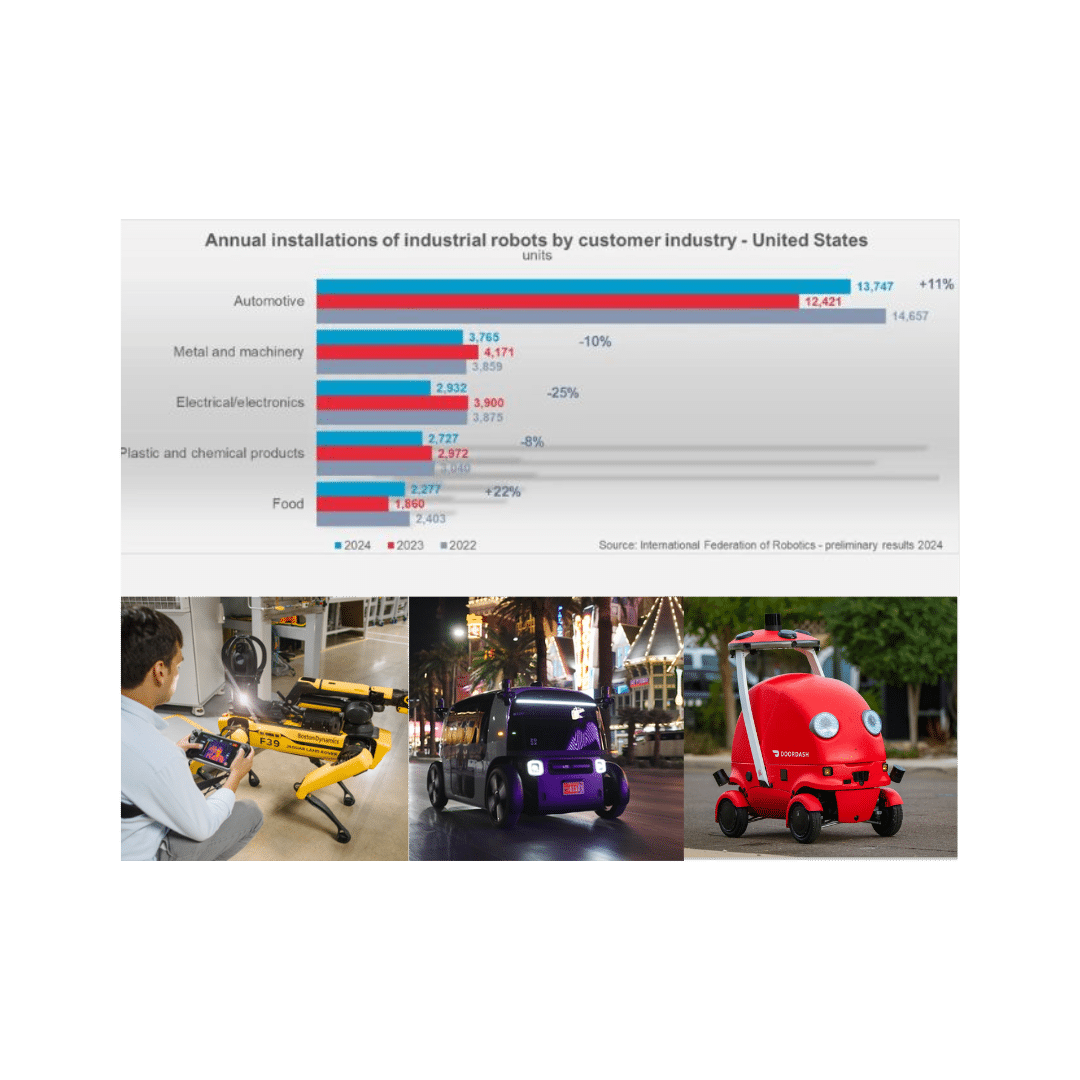
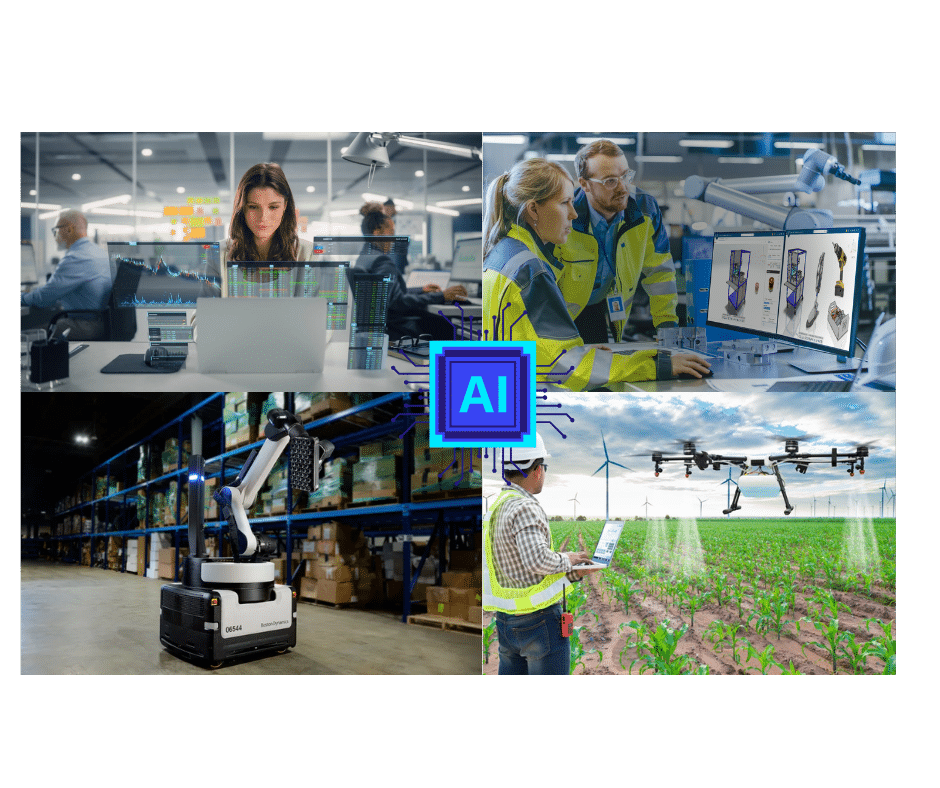
CTE has always been about preparing students with the skills employers need. But the workforce is changing fast. Artificial intelligence is now an integral part of everyday tools across various industries, and by 2026, AI literacy will be a baseline expectation in many career fields.
For schools and districts, that means integrating AI into CTE is becoming essential. The good news? AI aligns naturally with existing CTE pathways, especially in engineering, IT, business/marketing, and advanced manufacturing, making it easier to start now.
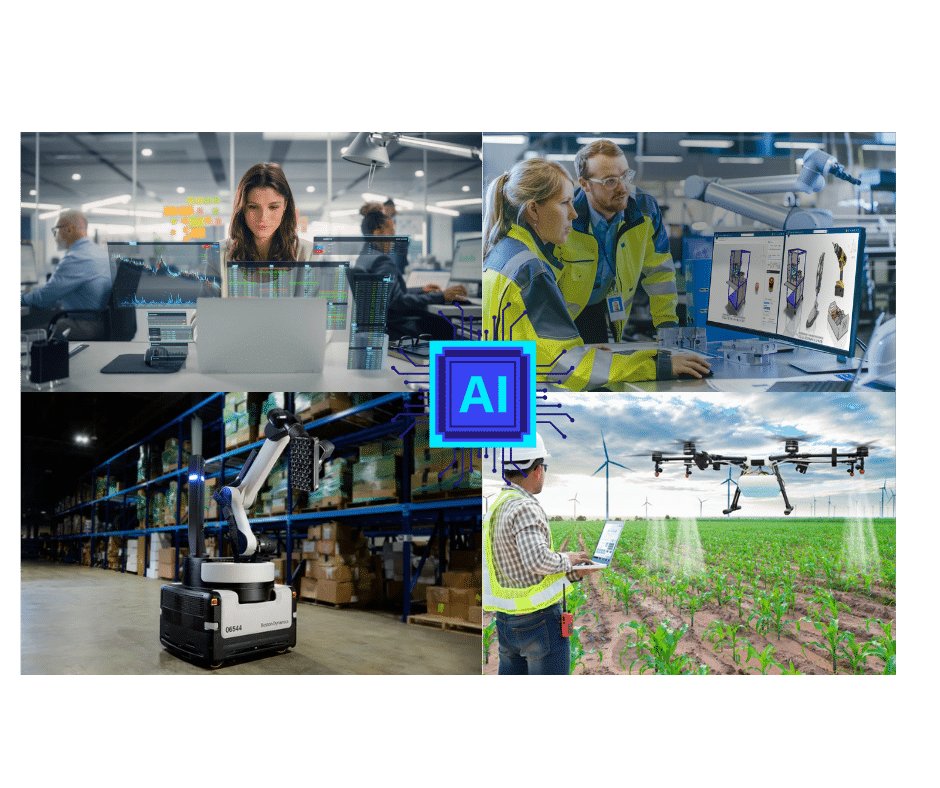
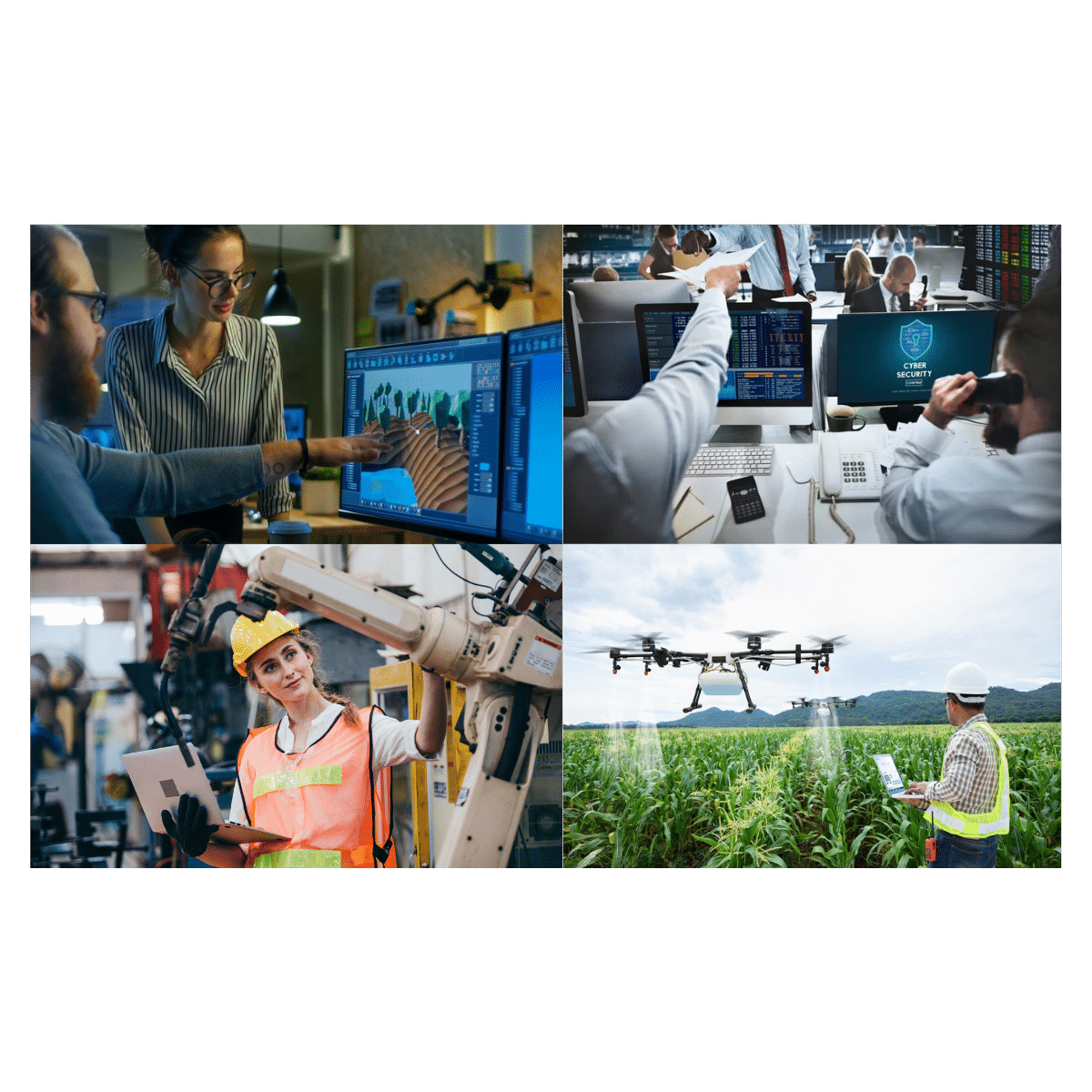
The Workforce is Already AI-Driven
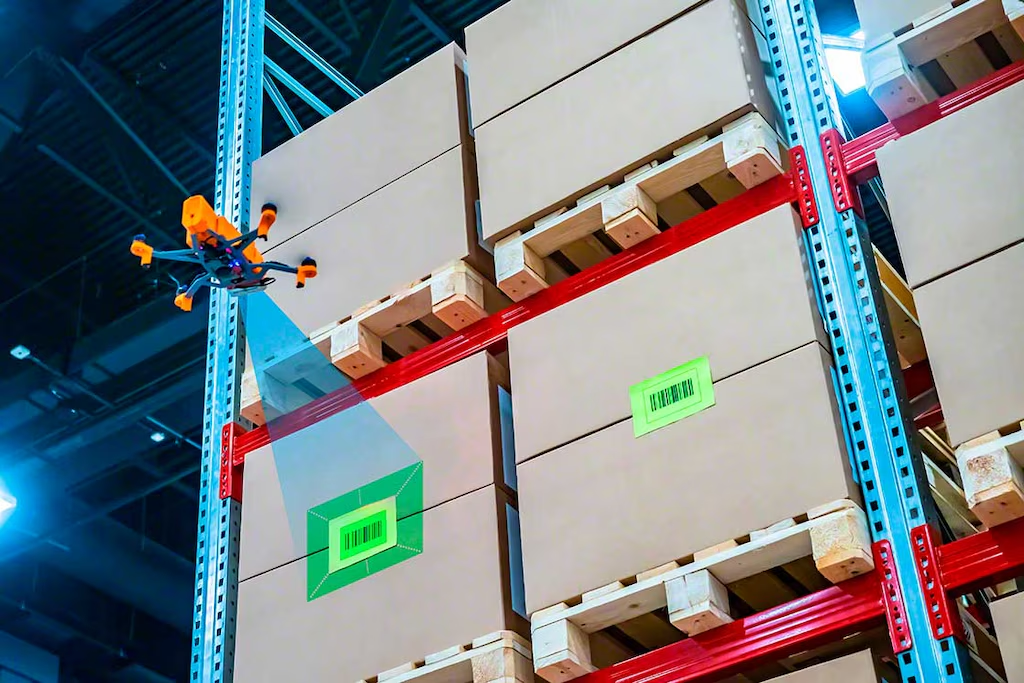
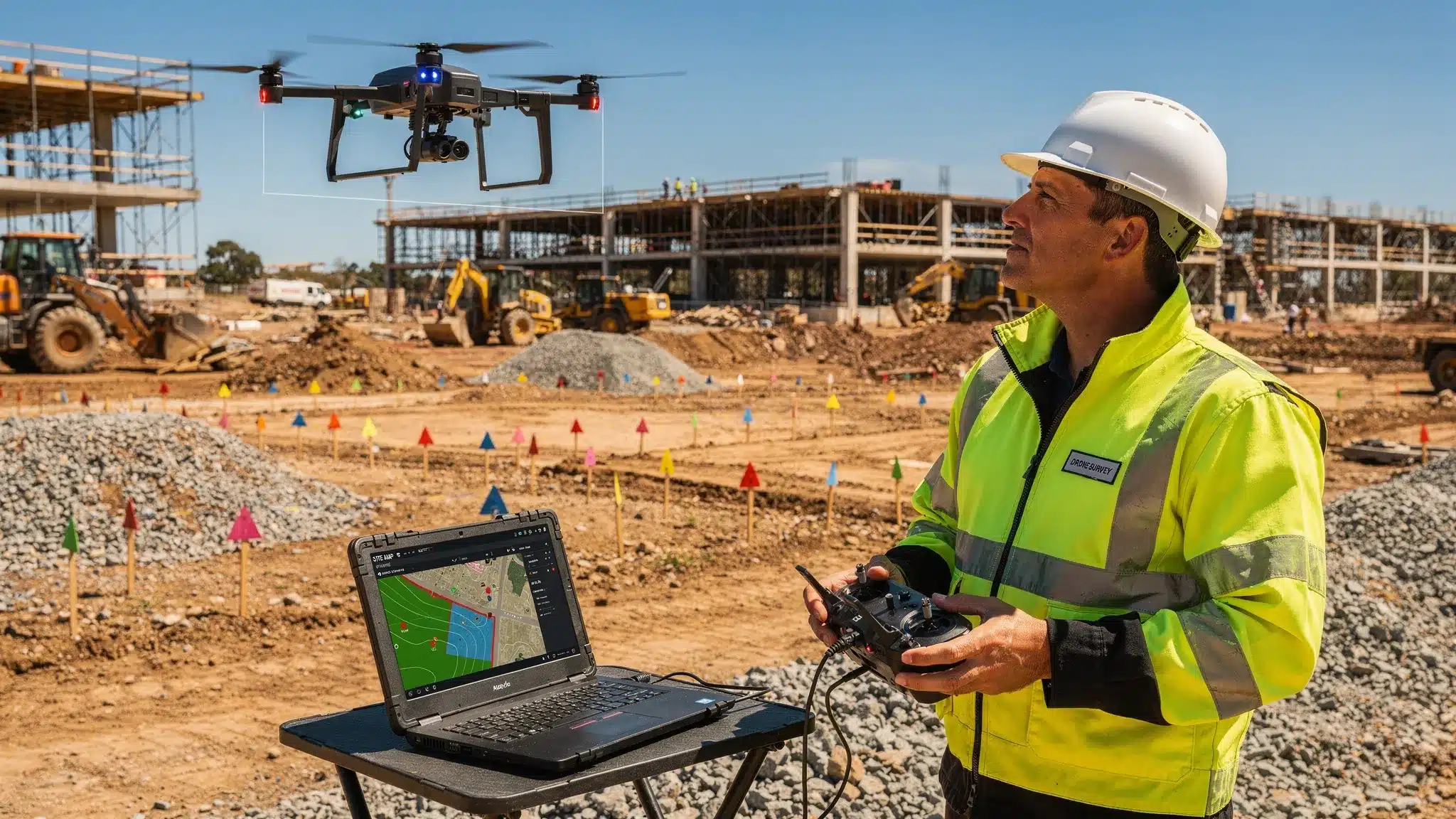
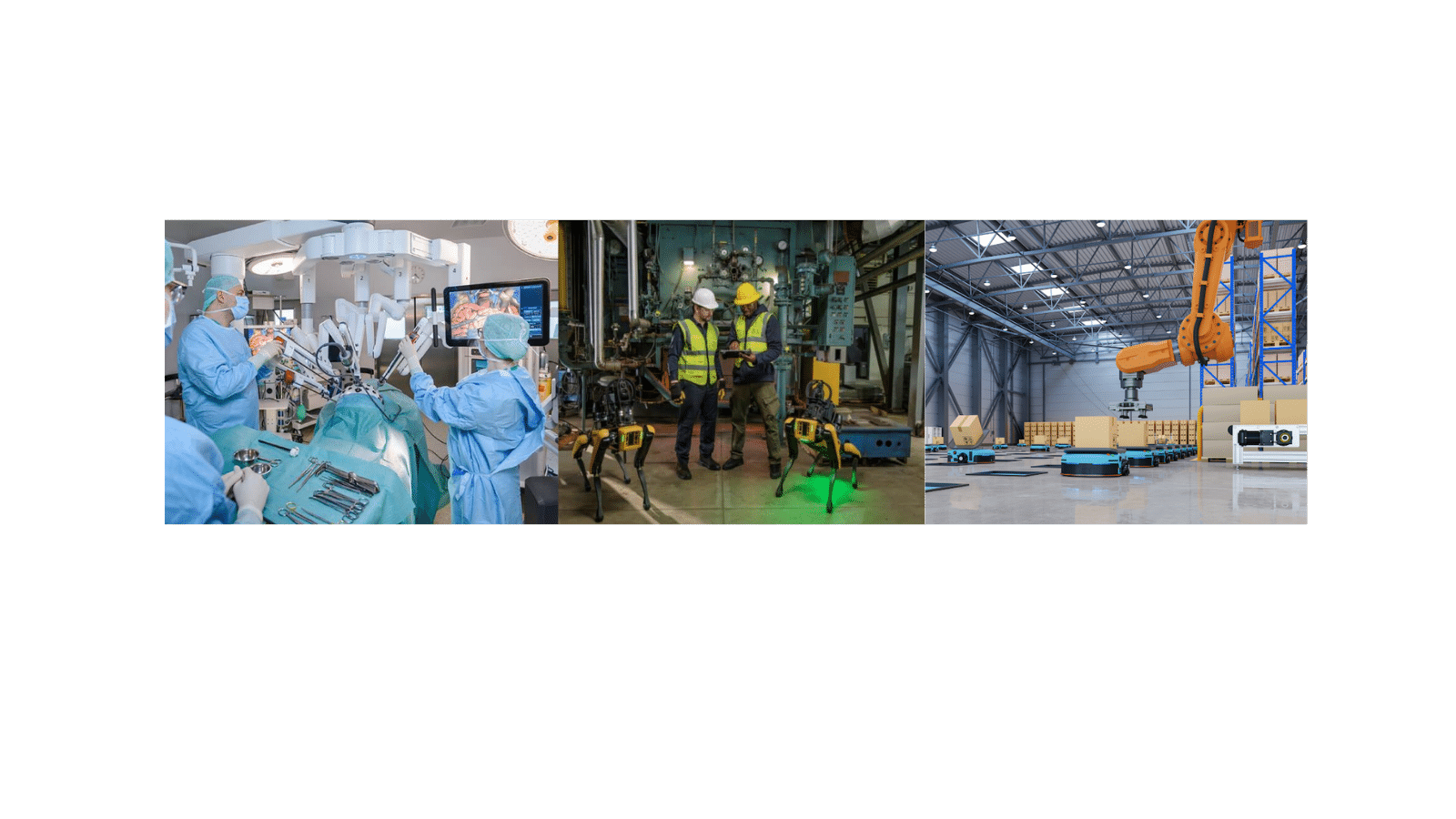
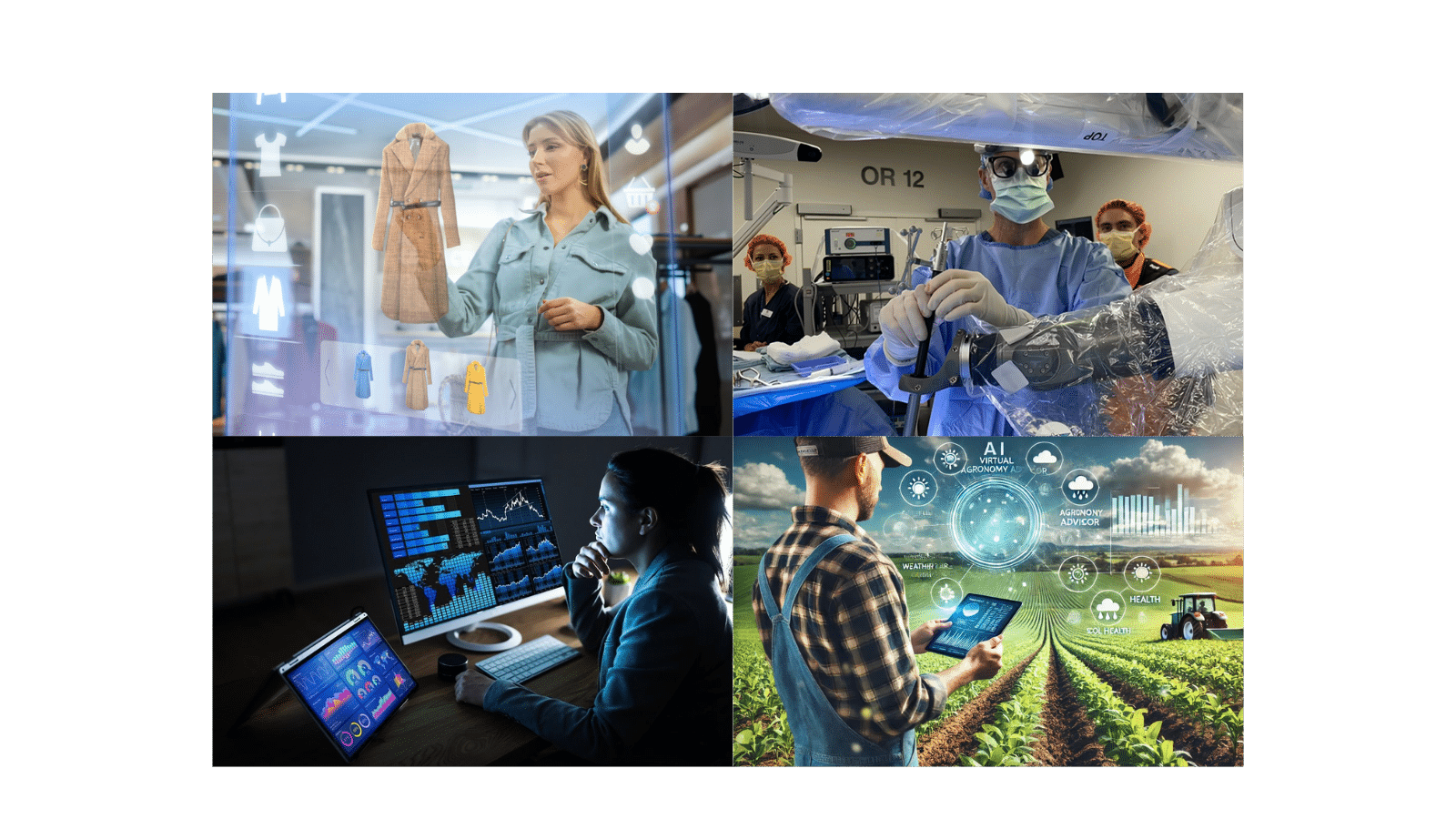
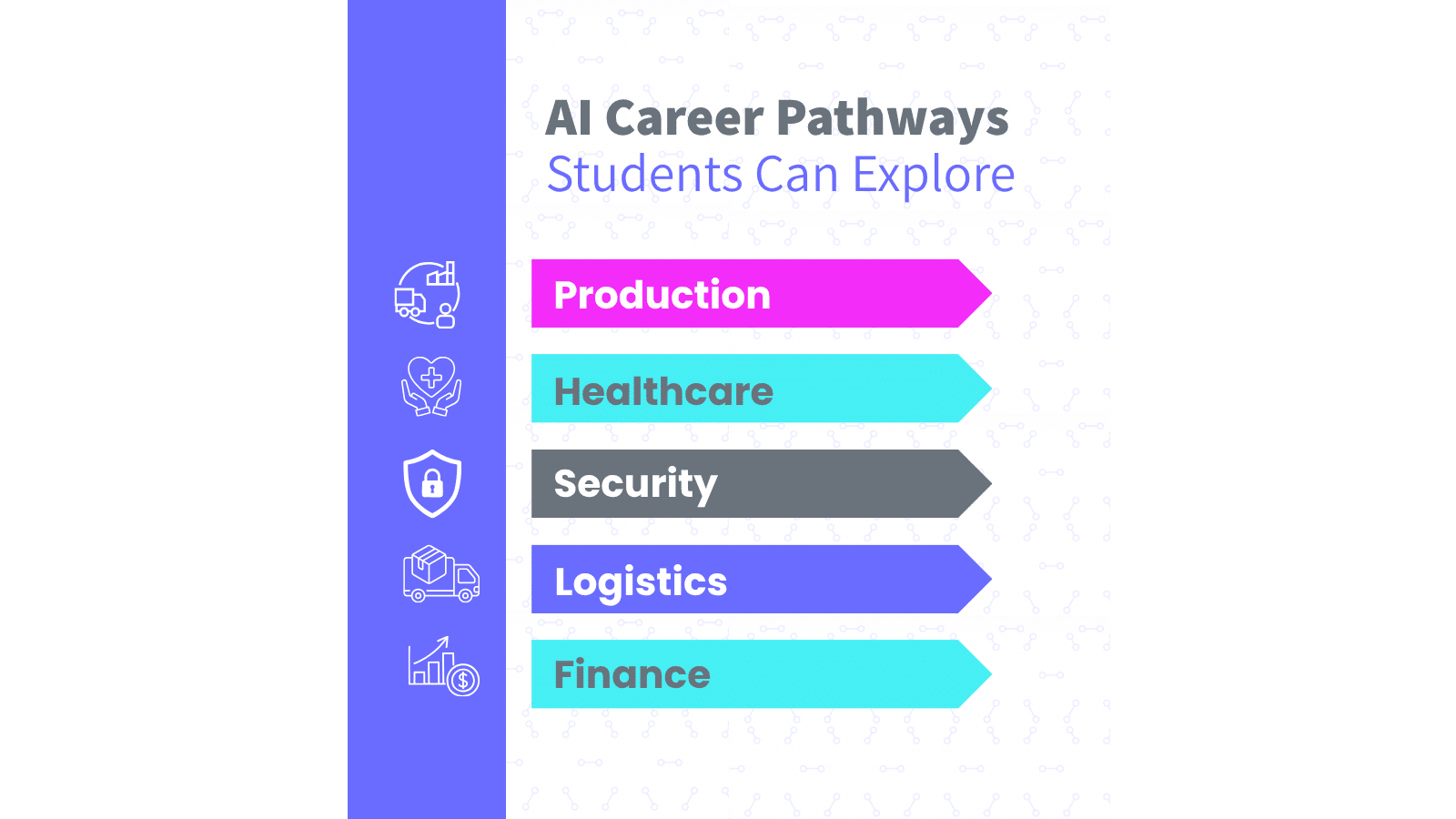
From logistics companies optimizing delivery routes with AI to healthcare providers using machine learning for diagnostics, artificial intelligence is woven into daily operations. Even non-technical careers increasingly require AI familiarity, whether that is understanding how to work with AI systems or using them to make decisions faster.
Employers are looking for graduates who can:
- Collaborate with AI systems efficiently
- Apply AI tools to solve practical problems
- Adapt to AI-driven changes in their industry
Without AI integration, CTE programs risk graduating students who are behind before they even start.
Policy Momentum and Funding Support
Recent U.S. Department of Education guidance, state-level AI education roadmaps, and workforce readiness initiatives all point to one thing: schools will be expected to integrate AI into the curriculum. Many of these efforts also come with funding support for curriculum, training, and technology, giving districts an immediate opportunity to act.
Benefits of Adding AI to CTE Now
- Career readiness: Students develop in-demand skills that employers recognize and value.
- Hands-on engagement: Students apply AI concepts to real-world problems, building confidence and deeper understanding.
- Cross-disciplinary impact: AI benefits IT programs, healthcare, agriculture, business, and engineering.
Practical Examples for AI in CTE
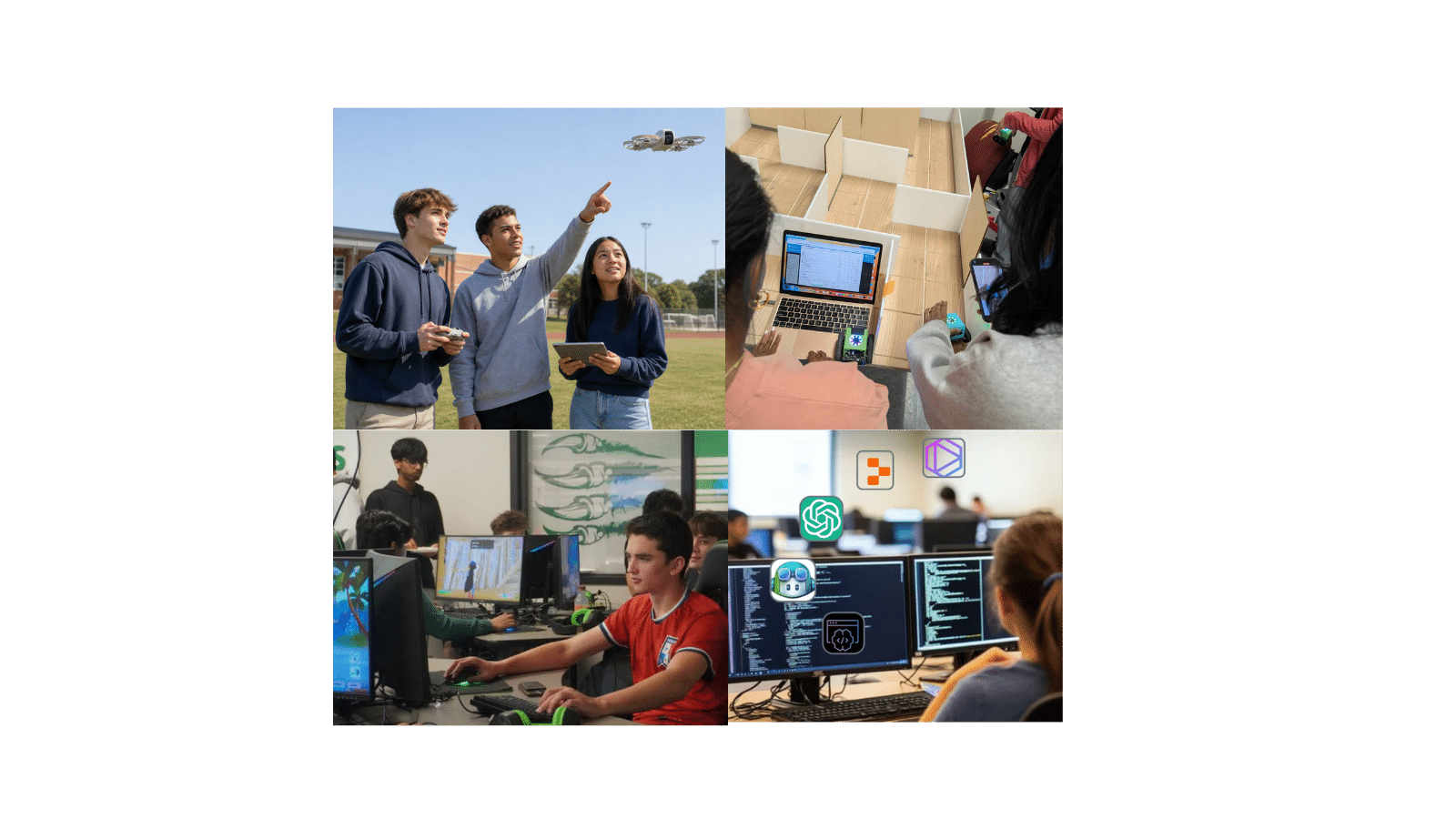
Python Programming with AI Assistance
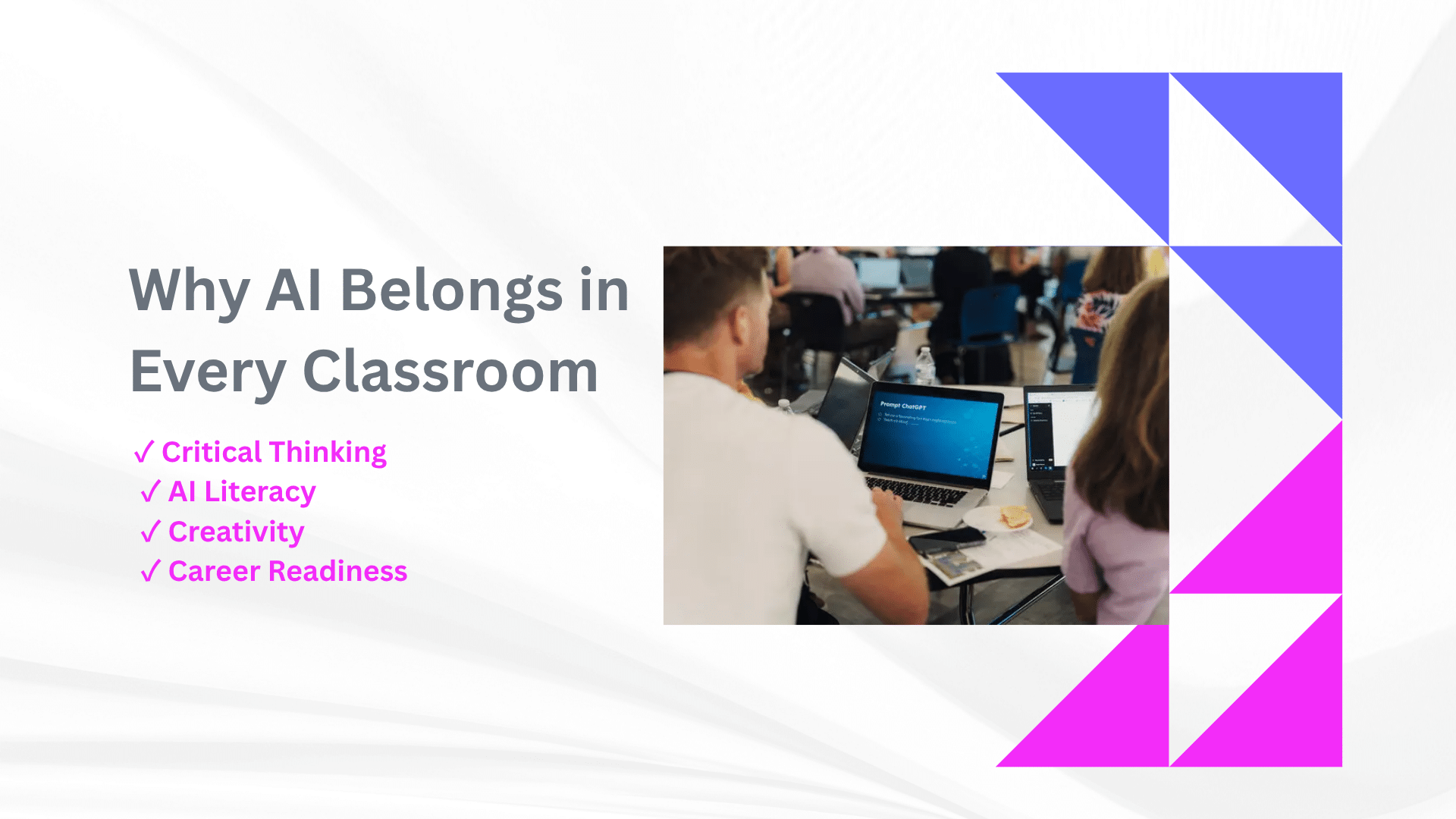
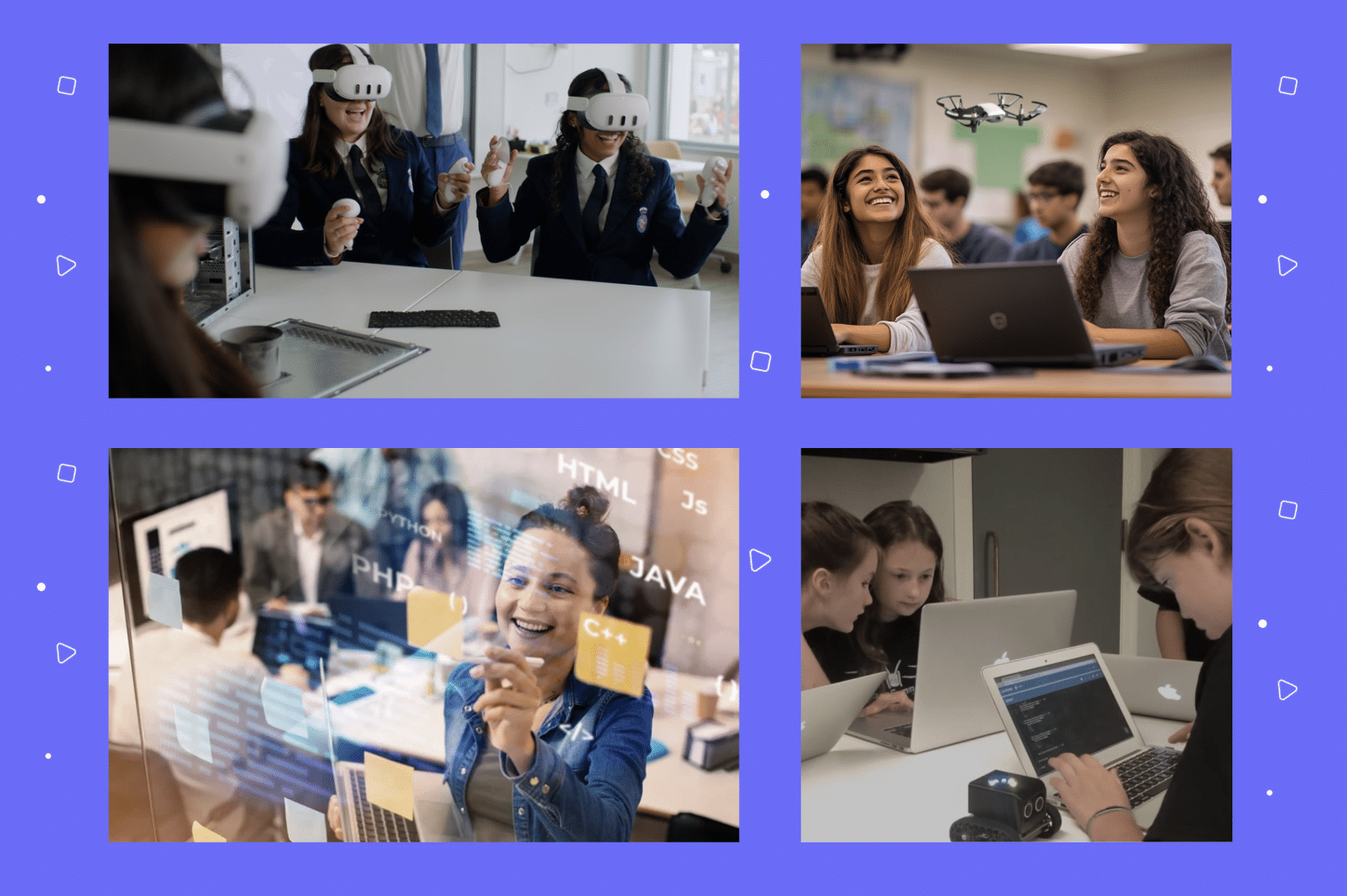
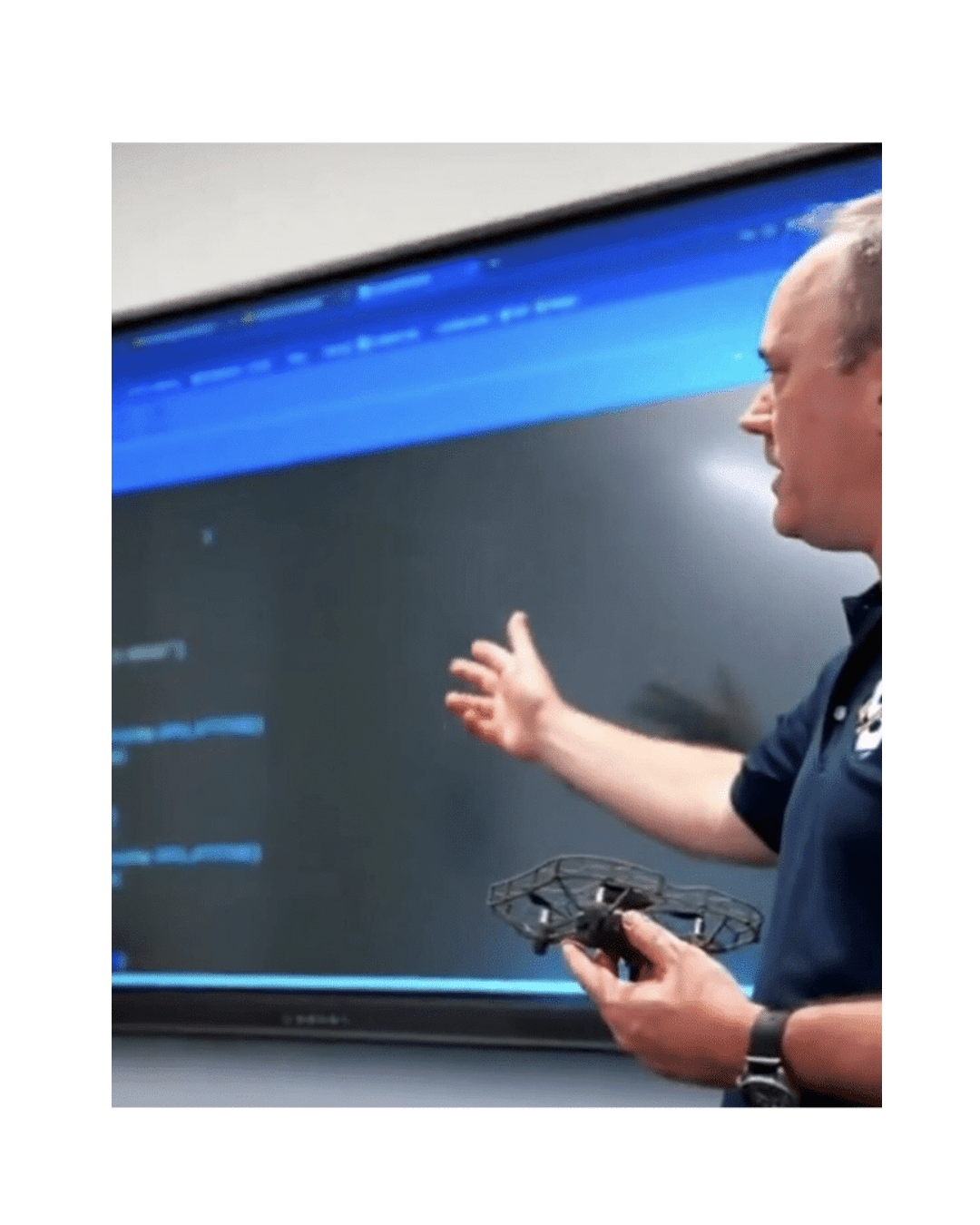
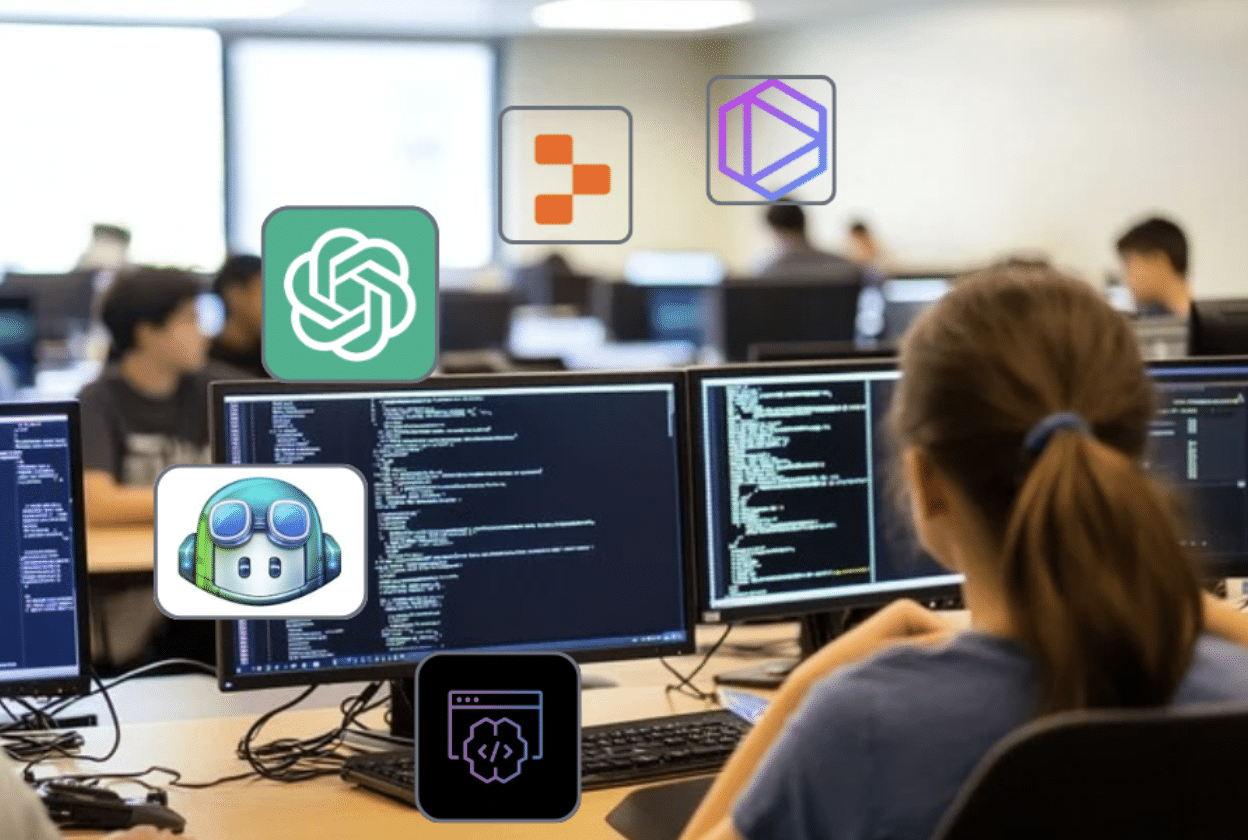
Teaching Python remains a cornerstone the Information Technology pathway. Adding AI-assisted programming takes it further by introducing students to tools like GitHub Copilot or ChatGPT for coding support, debugging, and problem-solving. Students learn how to:
- Write and optimize code with AI suggestions
- Evaluate and refine AI-generated solutions
- Apply automation to streamline development tasks
This approach enhances coding fundamentals, preparing students for the way software development already works in many professional environments.
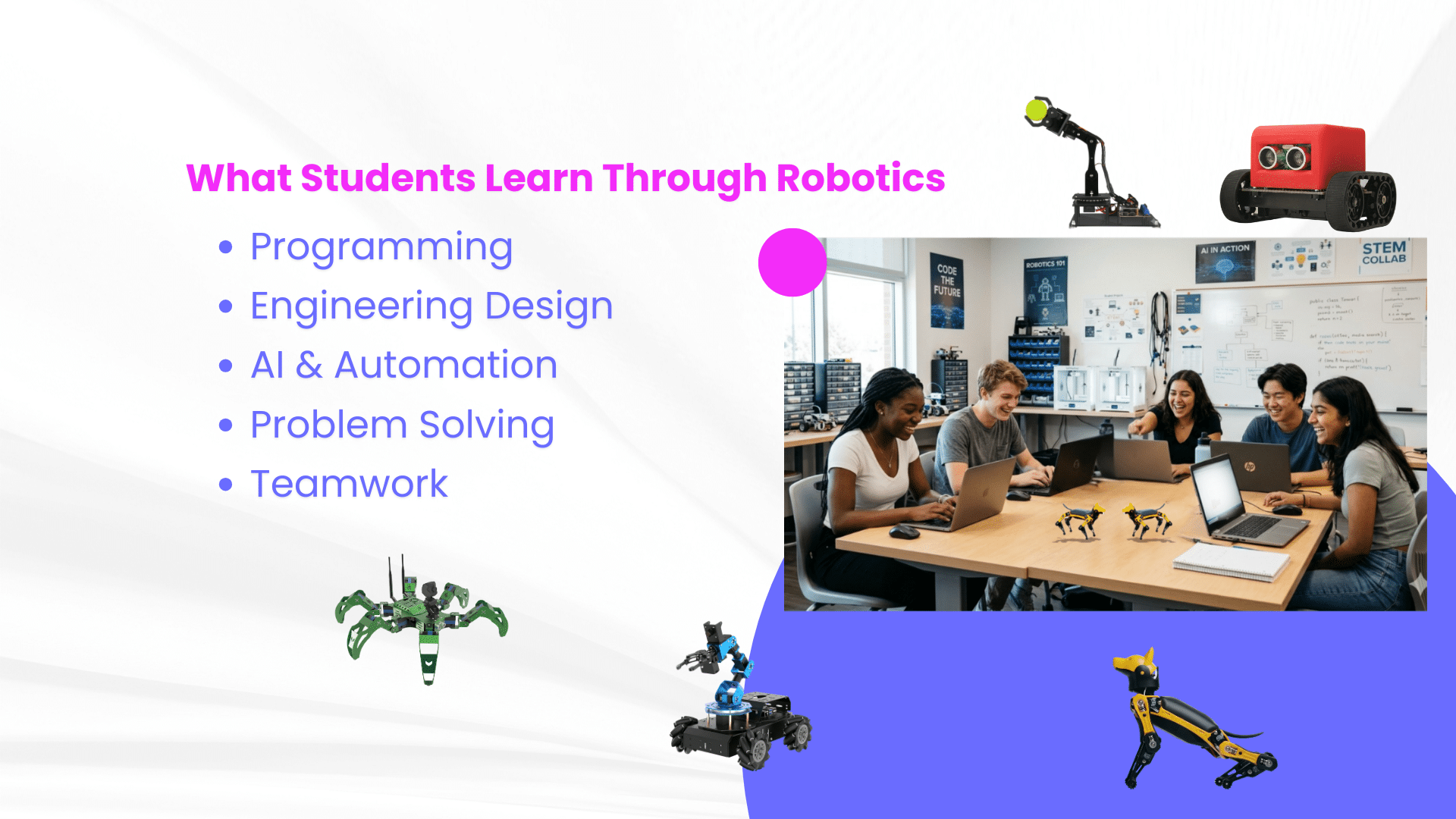
Robotics with AI Integration
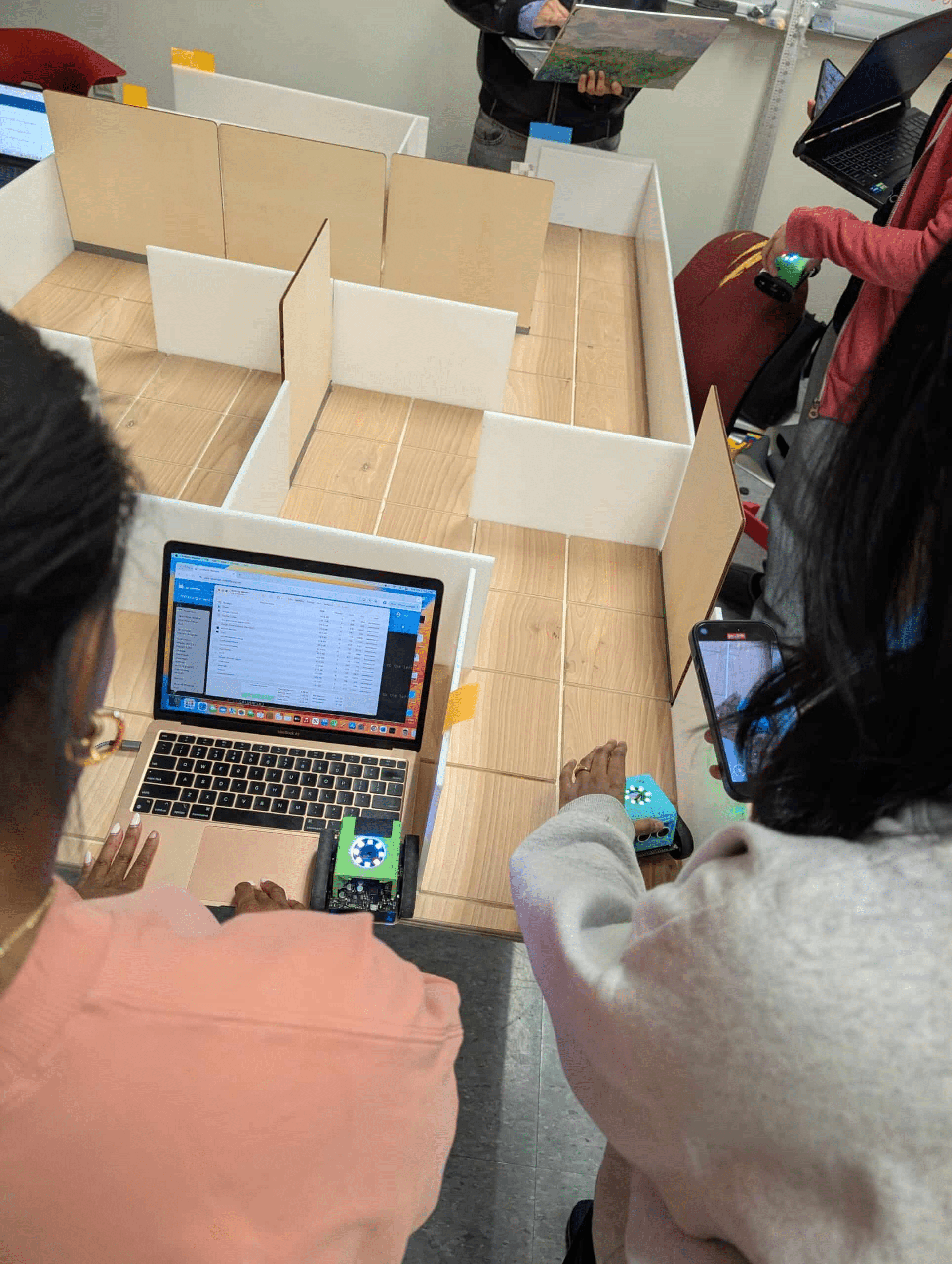
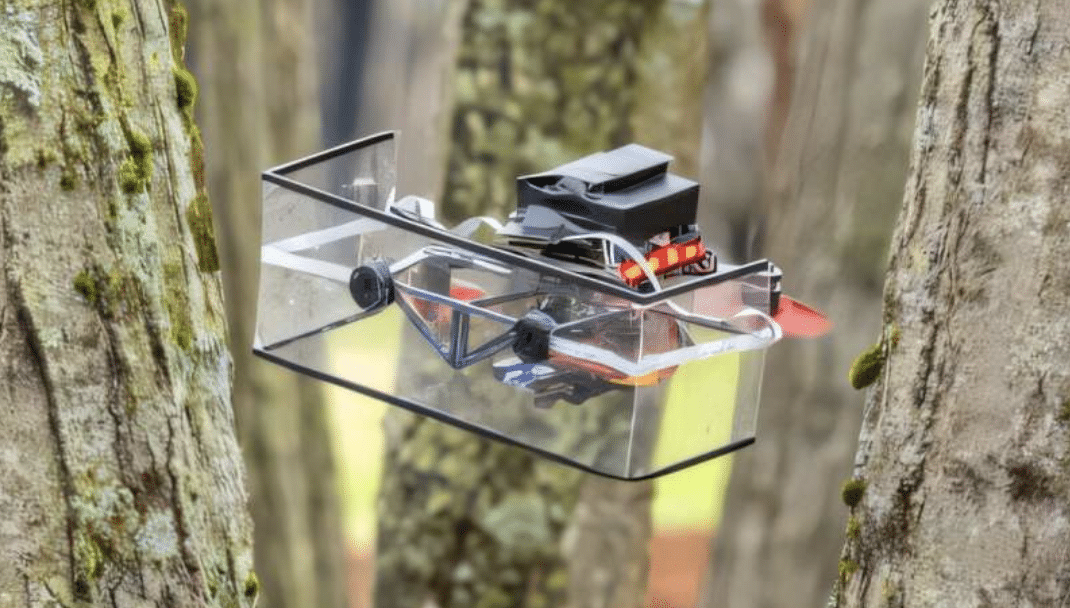
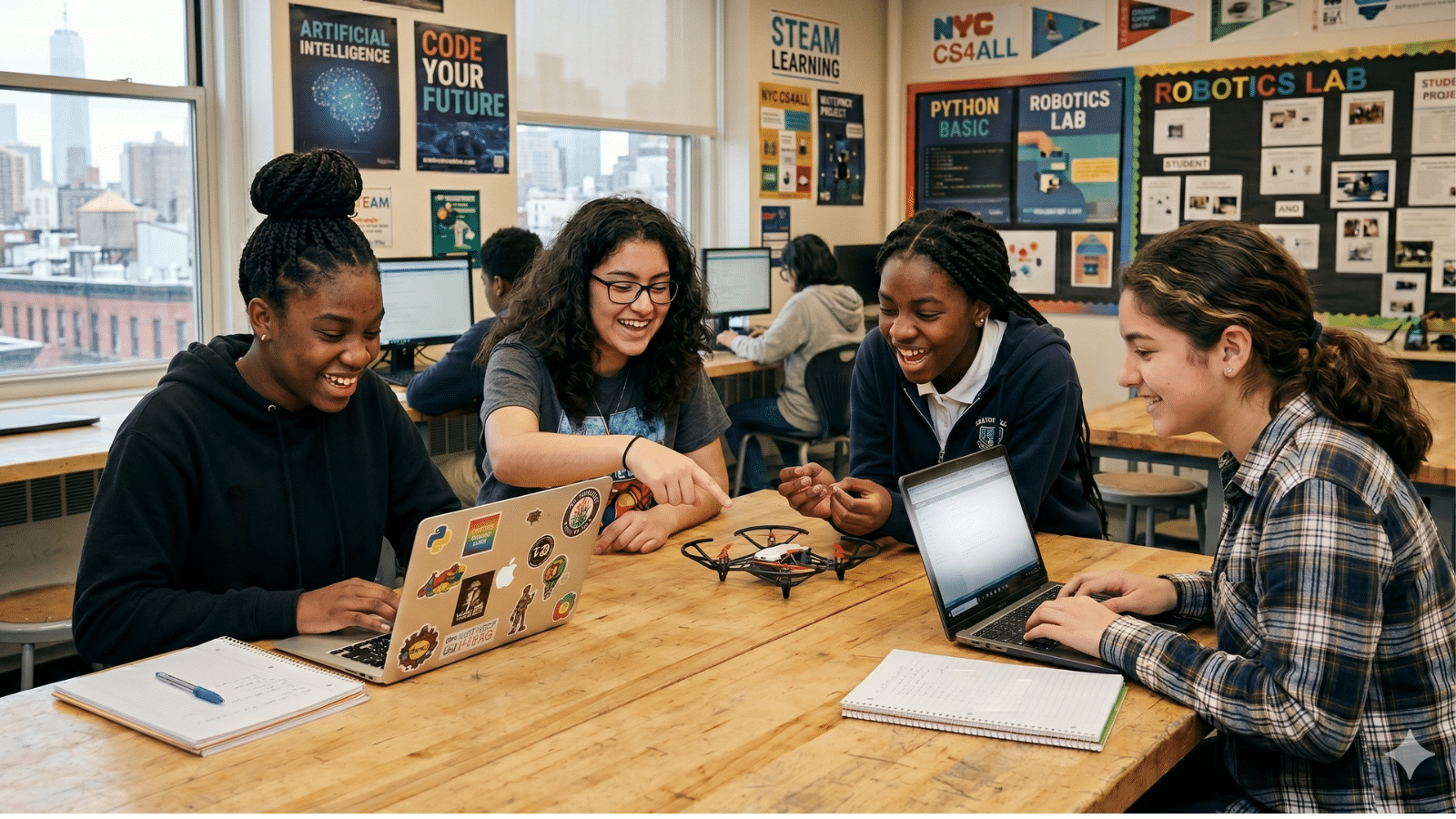
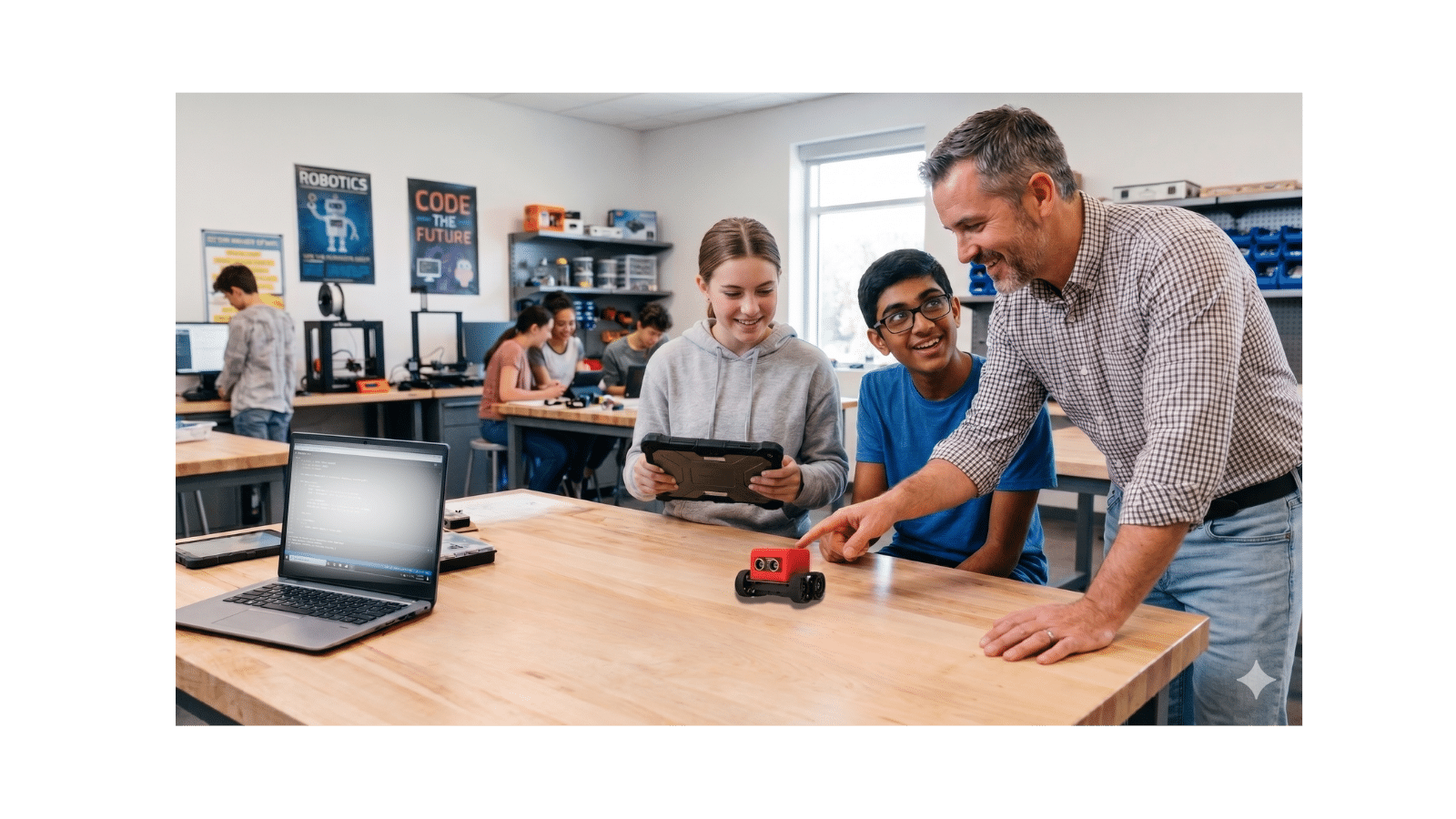
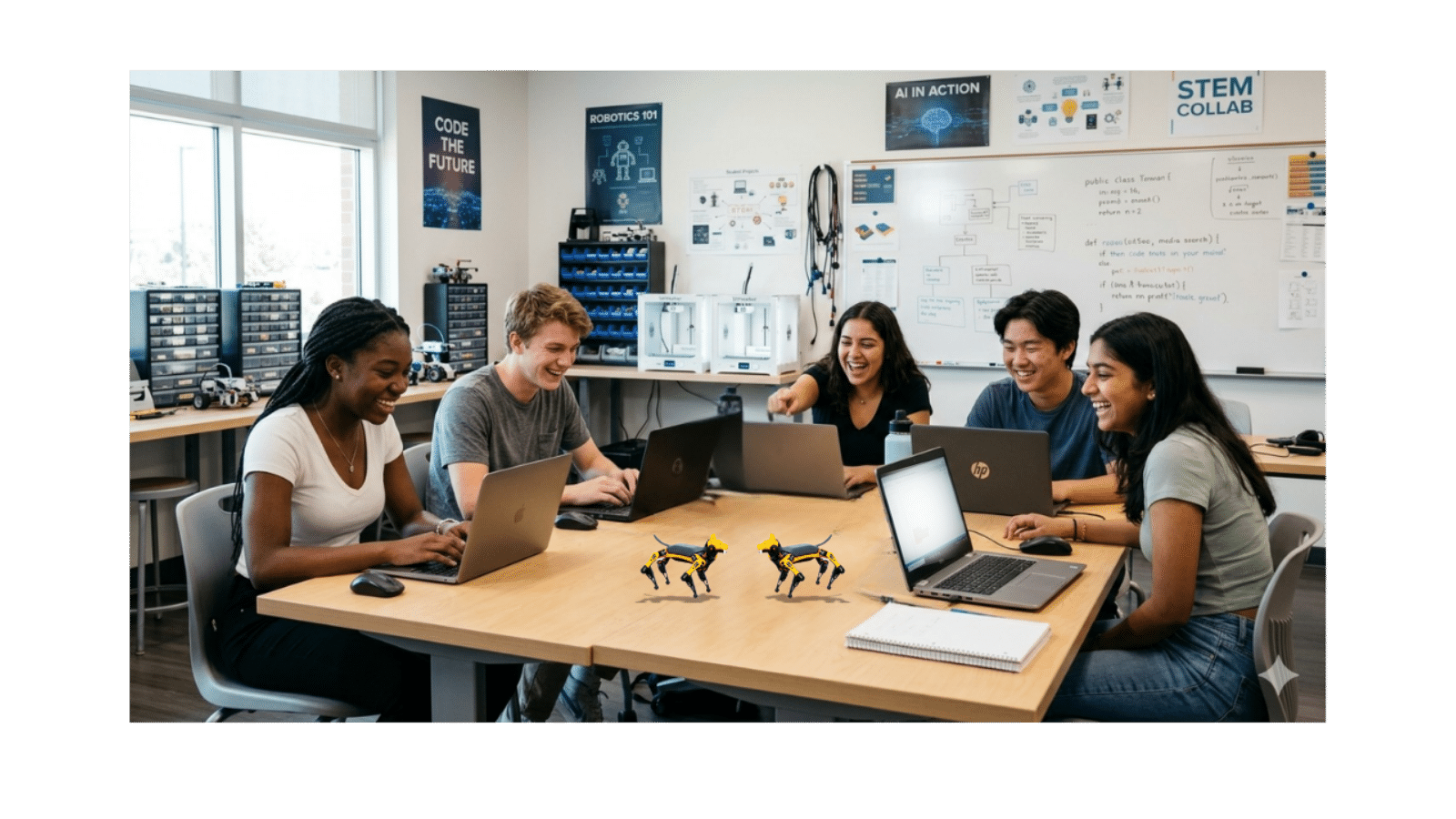
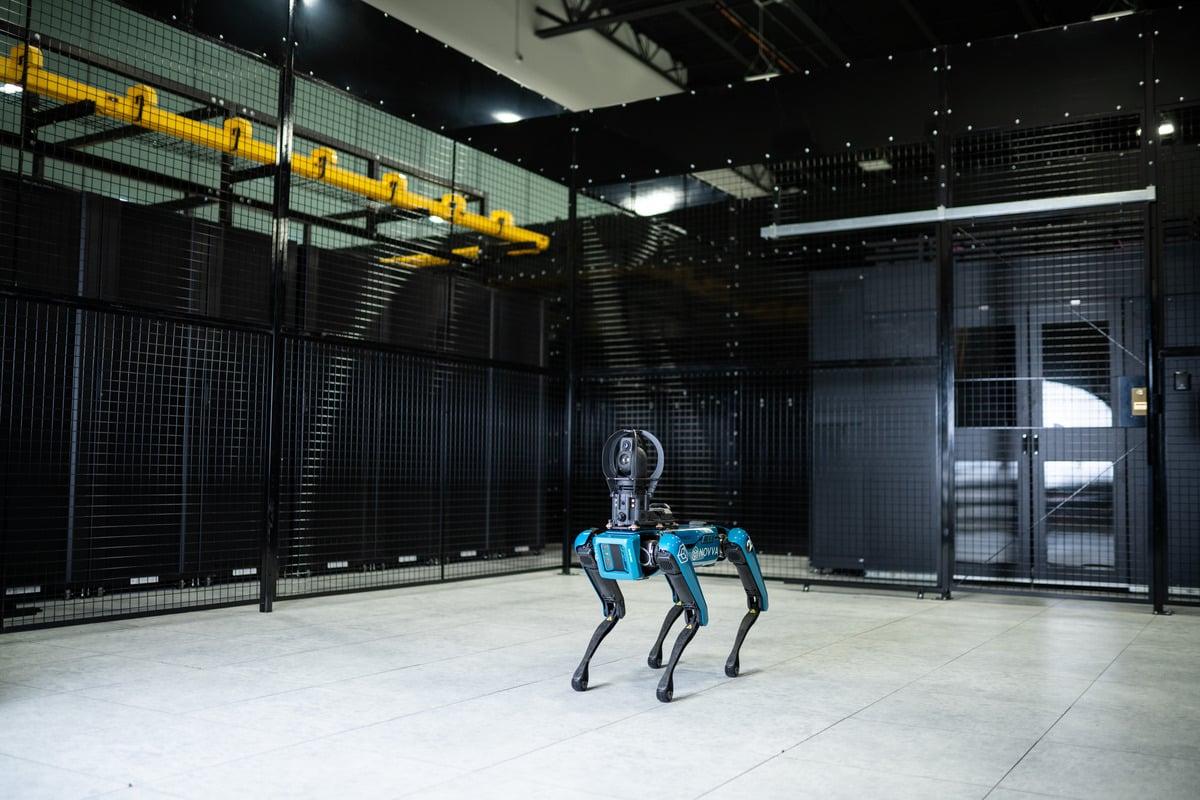
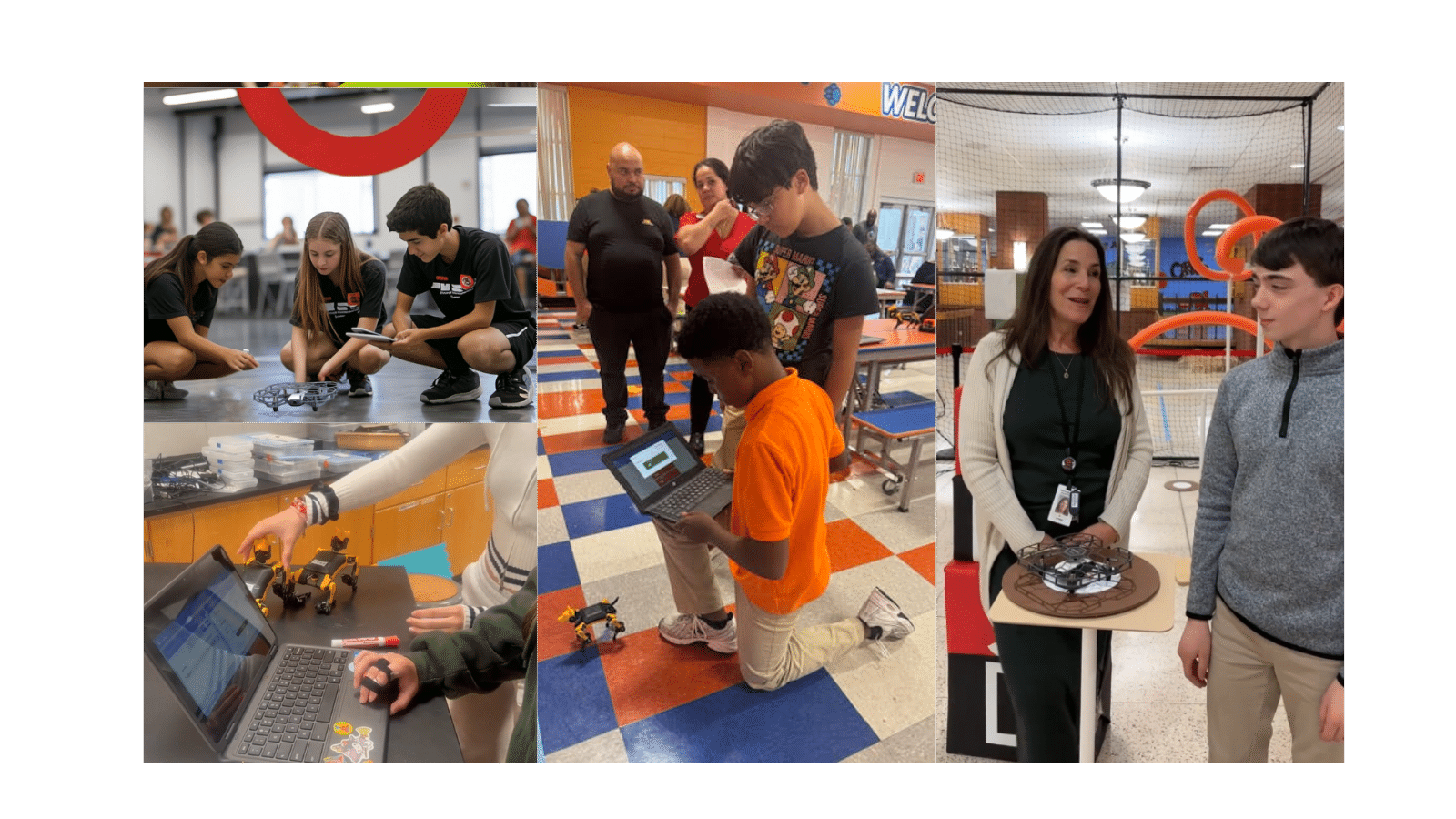
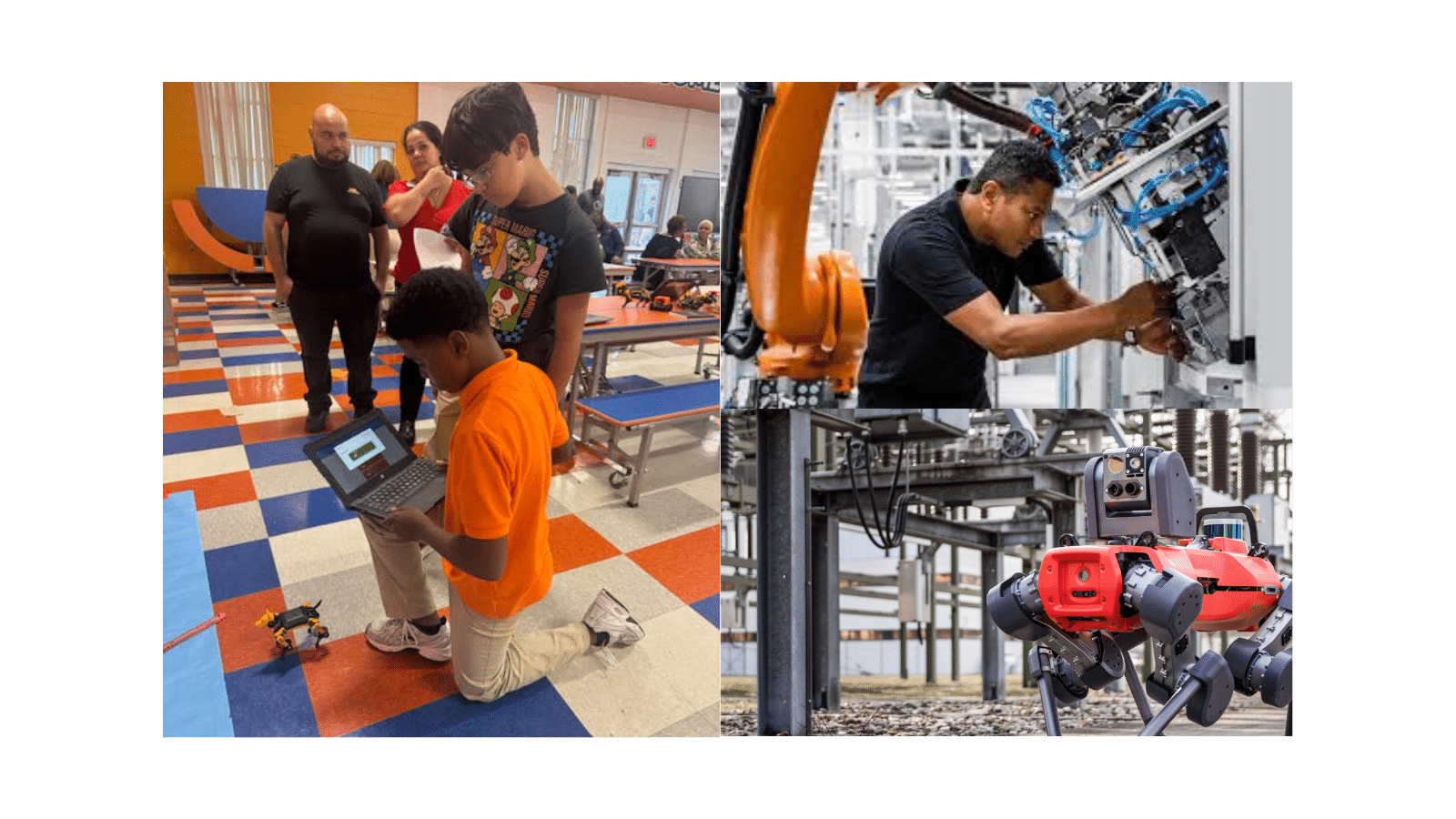
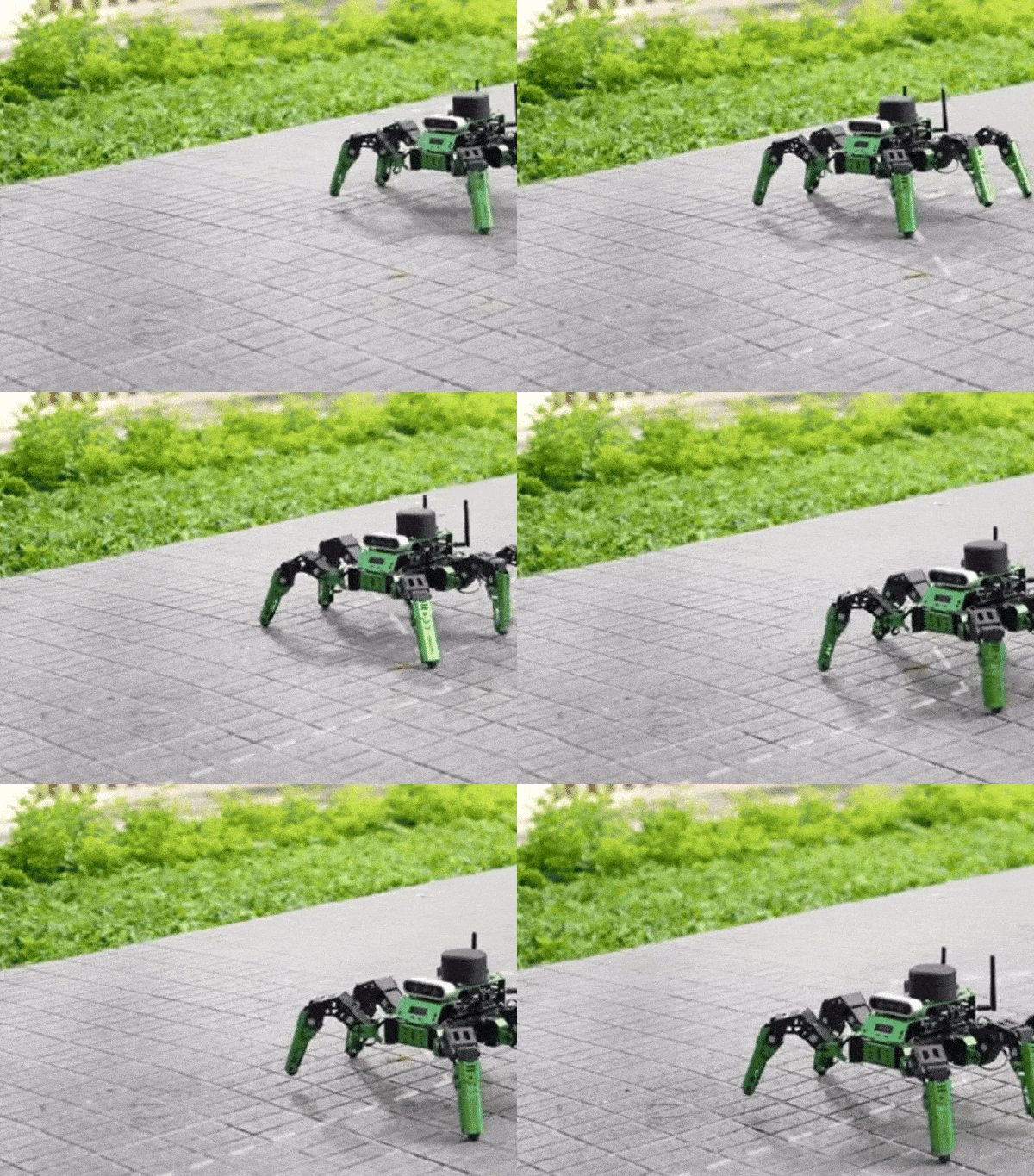
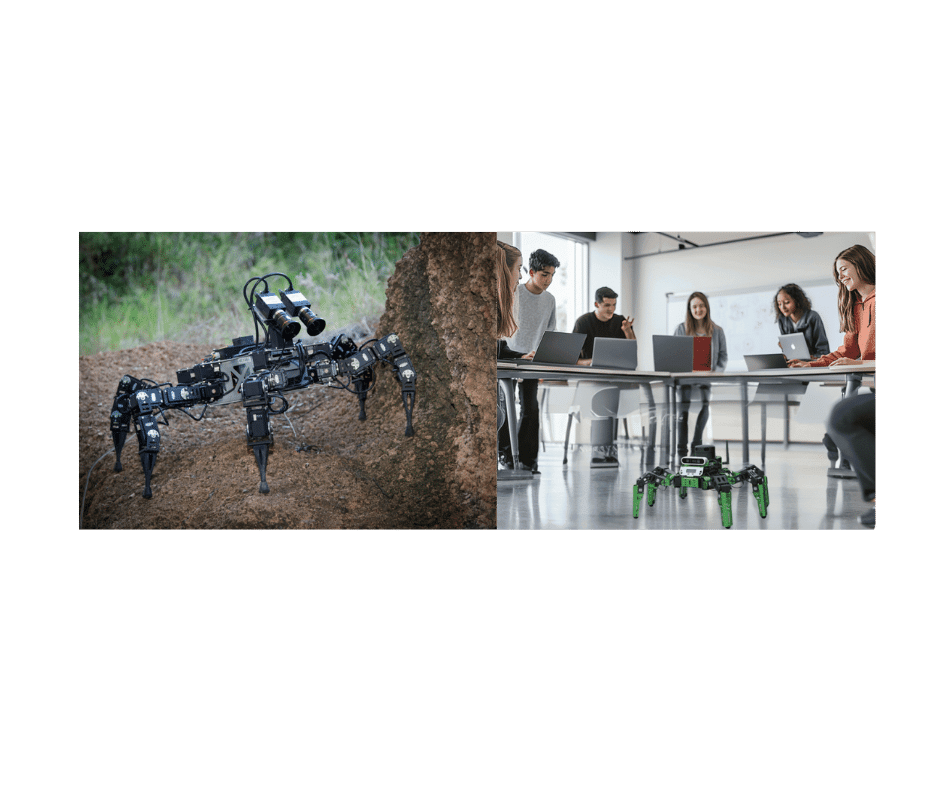
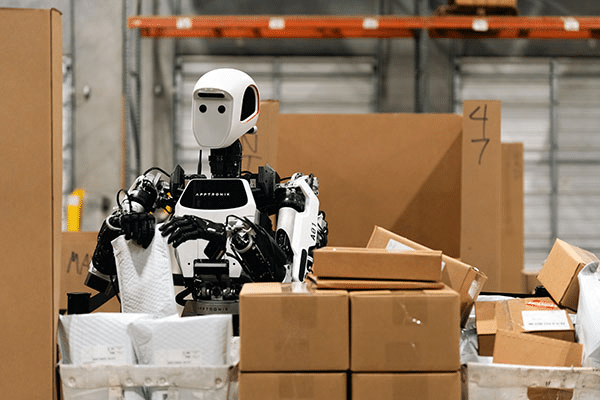
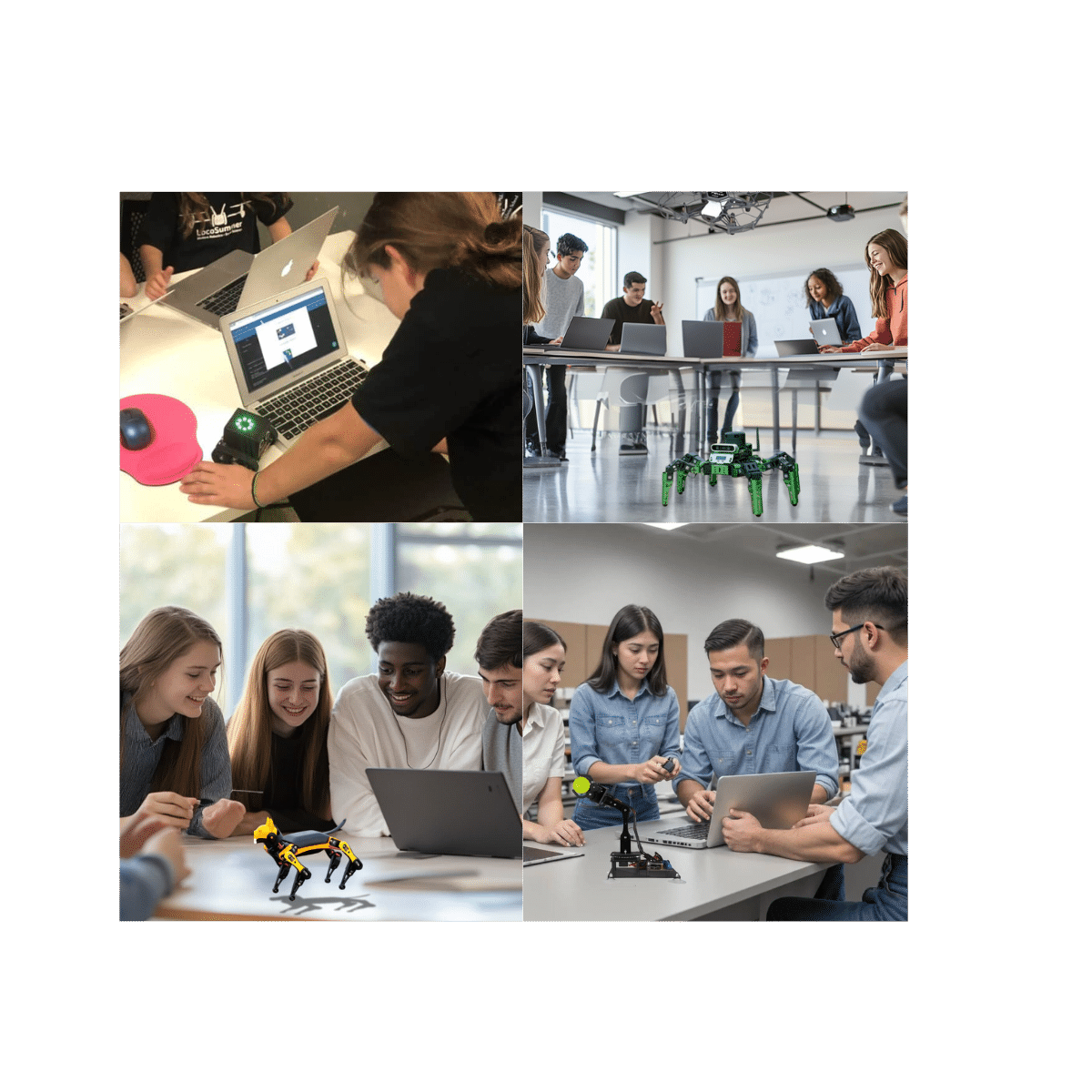
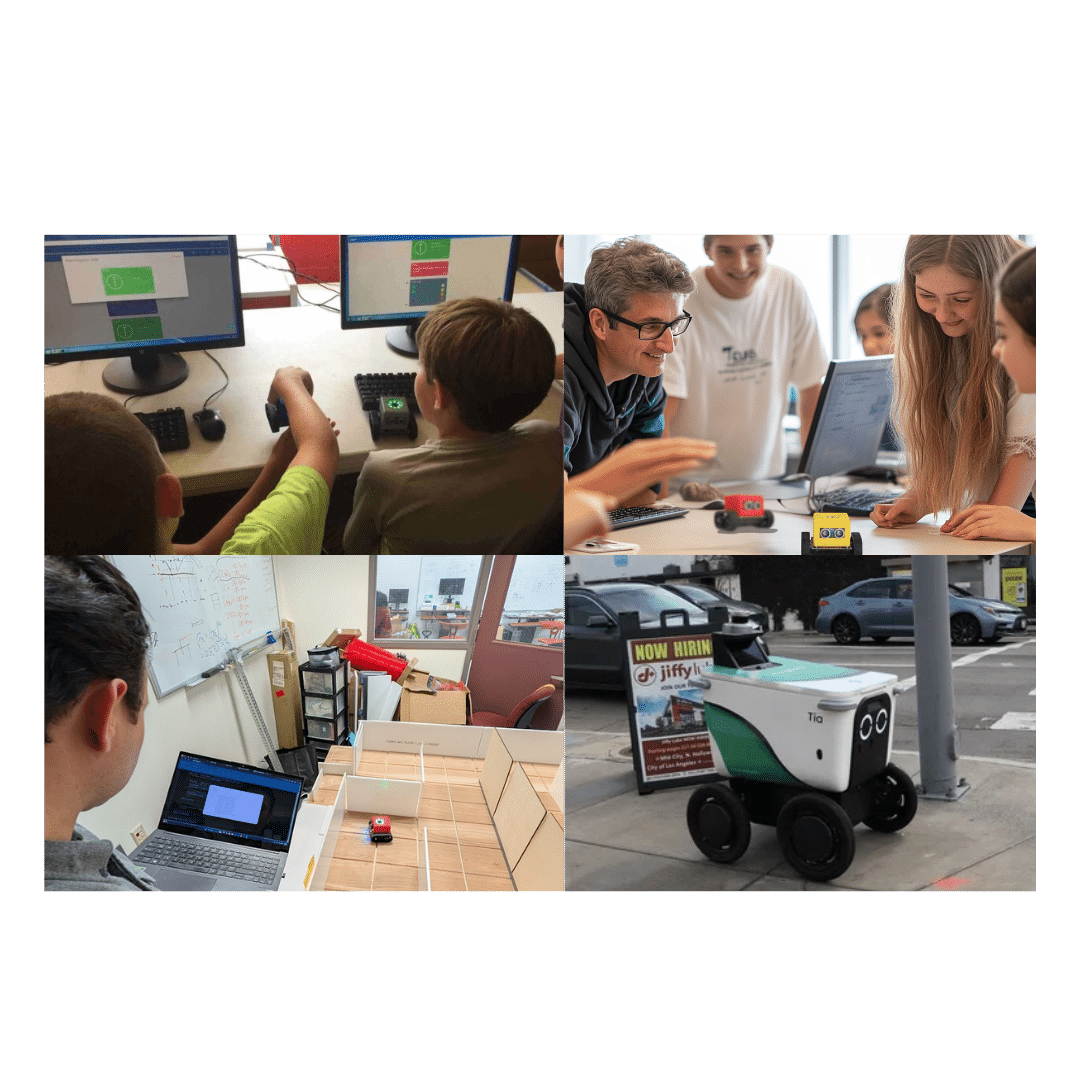
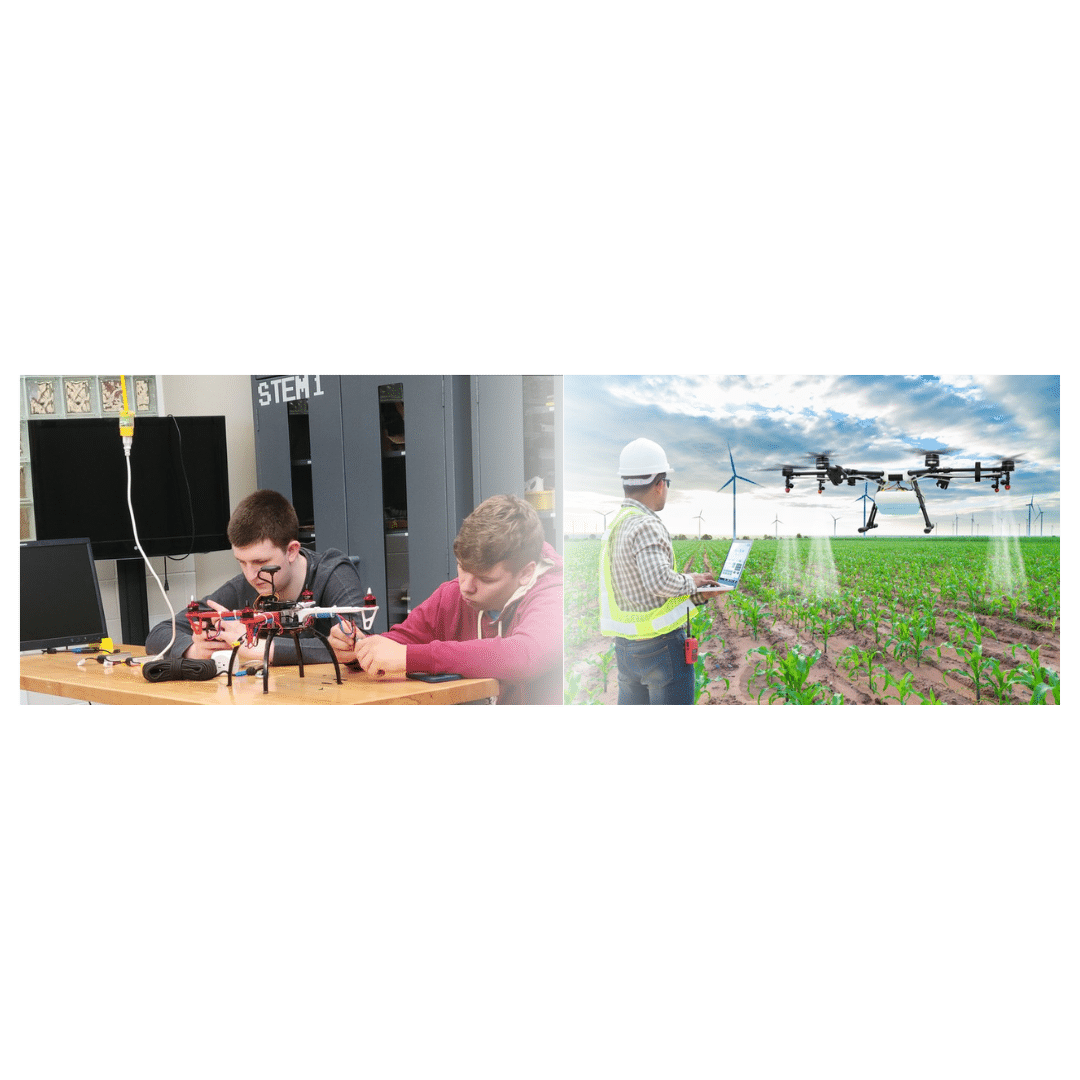
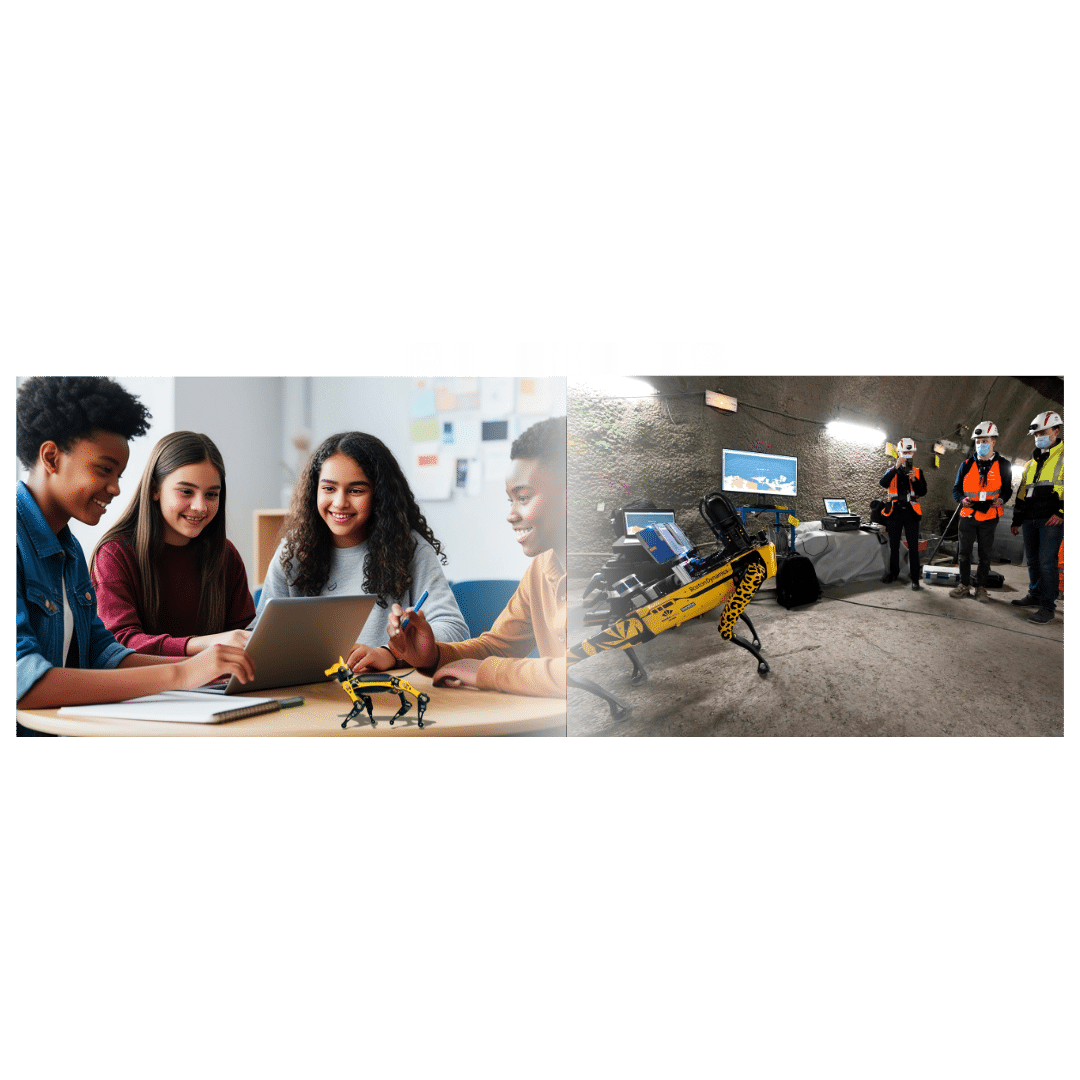
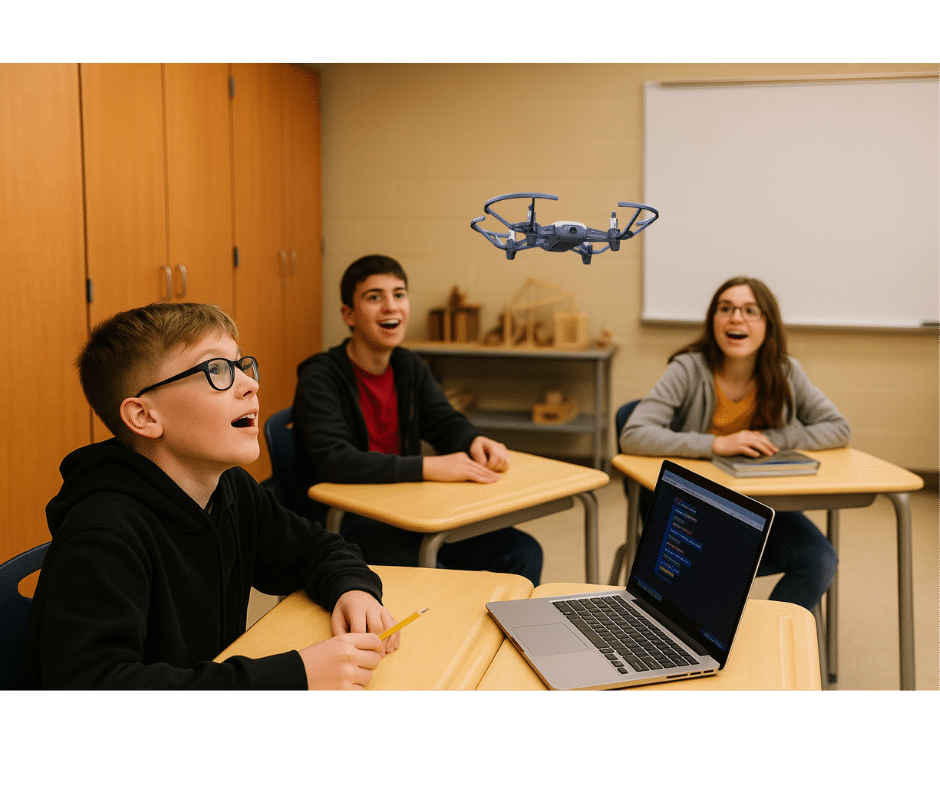
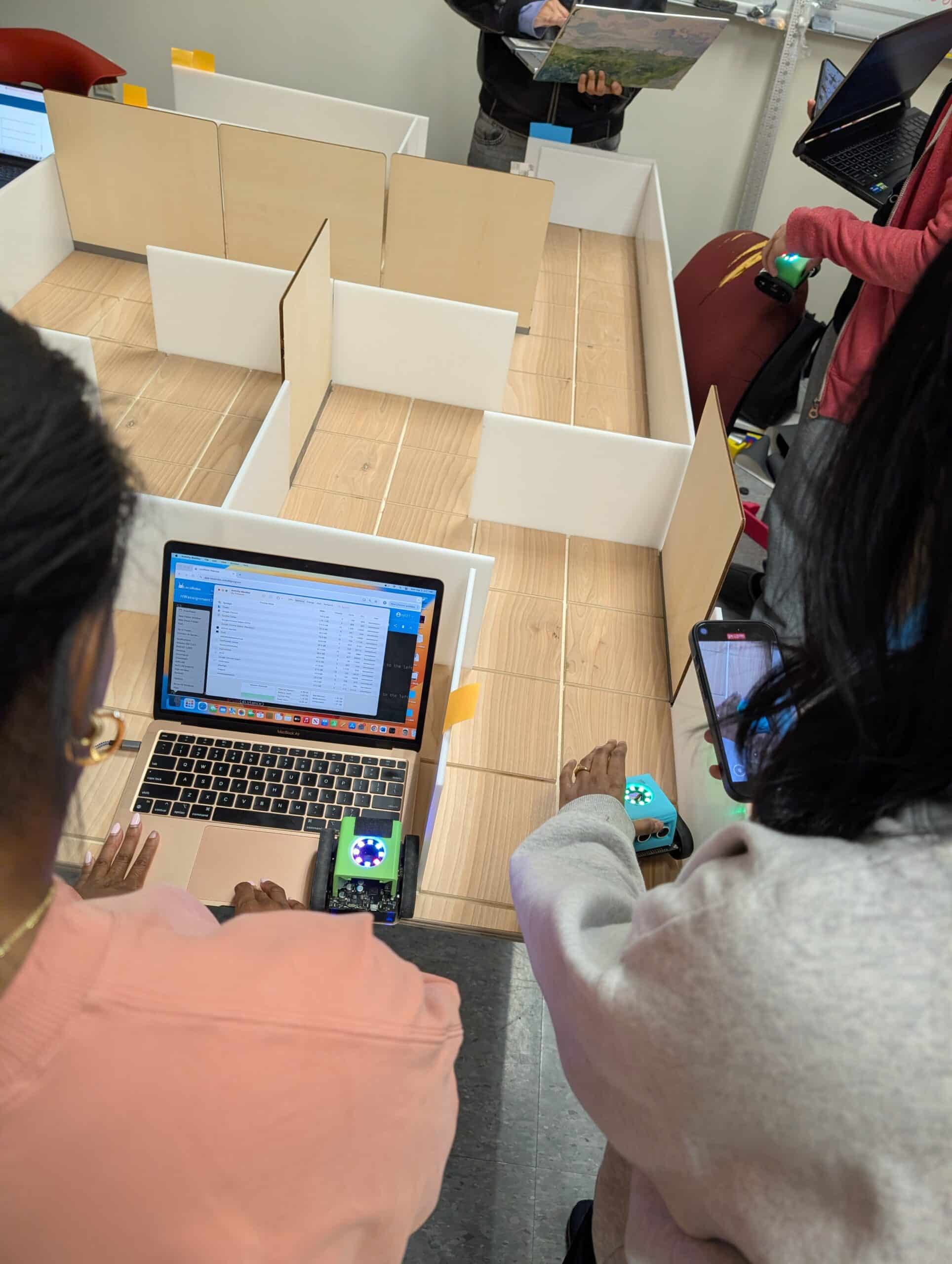
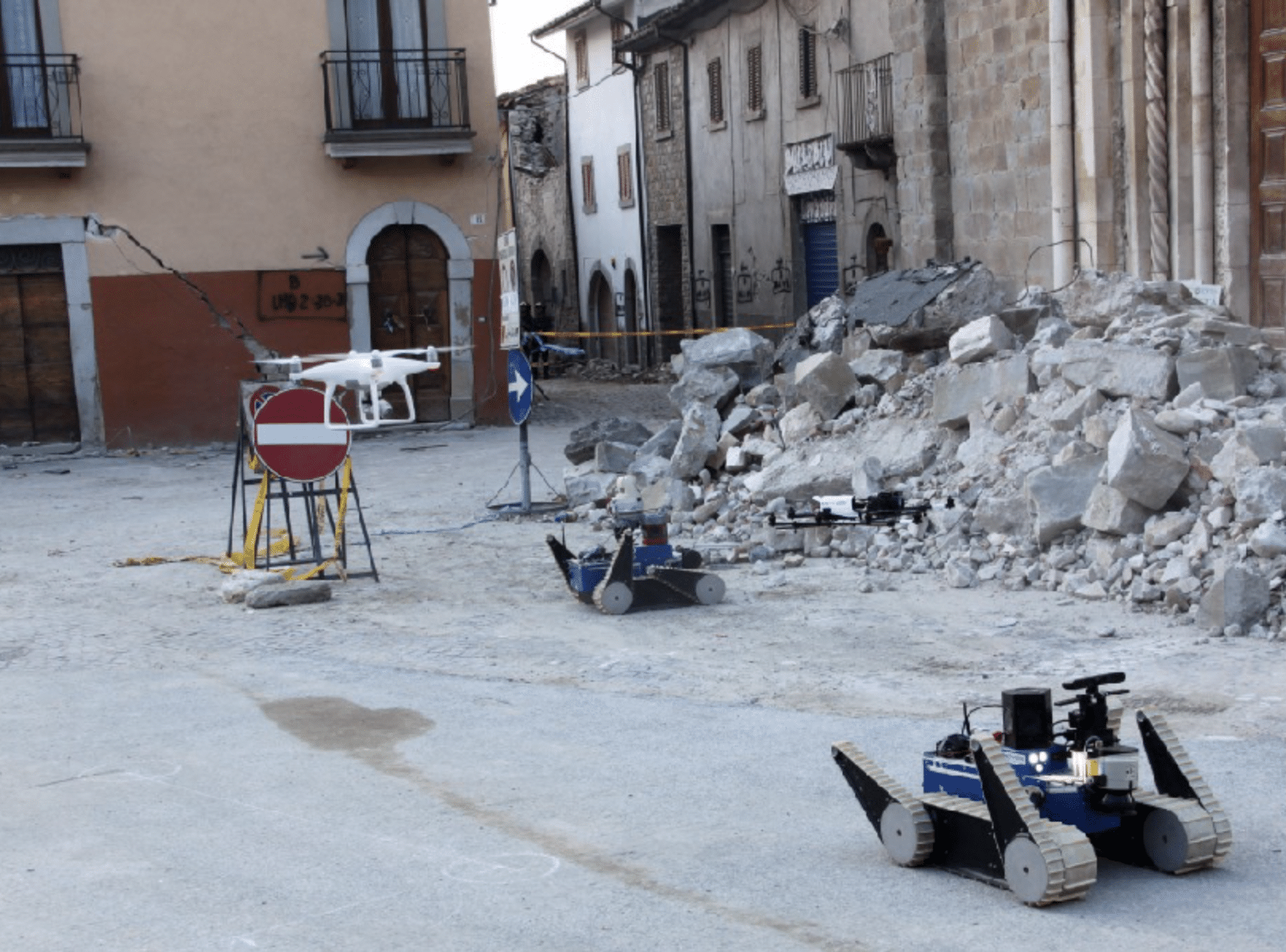
Robotics projects become even more relevant when paired with AI. Students can program robots to make data-driven decisions, navigate environments, or recognize and respond to objects. In IT and Engineering-focused CTE pathways, robotics offers:
- Sensor data analysis and machine learning applications
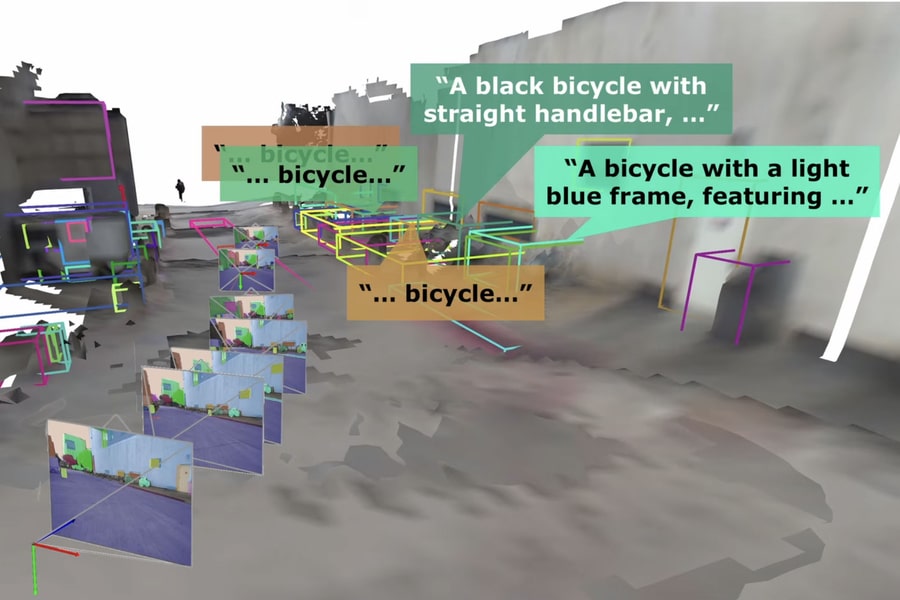
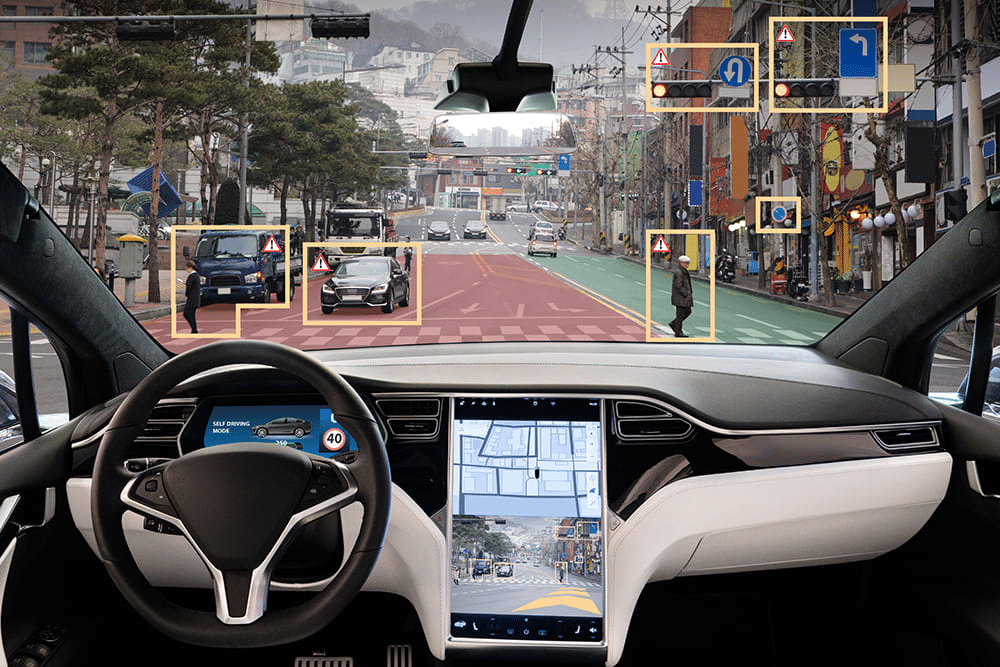
- Autonomous navigation challenges using computer vision
- Real-time decision-making with AI algorithms
These experiences bridge the gap between abstract AI concepts and tangible, physical problem-solving, a key factor in skill retention and student engagement.
Business and Marketing with AI Data Analysis
AI is transforming how businesses make decisions. In Business/Marketing or Finance pathways, students can use AI-driven tools to analyze datasets, identify trends, and generate insights. This shows students how AI supports everyday workplace tasks such as:
- Customer behavior analysis and segmentation
- Market trend prediction with machine learning models
- Data visualization to guide decision-making
By incorporating AI into business courses, students gain exposure to the same tools professionals use to drive strategy and efficiency in the workplace.
Getting Started Before 2026
Schools don’t need to overhaul their entire CTE structure to begin integrating AI. Start by:
- Auditing existing courses for natural AI touchpoints.
- Introducing AI modules in existing courses, whether programming, robotics, or business-focused projects.
- Leveraging available funding for curriculum, training, and equipment.
- Partnering with a provider that offers a ready-to-use AI curriculum and ongoing educator support.
Why Waiting Isn’t an Option
By 2026, AI fluency will be a standard skill in many careers. Districts that start now will have graduates ready to thrive in an AI-driven workforce, while those who wait risk leaving students at a disadvantage.
Build AI Into Your CTE Pathway with LocoRobo
LocoRobo’s AI curriculum for schools spans every stage of K–12, making it easy to align with your existing CTE pathways. From AI Foundations in elementary grades to Intro to AI Concepts, AI Tools, and Prompt Engineering for MS and HS, students build practical skills in areas like generative AI, data analysis, automation, and responsible use.
Advanced options include Python Programming with AI Assistance, LocoAI for robotics and automation, AI for Business and Data Insights, and the Generative AI Certification covering applications from engineering and IT to healthcare and marketing. Our ongoing teacher support and comprehensive lesson plans ensure you can start strong, without adding to your workload.
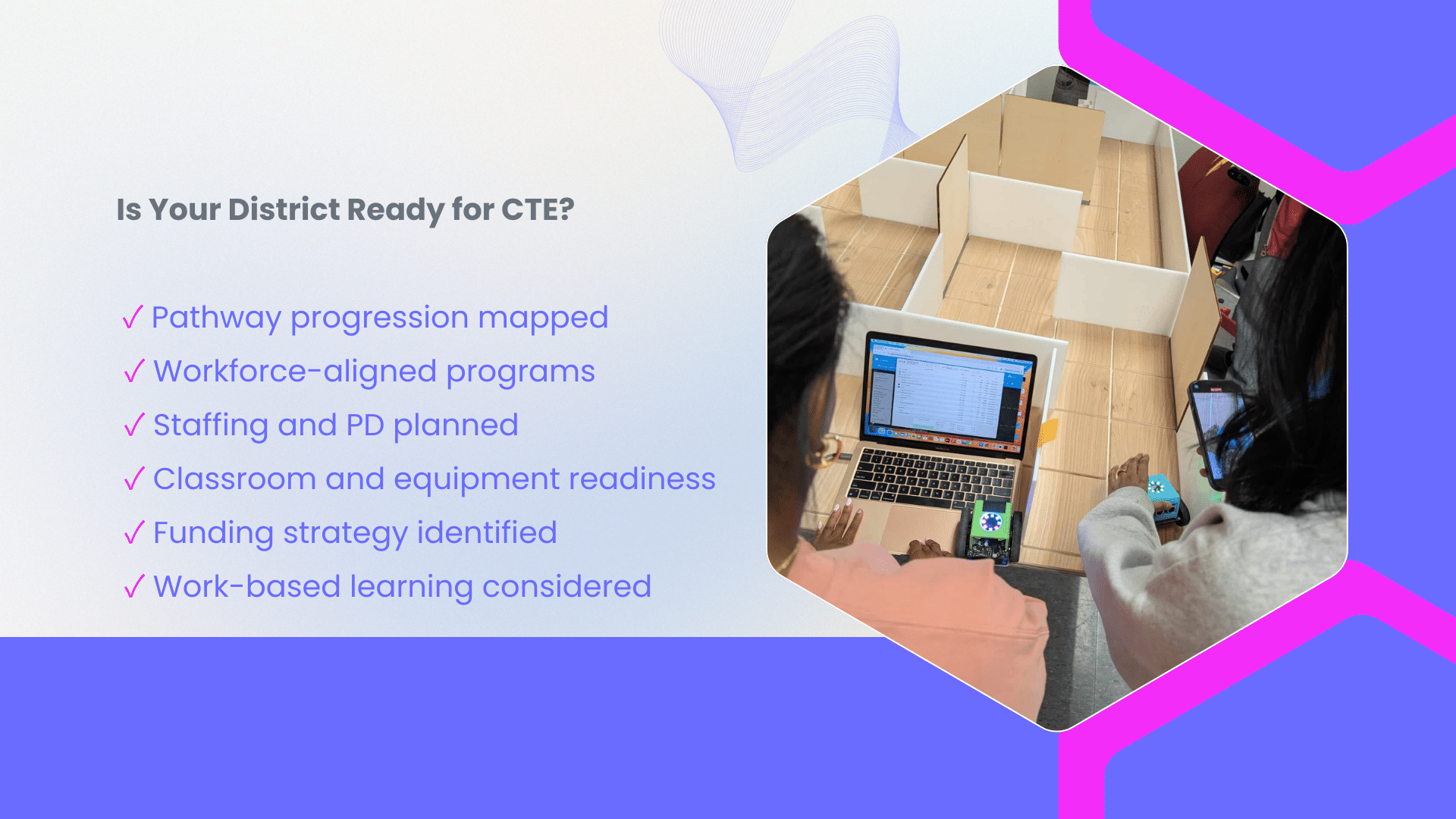
Take the AI Readiness Self-Assessment to see how your district can integrate AI into CTE.