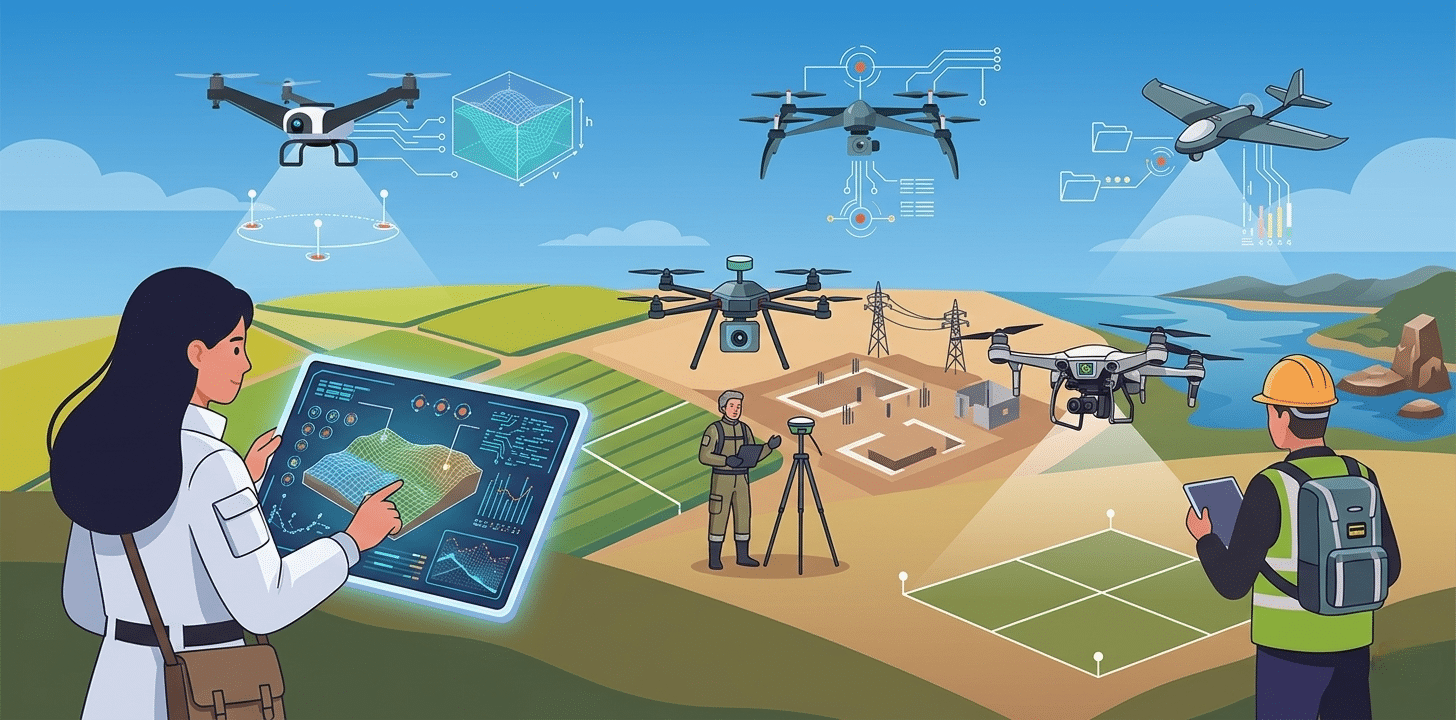
Building a place for people to live and work on the Moon begins with practical questions. What resources are available? Where can vehicles travel safely? How will equipment reach the places it is needed?
Robots will help gather the information needed to answer them.
NASA’s October 20, 2026, progress update highlights work on robotic rovers and lunar terrain vehicles intended to support mapping, resource prospecting, scientific investigations, and astronaut transportation. These machines are being developed to help teams understand and operate on the lunar surface.
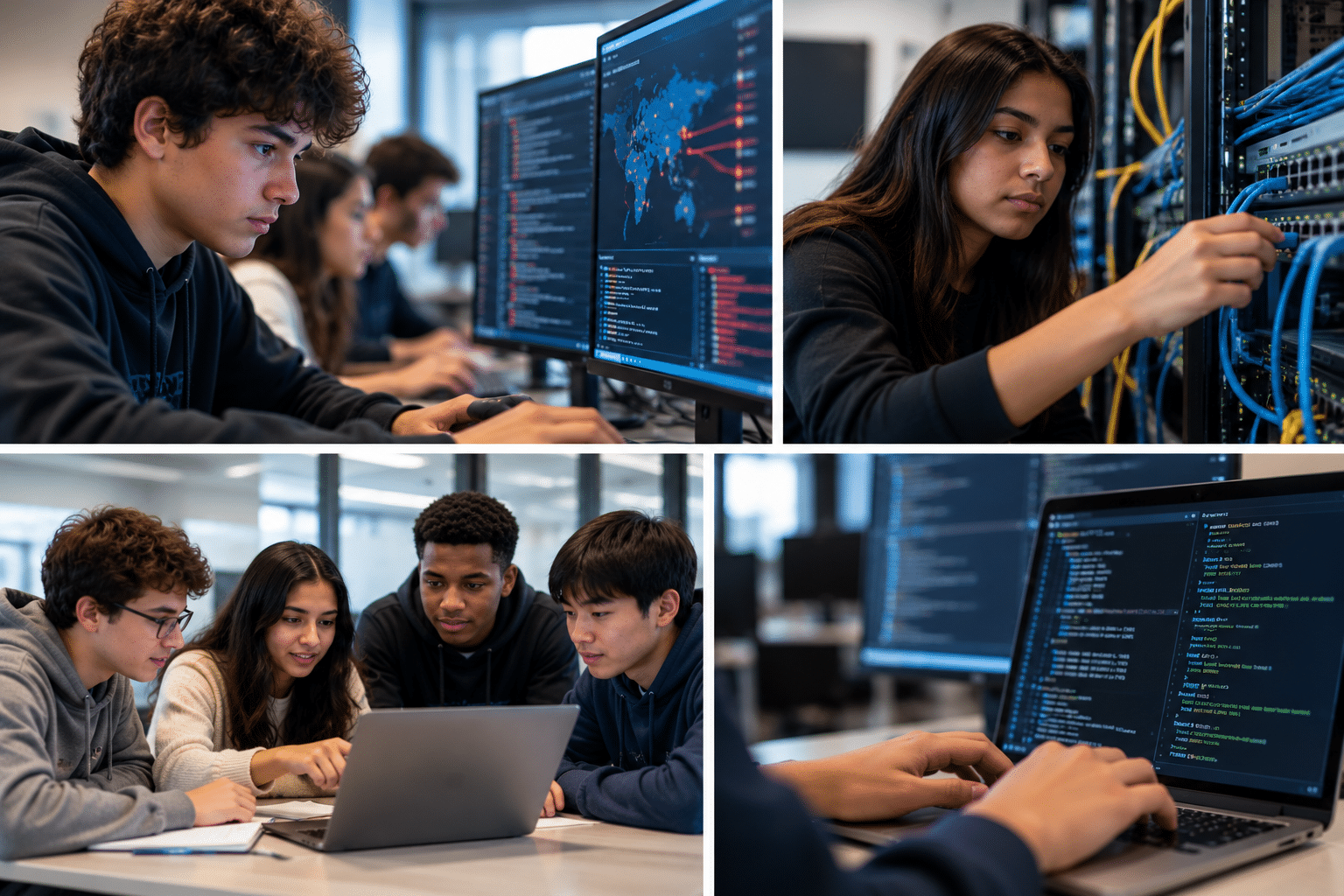
For students learning robotics, this story offers a compelling connection: the challenges behind lunar exploration involve concepts they can investigate through coding, movement, sensors, and testing.
What Are Engineers Developing for Lunar Exploration?
NASA’s update describes progress on vehicles from Astrolab and Lunar Outpost, including designs intended to carry astronauts.
Astrolab’s Crewed Lunar Vehicle 1 draws on its FLEX rover architecture. The company has delivered a mockup for evaluations involving spacesuit mockups, allowing teams to examine the cabin, controls, and how astronauts would interact with the vehicle.
Lunar Outpost’s work on its Pegasus vehicle includes preparations to evaluate tire traction and mobility. Both companies are also preparing for driving evaluations in simulated lunar conditions. These development activities will help engineers refine the vehicles before their intended missions. www.nasa.gov
That process gives educators something useful to highlight. Engineering involves more than creating a design that looks capable. Teams must test how it performs, identify weaknesses, and use evidence to make improvements.
Students experience the same process when a robot works during an initial test but struggles after the route, surface, or payload changes.
Why Robots Need to Do More Than Move
A robot can reach a destination and still fail to complete its mission.
If its purpose is to investigate an area, it must gather useful information along the way. Its sensors, movement, and data collection need to work together.
Consider a classroom robot sent to inspect three possible locations for a small model base. Reaching all three locations is one goal. Determining which location offers the clearest access or the most usable space requires additional observations.
Students need to decide:
- What information should the robot collect?
- How should the findings be recorded?
- Which sensors or measurements could provide it?
- What evidence would support a recommendation?
These questions help students connect programming with a purpose. A movement command becomes part of a larger investigation.
A Shorter Route Is Not Always a Better Route
Planning a route on paper is different from getting a physical robot to follow it.
A direct path might include an obstacle. A narrow passage might leave too little room to turn. A movement that works at low speed might become unreliable when the robot moves faster.
These are useful problems for robotics education because students can observe the consequences of their decisions.
For example, students might program a robot to stop when an obstacle is detected. Their first version could work well until they increase its speed. They then need to investigate whether the robot detects the obstacle early enough and whether the stopping distance has changed.
The lesson extends beyond correcting code. Students must consider how software instructions interact with the machine and its surroundings.
An assumption worth examining is that a successful run proves a robot is reliable. Testing the same program under different conditions helps students discover the limits of that conclusion.
Turn the Story Into a Classroom Exploration Mission
Teachers can use lunar exploration as the context for a robotics project with a clear objective: investigate an unfamiliar area and recommend a location for a base.
Create an exploration zone using safe obstacles, marked destinations, and several possible building sites. Keep the setup appropriate for the robot’s operating requirements.
Each team receives the same mission, but students decide how to approach it.
Plan the Investigation
Before programming, teams identify what they need to learn about each site. They might consider access routes, available space, obstacles, or distance from a supply point.
Students then explain which observations would help them compare the options.
Program and Test
Teams develop movement instructions and test their approach. Depending on the equipment available, they could use sensor readings, mapping tools, or recorded observations.
Encourage students to document failed attempts. A robot that cannot complete a turn or consistently reach a destination provides evidence that the plan needs revision.
Make a Recommendation
Ask teams to present their findings and justify their preferred site.
The nearest location may not offer the best access. A longer route may be easier to travel consistently. Students should explain those tradeoffs using their results.
This gives teachers a way to assess programming, data interpretation, testing, and communication within one project.
What Students Can Learn From Lunar Robotics
Lunar exploration provides a concrete reason to study how robotic systems work.
Students can see why movement control matters when terrain is unfamiliar, why measurements need to be reliable, and why engineers test a system under multiple conditions.
It also introduces a broader view of robotics careers. A successful exploration project requires people who can develop software, design mechanisms, interpret data, evaluate performance, and coordinate a mission.
Classroom projects let students practice parts of that work at an appropriate scale. They write instructions, observe results, explain failures, and improve their approach.
Explore Mapping, Movement, and Navigation With LocoHex
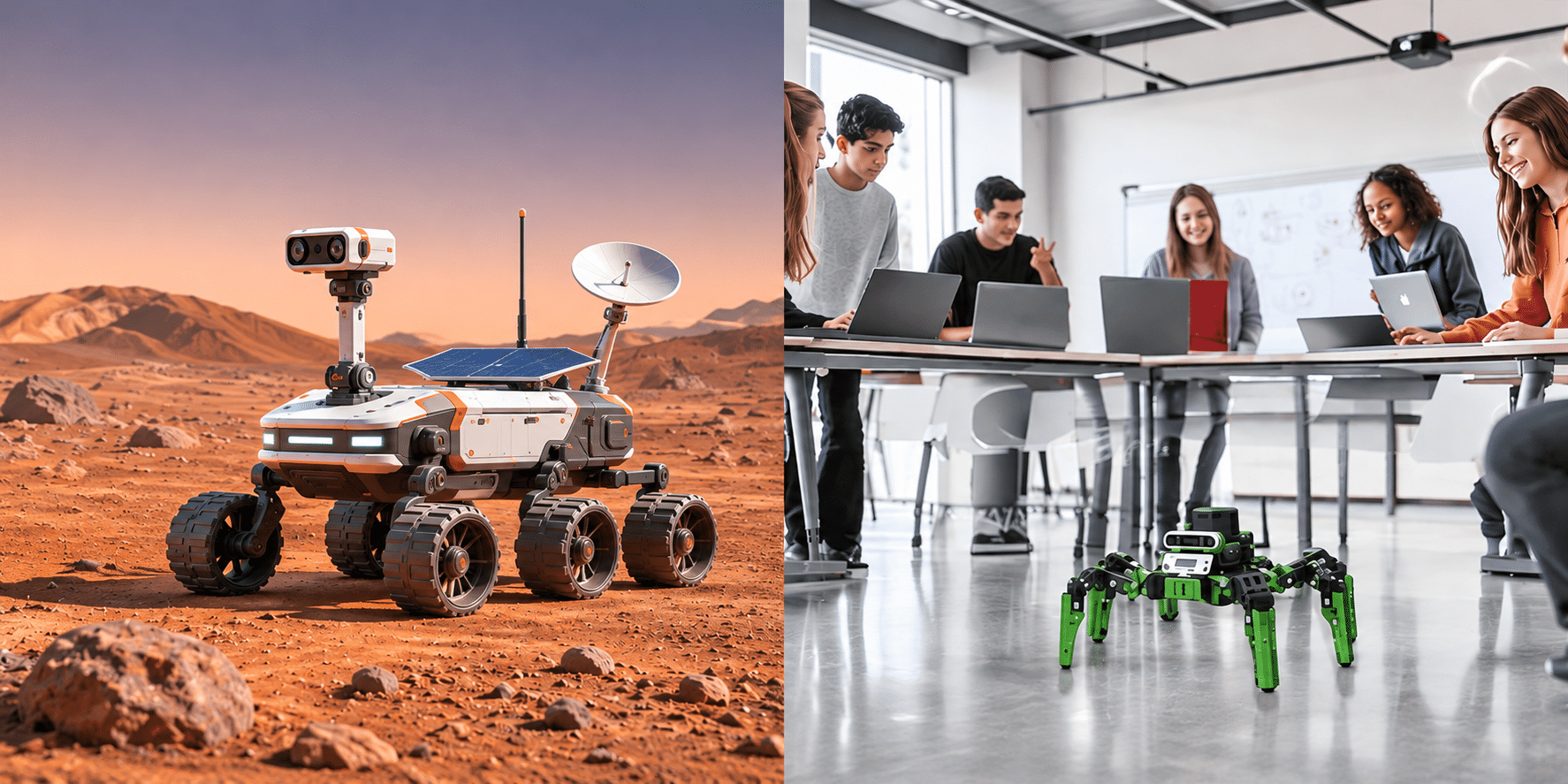
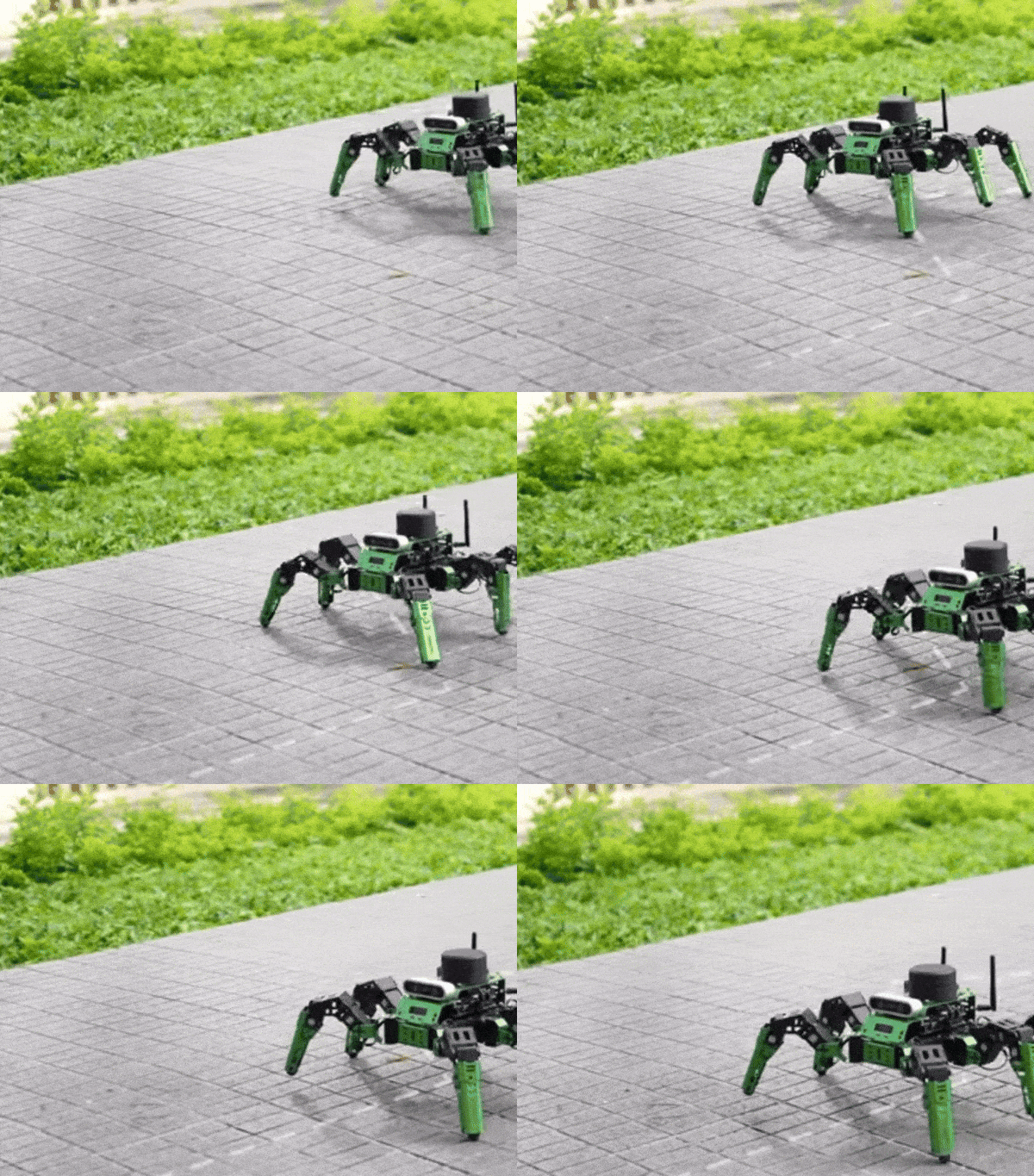
LocoRobo’s hexapod robot for STEM learning, LocoHex, gives students a hands-on platform for investigating related challenges through six-legged robotics.
With LiDAR and depth cameras, LocoHex supports projects involving navigation, mapping, and terrain analysis. Students can also explore gait, balance, and motion control, connecting programming decisions with the robot’s physical behavior. Its robotics curriculum includes video tutorials, assignments, and assessments to support classroom instruction.
Planetary exploration can provide the context for these investigations as students test how a robot moves through an environment and gathers useful information.
What does a robot need to know before it takes its next step? With hands-on robotics for education, students can begin developing and testing their own answers.
Explore LocoHex to discuss how mapping, movement, and autonomous navigation could fit your school’s STEM, computer science, or CTE program.