A student asks AI to write a Python program. Seconds later, the code is ready. They copy it, run it, and submit the assignment.
But did they actually learn Python?
With AI tools capable of generating code almost instantly, CS teachers face a new challenge: How do you teach programming when students no longer need to write every line themselves?
The answer is to focus on what students understand, not just what they can produce.
Teach Students to Understand Code, Not Just Write It
Python education has always been about more than syntax. Students learn problem-solving, logical thinking, debugging, and computational reasoning.
AI can generate a working program, but students still need to understand why it works.
Instead of asking students to write a loop from scratch, teachers can provide a short Python program and ask:
- What does this code do?
- What happens if we change a variable?
- Is there a better way to solve the problem?
- Can you identify and fix an error?
These questions encourage students to think critically about code rather than simply accepting AI-generated answers.
Make Debugging Part of the Learning Process
AI-generated code is not always correct, and that’s an opportunity for learning.
Give students a Python program with an intentional error. Ask them to identify the problem, explain why it occurs, and correct it.
Students can even use AI to suggest a solution, but they should be able to explain whether the suggestion works and why.
The ability to troubleshoot code is just as valuable as the ability to write it.
Connect Python to Real-World Projects
One way to make Python learning more meaningful is through hands-on learning.
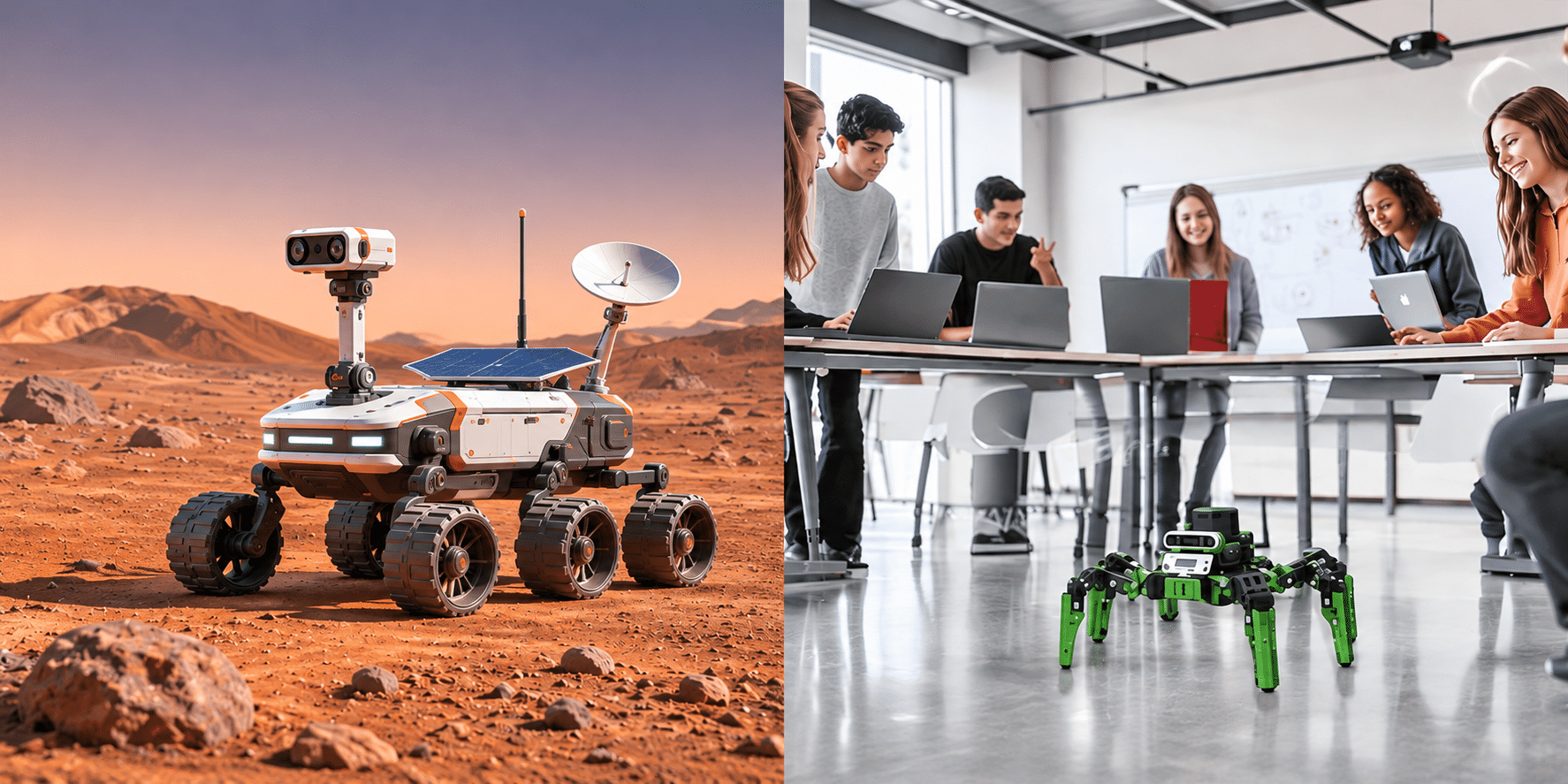
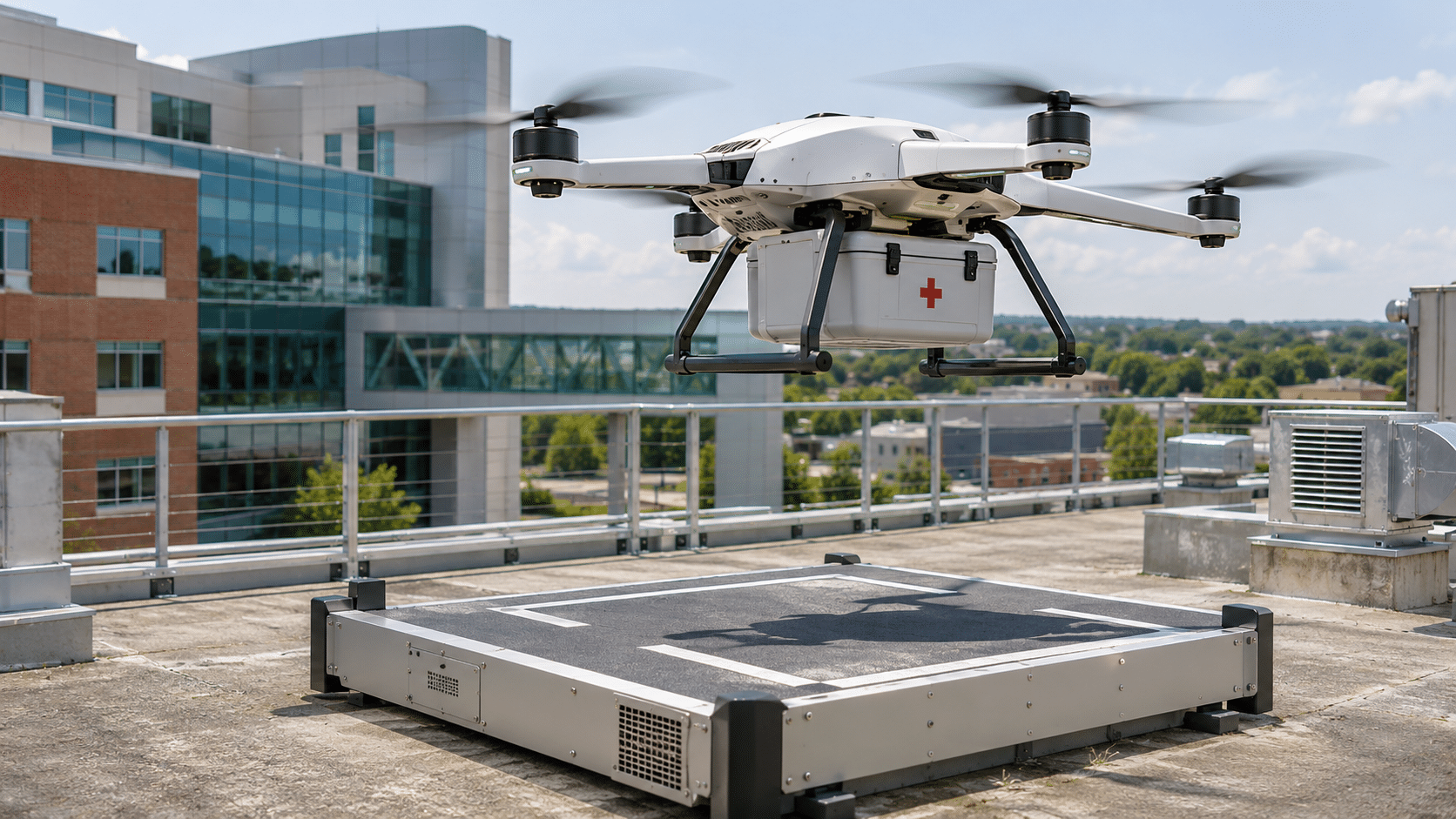
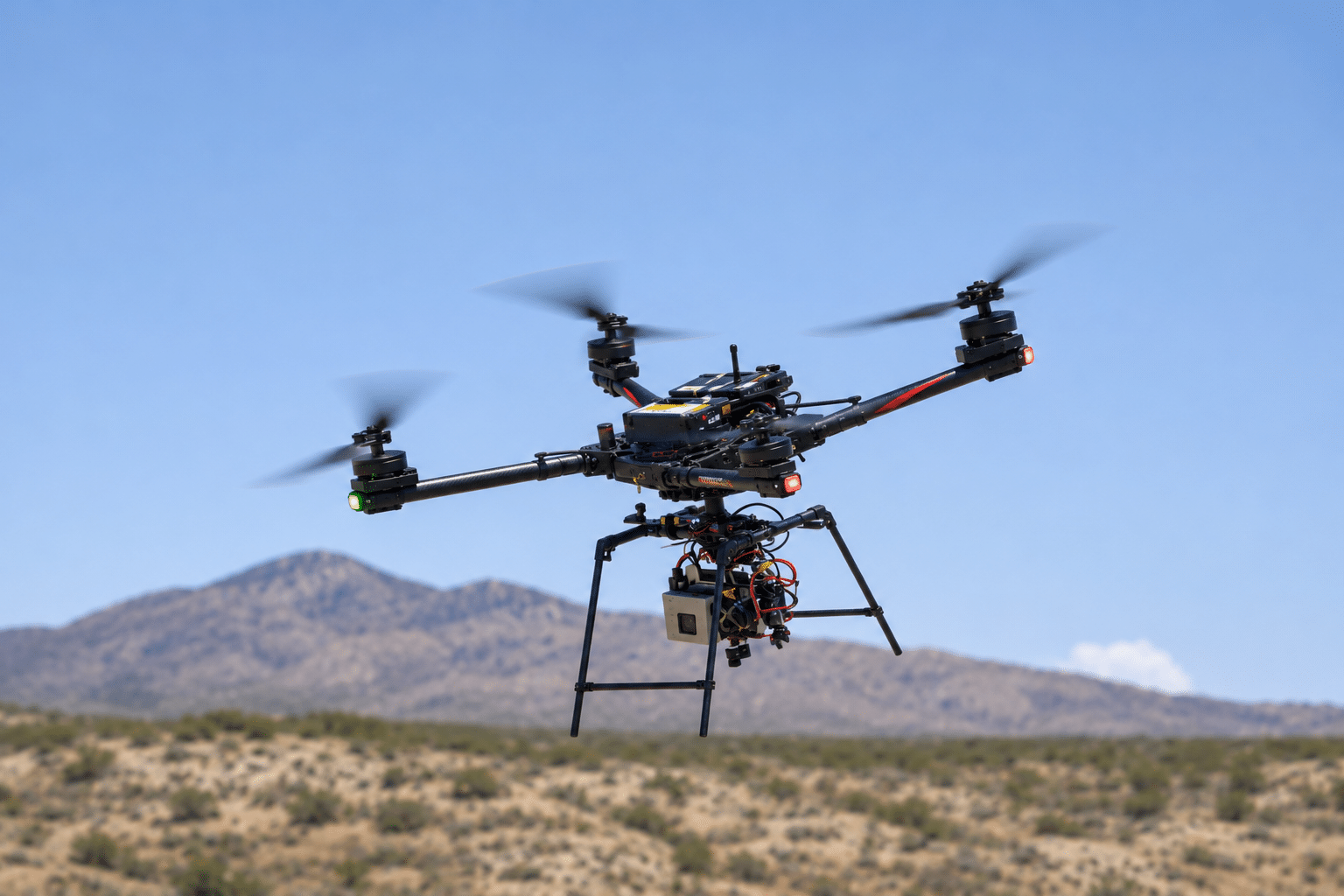
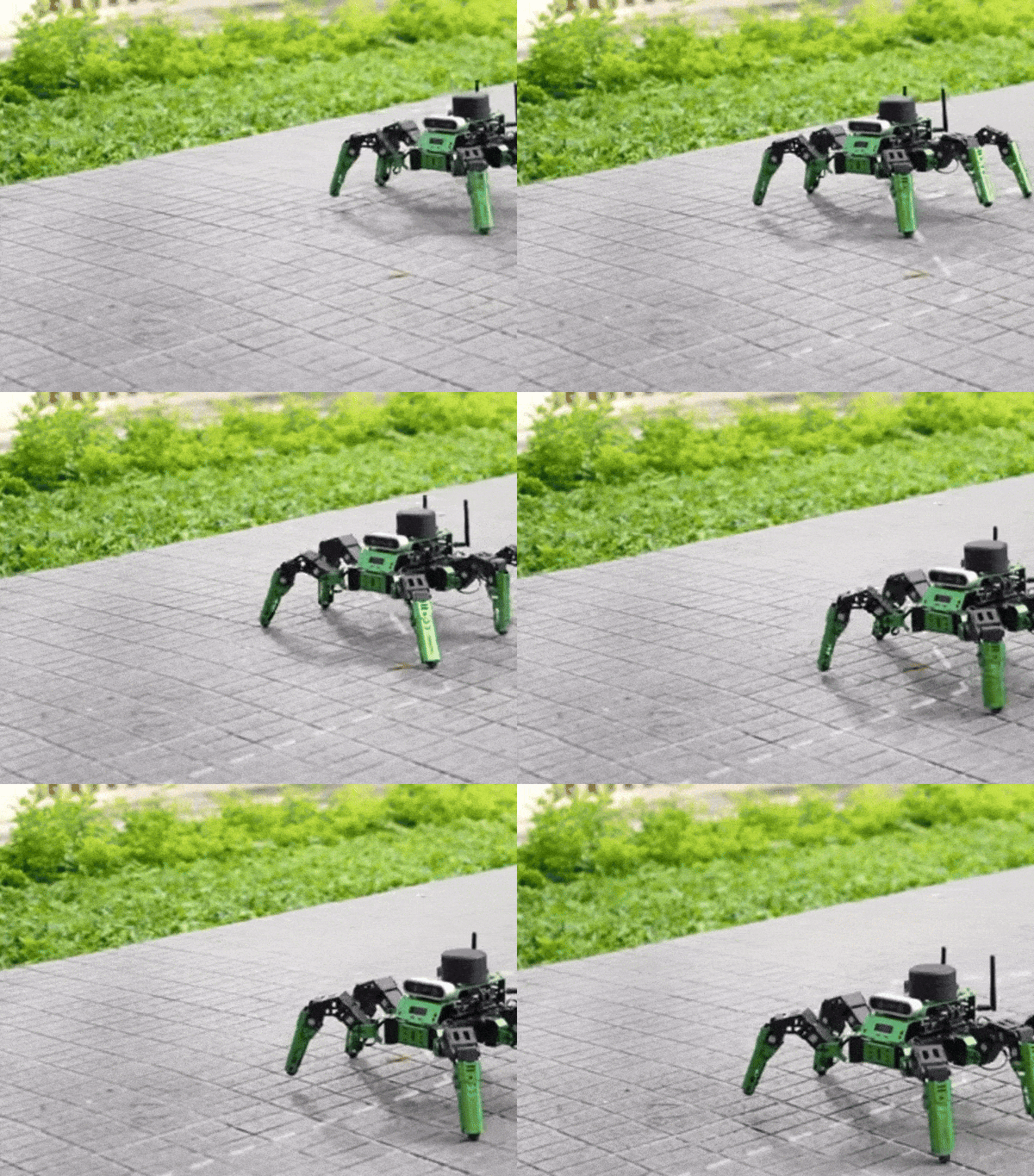
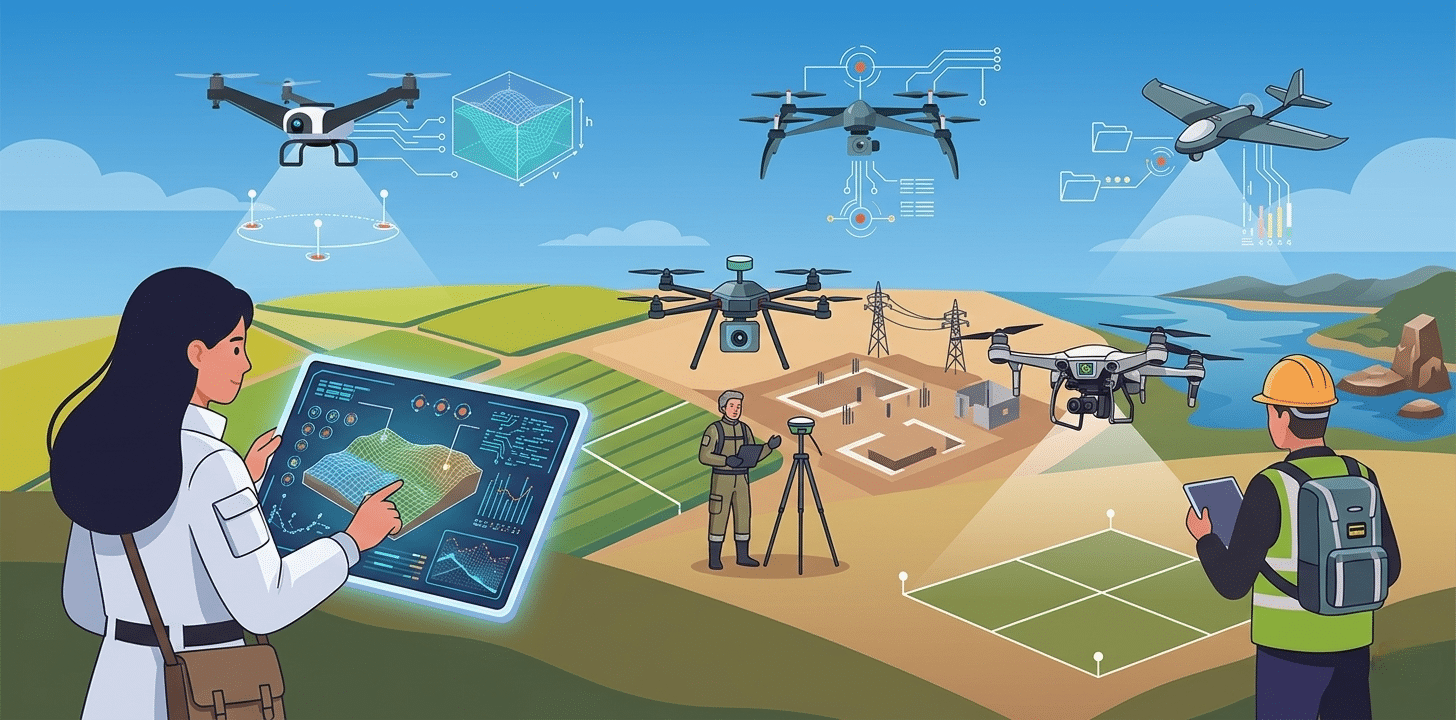
When students program a robot to navigate obstacles or a drone to follow a sequence of commands, their code produces an observable result.
If the robot turns incorrectly or the drone does not follow the expected path, students must investigate what went wrong.
AI might help generate the code, but students still need to test, adjust, and understand how it interacts with the physical system.
These projects connect Python concepts with automation, robotics, and engineering while giving students opportunities to experiment and solve problems.
Rethink How You Assess Python Skills
When AI can complete traditional coding assignments, evaluating only the final program may not reveal what students have learned.
Teachers can shift toward assessments that require students to:
- Explain their code and programming decisions.
- Debug unfamiliar code.
- Predict outputs before running a program.
- Demonstrate how their program works.
- Describe how they used AI and verified its suggestions.
The goal is to ensure students remain responsible for understanding their work.
Python Education Still Matters
AI has changed how students write code, but it has not replaced the need for programming knowledge.
Students who understand Python can evaluate AI-generated solutions, identify errors, and apply code to problems that require reasoning and experimentation.
The question for educators is shifting from “Can students write this code?” to “Can students explain, test, and improve it?”
That’s where meaningful programming education begins.
Bring Python Learning Into the Classroom With LocoRobo
At LocoRobo, we help schools connect Python programming with hands-on learning through robotics, drones, AI, and automation.
Our STEM and CTE programs combine classroom-ready curriculum, technology, professional development, and ongoing support to help educators build programming experiences that align with their students’ needs.
Whether you are introducing Python or expanding an existing CS pathway, we work with your school’s goals and resources to help you plan the next step. Talk to our STEM Specialist.