
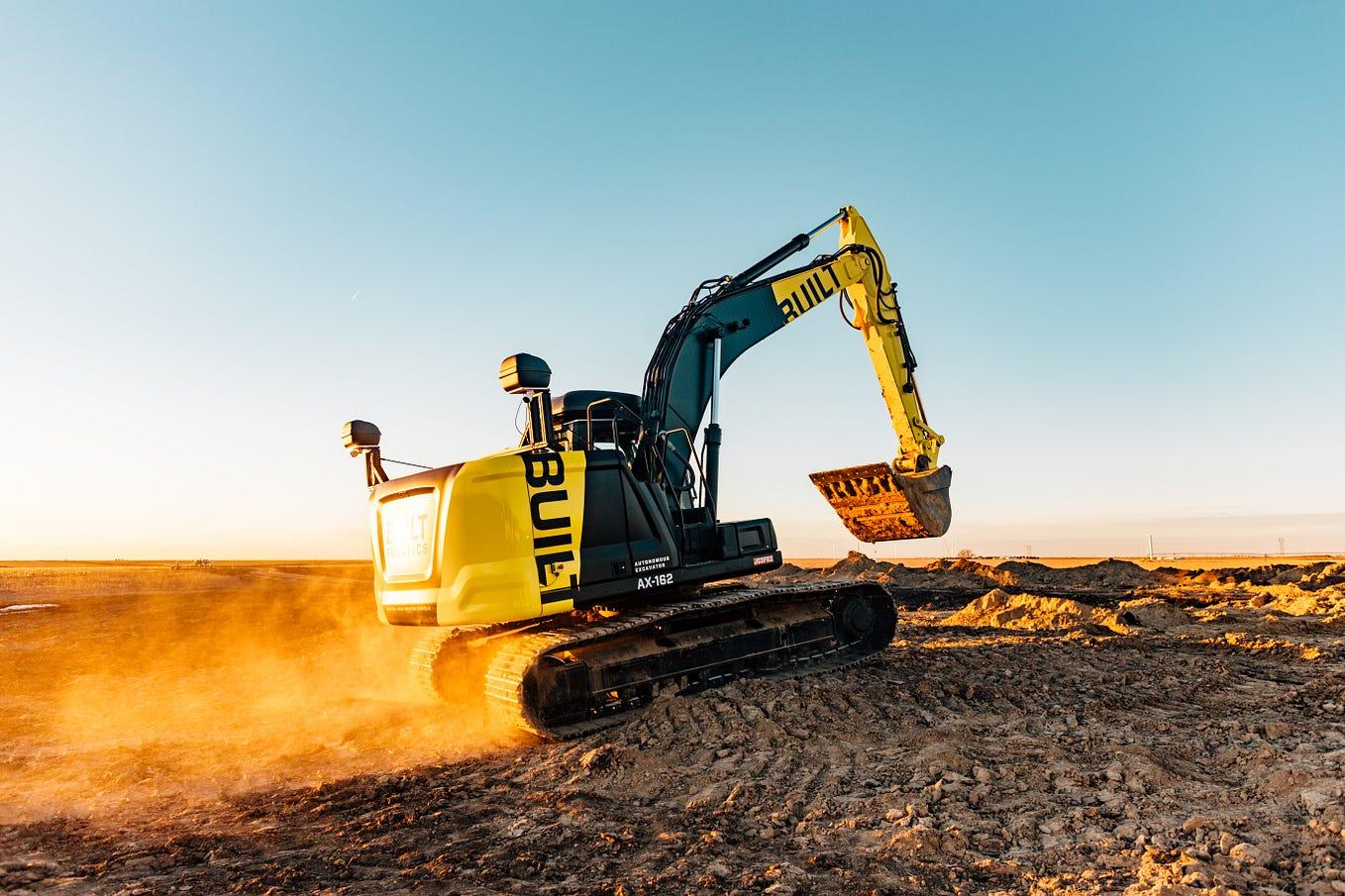
Autonomous machines are moving beyond research labs, warehouses, and controlled demonstrations.
In August 2026, Bedrock Robotics announced that excavators equipped with its autonomous system are performing excavation work on active commercial construction sites in the United States.
The deployments include work at a water treatment facility in Nevada, a large earthwork site in Texas, and a 1.2 million cubic yard civil sitework project.
The significance goes beyond construction.
Machines are increasingly being asked to perceive their surroundings, plan movements, make decisions, respond to changing conditions, and complete physical tasks with less direct human control.
For students learning robotics today, this is a useful look at where many of the concepts they encounter in the classroom can lead.
What Does an Autonomous Excavator Actually Have to Do?
Operating an excavator autonomously is much more complicated than simply automating a sequence of movements.
According to Bedrock Robotics, its system combines computing, sensors, and machine learning to allow an excavator to perceive its environment, plan its motion, and execute tasks after a site manager establishes the initial plan.
That requires several technologies to work together.
The machine has to gather information from its environment. Software has to interpret that information. The system has to determine what action should happen next. Motors and mechanical systems then have to execute that decision accurately.
It is the same basic relationship students encounter when working with robotics:
Sense → Process → Decide → Act
The scale and complexity may be very different, but the underlying engineering ideas are closely connected.
Why Construction Is Turning to Robotics and Automation
Construction is facing a difficult workforce challenge.
Bedrock points to an aging workforce, shortages of experienced equipment operators, project delays, rising costs, and persistent safety concerns as reasons the industry is exploring autonomous equipment.
Excavators are particularly interesting because skilled operation can take years to master. They also play a critical role early in construction projects. If earthwork falls behind schedule, many of the phases that follow cannot begin.
Autonomy gives contractors another way to think about how people and equipment work together.
That does not necessarily mean removing people from construction sites. It can mean changing what people are responsible for.
Workers may increasingly supervise autonomous equipment, interpret data, establish job plans, troubleshoot systems, manage fleets, maintain sensors, verify performance, and step in when conditions require human judgment.
Those responsibilities require a different combination of technical skills.
The Skills Behind Physical AI
One of the most important parts of this story is that AI is controlling a machine operating in the physical world.
When software generates an incorrect sentence or image, the consequences are usually limited. When software controls a multi-ton piece of construction equipment, decision-making, perception, reliability, and safety become much more important.
Students preparing for careers involving autonomous systems will need to understand more than how to write code.
They may need experience with:
- Programming and computational thinking
- Sensors and data collection
- AI and machine learning
- Robotics and mechanical systems
- Autonomous navigation
- Computer vision
- Testing and debugging
- Systems integration
- Safety and responsible technology use
These skills apply well beyond construction.
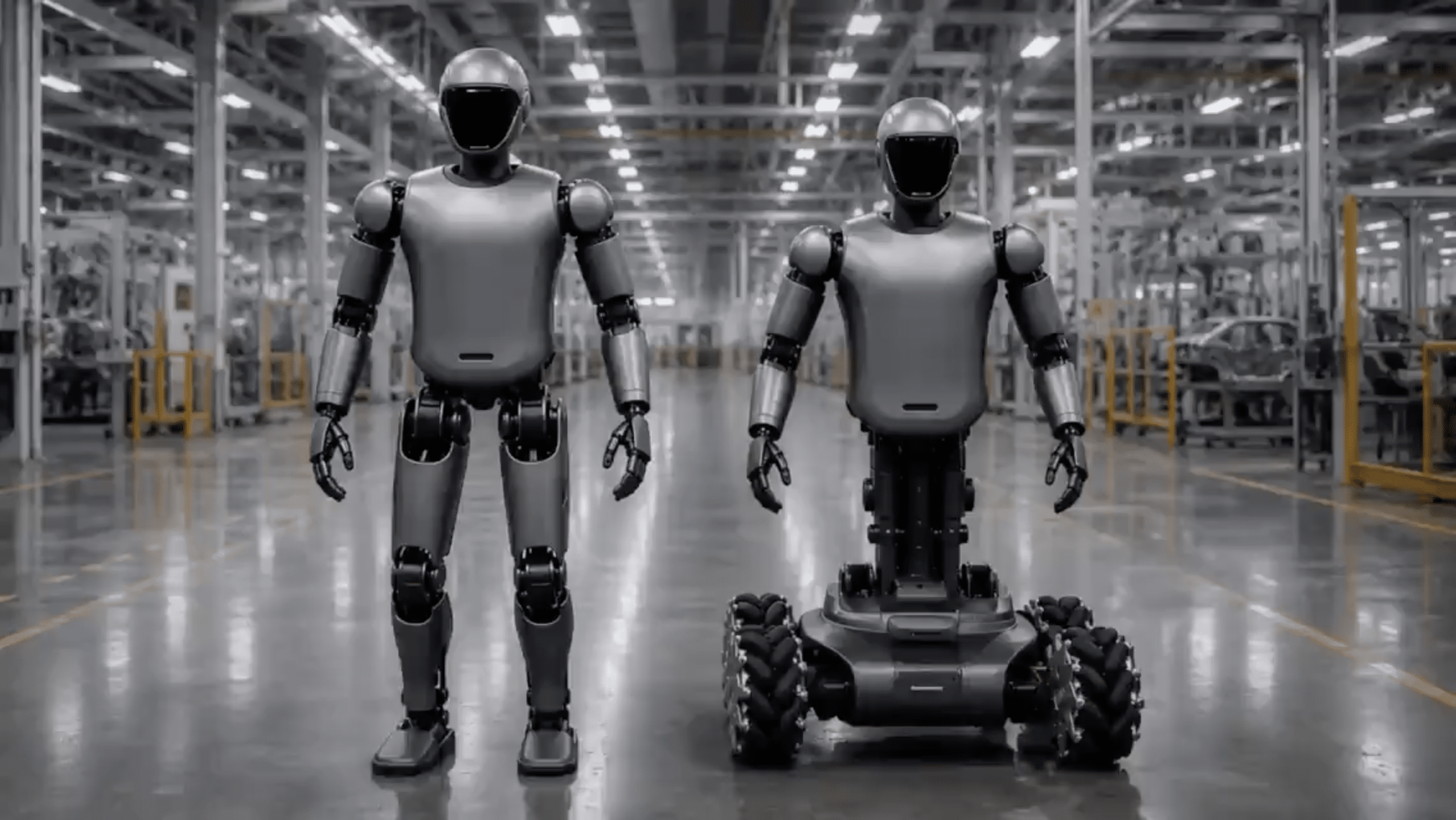
Similar technologies are appearing in manufacturing, logistics, aviation, agriculture, transportation, energy, inspection, and other industries.
Safety Is Part of the Engineering Problem
Bedrock says its autonomous excavators are designed to stop automatically when a person or unauthorized object enters an unsafe area.
That detail is important for STEM and CTE education.
Building an autonomous system is not simply about getting a robot to complete a task. Students also need to think about what happens when something goes wrong.
What if a sensor provides incorrect data?
What if an object unexpectedly enters the robot’s path?
What happens if communication is interrupted?
How should a system behave when it is uncertain?
These questions introduce students to concepts such as fail-safe behavior, sensor reliability, redundancy, testing, risk assessment, and engineering constraints.
A robot that completes a task successfully once is a demonstration. Engineering requires thinking about whether that system can complete the task consistently, safely, and under changing conditions.
One Autonomous Excavator Is Only the Beginning
Bedrock’s longer-term goal is particularly interesting.
The company is working toward autonomous fleets in which different types of construction equipment can coordinate their activities across a job site. Excavators could eventually work alongside autonomous dump trucks, dozers, loaders, and other equipment.
That introduces another layer of complexity.
Machines would need to communicate, coordinate tasks, understand where other equipment is operating, respond to changing conditions, and collectively execute a larger plan.
For students, this provides a real-world example of why robotics education can progress beyond controlling one robot.
As students advance, robotics can introduce them to multi-system coordination, autonomous navigation, mapping, AI, sensor fusion, computer vision, and communication between machines.
What Does This Mean for Robotics Education?
A student learning to program a robot is obviously not building an autonomous construction fleet.
But many of the foundational ideas are connected.
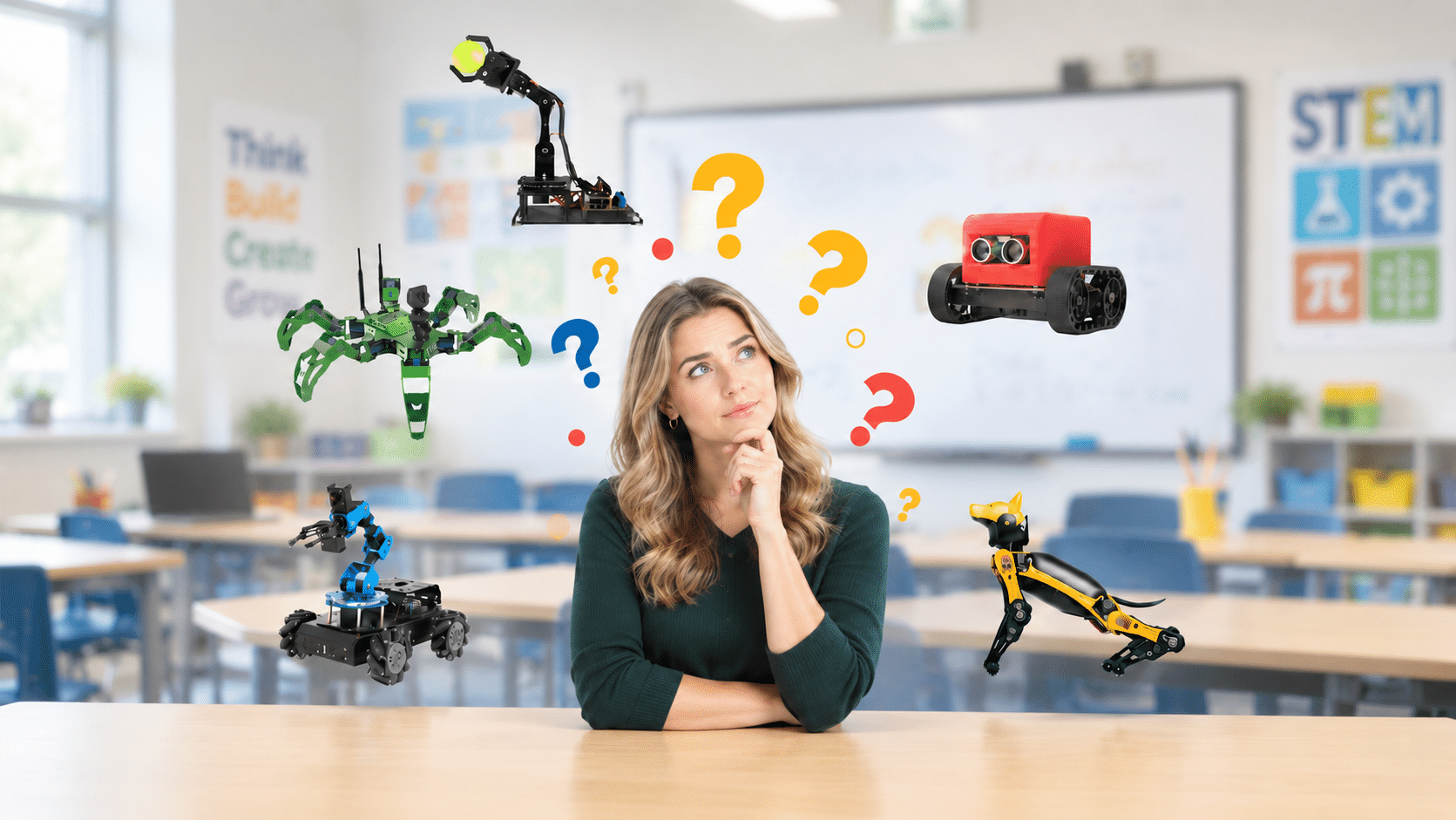
When students use robotics in the classroom to respond to a distance sensor, they are learning how machines use environmental data.
When they debug a navigation problem, they are learning how software and physical behavior interact.
When they use cameras, LiDAR, or other sensors, they begin exploring machine perception.
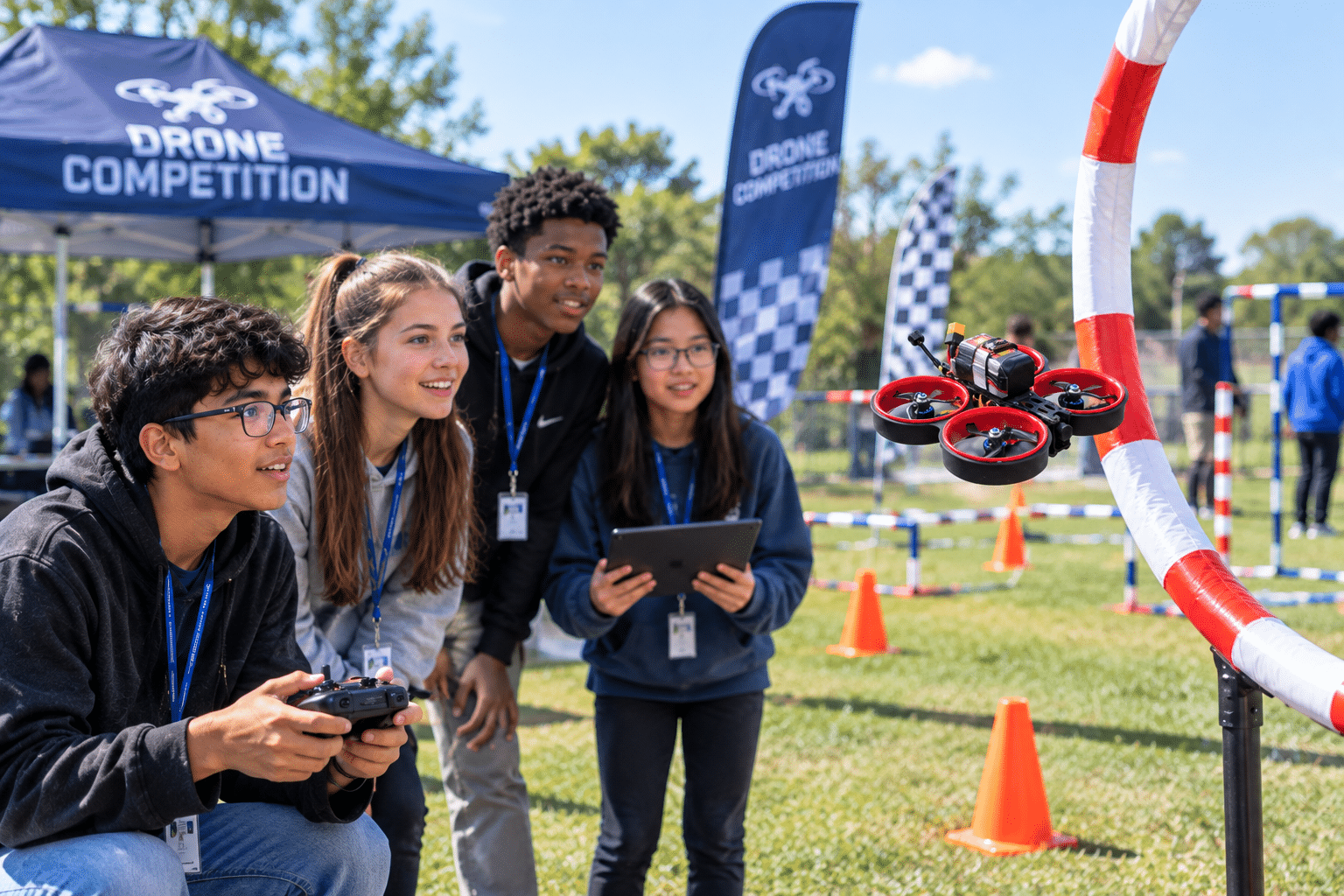
When they program autonomous movement, they are learning how machines make and execute decisions without continuous human control.
These classroom experiences can give students a foundation for understanding much larger autonomous systems later.
The goal is to help them understand the systems behind robotics and how those systems are being applied across industries.
From Classroom Robotics to Autonomous Systems
Stories like Bedrock Robotics’ autonomous excavator deployments show why robotics education can connect directly to career and technical pathways.
LocoRobo helps schools build K12 robotics programs that progress from foundational coding and sensor-based challenges to more advanced robotics, AI, navigation, automation, and autonomous systems.
LocoRobo’s STEM robotics solutions help schools give students hands-on learning experience with robotics programming, sensors, automation, AI, navigation, and autonomous systems. Through progressively more advanced robotics experiences, students can move from foundational concepts to solving complex engineering challenges that reflect how robotics is being used across industries.
The same concepts students explore through classroom robotics kits, from sensing and programming to automation and autonomous decision-making, are increasingly shaping how machines operate across manufacturing, construction, logistics, and other industries.