

We are proud to highlight our January Educator of the Month, Patricia Dorsey, a CTE leader whose work centers on expanding access to opportunity, building confidence, and creating meaningful connections between classroom learning and the world beyond school.
“My journey into CTE leadership began through our district’s participation in a consortium of four districts that applies for CTE grant funding,” Patricia explains. “Through this funding, a workforce developer was hired to create programs that connect students to internships and other career opportunities. I actively partnered with her to build relationships with business partners and create meaningful work-based learning activities for our CTE students.”
“It has been especially powerful to watch students who may struggle with traditional programming assessments experience success through drone-based projects. The technology allows students at all skill levels to contribute meaningfully, making collaboration one of the most effective uses of classroom drones.”
As those partnerships grew, so did the scope of the work. “Over time, my role naturally expanded. I began coordinating field trips, guest speakers, and pathway-wide events that supported all of our programs on campus. As the work grew, it became necessary for me to attend planning meetings and support schoolwide initiatives during the instructional day.”
Advocacy played a key role in sustaining that momentum. “My colleagues and I advocated for designated time in my schedule to continue this work, especially as internship preparation and industry partnerships increased.”
For the past three years, Patricia has balanced teaching and leadership in a dual role. “For the past three years, I have served in a dual role: part of my day as CTE Coordinator and the other part as a teacher in the Computer Science pathway. What motivates me most is seeing students gain confidence, discover career interests, and access opportunities they may not have otherwise considered.”
Meeting Challenges Head-On
Encouraging students to take those first steps is not always easy. “The greatest challenge I see is encouraging students to step out of their comfort zones—whether that means applying for scholarships, pursuing internships, or continuing to build relationships with our business partners. This challenge has been more noticeable since the pandemic, as many students are still rebuilding confidence and communication skills.” Still, progress is visible. “As students begin to see the tangible benefits their peers are gaining through work-based learning opportunities, I believe this challenge will continue to decrease. Every success story helps motivate others to take that first step.”
Why LocoRobo
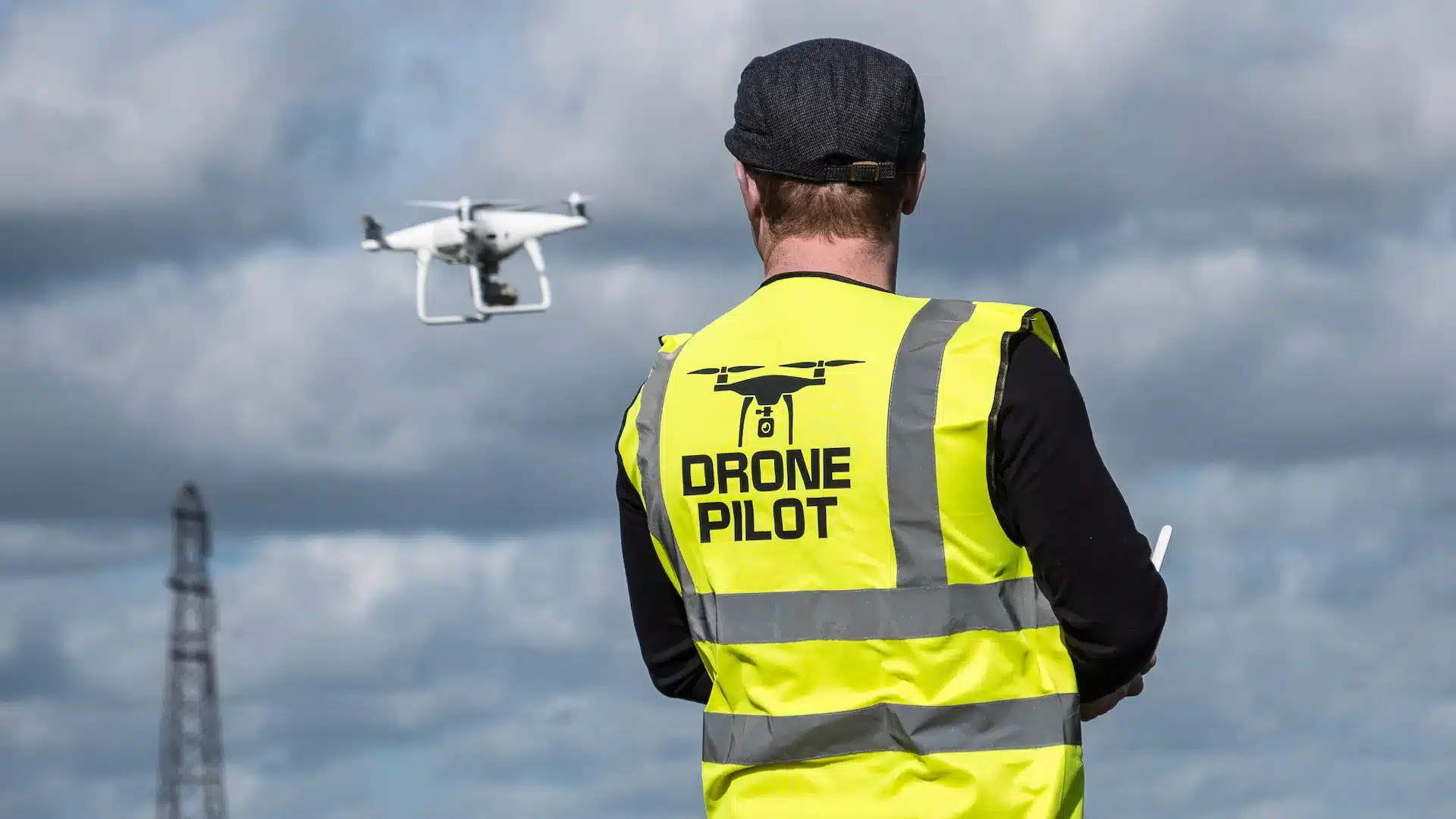
Introducing drones became an important entry point for students. “Introducing drone technology into the classroom proved to be an easy and effective way to motivate students to try something new in a safe, engaging environment.”
Students quickly recognized that excitement alone was not enough. “They quickly realized that flying and programming drones requires patience, critical thinking, and problem-solving.” The curriculum helped connect those experiences to real responsibility. “The curriculum helped students understand the technical skills involved as well as the responsibility and awareness needed when working with drone technology. It created a meaningful bridge between theory and real-world application.”
Implementation and Support
LocoRobo was integrated directly into the school’s Computer Science pathway. “We integrated LocoRobo into our Computer Science pathway, using it as part of the curriculum in the first course of our two-year sequence.” That course sets the foundation. “This course serves as an introduction to programming and information technology, and the drones provided an engaging, hands-on way to reinforce core concepts.”
Support made all the difference. “LocoRobo’s support has been excellent. Whenever we have requested assistance, responses have been prompt and helpful, which has made implementation smooth and sustainable for both teachers and students.”
Impact on Students
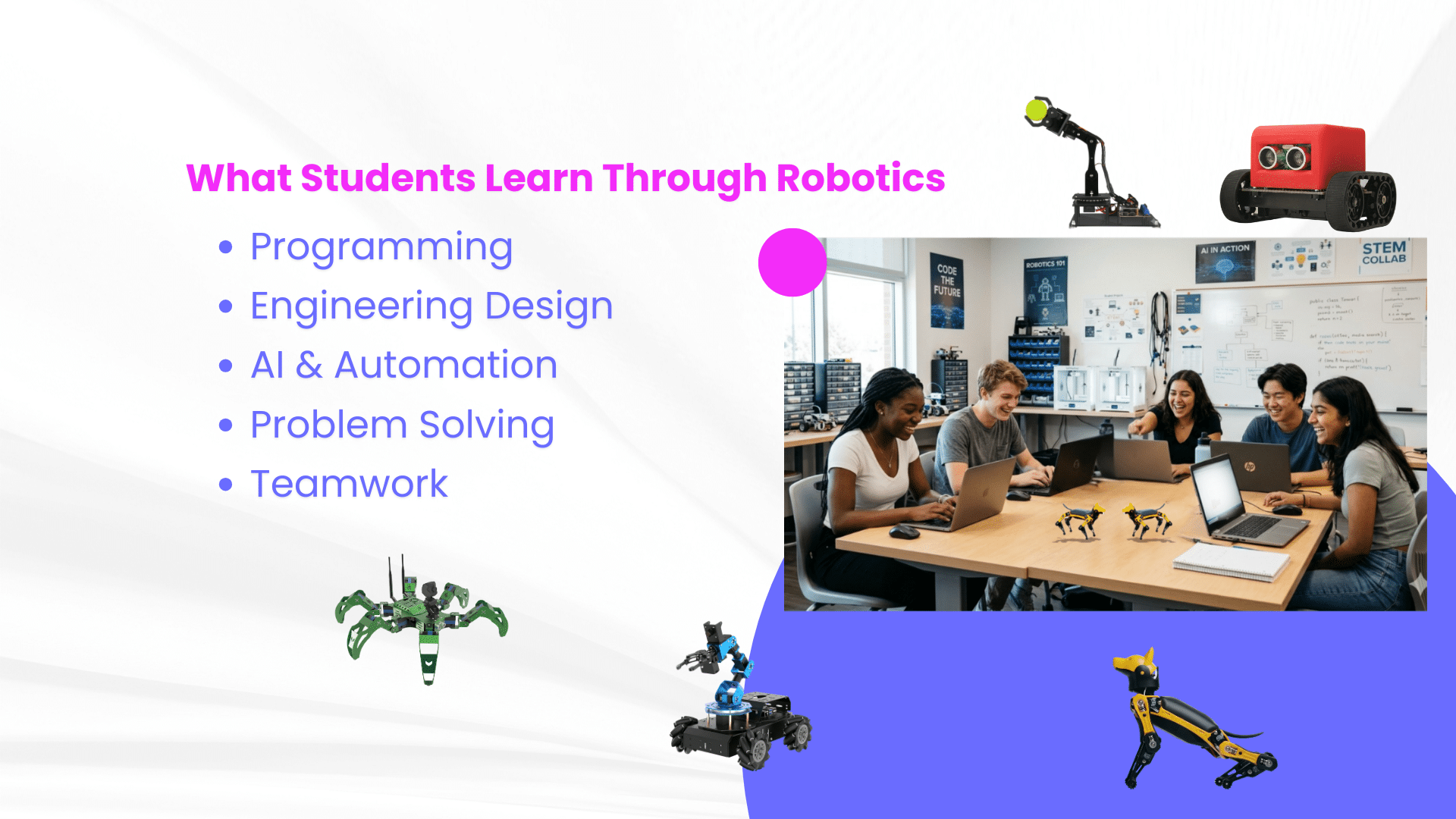
The shift in classroom culture was immediate. “Students quickly learn that successfully flying drones requires collaboration. They work together to write and revise code, troubleshoot problems, and adjust for real-world factors that affect flight.”
Seeing results reinforces engagement. “Because they can see immediate results from their efforts, engagement is consistently high.” That collaboration extends beyond technical skills. “I have also observed a strong culture of peer support. Students are more willing to help one another succeed, which strengthens both their technical and communication skills.”
Aha Moments That Matter
LocoRobo also supports broader district goals. “One of our district’s primary goals is to develop a systemized, actionable work-based learning continuum. Providing students with exposure to emerging technologies and hands-on experiences is a critical part of that vision, and LocoRobo supports this goal beautifully.”
The most powerful moments often come from unexpected places. “It has been especially powerful to watch students who may struggle with traditional programming assessments experience success through drone-based projects. The technology allows students at all skill levels to contribute meaningfully, making collaboration one of the most effective uses of classroom drones.”
One project, in particular, stands out. “One memorable ‘aha’ moment happens during a project where students must demonstrate a specific flight pattern.” Presenting their work takes courage. “Students present their attempts in front of the class, which places them in a vulnerable position.”
The result is growth that goes beyond the lesson. “I regularly see quieter students take a deep breath, step forward, and find the courage to try. Watching students build confidence in real time—both technically and personally—has been one of the most rewarding outcomes. These are the moments when true growth happens.”